Where to Stay: the best area in every city
The neighborhood you pick shapes your whole trip - what you walk to, what you pay, how the evenings feel. These guides break each city down area by area, rated for vibe, price, safety and who it suits, so you book the right base the first time.

In Brief
How do I decide where to stay in a city?
Start central and walkable for a first visit, then weigh budget, vibe and transport. Each of our city guides ranks the neighborhoods best-first, tells you which suits first-timers, families, couples, budget or nightlife, and flags where not to stay - so you can match an area to your trip in a couple of minutes.
Key takeaways
- Central + walkable usually beats cheaper-but-far on a short trip.
- Match the area's vibe to your trip: nightlife, calm, food, romance or value.
- Stay near transport, but a few streets off big stations for a calmer night.
City guides
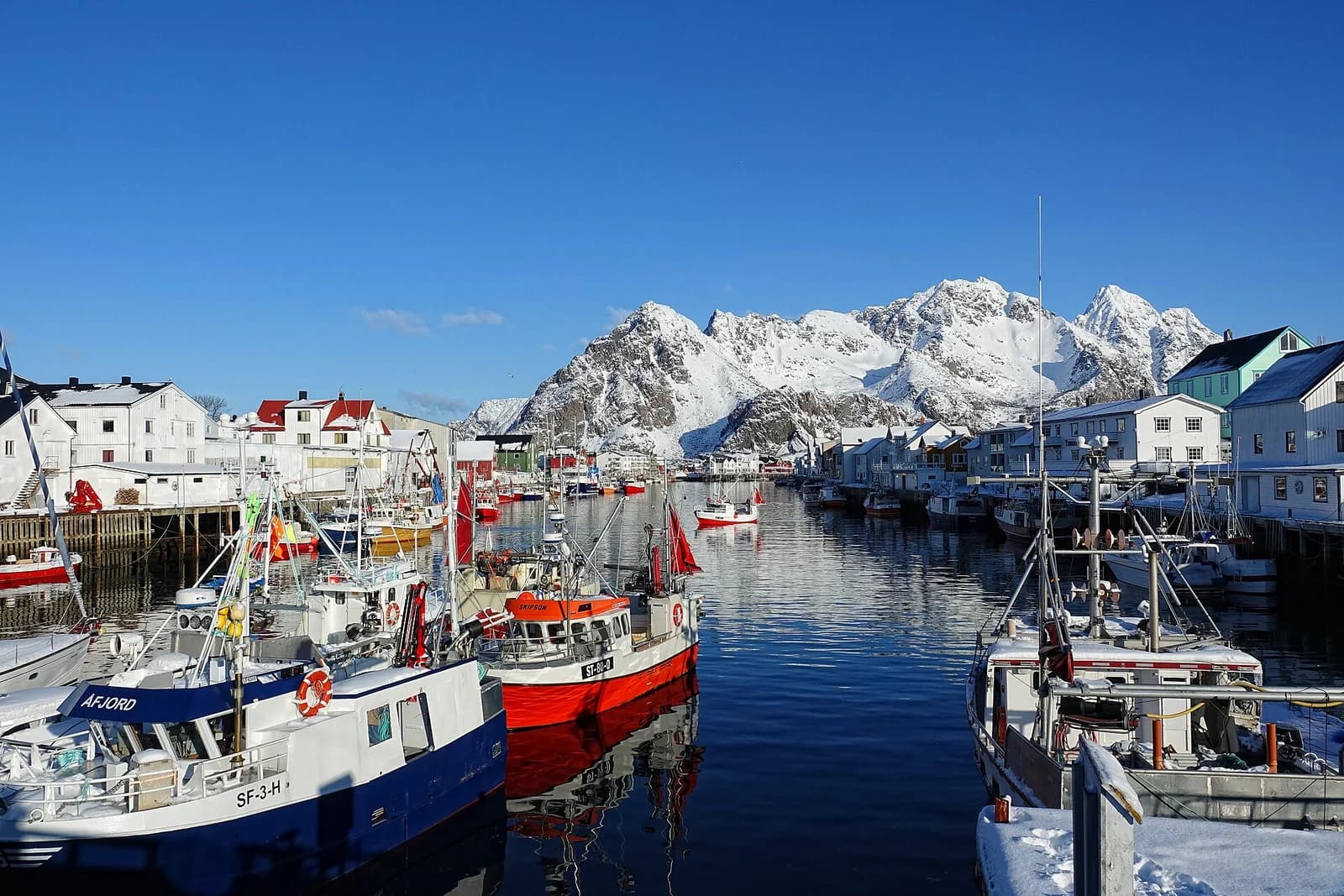
Top pick: Svolvaer
Where to stay in the Lofoten Islands
9 areas rated for vibe, price and who they suit.
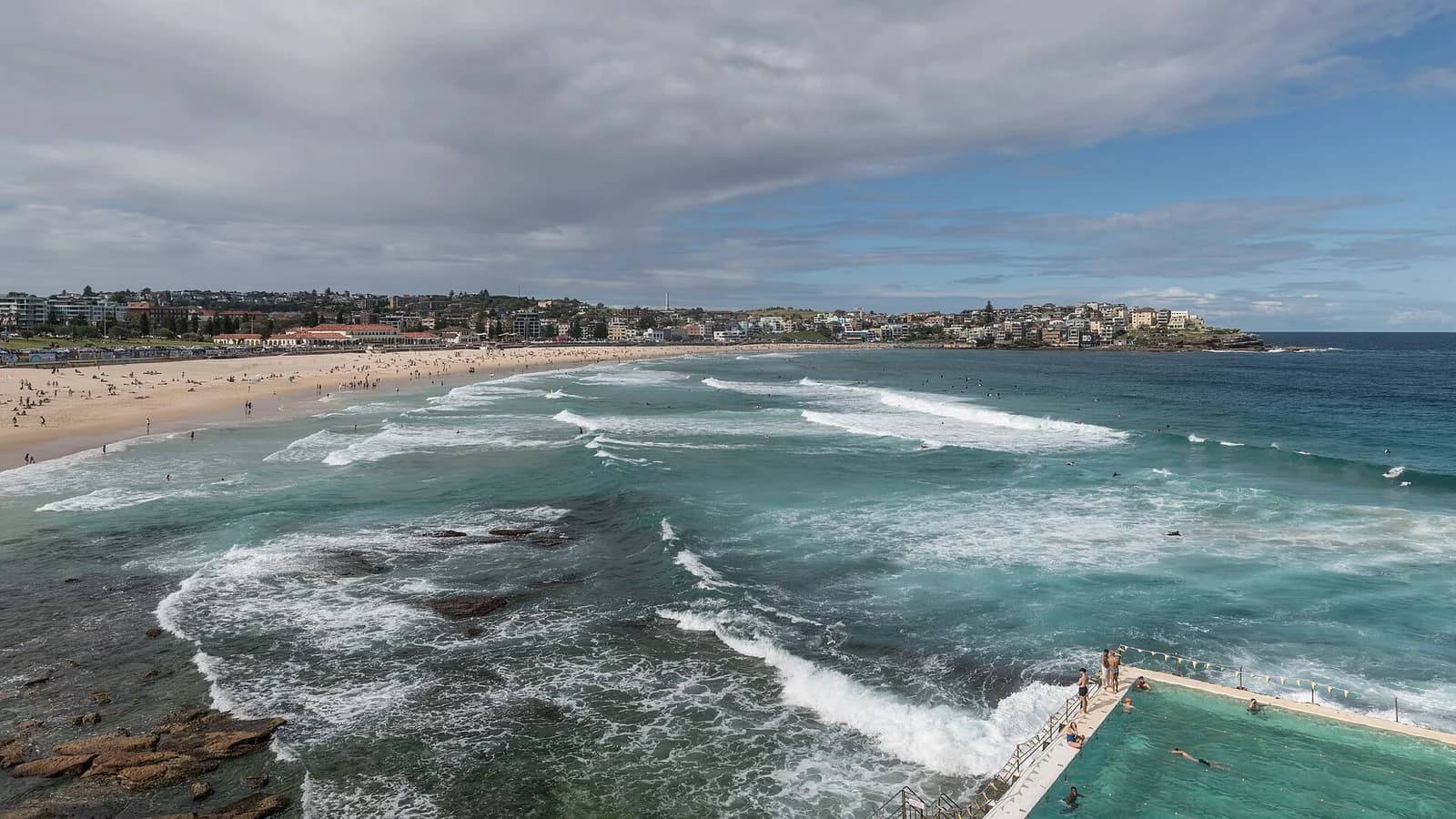
Top pick: Sydney CBD around Town Hall, Hyde Park and World Square
Where to stay in Sydney
9 areas rated for vibe, price and who they suit.

Top pick: The 101 downtown core: Kvosin, Adalstraeti and Laekjargata
Where to stay in Reykjavik
7 areas rated for vibe, price and who they suit.

Top pick: Rovaniemi
Where to stay in Lapland
8 areas rated for vibe, price and who they suit.
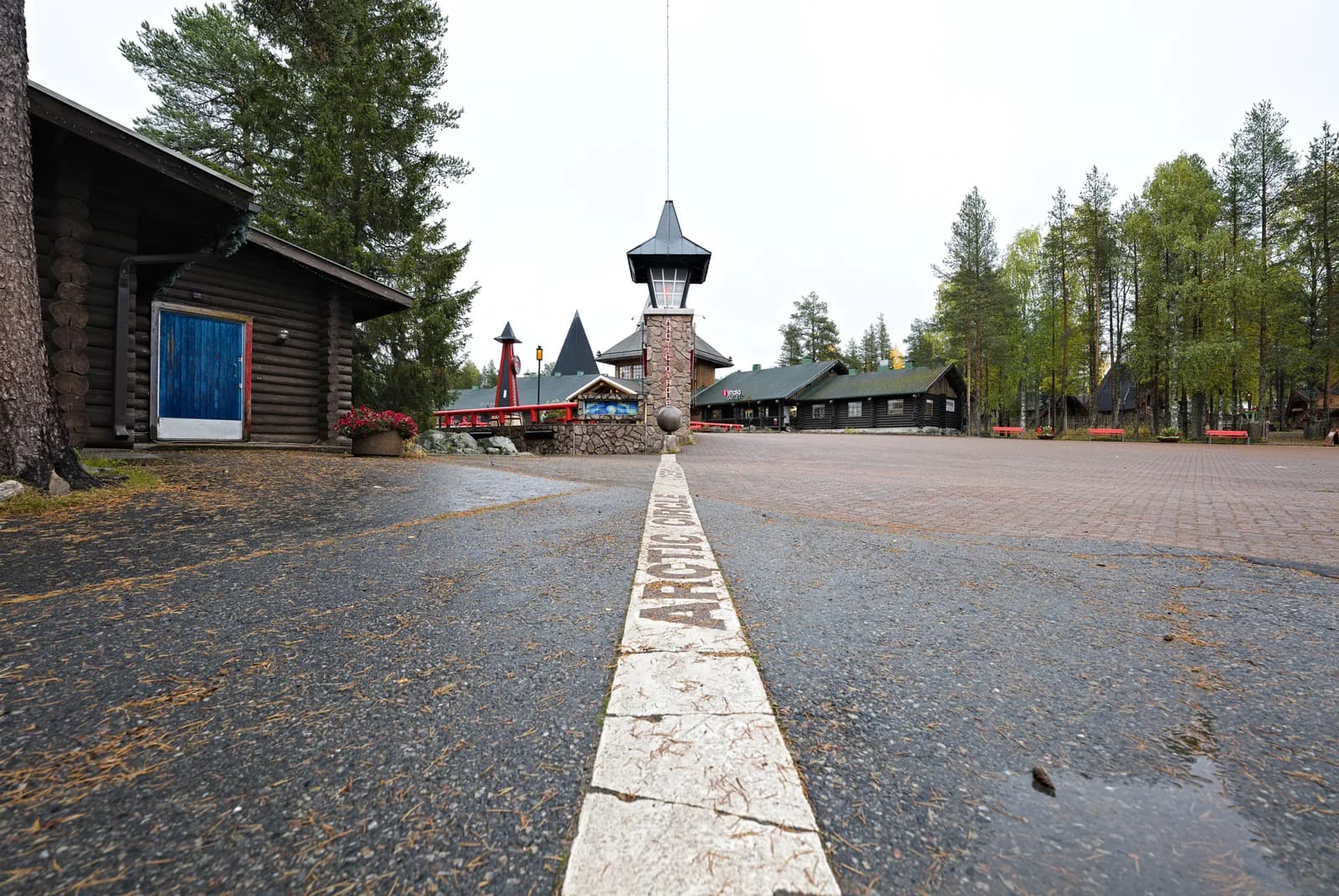
Top pick: City centre
Where to stay in Rovaniemi
5 areas rated for vibe, price and who they suit.

Top pick: Sentrum and the harbour
Where to stay in Tromso
6 areas rated for vibe, price and who they suit.
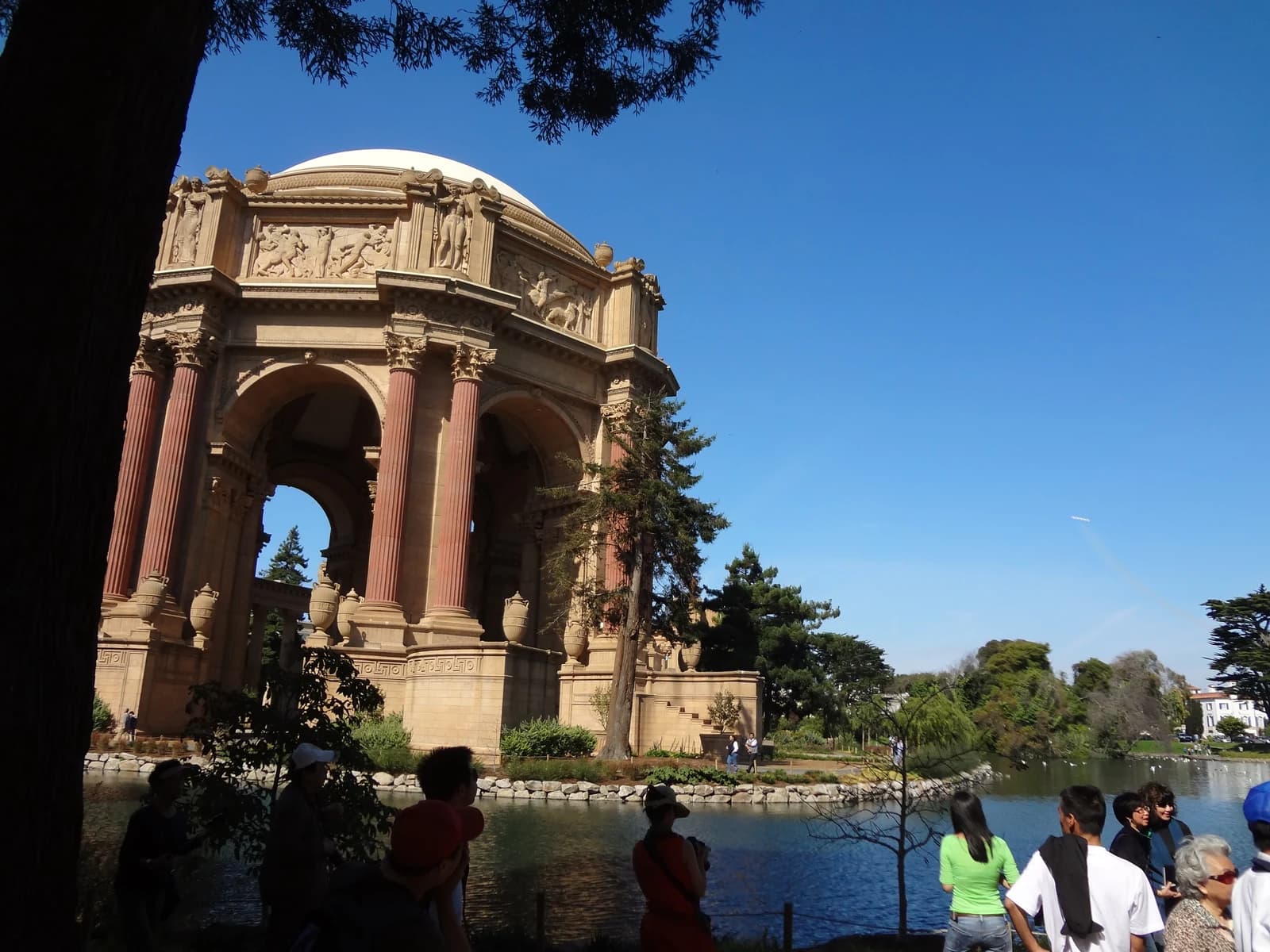
Top pick: Fisherman's Wharf
Where to stay in San Francisco with a family
7 areas rated for vibe, price and who they suit.
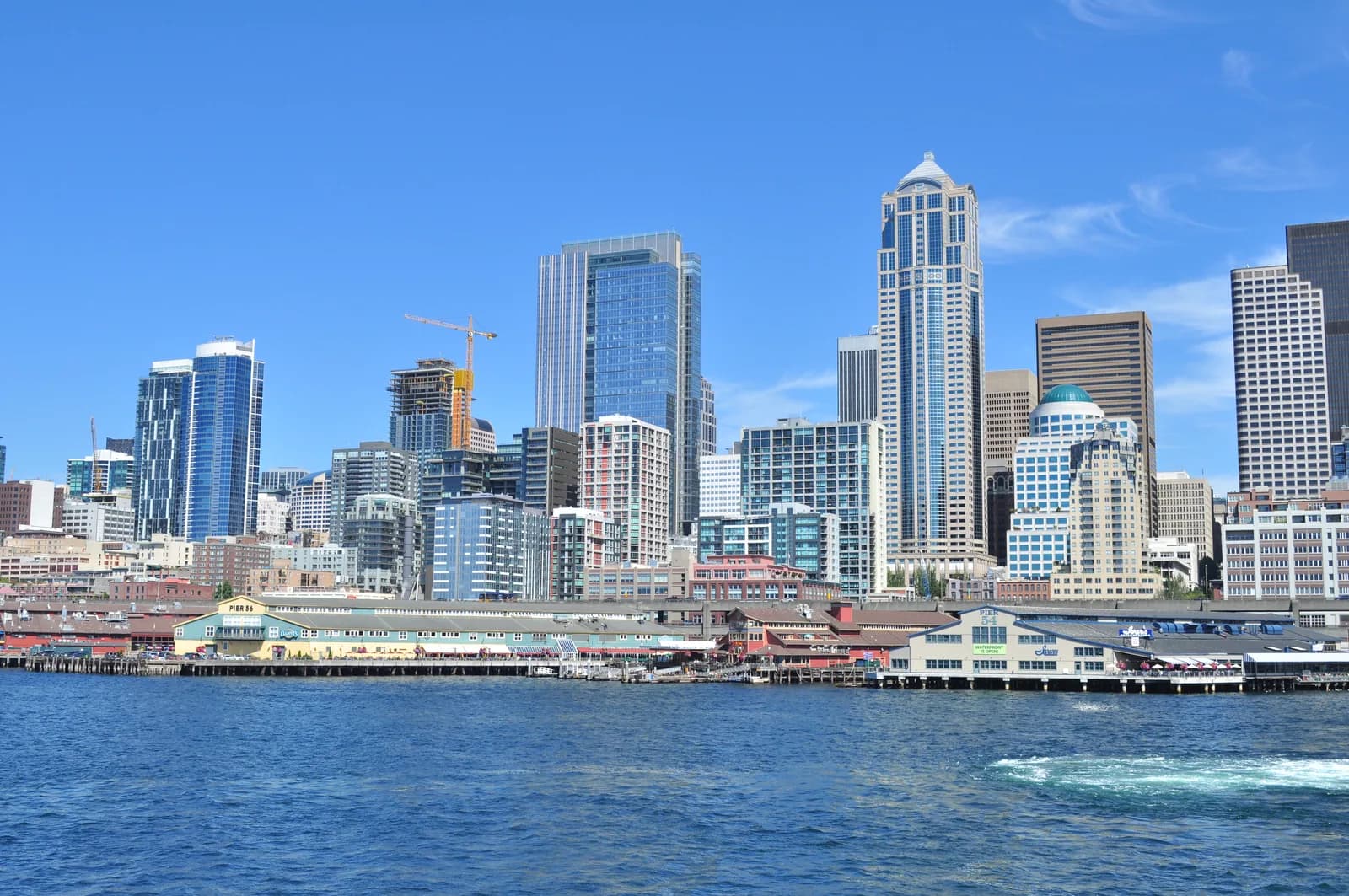
Top pick: Downtown / Westlake
Where to stay in Seattle
7 areas rated for vibe, price and who they suit.
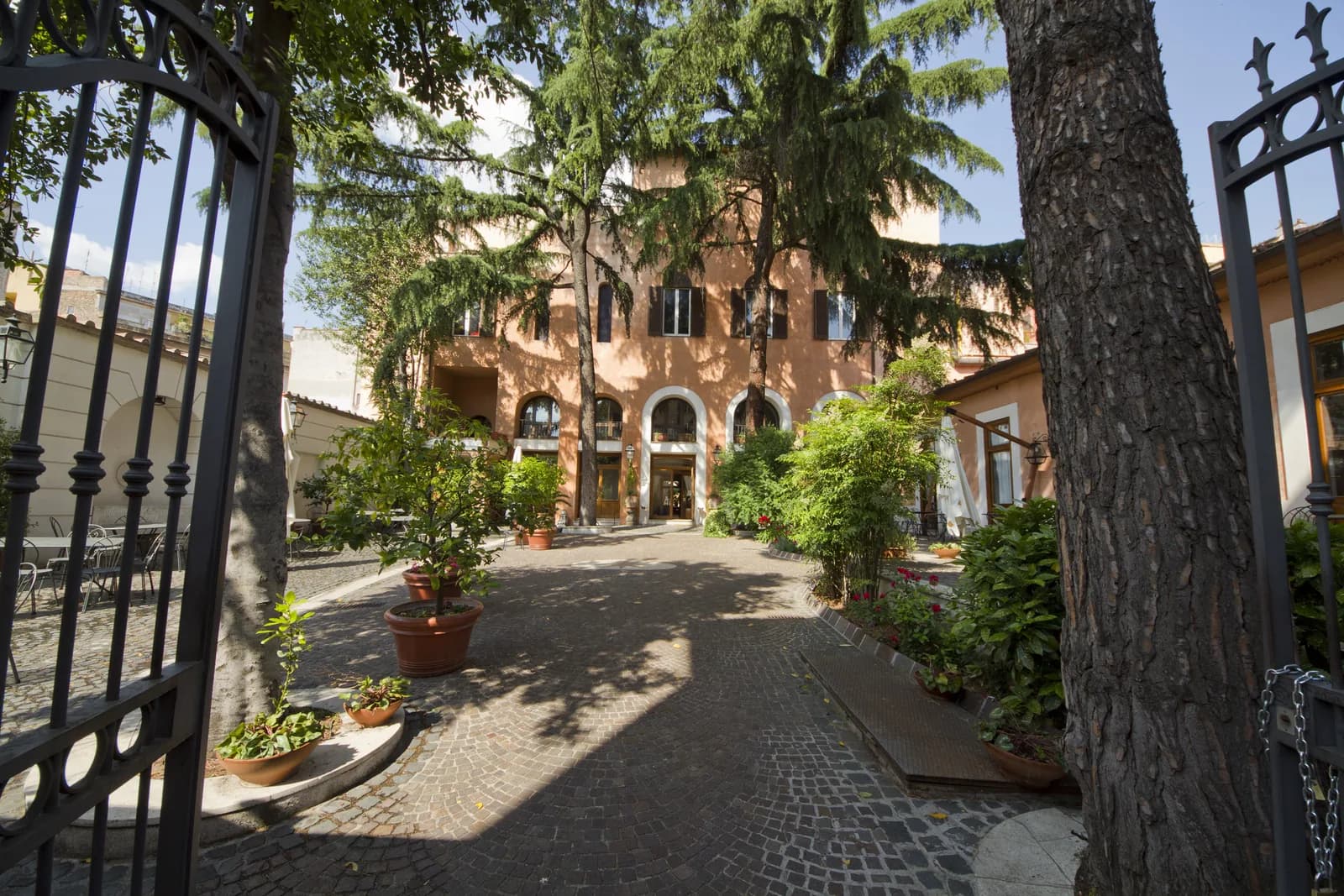
Top pick: Monti
Where to stay in Rome
7 areas rated for vibe, price and who they suit.
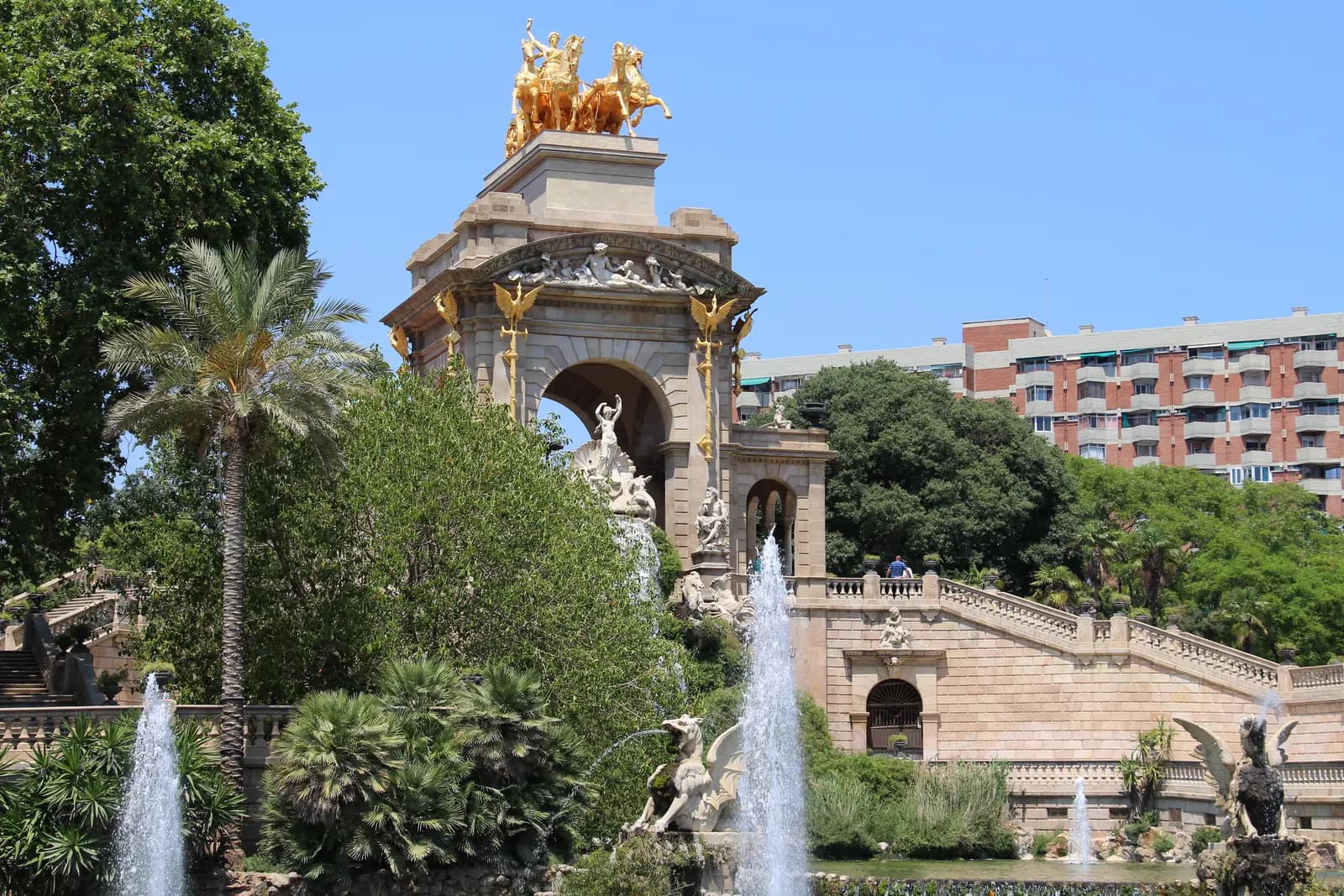
Top pick: Dreta de l'Eixample
Where to stay in Barcelona
6 areas rated for vibe, price and who they suit.
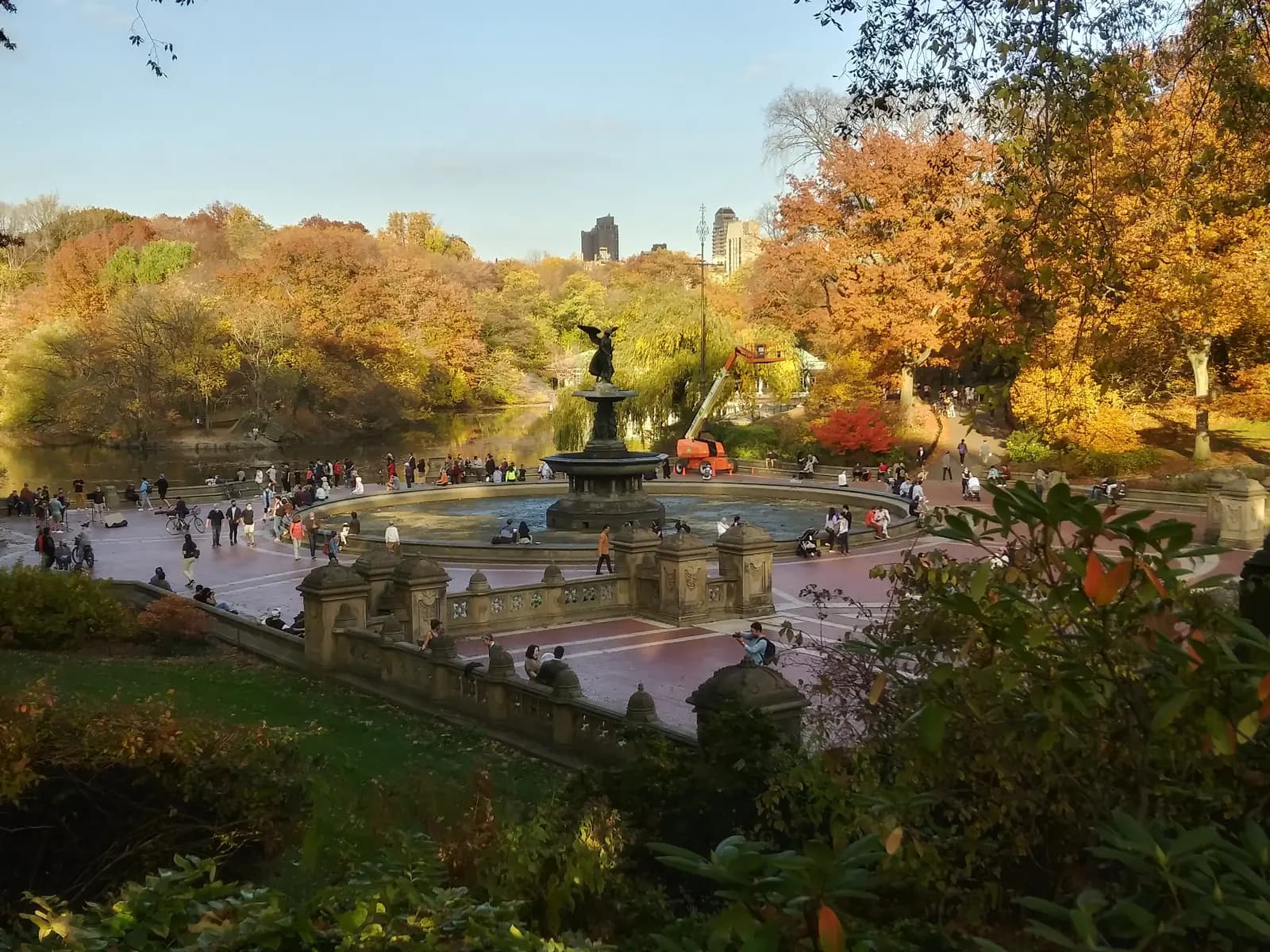
Top pick: Upper West Side
Where to stay in New York
7 areas rated for vibe, price and who they suit.

Top pick: Midtown and Music Row
Where to stay in Nashville on a budget
8 areas rated for vibe, price and who they suit.

Top pick: Smithfield and Stoneybatter
Where to stay in Dublin on a budget
7 areas rated for vibe, price and who they suit.
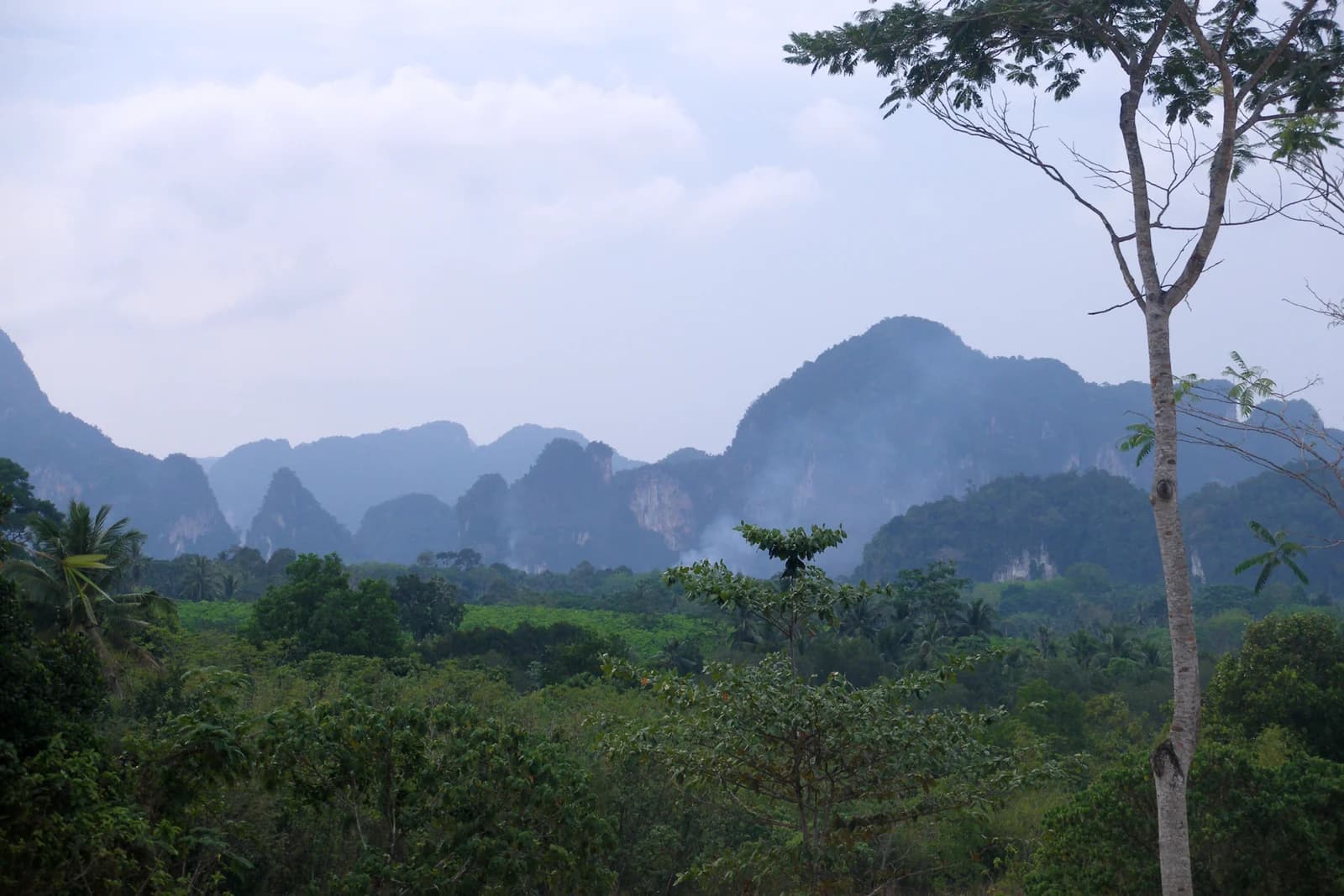
Top pick: Ao Nang
Where to stay in Krabi
7 areas rated for vibe, price and who they suit.

Top pick: Sentosa
Where to stay in Singapore with a family
7 areas rated for vibe, price and who they suit.
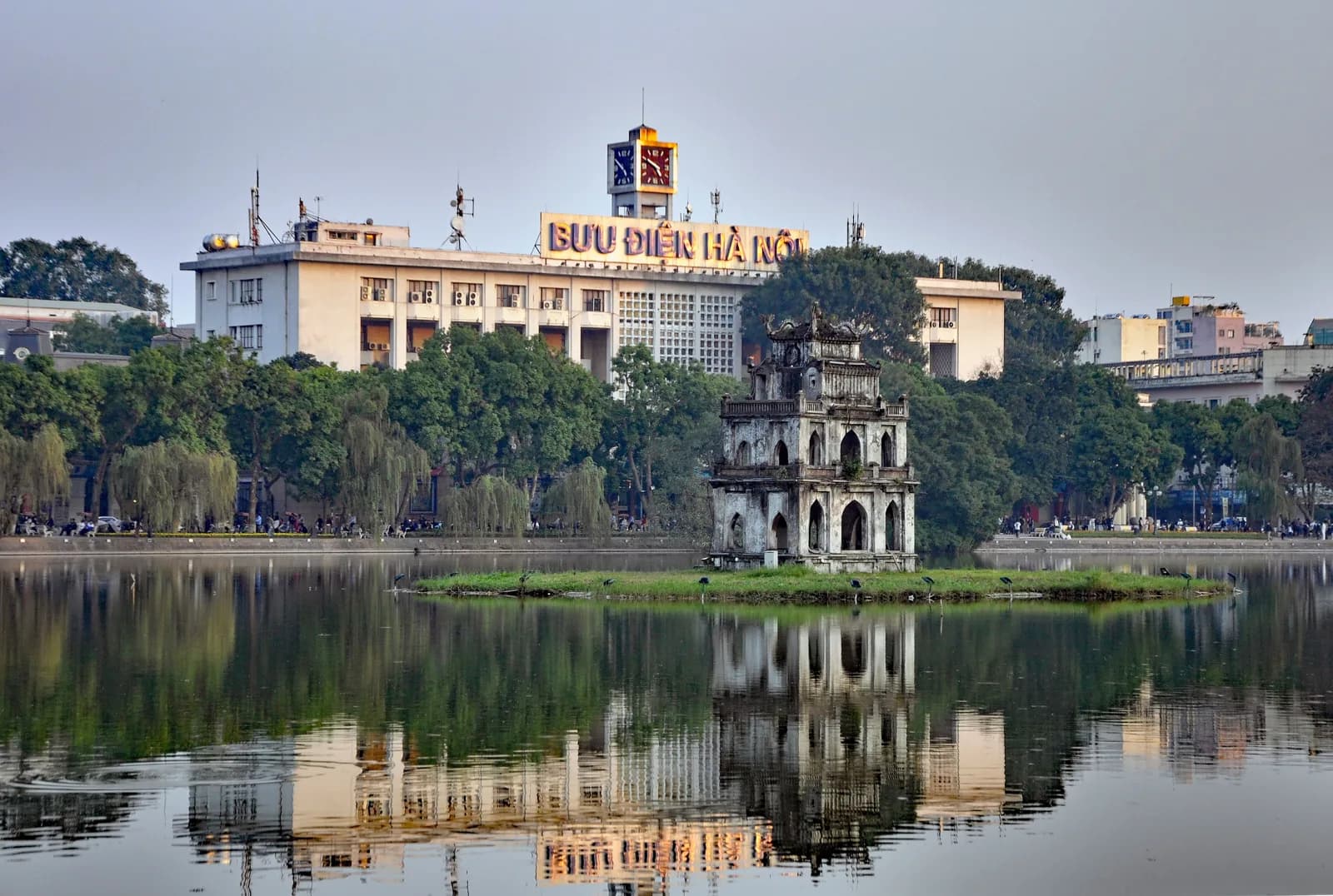
Top pick: Old Quarter
Where to stay in Hanoi
6 areas rated for vibe, price and who they suit.

Top pick: Zhongshan
Where to stay in Taipei
7 areas rated for vibe, price and who they suit.
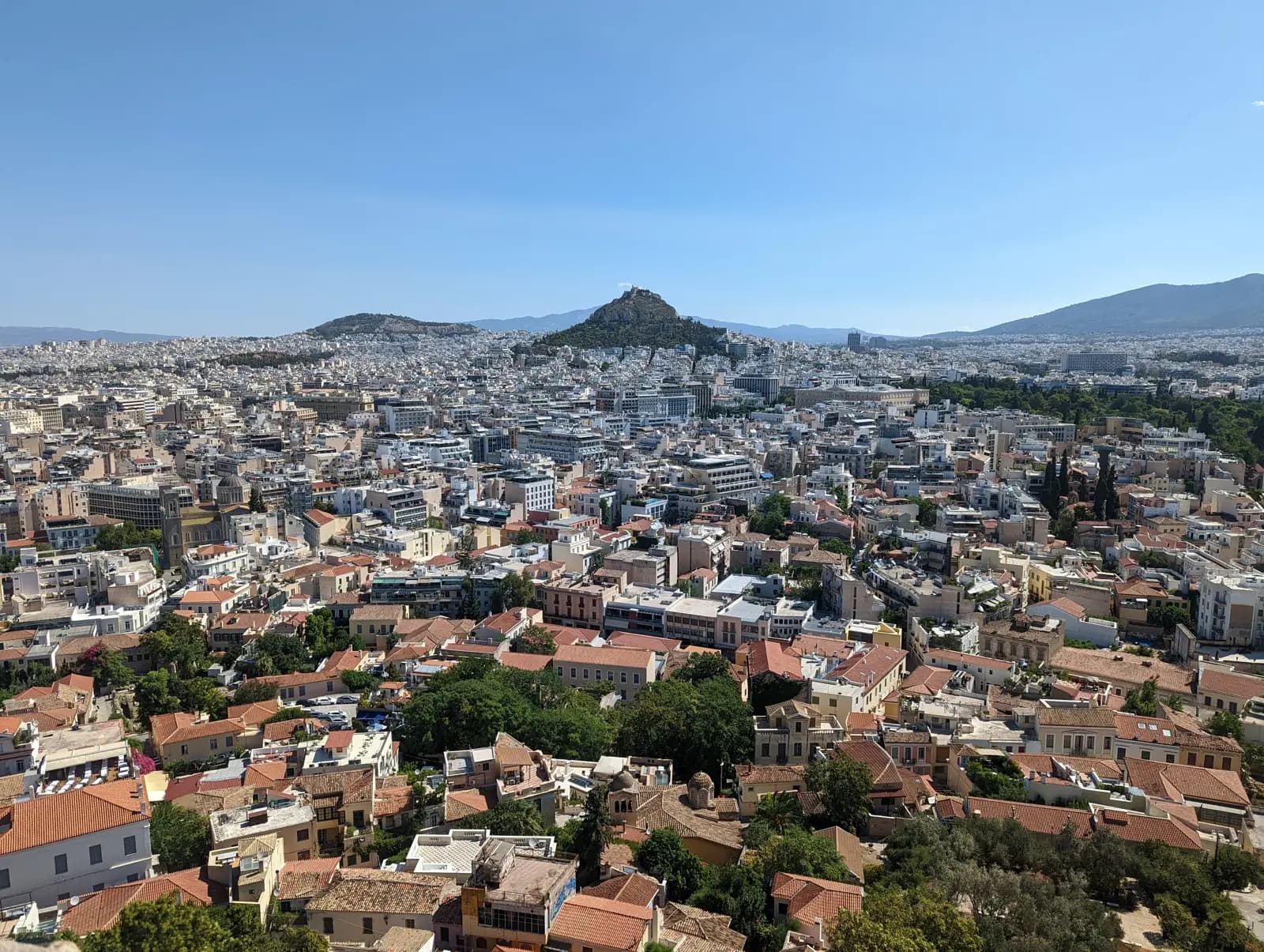
Top pick: Plaka
Where to stay in Athens
9 areas rated for vibe, price and who they suit.
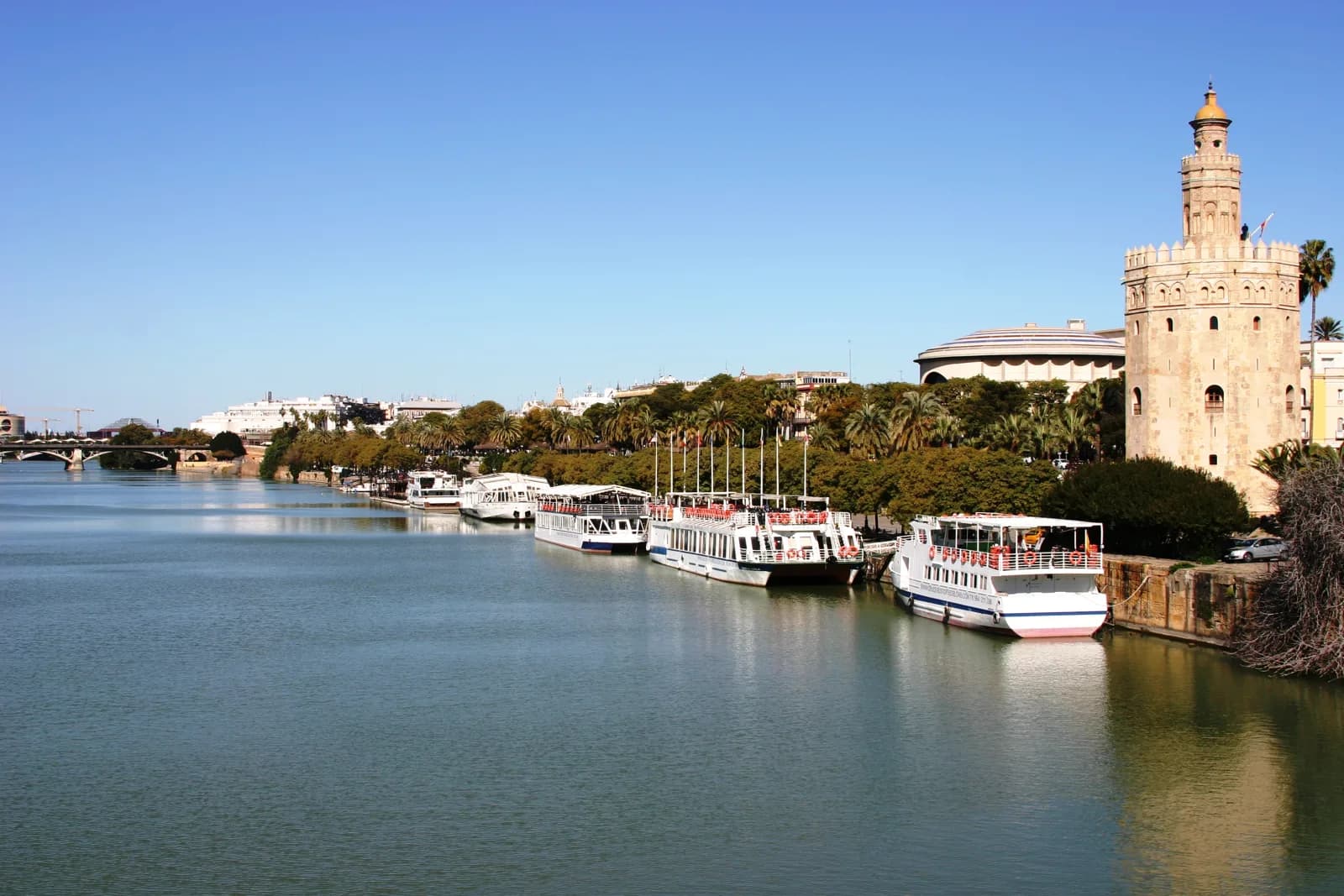
Top pick: El Arenal
Where to stay in Seville
7 areas rated for vibe, price and who they suit.
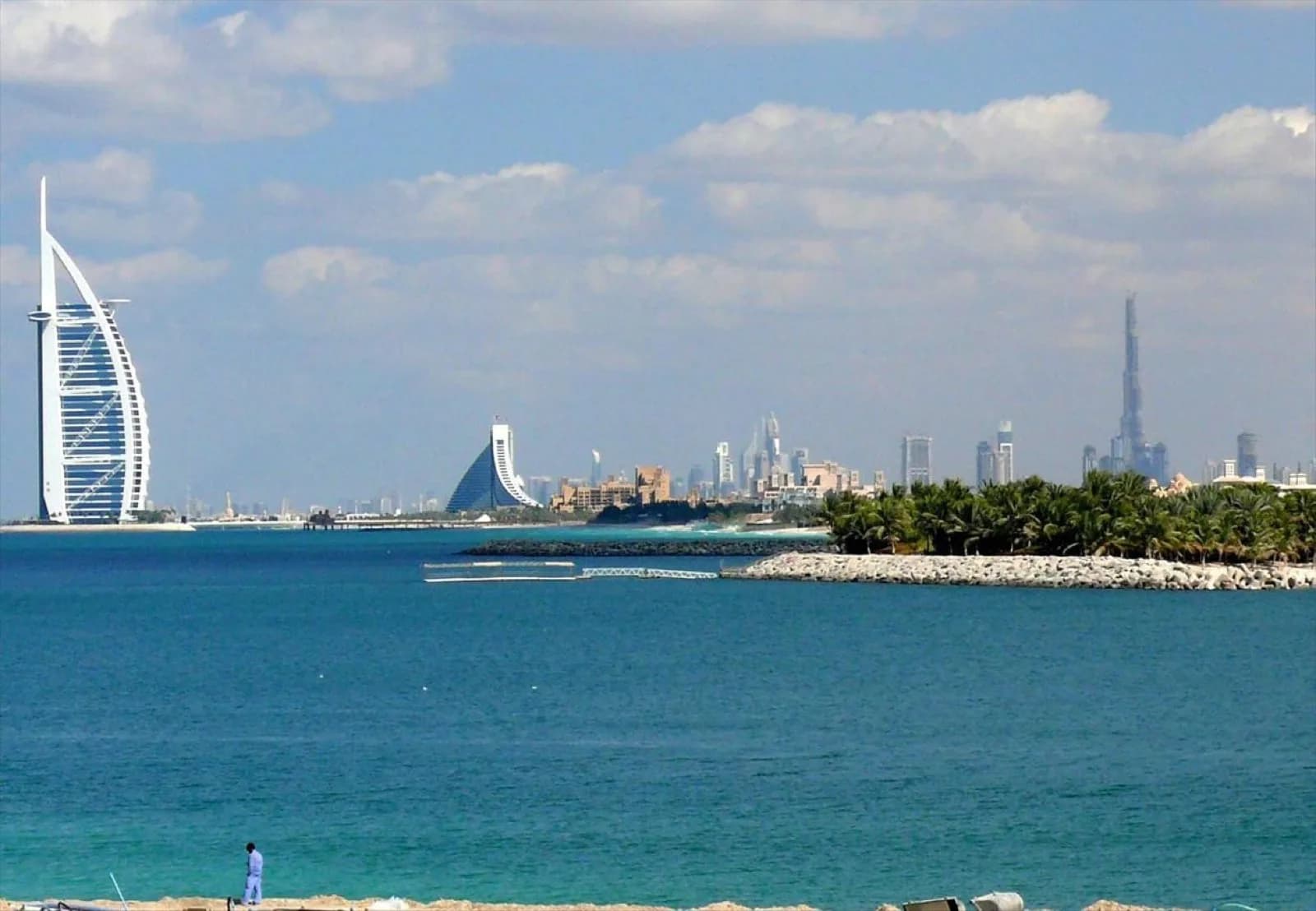
Top pick: Downtown Dubai
Where to stay in Dubai
7 areas rated for vibe, price and who they suit.
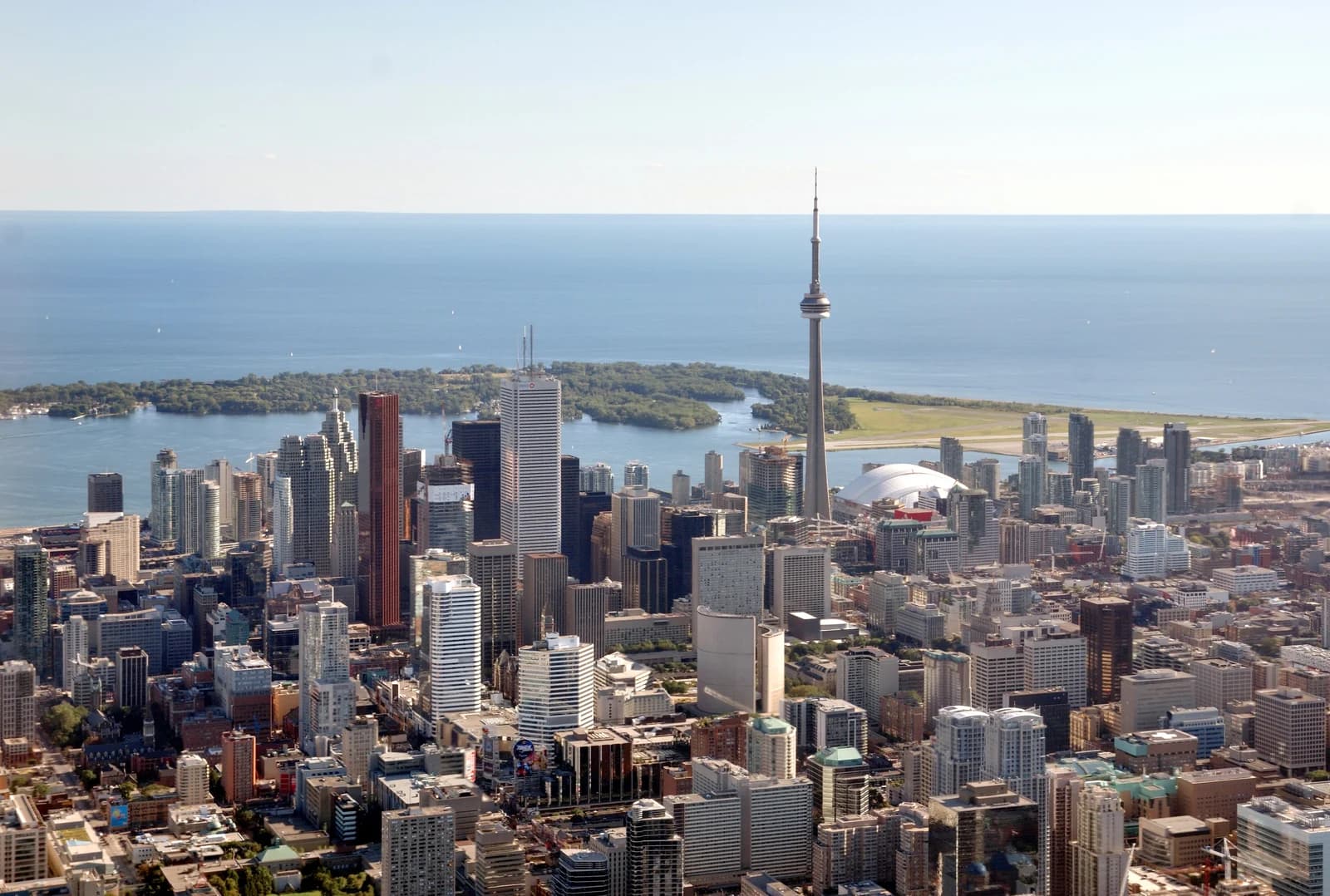
Top pick: Entertainment District
Where to stay in Toronto
7 areas rated for vibe, price and who they suit.
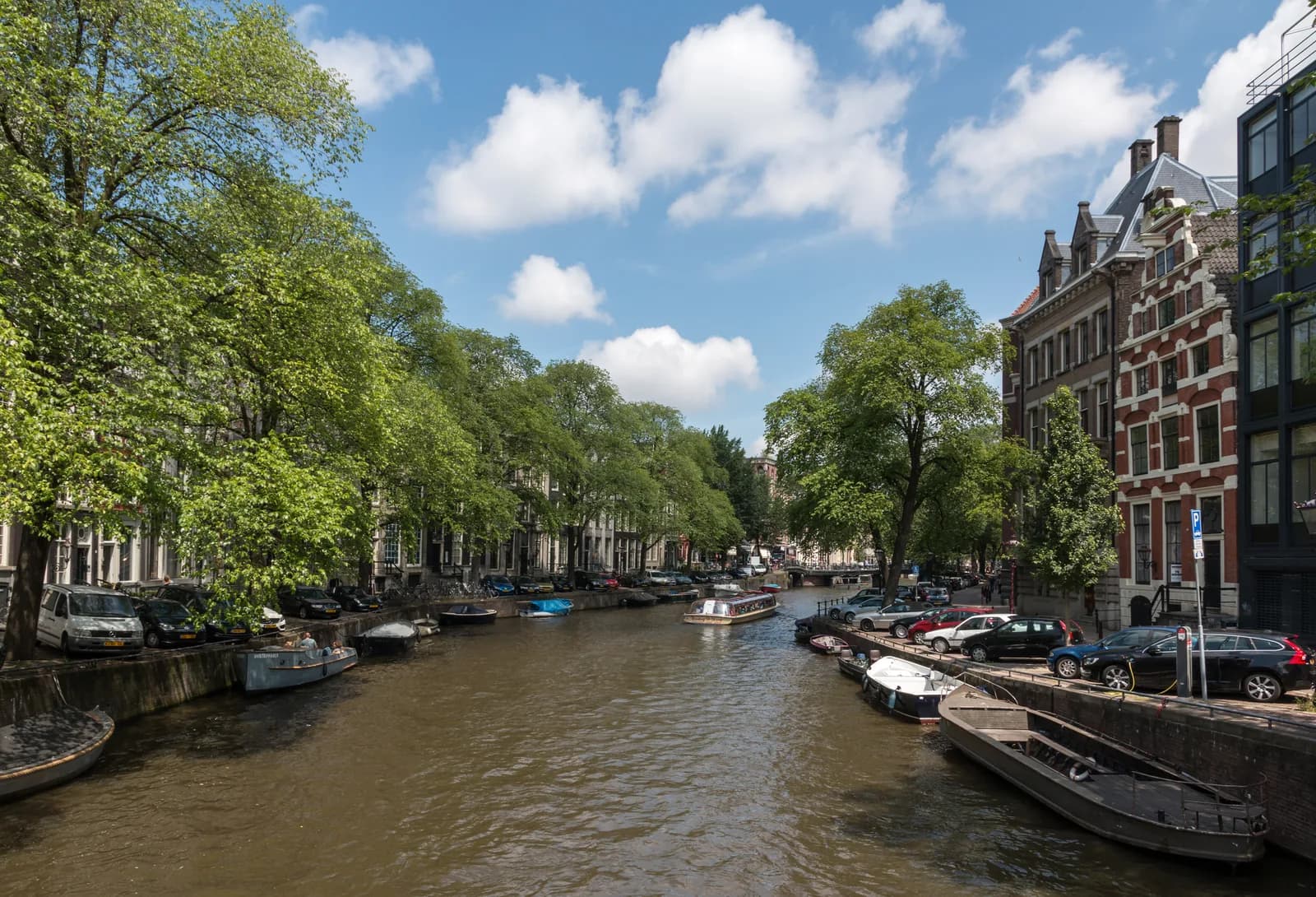
Top pick: Canal Belt (Grachtengordel)
Where to stay in Amsterdam
6 areas rated for vibe, price and who they suit.
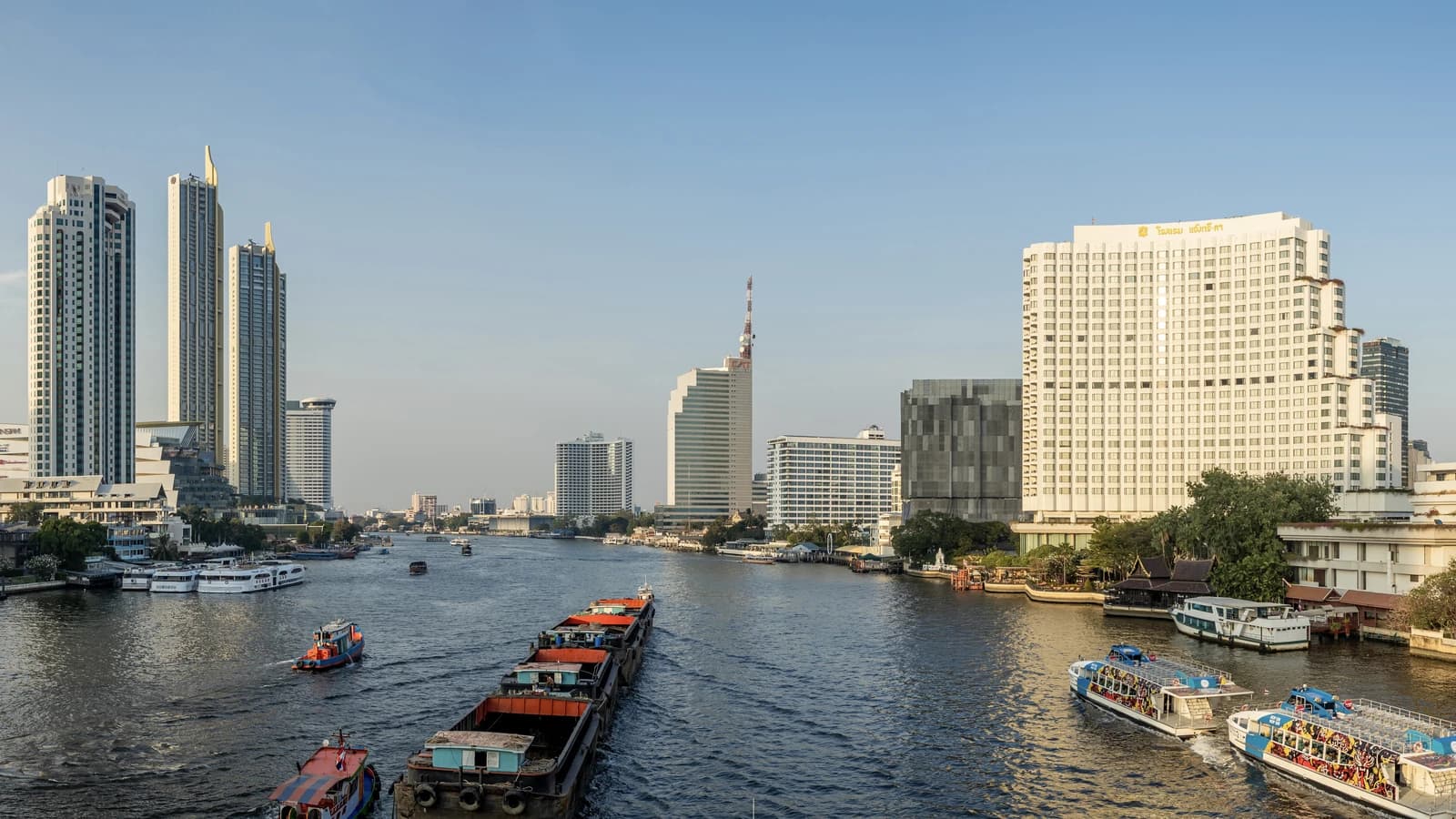
Top pick: Sukhumvit (Asok to Phrom Phong)
Where to stay in Bangkok
6 areas rated for vibe, price and who they suit.
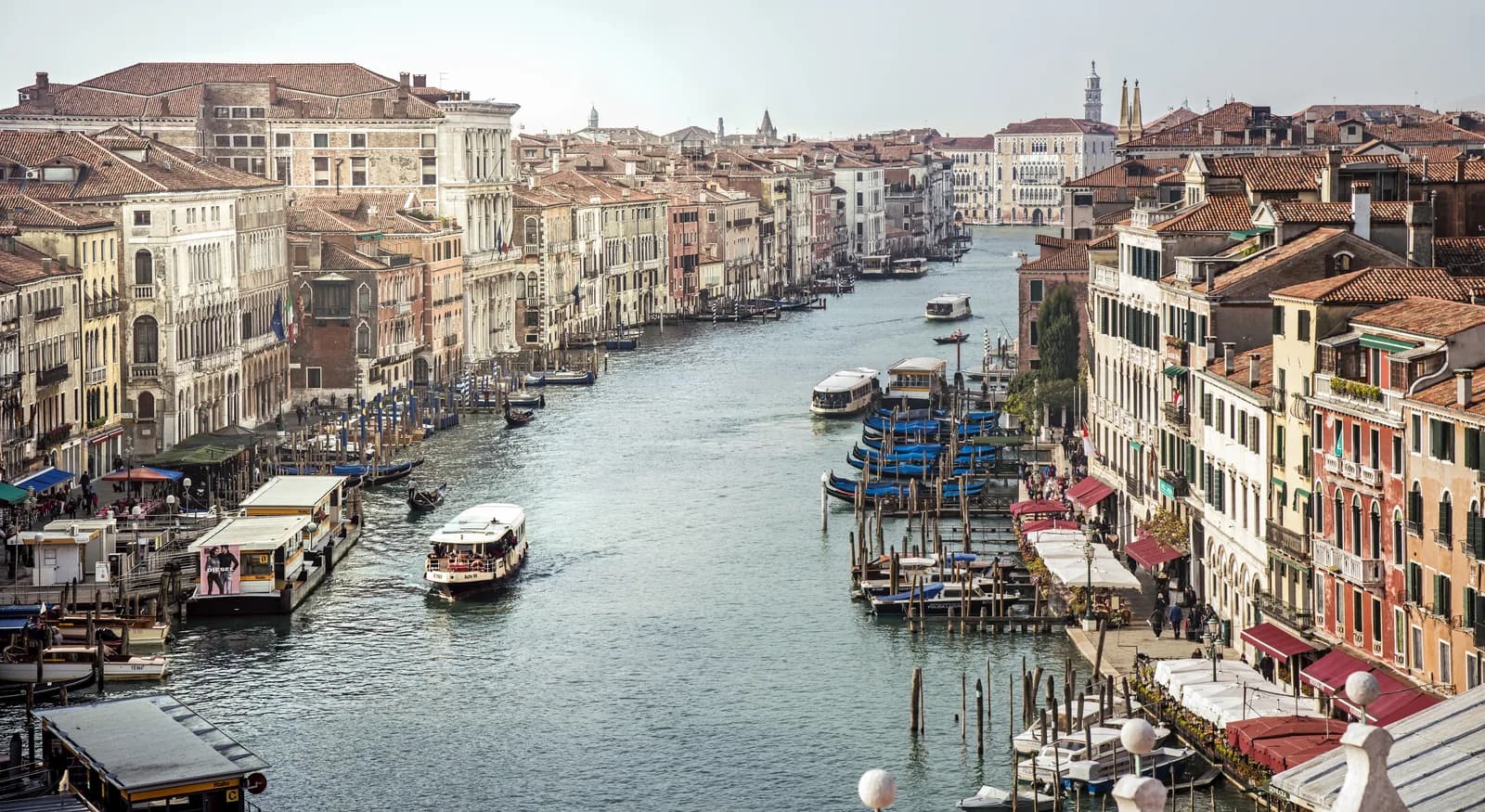
Top pick: Cannaregio
Where to stay in Venice
6 areas rated for vibe, price and who they suit.
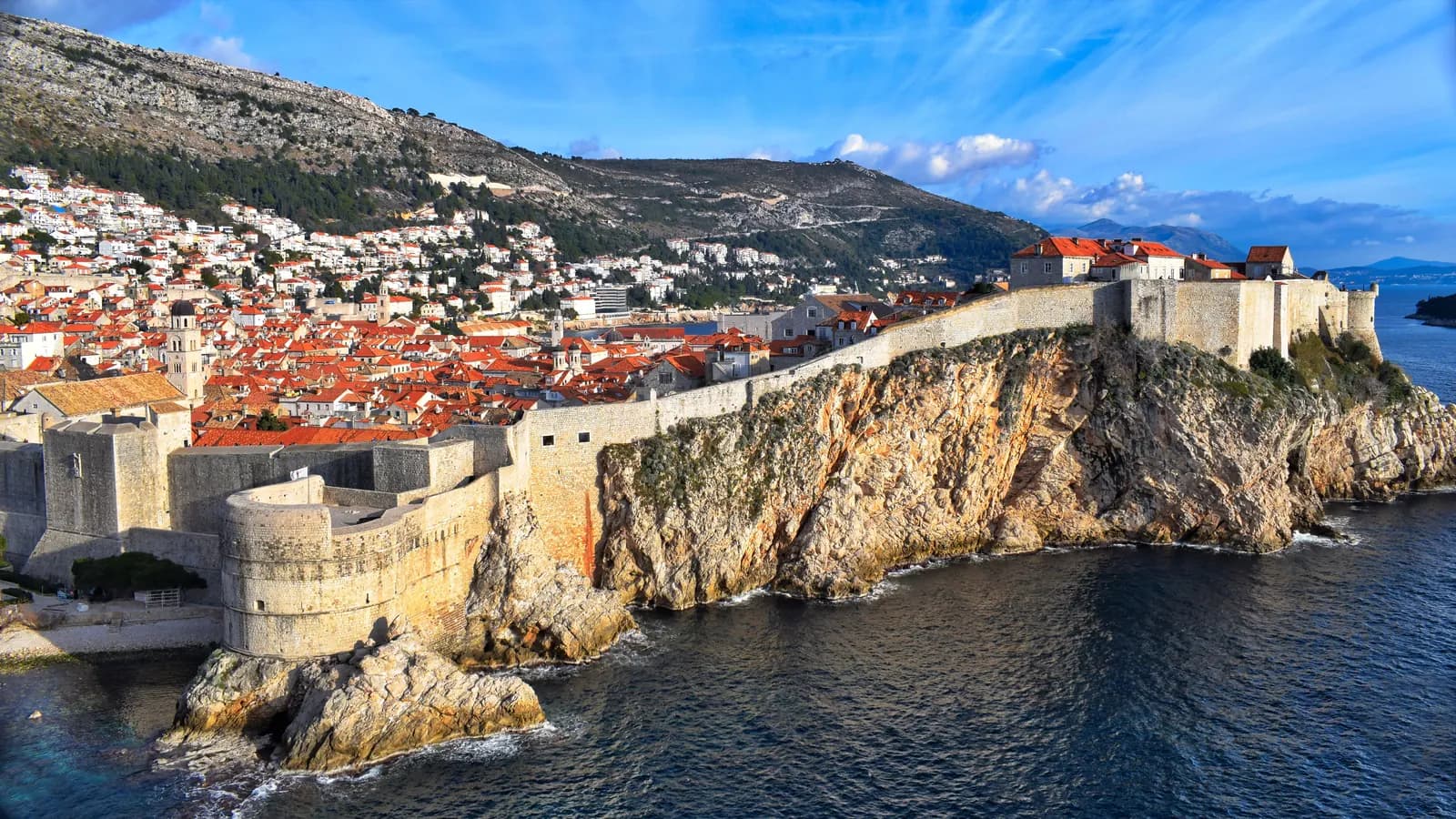
Top pick: Old Town (inside the walls)
Where to stay in Dubrovnik
6 areas rated for vibe, price and who they suit.
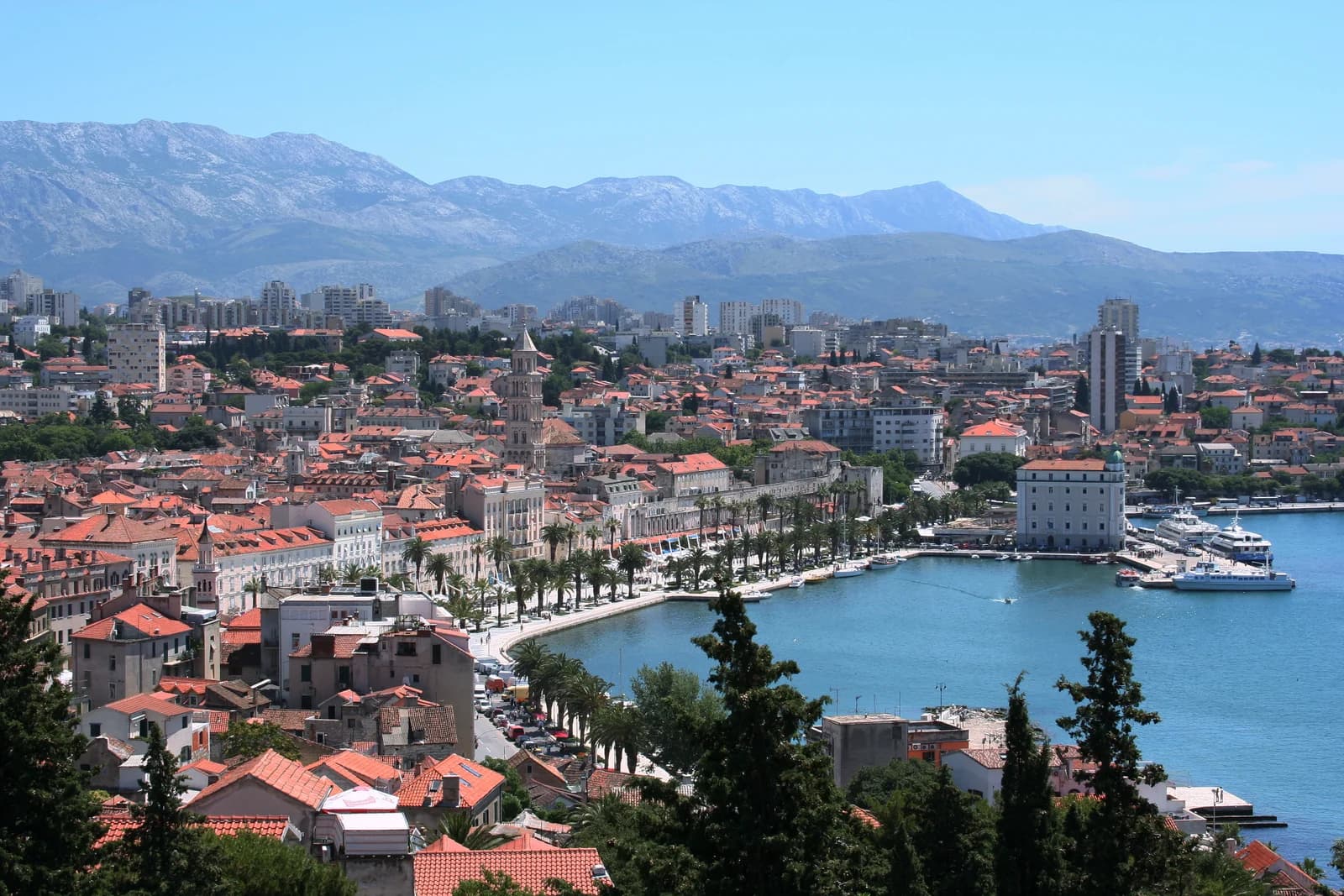
Top pick: Varoš (Veli Varoš)
Where to stay in Split
6 areas rated for vibe, price and who they suit.
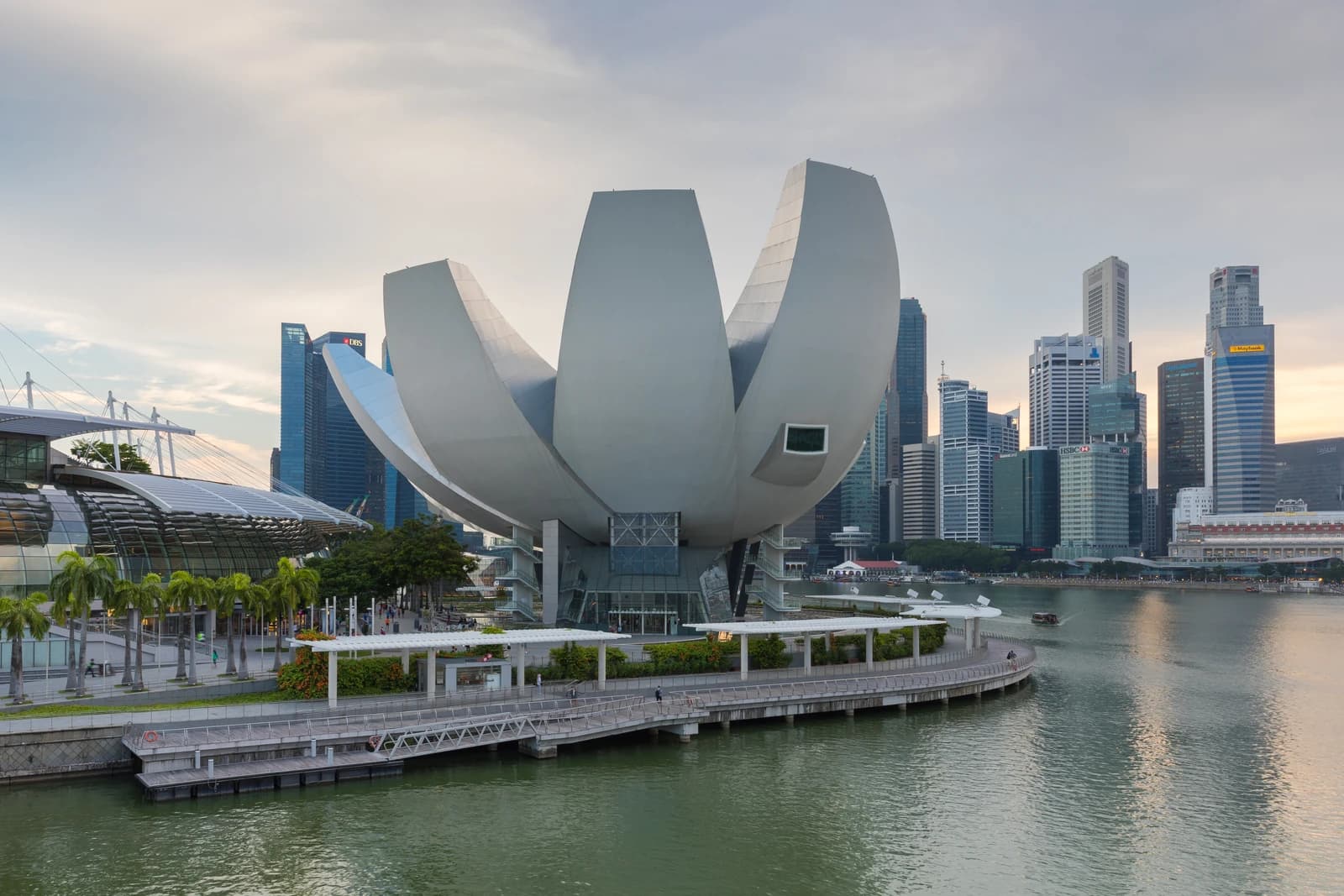
Top pick: Bugis / Kampong Glam
Where to stay in Singapore
6 areas rated for vibe, price and who they suit.
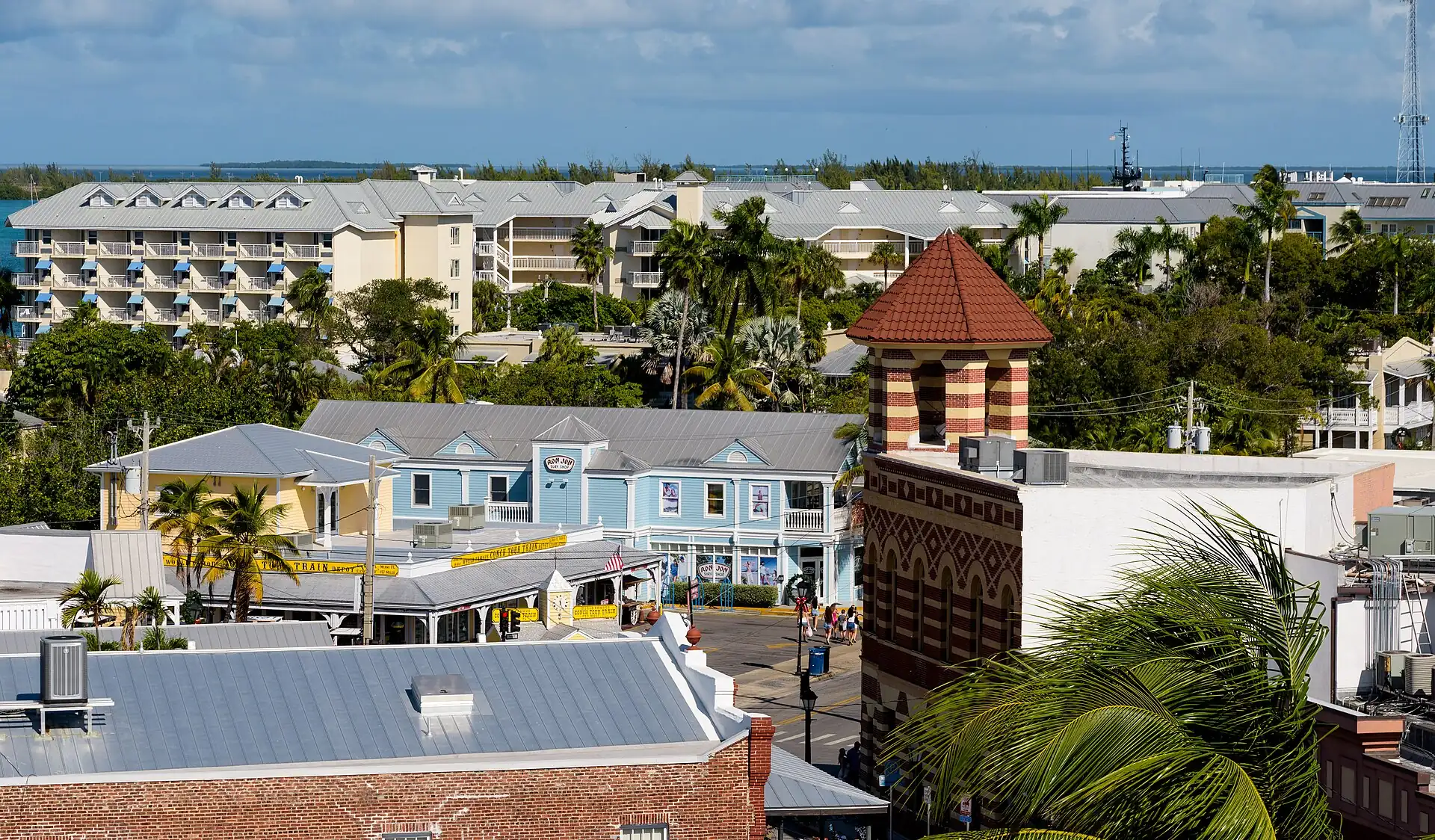
Top pick: Old Town
Where to stay in Key West
7 areas rated for vibe, price and who they suit.

Top pick: Centro
Where to stay in Granada
7 areas rated for vibe, price and who they suit.
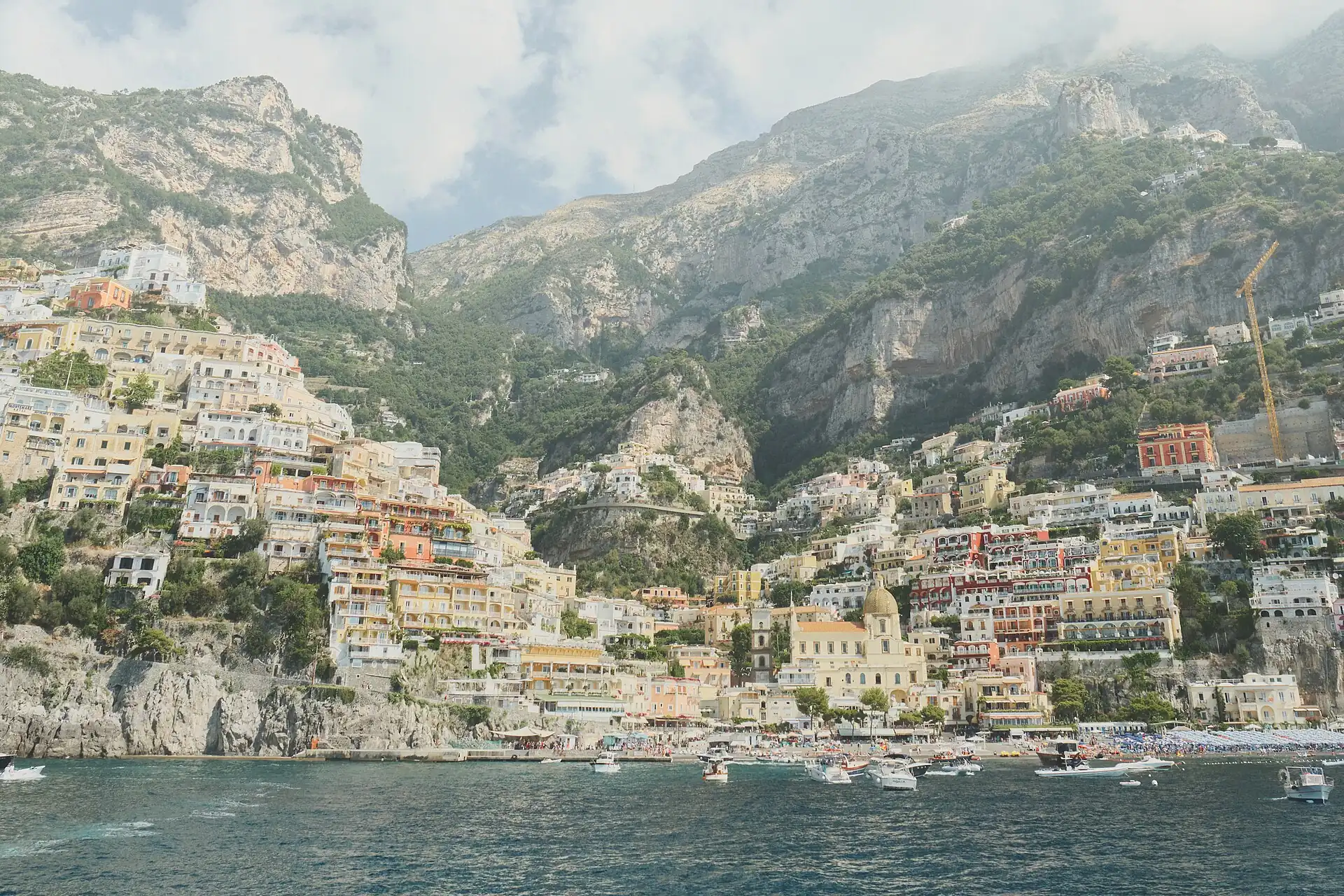
Top pick: Spiaggia Grande
Where to stay in Positano
7 areas rated for vibe, price and who they suit.

Top pick: El Poblado
Where to stay in Medellin
7 areas rated for vibe, price and who they suit.
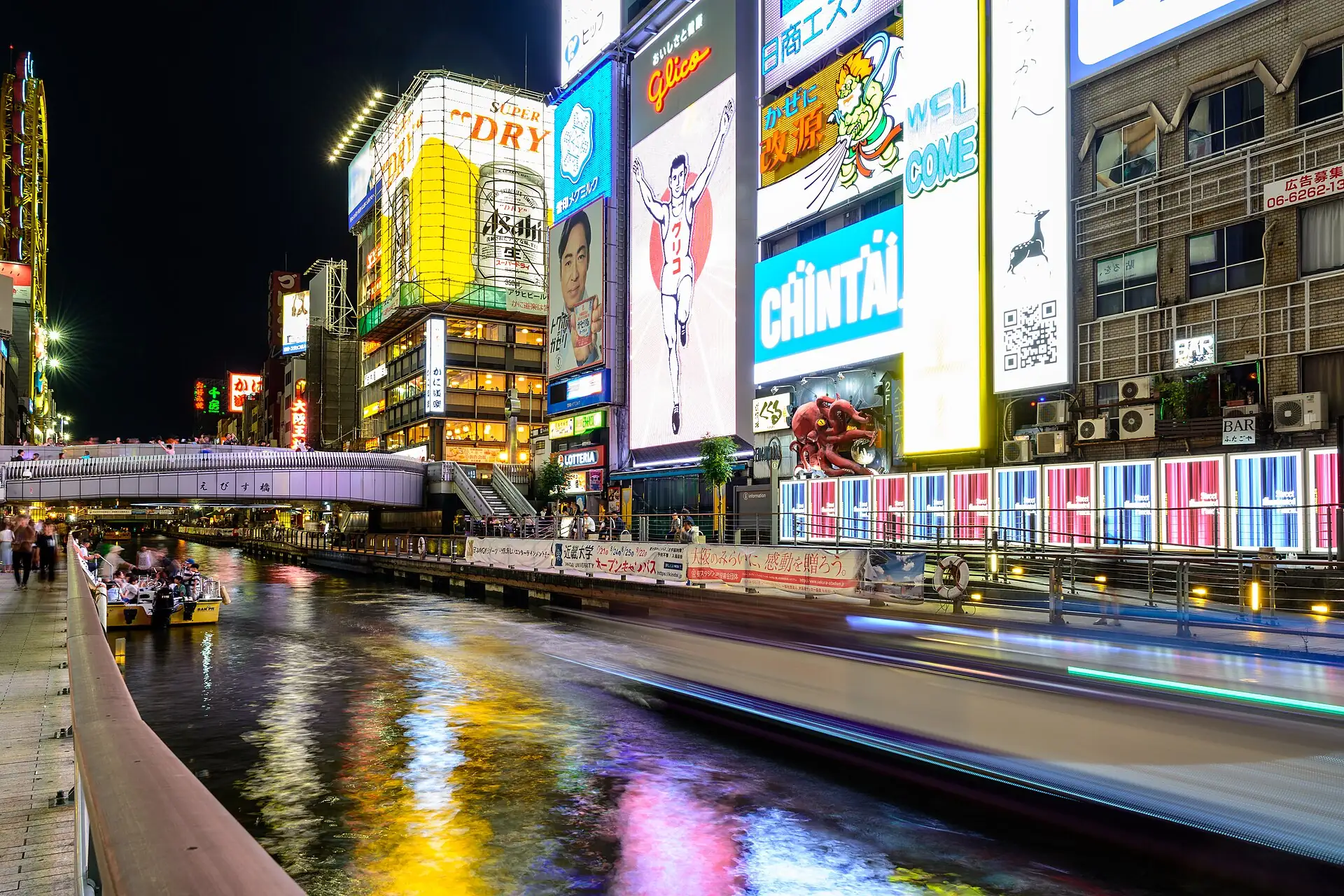
Top pick: Namba
Where to stay in Osaka
7 areas rated for vibe, price and who they suit.
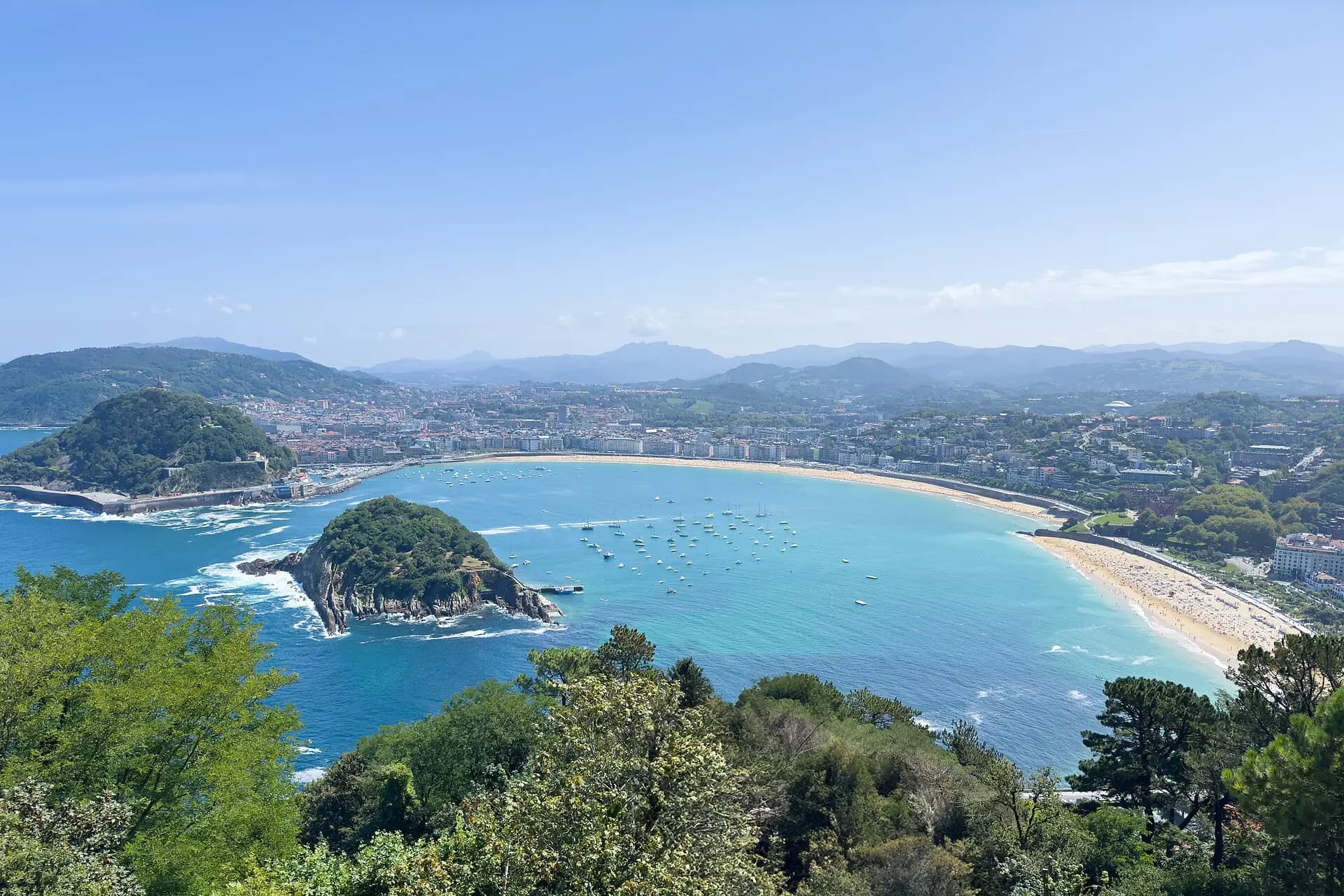
Top pick: Centro
Where to stay in San Sebastian
7 areas rated for vibe, price and who they suit.
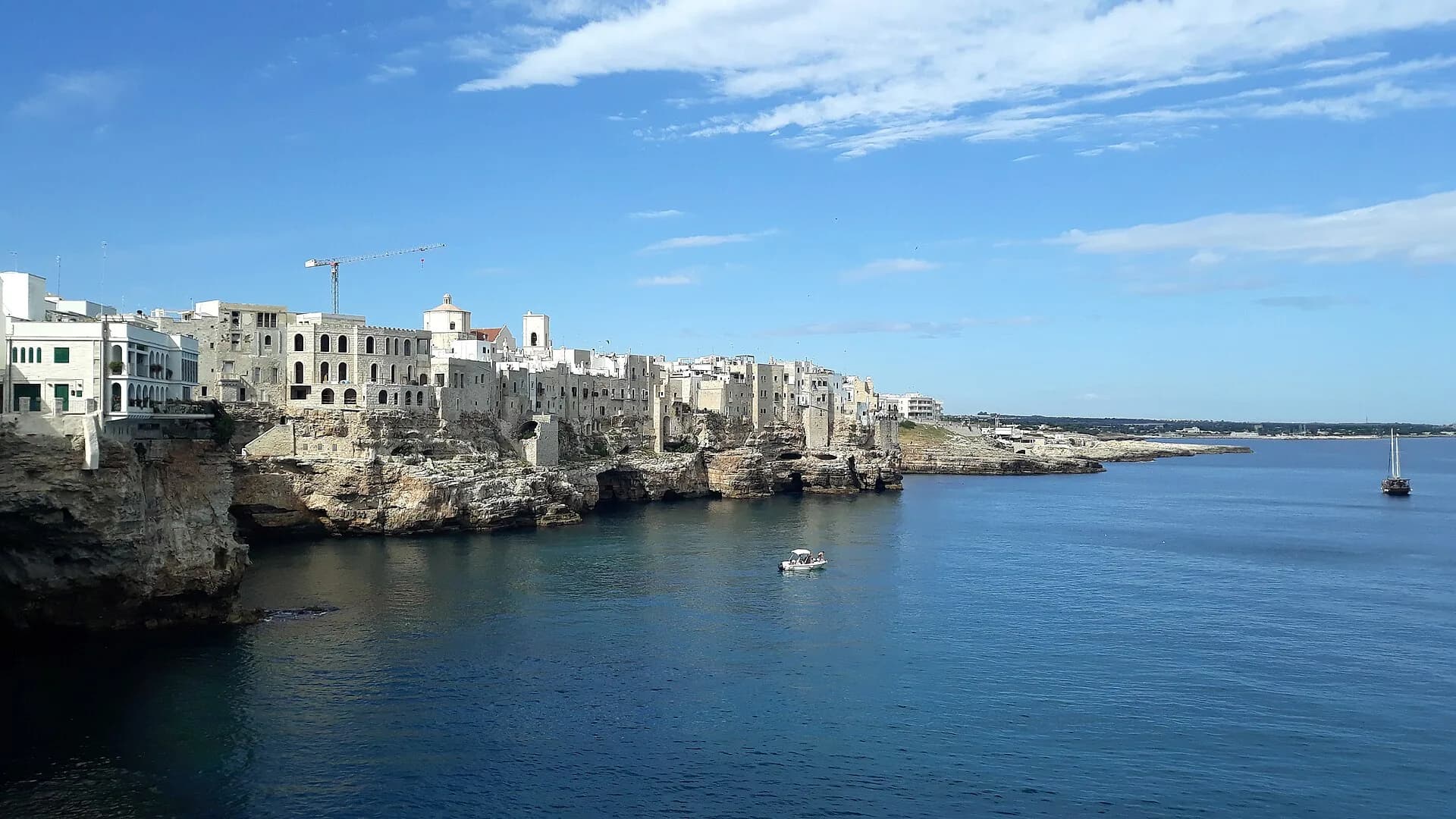
Top pick: Ostuni
Where to stay in Puglia
7 areas rated for vibe, price and who they suit.
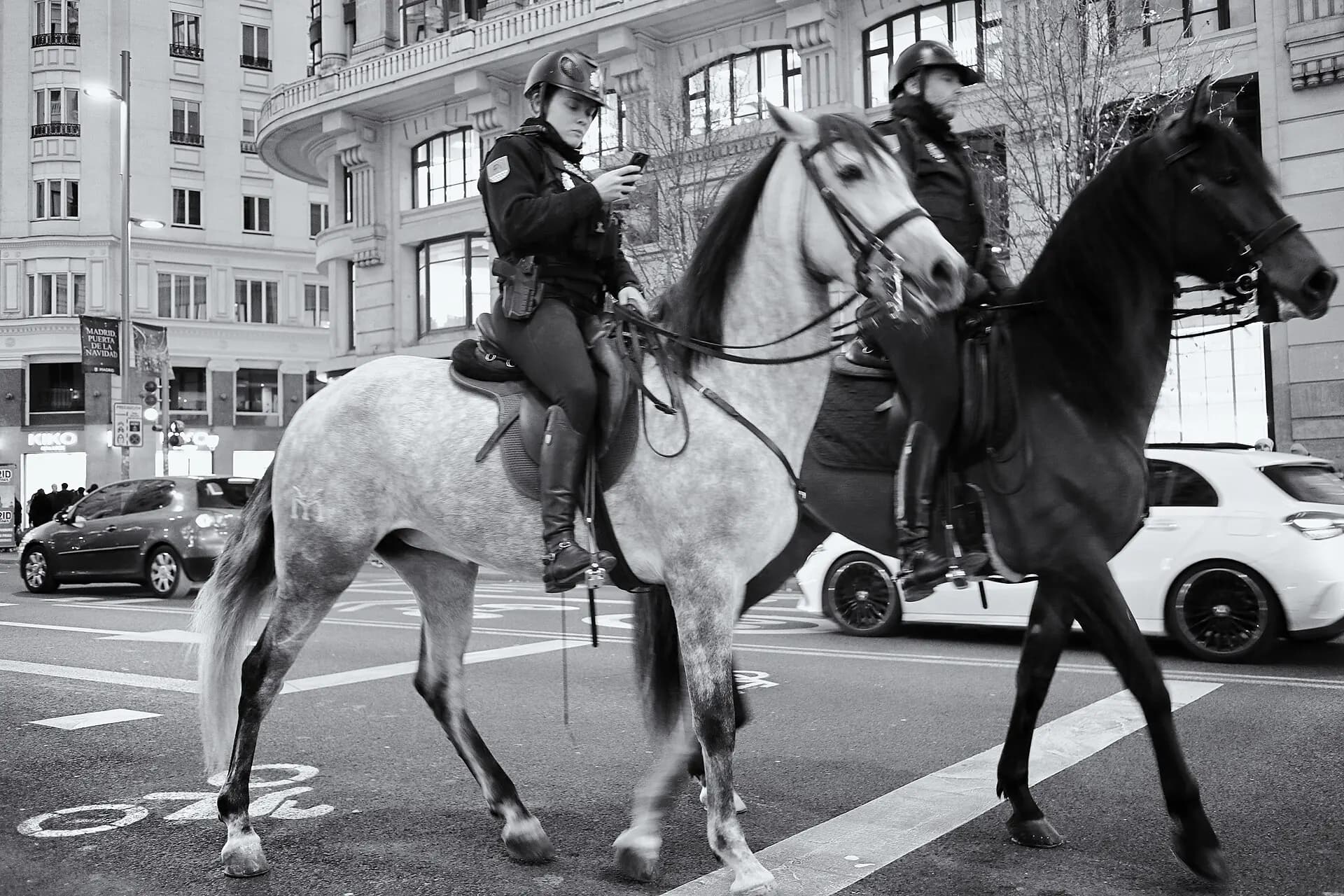
Top pick: Barrio de las Letras
Where to stay in Madrid
7 areas rated for vibe, price and who they suit.
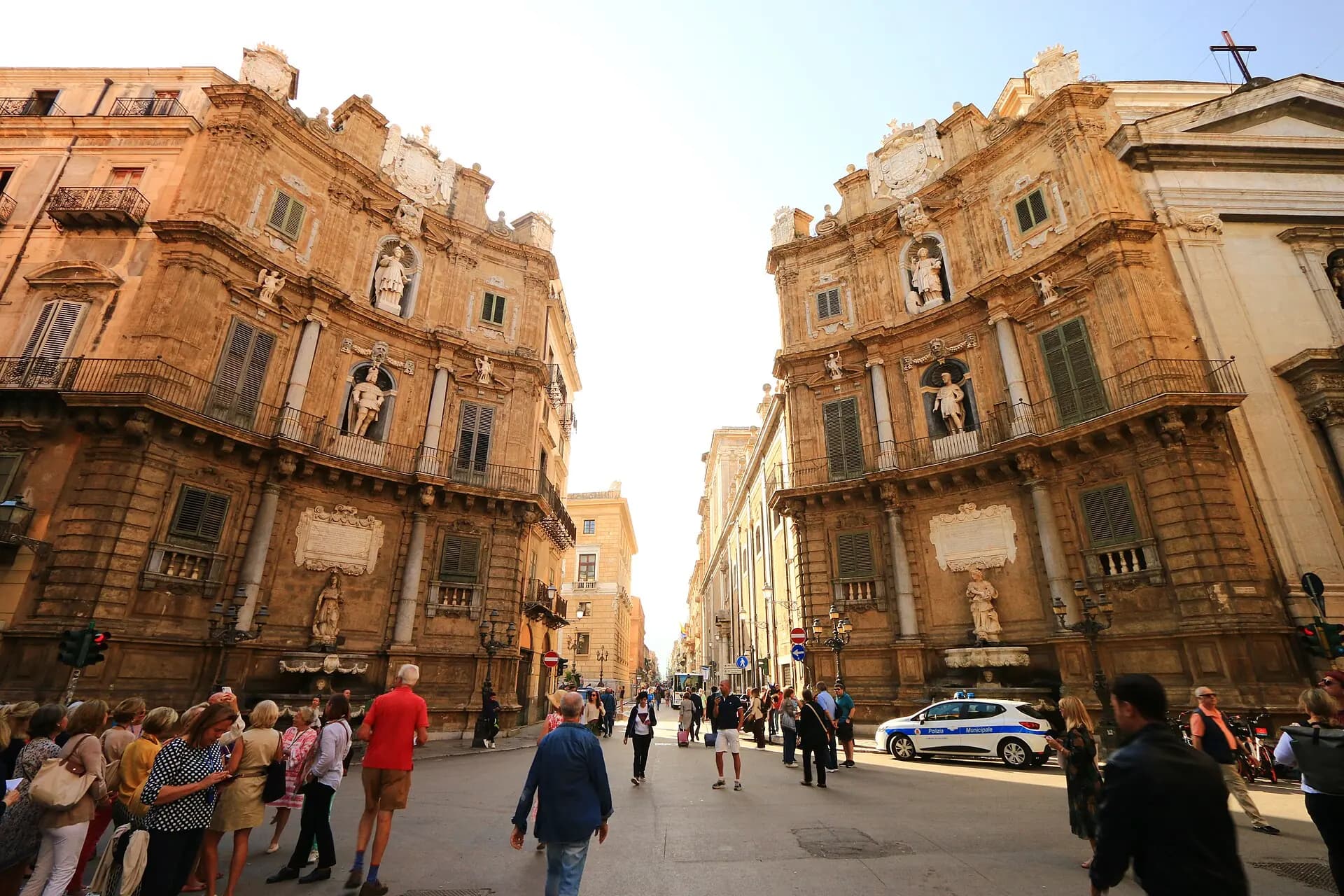
Top pick: Kalsa
Where to stay in Palermo
7 areas rated for vibe, price and who they suit.
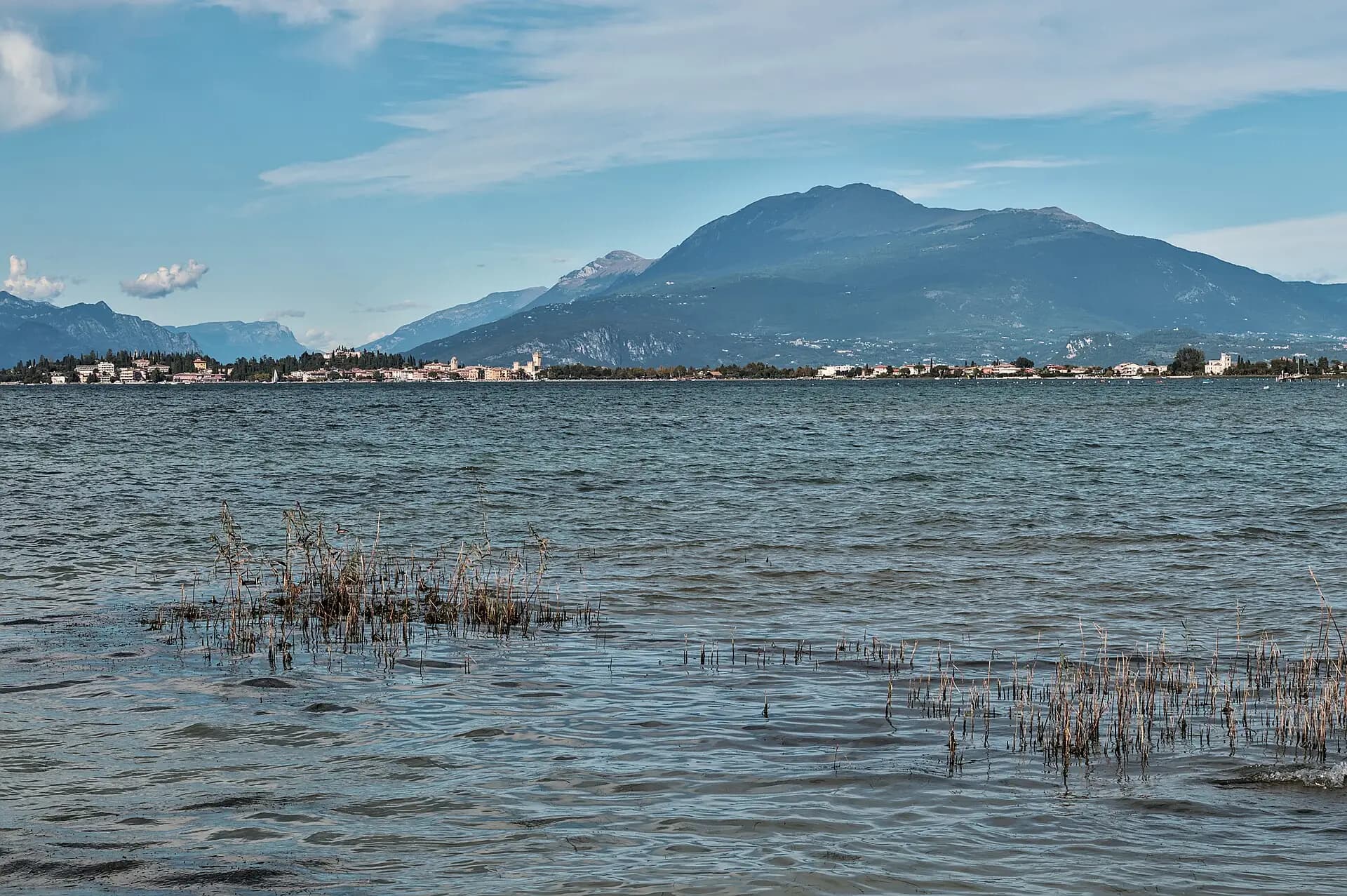
Top pick: Sirmione
Where to stay in Lake Garda
7 areas rated for vibe, price and who they suit.

Top pick: Hakone-Yumoto
Where to stay in Hakone
7 areas rated for vibe, price and who they suit.
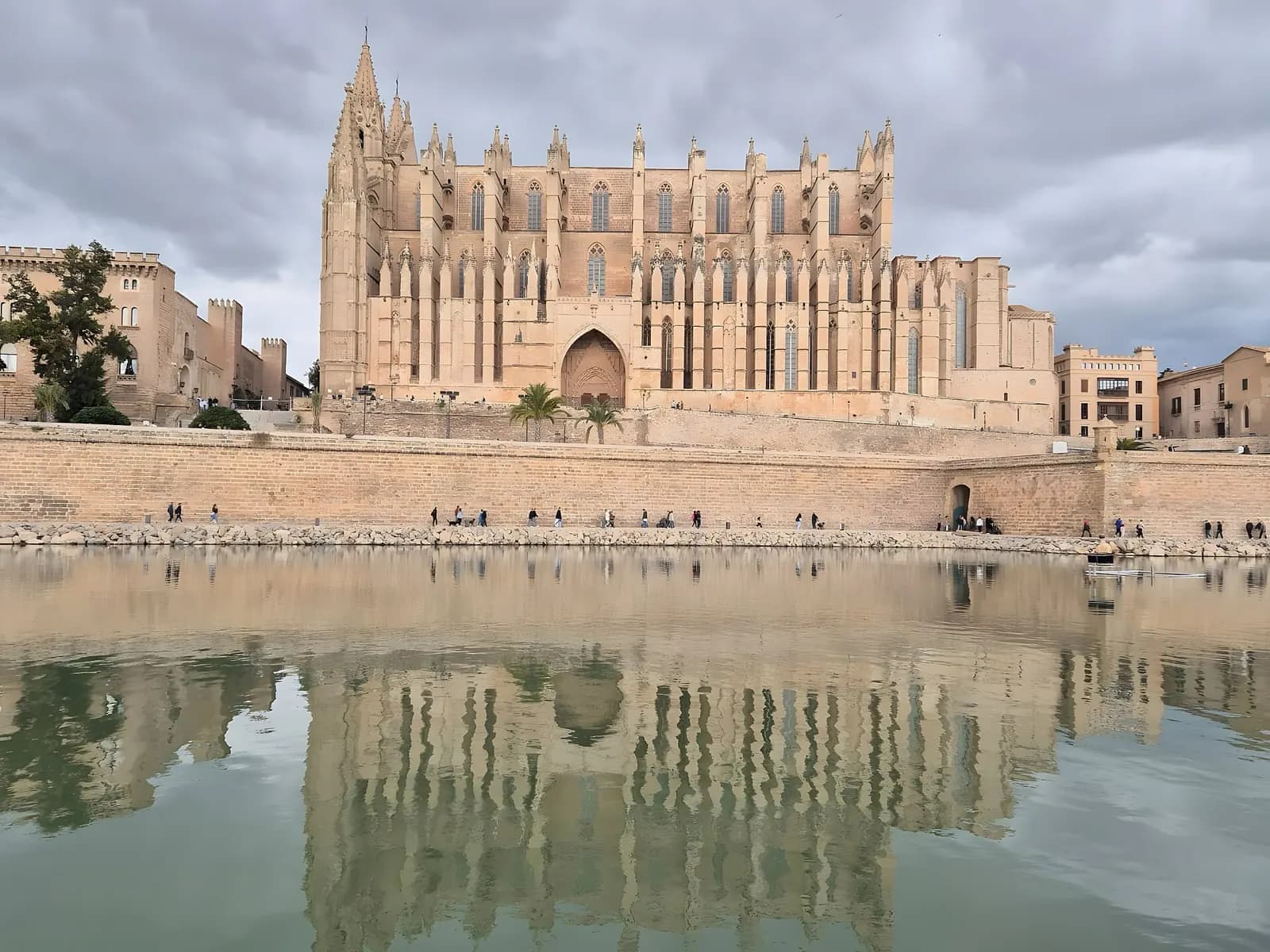
Top pick: Old Town (Casc Antic)
Where to stay in Palma de Mallorca
7 areas rated for vibe, price and who they suit.
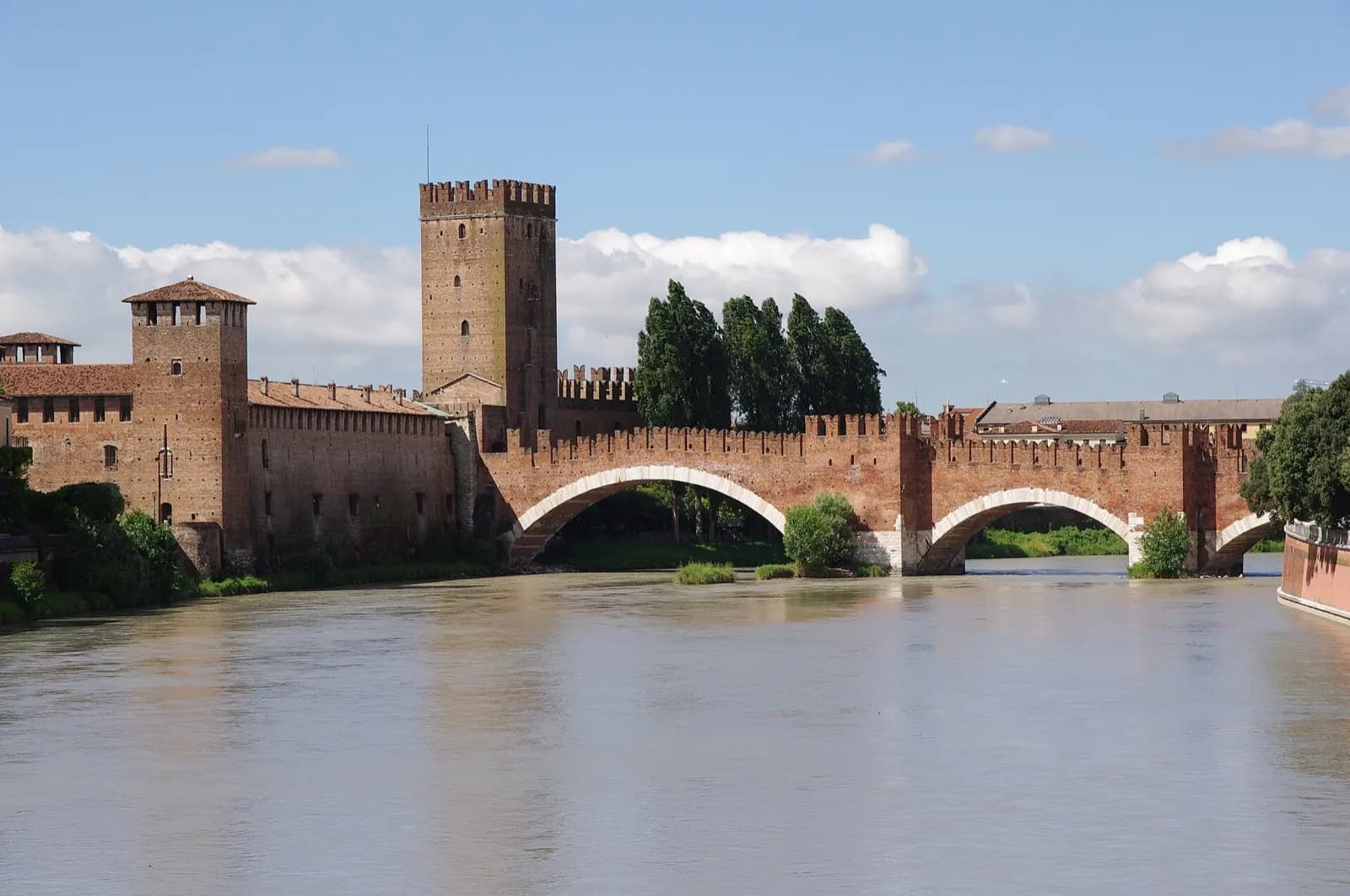
Top pick: Centro Storico
Where to stay in Verona
7 areas rated for vibe, price and who they suit.
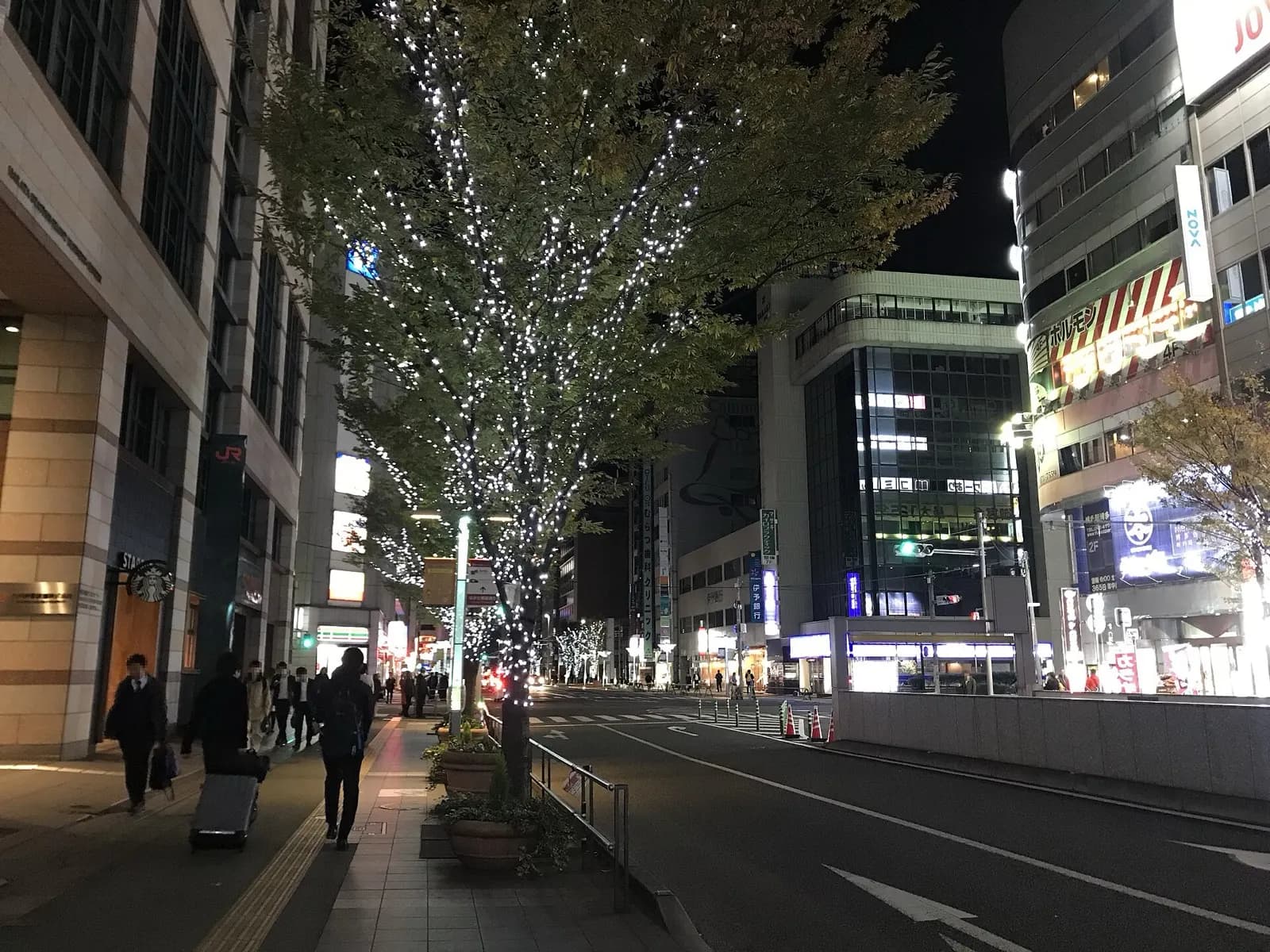
Top pick: Hakata
Where to stay in Fukuoka
7 areas rated for vibe, price and who they suit.
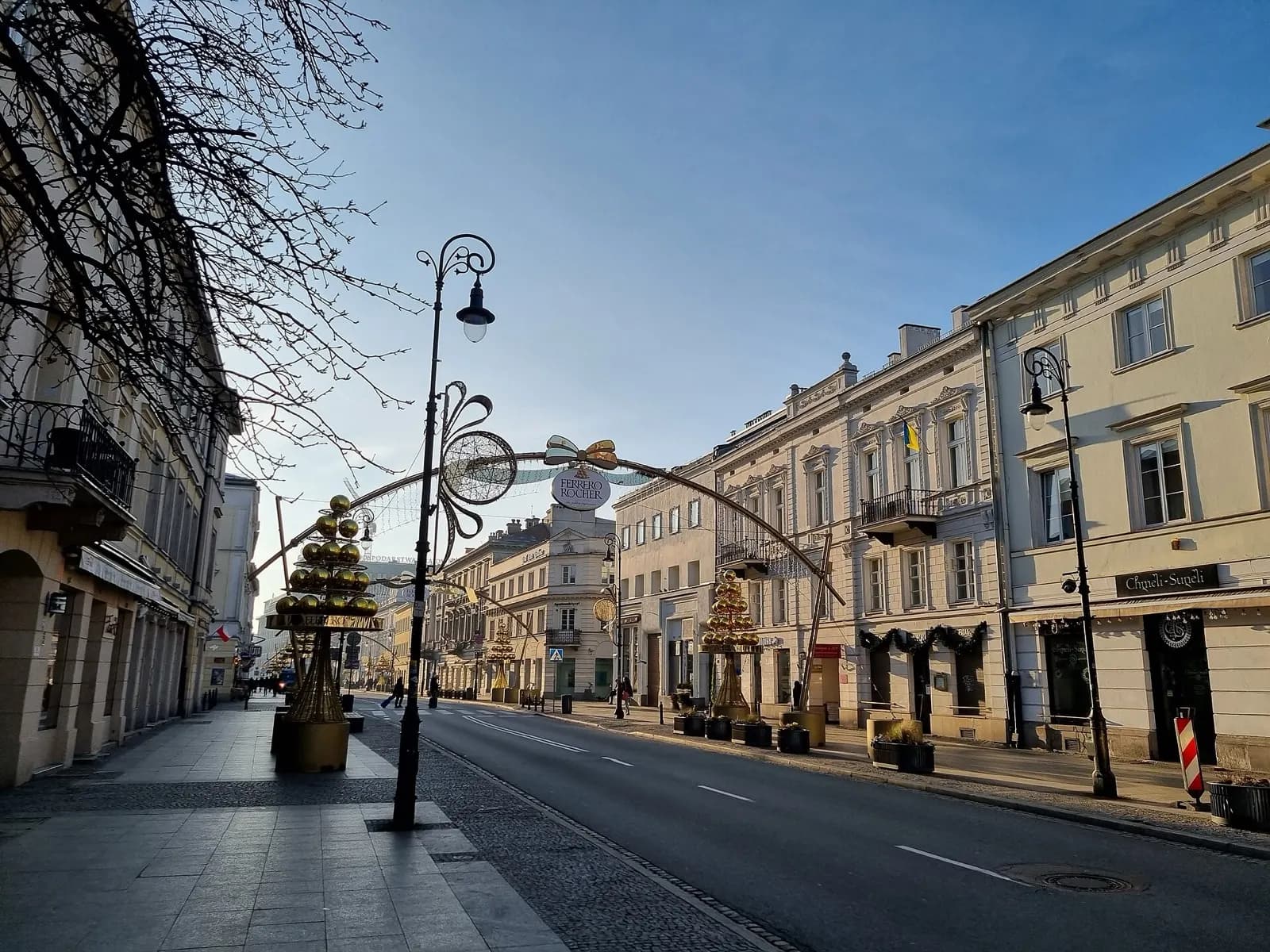
Top pick: Srodmiescie (City Centre)
Where to stay in Warsaw
7 areas rated for vibe, price and who they suit.

Top pick: Sentrum
Where to stay in Oslo
7 areas rated for vibe, price and who they suit.
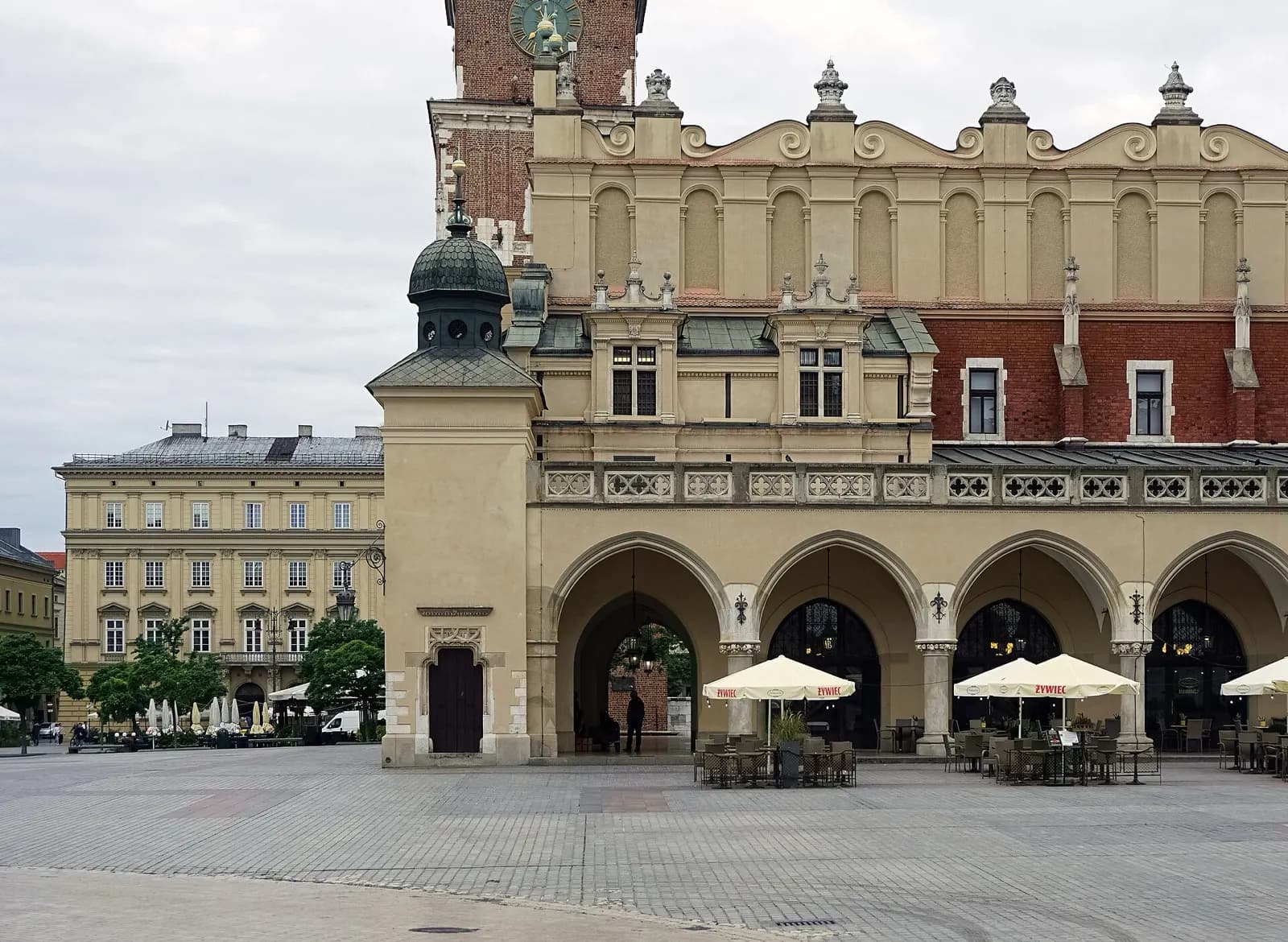
Top pick: Old Town (Stare Miasto)
Where to stay in Krakow
7 areas rated for vibe, price and who they suit.
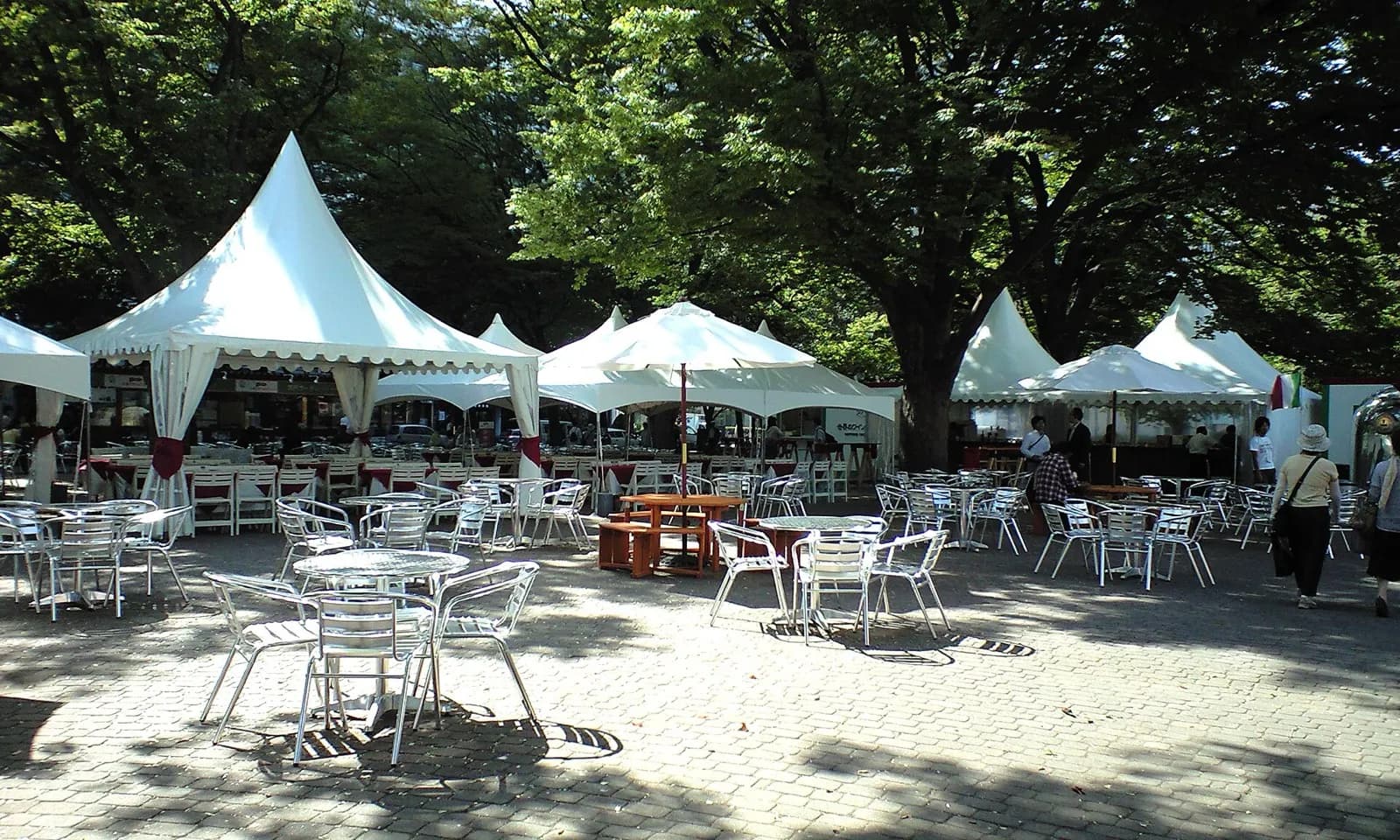
Top pick: Sapporo Station (Kita-ku)
Where to stay in Sapporo
7 areas rated for vibe, price and who they suit.
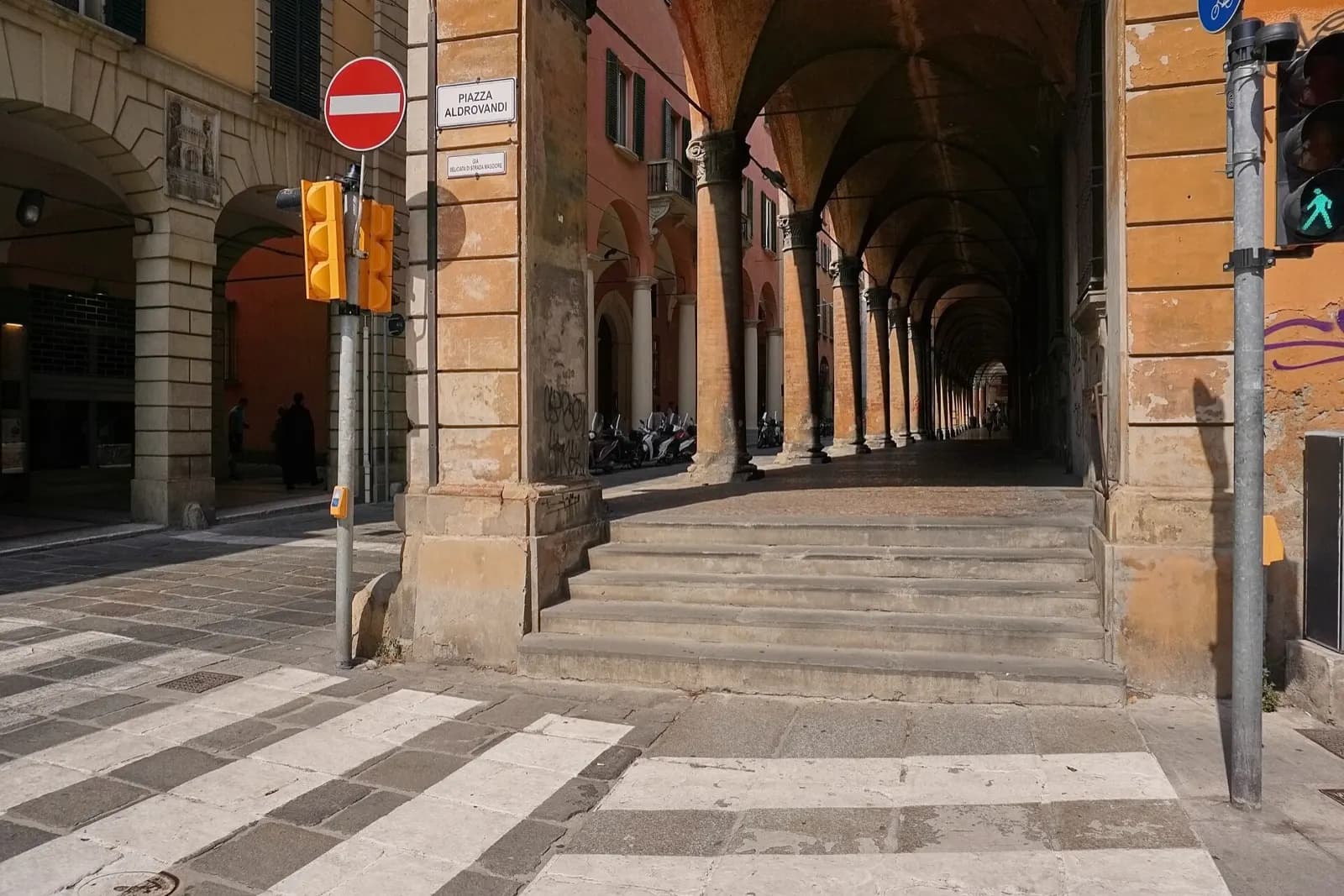
Top pick: Centro Storico
Where to stay in Bologna
7 areas rated for vibe, price and who they suit.
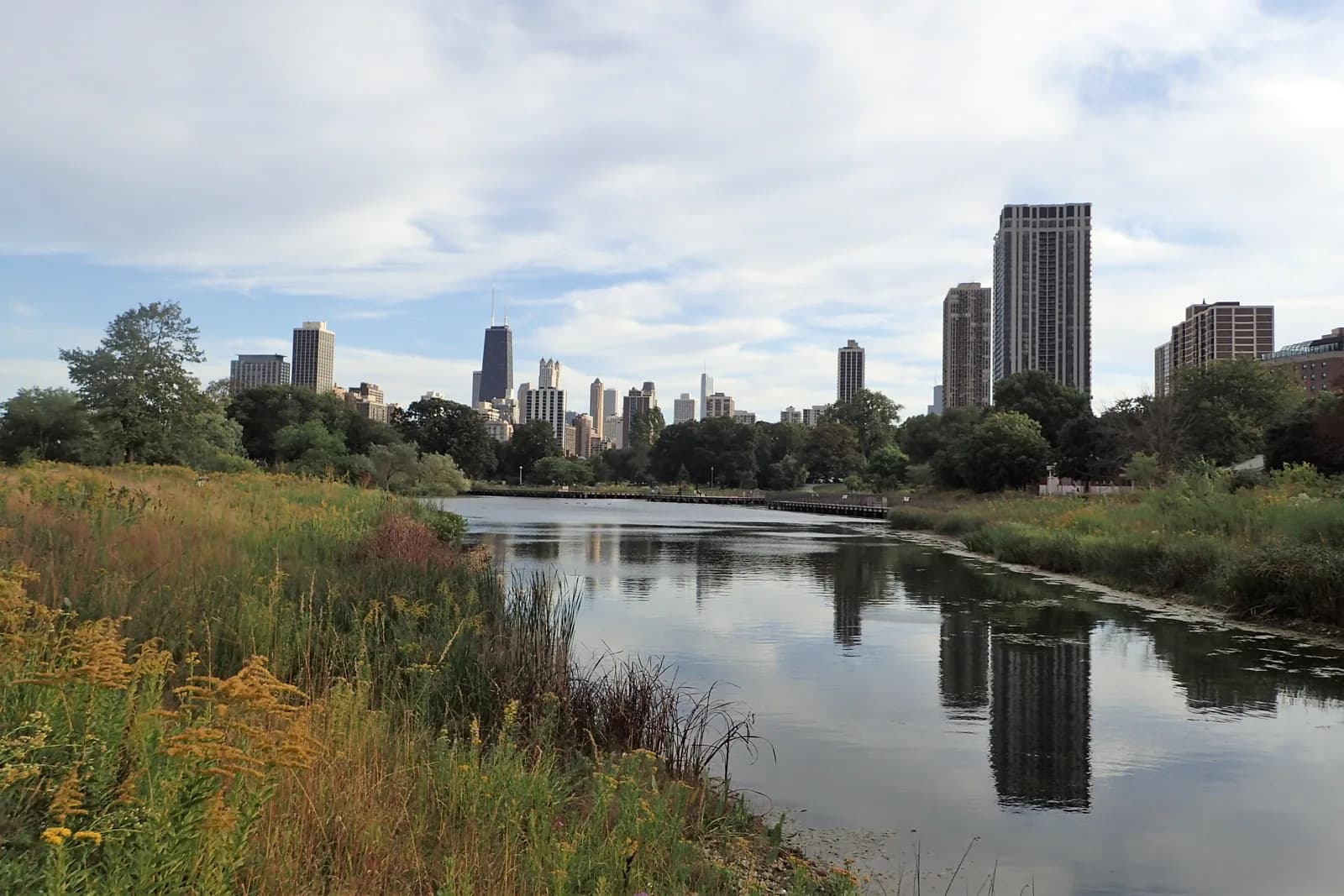
Top pick: Lincoln Park
Where to stay in Chicago
7 areas rated for vibe, price and who they suit.
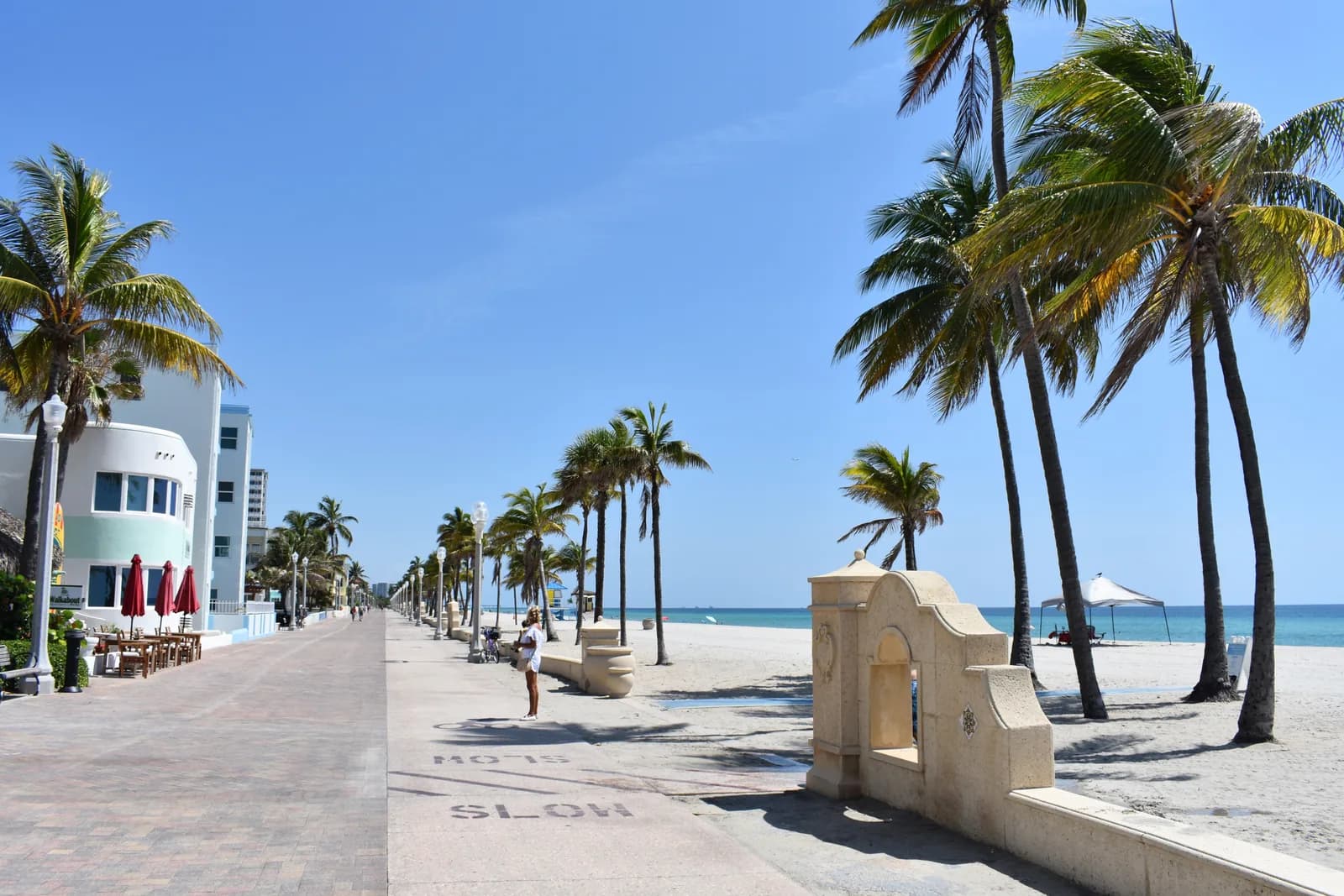
Top pick: Fort Lauderdale Beach and the Central Beach strip
Where to stay in Fort Lauderdale
7 areas rated for vibe, price and who they suit.
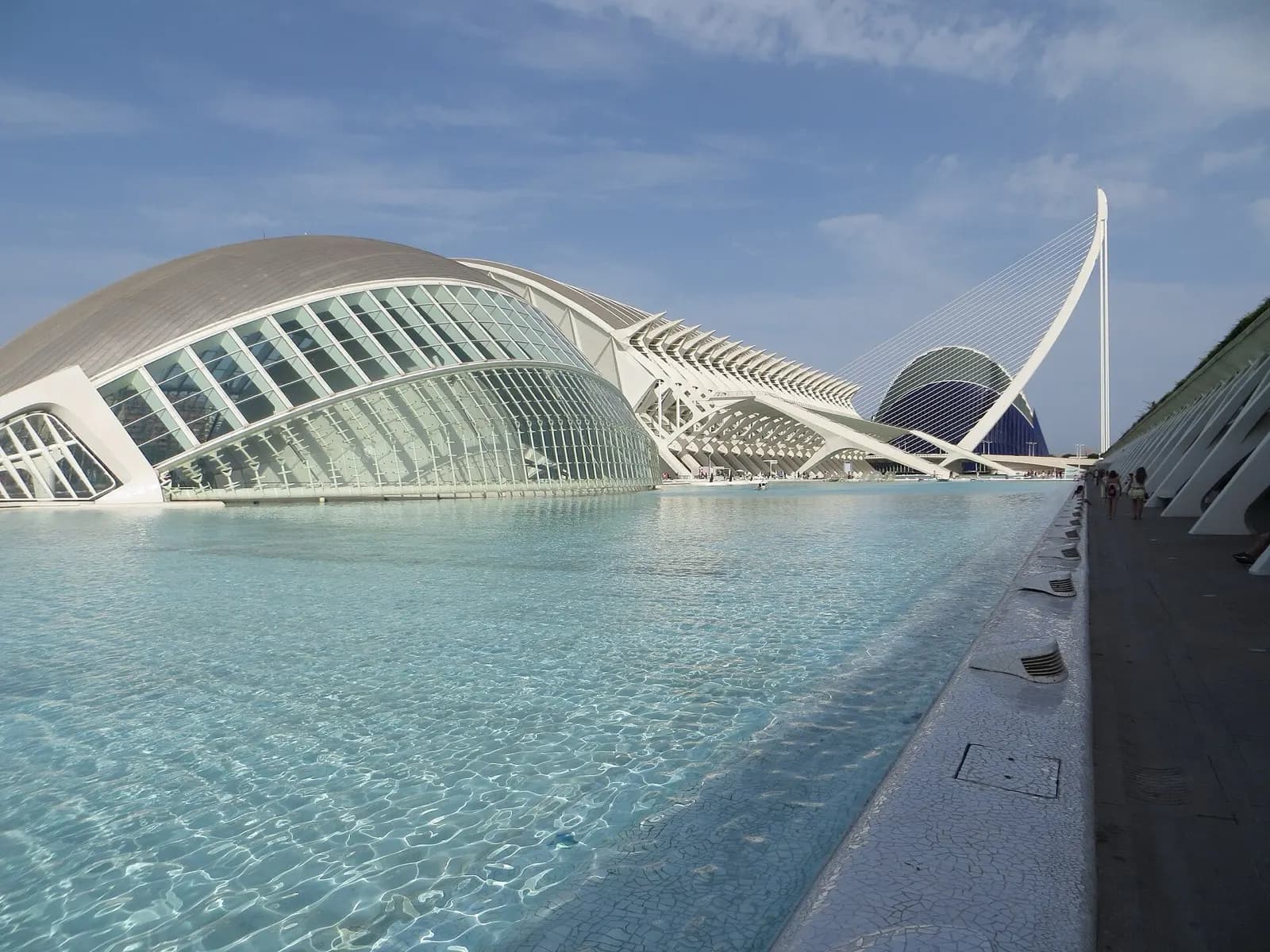
Top pick: Ciutat Vella (Old Town)
Where to stay in Valencia
7 areas rated for vibe, price and who they suit.
Top pick: Huangpu & the Bund
Where to stay in Shanghai
7 areas rated for vibe, price and who they suit.

Top pick: Shinjuku
Where to stay in Tokyo
7 areas rated for vibe, price and who they suit.
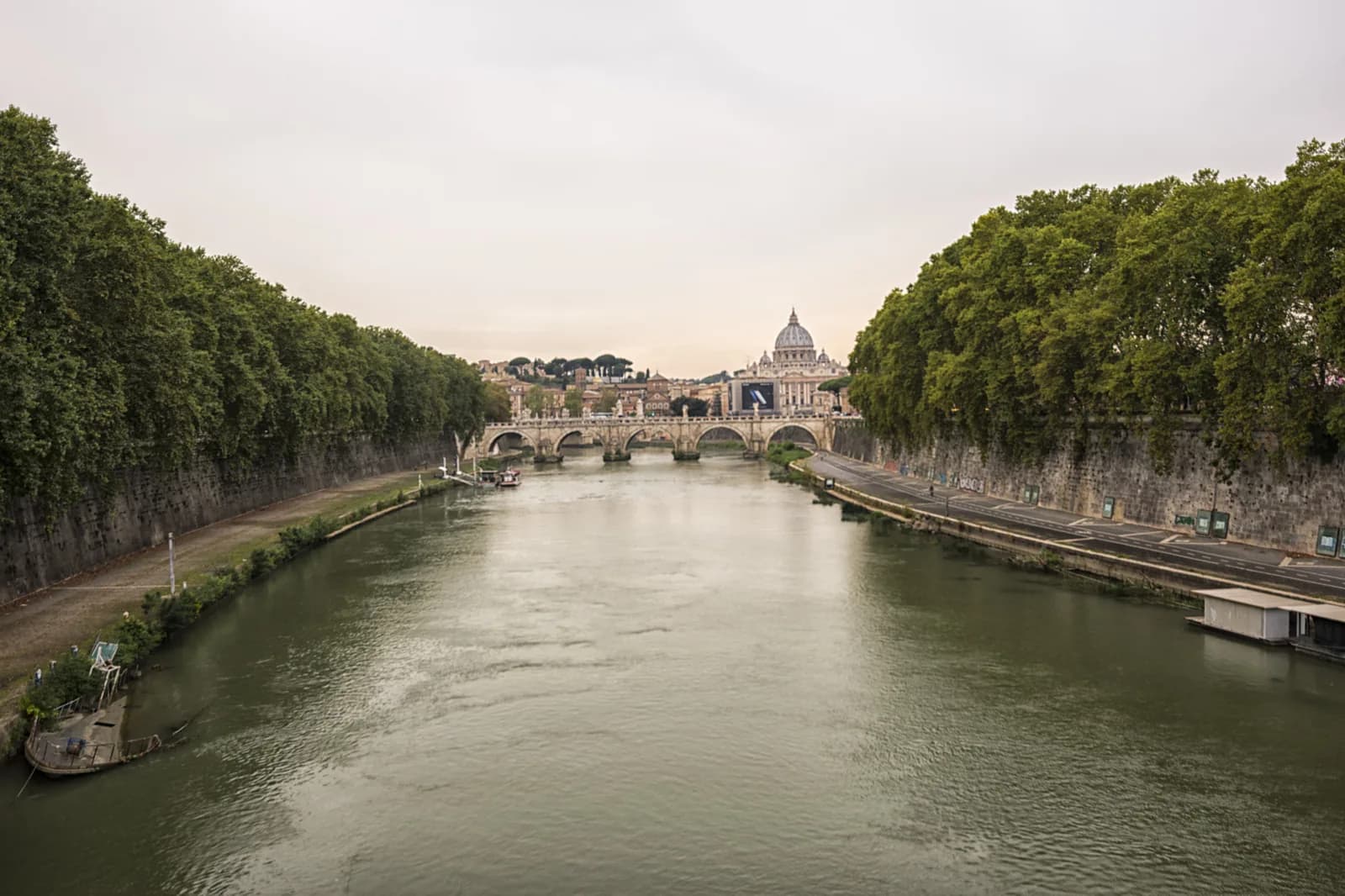
Top pick: Centro Storico
Where to stay in Rome
7 areas rated for vibe, price and who they suit.
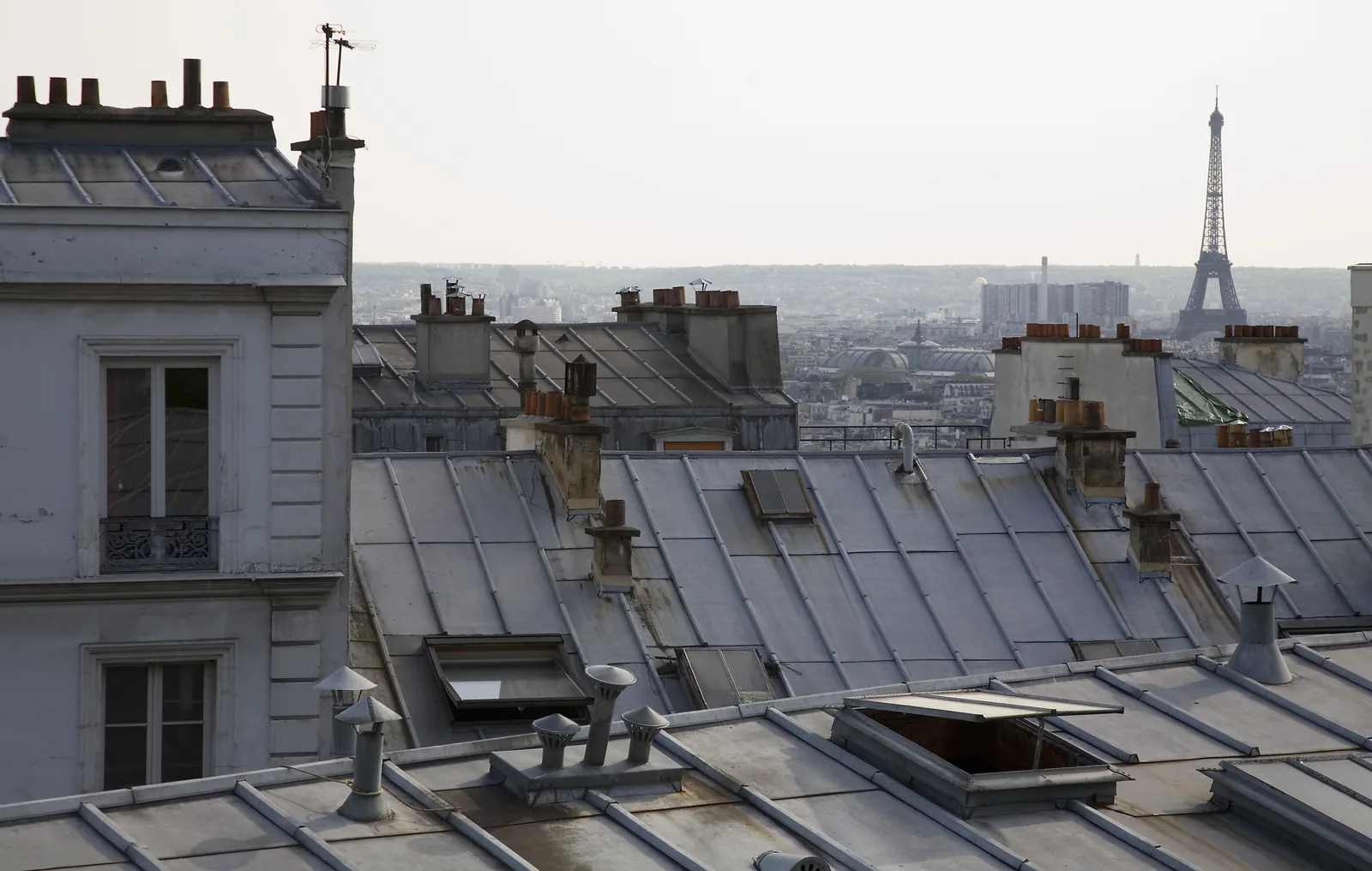
Top pick: Le Marais
Where to stay in Paris
7 areas rated for vibe, price and who they suit.
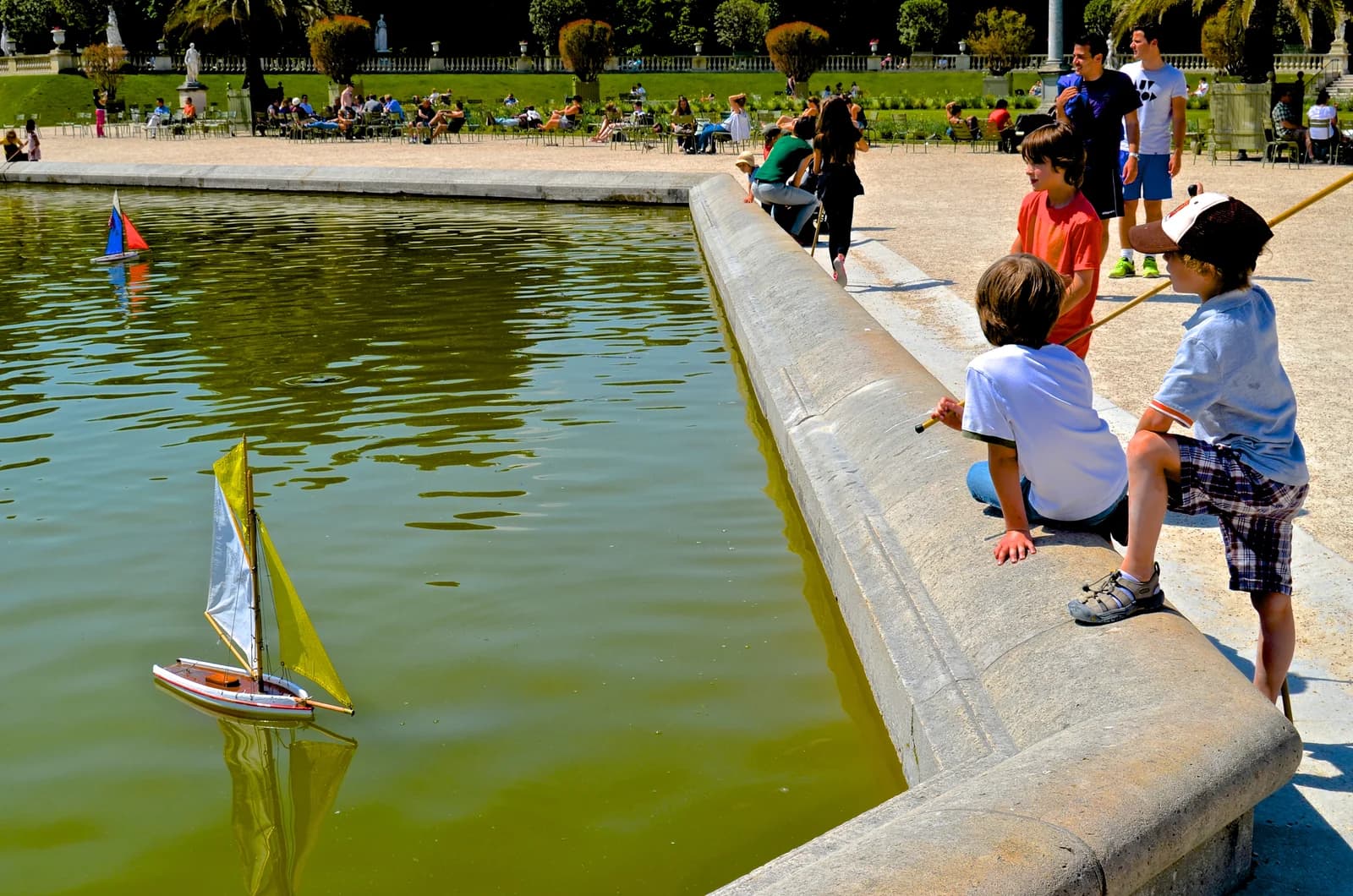
Top pick: 12th arrondissement (Bercy, Bois de Vincennes, Reuilly)
Where to stay in Paris
11 areas rated for vibe, price and who they suit.
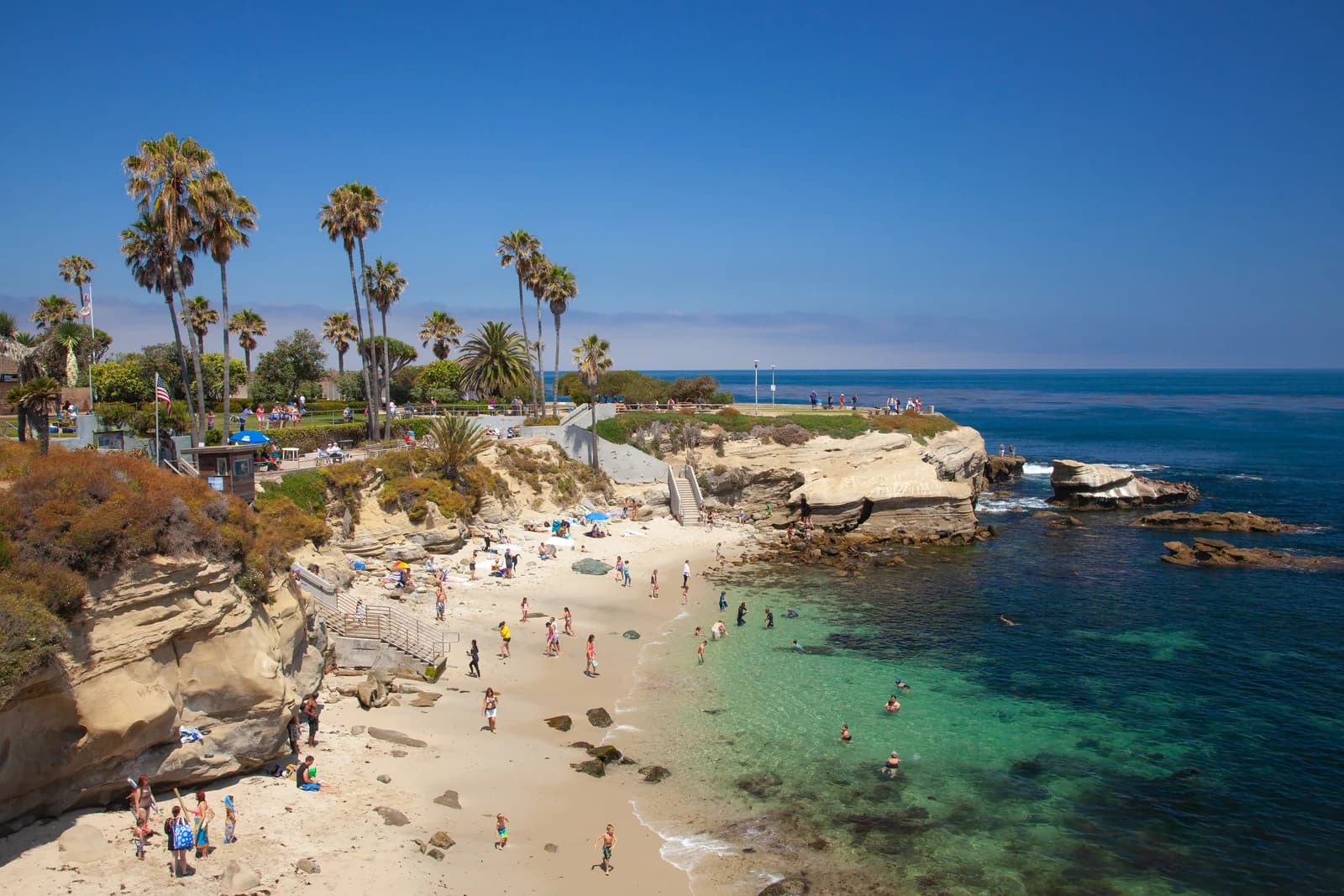
Top pick: La Jolla
Where to stay in San Diego
11 areas rated for vibe, price and who they suit.
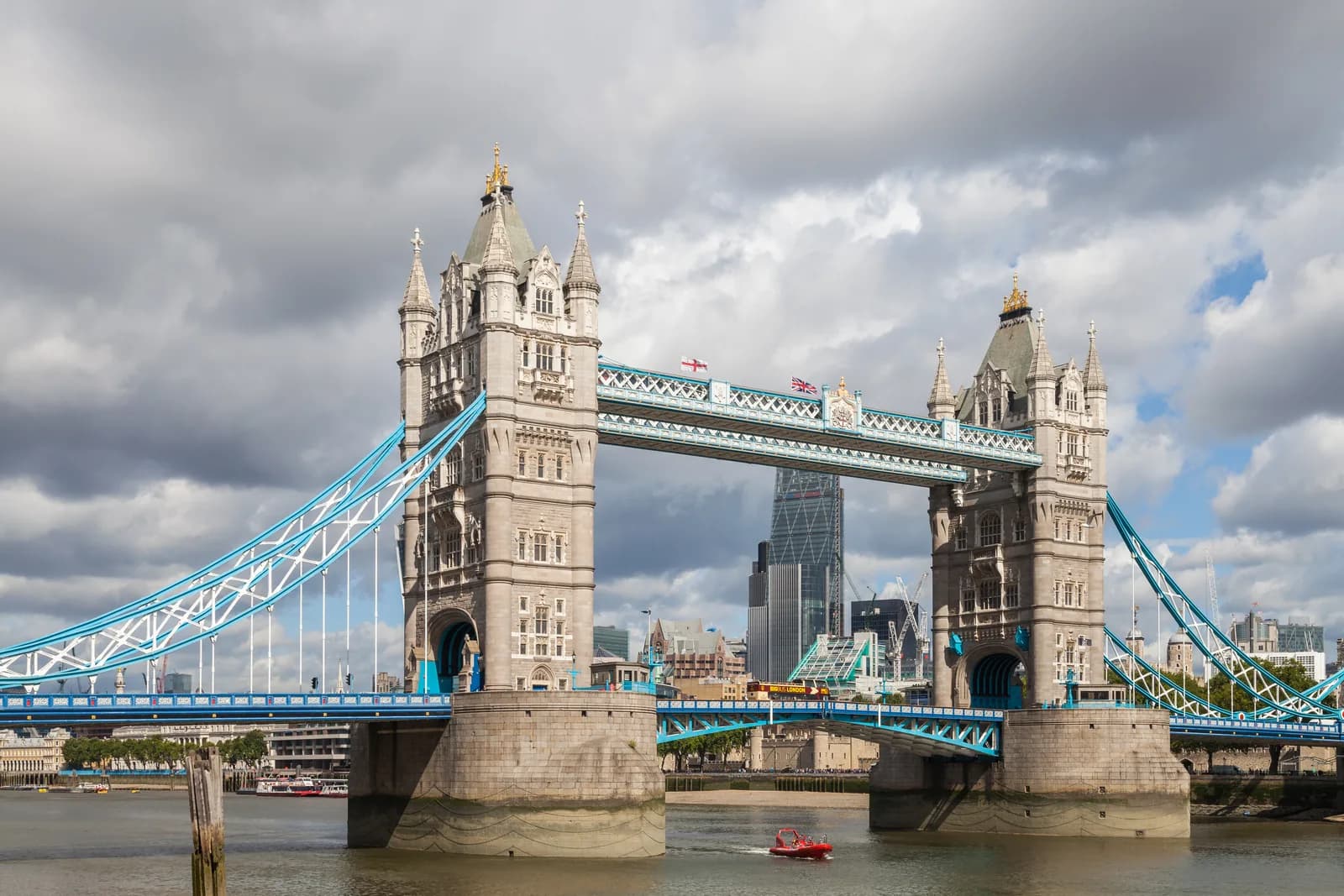
Top pick: Covent Garden & the West End
Where to stay in London
7 areas rated for vibe, price and who they suit.
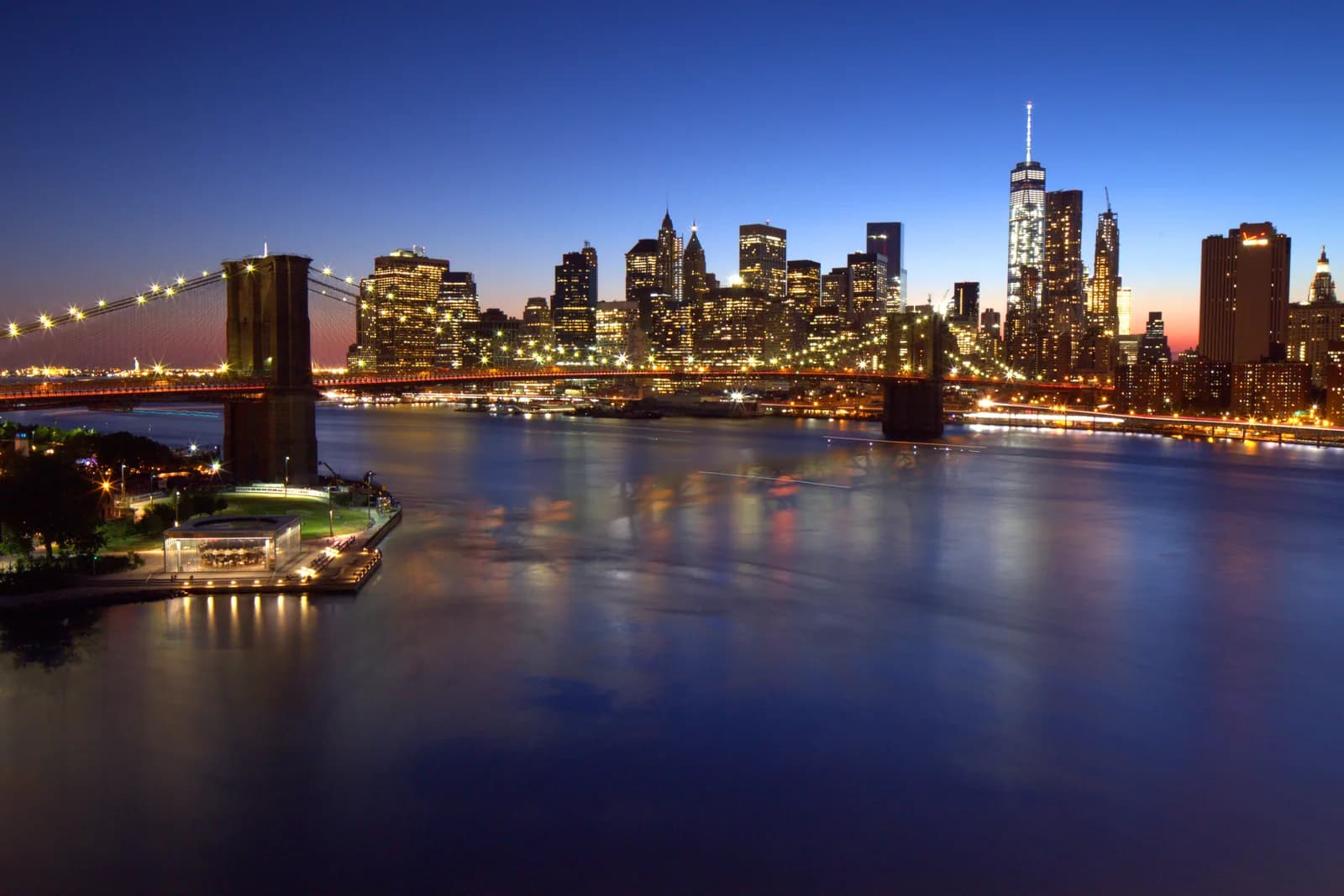
Top pick: Midtown
Where to stay in New York
7 areas rated for vibe, price and who they suit.
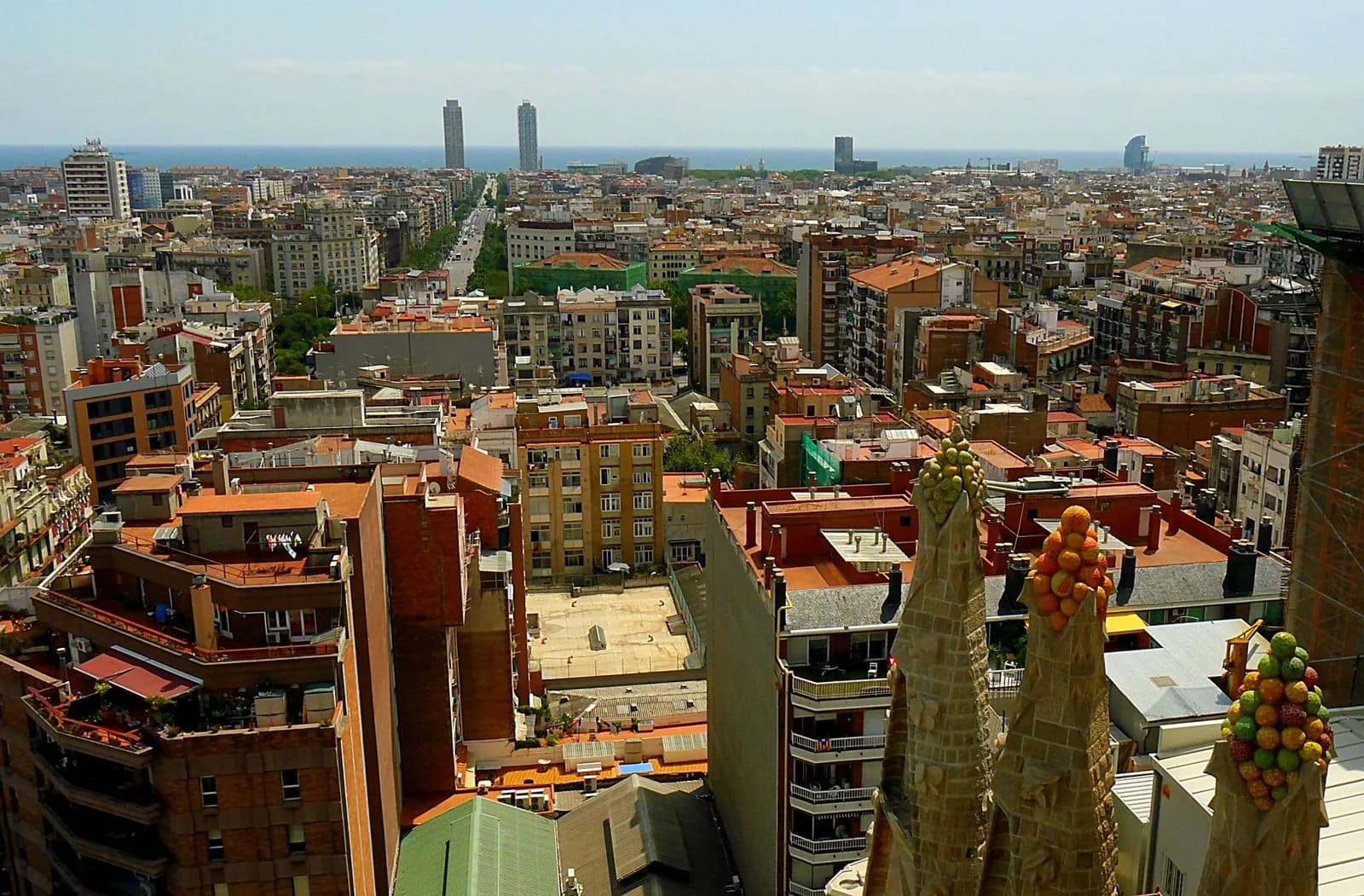
Top pick: Eixample
Where to stay in Barcelona
7 areas rated for vibe, price and who they suit.
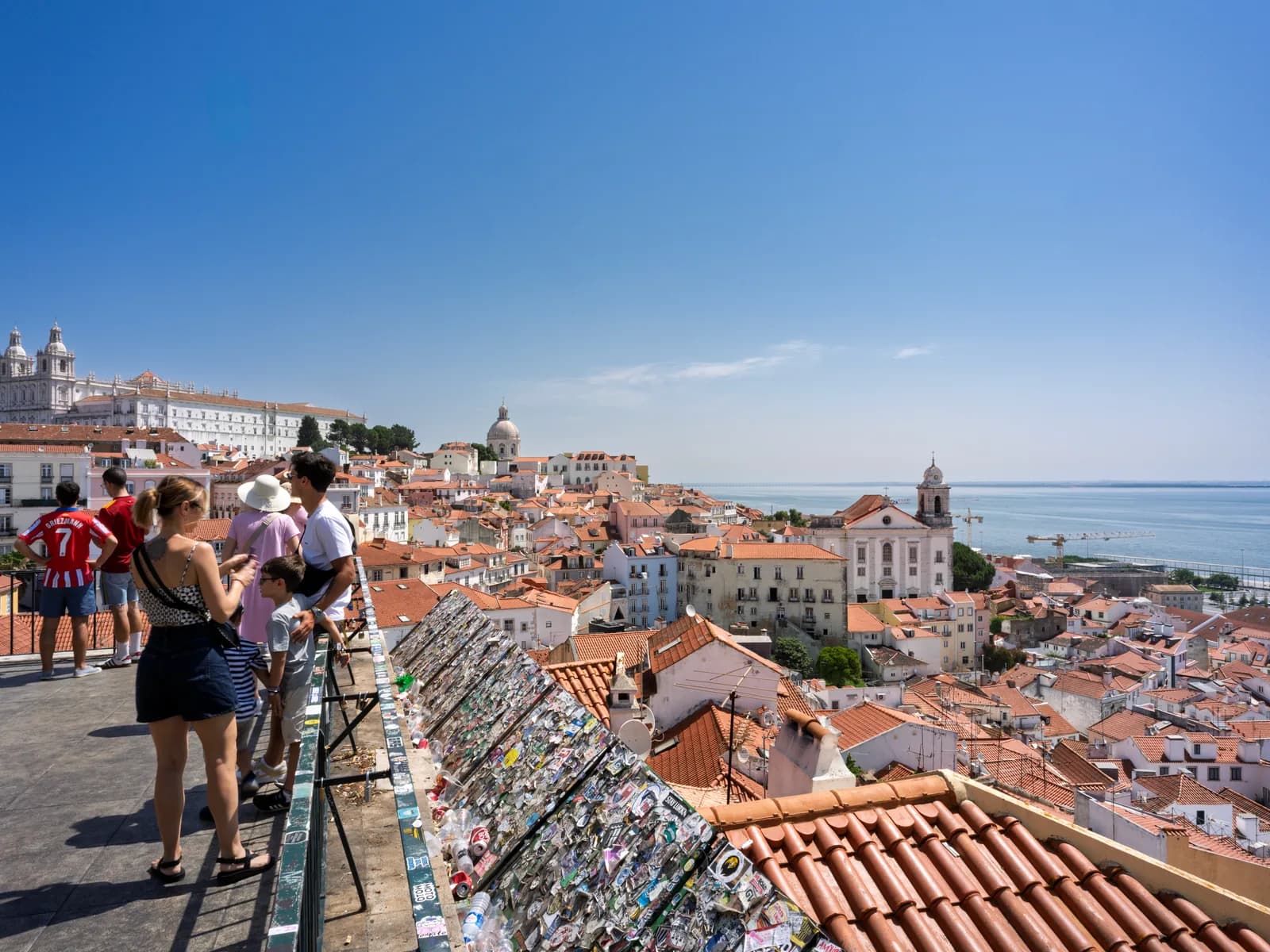
Top pick: Baixa & Chiado
Where to stay in Lisbon
6 areas rated for vibe, price and who they suit.

Top pick: Downtown (Kawaramachi & Nakagyo)
Where to stay in Kyoto
6 areas rated for vibe, price and who they suit.
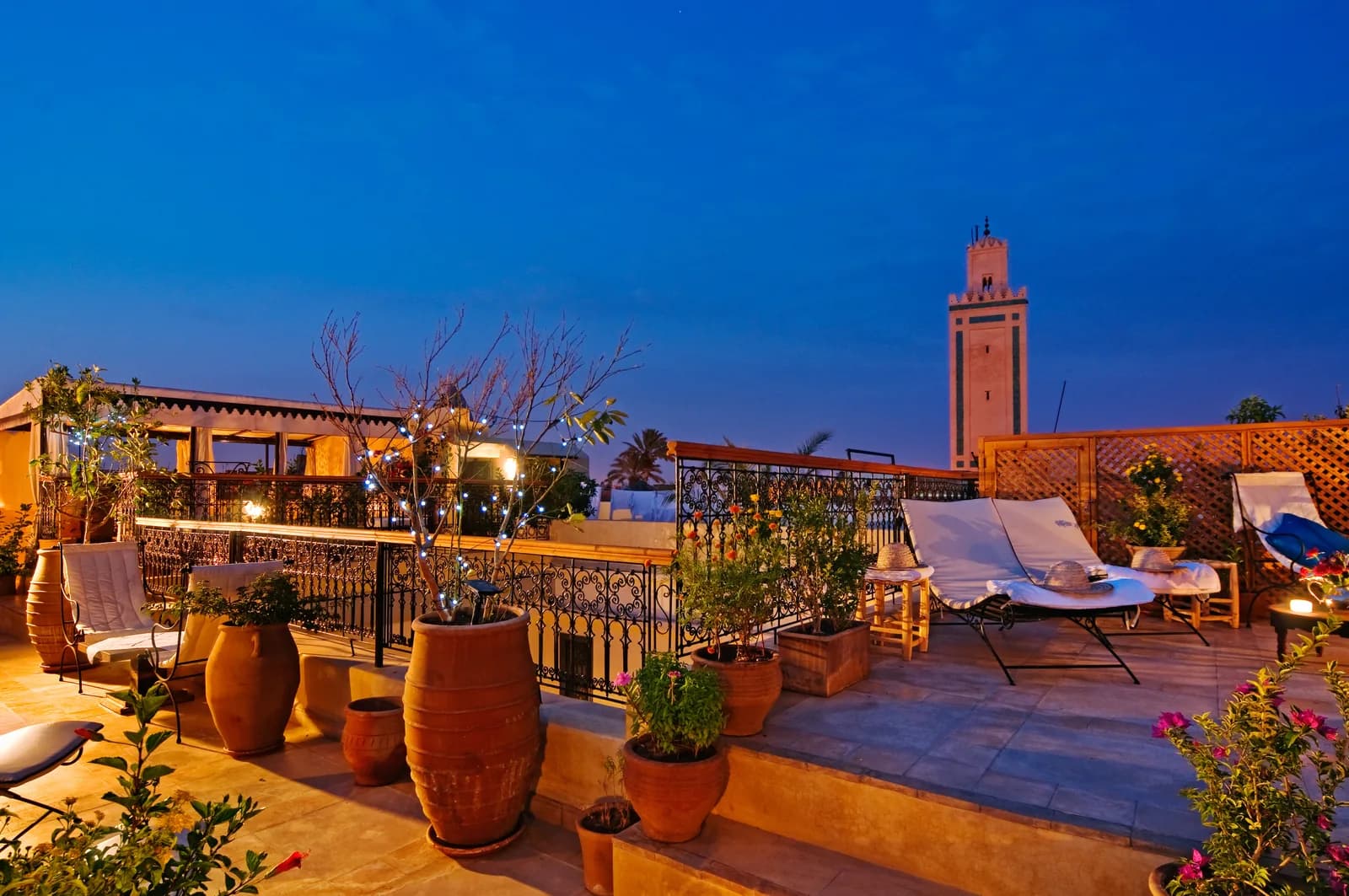
Top pick: The Medina (in a riad)
Where to stay in Marrakech
6 areas rated for vibe, price and who they suit.
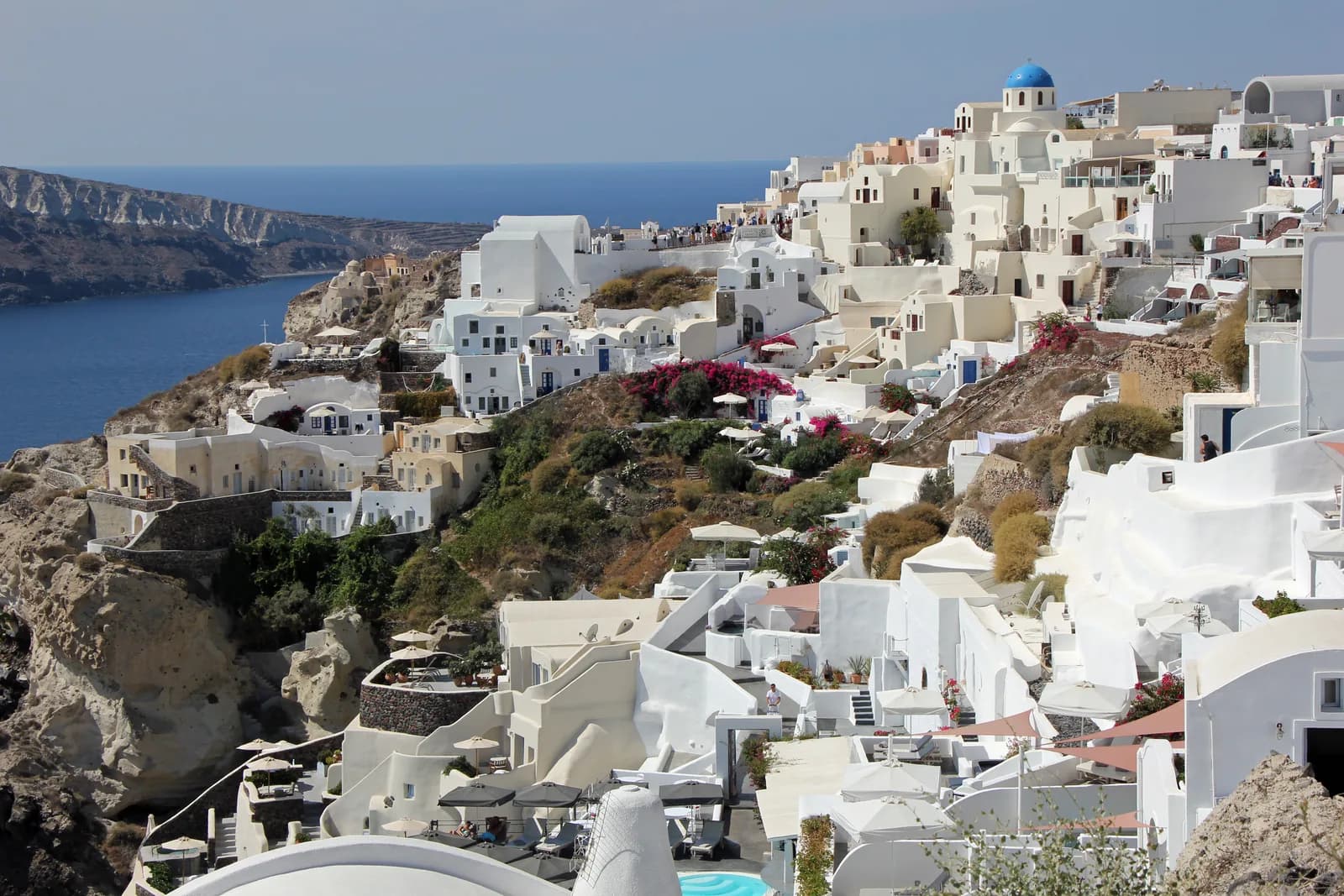
Top pick: Fira
Where to stay in Santorini
6 areas rated for vibe, price and who they suit.

Top pick: The Old Town
Where to stay in Edinburgh
6 areas rated for vibe, price and who they suit.
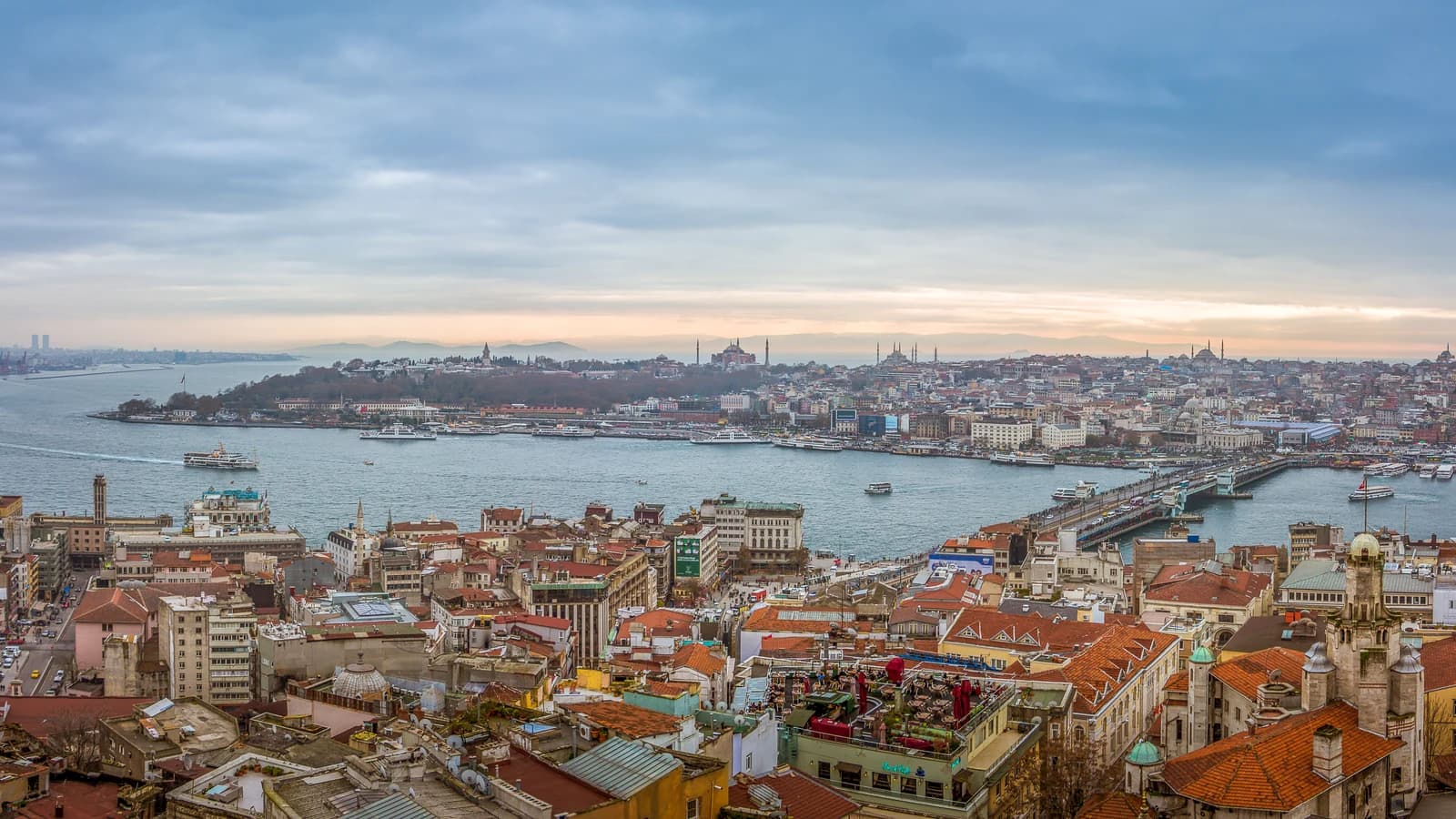
Top pick: Sultanahmet and Sirkeci
Where to stay in Istanbul
8 areas rated for vibe, price and who they suit.
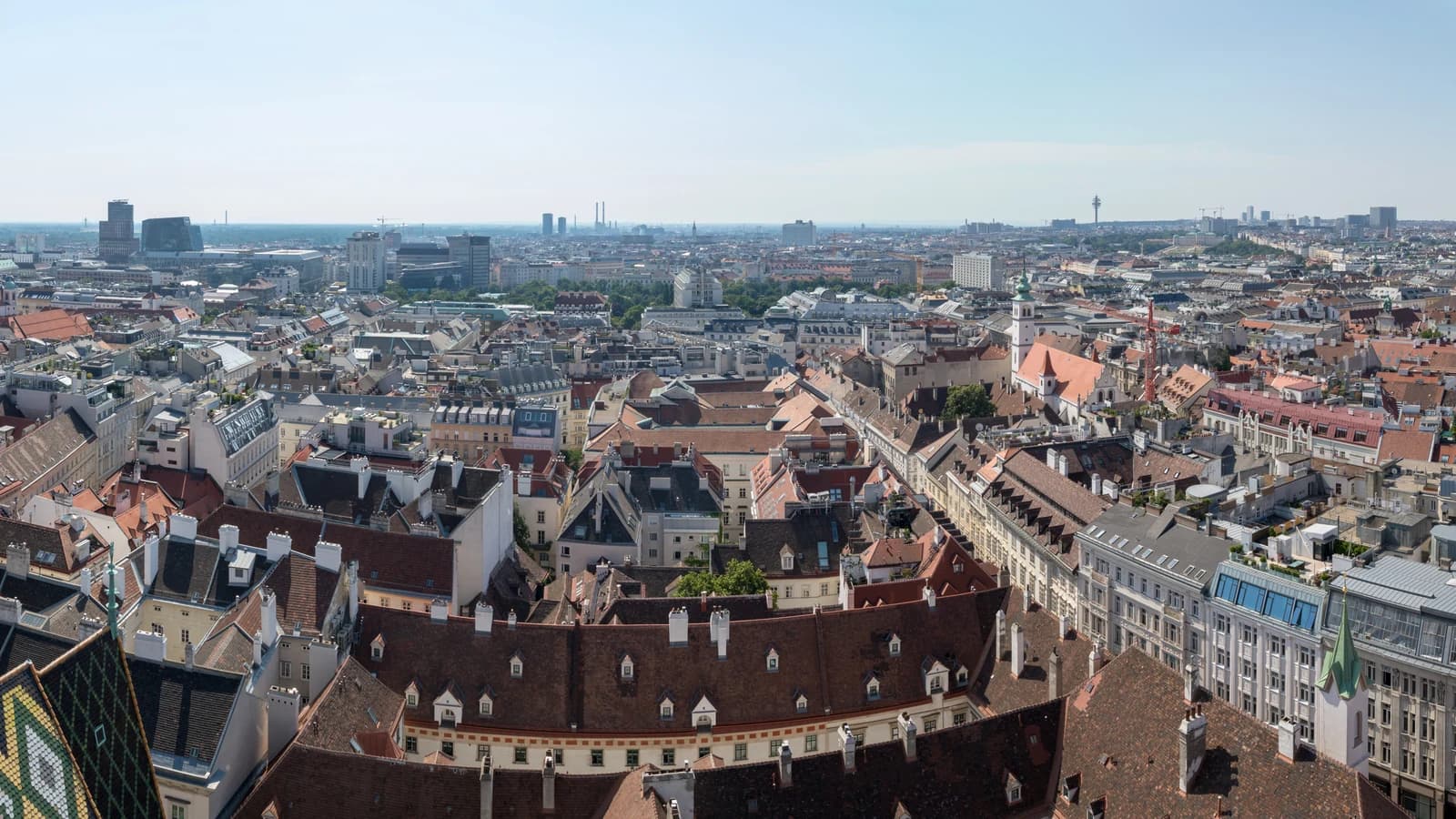
Top pick: Innere Stadt, the 1st district, 1010
Where to stay in Vienna
8 areas rated for vibe, price and who they suit.
How to choose where to stay: FAQ
The questions to answer before you book a base in any city.
Continue Planning Your Trip
Things to Do
Ranked attractions, tips and how to book tickets
Car Rental
Real prices, driving tips and the best routes by destination
Airport Transfers
Getting from the airport to your hotel, by price and time
All-Inclusive Guides
What all-inclusive really means, by destination
Best Time to Visit
Month-by-month weather, crowds and prices
Route Finder
Find the cheapest way to get there
Hotel Finder
Book the right hotel for your destination
AI Trip Planner
Build a day-by-day itinerary
Photo credits (65)
Photos via Wikimedia Commons, used under their respective licences.
- Where to stay in the Lofoten Islands: Bjørn Christian Tørrissen - CC BY-SA 4.0 · source
- Where to stay in Sydney: DXR - CC BY-SA 4.0 · source
- Where to stay in Reykjavik: G. Edward Johnson - CC BY 4.0 · source
- Where to stay in Lapland: WikiLucas00 - CC BY-SA 4.0 · source
- Where to stay in Rovaniemi: Leonhard Lenz - CC0 · source
- Where to stay in Tromso: Virtual-Pano - CC BY-SA 4.0 · source
- Where to stay in San Francisco with a family: l0da_ralta - CC BY 2.0 · source
- Where to stay in Seattle: Joe Mabel - CC BY 4.0 · source
- Where to stay in Rome: trolvag - CC BY-SA 3.0 · source
- Where to stay in Barcelona: Fred Romero - CC BY 2.0 · source
- Where to stay in New York: Jay Dobkin - CC BY-SA 4.0 · source
- Where to stay in Nashville on a budget: dconvertini - CC BY-SA 2.0 · source
- Where to stay in Dublin on a budget: MOs810 - CC BY 4.0 · source
- Where to stay in Krabi: Vyacheslav Argenberg - CC BY 4.0 · source
- Where to stay in Singapore with a family: ProjectManhattan - CC BY-SA 3.0 · source
- Where to stay in Hanoi: P. Hughes - CC BY 4.0 · source
- Where to stay in Taipei: 中岑 范姜 from Taipei, Taiwan, Republic of China - CC BY-SA 2.0 · source
- Where to stay in Athens: Kurtkaiser - CC0 · source
- Where to stay in Seville: José Luiz - CC BY-SA 3.0 · source
- Where to stay in Dubai: Imre Solt - CC BY-SA 3.0 · source
- Where to stay in Toronto: Taxiarchos228 - CC BY-SA 3.0 · source
- Where to stay in Amsterdam: Dietmar Rabich - CC BY-SA 4.0 · source
- Where to stay in Bangkok: Supanut Arunoprayote - CC BY 4.0 · source
- Where to stay in Venice: Didier Descouens - CC BY-SA 4.0 · source
- Where to stay in Dubrovnik: Miroslav Vajdic - CC BY-SA 4.0 · source
- Where to stay in Split: Tatyana Peshkova - CC BY-SA 4.0 · source
- Where to stay in Singapore: Basile Morin - CC BY-SA 4.0 · source
- Where to stay in Key West: Julian Lupyan - CC0 · source
- Where to stay in Granada: Oyvind Holmstad - CC BY-SA 4.0 · source
- Where to stay in Positano: Spenvann - CC BY-SA 4.0 · source
- Where to stay in Medellin: ALONSOZAR - CC BY-SA 4.0 · source
- Where to stay in Osaka: dconvertini - CC BY-SA 2.0 · source
- Where to stay in San Sebastian: Kent Wang - CC BY-SA 4.0 · source
- Where to stay in Puglia: acediscovery - CC BY 4.0 · source
- Where to stay in Madrid: Javier Perez Montes - CC BY-SA 4.0 · source
- Where to stay in Palermo: Benjamin Smith - CC BY-SA 4.0 · source
- Where to stay in Lake Garda: Fabio Pani - CC BY-SA 4.0 · source
- Where to stay in Hakone: Charlie fong - CC BY-SA 4.0 · source
- Where to stay in Palma de Mallorca: Arieleisenhammer - CC BY-SA 4.0 · source
- Where to stay in Verona: Jakub Halun - CC BY-SA 4.0 · source
- Where to stay in Fukuoka: Soramimi - CC BY-SA 4.0 · source
- Where to stay in Warsaw: Maksym Kozlenko - CC BY-SA 4.0 · source
- Where to stay in Oslo: JopkeB - CC BY-SA 4.0 · source
- Where to stay in Krakow: Igor123121 - CC BY 4.0 · source
- Where to stay in Sapporo: MIKI Yoshihito - CC BY 2.0 · source
- Where to stay in Bologna: MenkinAlRire - CC BY-SA 4.0 · source
- Where to stay in Chicago: Krzysztof Ziarnek, Kenraiz - CC BY-SA 4.0 · source
- Where to stay in Fort Lauderdale: Tamanoeconomico - CC BY-SA 4.0 · source
- Where to stay in Valencia: Sunnya343 - CC BY-SA 4.0 · source
- Where to stay in Shanghai: DvTor8303 - CC0 · source
- Where to stay in Tokyo: Benh Lieu Song - CC BY-SA 2.0 · source
- Where to stay in Rome (2): Emiliano Carchia - CC0 · source
- Where to stay in Paris: Jorge Royan - CC BY-SA 3.0 · source
- Where to stay in Paris (2): David McSpadden - CC BY 2.0 · source
- Where to stay in San Diego: Stephen Bay - CC BY 4.0 · source
- Where to stay in London: Diego Delso - CC BY-SA 4.0 · source
- Where to stay in New York (2): John Cunniff - CC BY 2.0 · source
- Where to stay in Barcelona (2): Ronny Siegel - CC BY 4.0 · source
- Where to stay in Lisbon: Dale Cruse - CC BY 4.0 · source
- Where to stay in Kyoto: Basile Morin - CC BY-SA 4.0 · source
- Where to stay in Marrakech: Marrakechriads - CC BY-SA 3.0 · source
- Where to stay in Santorini: Eduard Marmet - CC BY-SA 2.0 · source
- Where to stay in Edinburgh: Andrew Colin - CC BY 2.0 · source
- Where to stay in Istanbul: Juraj Patekar - CC BY 2.0 · source
- Where to stay in Vienna: Dietmar Rabich - CC BY-SA 4.0 · source