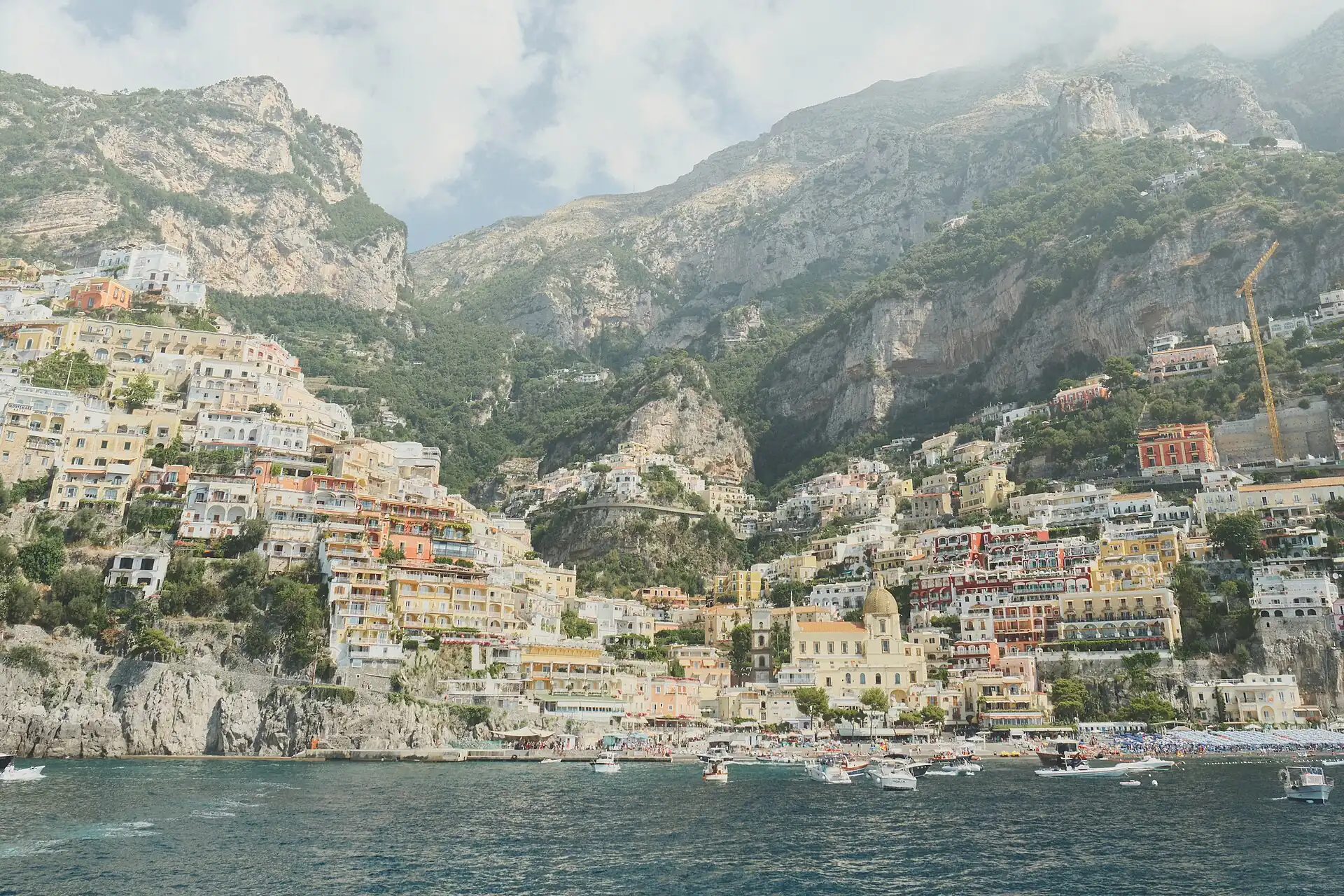
In Brief
Where should you stay in Positano?
Stay around Spiaggia Grande and Via dei Mulini for a first visit. It is the lowest and flattest part of town, so you are level with the main beach, the church and the restaurants without a long climb at the end of every evening. The upper town along Via Pasitea costs less and has better views for more steps. Fornillo is the quiet beach, and Montepertuso up the mountain is the cheapest.
Key takeaways
- First visit: Spiaggia Grande, the only part of Positano where you are not climbing.
- Ask your hotel about luggage porters before you arrive. Most have them and they are worth it.
- Buses stop above the town at Chiesa Nuova and Sponda. You walk down into it either way.
- Much of Positano closes from November to March, including the ferries.
Positano neighborhoods at a glance
The best areas to stay in Positano, compared for vibe, price and who each suits.
| Area | Best for | Price | In a word |
|---|---|---|---|
| Spiaggia Grande and Via dei Mulini | first timers, romance | $$$ | On the beach, in the middle, and no stairs at the end of dinner |
| Upper town along Via Pasitea | romance, budget | $$ | The postcard view, for a few hundred steps |
| Fornillo | budget, families | $$ | The second beach, ten minutes west and half as busy |
| Chiesa Nuova | budget, families | $$ | Top of the town, where the bus actually stops |
| Montepertuso and Nocelle | budget, food | $ | Villages above the town, the best prices, the best walking |
| Laurito and Arienzo | luxury, romance | $$$ | Cliffside seclusion, reached by boat or a lot of steps |
| Praiano | budget, romance | $$ | The next village along, half the price and no crowds |
- Free cancellation on most rooms
- No booking fee
- Prices on Trip.com
Best areas to stay in Positano
Ranked best-first, with the vibe, who it suits and an honest catch for each. Tap a filter to match an area to your trip.
Find your area - what matters most?
All 7 areas in Positano, best first.
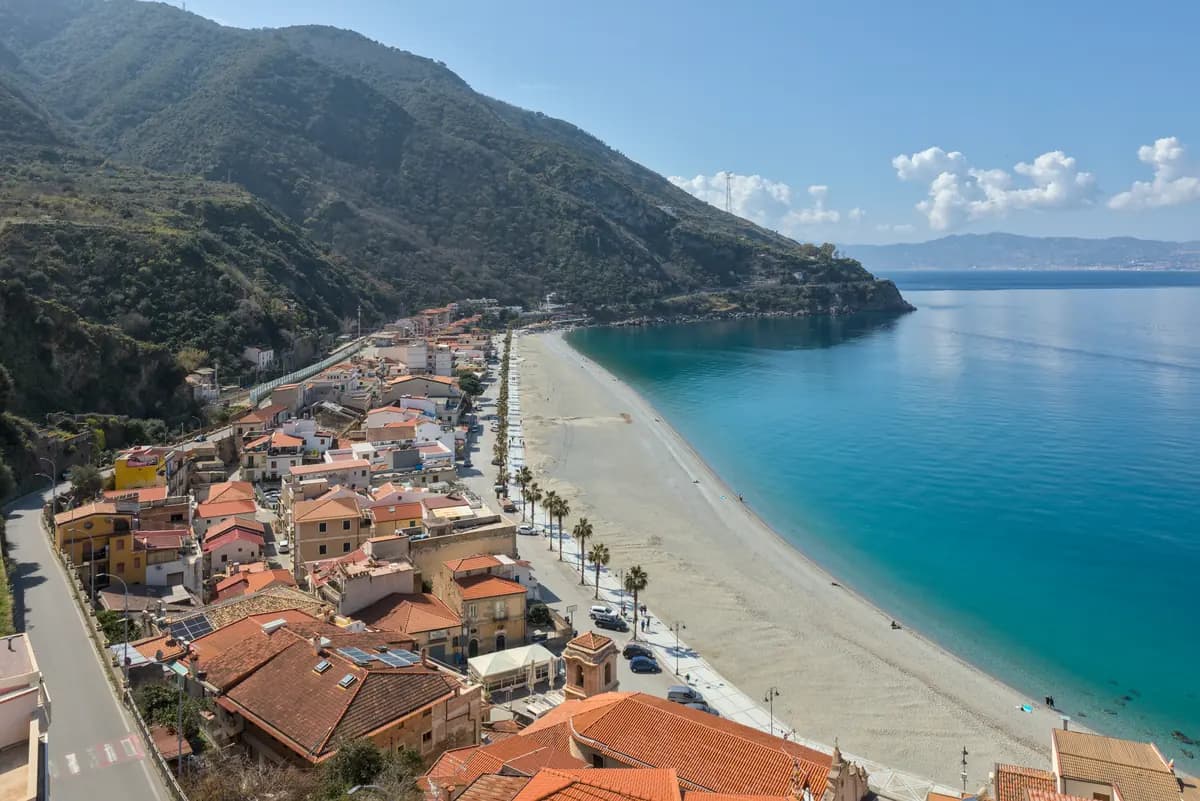
Spiaggia Grande and Via dei Mulini
$$$ · High-endOn the beach, in the middle, and no stairs at the end of dinner
Best for:First-timersRomanceFood & wineThe bottom of the town where the main pebble beach curves below the majolica-tiled dome of Santa Maria Assunta. Via dei Mulini runs up from it lined with boutiques and restaurants, and the ferry dock and beach clubs are on your doorstep.
- Good to know
- Good to know: The most expensive part of Positano and the only place you can move around without a climb, which is what you are paying for. Busy from mid-morning to early evening with day trippers off the boats. Arrivals are still awkward, since vehicles cannot reach most of it and porters bring bags down by hand.
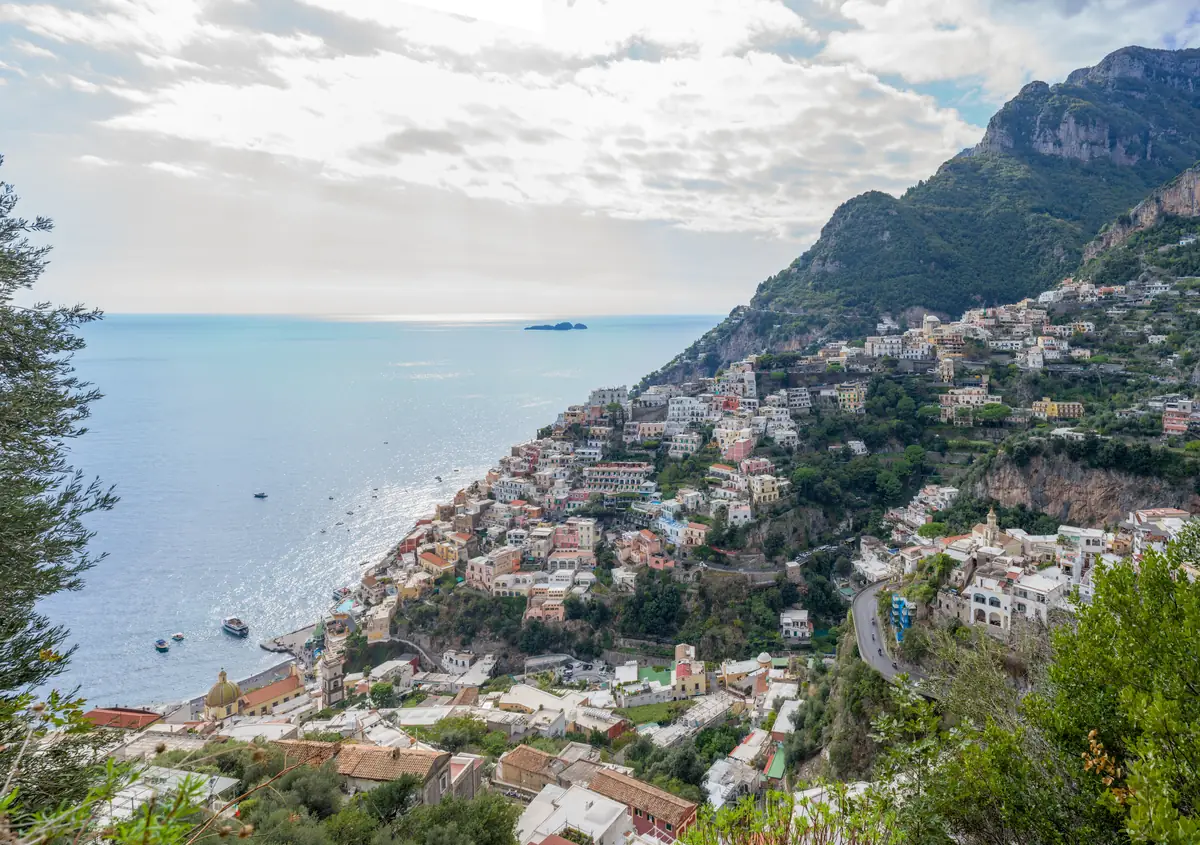
Upper town along Via Pasitea
$$ · Mid-rangeThe postcard view, for a few hundred steps
Best for:RomanceBudgetSightseeingThe hillside above the centre, where the road switchbacks across the face of the town and the hotels look straight down over the pastel houses to the sea. This is where the famous view actually comes from, and where a lot of the mid-range rooms are.
- Good to know
- Good to know: Noticeably cheaper than the beach for a better outlook, and the trade is fifteen to twenty minutes of steps down into town and considerably longer back up. Many hotels here run a shuttle or sit near a bus stop, which changes everything. Ask specifically rather than assuming.
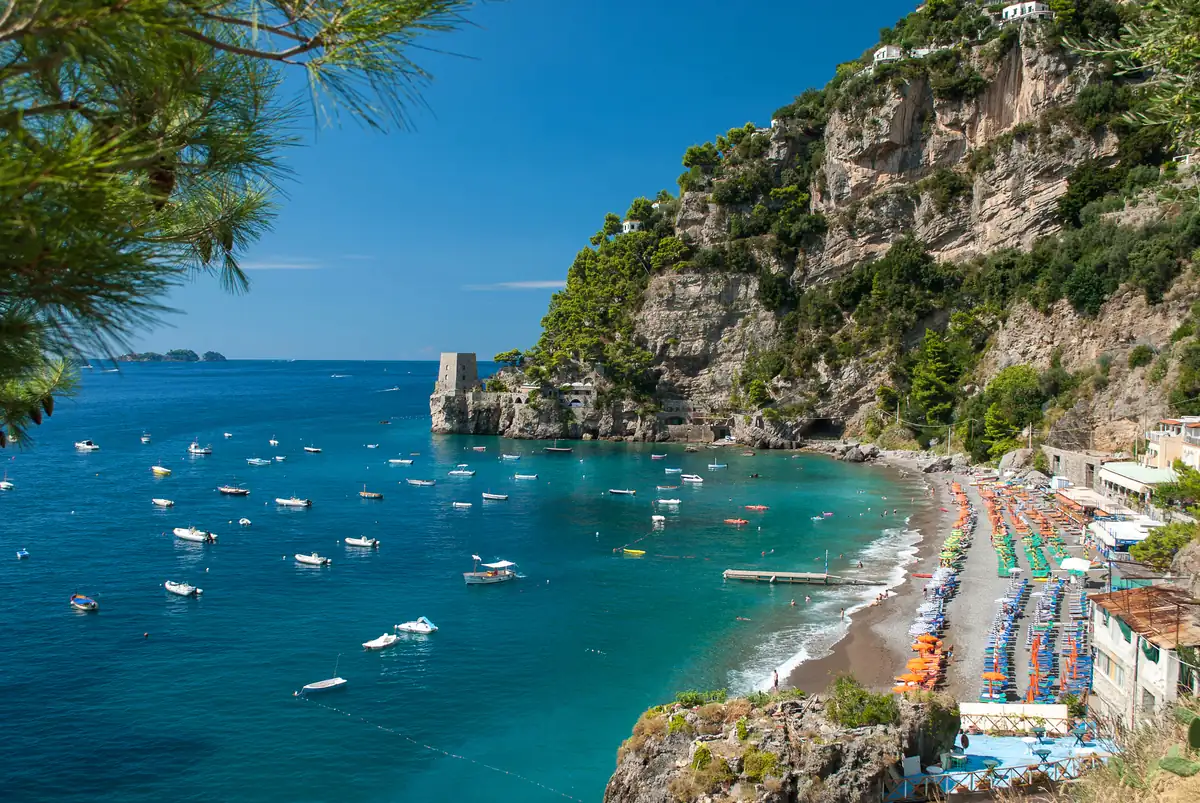
Fornillo
$$ · Mid-rangeThe second beach, ten minutes west and half as busy
Best for:BudgetFamiliesRomanceA smaller beach around the headland from Spiaggia Grande, reached by the Via Positanesi d'America, a cliff path with railings that takes about ten minutes and is one of the nicest short walks on the coast. Quieter sand, cheaper beach clubs and better-value restaurants.
- Good to know
- Good to know: The locals' answer to the main beach and a genuinely good compromise on price and calm. You are still in Positano and still climbing, just less of it. The path is the only sensible way in, so it is not a good choice with heavy luggage or limited mobility.
Chiesa Nuova
$$ · Mid-rangeTop of the town, where the bus actually stops
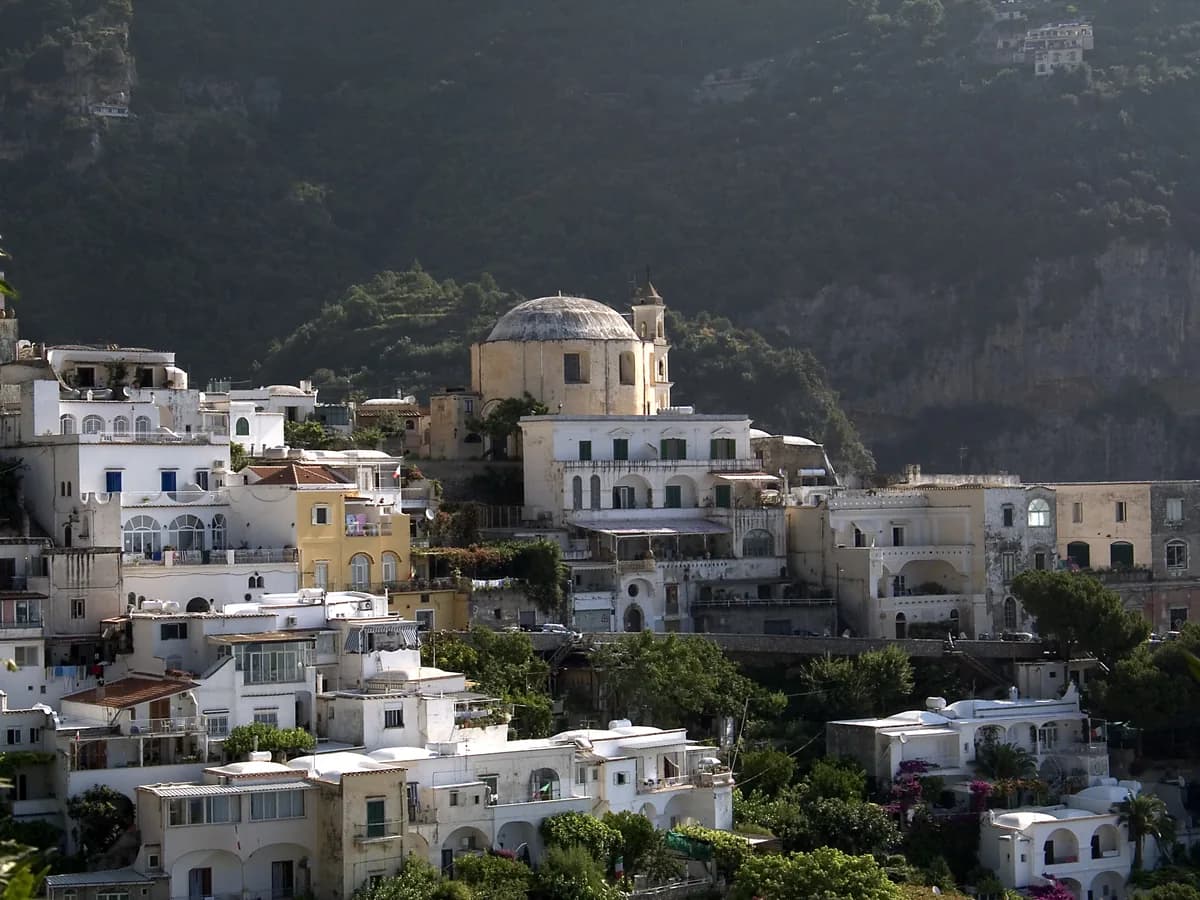
Best for:BudgetFamiliesFirst-timersThe upper entrance to Positano on the Sorrento side, where the coast road passes and the SITA buses pull in. A small cluster of hotels and a few shops with a long view down over the whole town to the sea.
- Good to know
- Good to know: The easiest place to arrive at and leave from, which is worth more than people realise on this coast. The catch is that town is a long descent below you and a hard climb back, though the local orange bus loops down and up all day for a couple of euros. Good value, practical, less romantic.
Montepertuso and Nocelle
$ · BudgetVillages above the town, the best prices, the best walking
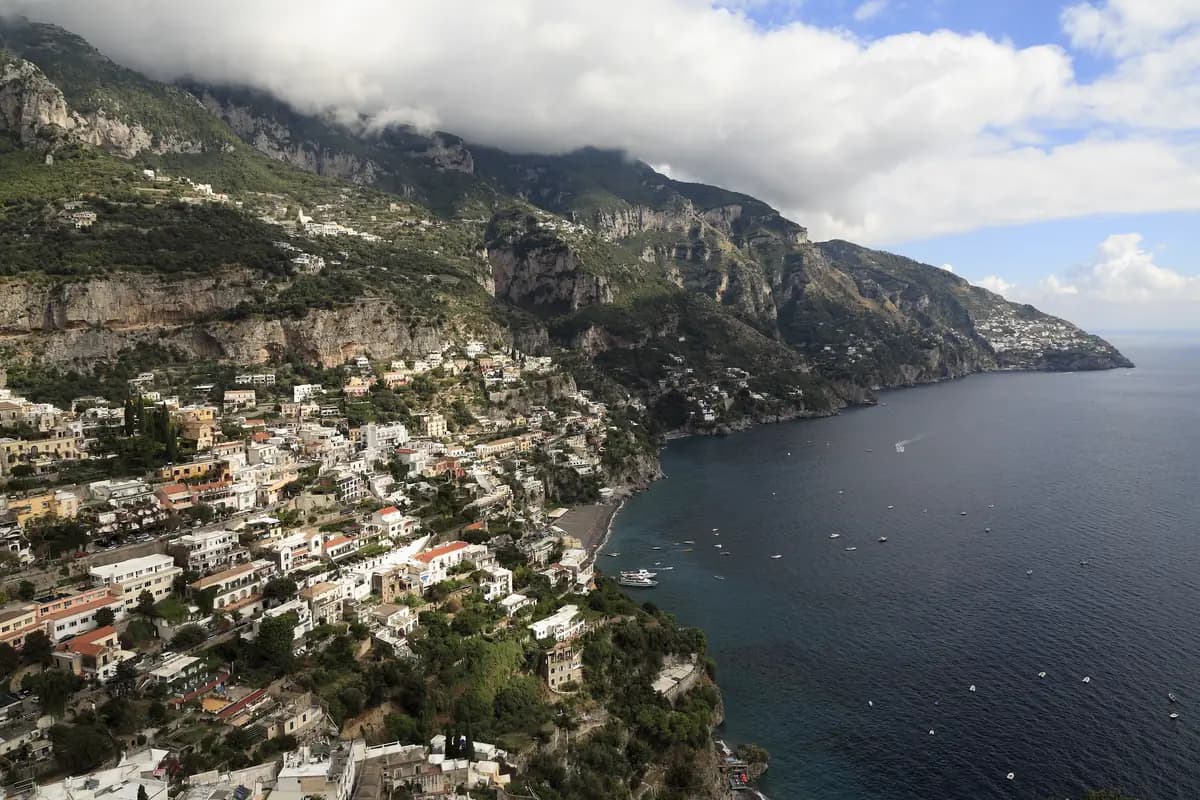
Best for:BudgetFood & wineSightseeingTwo small villages on the mountainside several hundred metres above Positano, connected by a switchback road and a great many steps. Nocelle is the end point of the Path of the Gods, the ridge walk along the coast, and both have simple family-run restaurants with enormous views.
- Good to know
- Good to know: The cheapest beds within Positano's boundary and the calmest, and the food is better value than anything below. You are committed to the local bus, which is frequent in season and stops at night, or to a very long climb. Take this for the walking and the price, not for the beach.
Laurito and Arienzo
$$$ · High-endCliffside seclusion, reached by boat or a lot of steps
Best for:LuxuryRomanceSmall coves east of the centre towards Praiano, with a handful of hotels and beach clubs tucked into the cliff. Several run their own boat shuttle to the main beach, which is the pleasant way to arrive anywhere from here.
- Good to know
- Good to know: Quiet, private and expensive, and the seclusion is total. Arienzo is known locally for the several hundred steps down to it from the road. Only sensible if your hotel runs a boat or a shuttle, so confirm that first. Not a base for exploring the coast independently.
Praiano
$$ · Mid-rangeThe next village along, half the price and no crowds
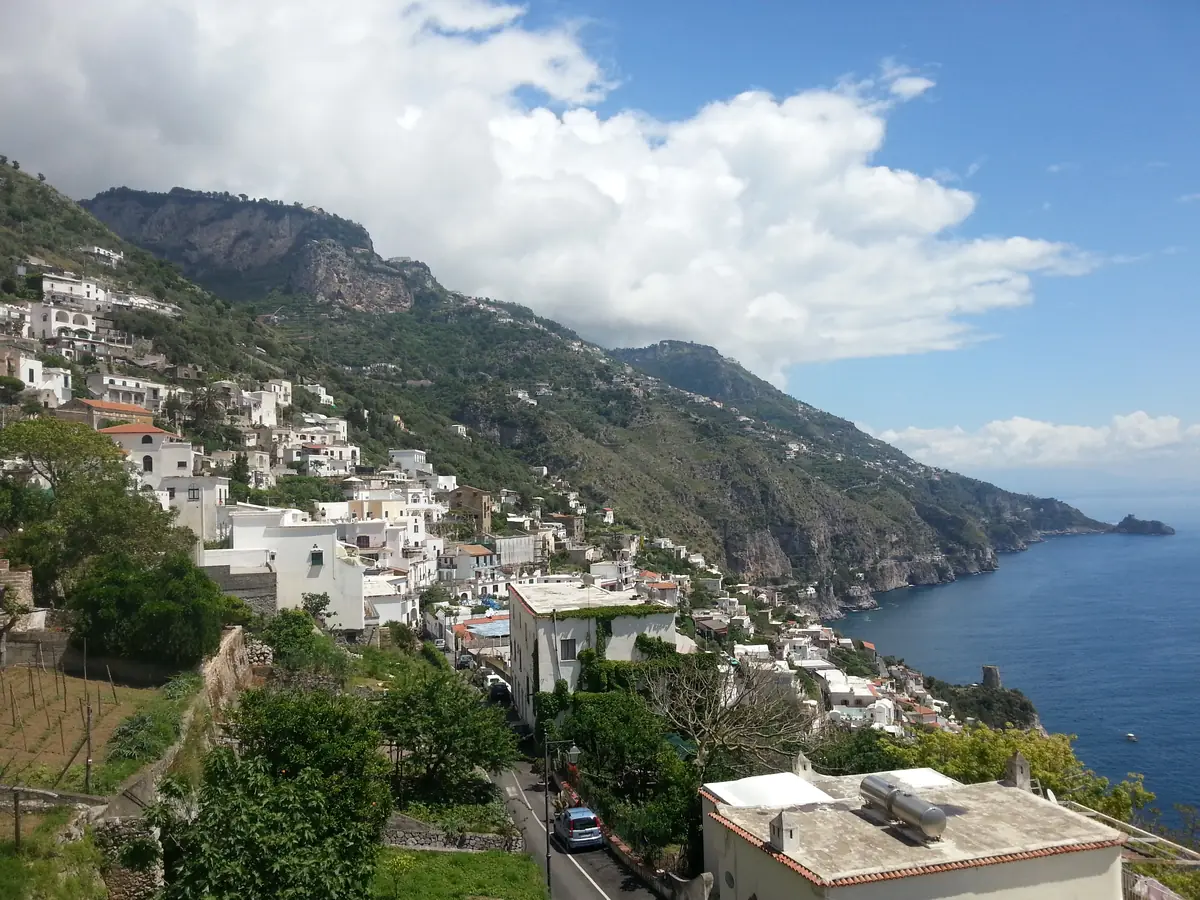
Best for:BudgetRomanceFamiliesA working village a few kilometres east along the coast road, with the same cliff-and-sea setting, a fraction of the day visitors and rooms at prices Positano stopped charging years ago. Sunsets face west across the water towards Capri.
- Good to know
- Good to know: Not Positano, and worth saying so plainly, but it is on the same bus route, about ten to fifteen minutes away, and many people who came back a second time stay here instead. Fewer restaurants and much less to look at in the evening. The best-value base on this stretch of coast.
Where not to stay in Positano
Positano is safe and the only things that can spoil a stay here are logistics and money. The mistake that catches almost everyone is booking on the view without reading the small print about access, then discovering the room is four hundred steps above the beach with no lift and no vehicle access. Ask two questions before booking: how many steps from the road, and does the hotel provide a porter. The second mistake is driving. The coast road is narrow, slow and often gridlocked in summer, parking in Positano is scarce and among the most expensive in Italy, and one-way traffic systems mean you cannot simply turn around. Take the ferry or the bus. The third is timing: the town is at its worst between about eleven and five in high summer when the day boats and coaches arrive, and it largely shuts from November to March, when the ferries stop and many hotels and restaurants close entirely. Finally, be clear that Spiaggia Grande is pebbles, not sand, and the loungers in front of the beach clubs are charged by the day.
Getting around Positano
Naples is the nearest airport, about an hour and a half to two hours away depending on traffic. There is no railway to Positano; the nearest stations are Sorrento on the Circumvesuviana line from Naples and Salerno on the mainline, and from either you continue by SITA bus or ferry. The ferry is much the better arrival in season, roughly April to October, because it drops you at the beach rather than above the town and the coast road traffic is genuinely bad in summer. Buses stop at two points high above the centre, Chiesa Nuova on the Sorrento side and Sponda on the Amalfi side, and from both you walk down into town and back up to leave. Inside Positano a small orange local bus loops between the coast road, the centre and Montepertuso all day for a couple of euros, and it is the single most useful thing to know here. Otherwise you walk, and the walking is stairs. Do not bring a car.
Where to stay in Positano: FAQ
The questions travelers ask most when choosing an area.
Where to stay in other cities
Continue Planning Your Trip
Things to Do
Ranked attractions, tips and how to book tickets
Car Rental
Real prices, driving tips and the best routes by destination
Airport Transfers
Getting from the airport to your hotel, by price and time
All-Inclusive Guides
What all-inclusive really means, by destination
Best Time to Visit
Month-by-month weather, crowds and prices
Route Finder
Find the cheapest way to get there
Hotel Finder
Book the right hotel for your destination
AI Trip Planner
Build a day-by-day itinerary
Photo credits (6)
Photos via Wikimedia Commons, used under their respective licences.
- Spiaggia Grande and Via dei Mulini: Benjamin Smith - CC BY-SA 4.0 · source
- Upper town along Via Pasitea: Own work - CC BY-SA 3.0 · source
- Fornillo: Mihael Grmek - CC BY-SA 4.0 · source
- Chiesa Nuova: LorenzoSan84017 - CC BY-SA 4.0 · source
- Montepertuso and Nocelle: Falk2 - CC BY-SA 4.0 · source
- Praiano: User:Barochat - CC BY-SA 3.0 · source