Family Friendly Hotels, City by City
The question that actually decides a family booking is not which hotel is best. It is whether all of you fit in one room, whether there is a door between you and the children, and what the cot costs. These guides answer that first, in a table, before anyone gets ranked.

In Brief
What do these family hotel guides tell you?
Which rooms hold your exact party in one booking, which hotels publish a genuine connecting door, what a cot or rollaway costs, and the age at which children stop staying free. Every fact comes from the hotel's own site, and the gaps are shown as gaps rather than filled with guesses.
Key takeaways
- A room-configuration table covering 2+1, 2+2, 2+3 and a couple with a baby
- Connecting rooms counted only where the hotel says a door exists
- Cot charges, kids-stay-free ages and child breakfast terms, or an honest dash
Choose a city
Destin
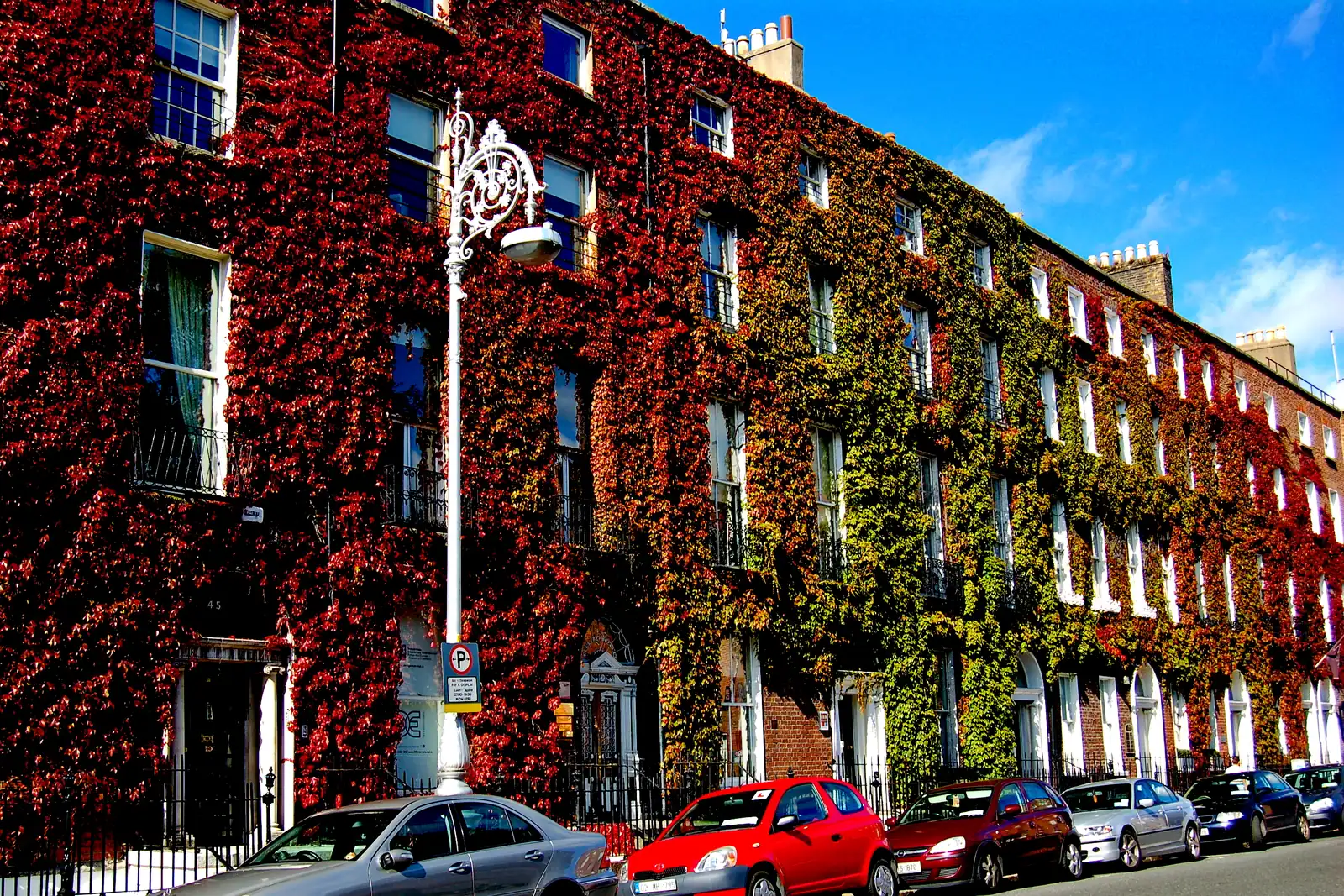
Dublin

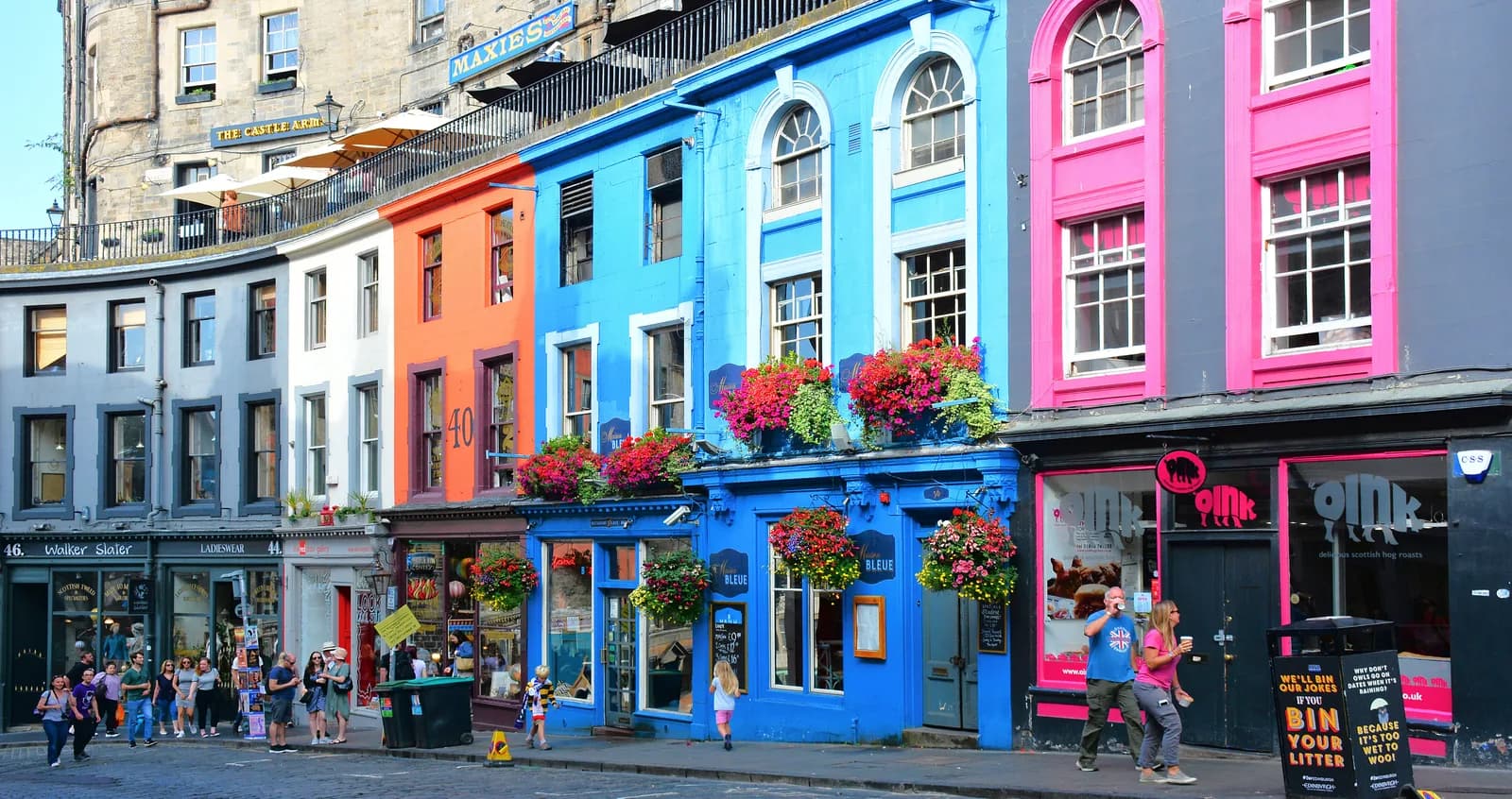
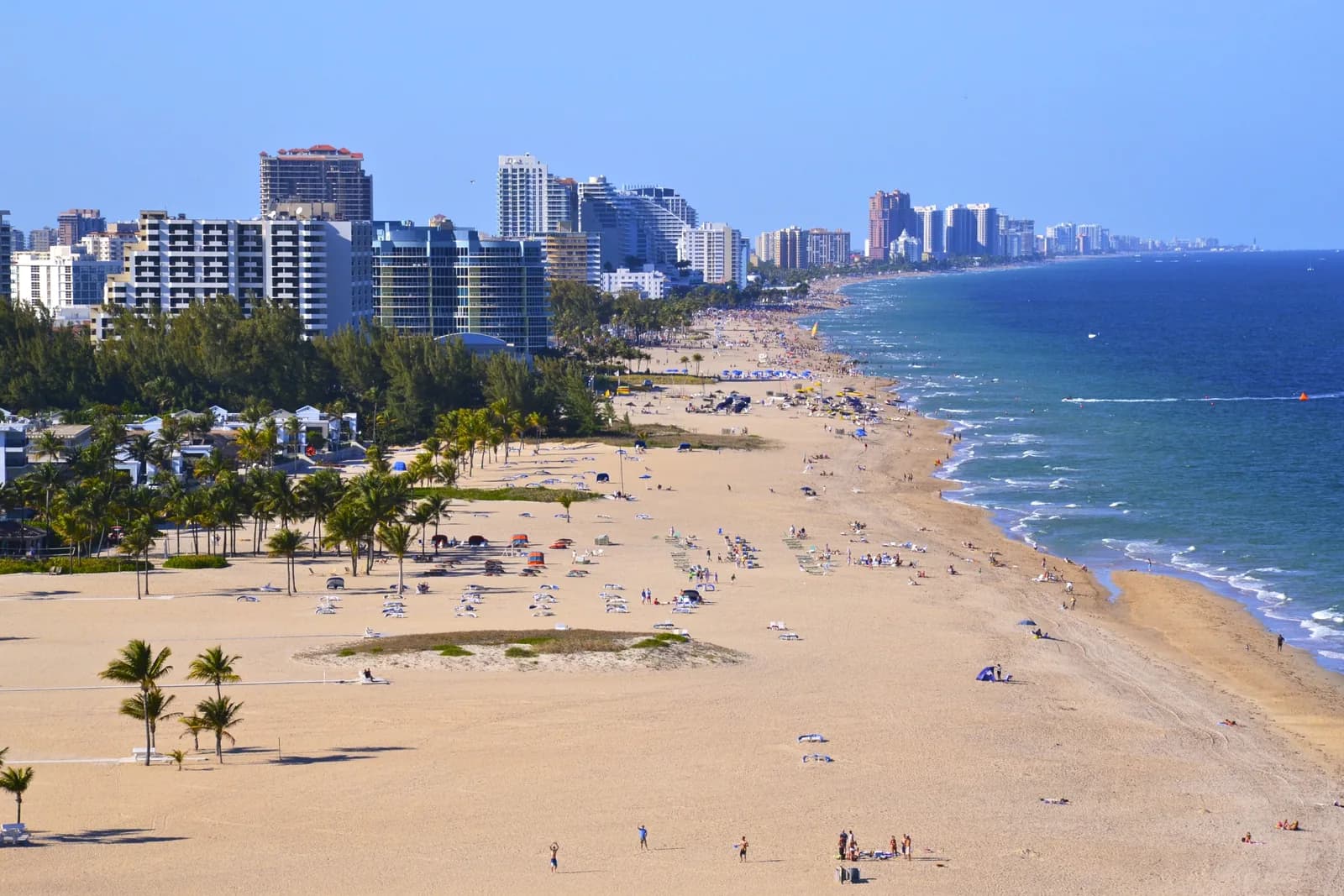
Fort Lauderdale
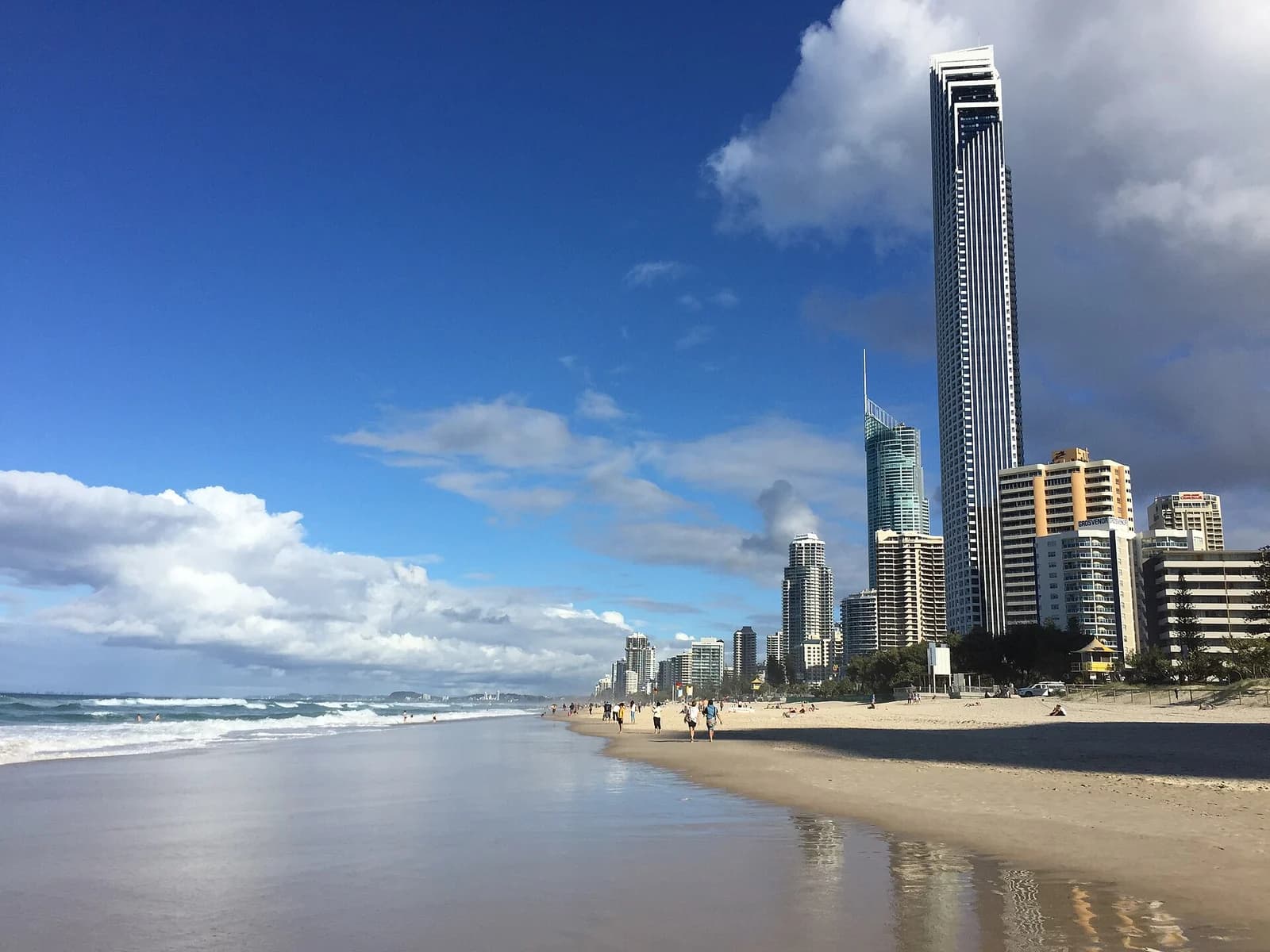

Las Vegas
Melbourne

Paris


San Francisco
Seattle

Singapore

Sydney
How these guides work
What goes into the room table, and what deliberately does not.
Continue Planning Your Trip
Things to Do
Ranked attractions, tips and how to book tickets
Where to Stay
The best area to stay in each city, by neighborhood
Car Rental
Real prices, driving tips and the best routes by destination
Airport Transfers
Getting from the airport to your hotel, by price and time
All-Inclusive Guides
What all-inclusive really means, by destination
Best Time to Visit
Month-by-month weather, crowds and prices
Route Finder
Find the cheapest way to get there
Hotel Finder
Book the right hotel for your destination
AI Trip Planner
Build a day-by-day itinerary
Photo credits (48)
Photos via Wikimedia Commons, used under their respective licences.
- Adelaide family accommodation: DXR - CC BY-SA 4.0 · source
- Algarve family hotels: Mimihitam - CC BY 4.0 · source
- Amsterdam family hotels: Tobias Niepel - CC BY 2.0 · source
- Austin family hotels: Nicolas Henderson - CC BY 2.0 · source
- Bali family hotels: Danangtrihartanto - CC BY-SA 4.0 · source
- Barbados family hotels: Barry haynes - CC BY-SA 4.0 · source
- Barcelona family hotels: DimiTalen - CC0 · source
- Boston family hotels: Gregg Squeglia - CC BY-SA 4.0 · source
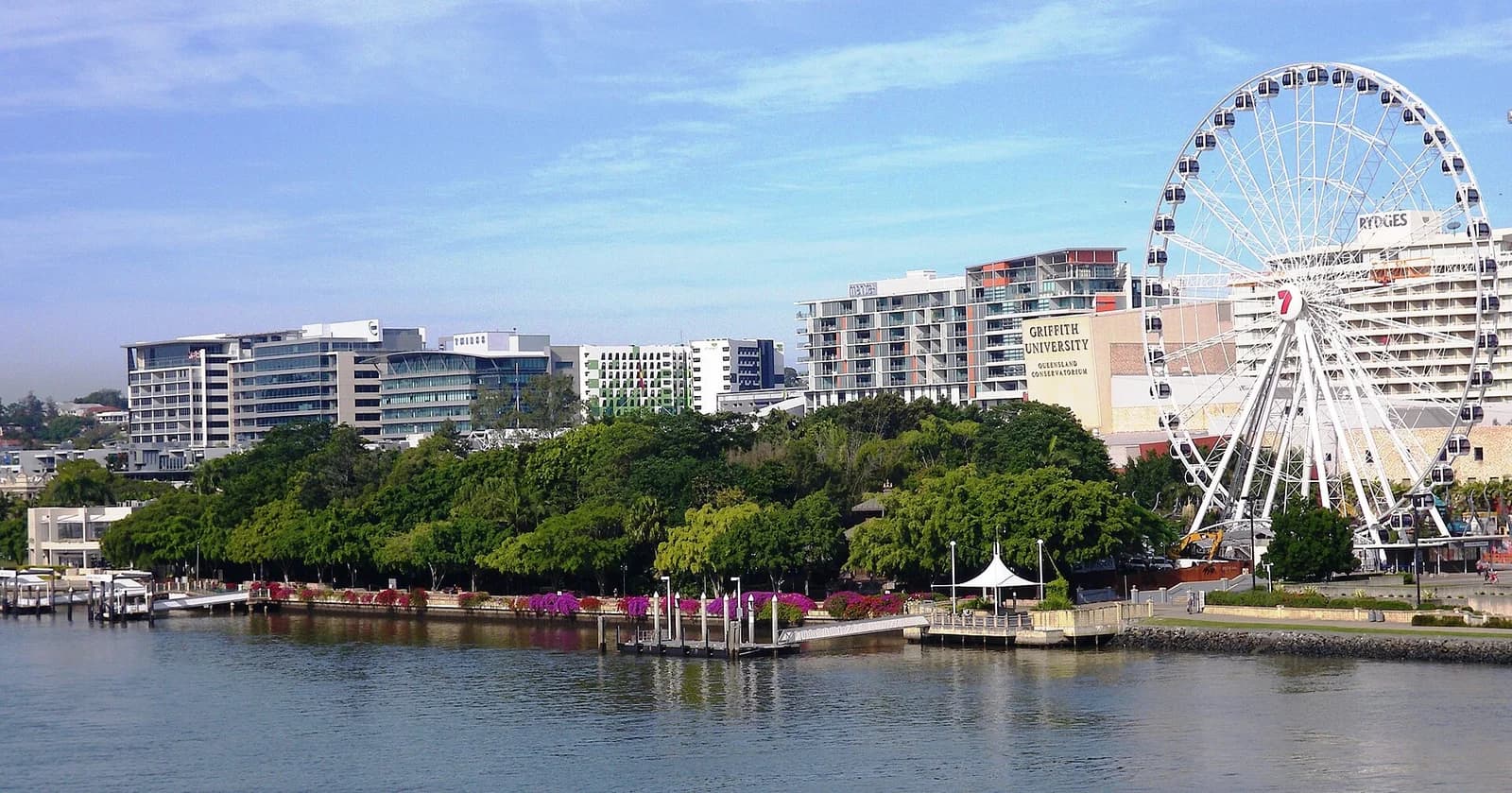
- Brisbane family accommodation: Brisbane City Council - CC BY 2.0 · source
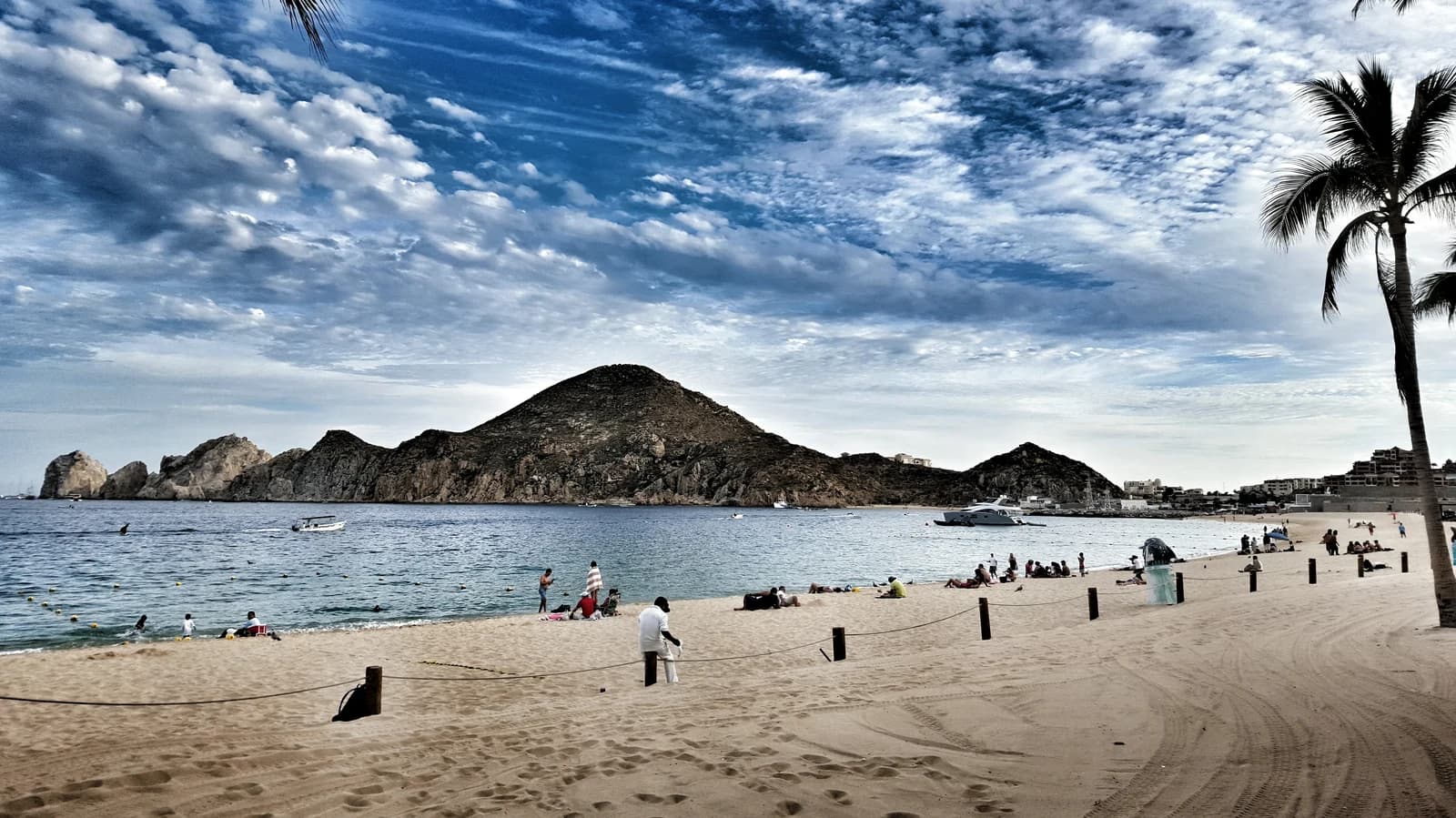
- Cabo family hotels: Cristo Vlahos - CC BY-SA 4.0 · source
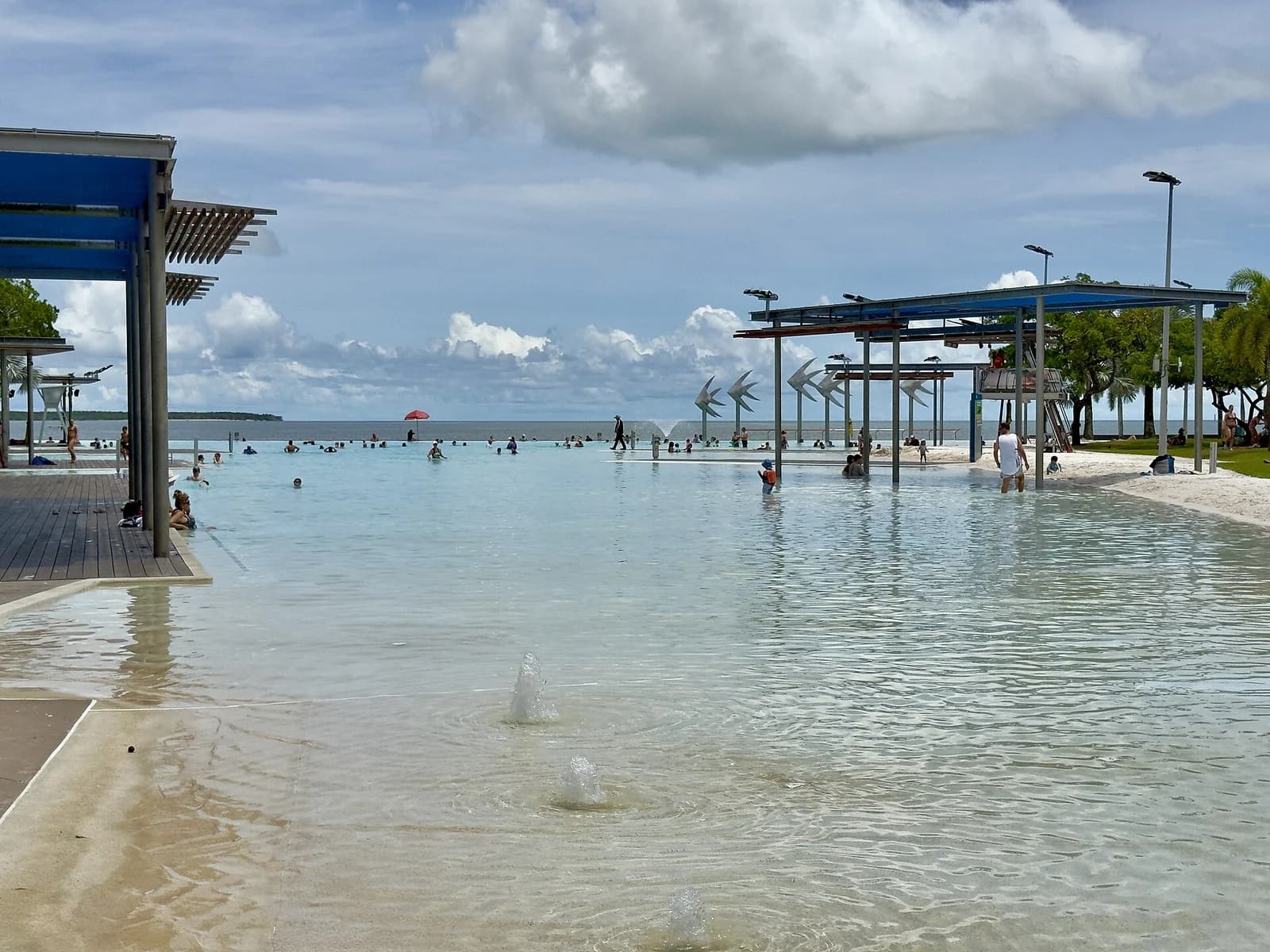
- Cairns family accommodation: Chris Olszewski - CC BY-SA 4.0 · source
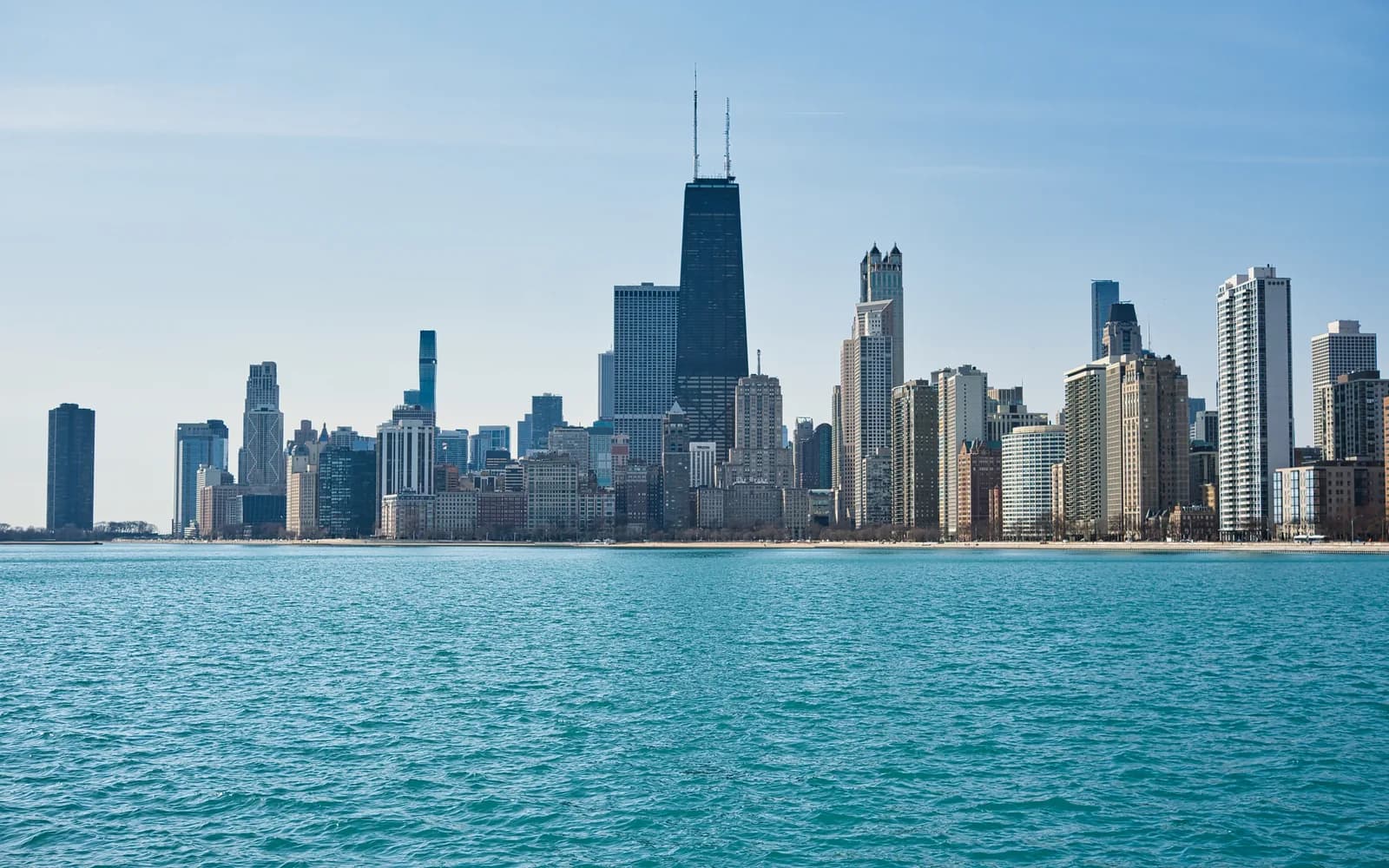
- Chicago connecting rooms: Chris Rycroft - CC BY 2.0 · source
- Cornwall family hotels: JackPeasePhotography - CC BY 2.0 · source
- Crete family hotels: Lapplaender - CC BY-SA 3.0 DE · source
- Destin family hotels: Destin Vacation Boat Rentals - CC BY 2.0 · source
- Dubai family hotels: Fabio Achilli from Milano, Italy - CC BY 2.0 · source
- Dublin family hotels: Riccardo Salvatore Riggi - CC BY 4.0 · source
- Dublin family rooms: Joseph Mischyshyn - CC BY-SA 2.0 · source
- Edinburgh family hotels: Mike McBey - CC BY 2.0 · source
- Fort Lauderdale family hotels: Daniel Dudek - CC BY 2.0 · source
- Gold Coast family hotels: Kgbo - CC BY-SA 4.0 · source
- Hobart family accommodation: Wiki ian - CC BY-SA 3.0 · source
- Indianapolis family hotels: Serge Melki - CC BY 2.0 · source
- Las Vegas family rooms: Carol M. Highsmith - Public domain · source
- London family hotels: Andy Li - CC0 · source
- Madrid family hotels: Daderot - Public domain · source
- Maldives family hotels: Rappey - CC BY-SA 3.0 · source
- Maui family hotels: dronepicr - CC BY 2.0 · source
- Melbourne family accommodation: Philip Mallis - CC BY-SA 2.0 · source
- Menorca family hotels: Ben Salter from Wales - CC BY 2.0 · source
- Montreal family hotels: Ken Lund - CC BY-SA 2.0 · source
- Paris family rooms: DiscoA340 - CC BY-SA 4.0 · source
- Phoenix family hotels: Alan Stark - CC BY-SA 2.0 · source
- Pigeon Forge family hotels: Brian Stansberry - CC BY 3.0 · source
- Rome family rooms: Lalupa - CC BY-SA 4.0 · source
- San Francisco family hotels: Christian Mehlführer, User:Chmehl - CC BY 3.0 · source
- Seattle family hotels: G. Blake Meike from Oakland, United States - CC BY 2.0 · source
- Sedona family hotels: Ken Thomas - Public domain · source
- Seville family hotels: Kristoffer Trolle - CC BY 2.0 · source
- Singapore family hotels: Jakub Hałun - CC BY 4.0 · source
- Singapore family rooms: Nicolas Lannuzel - CC BY-SA 2.0 · source
- St Lucia family hotels: P. Hughes - CC BY 4.0 · source
- Sydney family accommodation: Dietmar Rabich - CC BY-SA 4.0 · source
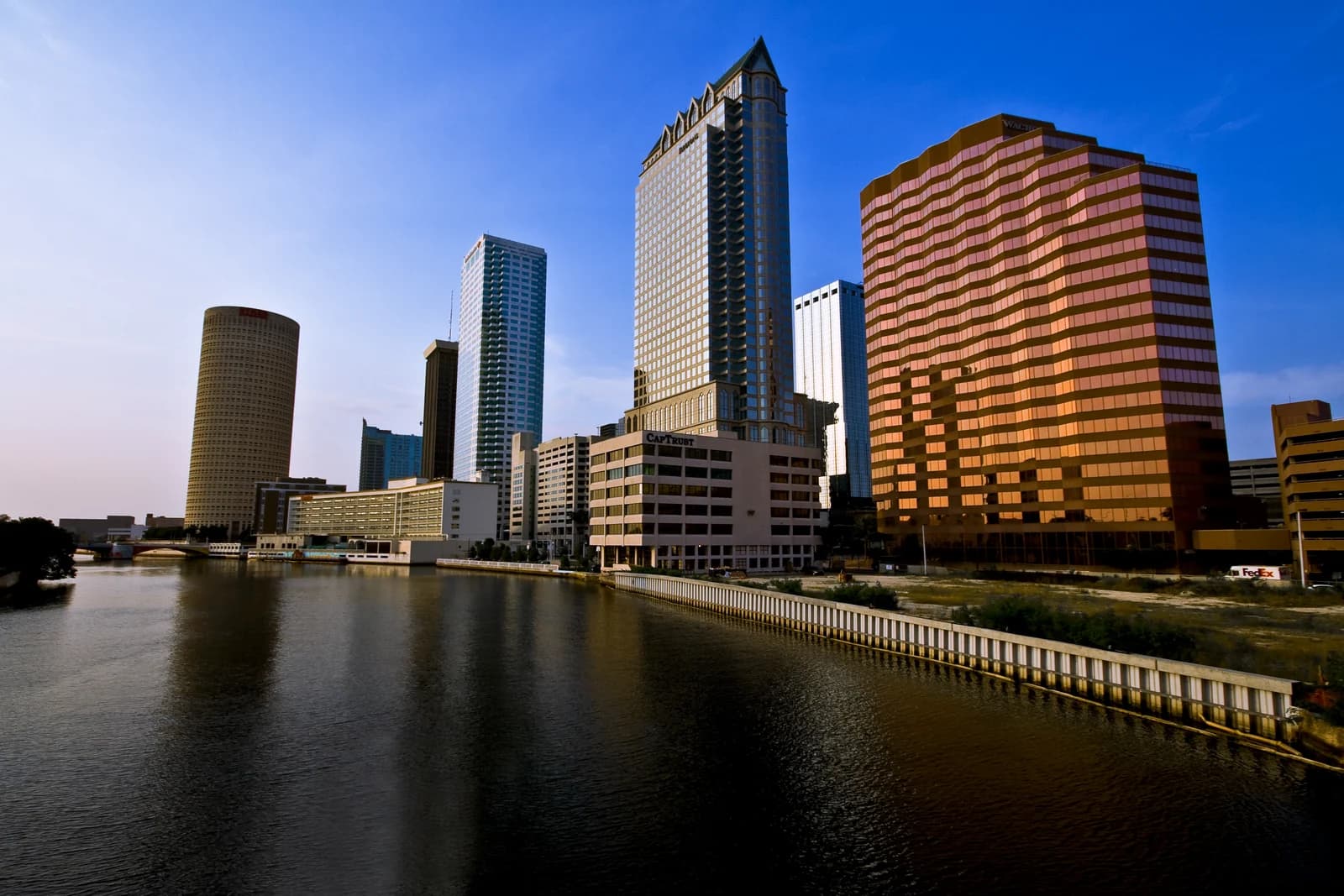
- Tampa family hotels: Sonny SideUp - CC BY 2.0 · source
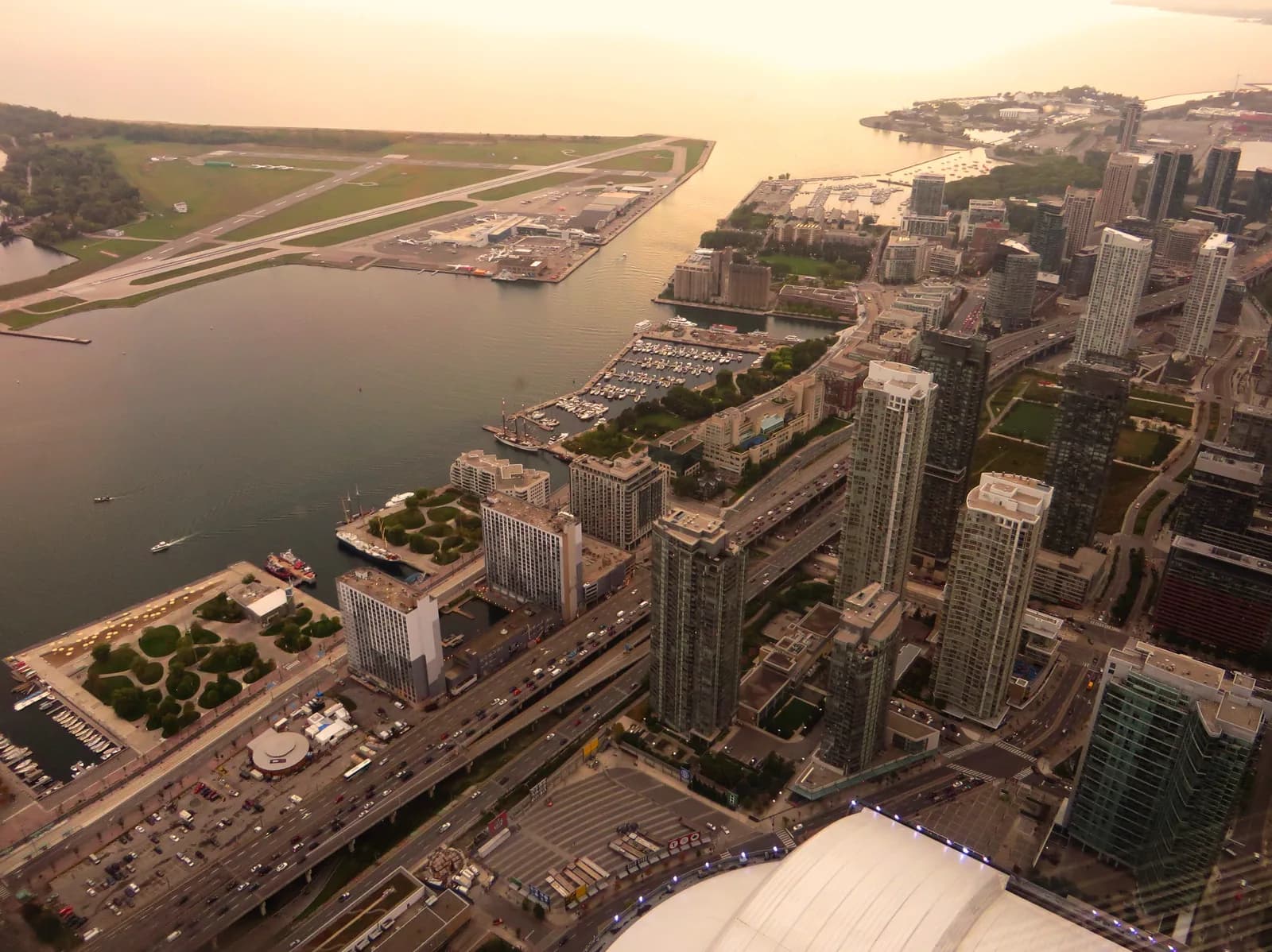
- Toronto family hotels: Ken Lund - CC BY-SA 2.0 · source
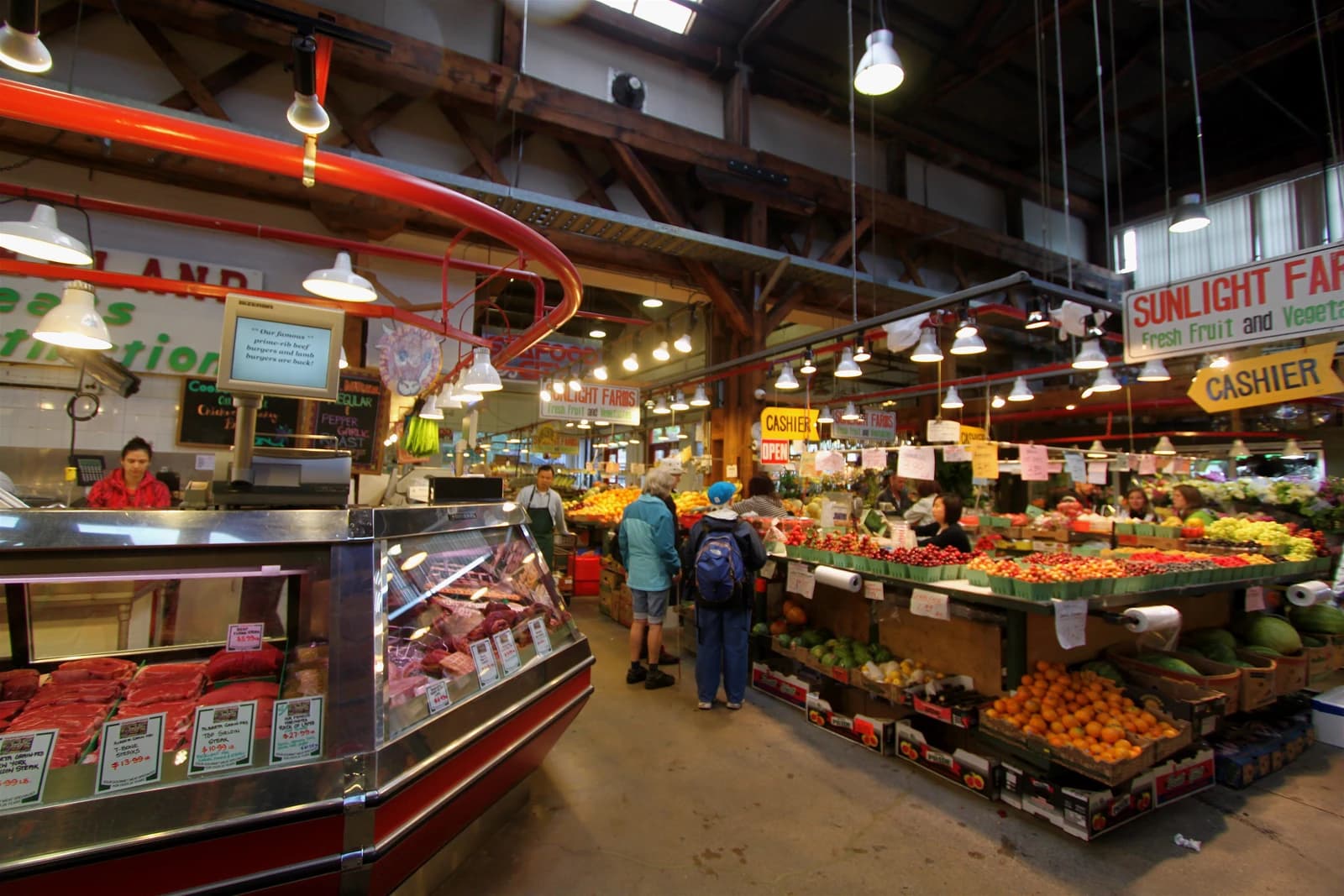
- Vancouver family hotels: Roy Luck - CC BY 2.0 · source
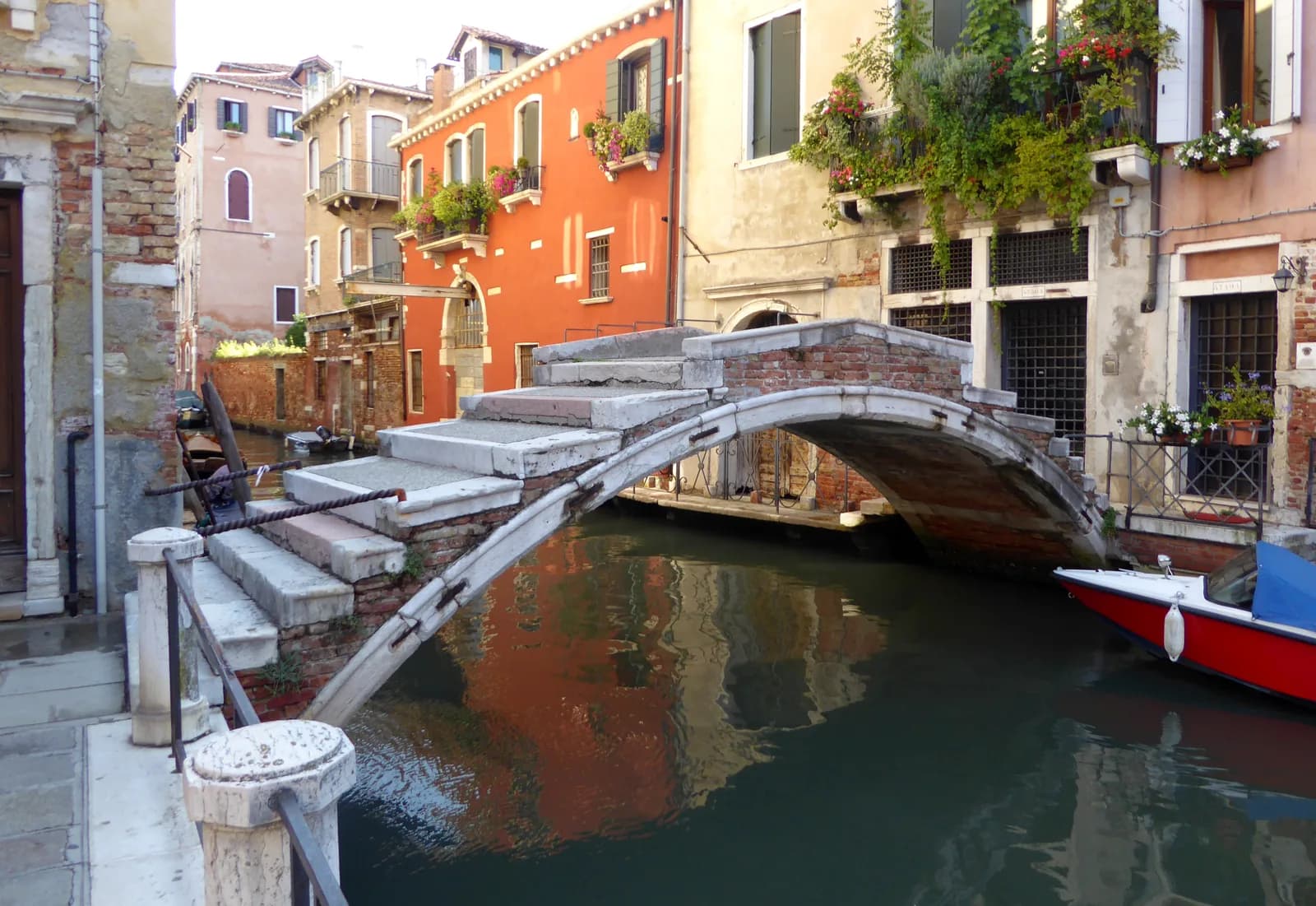
- Venice family hotels: Ethan Doyle White - CC BY-SA 4.0 · source
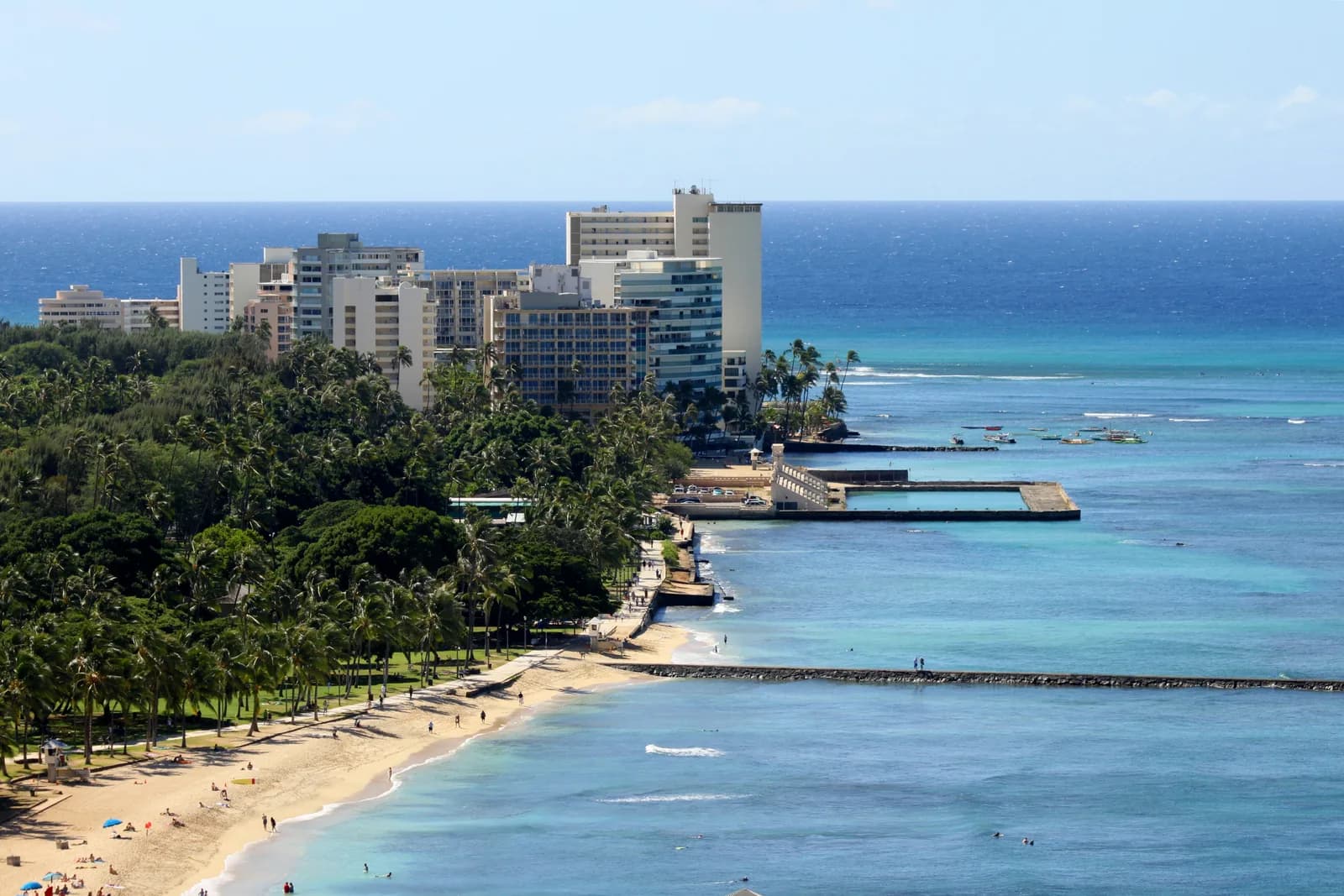
- Waikiki family hotels: Prayitno - CC BY 2.0 · source