In Brief
Where should I stay in New York for the first time?
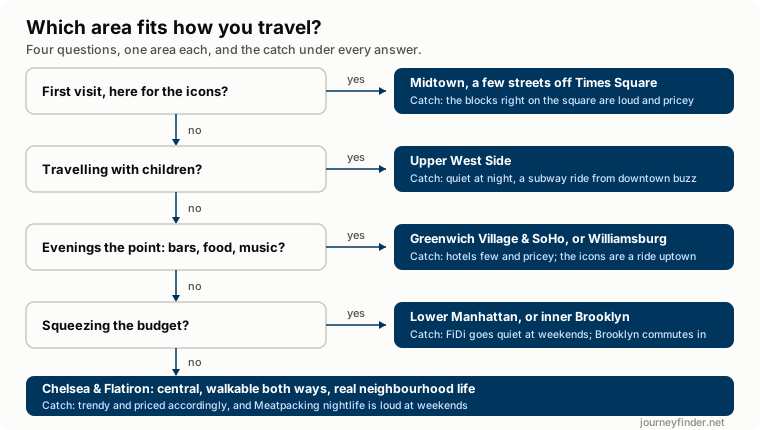
For a first trip, stay in Midtown Manhattan - it's the most central, walkable to Times Square, Central Park, the Empire State Building and Broadway, and every subway line meets there. If you'd rather have neighborhood character, Greenwich Village, SoHo and Chelsea are stylish and walkable; the Upper West Side is calmer and great for families; and Lower Manhattan or Brooklyn (Williamsburg, DUMBO) are better value with skyline views. Wherever you land, stay in Manhattan or inner Brooklyn near a subway stop.
Key takeaways
- Best for first-timers: Midtown - central, walkable to the icons, every subway line.
- Best character: Greenwich Village, SoHo and Chelsea - stylish, walkable, great food.
- Best value: Lower Manhattan (cheaper on weekends) and inner Brooklyn.
- Manhattan vs Times Square: stay in Manhattan, near Times Square - not in it.
New York neighborhoods at a glance
The best areas to stay in New York, compared for vibe, price and who each suits.
| Area | Best for | Price | In a word |
|---|---|---|---|
| Midtown | first timers, sightseeing | $$$ | Central, iconic and every subway line |
| Greenwich Village & SoHo | food, nightlife | $$$ | Downtown charm, shopping and nightlife |
| Chelsea & Flatiron | first timers, food | $$$ | The High Line, galleries and great food |
| Upper West Side | families, budget | $$ | Calm, residential and family-friendly |
| Lower Manhattan (FiDi) | budget, families | $$ | Skyline value and the harbor sights |
| Upper East Side | families, luxury | $$$ | Museum Mile and refined calm |
| Brooklyn (Williamsburg & DUMBO) | nightlife, food | $$ | Skyline views, cool and better value |
- Free cancellation on most rooms
- No booking fee
- Prices on Trip.com
Best areas to stay in New York
Ranked best-first, with the vibe, who it suits and an honest catch for each. Tap a filter to match an area to your trip.
Find your area - what matters most?
All 7 areas in New York, best first.
Midtown
$$$ · High-endCentral, iconic and every subway line
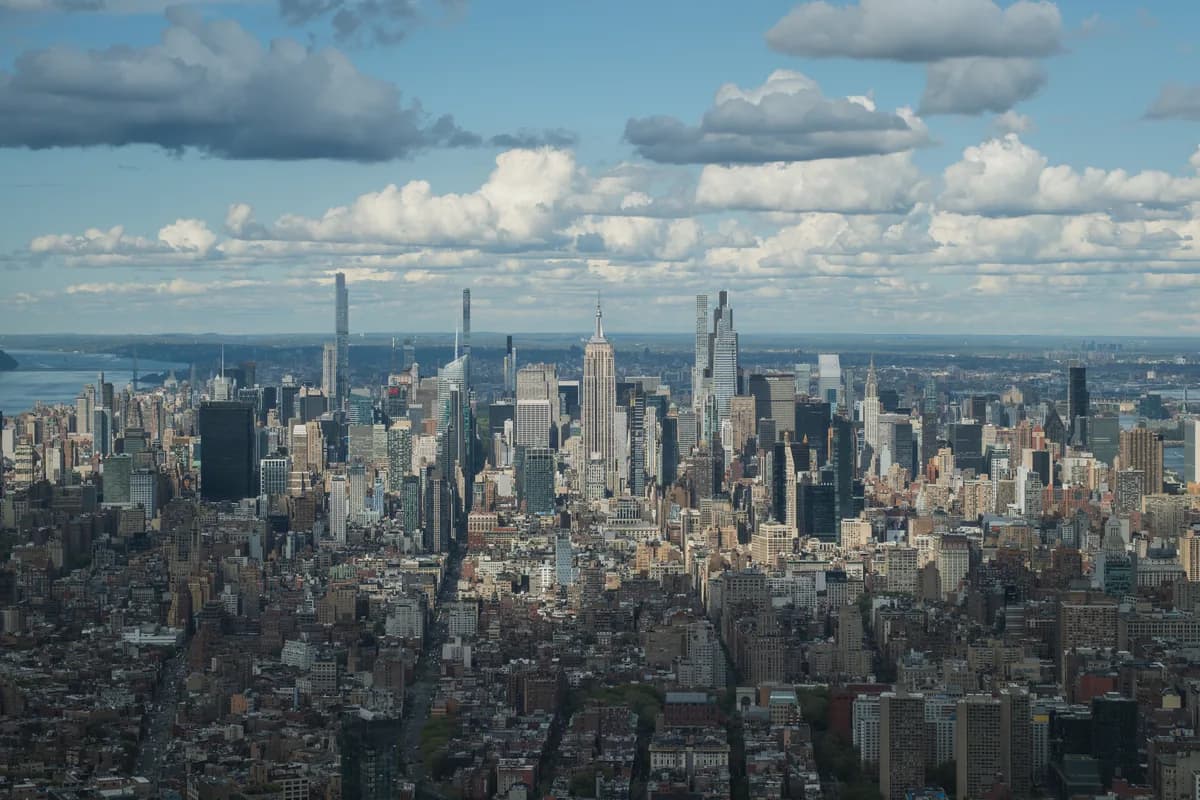
Best for:First-timersSightseeingShoppingLuxuryThe tourist heart - Times Square, the Empire State Building, Rockefeller Center, Broadway and the south end of Central Park, all walkable, with the biggest concentration of hotels and every subway line meeting here. The most convenient base for a first, sightseeing-focused trip.
- Good to know
- Good to know: The blocks right in Times Square are loud, crowded and pricey - book a few streets away (Midtown East or the 30s-40s) for the same access with more calm.
Greenwich Village & SoHo
$$$ · High-endDowntown charm, shopping and nightlife
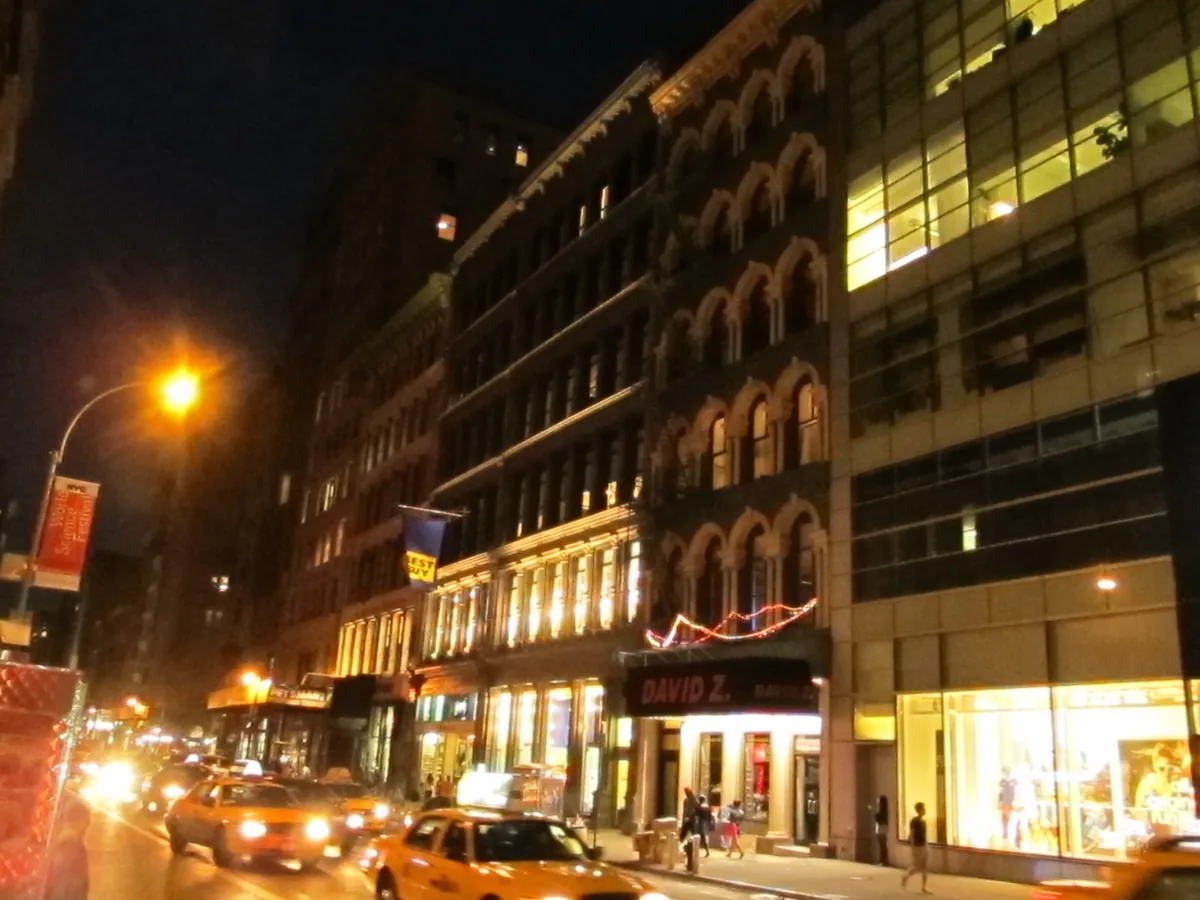
Best for:Food & wineNightlifeRomanceShoppingLeafy, low-rise and the most charming part of Manhattan - the Village's brownstones and jazz bars, SoHo's cast-iron streets and flagship shopping, and the West Village's romantic restaurants. Very walkable and quintessentially New York, if less about the big-ticket sights.
- Good to know
- Good to know: Hotels are limited and pricey down here, and the headline attractions (Central Park, the Empire State) are a subway ride uptown.
Chelsea & Flatiron
$$$ · High-endThe High Line, galleries and great food
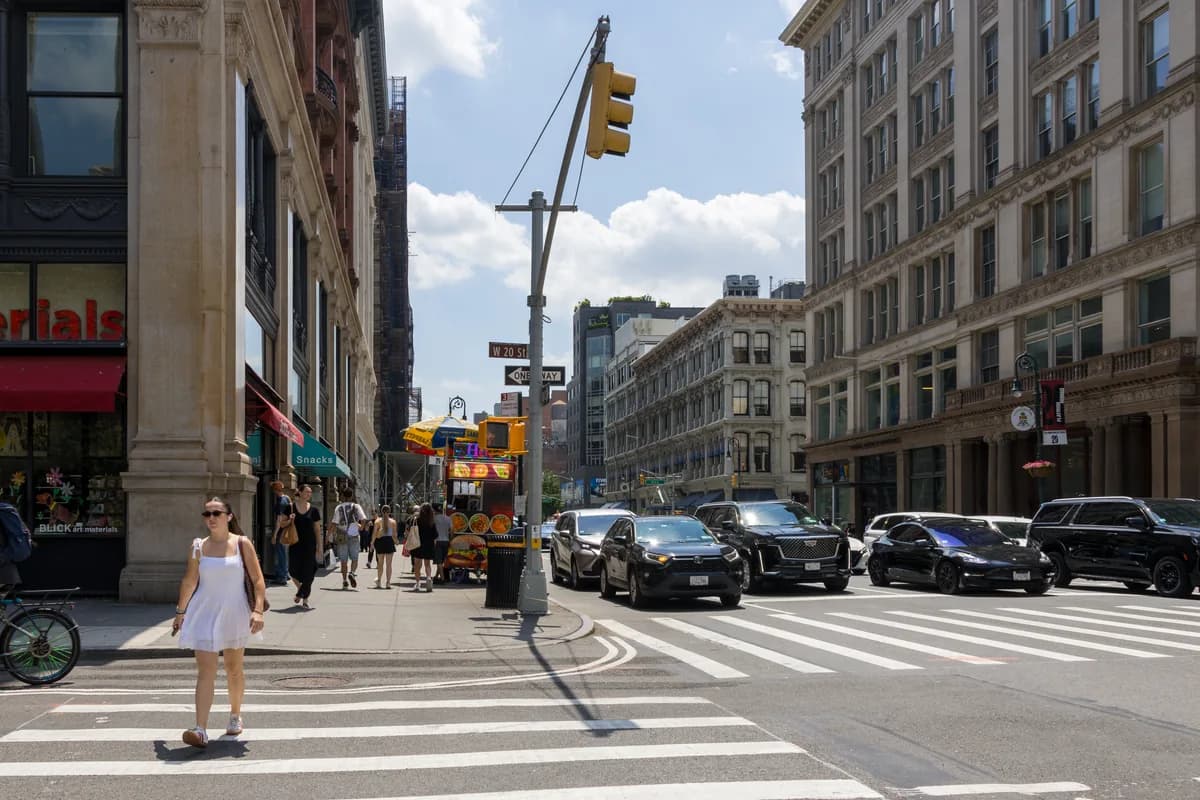
Best for:First-timersFood & wineNightlifeSightseeingA central, buzzy stretch between Downtown and Midtown - the High Line park, Chelsea Market, art galleries and some of the city's best restaurants, with the Flatiron Building and Madison Square Park. Walkable to both the Village and Midtown, with real neighborhood life.
- Good to know
- Good to know: It's trendy and priced accordingly, and the nightlife around the Meatpacking District can be loud at weekends.
Upper West Side
$$ · Mid-rangeCalm, residential and family-friendly
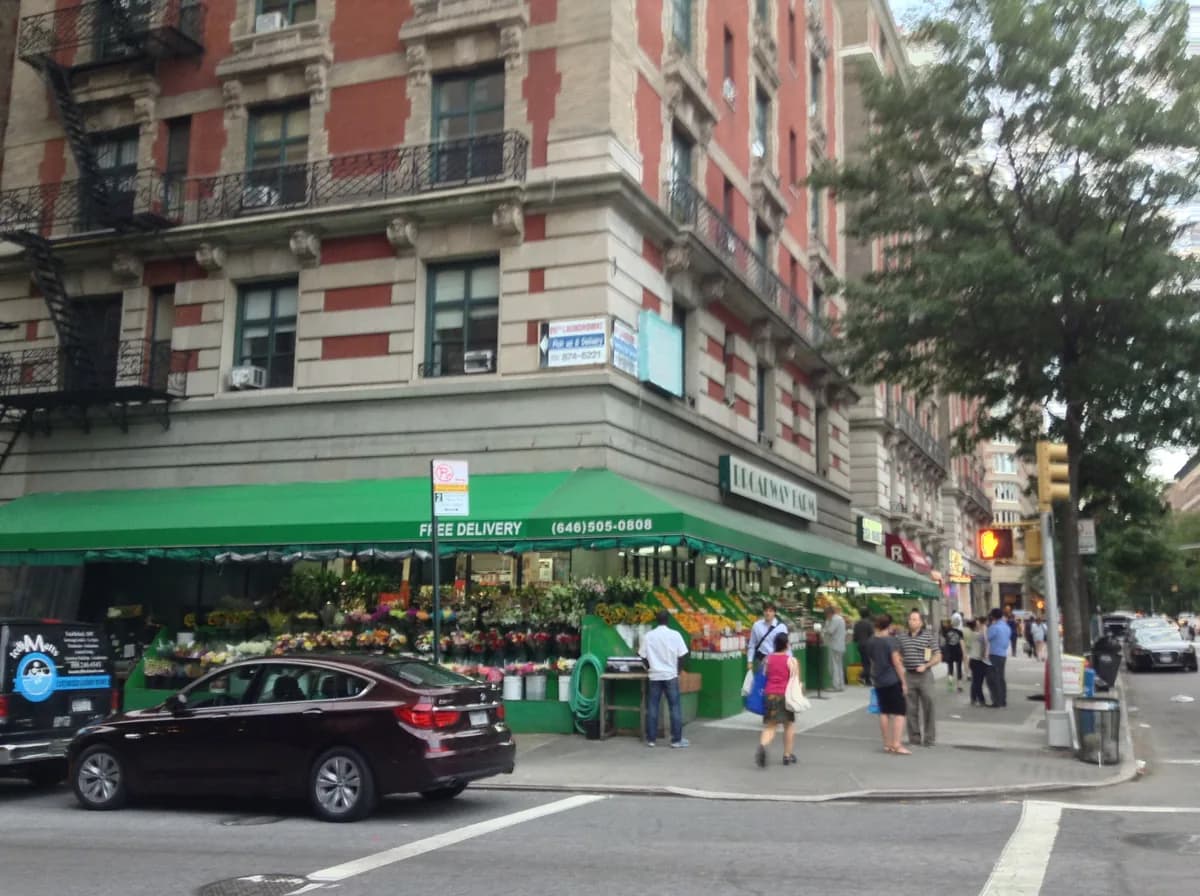
Best for:FamiliesBudgetRomanceA classic residential neighborhood along Central Park - the Natural History Museum, Lincoln Center, brownstone streets and a relaxed, local feel. Calmer and better value than Midtown, well connected by subway, and a favourite with families.
- Good to know
- Good to know: It's quieter at night and a subway ride from Downtown's nightlife, so it suits parks and museums over buzz.
Lower Manhattan (FiDi)
$$ · Mid-rangeSkyline value and the harbor sights
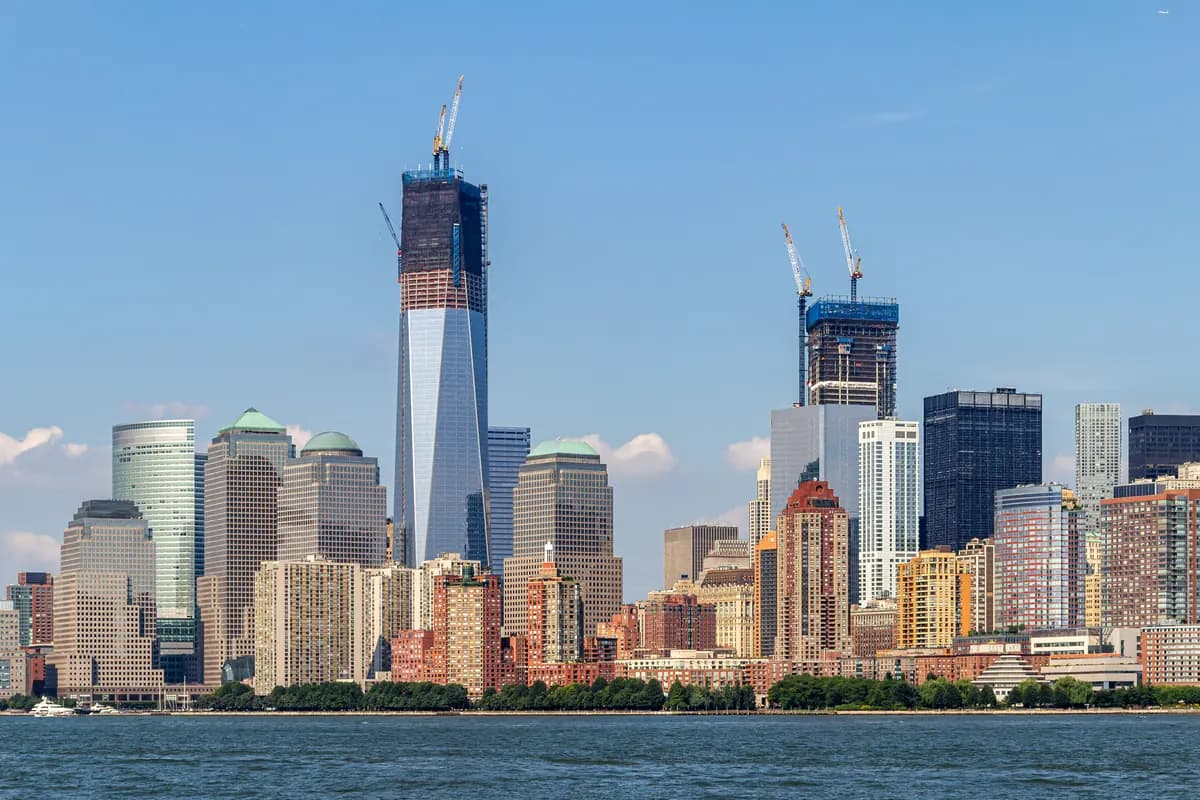
Best for:BudgetFamiliesSightseeingThe Financial District at Manhattan's tip - One World Trade, the 9/11 Memorial, Wall Street and the ferries to the Statue of Liberty. Business hotels here drop their rates on weekends when the offices empty, making it surprisingly good value with harbor and skyline views.
- Good to know
- Good to know: It can feel quiet and corporate on evenings and weekends, though Downtown dining and the ferries are on the doorstep and the subway is fast.
Upper East Side
$$$ · High-endMuseum Mile and refined calm
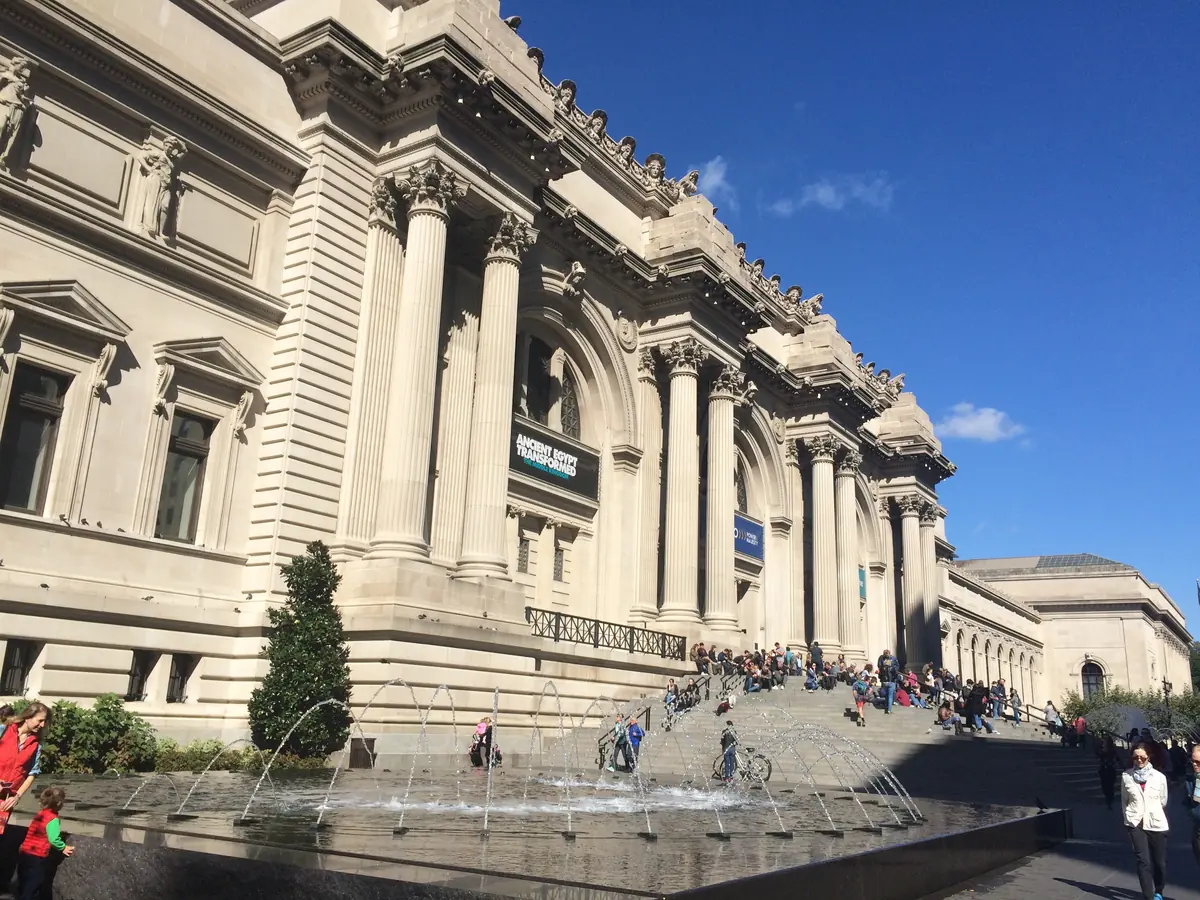
Best for:FamiliesLuxuryShoppingElegant, quiet and moneyed, along the east side of Central Park - the Met, the Guggenheim and Museum Mile, plus smart shopping on Madison Avenue. A grown-up, safe base with a residential feel, popular with families and museum-lovers.
- Good to know
- Good to know: It's short on nightlife and a longer subway ride to Downtown; the charm is calm and culture, not buzz.
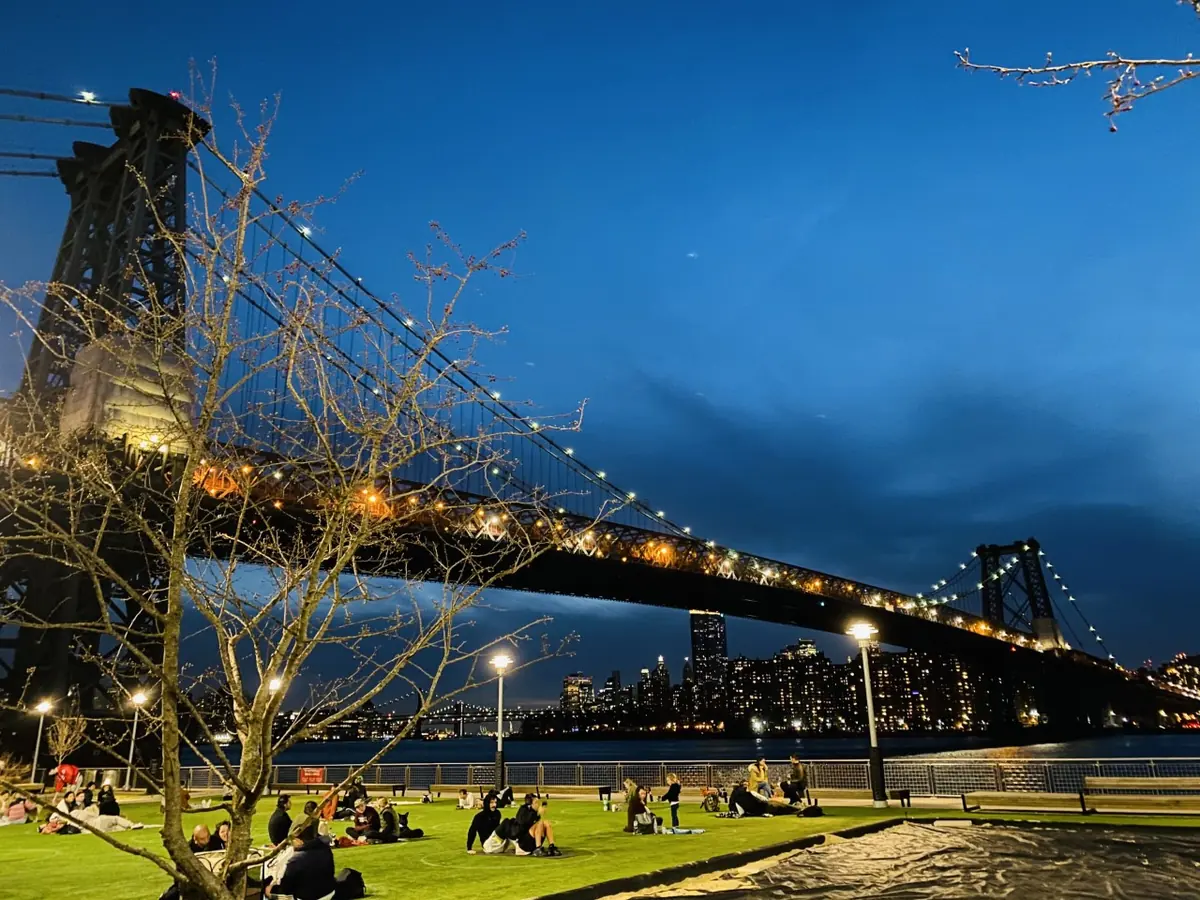
Brooklyn (Williamsburg & DUMBO)
$$ · Mid-rangeSkyline views, cool and better value
Best for:NightlifeFood & wineBudgetRomanceAcross the East River, with the best views of the Manhattan skyline - DUMBO's cobbled waterfront and Brooklyn Bridge, Williamsburg's bars, music and food scene. Cooler, more local and often cheaper than Manhattan, a quick subway ride or walk over the bridge from Downtown.
- Good to know
- Good to know: You'll commute into Manhattan for most sights, and the trendiest parts of Williamsburg aren't the cheapest anymore.
Safest area to stay in New York
The Upper East Side, the Upper West Side and Midtown East are the calmest places to sleep in Manhattan: residential, well lit, and busy with locals rather than nightlife. New York's tourist neighbourhoods are all safe by big-city standards, so this is a comfort ranking, not a warning list.
Upper East Side is the most residential of the central options, quiet by ten, with doormen on most blocks and Museum Mile foot traffic by day.
Upper West Side has the same calm with slightly more evening life, and families on the street at all hours around the park and the museum.
Midtown East empties of office workers in the evening but stays lit, patrolled and orderly, which makes it the calmest of the walk-everywhere bases.
The real risk for a visitor is not violence, it is theft of the phone in your hand and the scams that work crowds: the costumed characters, CD sellers and unsolicited help with the ticket machine around Times Square. None of it tracks the neighbourhood you booked. On the subway, keep your phone away from the platform edge and your bag closed, wherever you are staying.
Where not to stay in New York
The Manhattan and inner-Brooklyn neighborhoods tourists use are safe day and night, and the subway is fine with normal city awareness - the real risk is petty theft and scams (skip the costumed characters and CD sellers in Times Square). On a short trip, don't book cheap hotels deep in the outer boroughs far from a subway line, and don't bring a car: Manhattan parking runs $50+ a night and you won't need it. Stay in Manhattan or inner Brooklyn near a subway stop.
Getting around New York
The subway runs 24/7 and is the fastest, cheapest way around - tap in with a contactless card or phone (OMNY) and the weekly fare caps automatically. Manhattan's numbered grid makes walking easy, and buses fill the gaps crosstown. Skip driving - parking is expensive and pointless. From the airports, JFK and Newark connect by AirTrain to the subway or regional trains; LaGuardia is bus or taxi.
Where to stay in New York: FAQ
The questions travelers ask most when choosing an area.
Where to stay in other cities
Continue Planning Your Trip
Things to Do
Ranked attractions, tips and how to book tickets
Car Rental
Real prices, driving tips and the best routes by destination
Airport Transfers
Getting from the airport to your hotel, by price and time
All-Inclusive Guides
What all-inclusive really means, by destination
Best Time to Visit
Month-by-month weather, crowds and prices
Route Finder
Find the cheapest way to get there
Hotel Finder
Book the right hotel for your destination
AI Trip Planner
Build a day-by-day itinerary
Photo credits (7)
Photos via Wikimedia Commons, used under their respective licences.
- Midtown: Christian David - CC BY-SA 4.0 · source
- Greenwich Village & SoHo: Ken Lund from Reno, Nevada, USA - CC BY-SA 2.0 · source
- Chelsea & Flatiron: Dillan Payne - CC BY-SA 4.0 · source
- Upper West Side: kajikawa - CC BY 3.0 · source
- Lower Manhattan (FiDi): Dietmar Rabich - CC BY-SA 4.0 · source
- Upper East Side: Paulo JC Nogueira - CC BY-SA 3.0 · source
- Brooklyn (Williamsburg & DUMBO): Justicex07 - CC BY-SA 4.0 · source