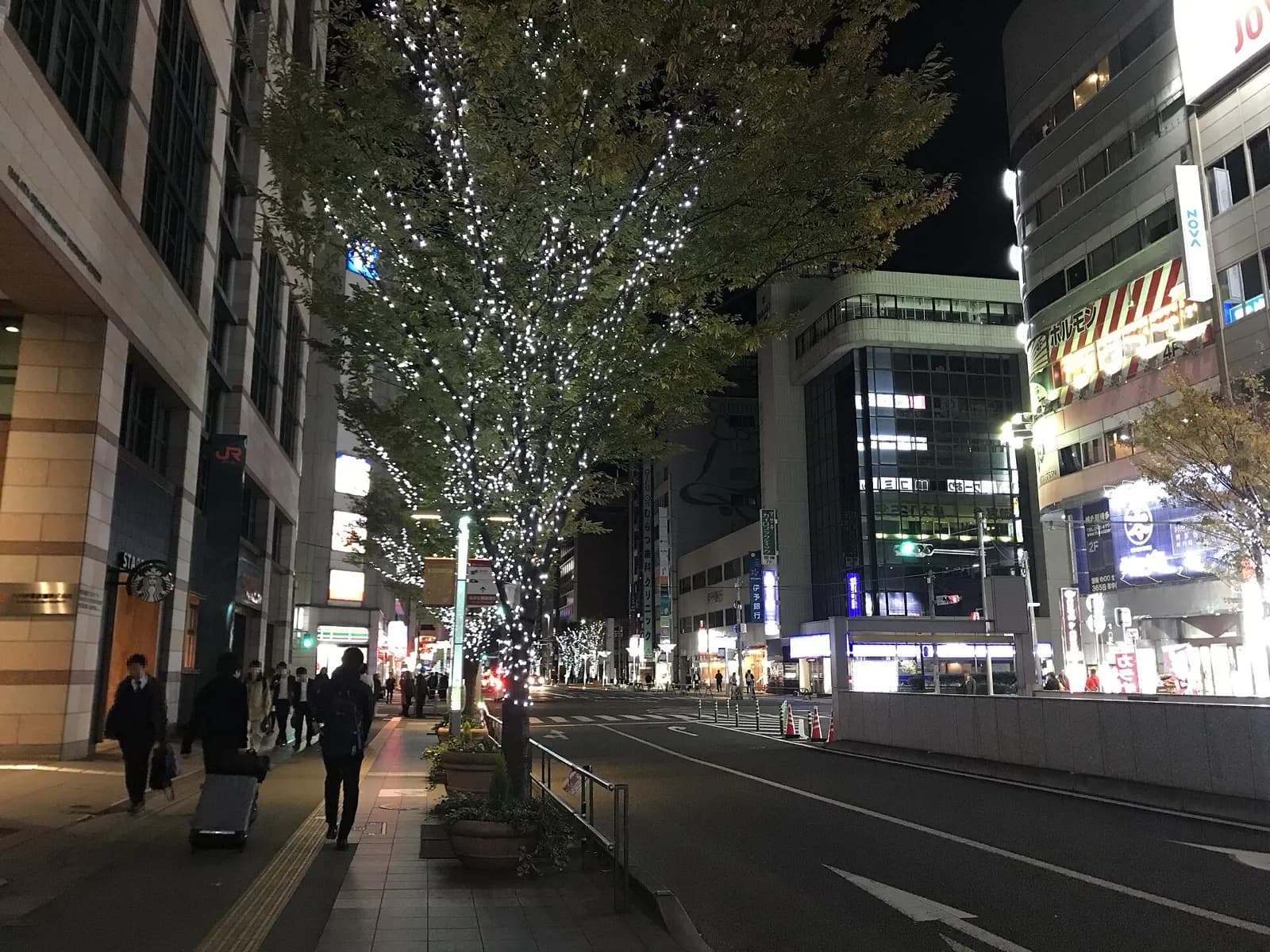
In Brief
Where should you stay in Fukuoka?
Stay near Hakata Station for a first visit or if you are moving on around Kyushu - it is the hub for the airport subway, the shinkansen and buses to Yufuin and Beppu, with the widest hotel choice. Tenjin is the better base for shopping, restaurants and nightlife, Nakasu puts you beside the yatai stalls, and Daimyo is the boutique option. The three central districts sit within a 20-minute walk of each other, so the choice is about atmosphere rather than convenience.
Key takeaways
- Fukuoka Airport to Hakata Station is 5 minutes by subway - the shortest airport run of any major Japanese city.
- Hakata and Tenjin are two subway stops or a 20-minute walk apart; you are never far from anything.
- Nakasu's yatai stalls open around 6pm and run late - great to be near, noisy to sleep above.
- Book well ahead for the Hakata Gion Yamakasa festival in July and Dontaku in early May.
Fukuoka neighborhoods at a glance
The best areas to stay in Fukuoka, compared for vibe, price and who each suits.
| Area | Best for | Price | In a word |
|---|---|---|---|
| Hakata (station area) | first timers, families | $$ | The transport hub, biggest hotel choice, easiest arrival |
| Tenjin | shopping, food | $$ | Downtown: shopping, restaurants and the best all-round base |
| Nakasu | nightlife, food | $$ | The yatai river island, neon and very late nights |
| Daimyo | romance, food | $$ | Boutiques, coffee and small bars behind Tenjin |
| Momochi & Seaside | families, luxury | $$$ | Beachfront, Fukuoka Tower and space to breathe |
| Gion & Reisenmachi | budget, sightseeing | $ | Temples and quiet streets, ten minutes from the station |
| Yakuin | budget, food | $ | Residential and local, one stop south of Tenjin |
- Free cancellation on most rooms
- No booking fee
- Prices on Trip.com
Best areas to stay in Fukuoka
Ranked best-first, with the vibe, who it suits and an honest catch for each. Tap a filter to match an area to your trip.
Find your area - what matters most?
All 7 areas in Fukuoka, best first.
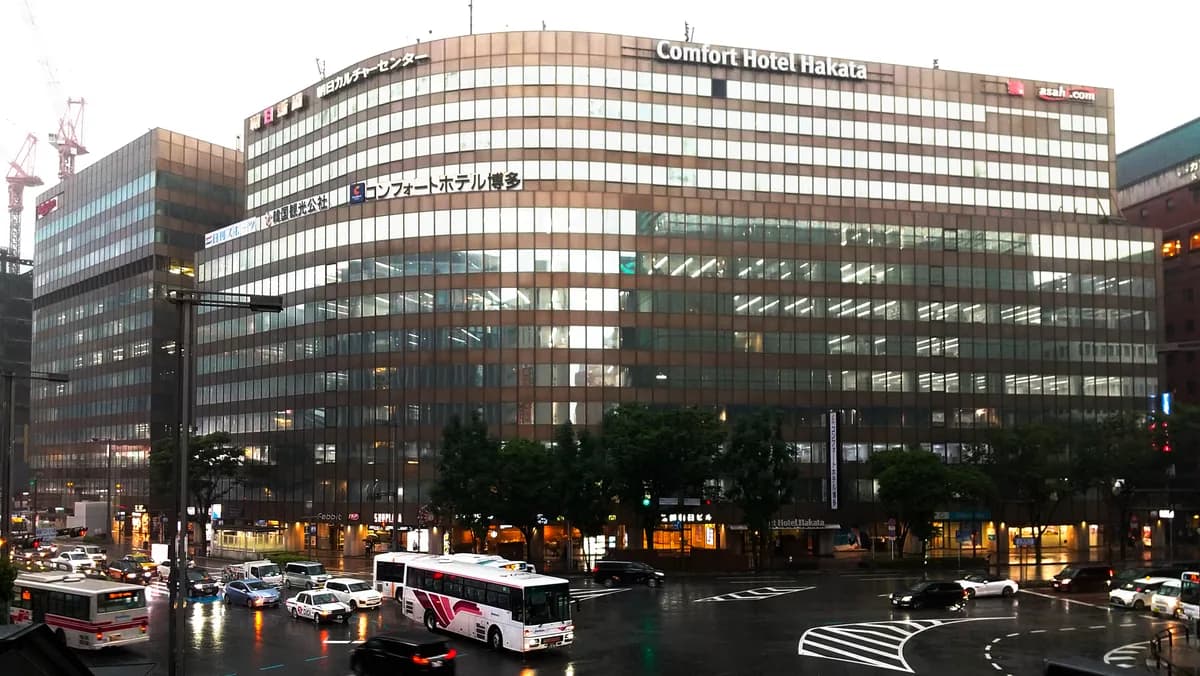
Hakata (station area)
$$ · Mid-rangeThe transport hub, biggest hotel choice, easiest arrival
Best for:First-timersFamiliesShoppingEverything converges at Hakata Station: the five-minute airport subway, the shinkansen to Osaka and Tokyo, buses across Kyushu, and a huge complex of department stores and restaurant floors inside the station itself. The widest range of hotels in the city sits within a few blocks.
- Good to know
- Good to know: Efficient rather than atmospheric, and the streets empty out once the station complex closes. It is the obvious base if you are day-tripping around Kyushu or catching an early flight, and Tenjin's nightlife is two subway stops away.
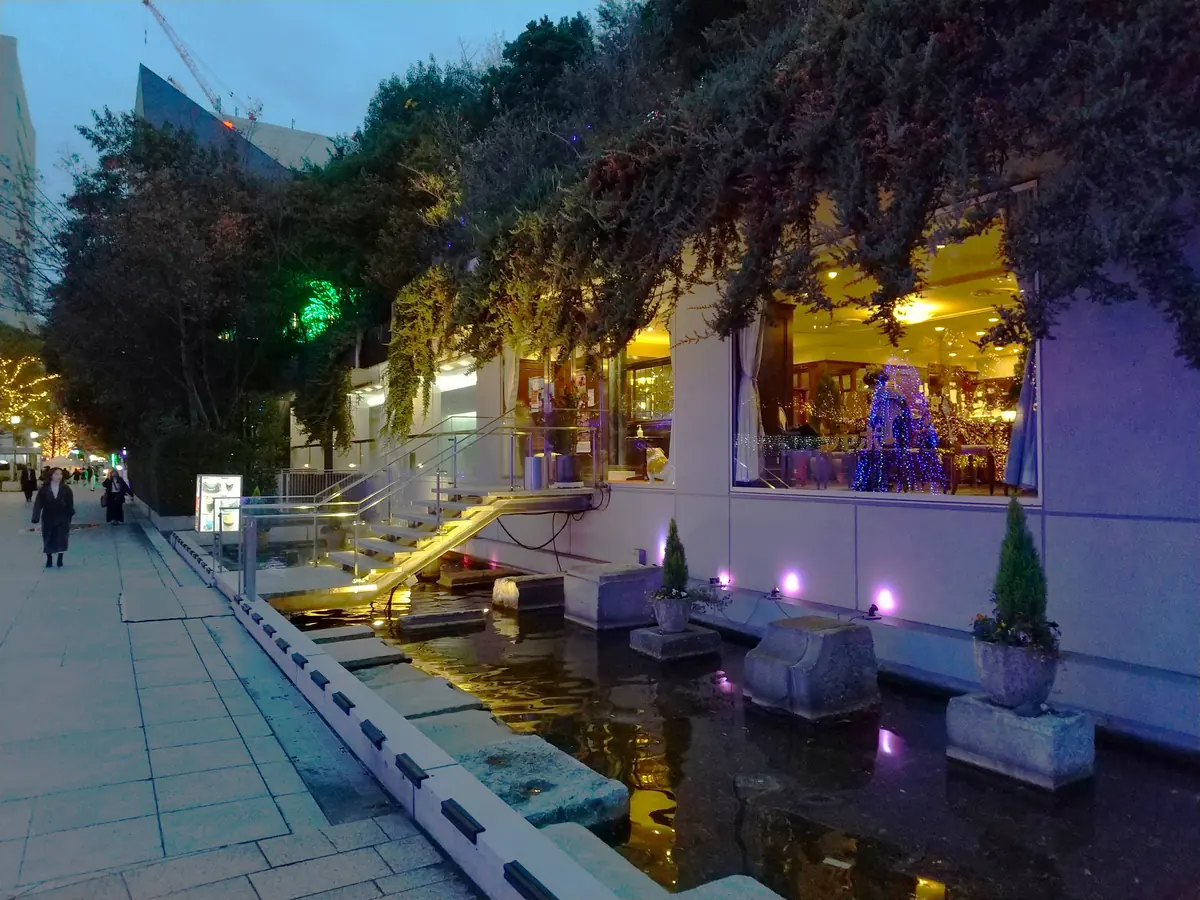
Tenjin
$$ · Mid-rangeDowntown: shopping, restaurants and the best all-round base
Best for:ShoppingFood & wineNightlifeFukuoka's commercial heart, with department stores, the vast Tenjin Chikagai underground shopping arcade, and the densest concentration of restaurants and bars in the city. Two subway stops from Hakata and walking distance to the Nakasu yatai.
- Good to know
- Good to know: Busier and pricier than Hakata for the same standard of room, but you step out of the hotel into dinner rather than a station concourse. The underground arcade is a genuine asset in rain or summer heat.
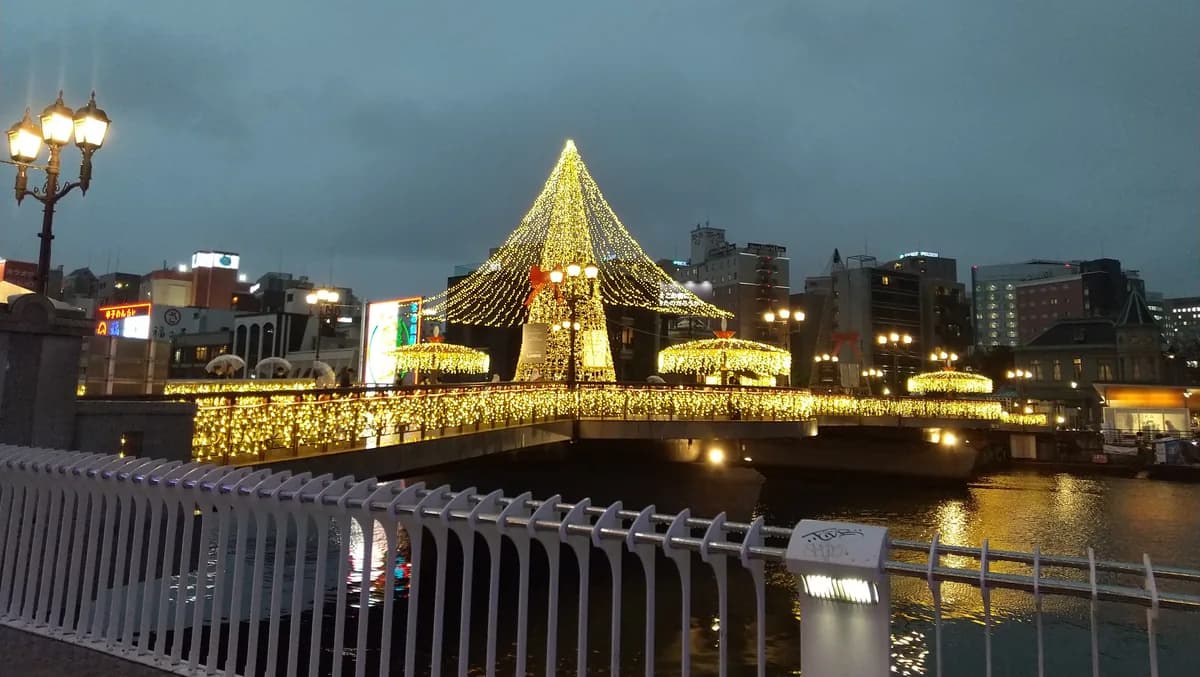
Nakasu
$$ · Mid-rangeThe yatai river island, neon and very late nights
Best for:NightlifeFood & wineA narrow island between two rivers, holding the famous riverside yatai food stalls and Kyushu's largest entertainment district. Sitting at an eight-seat stall over ramen and beer at midnight is the definitive Fukuoka experience, and it happens on your doorstep.
- Good to know
- Good to know: It is a full nightlife district, hostess bars and touts included, which is more wearing than unsafe. Lower floors facing the street get noise until very late. Brilliant if that is why you came, poor if you want early nights.
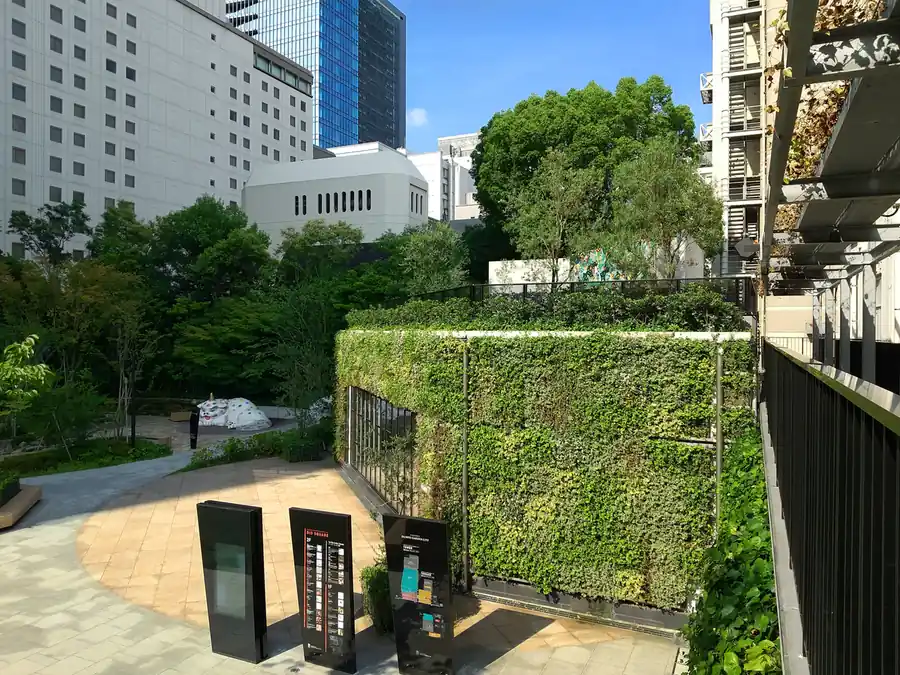
Daimyo
$$ · Mid-rangeBoutiques, coffee and small bars behind Tenjin
Best for:RomanceFood & wineShoppingThe grid of narrow backstreets just west of Tenjin, full of independent boutiques, vintage shops, third-wave coffee and tiny bars. It is where Fukuoka's style lives, and it has the best small restaurants in the city.
- Good to know
- Good to know: Fewer big hotels and more boutique properties and apartments, so book earlier. You are a five-minute walk from Tenjin and about twenty from Hakata, which is the right trade for anyone who cares more about eating well than about station access.
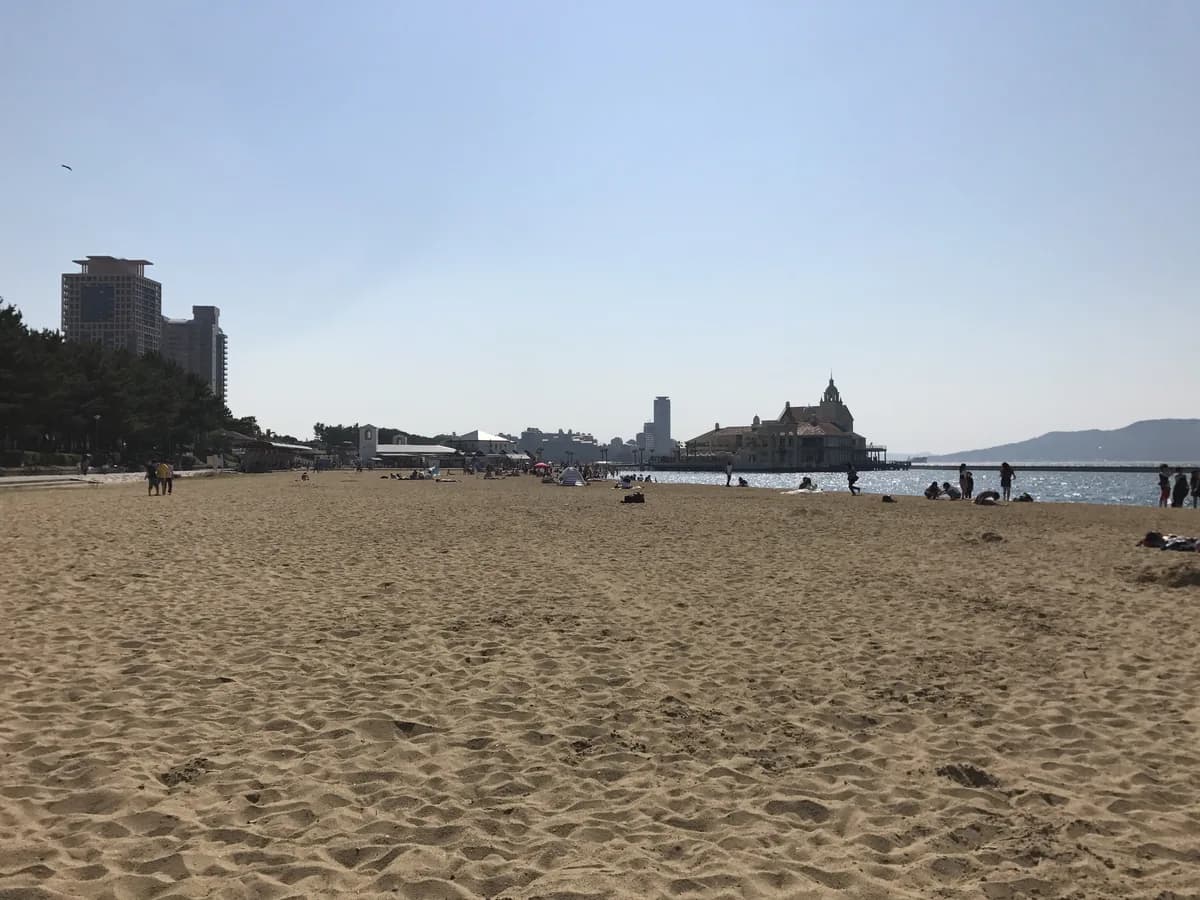
Momochi & Seaside
$$$ · High-endBeachfront, Fukuoka Tower and space to breathe
Best for:FamiliesLuxurySightseeingA modern planned district on the bay, with Fukuoka Tower, a man-made beach, the city museum and wide open promenades. Rooms here are larger than downtown and several have sea views.
- Good to know
- Good to know: It is a bus ride or subway-plus-walk from the centre, so you commute in for the food and nightlife. Best for families wanting space, or a quiet couple of nights at the end of a trip.
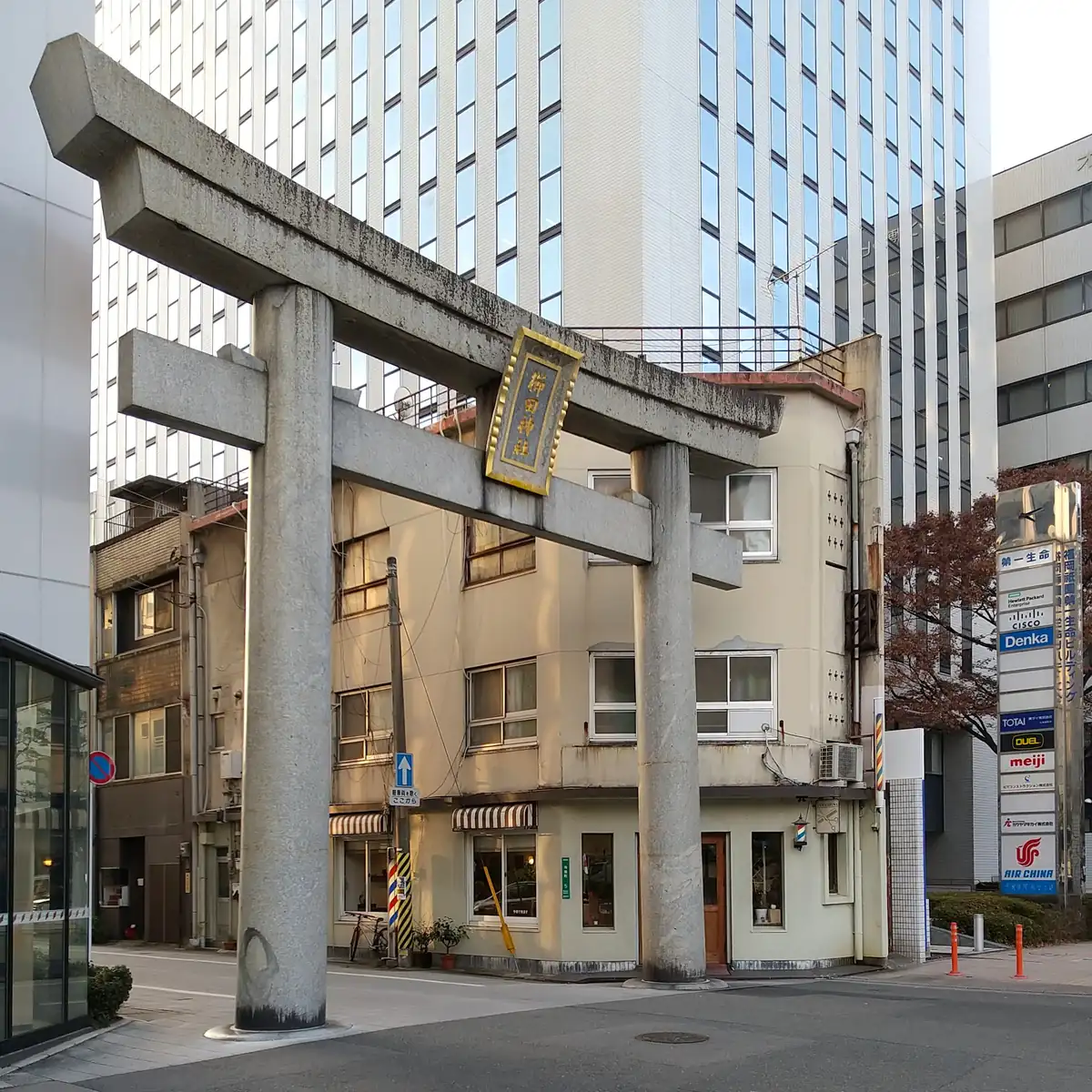
Gion & Reisenmachi
$ · BudgetTemples and quiet streets, ten minutes from the station
Best for:BudgetSightseeingThe old temple quarter between Hakata Station and the river, home to Tochoji with its giant wooden Buddha and Kushida Shrine. Quiet, central and considerably cheaper than Tenjin for a similar room.
- Good to know
- Good to know: Little happens here after dark, but you are a ten-minute walk from Hakata Station and a similar distance from the Nakasu stalls. The best value-for-location compromise in the city.
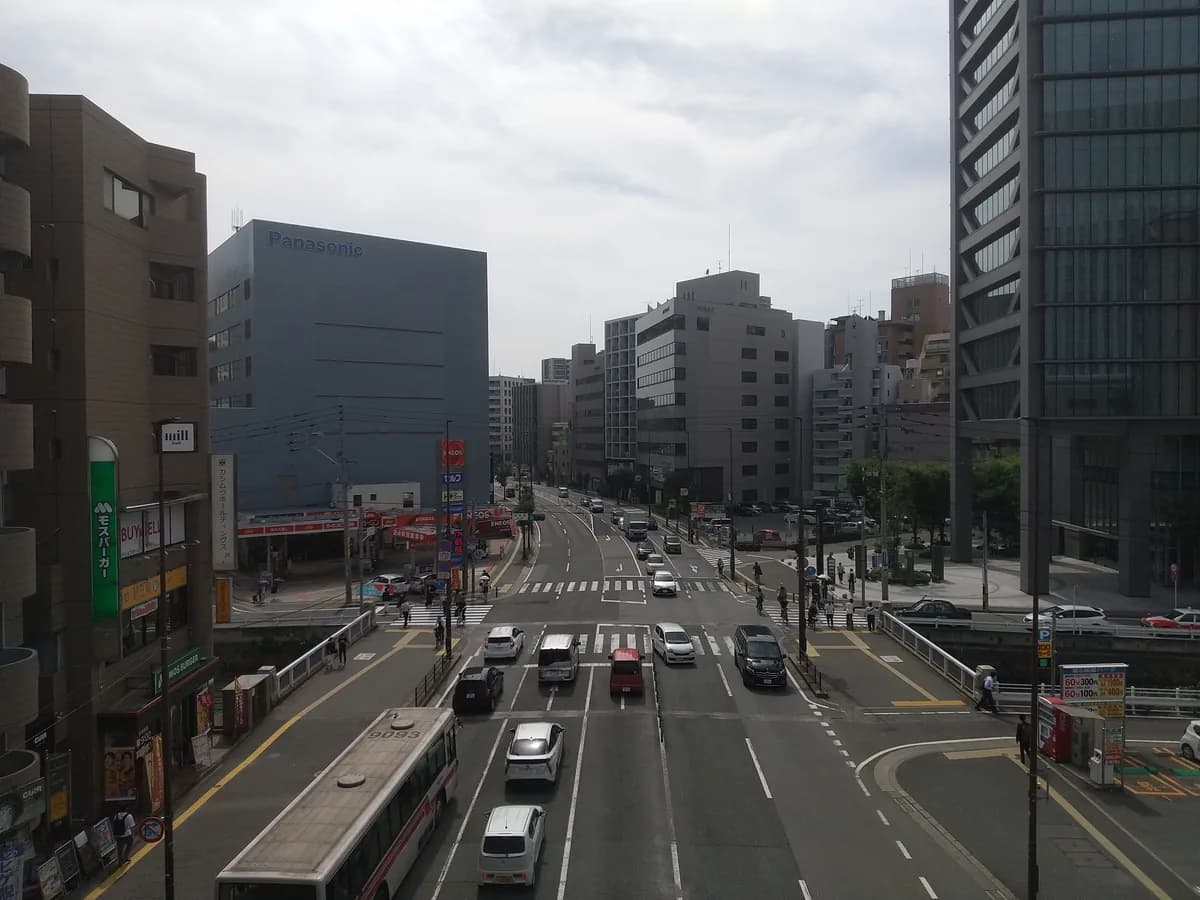
Yakuin
$ · BudgetResidential and local, one stop south of Tenjin
Best for:BudgetFood & wineA lived-in neighbourhood just south of Tenjin on the subway, with excellent unpretentious restaurants, izakaya that locals rather than visitors fill, and lower prices across the board.
- Good to know
- Good to know: Nothing to sightsee here, and hotel stock is thin compared with the centre. Worth it for a longer stay where eating like a resident matters more than being on top of the sights.
Where not to stay in Fukuoka
Fukuoka is very safe and no district is off-limits, including Nakasu after dark. The genuine considerations are noise and distance. Nakasu is a working entertainment district with touts on the main streets and stalls running late, so it is a poor pick if you want quiet - Gion or Yakuin give you central-ish and calm for less money. The other trap is booking out near the seaside at Momochi for a short sightseeing trip because the photos look appealing, then losing time commuting each way. For two or three nights, stay between Hakata and Tenjin.
Getting around Fukuoka
Fukuoka Airport (FUK) is five minutes by subway to Hakata Station and about eleven to Tenjin, which is unmatched among big Japanese cities. Three subway lines and a dense bus network cover everything else, all on an IC card such as Suica, Pasmo or the local Hayakaken. The core is small: Hakata, Nakasu and Tenjin sit within roughly twenty minutes' walk of each other along the river. Day trips run on regular trains - Dazaifu about forty minutes, Itoshima thirty to forty - so a Japan Rail Pass rarely pays off on a Fukuoka-only trip.
Where to stay in Fukuoka: FAQ
The questions travelers ask most when choosing an area.
Where to stay in other cities
Continue Planning Your Trip
Things to Do
Ranked attractions, tips and how to book tickets
Car Rental
Real prices, driving tips and the best routes by destination
Airport Transfers
Getting from the airport to your hotel, by price and time
All-Inclusive Guides
What all-inclusive really means, by destination
Best Time to Visit
Month-by-month weather, crowds and prices
Route Finder
Find the cheapest way to get there
Hotel Finder
Book the right hotel for your destination
AI Trip Planner
Build a day-by-day itinerary
Photo credits (7)
Photos via Wikimedia Commons, used under their respective licences.
- Hakata (station area): Hirho - CC BY-SA 4.0 · source
- Tenjin: Hirho - CC BY-SA 4.0 · source
- Nakasu: Hirho - CC BY-SA 4.0 · source
- Daimyo: Hirho - CC BY 4.0 · source
- Momochi & Seaside: そらみみ - CC BY-SA 4.0 · source
- Gion & Reisenmachi: Hirho - CC BY-SA 4.0 · source
- Yakuin: Hirho - CC BY-SA 4.0 · source