In Brief
Where should you stay in Hakone?
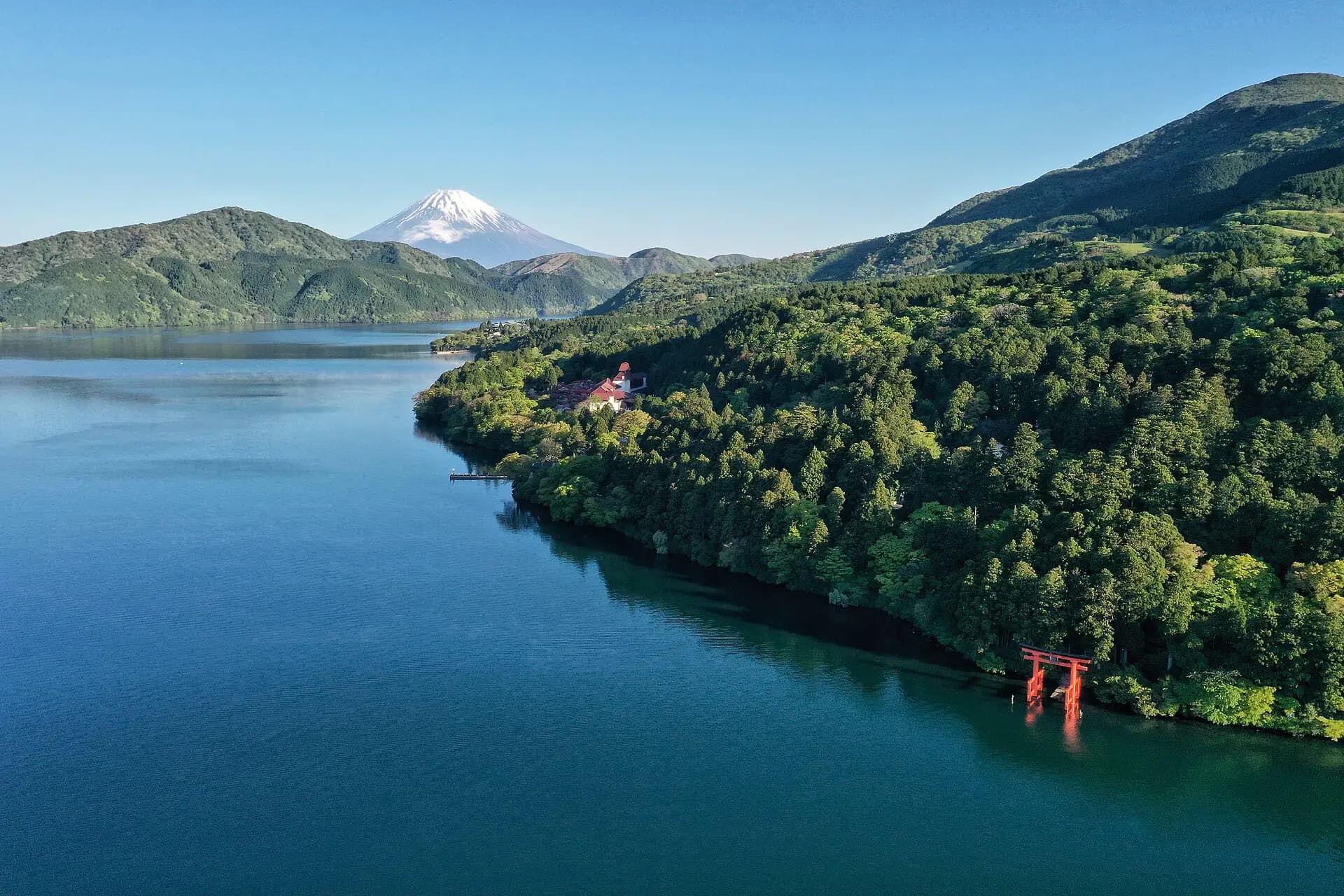
Stay in Hakone-Yumoto for a first visit. It is the gateway station, the direct train from Tokyo ends there, and it has the widest range of accommodation and the easiest access to everything else. Gora sits higher up the mountain railway and has the best ryokan. Motohakone is the place to wake up to Lake Ashi and, on a clear morning, Mount Fuji. Sengokuhara is the quiet, art-gallery end.
Key takeaways
- First visit: Hakone-Yumoto, easiest to reach and easiest to leave.
- Most ryokan include dinner and breakfast and serve dinner at a set time, often around six. Plan your sightseeing around it.
- Get the Hakone Free Pass. It covers the train, funicular, ropeway and boat, and pays for itself in a day.
- Fuji from Lake Ashi is a winter-morning thing. In summer it is usually behind cloud.
Hakone areas at a glance
The best areas to stay in Hakone, compared for vibe, price and who each suits.
| Area | Best for | Price | In a word |
|---|---|---|---|
| Hakone-Yumoto | first timers, budget | $$ | The gateway town, and the easiest place to base |
| Tonosawa | romance, budget | $$ | One stop up, half the noise, riverside baths |
| Gora | luxury, romance | $$$ | The best ryokan, halfway up, and the funicular starts here |
| Miyanoshita | romance, sightseeing | $$$ | Old-fashioned mountain resort with a long history |
| Motohakone and Hakone-machi | sightseeing, families | $$ | Lake Ashi, the torii in the water, and Fuji on a clear day |
| Sengokuhara | luxury, romance | $$ | High, open and quiet, with the best small museums |
| Owakudani and Ubako | sightseeing, budget | $$ | Above the treeline, beside the steam vents |
- Free cancellation on most rooms
- No booking fee
- Prices on Trip.com
Best areas to stay in Hakone
Ranked best-first, with the vibe, who it suits and an honest catch for each. Tap a filter to match an area to your trip.
Find your area - what matters most?
All 7 areas in Hakone, best first.
Hakone-Yumoto
$$ · Mid-rangeThe gateway town, and the easiest place to base
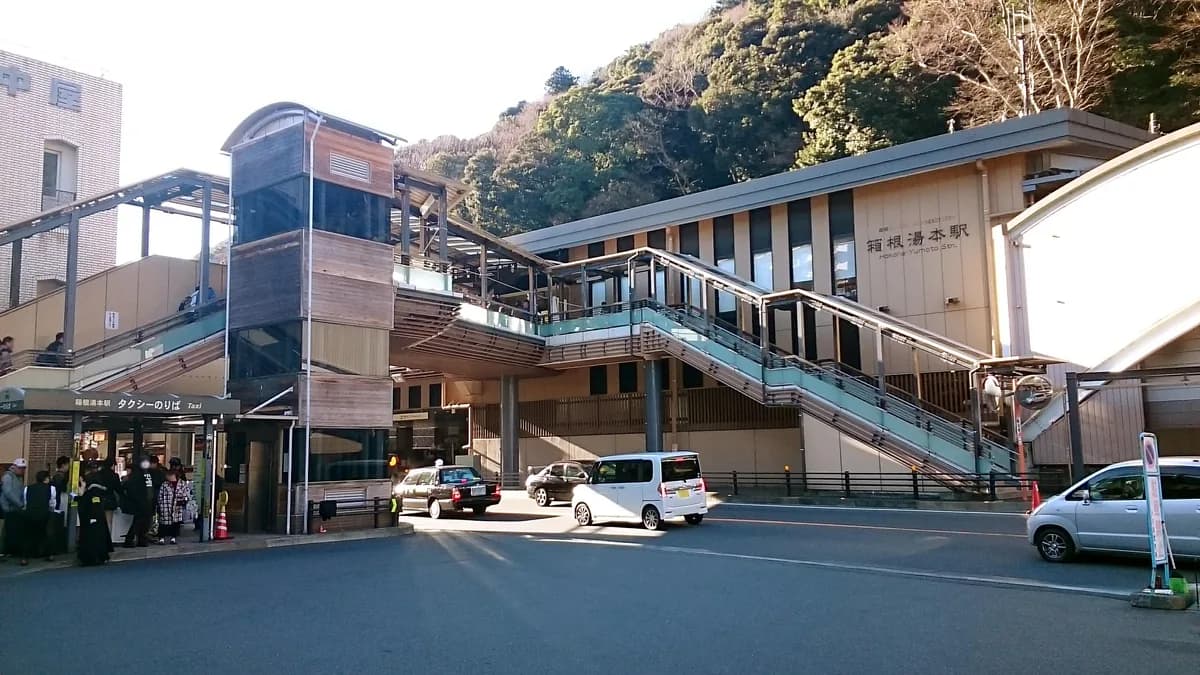
Best for:First-timersBudgetFood & wineThe valley town where the direct train from Shinjuku terminates and the mountain railway begins. A single busy street of hot-spring shops, sweet stalls and soba restaurants follows the river, with hotels and ryokan on the slopes above at every price from simple to serious.
- Good to know
- Good to know: The most convenient base by a distance, and the only one where you can arrive late and leave early without planning. The trade-off is that it is the lowest, busiest and least scenic part of Hakone, and the main street is crowded with day trippers until the last train out.
Tonosawa
$$ · Mid-rangeOne stop up, half the noise, riverside baths
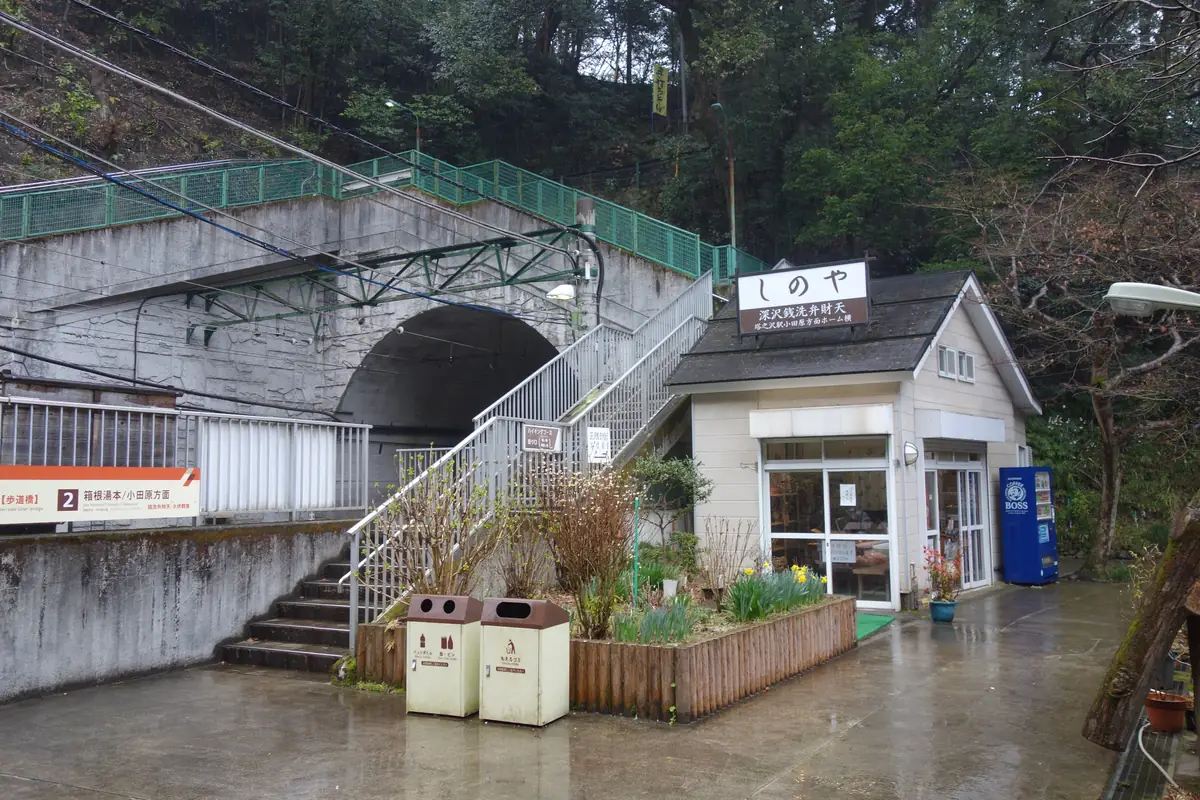
Best for:RomanceBudgetFirst-timersA small cluster of old ryokan a single stop up the mountain railway from Yumoto, tucked into the gorge with the river running below. Several of the inns here have baths built out over the water, and the whole place is a few minutes and a world away from the Yumoto crowds.
- Good to know
- Good to know: Almost nothing here but the ryokan themselves, so plan on eating where you sleep. That is normal in Hakone and usually a good thing. The station is tiny and the walk from it can be steep, so ask about a pickup if you have luggage.
Gora
$$$ · High-endThe best ryokan, halfway up, and the funicular starts here
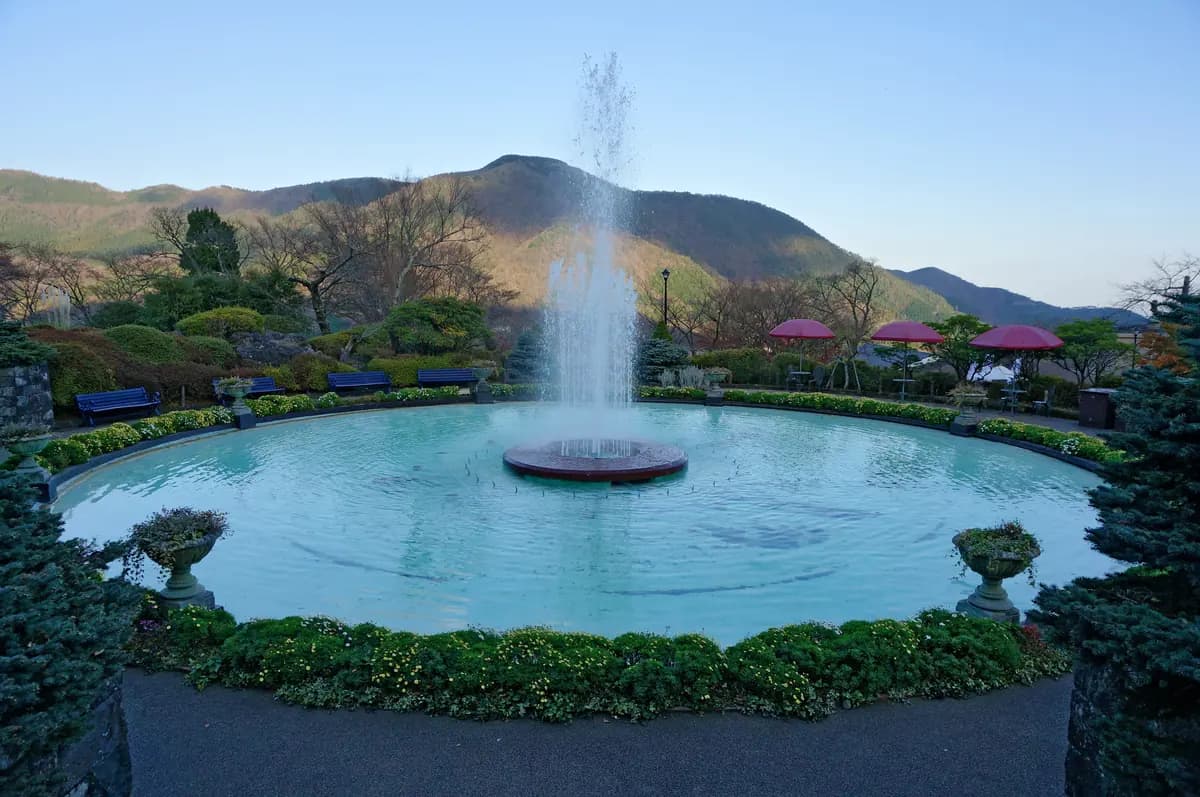
Best for:LuxuryRomanceSightseeingWhere the switchback mountain railway ends and the funicular up to the ropeway begins, which makes Gora the hinge of the whole Hakone loop. It is also where the finest ryokan and the private-onsen hotels cluster, on wooded slopes with views back down the valley.
- Good to know
- Good to know: The most expensive part of Hakone and the best place to spend money if you are here for one great onsen night. Streets are steep and spread out, so it is less walkable than it looks on a map. The Open-Air Museum is one stop back down the line.
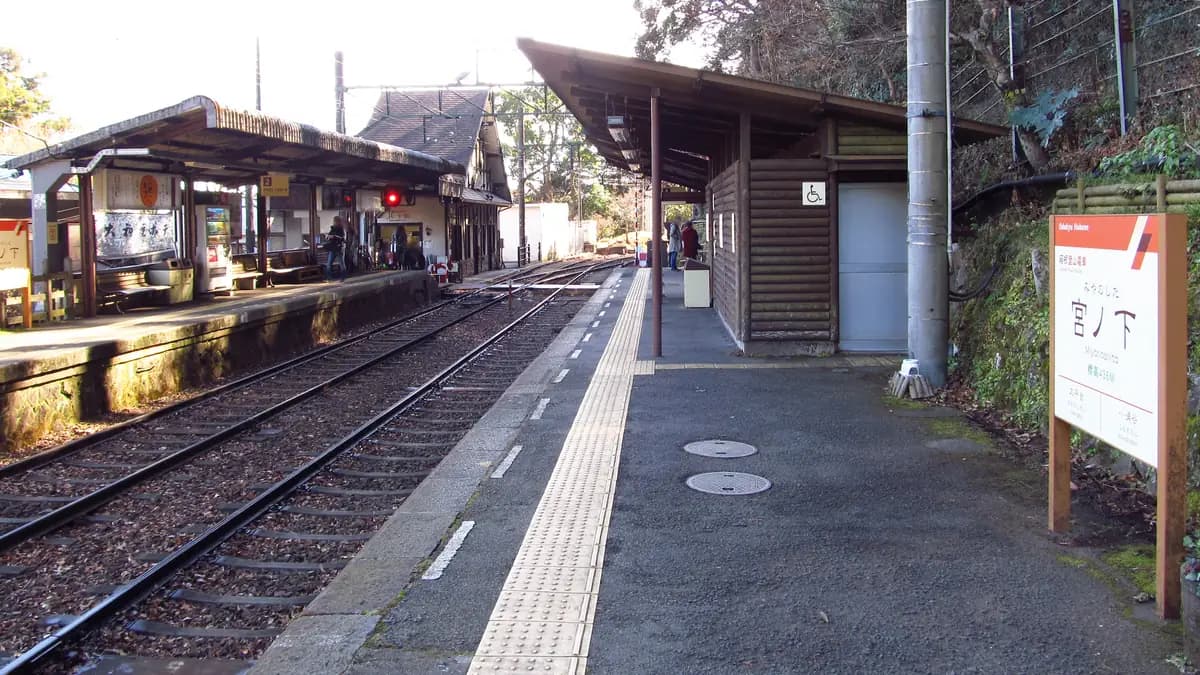
Miyanoshita
$$$ · High-endOld-fashioned mountain resort with a long history
Best for:RomanceSightseeingFamiliesA small station between Yumoto and Gora that has been receiving visitors since Japan first opened to foreign travellers, and still has the slightly formal, wood-panelled feel of that era. Quiet, leafy, with antique shops and a handful of cafes along the road.
- Good to know
- Good to know: More atmosphere than activity. There is very little to do in the immediate area beyond walk and bathe, which suits some trips exactly. Well placed on the railway for reaching both ends of the loop.
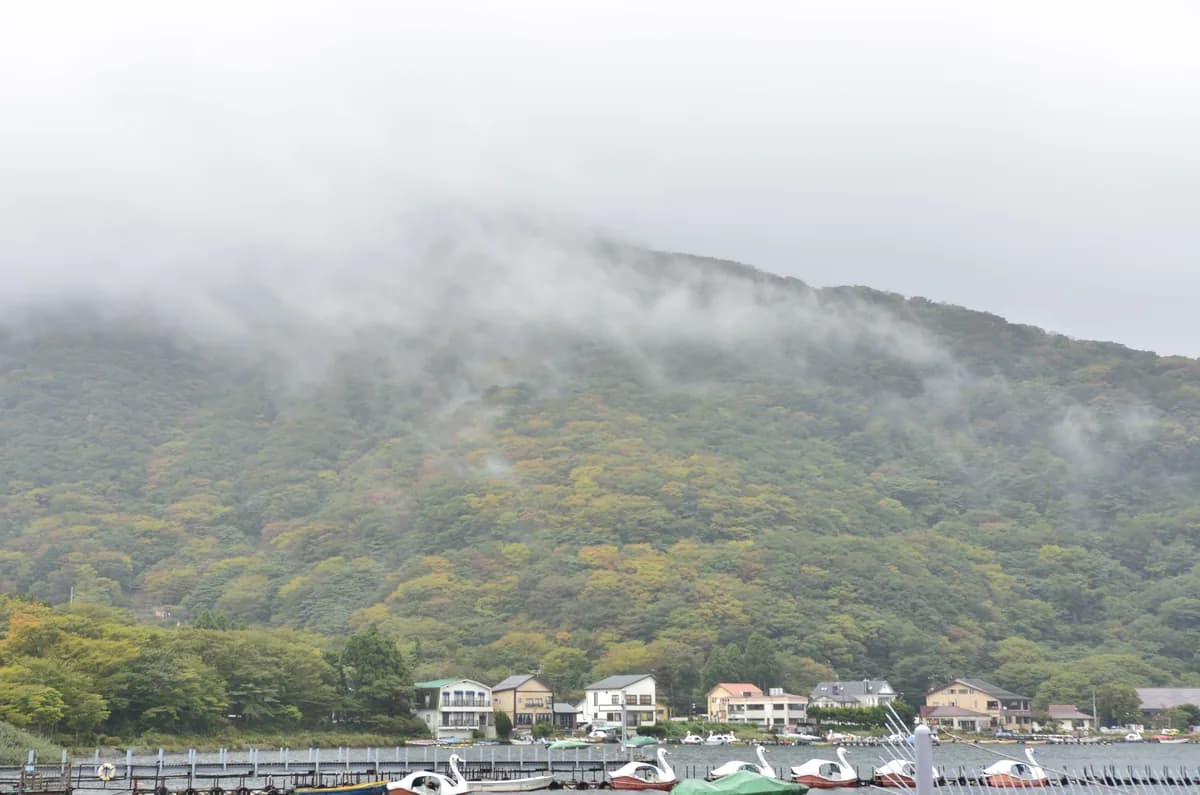
Motohakone and Hakone-machi
$$ · Mid-rangeLake Ashi, the torii in the water, and Fuji on a clear day
Best for:SightseeingFamiliesRomanceThe two lakeside settlements at the southern end of Lake Ashi, where the sightseeing boats dock and the red torii of Hakone Shrine stands in the shallows. The old cedar avenue of the Tokaido highway starts here, and on a clear morning Fuji sits directly across the water.
- Good to know
- Good to know: The reason to stay is the early morning, before the coaches arrive and while the light is on the lake. It is the far end of the loop from Yumoto, roughly forty minutes by bus, so it is the least convenient base for arriving and leaving. Buses back run less often than you expect after dark.
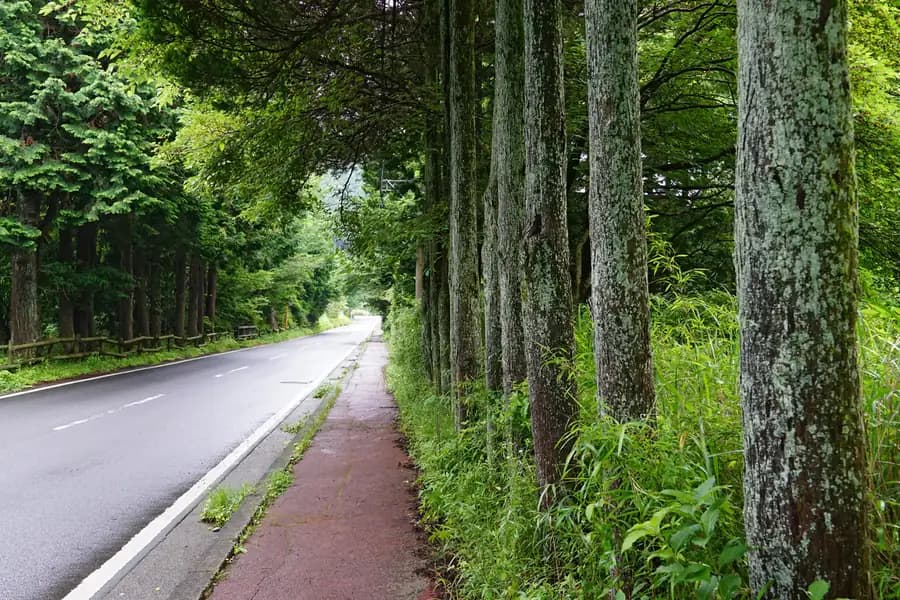
Sengokuhara
$$ · Mid-rangeHigh, open and quiet, with the best small museums
Best for:LuxuryRomanceBudgetA broad highland plateau in the north of the caldera, known for a hillside of pampas grass that turns silver in autumn and for a cluster of good art museums. It is more spread out and much quieter than the railway villages, with guesthouses and design-led small hotels rather than grand ryokan.
- Good to know
- Good to know: You need the buses here, and they are the part of the Hakone transport network that people find fiddly. Cooler than the valley, which is welcome in August. The best choice if what you want from Hakone is quiet and cold air rather than the full loop.
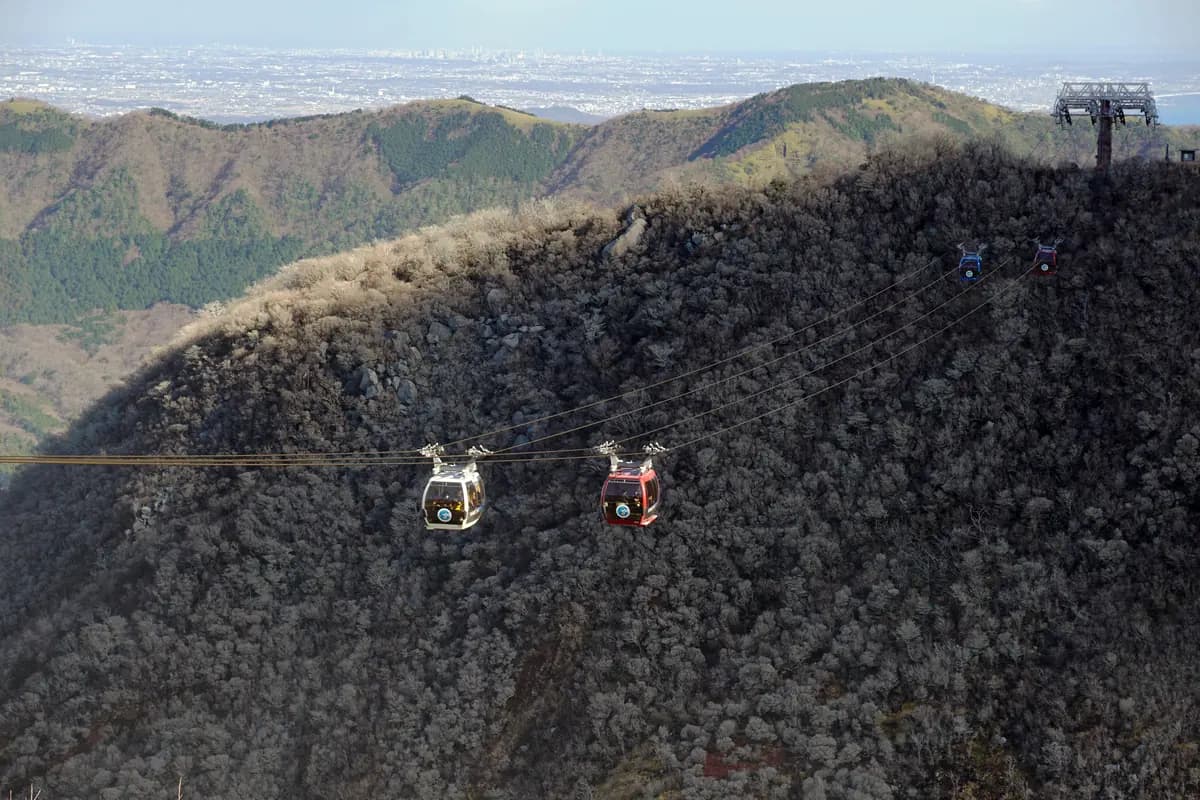
Owakudani and Ubako
$$ · Mid-rangeAbove the treeline, beside the steam vents
Best for:SightseeingBudgetThe high volcanic shoulder of the caldera, where the ropeway crosses a valley of sulphur vents and steaming ground and a few hotels sit near the top station. The views over the crater and down to the lake are the best in Hakone.
- Good to know
- Good to know: Thin on options and dependent on the ropeway, which closes in high wind and occasionally for volcanic activity, in which case buses replace it. Worth it for the setting, but check the ropeway status before committing, and do not base a family here.
Where not to stay in Hakone
Nowhere in Hakone is unsafe, so the mistakes are practical. The biggest is treating it like a city and booking the cheapest room without checking what comes with it, because most Hakone accommodation is ryokan with dinner and breakfast included at fixed times, and a six o'clock dinner reshapes your whole afternoon. The second is basing at the far end of the loop, in Motohakone or up at Owakudani, when you only have one night, since you will spend a large part of it in transit with a bag. The third is arriving on a Saturday in autumn without a booking made weeks earlier, when the leaves bring the whole of Tokyo up here. Also worth knowing before you book: many traditional onsen still refuse guests with visible tattoos, so if that applies to you, look for a ryokan with private or in-room baths and confirm it in writing rather than turning up and hoping.
Getting around Hakone
From Tokyo the simplest route is the Odakyu line from Shinjuku to Hakone-Yumoto, about ninety minutes on the direct limited express and a little longer with a change. By shinkansen you go to Odawara, roughly thirty-five minutes from Tokyo Station, then fifteen more on the Hakone Tozan line. Haneda is the more convenient airport of the two. Once you are here, the Hakone Free Pass is the thing to buy: it covers the mountain railway with its switchbacks, the funicular up to Sounzan, the ropeway over the sulphur vents, the boats on Lake Ashi and most of the buses, and it is cheaper than paying separately if you do even part of the loop. The classic circuit runs Yumoto to Gora to Sounzan to Owakudani to Togendai, then by boat down the lake to Motohakone and back by bus, and it takes most of a day. A car is more trouble than help here, since parking at the sights is limited and the roads are narrow and slow.
Where to stay in Hakone: FAQ
The questions travelers ask most when choosing an area.
Where to stay in other cities
Continue Planning Your Trip
Things to Do
Ranked attractions, tips and how to book tickets
Car Rental
Real prices, driving tips and the best routes by destination
Airport Transfers
Getting from the airport to your hotel, by price and time
All-Inclusive Guides
What all-inclusive really means, by destination
Best Time to Visit
Month-by-month weather, crowds and prices
Route Finder
Find the cheapest way to get there
Hotel Finder
Book the right hotel for your destination
AI Trip Planner
Build a day-by-day itinerary
Photo credits (7)
Photos via Wikimedia Commons, used under their respective licences.
- Hakone-Yumoto: Kounoichi - CC BY-SA 4.0 · source
- Tonosawa: Asacyan - CC BY-SA 4.0 · source
- Gora: 663highland - CC BY-SA 4.0 · source
- Miyanoshita: LERK - CC BY-SA 4.0 · source
- Motohakone and Hakone-machi: KΛNΛTΛ - CC BY-SA 3.0 · source
- Sengokuhara: 663highland - CC BY-SA 4.0 · source
- Owakudani and Ubako: 663highland - CC BY 2.5 · source