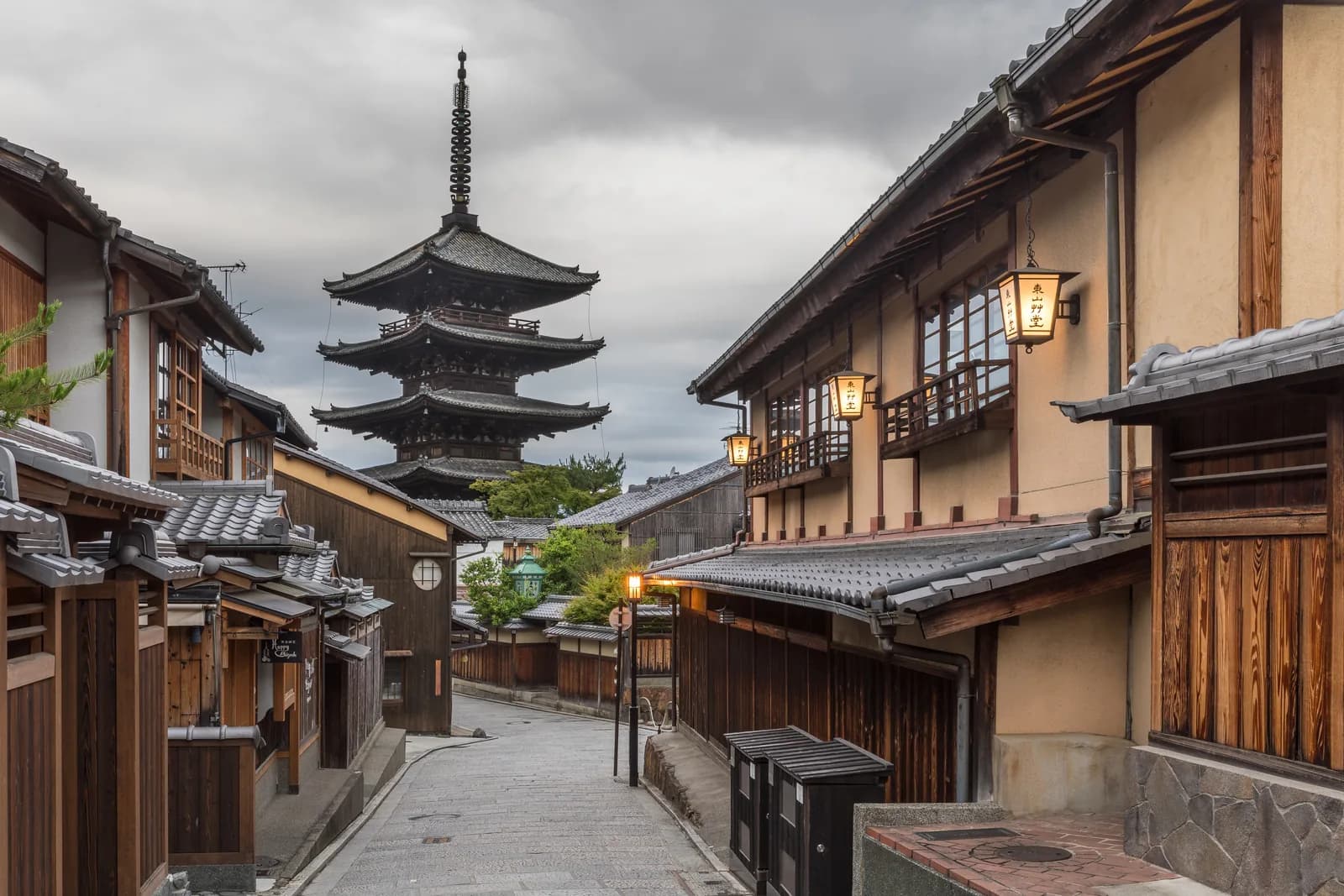
In Brief
What is the best area to stay in Kyoto?
For a first trip, stay Downtown around Kawaramachi and Nakagyo - it's central, walkable to Gion and the Nishiki food market, packed with restaurants, and on the subway. For traditional atmosphere, choose Gion and Higashiyama near the temples; for convenience and value, the Kyoto Station area, with the bullet train and buses. Arashiyama is scenic but out west. Because Kyoto's sights are spread out and its buses get crowded, a central base near the subway or station saves the most time.
Key takeaways
- Best for first-timers: Downtown (Kawaramachi & Nakagyo) - central and walkable.
- Best atmosphere: Gion & Higashiyama - old Kyoto, temples and machiya lanes.
- Best for convenience & value: the Kyoto Station area (bullet train + buses).
- Kyoto's sights are spread out - stay central near a subway line to save time.
Kyoto neighborhoods at a glance
The best areas to stay in Kyoto, compared for vibe, price and who each suits.
| Area | Best for | Price | In a word |
|---|---|---|---|
| Downtown (Kawaramachi & Nakagyo) | first timers, food | $$$ | Central, walkable and the dining heart |
| Gion & Higashiyama | first timers, romance | $$$ | Old Kyoto - temples, geiko and machiya lanes |
| Kyoto Station area | first timers, families | $$ | Convenient, well-priced, the transport hub |
| Pontocho & Kiyamachi | food, nightlife | $$$ | Riverside dining and atmospheric nightlife |
| Arashiyama | romance, sightseeing | $$ | Bamboo grove, riverside and scenic calm |
| Northern Higashiyama | romance, sightseeing | $$ | Quiet temples and the Philosopher's Path |
- Free cancellation on most rooms
- No booking fee
- Prices on Trip.com
Best areas to stay in Kyoto
Ranked best-first, with the vibe, who it suits and an honest catch for each. Tap a filter to match an area to your trip.
Find your area - what matters most?
All 6 areas in Kyoto, best first.
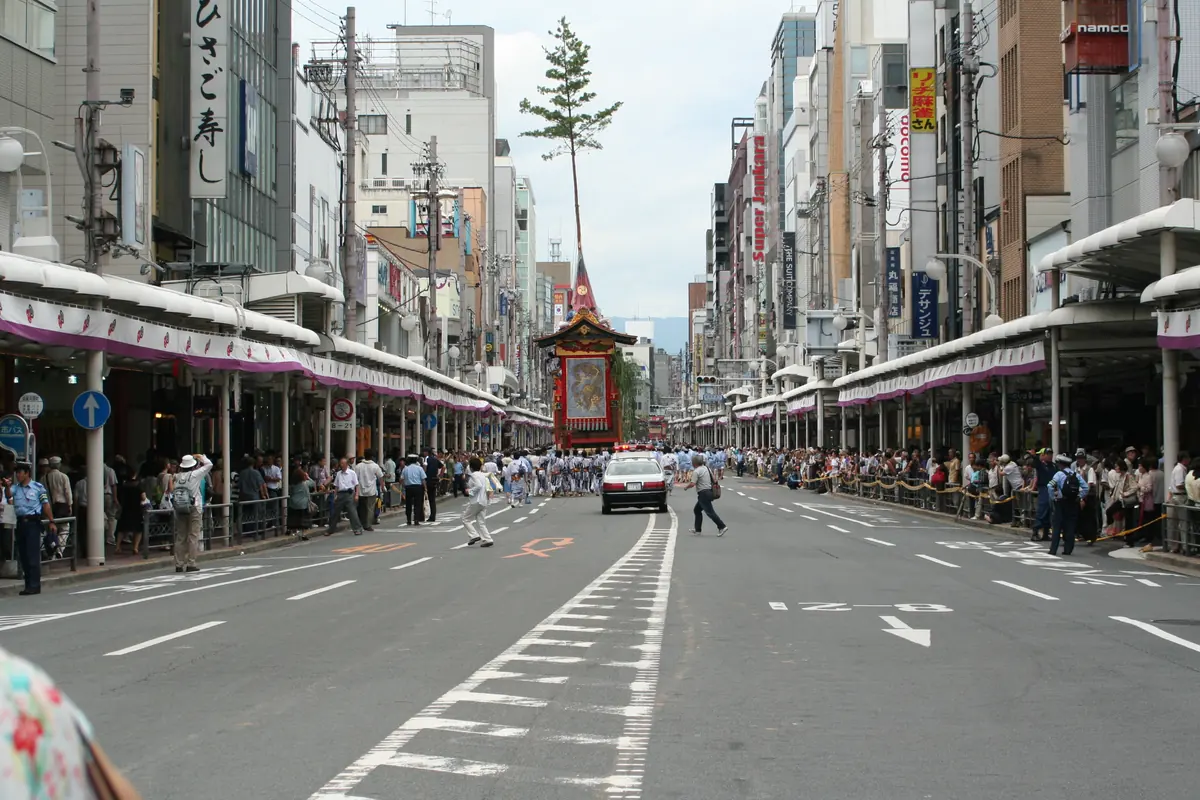
Downtown (Kawaramachi & Nakagyo)
$$$ · High-endCentral, walkable and the dining heart
Best for:First-timersFood & wineShoppingNightlifeKyoto's lively centre around Kawaramachi and Karasuma - the Nishiki food market, covered shopping arcades, and the city's best concentration of restaurants and bars, with the Kamo River and Gion a short walk east. On the subway and central to everything, it's the easiest first-time base.
- Good to know
- Good to know: It's the priciest, busiest area and less traditional in feel - you're staying in a modern downtown, with old Kyoto a walk away.
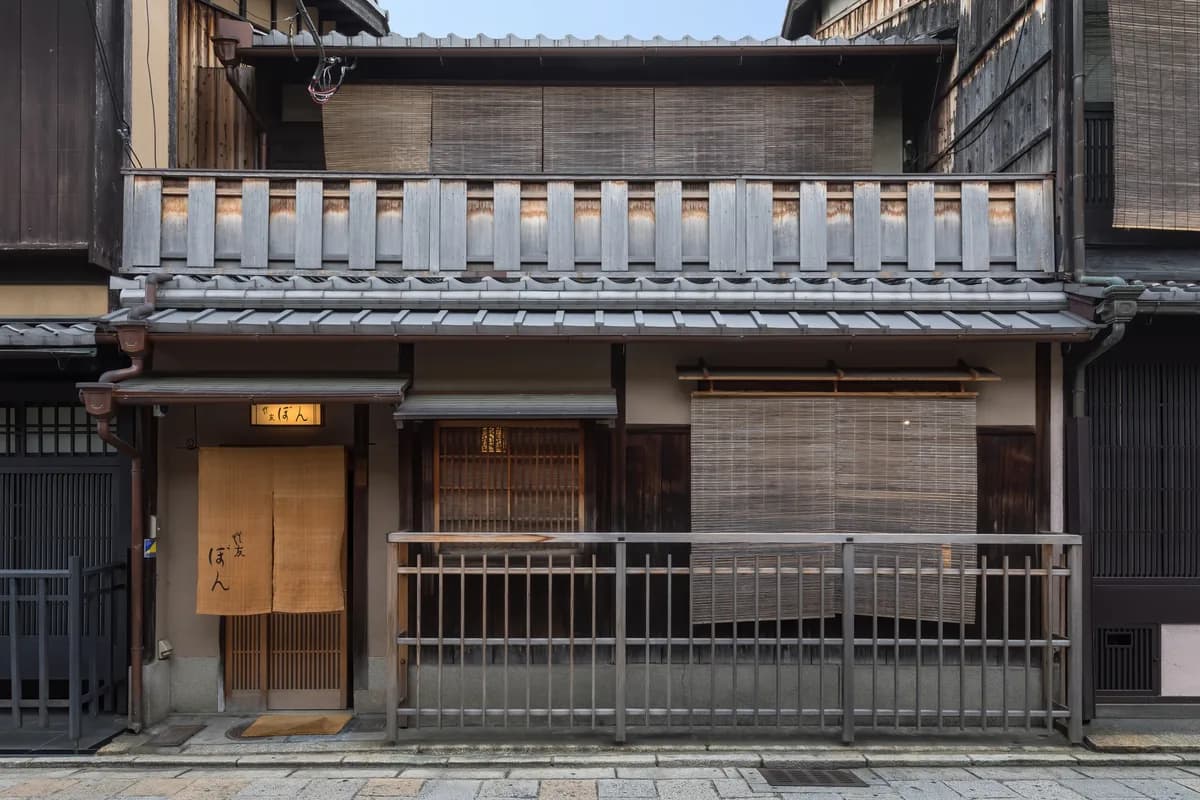
Gion & Higashiyama
$$$ · High-endOld Kyoto - temples, geiko and machiya lanes
Best for:First-timersRomanceSightseeingThe postcard Kyoto: wooden machiya teahouses, lantern-lit lanes, the geiko (geisha) district, and the temple cluster of Kiyomizu-dera, Yasaka and Kodai-ji all walkable. Atmospheric and beautiful, especially early morning and evening.
- Good to know
- Good to know: It's expensive and can be crowded by day; on Gion's private alleys, photographing geiko is restricted, so mind the etiquette signs.
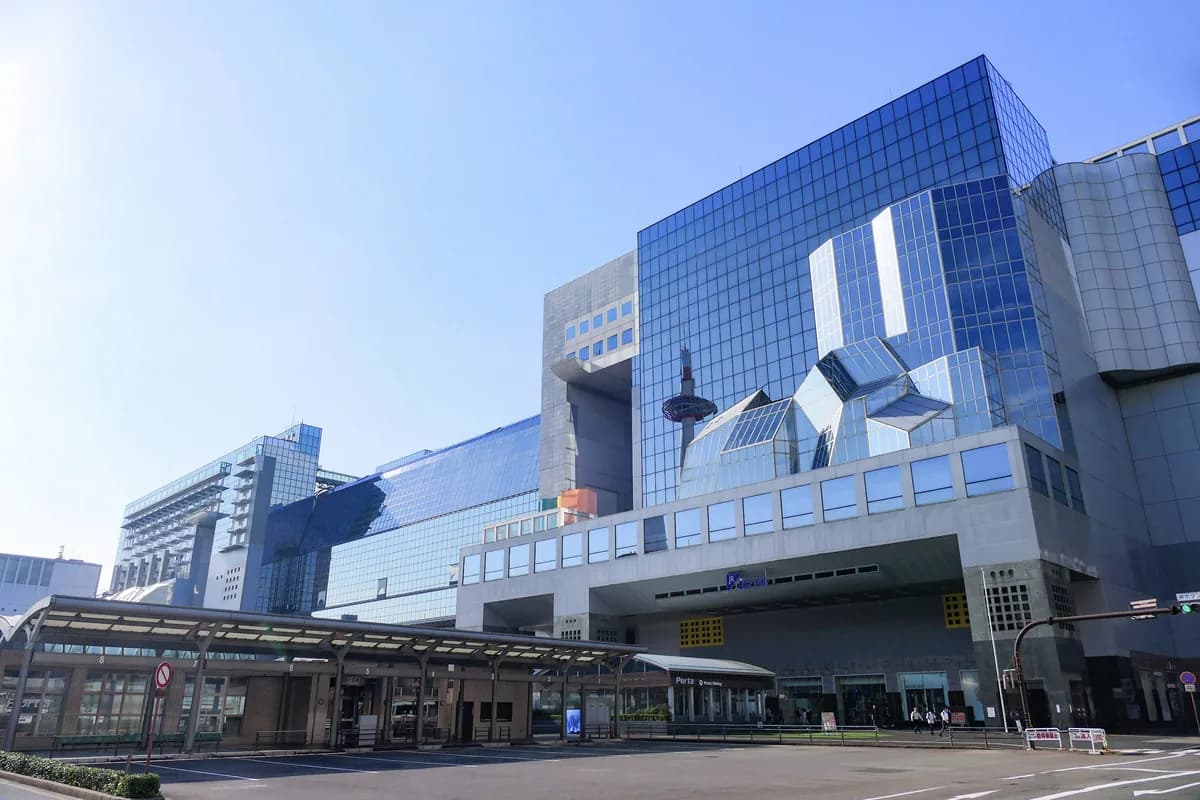
Kyoto Station area
$$ · Mid-rangeConvenient, well-priced, the transport hub
Best for:First-timersFamiliesBudgetThe modern hub around Kyoto Station - the Shinkansen (bullet train), the main bus terminal for the temples, and the widest range of hotels at fair prices. Practical and convenient, with easy day trips to Osaka and Nara.
- Good to know
- Good to know: It's a workaday area with little old-Kyoto charm, and a bus or subway ride (not a walk) from Gion and the downtown.
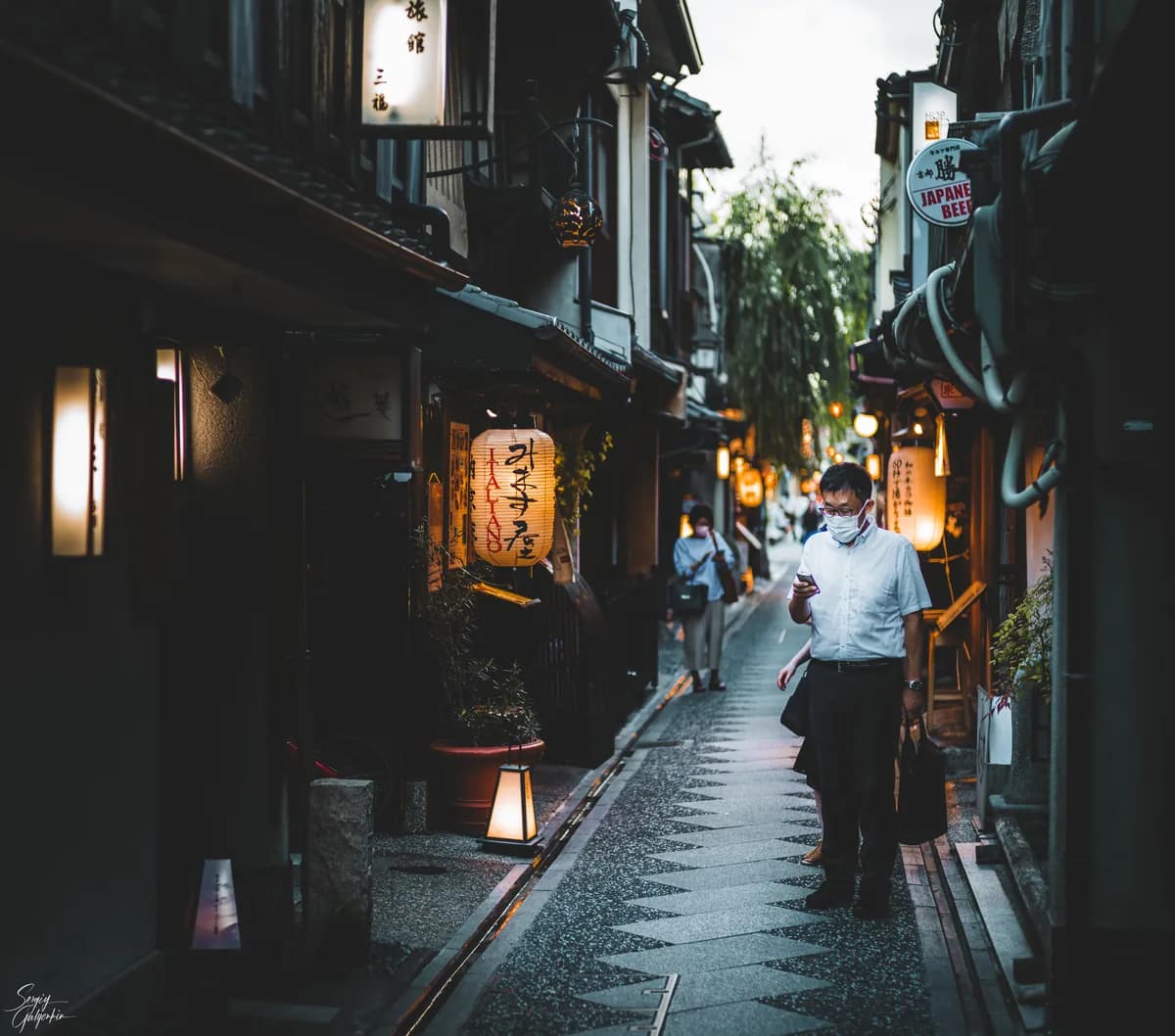
Pontocho & Kiyamachi
$$$ · High-endRiverside dining and atmospheric nightlife
Best for:Food & wineNightlifeRomanceThe narrow lantern-lit Pontocho alley and the canal-side Kiyamachi, packed with tiny restaurants and bars beside the Kamo River - Kyoto at its most atmospheric after dark, right in the centre next to Downtown and Gion.
- Good to know
- Good to know: It's compact and the dining is a draw more than the (few) hotels; the bar lanes are lively at night.
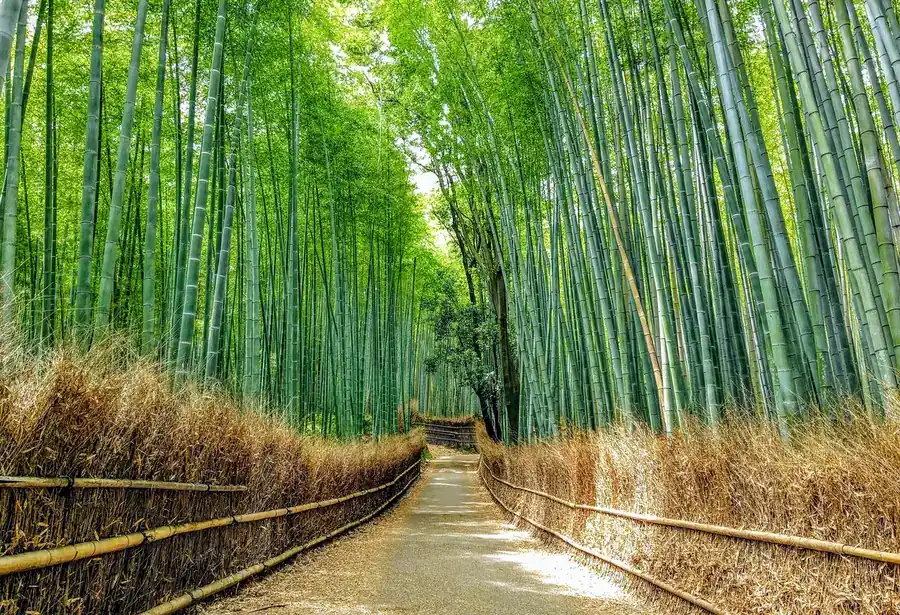
Arashiyama
$$ · Mid-rangeBamboo grove, riverside and scenic calm
Best for:RomanceSightseeingFamiliesThe scenic western district of the bamboo grove, the Togetsukyo bridge and riverside ryokan - green, calm and beautiful, with hot-spring inns. A lovely, quieter base if temples and nature top your list.
- Good to know
- Good to know: It's a 20-30 minute train ride from the central sights and empties out at night, so it trades convenience for scenery.
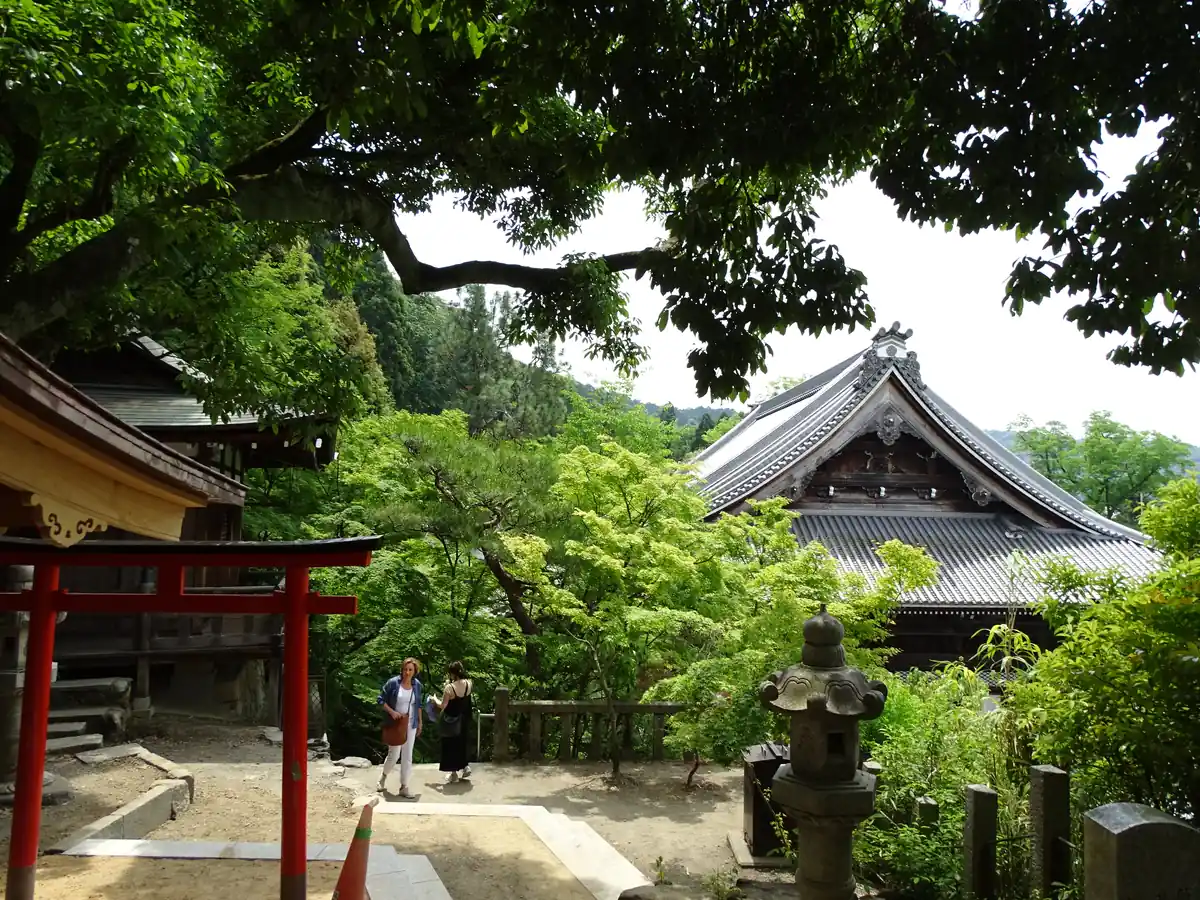
Northern Higashiyama
$$ · Mid-rangeQuiet temples and the Philosopher's Path
Best for:RomanceSightseeingThe calmer temple belt in the northeast - Nanzen-ji, Ginkaku-ji and the Philosopher's Path - leafy, serene and refined, away from the crowds of southern Higashiyama. Lovely for a slower, garden-focused stay.
- Good to know
- Good to know: Accommodation is thinner here and it's a bus ride from downtown dining and nightlife - best for calm over convenience.
Where not to stay in Kyoto
Kyoto is extremely safe - like the rest of Japan, there's no area a visitor needs to avoid for safety, day or night, including for solo and female travelers. The real mistake is a poorly located base: because the temples are spread across the city and the buses get very crowded, staying far out or away from a subway line costs you time. Stay central (Downtown, Gion or the station). In Gion, respect the etiquette rules on private lanes - photographing geiko there can bring fines.
Getting around Kyoto
Kyoto relies on buses more than trains, since many temples aren't near a station - but the two subway lines and the central location of Downtown let you walk to a lot. Get an IC card (ICOCA/Suica) and tap on. Buses to the big sights leave from Kyoto Station and Downtown, and can be packed at peak times. The Shinkansen and trains from Kyoto Station make Osaka and Nara easy day trips.
Where to stay in Kyoto: FAQ
The questions travelers ask most when choosing an area.
Where to stay in other cities
Continue Planning Your Trip
Things to Do
Ranked attractions, tips and how to book tickets
Car Rental
Real prices, driving tips and the best routes by destination
Airport Transfers
Getting from the airport to your hotel, by price and time
All-Inclusive Guides
What all-inclusive really means, by destination
Best Time to Visit
Month-by-month weather, crowds and prices
Route Finder
Find the cheapest way to get there
Hotel Finder
Book the right hotel for your destination
AI Trip Planner
Build a day-by-day itinerary
Photo credits (6)
Photos via Wikimedia Commons, used under their respective licences.
- Downtown (Kawaramachi & Nakagyo): Corpse Reviver - CC BY 3.0 · source
- Gion & Higashiyama: Basile Morin - CC BY-SA 4.0 · source
- Kyoto Station area: MaedaAkihiko - CC0 · source
- Pontocho & Kiyamachi: Sergiy Galyonkin from Raleigh, USA - CC BY-SA 2.0 · source
- Arashiyama: Naokijp - CC BY-SA 4.0 · source
- Northern Higashiyama: Adam Jones from Kelowna, BC, Canada - CC BY-SA 2.0 · source