Cruise Planning Guide
What a cruise actually costs once the extras are counted, how long to sail, when to book, and what to do with the eight hours you get in each port. Plus our port guides, which tell you what is walkable from the dock and what is worth booking ahead.

In Brief
How do you plan a cruise?
Start with the region and season, because that decides everything else: the Caribbean sails best December to April, Alaska only May to September, and the Mediterranean May to October. Then pick the length - seven nights is the standard - and book six to twelve months ahead for popular seasons, or during wave season in January to March for the best perks. Budget for the extras that aren't in the fare, mainly drinks, shore excursions, wifi and gratuities, and book the excursions that sell out as soon as your ports are confirmed.
Key takeaways
- Seven nights is the standard cruise length; three to five nights suits a first cruise.
- Book six to twelve months ahead for peak seasons, or in January to March for the best promotions.
- The fare rarely covers drinks, excursions, wifi and gratuities - add those before comparing prices.
- Independent shore excursions cost less, but only ship-sold ones guarantee the ship waits for you.
The best time to go on a cruise, by region
Cruise regions run on tight seasons, and the shoulder weeks at either end usually give you the same itinerary for less money with fewer ships sharing your port.
| Region | Season | Notes |
|---|---|---|
| Caribbean & Bahamas | December to April | Dry, warm and calm. Hurricane season runs June to November, when prices drop. |
| Alaska | May to September | The whole season. June to August is warmest and busiest; May and September are cheaper and quieter. |
| Mediterranean | May to October | June and September dodge both the August heat and the worst of the crowds. |
| Northern Europe & fjords | May to August | Long daylight and the mildest weather. Northern lights sailings run the opposite season, autumn to early spring. |
| Panama Canal | October to April | The dry season. Transits book out early because sailing dates are limited. |
- Compare sailings and cabins
- No booking fee
- Prices on Trip.com
Our cruise guides
Each guide is written for the decision you are actually making - which port deserves a paid excursion, when prices drop, and what nobody tells you before your first sailing.
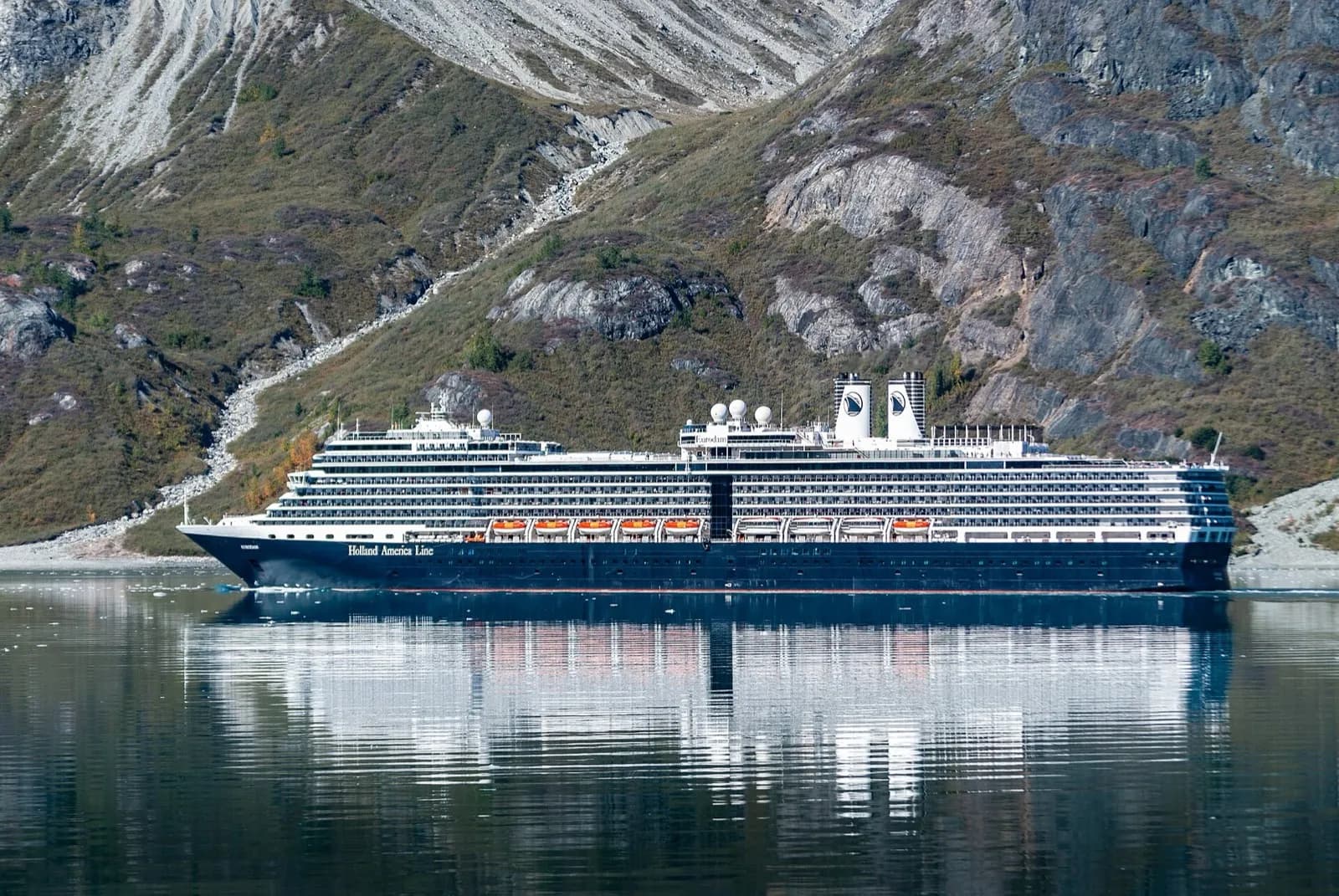
Alaska cruise ports
The best Alaska cruise ports ranked - Juneau, Skagway, Ketchikan, Sitka and Glacier Bay. What to book in each, what sells out and what to pack for the season.
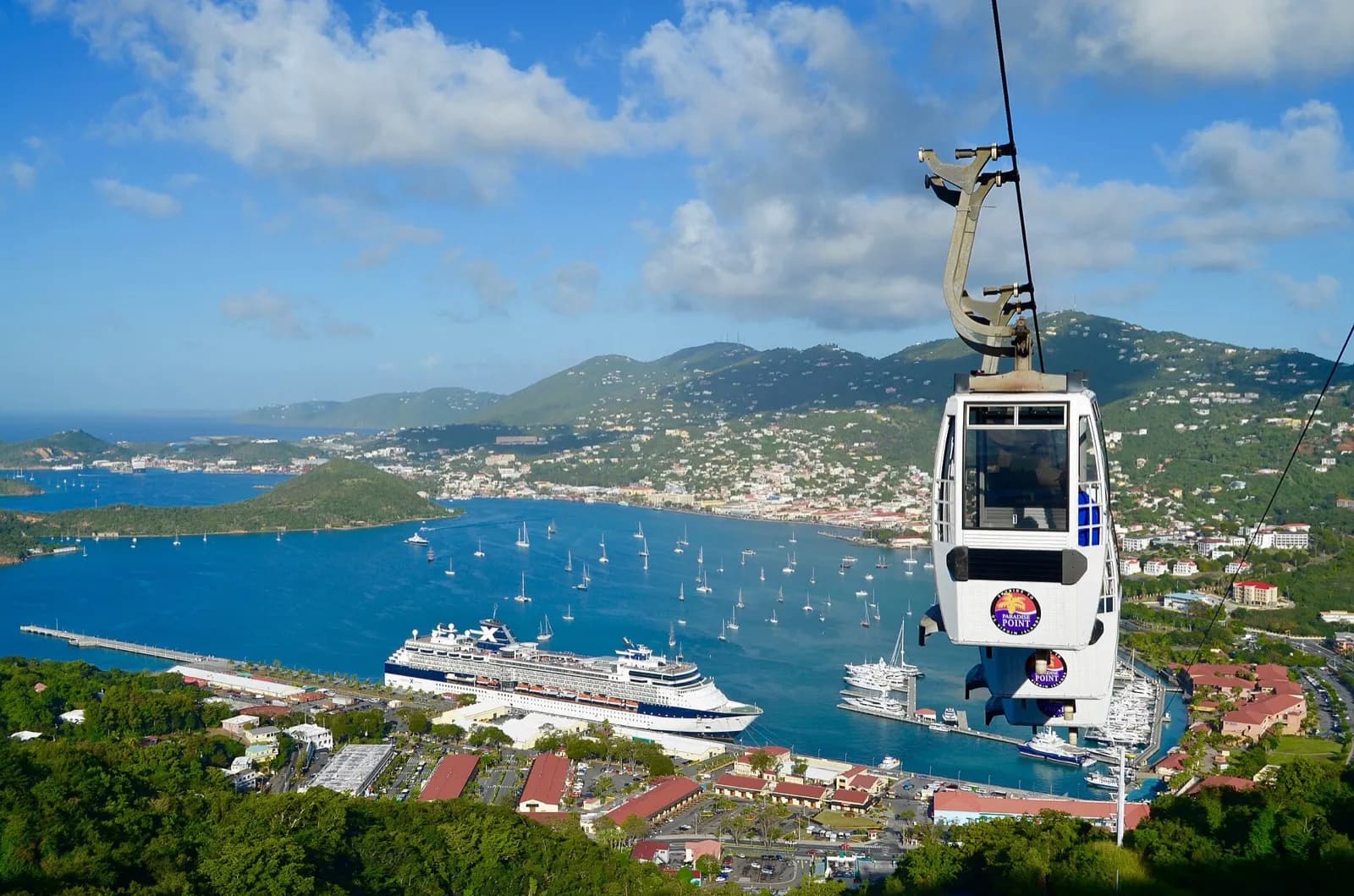
Caribbean cruise ports
The best Caribbean cruise ports ranked - Grand Cayman, St Thomas, Cozumel, St Maarten and more. What to book in each, which ports are overrated, what to wear.
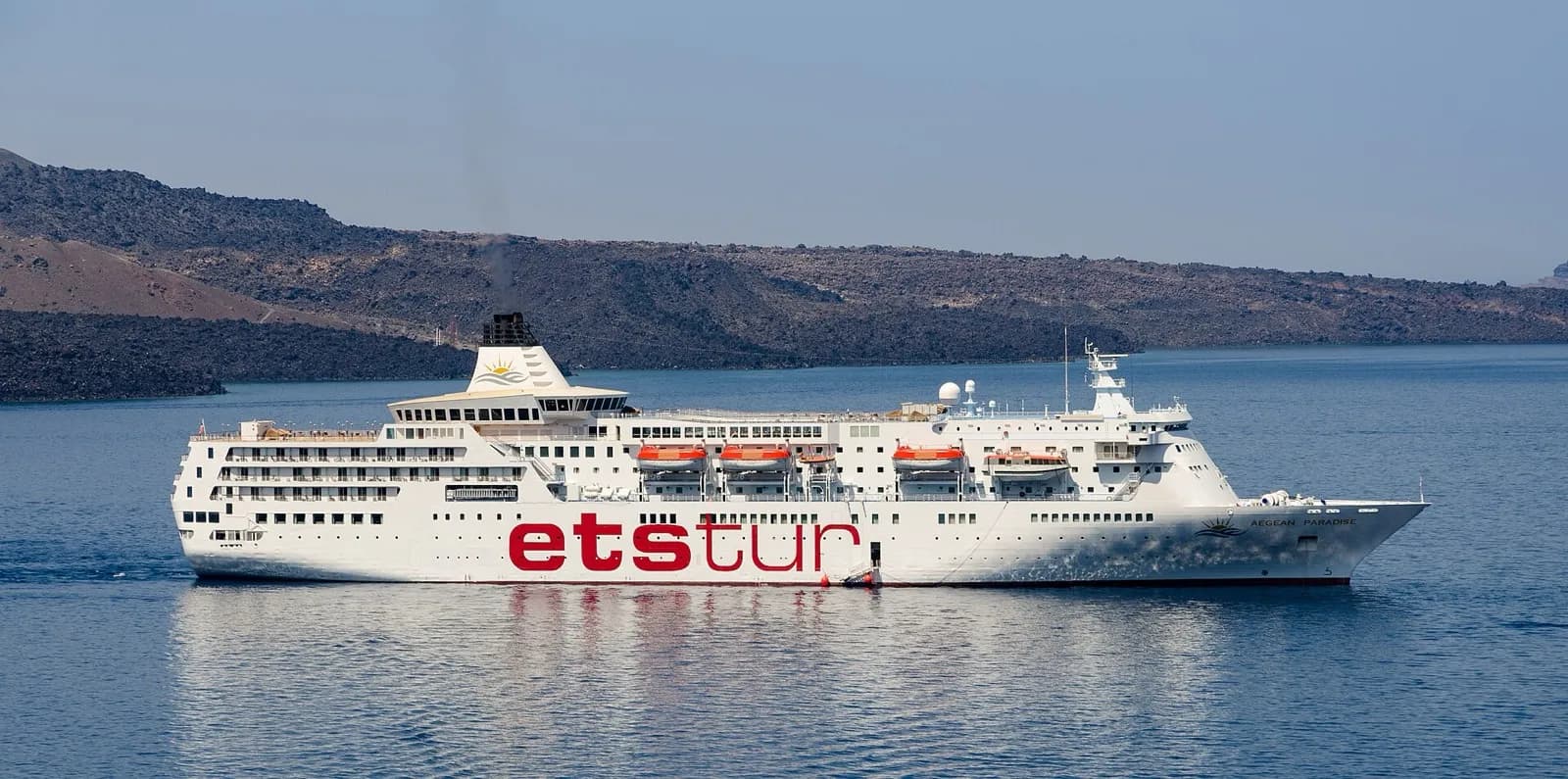
Mediterranean cruise ports
The best Mediterranean cruise ports - Barcelona, Rome, Santorini, Dubrovnik and more. Which need a tour, which are walkable, the tender ports and what to wear.
Cheapest time to cruise
The cheapest time to cruise, month by month: when cruise prices drop, how much to tip, how much cash to bring and the booking moves that cut hundreds off.
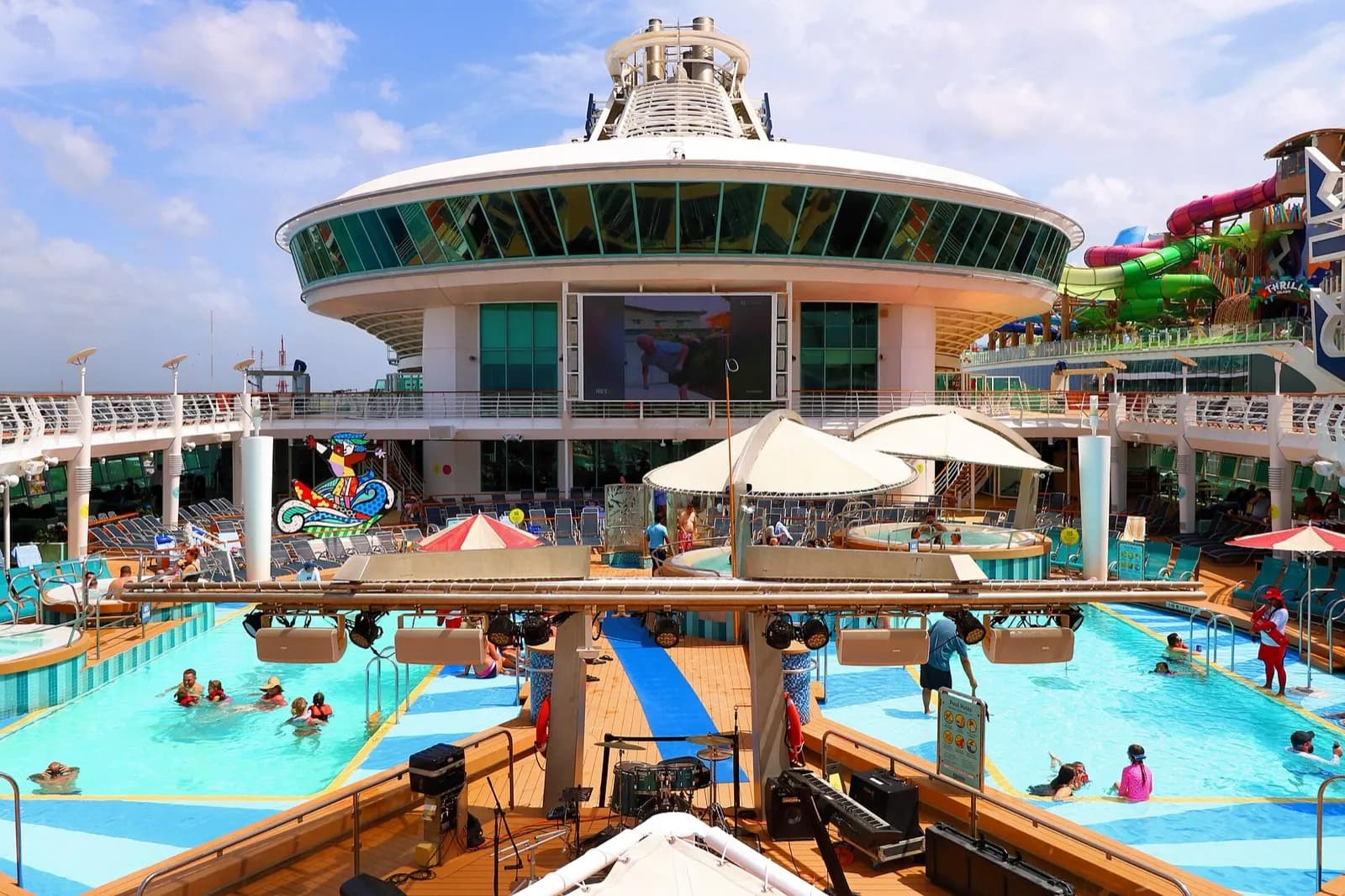
First time cruise tips
First time cruise tips: embarkation day, the muster drill, cruise etiquette and dress code, how to avoid seasickness and what not to bring on board.
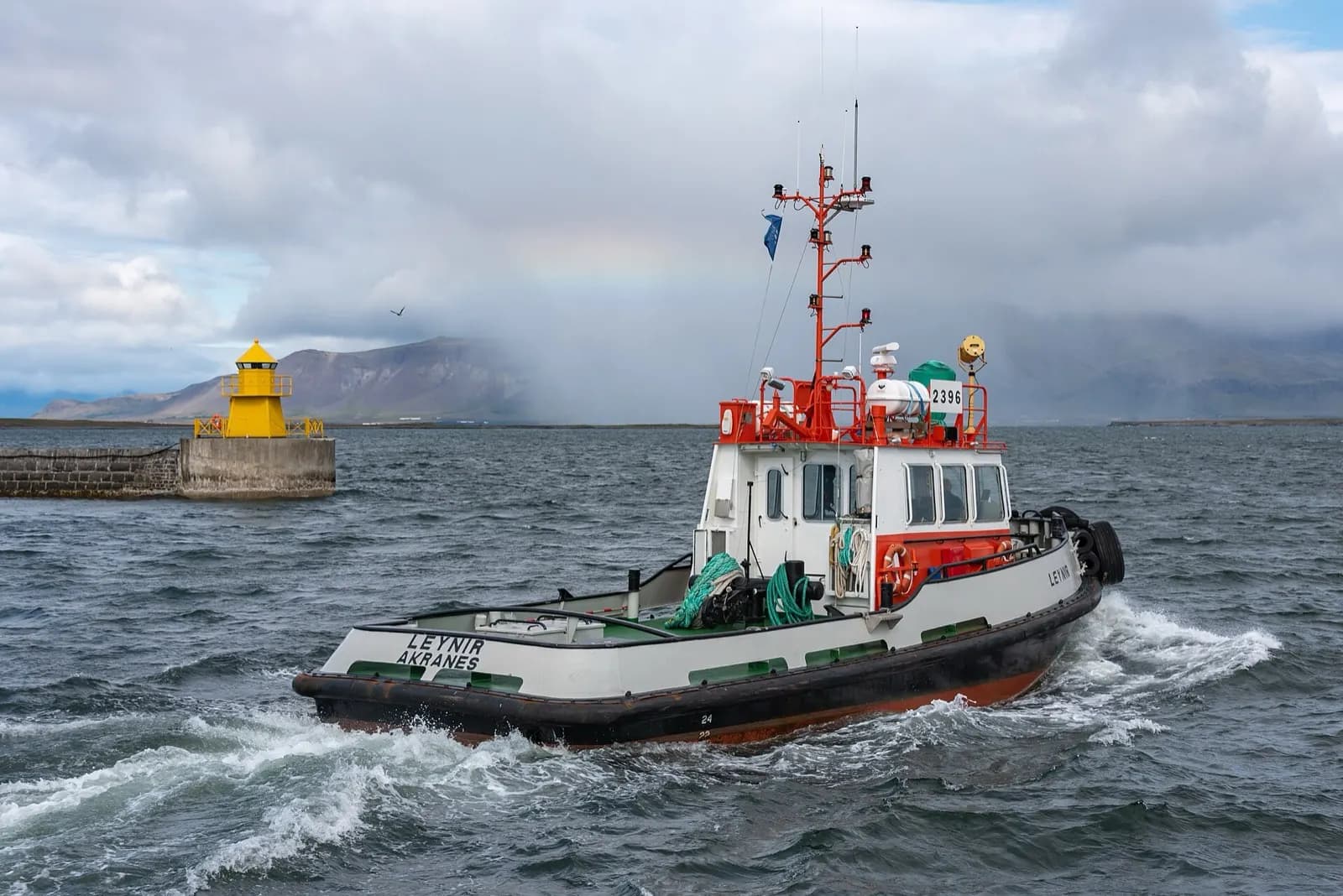
Iceland cruise ports
Iceland cruise ports explained - Reykjavik, Akureyri, Isafjordur and Seydisfjordur. What to do in each, which excursions to book ahead and when to sail.
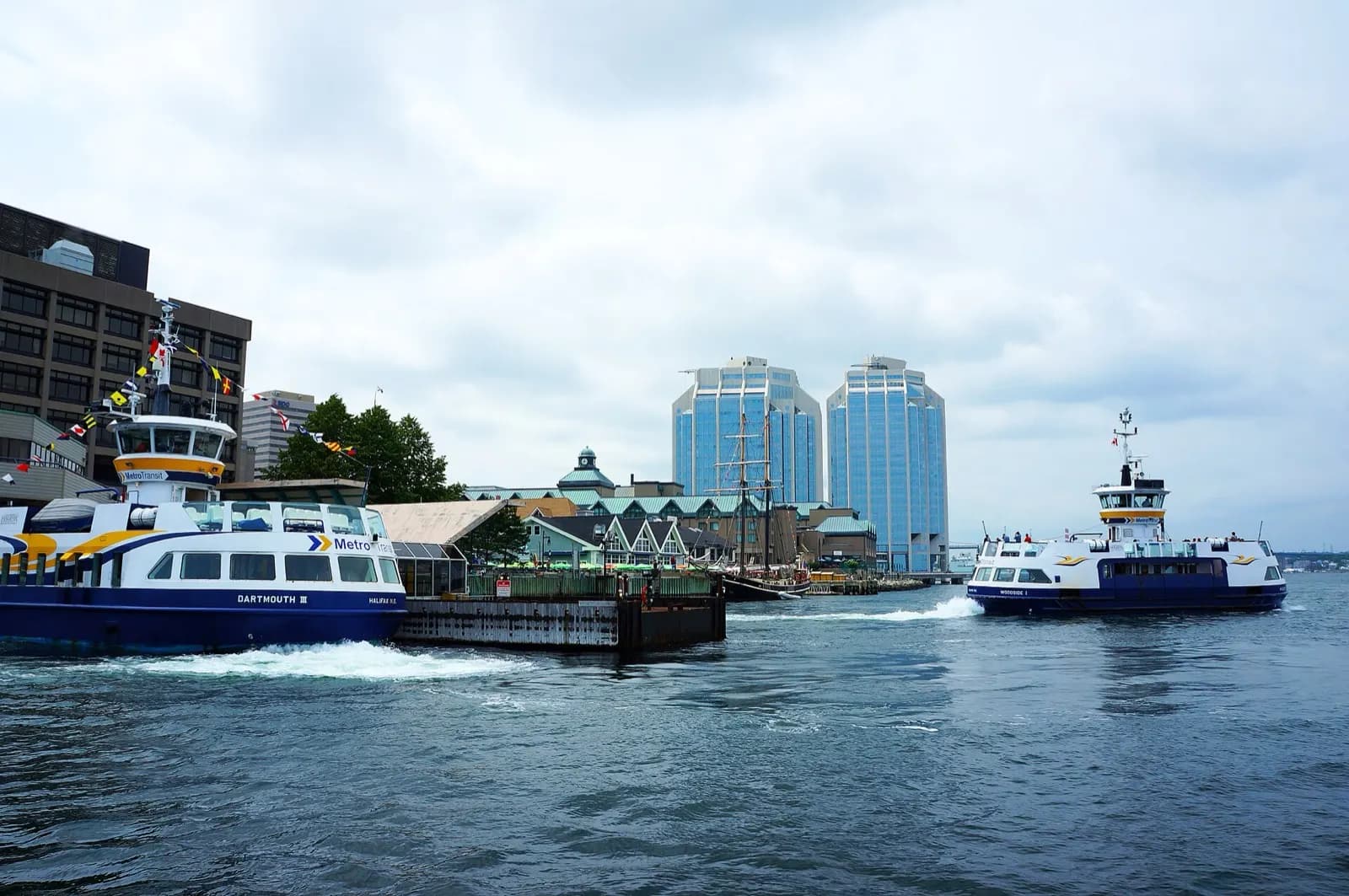
Canada cruise ports
Canada cruise ports explained - Quebec City, Halifax, Saint John, Charlottetown and Sydney. What each port is worth and when to sail for fall colour.

Hawaii cruise ports
Hawaii cruise ports explained - Honolulu, Kahului, Hilo, Kona and Nawiliwili. What to do on each island, what to book and why a rental car often beats a tour.
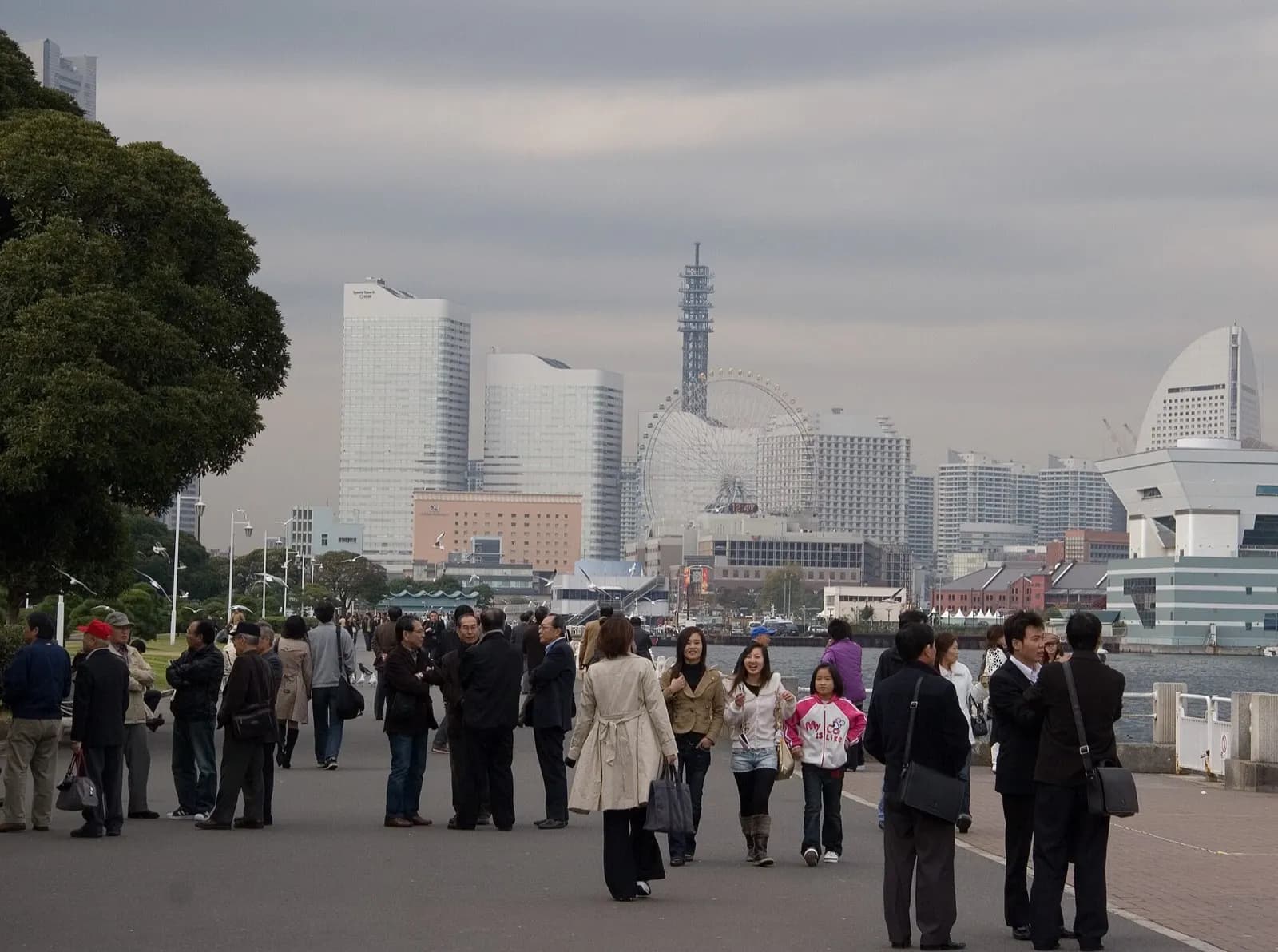
Japan cruise ports
Japan cruise ports explained - Yokohama, Kobe, Nagasaki, Hakodate and Okinawa. What to do in each, when trains beat tours and how cherry blossom season works.
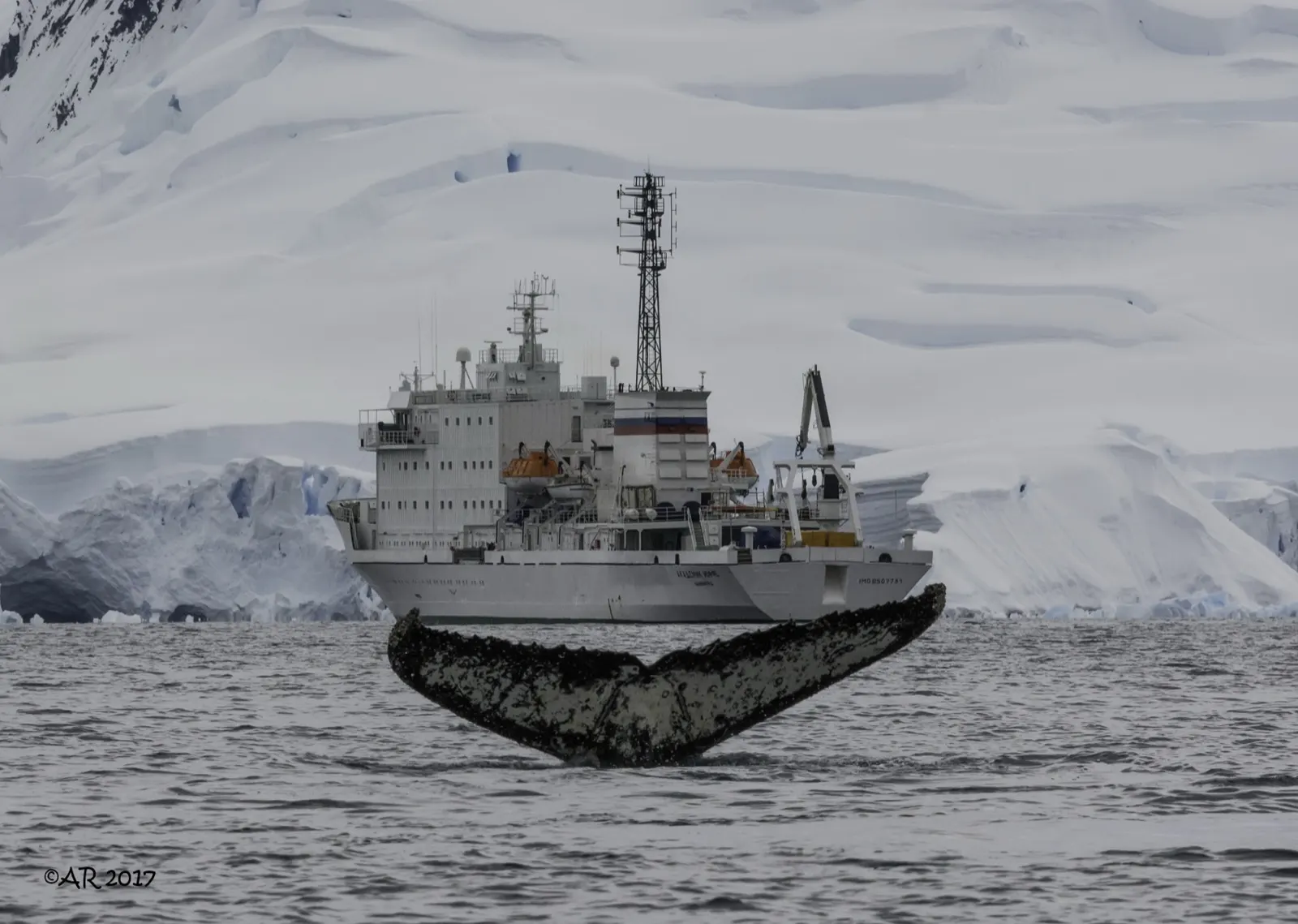
Best time for Antarctica
The best time for an Antarctica cruise: November for pristine ice, December and January for penguin chicks, February and March for whales and lower fares.
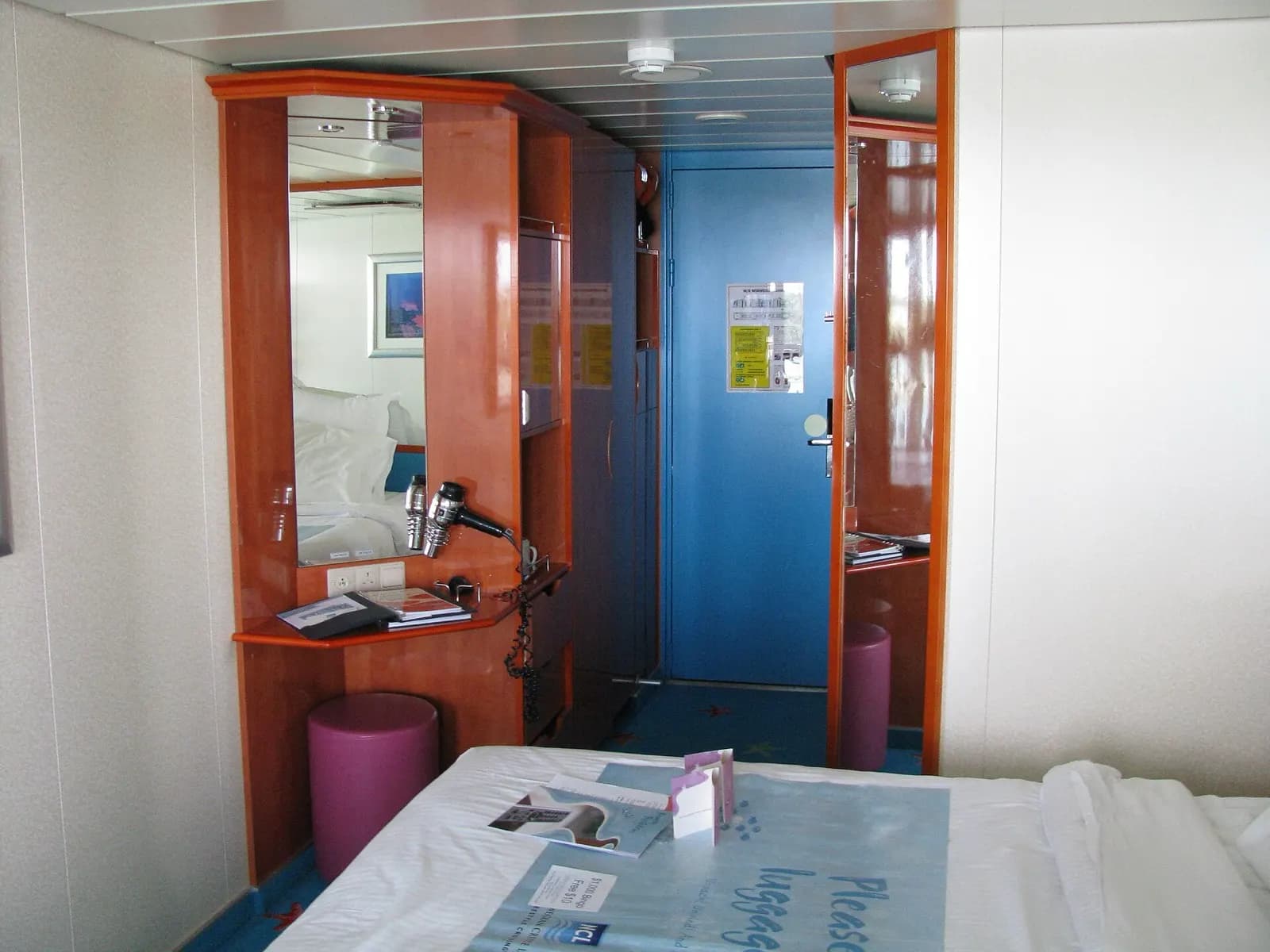
Best cabin location
The best cabin location on a cruise ship: midship low for seasickness, aft for big balconies, and the decks to avoid. What each cabin type is worth paying for.
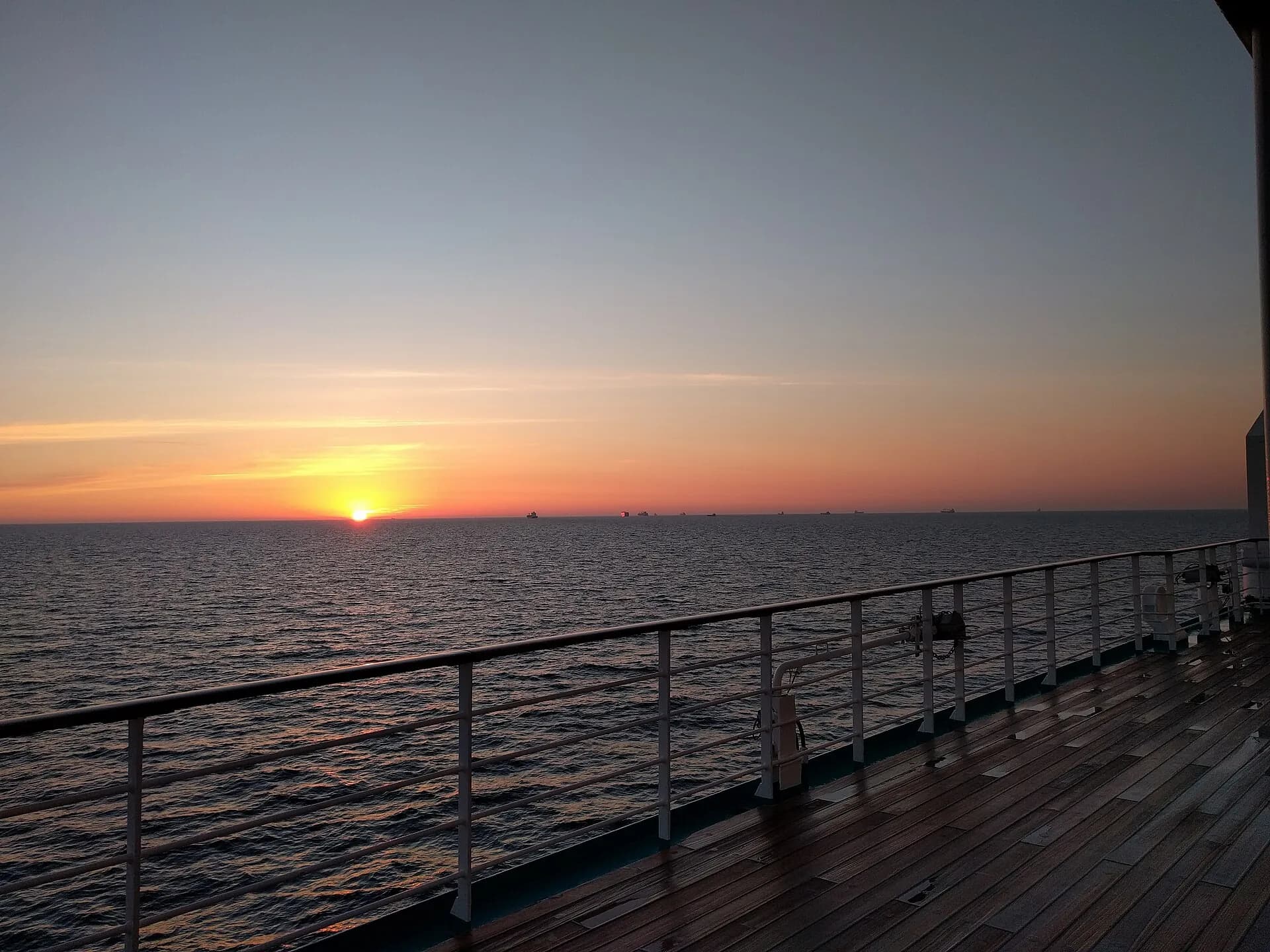
How long is a cruise
How long is a cruise? Most run 7 nights, but lengths range from 2-night samplers to 100-night world voyages. What each gives you and which suits a first cruise.
Cruise port guides and shore excursions
A port day is short. These guides cover what is walkable from the dock, what needs a shuttle or a tour, and which excursions sell out - so you spend the day well instead of working it out on the pier.
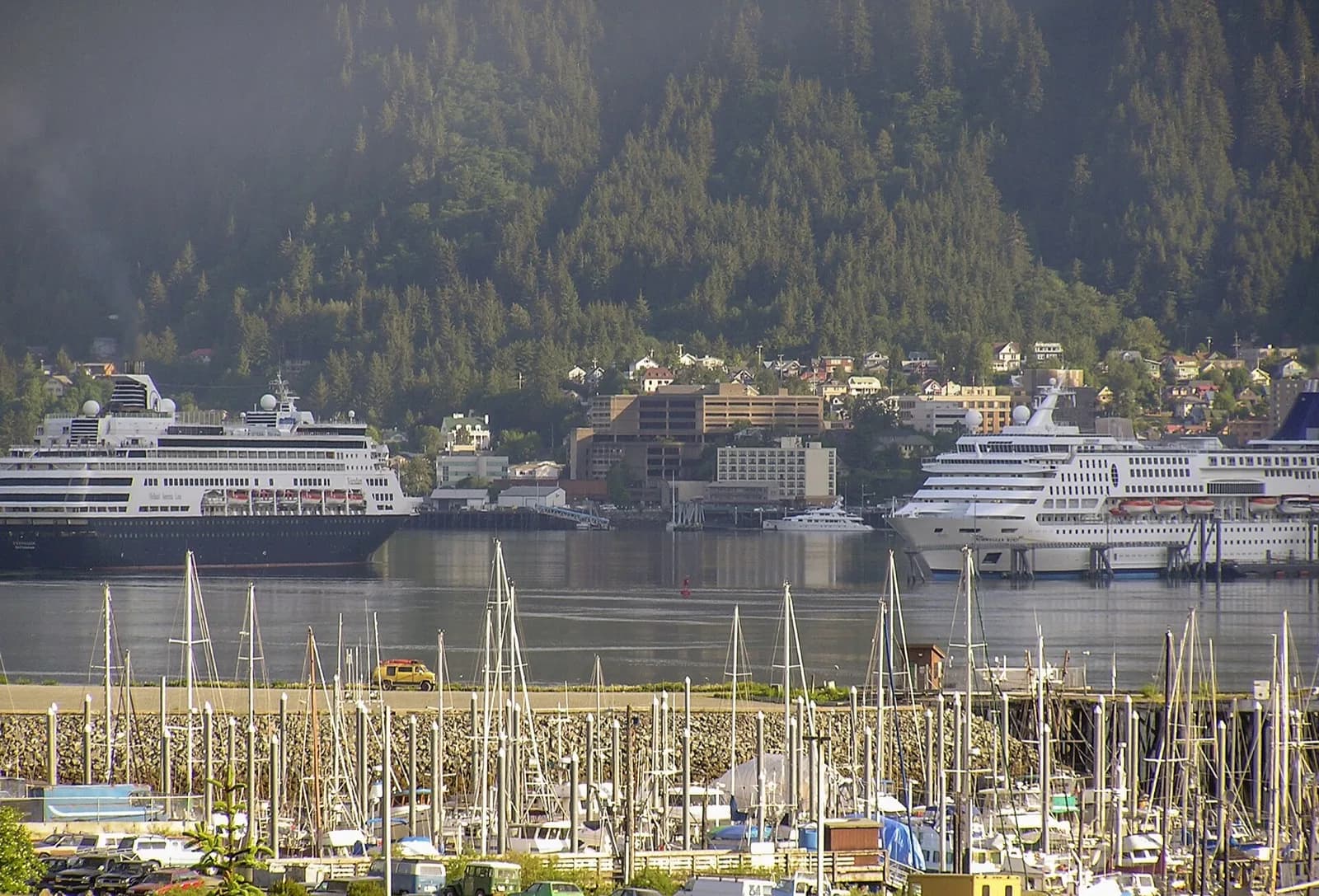
More port guides are on the way. In the meantime, our things to do guides cover many cruise ports, and best time to visit helps you pick a sailing season.
What a cruise costs beyond the fare
The advertised fare is rarely what you pay. Budget separately for gratuities, which many lines charge automatically per person per night, drinks beyond tea and water, speciality restaurants, wifi, and shore excursions, which are the biggest variable of the lot. Two people on a seven-night sailing can easily add several hundred to the fare before they have bought a single souvenir.
Two things bring it down. Sail in the shoulder weeks at either end of a region's season rather than its peak, and book excursions with independent local operators instead of through the ship, leaving a comfortable buffer before all-aboard. Flights are the other lever: getting to the embarkation port cheaply matters as much as the cabin price, and arriving the day before is worth it on any itinerary where a delayed flight would mean missing the ship.
Cruise planning questions
- Compare sailings and cabins
- No booking fee
- Prices on Trip.com