In Brief
Where should you stay in Madrid?
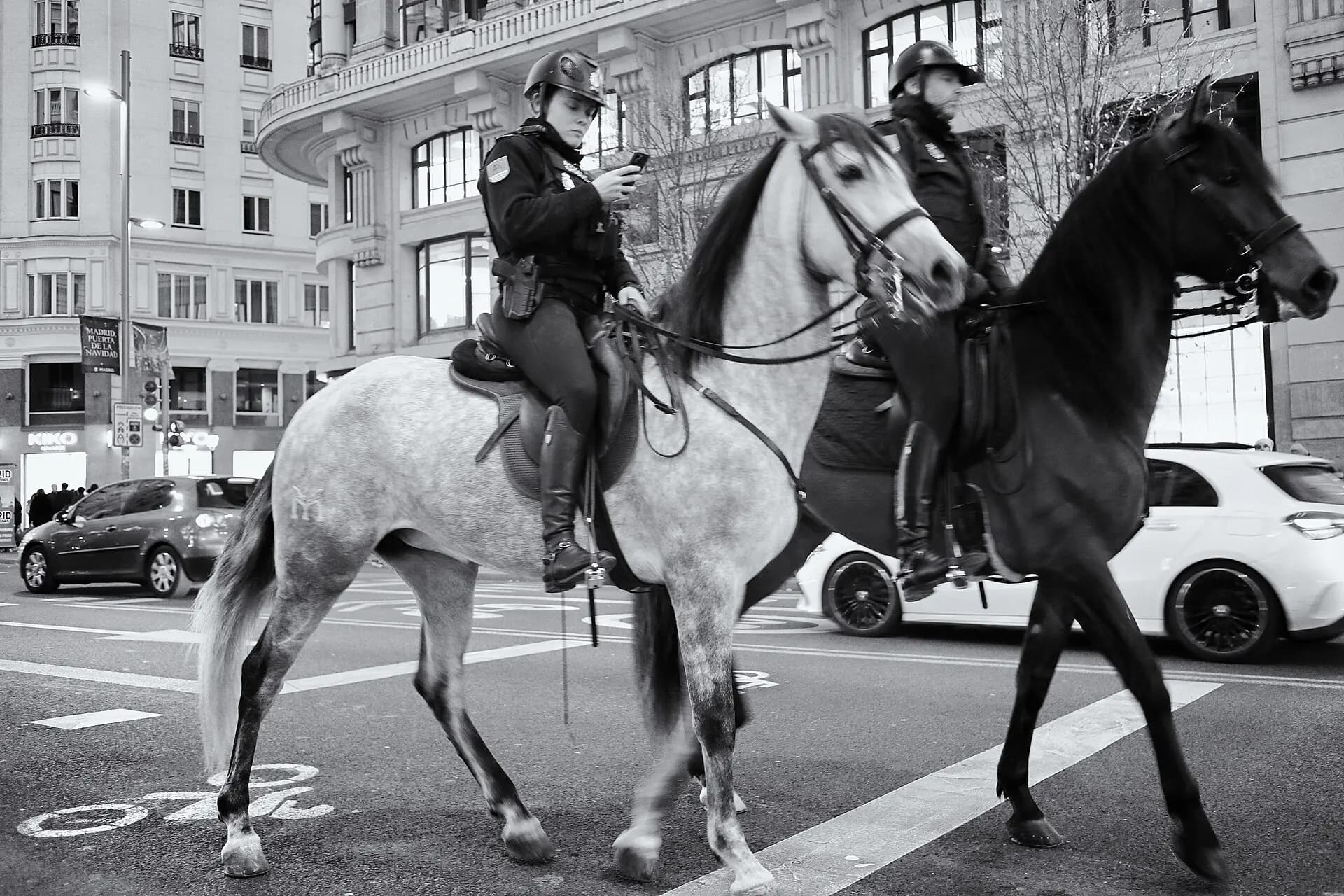
Stay in Barrio de las Letras for a first visit. It puts the Prado, the Reina Sofia and the Thyssen within a ten-minute walk, it is full of good restaurants, and it is quieter at night than Sol two streets away. Sol is the most convenient address in the city and the most crowded. Malasana and Chueca are where the nightlife is, Salamanca is the calm upmarket option, and Lavapies is the best value in the centre.
Key takeaways
- First visit: Barrio de las Letras, close to the museums without Sol's crowds.
- Ask for a room facing the interior patio. Street-facing rooms in the centre get noise until two or three in the morning.
- Almost everything central is walkable, and the metro handles the rest, so you do not need to pay for the most central address.
- August is hot and half the city closes. Rooms are cheap for a reason.
Madrid neighborhoods at a glance
The best areas to stay in Madrid, compared for vibe, price and who each suits.
| Area | Best for | Price | In a word |
|---|---|---|---|
| Barrio de las Letras | first timers, food | $$ | The museums on your doorstep and dinner downstairs |
| Sol and Barrio de los Austrias | first timers, sightseeing | $$ | Kilometre zero, every metro line, and crowds all day |
| Malasana | nightlife, food | $$ | Independent shops by day, packed bars by night |
| Chueca | nightlife, food | $$ | Madrid's LGBT+ heart, and its best market lunch |
| La Latina | food, nightlife | $$ | The tapas crawl you actually came for |
| Salamanca | luxury, families | $$$ | Wide streets, good sleep, serious shopping |
| Lavapies | budget, food | $ | The most interesting food in the city for the least money |
- Free cancellation on most rooms
- No booking fee
- Prices on Trip.com
Best areas to stay in Madrid
Ranked best-first, with the vibe, who it suits and an honest catch for each. Tap a filter to match an area to your trip.
Find your area - what matters most?
All 7 areas in Madrid, best first.
Barrio de las Letras
$$ · Mid-rangeThe museums on your doorstep and dinner downstairs
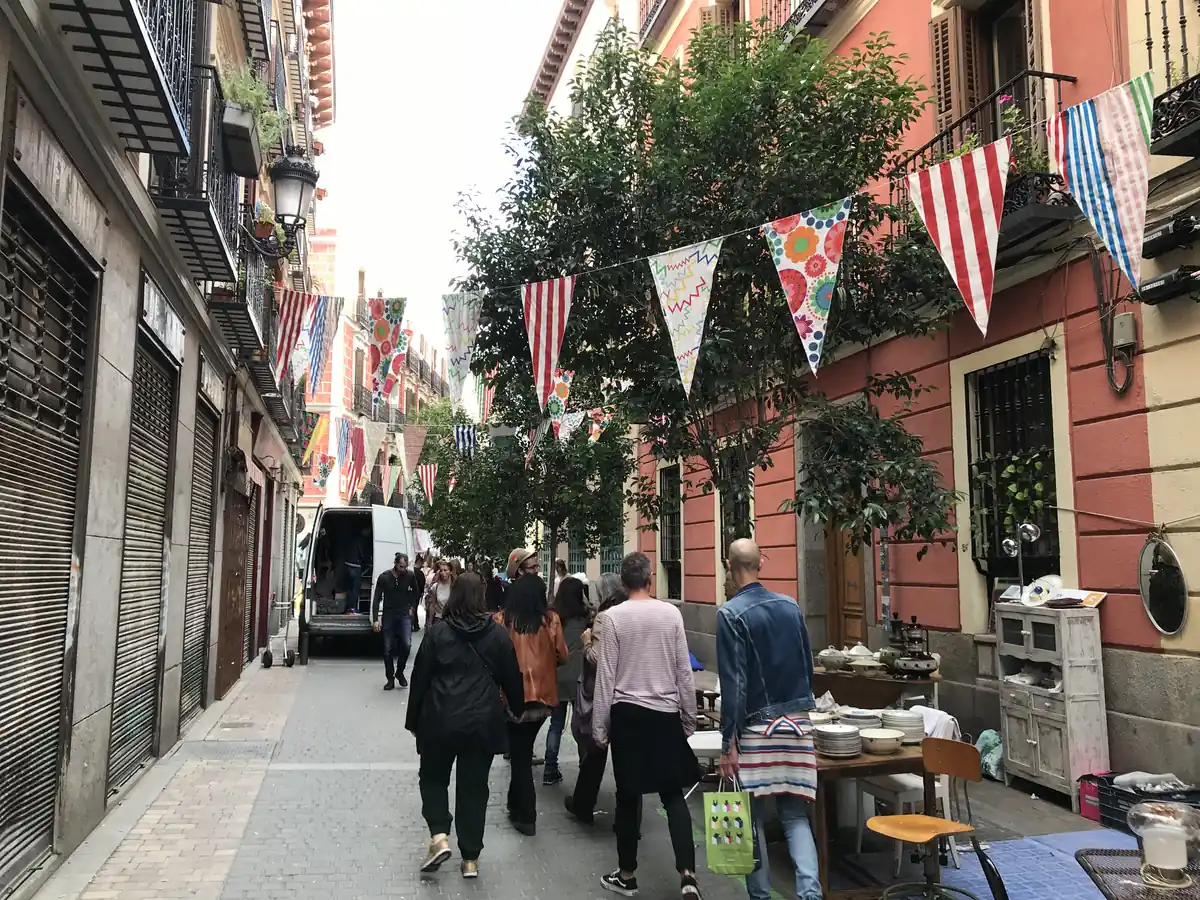
Best for:First-timersFood & wineSightseeingThe old literary quarter between Sol and the Paseo del Prado, where Cervantes and Lope de Vega lived and their names are set into the paving. The three great museums are a short flat walk east, the restaurants are genuinely good rather than tourist traps, and the streets are narrow enough to feel like a neighbourhood.
- Good to know
- Good to know: Calle Huertas and Calle de las Huertas run loud at weekends, so pick a side street if you are a light sleeper. It is the best all-round compromise in Madrid and prices reflect that, though it is still cheaper than the equivalent in Barcelona.
Sol and Barrio de los Austrias
$$ · Mid-rangeKilometre zero, every metro line, and crowds all day
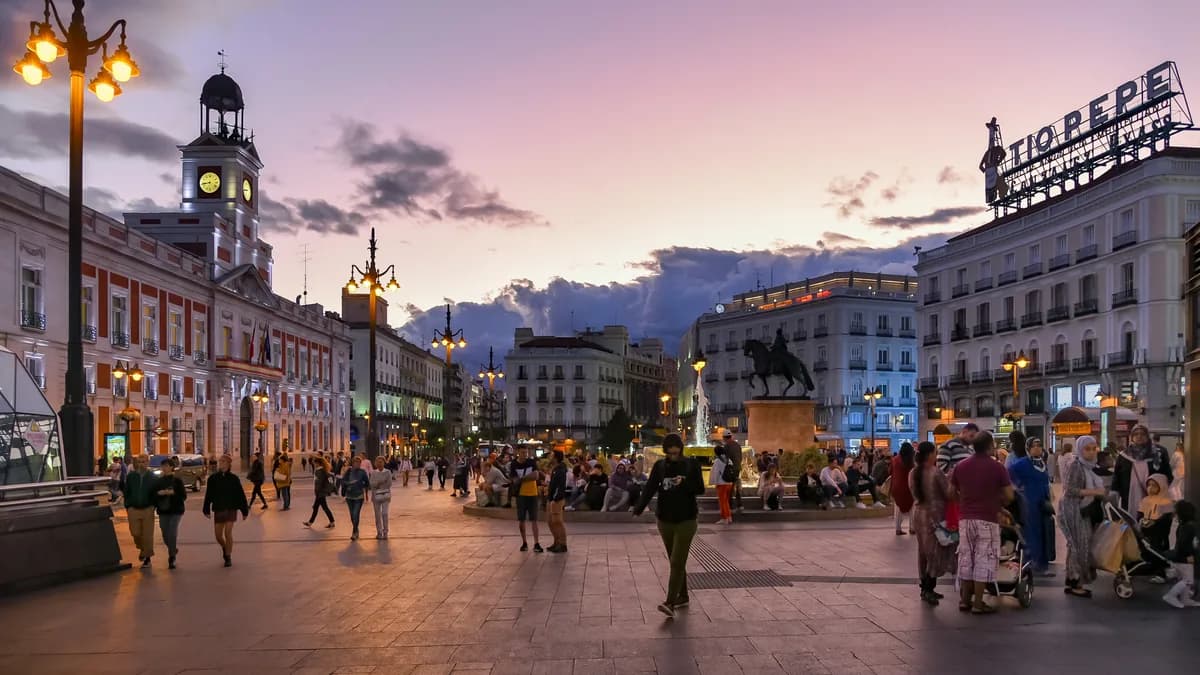
Best for:First-timersSightseeingShoppingThe commercial and geographic centre, taking in Puerta del Sol, Plaza Mayor and the streets running down to the Royal Palace. Multiple metro lines meet here, Gran Via is a two-minute walk, and you can reach most of what you came to see on foot.
- Good to know
- Good to know: It is the busiest part of the city from morning until well past midnight, and the restaurants immediately around Plaza Mayor charge tourist prices for mediocre food. Convenient rather than charming. Walk five minutes in any direction for better dinner.
Malasana
$$ · Mid-rangeIndependent shops by day, packed bars by night
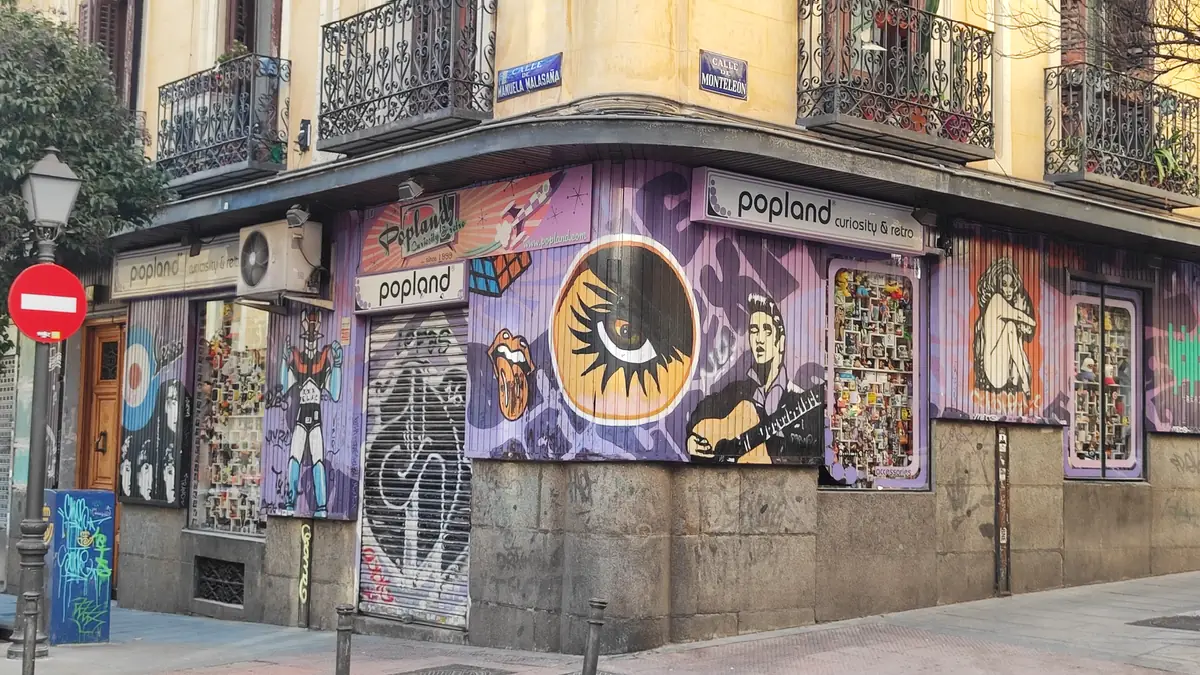
Best for:NightlifeFood & wineBudgetNorth of Gran Via around Plaza del Dos de Mayo, the neighbourhood that gave Madrid its counterculture in the eighties and now runs on vintage shops, speciality coffee and small bars. Calle Fuencarral on its eastern edge is the city's best street for browsing.
- Good to know
- Good to know: This is the loudest option on the list. The plaza fills with people drinking outdoors until very late, especially Thursday to Saturday, and the noise carries. Wonderful if you want to be in it, difficult if you want to sleep before one.
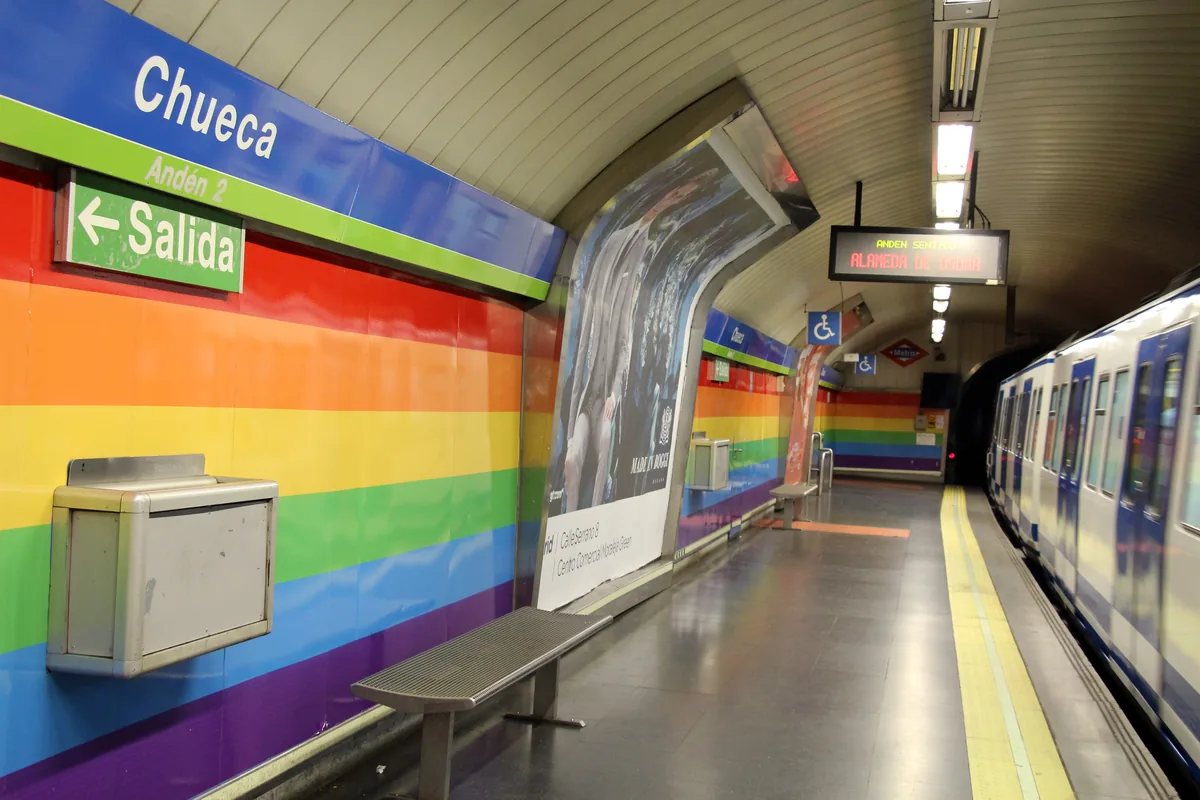
Chueca
$$ · Mid-rangeMadrid's LGBT+ heart, and its best market lunch
Best for:NightlifeFood & wineShoppingEast of Malasana and just as central, Chueca is the city's LGBT+ district and one of its most sociable. Mercado de San Anton does a good lunch, the restaurants are strong, and the streets stay busy without feeling threatening at any hour.
- Good to know
- Good to know: Busy and loud at weekends, and rates jump hard during Pride at the start of July, when the whole neighbourhood becomes the venue. Book months ahead for those dates or stay elsewhere.
La Latina
$$ · Mid-rangeThe tapas crawl you actually came for
Best for:Food & wineNightlifeSightseeingSouth-west of Plaza Mayor, built around Cava Baja, a single street with more good tapas bars on it than most cities manage in total. Sundays bring El Rastro, the sprawling flea market, and the neighbourhood turns into one long vermouth session afterwards.
- Good to know
- Good to know: Sunday is glorious and completely impassable. If you are arriving with luggage on a Sunday morning, get out at a different metro stop and approach from the north. Fewer hotels here than elsewhere, so more of the stock is apartments.
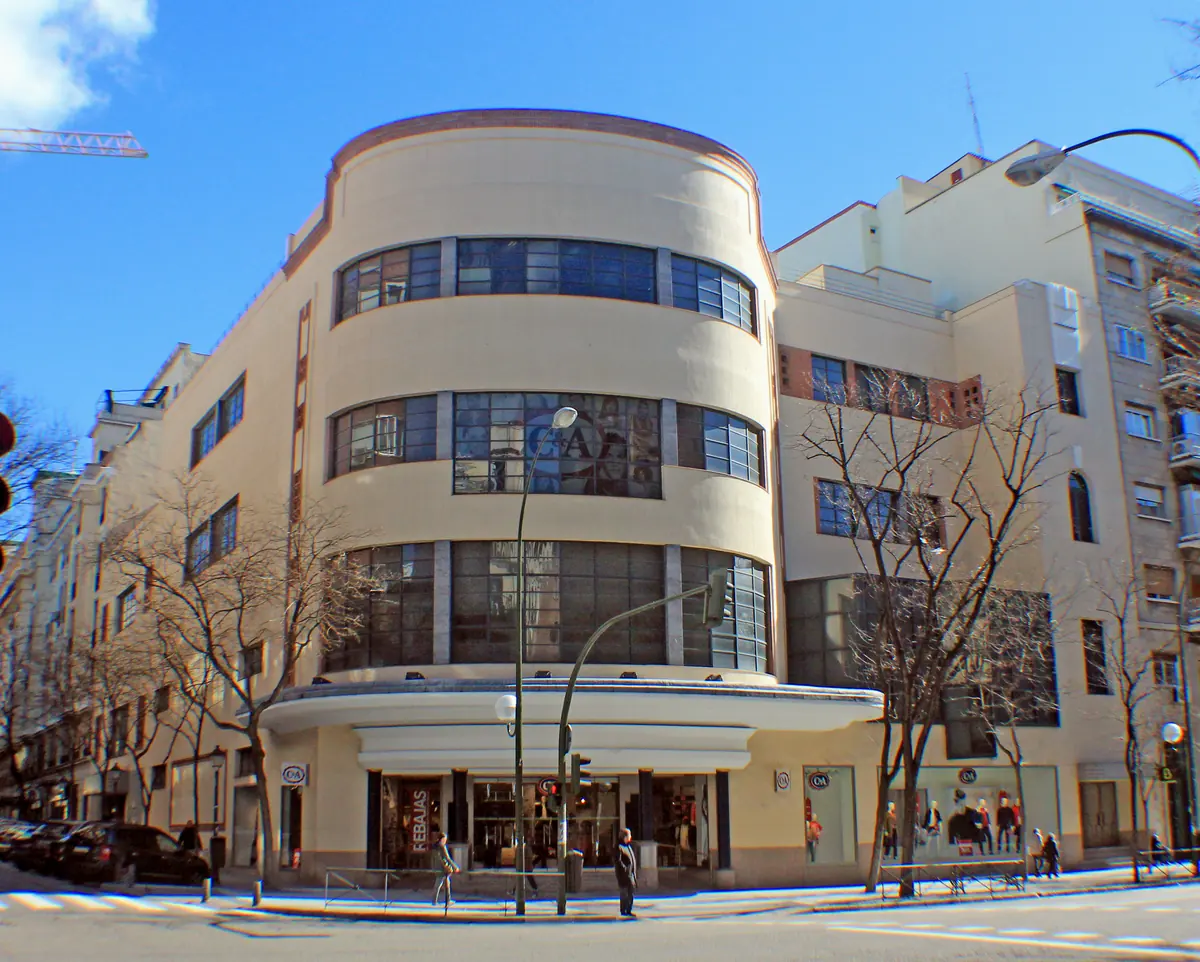
Salamanca
$$$ · High-endWide streets, good sleep, serious shopping
Best for:LuxuryFamiliesShoppingThe grid east of the Retiro, built in the nineteenth century for people with money and still doing that job. Calle Serrano and the streets around it hold the designer shops, the pavements are wide, the buildings are elegant, and it is noticeably quieter at night than anywhere central.
- Good to know
- Good to know: The trade-off is atmosphere. Salamanca is calm to the point of being sleepy after dark and the restaurants are pricier for what you get. Good for families, light sleepers and anyone who wants a real night's rest, less good if you want to walk home past something interesting.
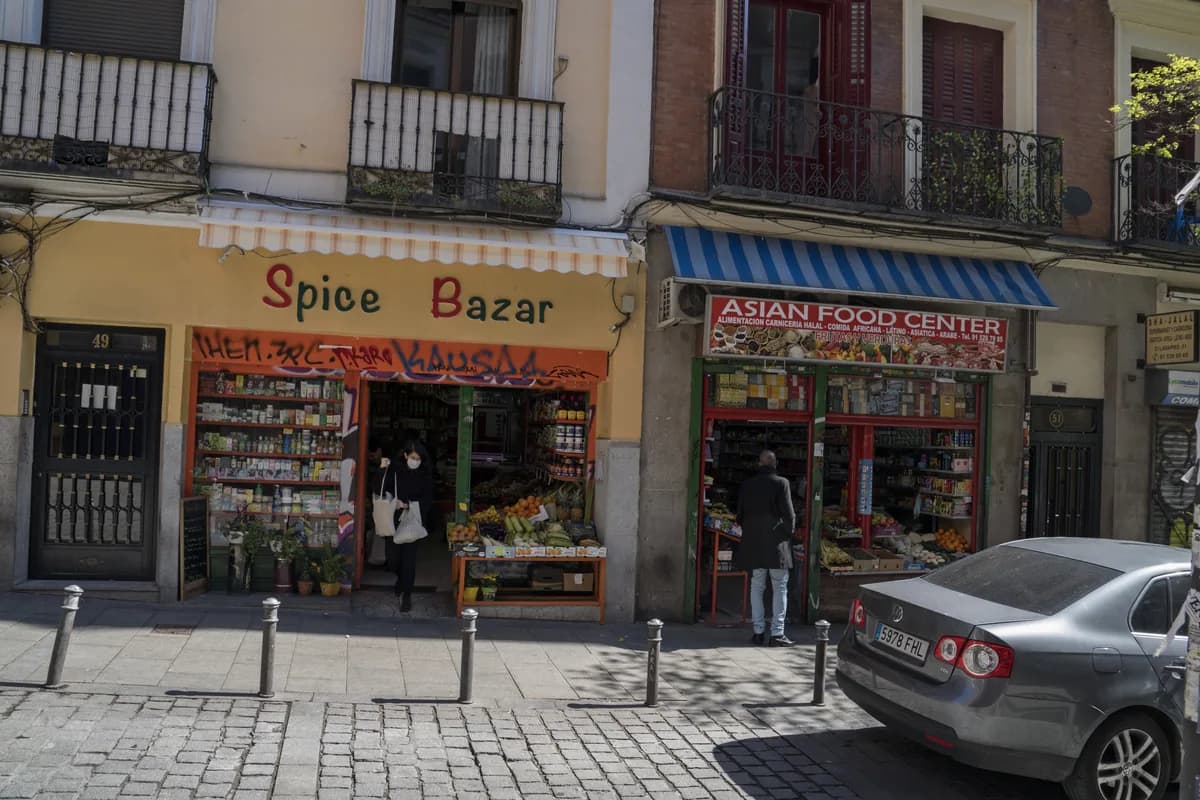
Lavapies
$ · BudgetThe most interesting food in the city for the least money
Best for:BudgetFood & wineFirst-timersSouth of Barrio de las Letras and downhill from everything, Lavapies is the most mixed neighbourhood in central Madrid, with Indian, Senegalese, Moroccan and Bangladeshi kitchens alongside old Spanish bars. It is ten to fifteen minutes' walk to Sol and the Reina Sofia sits on its northern edge.
- Good to know
- Good to know: Scruffier than the rest of the list, and the hill back up is real. It is safe to walk at night on the main streets, but it is the one area where you should look at the specific address rather than the neighbourhood name. The value is genuine.
Where not to stay in Madrid
No central Madrid neighbourhood is dangerous, and the common warnings about Lavapies say more about how it looks than how it is. The real mistakes are different. Booking a street-facing room in Sol, Malasana or Chueca without asking about noise will cost you sleep, because Madrid genuinely does not quieten down until two or three. Booking near Atocha or Chamartin because it is close to the station is a poor trade unless you have an early train, since both sit outside the walkable core and the metro reaches them in minutes anyway. And booking in August to save money means arriving to a city at forty degrees with a good share of its restaurants shut for the month. Pickpocketing around Sol, Gran Via and on the metro at rush hour is the one everyday risk worth being alert to.
Getting around Madrid
Madrid-Barajas airport connects to the centre on metro line 8 to Nuevos Ministerios in about fifteen minutes, with an airport supplement on top of the normal fare, or on the 203 Express bus that runs to Atocha through the night. The metro itself is the best in Spain: twelve lines, trains every few minutes, and a flat cheap fare across the central zone. The centre is flat enough to cross on foot in half an hour, which is how most people end up getting around. Atocha handles high-speed trains south and east, so Seville is two and a half hours and Barcelona around two and a half, while Chamartin covers the north. You will not want a car, and parking in the centre is restricted to residents in most streets.
Where to stay in Madrid: FAQ
The questions travelers ask most when choosing an area.
Where to stay in other cities
Continue Planning Your Trip
Things to Do
Ranked attractions, tips and how to book tickets
Car Rental
Real prices, driving tips and the best routes by destination
Airport Transfers
Getting from the airport to your hotel, by price and time
All-Inclusive Guides
What all-inclusive really means, by destination
Best Time to Visit
Month-by-month weather, crowds and prices
Route Finder
Find the cheapest way to get there
Hotel Finder
Book the right hotel for your destination
AI Trip Planner
Build a day-by-day itinerary
Photo credits (6)
Photos via Wikimedia Commons, used under their respective licences.
- Barrio de las Letras: Triplecaña - CC BY-SA 4.0 · source
- Sol and Barrio de los Austrias: Jorge Franganillo - CC BY 2.0 · source
- Malasana: Mentxuwiki - CC BY-SA 4.0 · source
- Chueca: Fred Romero from Paris, France - CC BY 2.0 · source
- Salamanca: Luis García ( Zaqarbal ) - CC BY-SA 3.0 es · source
- Lavapies: Nemo - CC BY-SA 4.0 · source