In Brief
Where should you stay in Verona?
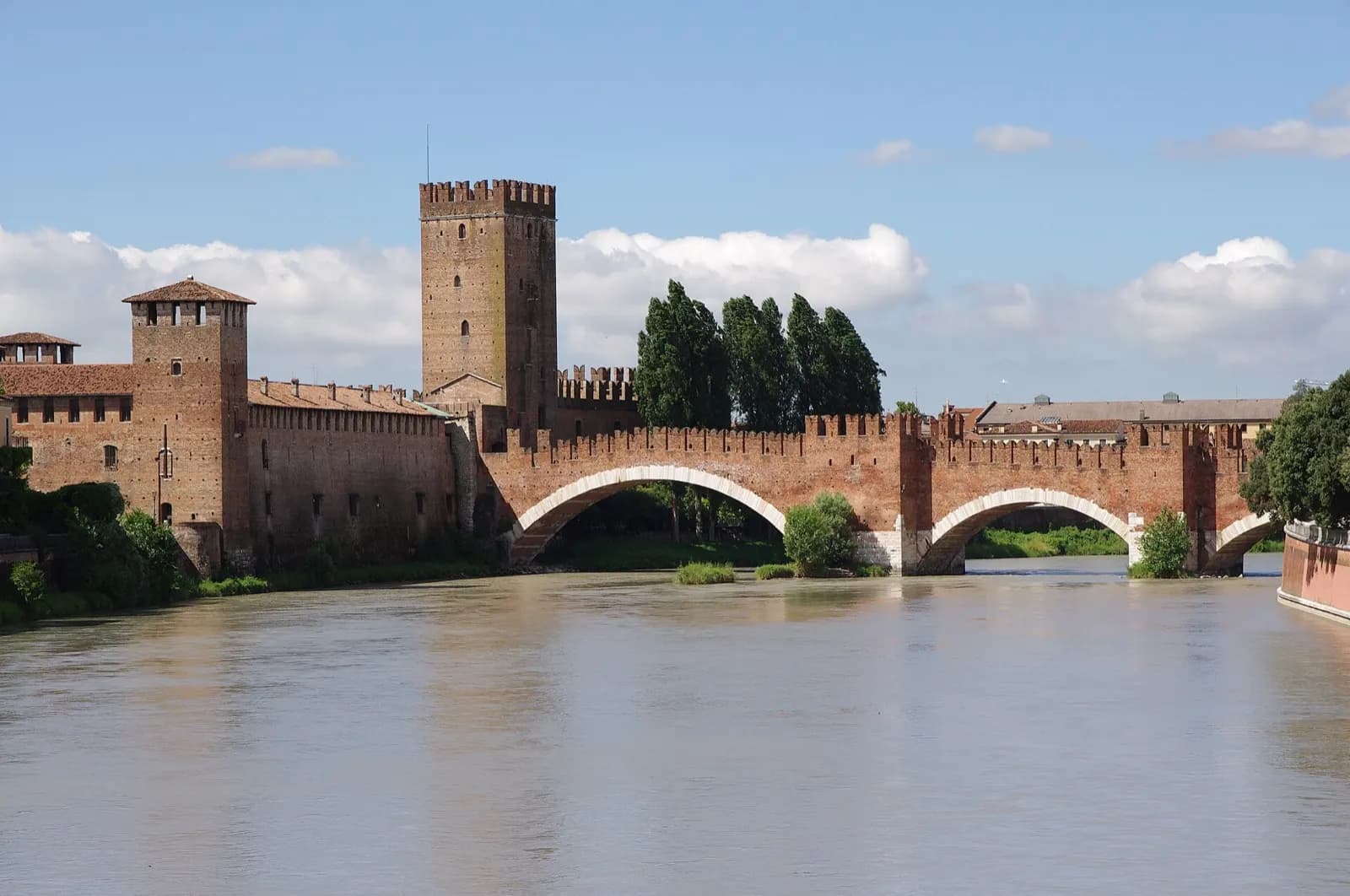
Stay in the Centro Storico for a first visit - the Arena, Piazza delle Erbe, Juliet's House and Castelvecchio are all within a fifteen-minute walk, and you will not need transport at all. Veronetta across the river is cheaper and more local, Borgo Trento is the quiet residential option, and the Porta Nuova station area suits rail trips to Venice or Milan. Book far ahead for opera season, June to early September, when prices climb and rooms disappear.
Key takeaways
- First visit: Centro Storico, but a few streets back from Piazza Bra if you want quiet on opera nights.
- Opera season runs June to early September - performances finish after midnight and the crowds spill out.
- Veronetta, across the Adige, is 5-10 minutes' walk and noticeably cheaper for both rooms and dinner.
- Vinitaly in April fills the entire city; book months ahead or avoid those dates.
Verona neighborhoods at a glance
The best areas to stay in Verona, compared for vibe, price and who each suits.
| Area | Best for | Price | In a word |
|---|---|---|---|
| Centro Storico | first timers, sightseeing | $$ | The Arena, the piazzas and everything else on foot |
| Veronetta | budget, nightlife | $ | Across the river, student energy, the best value in town |
| Borgo Trento | families, romance | $$ | Leafy, residential and calm, ten minutes north |
| Porta Nuova (station area) | budget, first timers | $ | Practical modern hotels for rail trips and one-nighters |
| Citta Antica (around Piazza delle Erbe) | romance, food | $$$ | The prettiest lanes, the liveliest evenings |
| San Zeno | budget, sightseeing | $ | Quiet old quarter around a great Romanesque basilica |
| Valpolicella hills | romance, luxury | $$$ | Vineyard agriturismi twenty minutes out, car needed |
- Free cancellation on most rooms
- No booking fee
- Prices on Trip.com
Best areas to stay in Verona
Ranked best-first, with the vibe, who it suits and an honest catch for each. Tap a filter to match an area to your trip.
Find your area - what matters most?
All 7 areas in Verona, best first.
Centro Storico
$$ · Mid-rangeThe Arena, the piazzas and everything else on foot
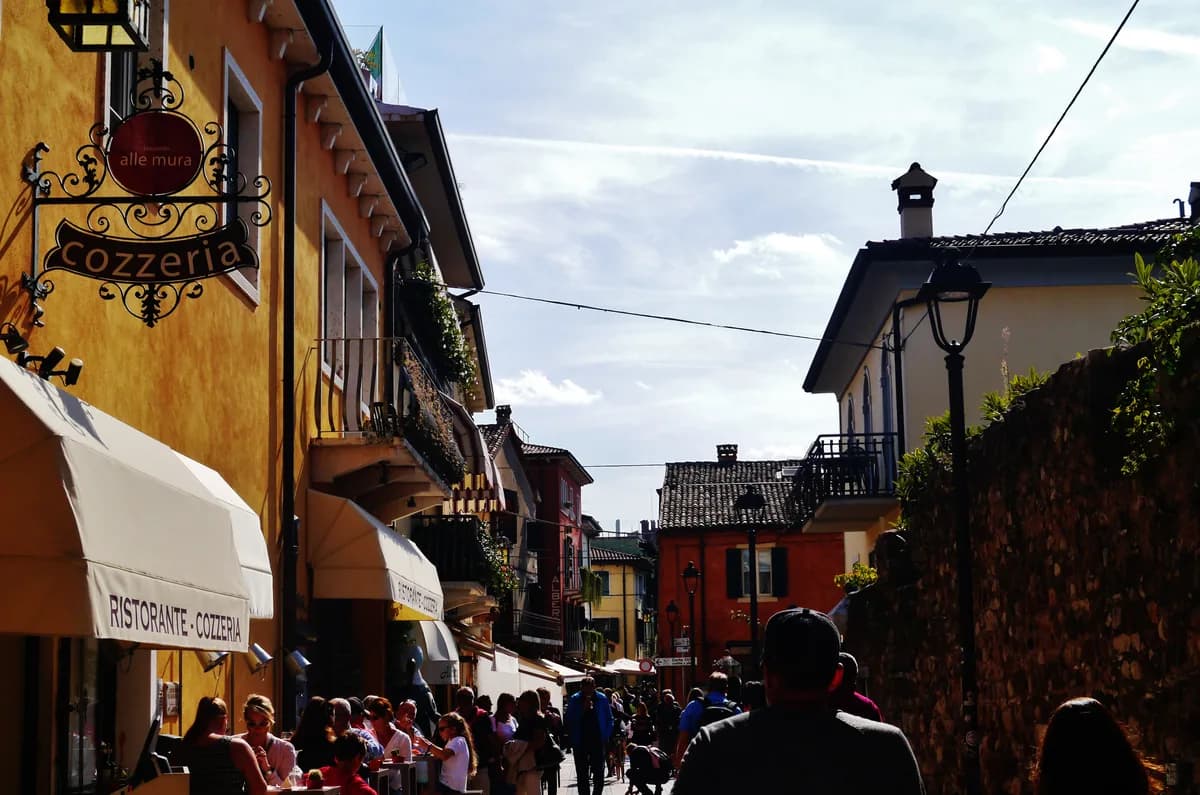
Best for:First-timersSightseeingRomanceThe historic core inside the river bend, taking in Piazza Bra and the Roman Arena, Piazza delle Erbe, Juliet's House and Castelvecchio. It is flat, largely pedestrianised and small, so you walk everywhere and never touch a bus.
- Good to know
- Good to know: Rooms directly on Piazza Bra pay a heavy premium and get the full noise of opera nights, when performances end after midnight. Book a side street a few minutes back for the same walkability at a lower price and a quieter night.
Veronetta
$ · BudgetAcross the river, student energy, the best value in town
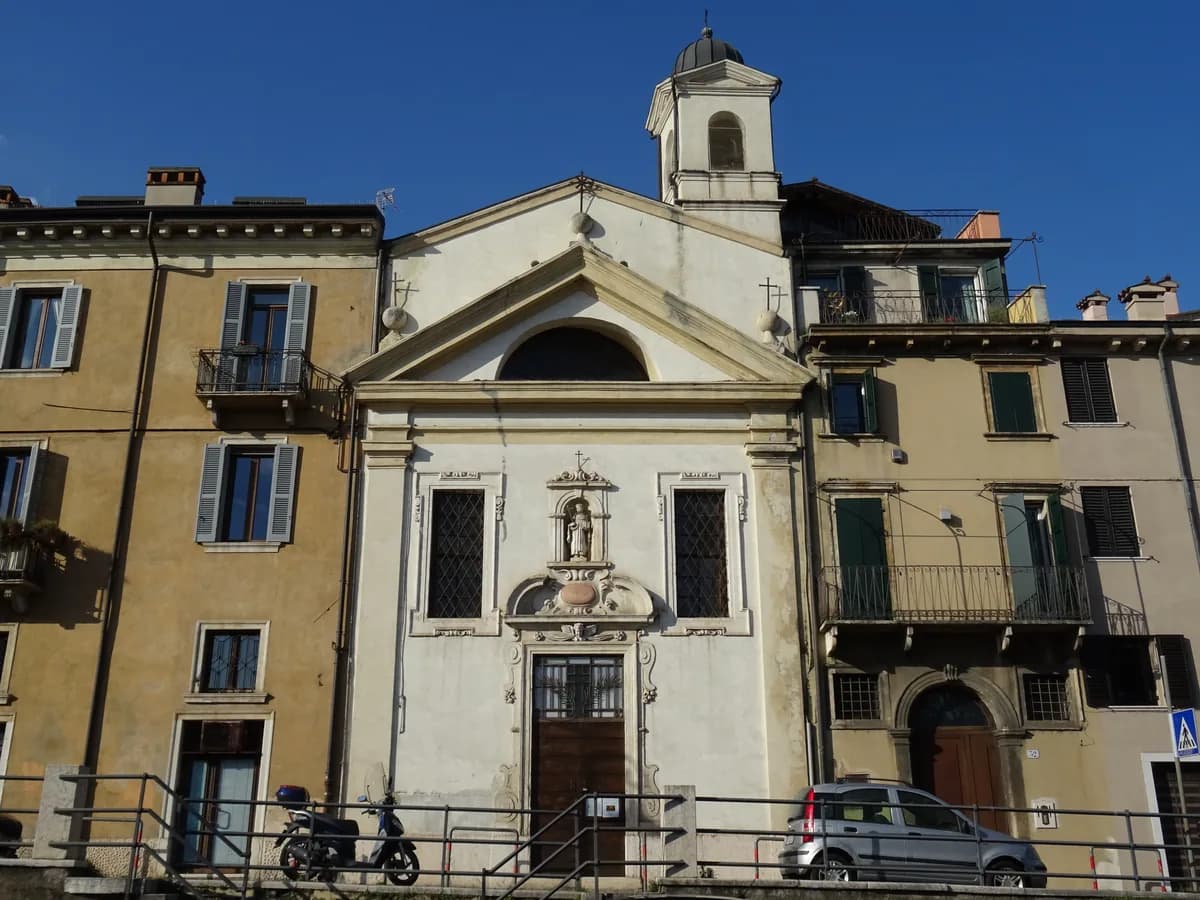
Best for:BudgetNightlifeFood & wineThe university quarter on the east bank of the Adige, five to ten minutes' walk from Piazza delle Erbe over Ponte Nuovo. Cheap osterie, aperitivo bars full of students, and the climb up to the Roman Theatre and Castel San Pietro starts here.
- Good to know
- Good to know: Less polished than the centre and busier with traffic on the main roads, but the price gap is real and the food is better value. Lively rather than raucous on weeknights during term.
Borgo Trento
$$ · Mid-rangeLeafy, residential and calm, ten minutes north
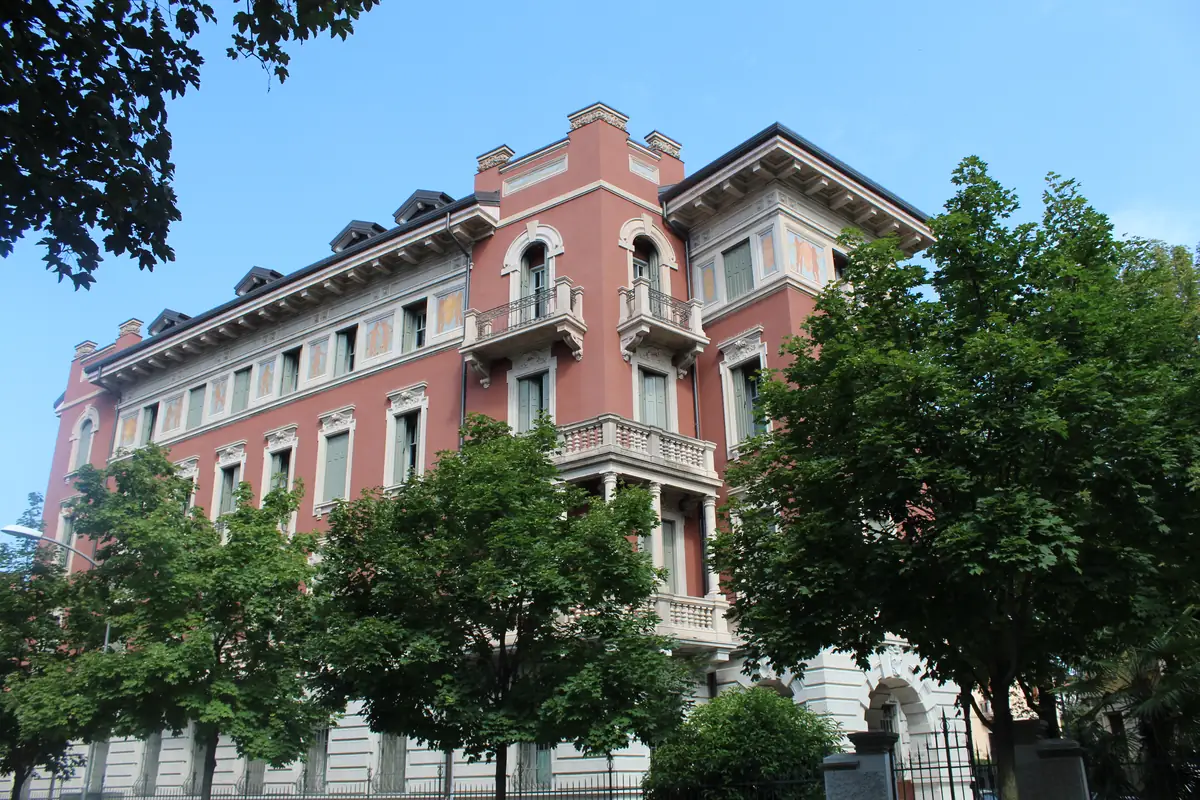
Best for:FamiliesRomanceLuxuryA smart residential district just north of the centre along the river, with tree-lined streets, quiet cafes and a genuinely local feel. About a fifteen-minute riverside walk into the old town.
- Good to know
- Good to know: Very little happens here in the evening, which is exactly the appeal for some and the drawback for others. Good if you are driving, since parking is far easier than inside the centre.
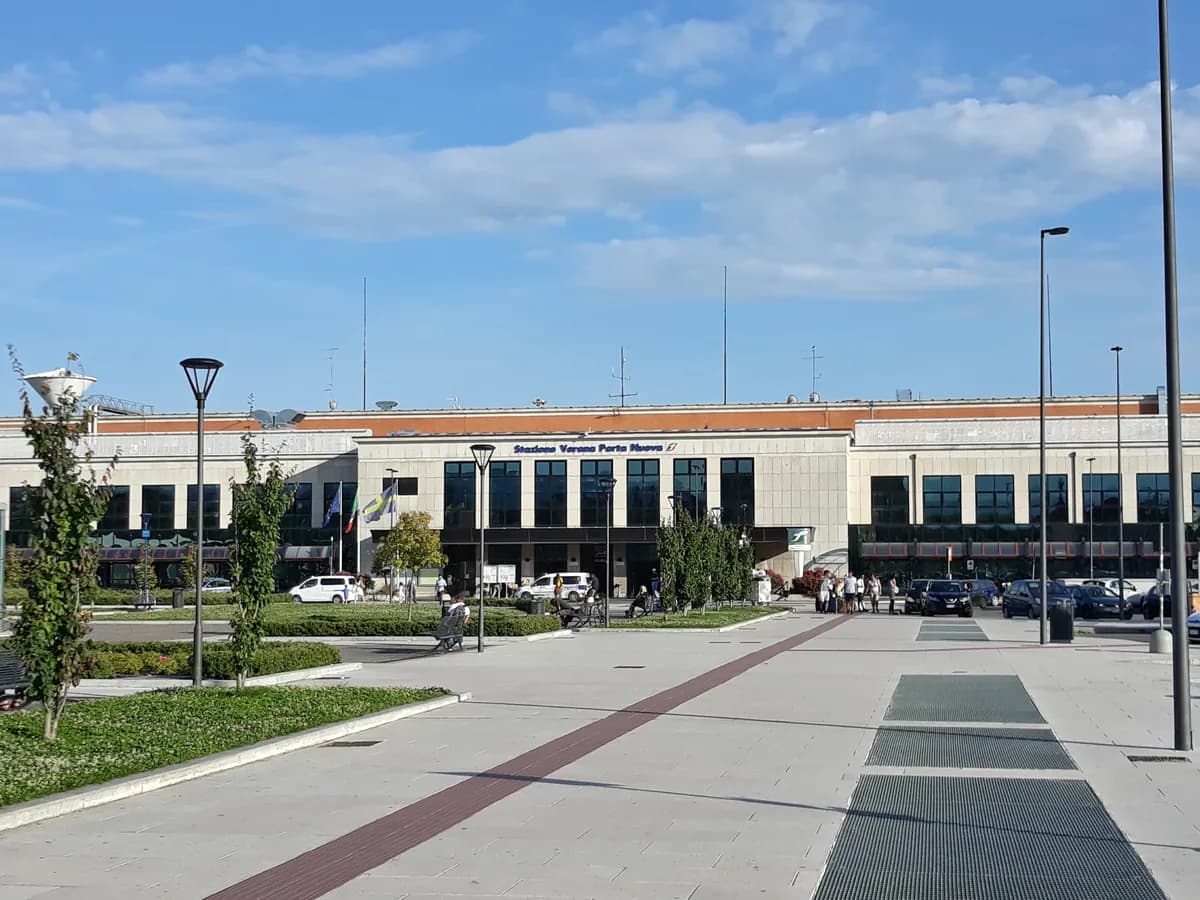
Porta Nuova (station area)
$ · BudgetPractical modern hotels for rail trips and one-nighters
Best for:BudgetFirst-timersFamiliesThe blocks around Verona Porta Nuova station, where most of the city's chain and business hotels sit. Trains reach Venice in about fifty minutes and Milan in seventy, and the airport shuttle stops here.
- Good to know
- Good to know: About a twenty-minute walk or a short bus to Piazza Bra, and short on charm. The right call if you are using Verona as a base for northern Italy, arriving late, or travelling with luggage.
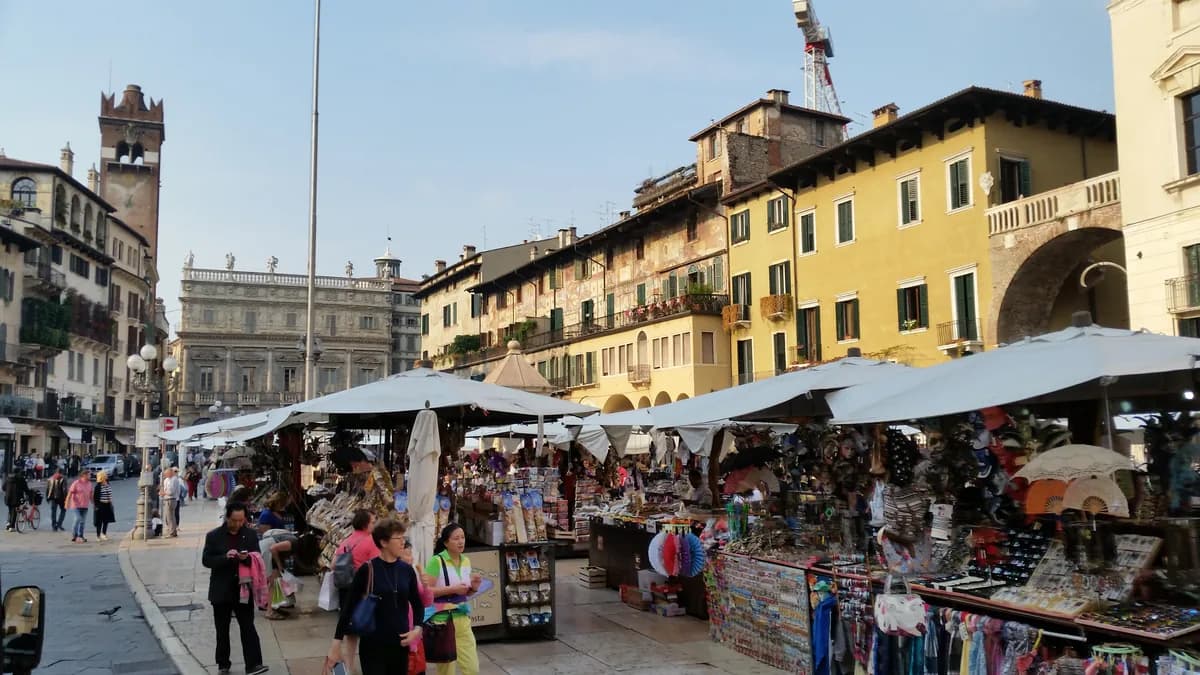
Citta Antica (around Piazza delle Erbe)
$$$ · High-endThe prettiest lanes, the liveliest evenings
Best for:RomanceFood & wineNightlifeThe tangle of medieval streets between Piazza delle Erbe and the river, with frescoed facades, the market square and most of the good restaurants. It is the postcard Verona and the most atmospheric place to sleep.
- Good to know
- Good to know: The most expensive part of the city, and terraces around the piazza run late in summer. Buildings are old, so lifts are rare and rooms can be small - check both before booking.
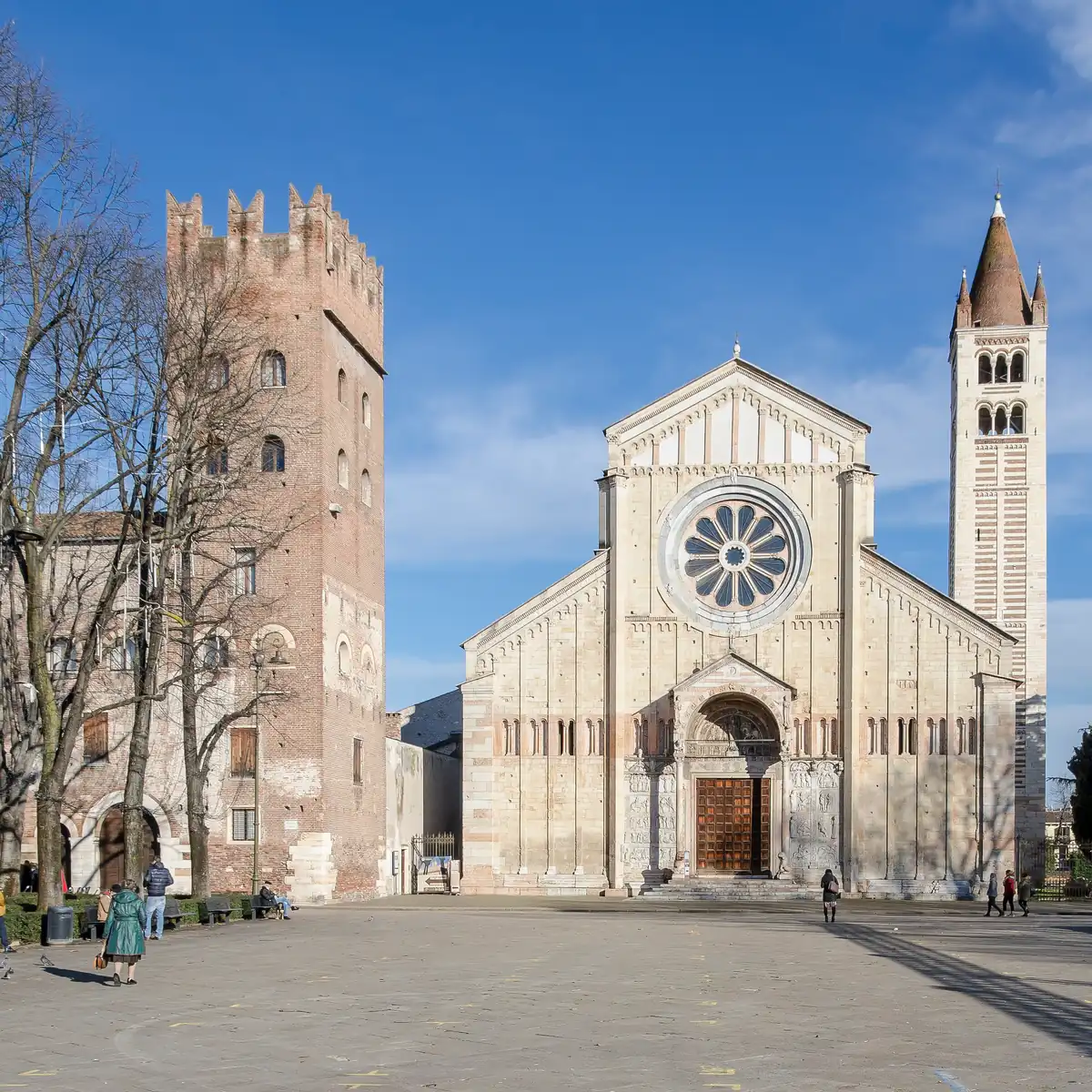
San Zeno
$ · BudgetQuiet old quarter around a great Romanesque basilica
Best for:BudgetSightseeingFamiliesWest of Castelvecchio around the Basilica di San Zeno, one of Italy's finest Romanesque churches. Residential, low-key and about fifteen minutes on foot from Piazza Bra, with local trattorias rather than tourist menus.
- Good to know
- Good to know: You give up a little convenience for a real neighbourhood and lower prices. Fewer hotels here and more apartments and B&Bs, so book earlier than you would in the centre.
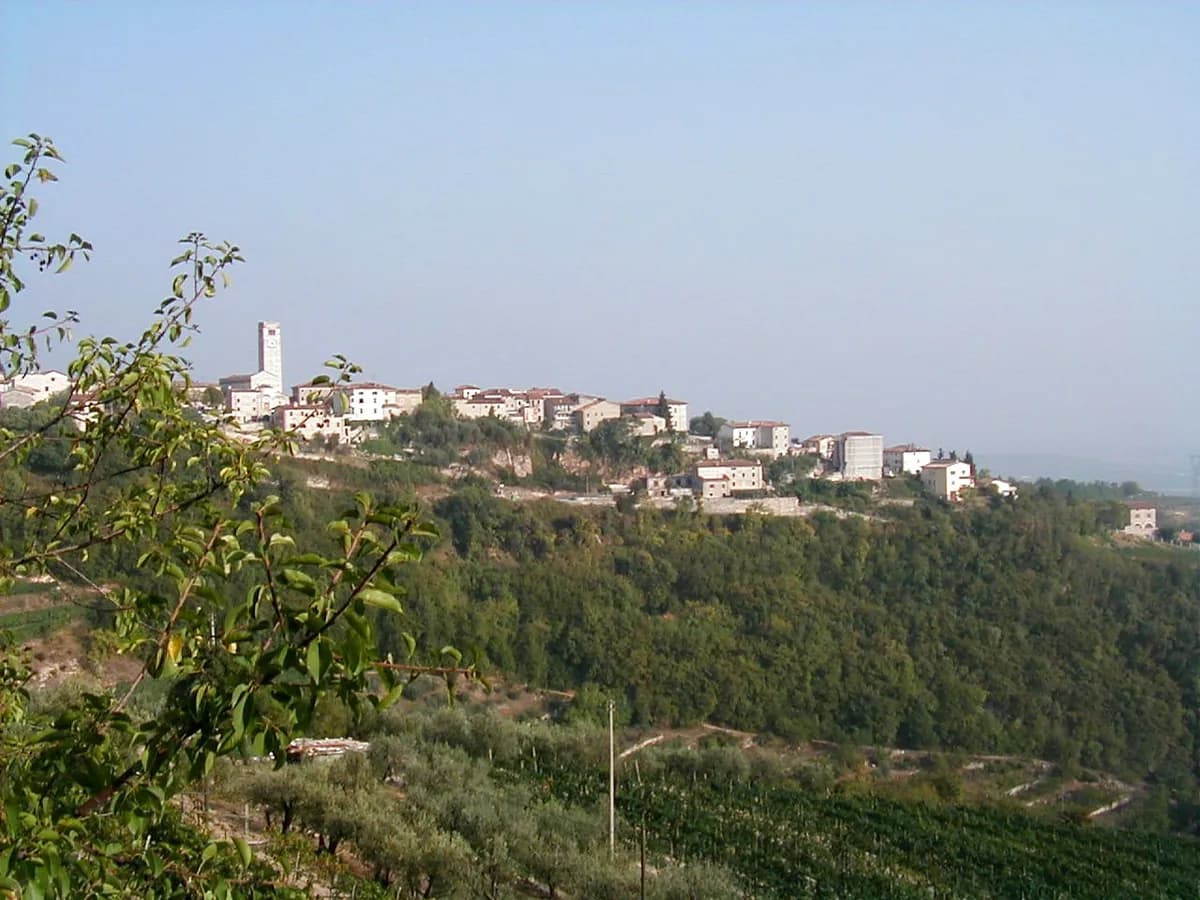
Valpolicella hills
$$$ · High-endVineyard agriturismi twenty minutes out, car needed
Best for:RomanceLuxuryFood & wineThe wine country north of the city, where Amarone is made, dotted with agriturismi and villa hotels among the vines. Twenty to thirty minutes' drive from Verona, with cellar visits on the doorstep.
- Good to know
- Good to know: You need a car, and someone has to stay sober for the drive back after tastings. Lovely for a night or two either side of the city rather than as a sightseeing base.
Where not to stay in Verona
No part of central Verona is unsafe or unpleasant to stay in. The two mistakes are timing and noise rather than geography. Booking a room facing Piazza Bra during opera season, June to early September, means crowds and traffic until well after midnight - stay a few streets back instead. And booking anything at all during Vinitaly in April without months of notice is close to impossible; the wine fair fills every hotel in the province and doubles rates. The station area is fine, just charmless, so treat it as a convenience choice rather than a place to experience the city from.
Getting around Verona
Verona Villafranca airport (VRN) is about fifteen minutes from Porta Nuova station on the Aerobus shuttle. The historic centre is flat, compact and mostly pedestrianised, so you walk: Porta Nuova to Piazza Bra takes around twenty minutes on foot or a few minutes by bus, and crossing the old town end to end takes about the same. The only climb is up to Castel San Pietro, and a funicular near the Roman Theatre handles that for a couple of euros. Fast trains put Venice about fifty minutes away, Milan seventy and Bologna an hour, which makes Verona an unusually good base for northern Italy.
Where to stay in Verona: FAQ
The questions travelers ask most when choosing an area.
Where to stay in other cities
Continue Planning Your Trip
Things to Do
Ranked attractions, tips and how to book tickets
Car Rental
Real prices, driving tips and the best routes by destination
Airport Transfers
Getting from the airport to your hotel, by price and time
All-Inclusive Guides
What all-inclusive really means, by destination
Best Time to Visit
Month-by-month weather, crowds and prices
Route Finder
Find the cheapest way to get there
Hotel Finder
Book the right hotel for your destination
AI Trip Planner
Build a day-by-day itinerary
Photo credits (7)
Photos via Wikimedia Commons, used under their respective licences.
- Centro Storico: Zairon - CC BY-SA 4.0 · source
- Veronetta: Syrio - CC BY-SA 4.0 · source
- Borgo Trento: Adert - CC BY-SA 4.0 · source
- Porta Nuova (station area): Adert - CC BY-SA 3.0 · source
- Citta Antica (around Piazza delle Erbe): Orledio - CC BY-SA 4.0 · source
- San Zeno: Own work - CC BY-SA 4.0 · source
- Valpolicella hills: Wikimedia Commons contributor - CC BY-SA 2.0 · source