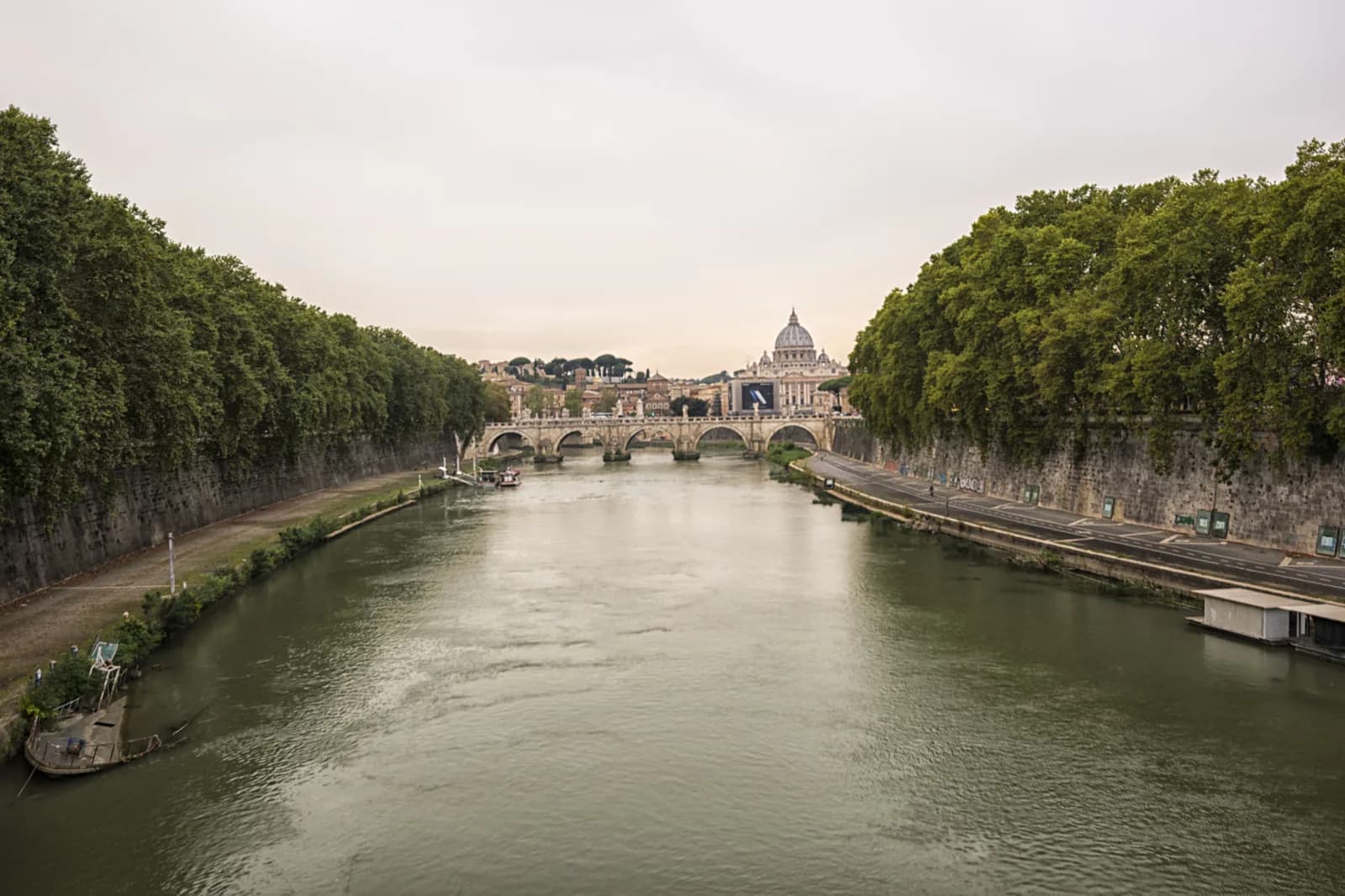
In Brief
What is the best area to stay in Rome?
For a first trip, stay in the Centro Storico (the historic centre) around the Pantheon, Piazza Navona and the Trevi Fountain - you'll walk to almost every major sight and step out into the action each morning. For a livelier, more local feel with great food and nightlife, choose Trastevere or Monti. For value near the transport hub, stay around Termini or in Prati near the Vatican. Avoid basing yourself far out in the suburbs on a short trip - Rome rewards being central.
Key takeaways
- Best for first-timers: Centro Storico - walk to the Pantheon, Trevi and Piazza Navona.
- Best for food & nightlife: Trastevere and Monti - cobbled lanes, trattorias, wine bars.
- Best for value & transport: around Termini station; Prati for calm near the Vatican.
- Most tourists stay in the Centro Storico - central, atmospheric, and priced for it.
Rome neighborhoods at a glance
The best areas to stay in Rome, compared for vibe, price and who each suits.
| Area | Best for | Price | In a word |
|---|---|---|---|
| Centro Storico | first timers, sightseeing | $$$ | The historic heart - walk to every big sight |
| Trastevere | food, nightlife | $$ | Cobbled lanes, trattorias and buzzing bars |
| Monti | food, nightlife | $$ | Boho-cool between the Colosseum and Termini |
| Prati / Vatican | families, first timers | $$ | Elegant, calm and handy for St Peter's |
| Spanish Steps / Tridente | luxury, shopping | $$$ | Designer shopping and grand hotels |
| Termini / Esquilino | budget, first timers | $ | Best value and every train and bus |
| Testaccio | food, budget | $ | The real Roman-food neighborhood |
- Free cancellation on most rooms
- No booking fee
- Prices on Trip.com
Best areas to stay in Rome
Ranked best-first, with the vibe, who it suits and an honest catch for each. Tap a filter to match an area to your trip.
Find your area - what matters most?
All 7 areas in Rome, best first.
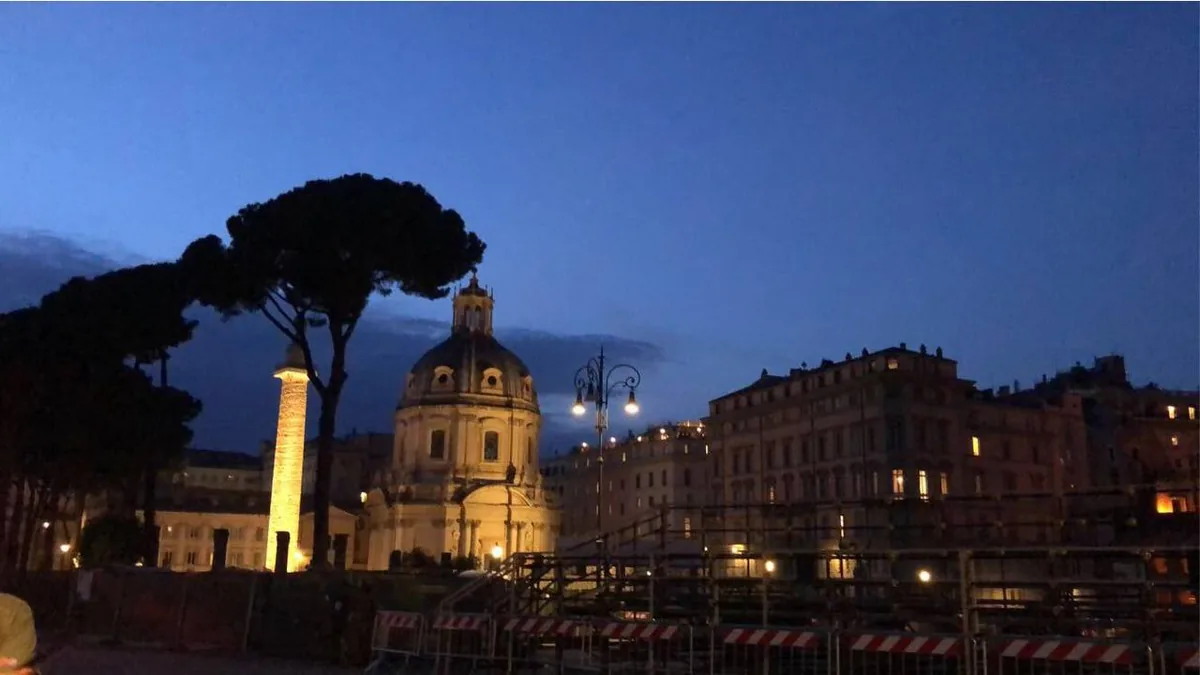
Centro Storico
$$$ · High-endThe historic heart - walk to every big sight
Best for:First-timersSightseeingRomanceLuxuryThe tangle of lanes around the Pantheon, Piazza Navona and the Trevi Fountain. You're in the middle of everything, stepping out of your hotel straight into piazzas and gelato. It's the most atmospheric - and priciest - base, and it's where most first-time visitors stay for good reason.
- Good to know
- Good to know: Rooms are small and prices high for what you get; book early, and expect some late-night noise near the busiest piazzas.
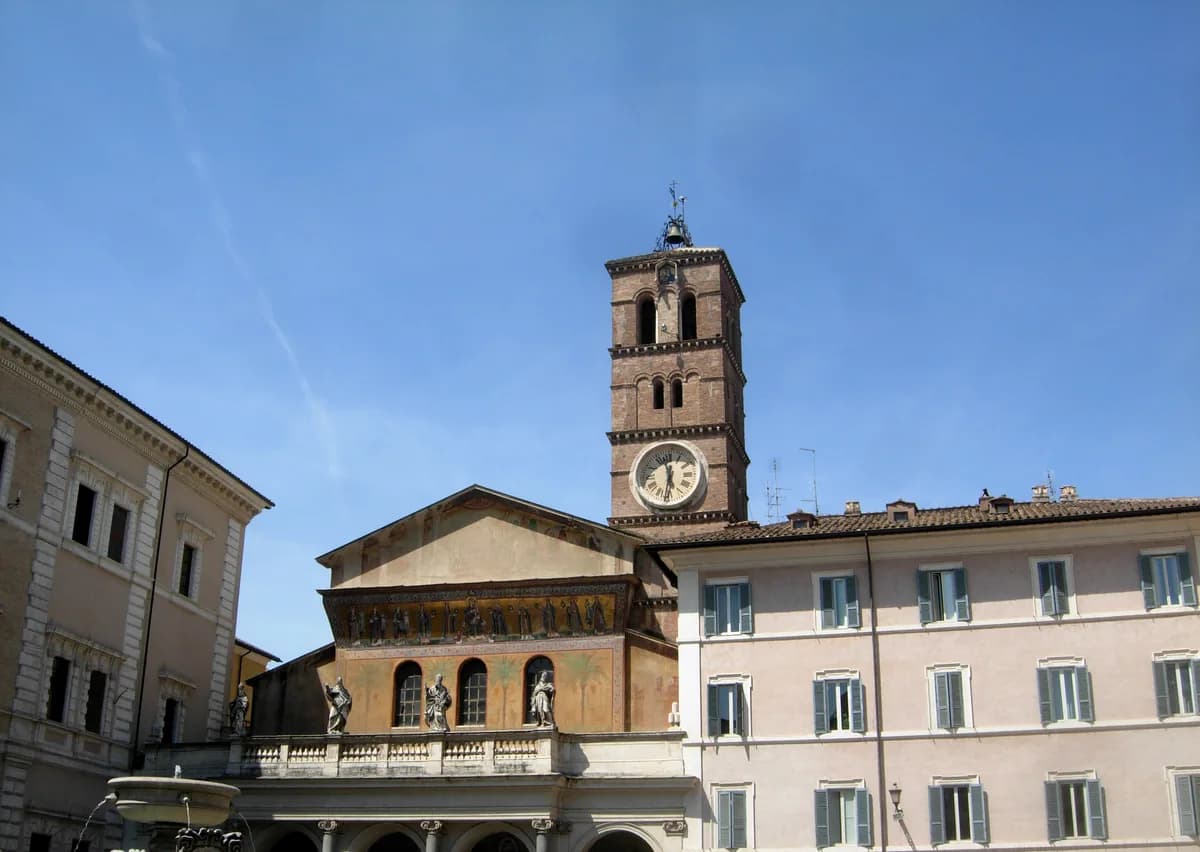
Trastevere
$$ · Mid-rangeCobbled lanes, trattorias and buzzing bars
Best for:Food & wineNightlifeRomanceFirst-timersA photogenic maze of ivy-draped alleys, medieval churches and some of the city's best trattorias and wine bars. By day it's charming and calm; by night it's Rome's liveliest quarter. A short walk over the river from the Centro Storico, so you keep the central feel with more local character.
- Good to know
- Good to know: The nightlife that makes it fun also makes it loud - pick a street away from the main bar squares if you're a light sleeper.
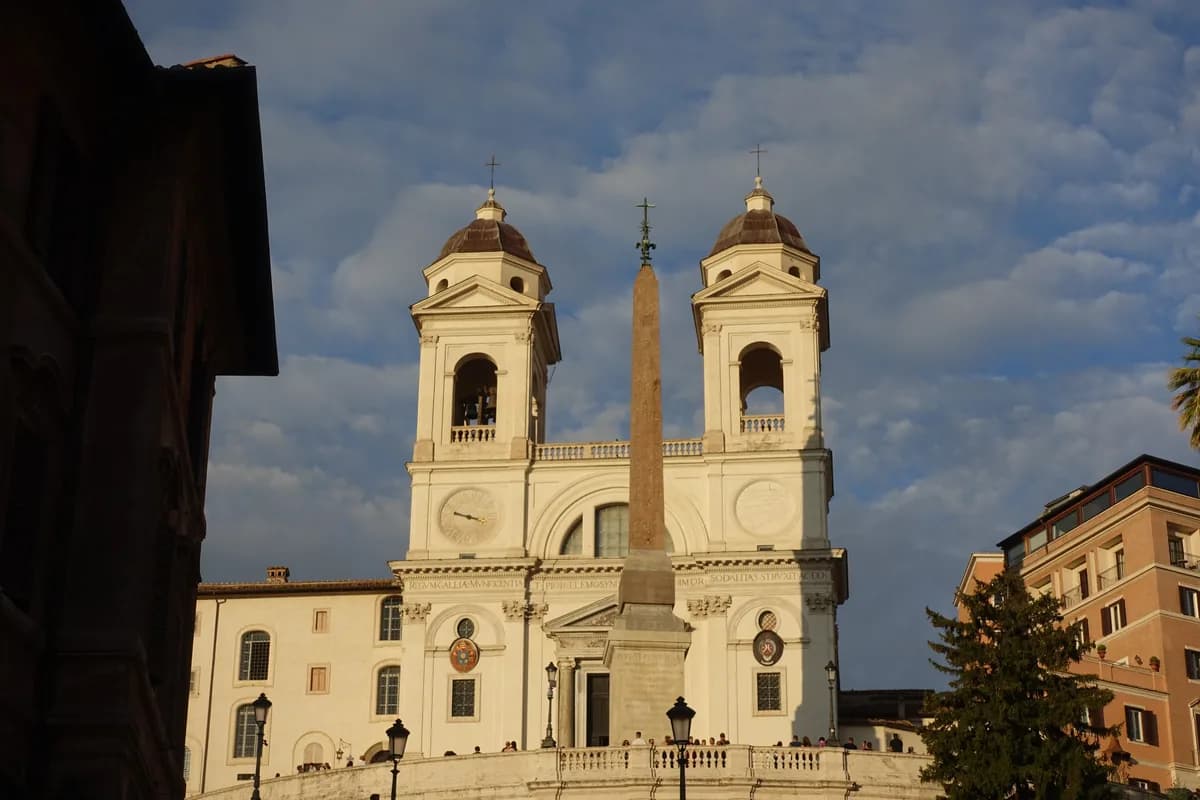
Monti
$$ · Mid-rangeBoho-cool between the Colosseum and Termini
Best for:Food & wineNightlifeShoppingSightseeingRome's original quarter reinvented as its most stylish - vintage boutiques, natural-wine bars and buzzy little restaurants, all a few minutes' walk from the Colosseum and the Roman Forum. Central and characterful without the Centro Storico price tag.
- Good to know
- Good to know: It's compact and hilly, and the coolest spots book out - reserve dinner ahead on weekends.
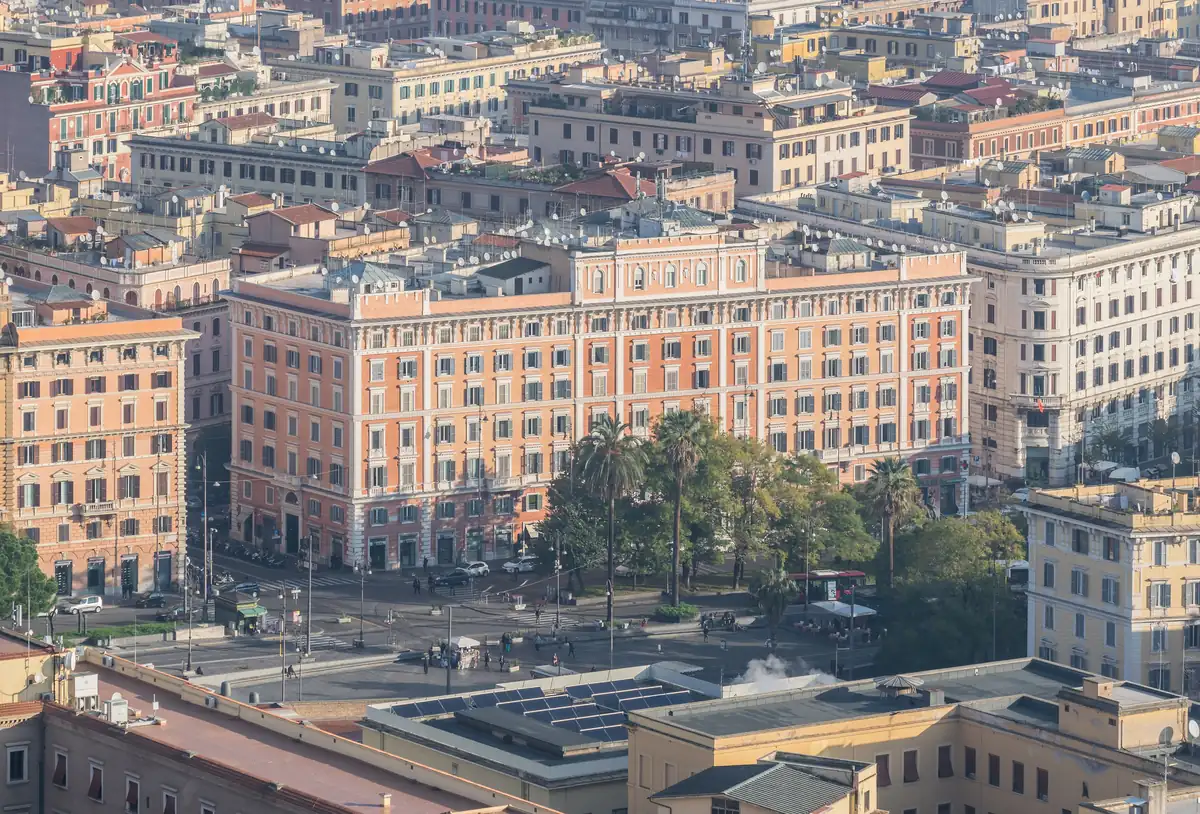
Prati / Vatican
$$ · Mid-rangeElegant, calm and handy for St Peter's
Best for:FamiliesFirst-timersShoppingSightseeingA dignified, residential grid of wide streets and good-value hotels next to the Vatican, with excellent shopping on Via Cola di Rienzo. Quieter and more local than the centre, well connected by metro, and an easy walk or ride to the historic core.
- Good to know
- Good to know: It feels a touch removed from the medieval-Rome atmosphere - great for calm and value, less for stepping into piazzas at midnight.
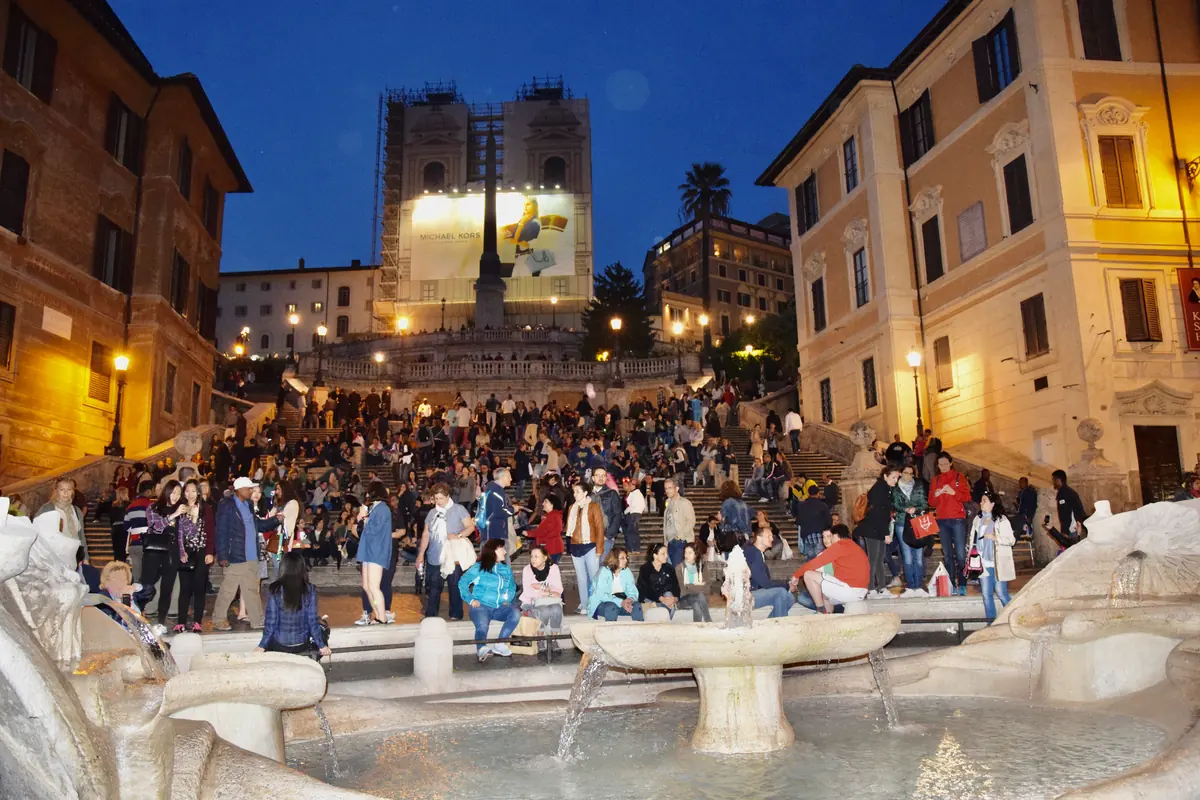
Spanish Steps / Tridente
$$$ · High-endDesigner shopping and grand hotels
Best for:LuxuryShoppingRomanceThe upscale wedge around the Spanish Steps and Via del Corso, home to Rome's flagship boutiques and its grandest hotels. Polished, central and glamorous, within walking distance of the Trevi Fountain and the Centro Storico.
- Good to know
- Good to know: It's the priciest area in the city and skews to luxury - budget rooms here are rare.
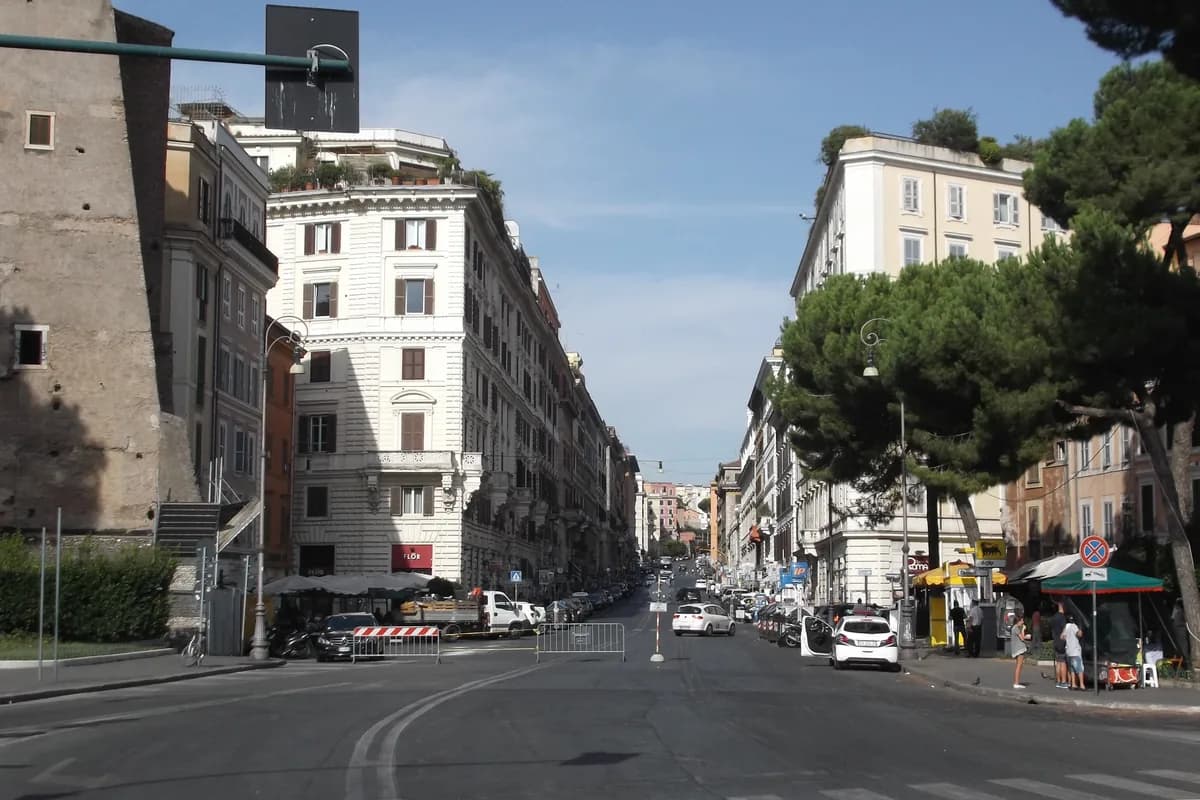
Termini / Esquilino
$ · BudgetBest value and every train and bus
Best for:BudgetFirst-timersThe area around Roma Termini is the city's transport hub - metro lines, the airport train and buses all meet here - and it has by far the widest range of budget and mid-range hotels. Practical, well connected and cheap, with a diverse, workaday feel.
- Good to know
- Good to know: Some blocks right by the station feel scruffy at night; stay a few streets away (toward Monti or Santa Maria Maggiore) and keep the usual big-station awareness.
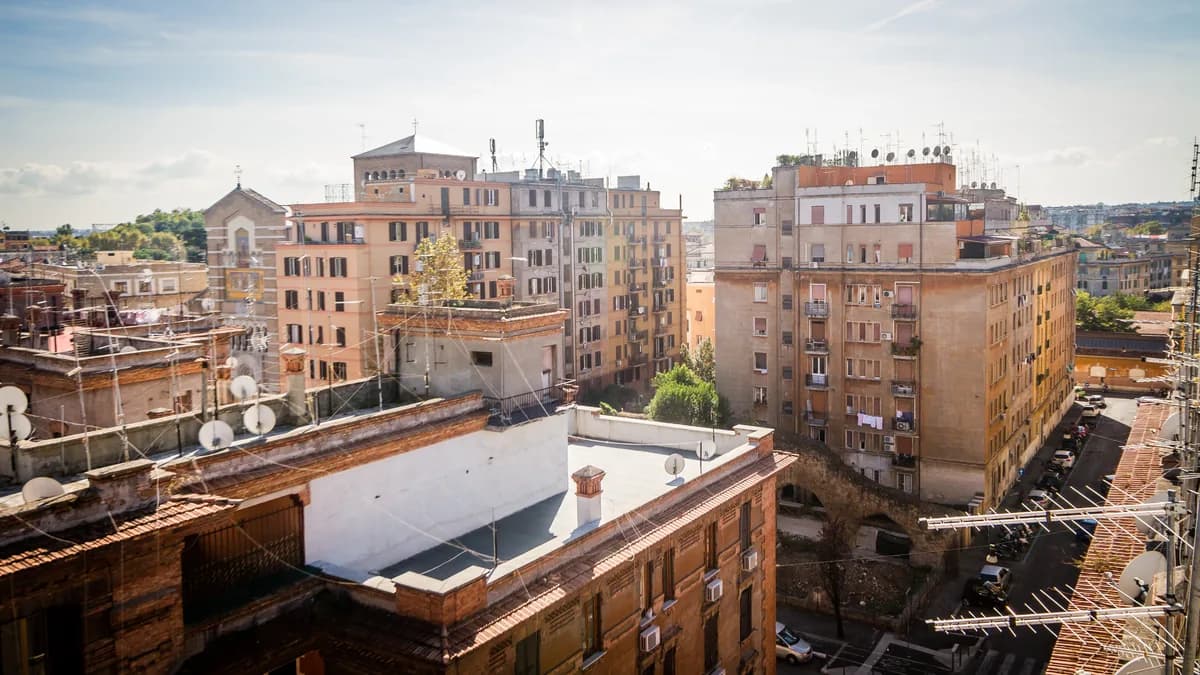
Testaccio
$ · BudgetThe real Roman-food neighborhood
Best for:Food & wineBudgetNightlifeA proudly local, non-touristy quarter south of the centre with Rome's most famous food market and classic no-frills trattorias. Great value and authentic atmosphere, with a lively late-night club scene along Monte Testaccio.
- Good to know
- Good to know: It's a 20-30 minute walk or a short metro ride from the main sights - best if food and local life matter more than being steps from the Colosseum.
Safest area to stay in Rome
Prati, Monti and the Aventino are the calmest places to sleep in Rome: residential, quiet after dark and busy with people who live there rather than with nightlife. Rome is a safe city for visitors by European standards, so this is a comfort ranking rather than a warning list, and the real risk here is pickpocketing rather than anything worse.
Prati is Rome's last rione, laid out as a planned grid of wide streets north of the Vatican, residential, well lit and free of both nightlife and tour groups after dark.
Monti is a small hillside quarter of lanes that empties of day visitors by evening and keeps a genuine neighbourhood crowd in its wine bars.
Aventino is a leafy residential hill above the Circus Maximus, quiet enough that its main drawback is how little happens there at night.
The risk that actually affects visitors in Rome is theft in crowds, and it tracks the crowd rather than the district you booked, so it follows you onto a packed Vatican bus whichever neighbourhood you slept in. There is one area where the caution is official rather than anecdotal. In January 2025 the Prefect of Rome designated Termini station and Esquilino a zona rossa, an enhanced-surveillance zone naming streets including via Giolitti, via Turati, via Principe Amedeo and piazza Manfredo Fanti, and the measure was renewed and widened in October 2025 to take in San Lorenzo. That is a public-order measure rather than a crime statistic, and it is the honest basis for saying those particular blocks are the weakest choice in central Rome. Ignore the blog claims that rank neighbourhoods by crime rate, because no published figures support them. The other thing worth knowing is heat rather than crime: average daily highs run above 31 degrees in July and August on the 1991 to 2020 normals, and Italy's Health Ministry publishes a daily heat bulletin covering Rome from late May to late September, which is a better guide to planning a midday than a forecast app.
Where not to stay in Rome
There is no dangerous part of central Rome, but on a short trip avoid basing yourself in the outer suburbs, EUR or anywhere beyond the ring road, because you will lose an hour a day commuting. The immediate blocks around Termini are the one place to be deliberate about: the Prefect of Rome designated the station and Esquilino a zona rossa in January 2025, widened in October, so stay a few streets off rather than directly behind it. And be alert for pickpockets in crowds anywhere in the city, which is a function of the crowd rather than of the neighbourhood you booked.
Getting around Rome
Central Rome is best on foot, because the historic core is compact and half the joy is walking it, and because there is no metro station inside the Pantheon and Piazza Navona core. Three metro lines now serve the city: A and B cross at Termini and reach the Vatican, the Spanish Steps and the Colosseum, and Metro C reached the centre on 16 December 2025 when Colosseo-Fori Imperiali and Porta Metronia opened, meeting Line A at San Giovanni. Trains run from about 05:30 to 23:30, and to 01:30 on Friday and Saturday, with night buses on the same routes afterwards. Trastevere has no metro at all and is served by tram 8. One thing to check if you are pushing a buggy: Spagna, Barberini, Repubblica and Vittorio Emanuele on Line A have no lifts, and Metro B is part-way through replacing 55 lifts and escalators, so step-free access is not a given at the station you want.
Where to stay in Rome: FAQ
The questions travelers ask most when choosing an area.
Where to stay in other cities
Continue Planning Your Trip
Things to Do
Ranked attractions, tips and how to book tickets
Car Rental
Real prices, driving tips and the best routes by destination
Airport Transfers
Getting from the airport to your hotel, by price and time
All-Inclusive Guides
What all-inclusive really means, by destination
Best Time to Visit
Month-by-month weather, crowds and prices
Route Finder
Find the cheapest way to get there
Hotel Finder
Book the right hotel for your destination
AI Trip Planner
Build a day-by-day itinerary
Photo credits (7)
Photos via Wikimedia Commons, used under their respective licences.
- Centro Storico: Fleurdelamer - CC BY-SA 4.0 · source
- Trastevere: Acediscovery - CC BY 4.0 · source
- Monti: Joseolgon - CC BY 4.0 · source
- Prati / Vatican: Krzysztof Golik - CC BY-SA 4.0 · source
- Spanish Steps / Tridente: Ank Kumar - CC BY-SA 4.0 · source
- Termini / Esquilino: Blackcat - CC BY-SA 4.0 · source
- Testaccio: N i c o l a from Fiumicino (Rome), Italy - CC BY 2.0 · source