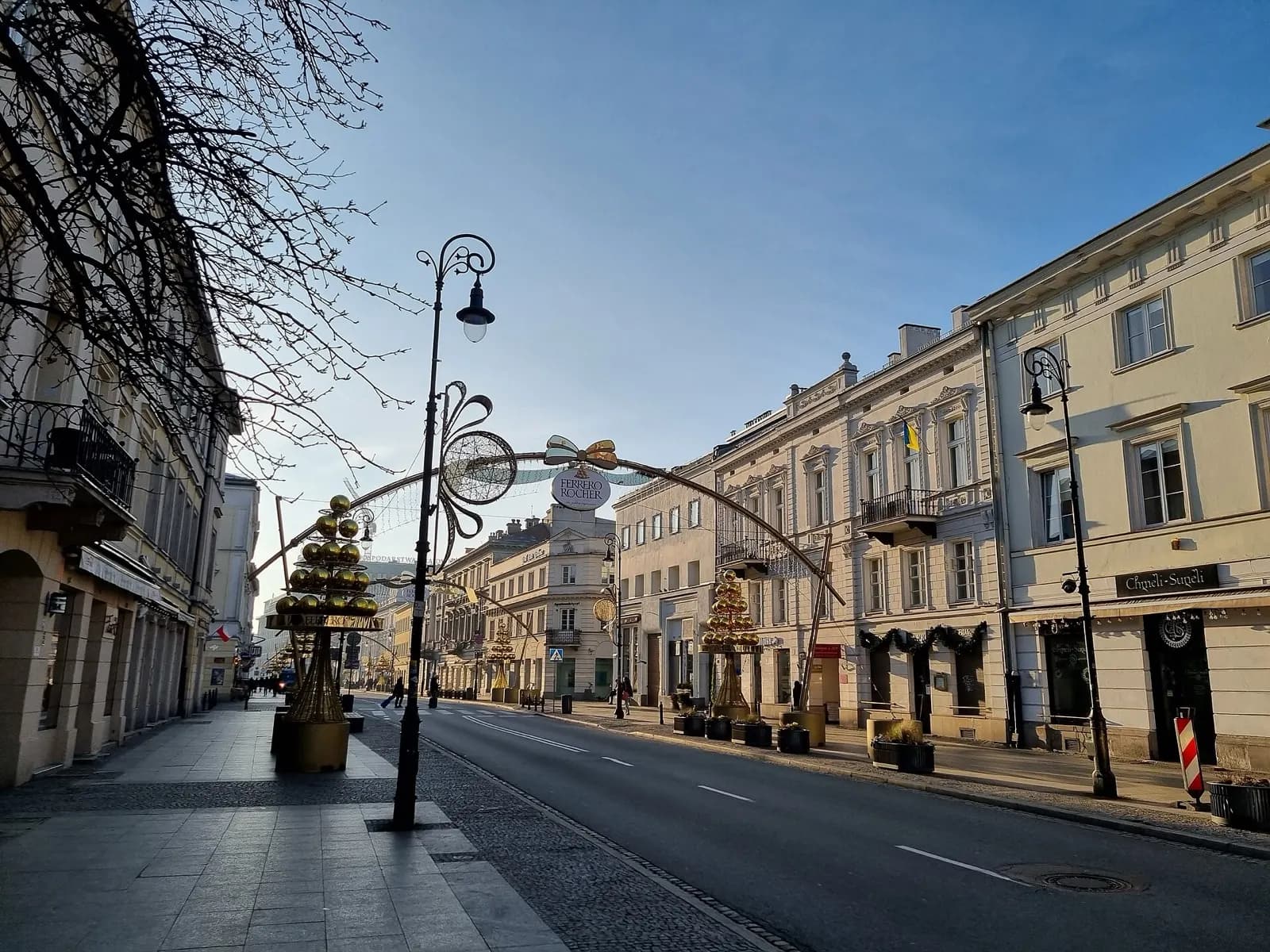
In Brief
Where should you stay in Warsaw?
Stay in Srodmiescie, the central district, for a first visit - it puts the Old Town, the Royal Route and the Palace of Culture within walking distance and every tram and metro line at hand. Powisle by the river is the best area for cafes and a local feel, Praga across the Vistula has the arts scene and the cheapest rooms, and Plac Zbawiciela is the nightlife hub. Warsaw is cheap by Western European standards, so a small upgrade buys a lot here.
Key takeaways
- First visit: Srodmiescie, walkable to the Old Town and Royal Route with the best transport links.
- The Old Town is a rebuilt UNESCO site and lovely, but it is quiet at night and short on restaurants locals use.
- Powisle and Plac Zbawiciela are where Warsaw actually eats and drinks, both 10-15 minutes from the centre.
- Chopin Airport is 20 minutes from the centre by train or bus 175; Modlin is an hour out by coach.
Warsaw neighborhoods at a glance
The best areas to stay in Warsaw, compared for vibe, price and who each suits.
| Area | Best for | Price | In a word |
|---|---|---|---|
| Srodmiescie (City Centre) | first timers, sightseeing | $$ | Central, connected, walkable to nearly everything |
| Powisle | food, nightlife | $$ | Riverside cafes, university crowd, the nicest walk home |
| Old Town & New Town | first timers, romance | $$ | The rebuilt UNESCO core, beautiful and a bit hollow |
| Plac Zbawiciela & Mokotowska | nightlife, food | $$ | Warsaw's going-out district, cafes and cocktail bars |
| Praga (right bank) | budget, nightlife | $ | The pre-war buildings that survived, now the arts quarter |
| Wola & Rondo Daszynskiego | budget, families | $$ | New business district, modern hotels, weekend bargains |
| Mokotow | families, budget | $ | Leafy, residential and calm, south of the centre |
- Free cancellation on most rooms
- No booking fee
- Prices on Trip.com
Best areas to stay in Warsaw
Ranked best-first, with the vibe, who it suits and an honest catch for each. Tap a filter to match an area to your trip.
Find your area - what matters most?
All 7 areas in Warsaw, best first.
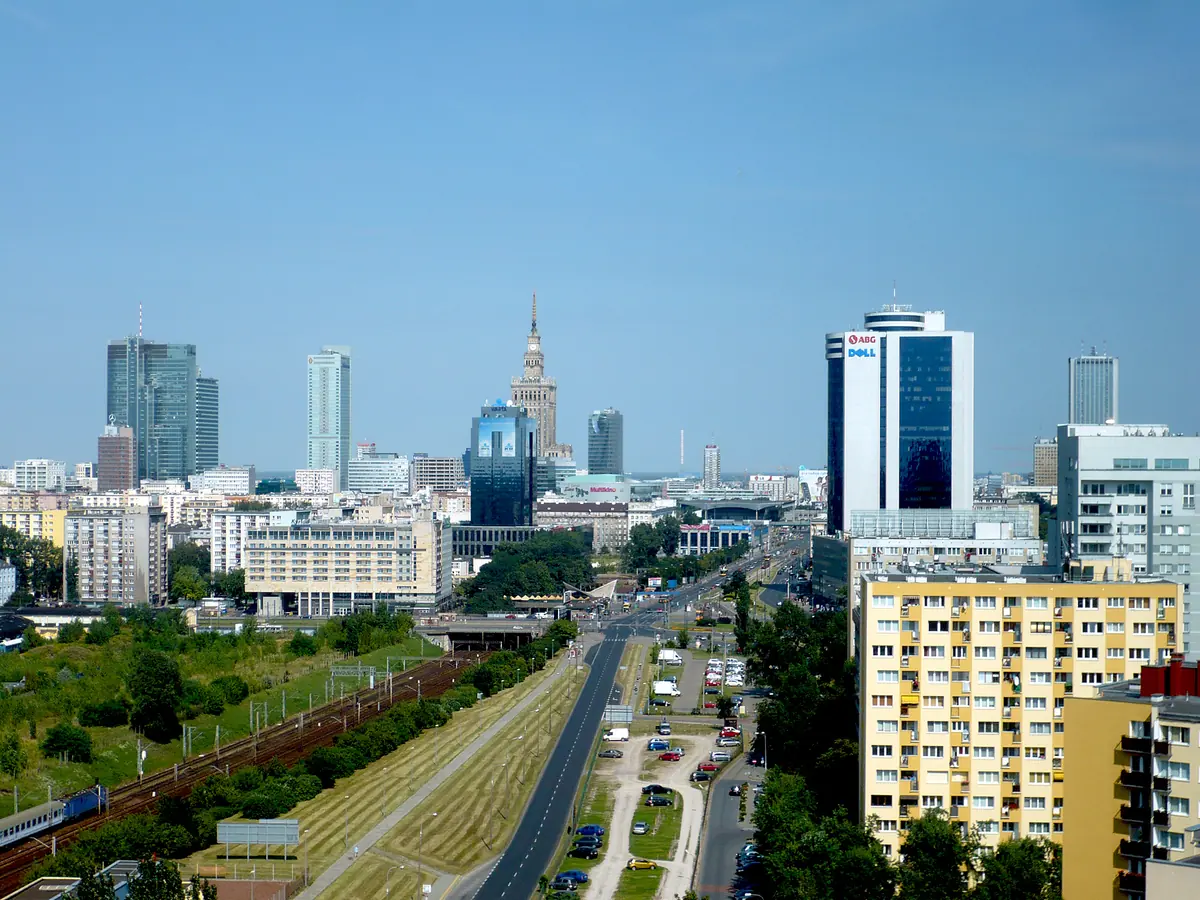
Srodmiescie (City Centre)
$$ · Mid-rangeCentral, connected, walkable to nearly everything
Best for:First-timersSightseeingShoppingThe modern core around the Palace of Culture and Warszawa Centralna station, running north to the Royal Route and the Old Town. Both metro lines cross here, trams go everywhere, and you can walk to most sights.
- Good to know
- Good to know: It is a working city centre rather than a pretty one - expect wide roads and communist-era blocks alongside new towers. The widest hotel choice in the city, and the easiest base if you only have two or three days.
Powisle
$$ · Mid-rangeRiverside cafes, university crowd, the nicest walk home
Best for:Food & wineNightlifeRomanceThe strip between the centre and the Vistula, below the escarpment. Converted riverside buildings now hold cafes and bars, the Copernicus Science Centre sits here, and the river boulevards are where Warsaw spends summer evenings.
- Good to know
- Good to know: Ten minutes' walk downhill from the centre and genuinely pleasant, with better food than the tourist streets. Fewer large hotels and more apartments. The riverside bars are seasonal, so it is quieter from November to March.
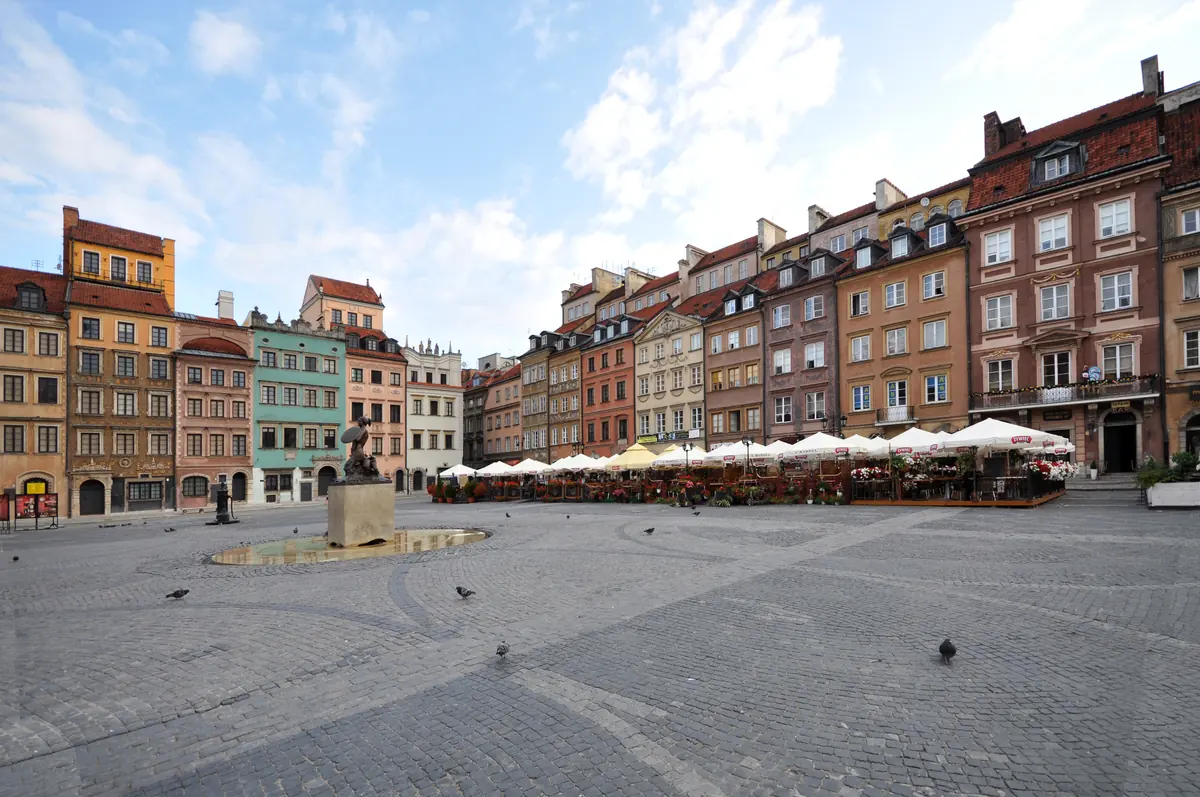
Old Town & New Town
$$ · Mid-rangeThe rebuilt UNESCO core, beautiful and a bit hollow
Best for:First-timersRomanceSightseeingThe reconstructed medieval centre with the Royal Castle, the Market Square and the Barbican. It is a remarkable achievement, rebuilt from paintings and photographs after 1944, and it looks the part at dusk.
- Good to know
- Good to know: Restaurants here are priced for visitors and the area goes quiet once the day crowds leave - Warsaw's real nightlife is elsewhere. Lovely to stay in for the setting, but walk five minutes out for dinner.
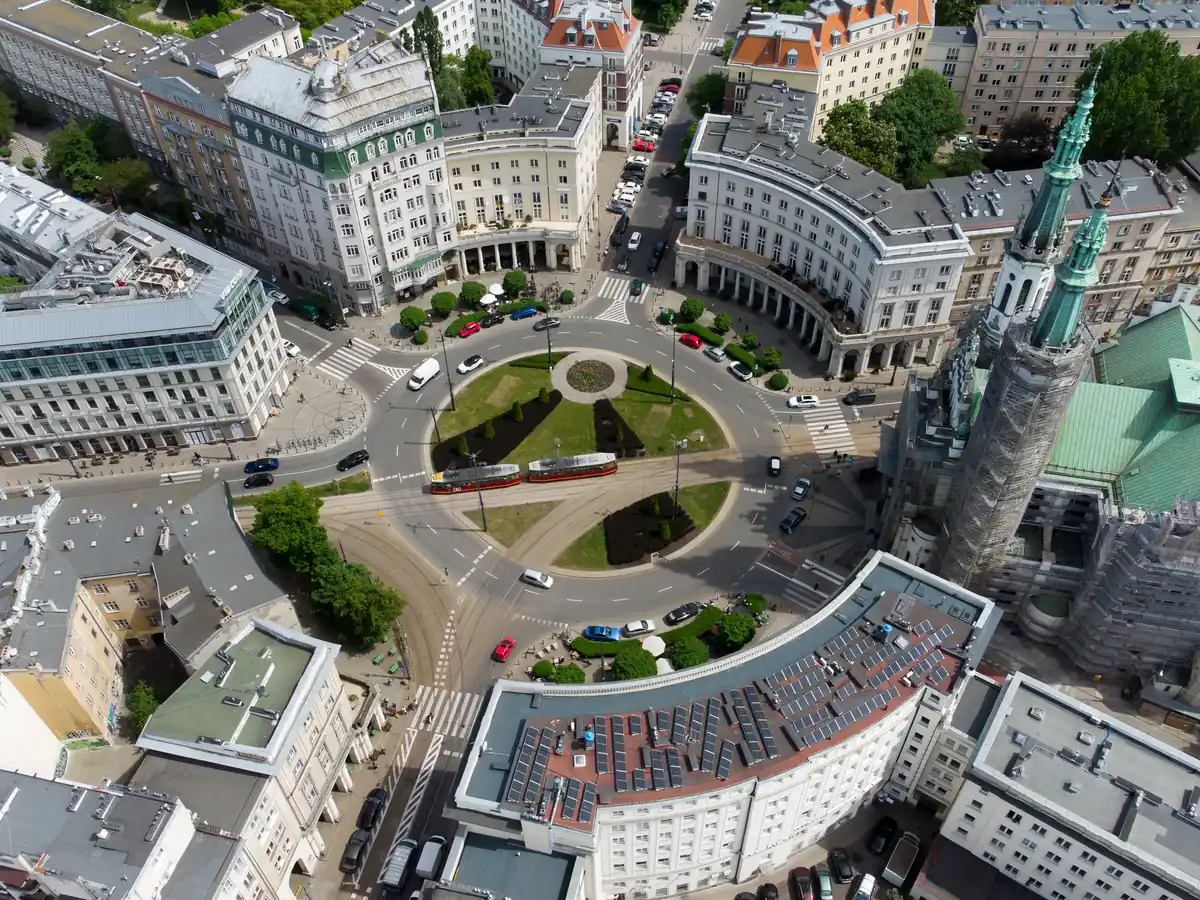
Plac Zbawiciela & Mokotowska
$$ · Mid-rangeWarsaw's going-out district, cafes and cocktail bars
Best for:NightlifeFood & wineShoppingSouth of the centre around the Saviour Square roundabout, the densest cluster of good restaurants, cocktail bars and design shops in the city. It is where Varsovians actually go out on a Friday.
- Good to know
- Good to know: Fifteen minutes' walk or a couple of tram stops from the Old Town, so you trade a little sightseeing convenience for far better eating. Weekend nights around the square are loud until late.
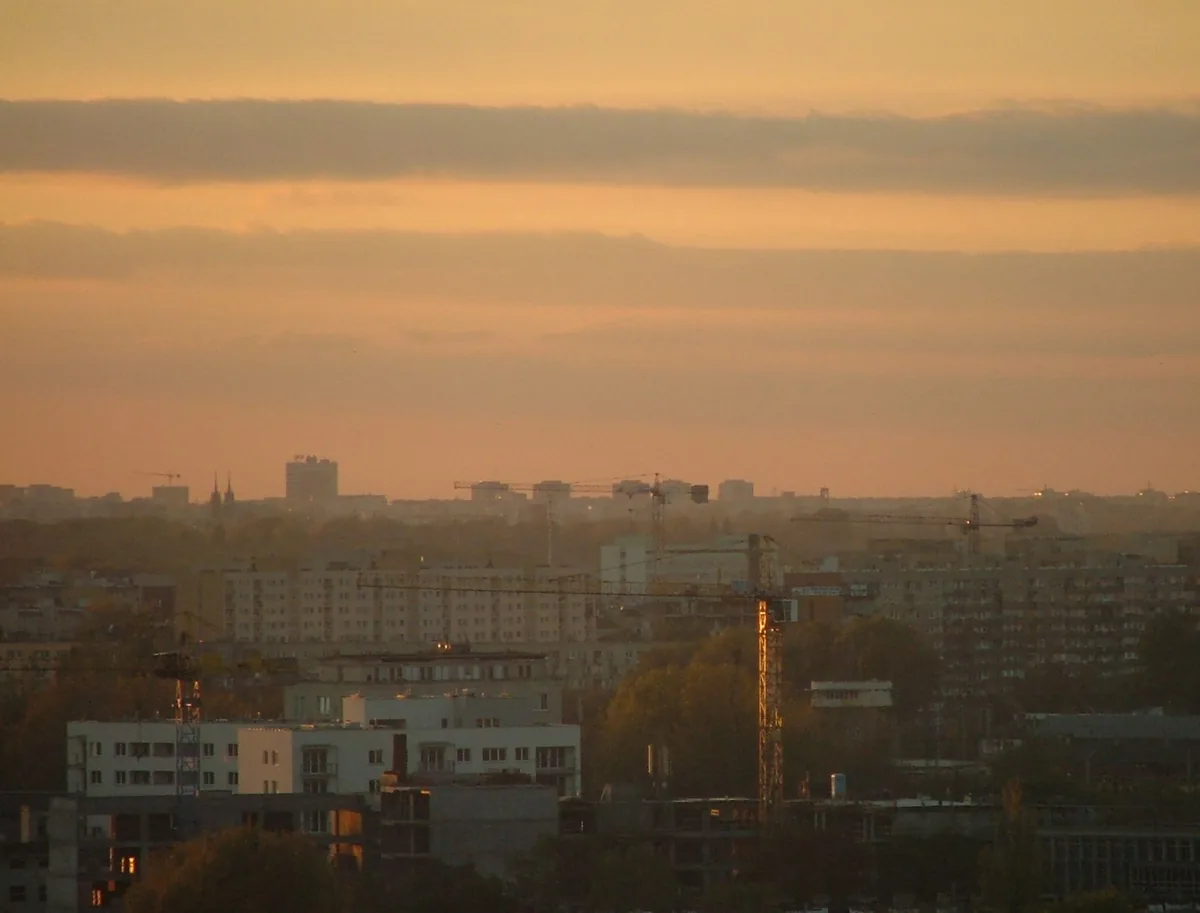
Praga (right bank)
$ · BudgetThe pre-war buildings that survived, now the arts quarter
Best for:BudgetNightlifeFood & wineAcross the Vistula, Praga escaped the wartime destruction, so the tenements, courtyards and shrines are genuinely old rather than rebuilt. Old factories now hold galleries, music clubs and the Neon Museum, and prices are the lowest of any central district.
- Good to know
- Good to know: It has a rougher reputation than the reality, though it is scruffier and less polished than the left bank. Metro line 2 and trams cross in a few minutes. The best value in Warsaw if you want character over convenience.
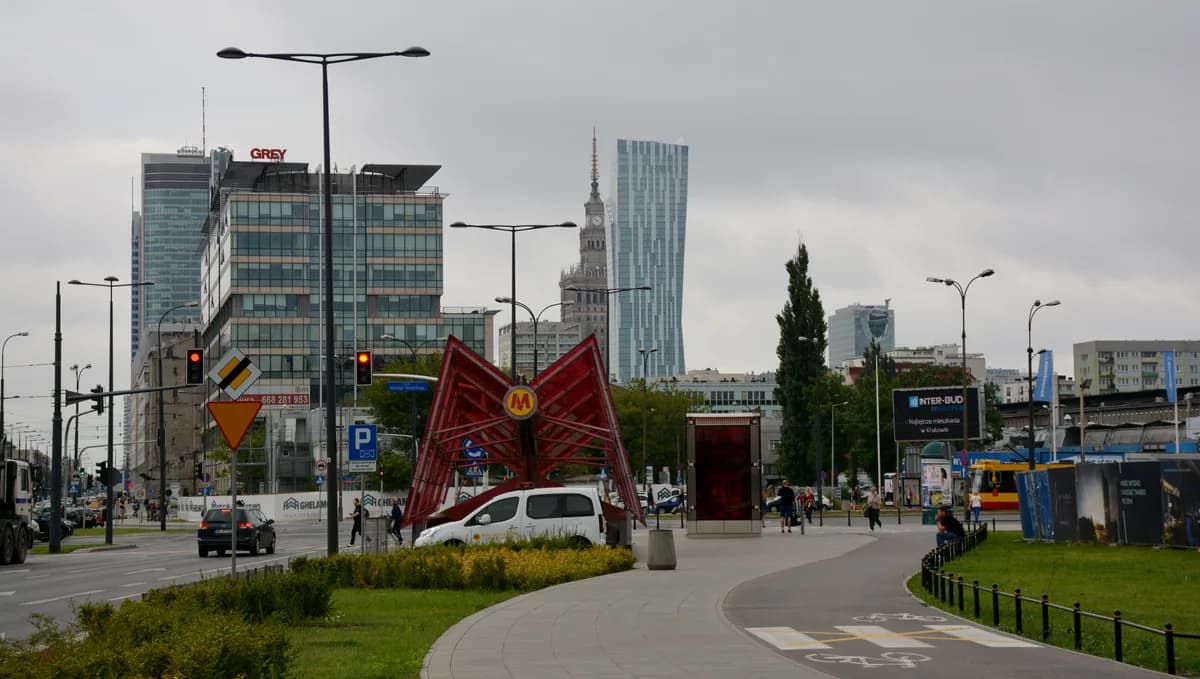
Wola & Rondo Daszynskiego
$$ · Mid-rangeNew business district, modern hotels, weekend bargains
Best for:BudgetFamiliesLuxuryThe fast-rising skyscraper district west of the centre, next to the Warsaw Uprising Museum. Newer hotels with lifts, air conditioning and larger rooms than the old centre, and two metro stops into town.
- Good to know
- Good to know: Built for business travellers, which means rates often drop sharply at weekends - the best value-per-quality in the city on a Friday or Saturday. Little street life in the evening.
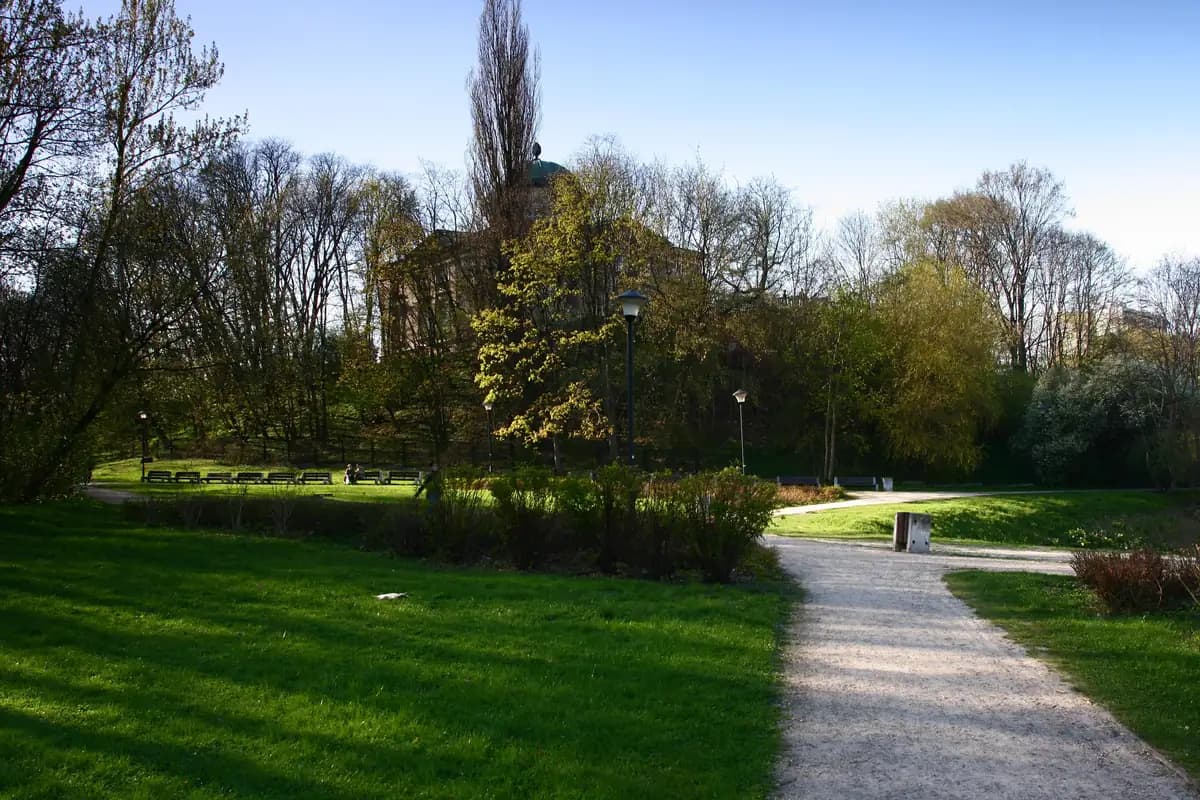
Mokotow
$ · BudgetLeafy, residential and calm, south of the centre
Best for:FamiliesBudgetA large residential district south of the centre with parks, quiet streets and everyday Polish life. Well connected by metro line 1 and close to Lazienki Park with its free summer Chopin concerts.
- Good to know
- Good to know: You commute in for sightseeing, though the metro makes that easy. Best for longer stays, families wanting space, or anyone who would rather sleep in a neighbourhood than a city centre.
Where not to stay in Warsaw
Warsaw is a safe capital and nowhere central is genuinely risky. Two things do catch people out. The blocks immediately east of Warszawa Centralna station, around the bus terminal, are grim and feel unwelcoming at night, so book on the northern or Royal Route side of the centre instead. And the Old Town, while beautiful, is the area most likely to disappoint as a base: it is a reconstruction, the restaurants are aimed squarely at visitors, and it empties out in the evening. Sleep in Srodmiescie, Powisle or Plac Zbawiciela and visit it, rather than the other way round.
Getting around Warsaw
Chopin Airport (WAW) reaches the centre in about twenty minutes on the S2 or S3 train or bus 175; Modlin (WMI), used by low-cost carriers, is an hour out by coach. In the city, two metro lines, a dense tram network and buses all share one ticket, roughly 4 zloty for twenty minutes or about 15 for twenty-four hours, bought from machines, the app or contactless on board. The Old Town, New Town and the Royal Route down to Nowy Swiat form one continuous walk of about half an hour. Warsaw is flat, and Veturilo city bikes cover the river paths in summer.
Where to stay in Warsaw: FAQ
The questions travelers ask most when choosing an area.
Where to stay in other cities
Continue Planning Your Trip
Things to Do
Ranked attractions, tips and how to book tickets
Car Rental
Real prices, driving tips and the best routes by destination
Airport Transfers
Getting from the airport to your hotel, by price and time
All-Inclusive Guides
What all-inclusive really means, by destination
Best Time to Visit
Month-by-month weather, crowds and prices
Route Finder
Find the cheapest way to get there
Hotel Finder
Book the right hotel for your destination
AI Trip Planner
Build a day-by-day itinerary
Photo credits (6)
Photos via Wikimedia Commons, used under their respective licences.
- Srodmiescie (City Centre): Kudak - CC BY 3.0 · source
- Old Town & New Town: Jorge Láscar from Australia - CC BY 2.0 · source
- Plac Zbawiciela & Mokotowska: Emptywords - CC BY-SA 4.0 · source
- Praga (right bank): Alina Zienowicz Ala z - CC BY-SA 3.0 · source
- Wola & Rondo Daszynskiego: Roman Eugeniusz - CC BY-SA 3.0 · source
- Mokotow: Michal Gorski - CC BY-SA 3.0 · source