Updated May 2026
Where not to travel right now
12 destinations to skip this month - hurricanes, heat domes, monsoons, conflict zones, overtourism - plus a tested better alternative for every single one. So you can still get the trip you actually wanted.
- Updated monthly
- Government-advisory cross-checked
- Better swap for every entry
- 12
- Destinations flagged
- 12
- Better swaps included
- 8
- Risk categories
- May 2026
- Last refreshed
In Brief
Where should I not travel right now?
Right now (May 2026), the destinations to avoid fall into 8 categories: hurricane-belt Caribbean (Jun – Nov), Southern European heat domes (Jul – Aug), monsoon Southeast Asia (May – Oct), Gulf-region peak heat, Pacific Northwest wildfire smoke, sargassum-affected east Caribbean coasts, Iceland in storm season, and any government-advisory Level 4 zone. For every destination on this list, Journey Finder™ names a specific better alternative that delivers the same experience without the risk.
Key takeaways
- Storm risk: Eastern Caribbean Jun – Nov · safer swap → Aruba / Curaçao / Bonaire
- Heat dome: Mediterranean Jul – Aug · safer swap → Slovenia, Scotland or September Greece
- Monsoon: Andaman Thailand May – Oct · safer swap → Bali dry season or Sri Lanka east coast
- Overtourism: Santorini, Venice, Dubrovnik · quieter swap → Naxos, Trieste, Kotor
How this list is different
Not a fear list. A swap list.
Most 'do not travel' articles tell you what to avoid and stop there. Journey Finder™ pairs every red flag with a tested alternative - same trip vibe, none of the risk - and links straight to our Route Finder so you can re-plan in minutes.
A real alternative for every entry
Every destination on this list comes with a specific, named replacement that delivers the same experience - different beach, different island, different month - not vague advice to 'try somewhere else'.
Cross-checked with 4 governments
We verify advisory levels against US State, UK FCDO, Canadian Global Affairs and Australian Smartraveller - not just one source.
Refreshed monthly
Hurricane forecasts, monsoon onsets, advisory upgrades and wildfire activity all change weekly. We refresh the list every month and stamp the date on each entry.
Built into Journey Finder™
One click takes you from a flagged destination to our Route Finder pre-filled with the better alternative - book a real flight, train or ferry to a place that's actually safe right now.
Curated picks
The 12 Places To Avoid Right Now
A magazine-style guide to destinations not worth the risk this month - and the specific alternatives we'd book in their place. Each entry flags the exact reason (storm, heat, monsoon, advisory, overtourism, sargassum, visa, wildfire) and pairs it with a real, tested swap.
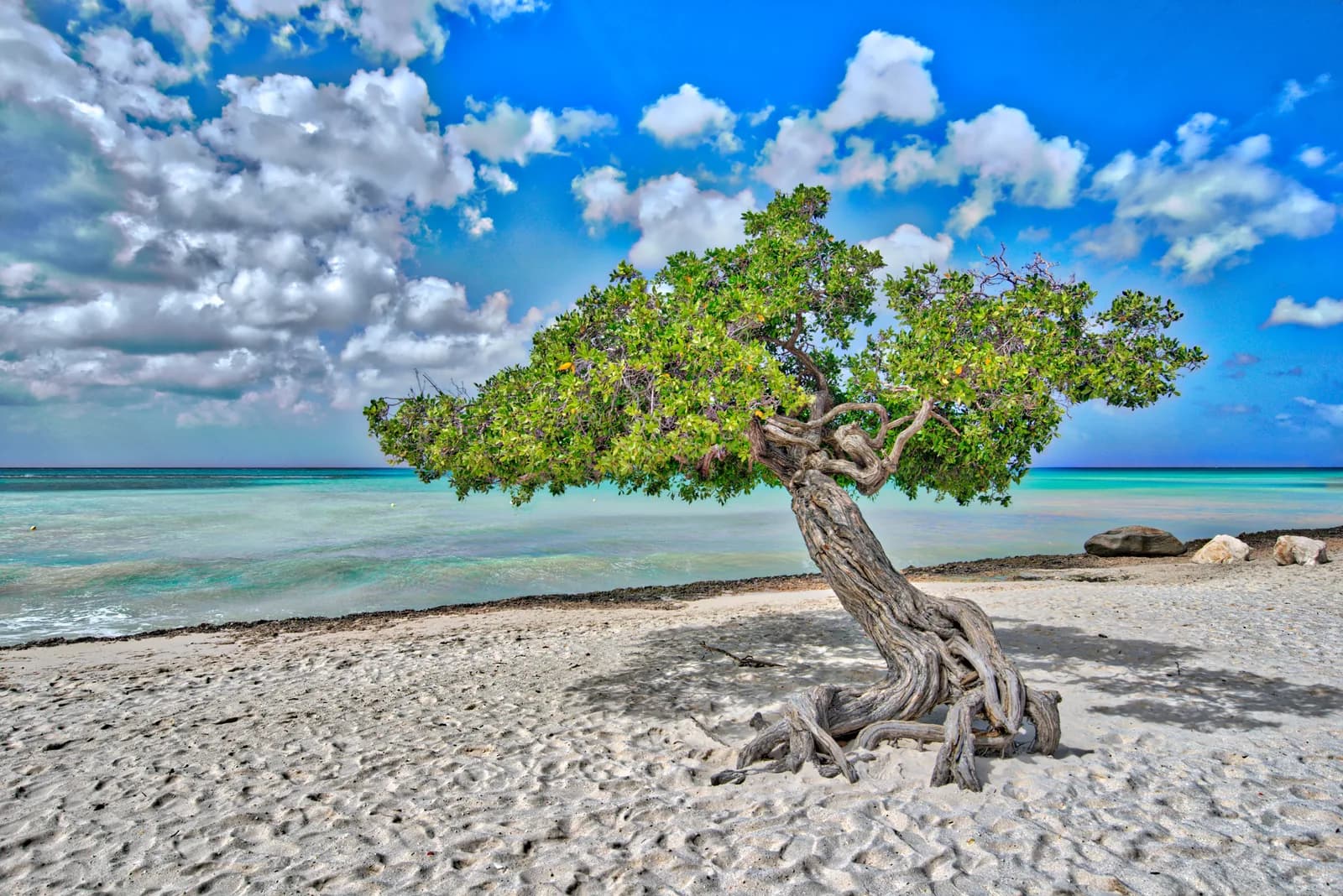
Atlantic hurricane season · June – November
Hurricane-Belt Caribbean
Skip until DecemberThe Atlantic hurricane season runs June through November, peaking late August through October. Eastern Caribbean islands (Dominica, Barbados, Antigua, the Virgin Islands) sit in the main storm corridor. Even in calm weeks, insurance premiums spike, flights are routinely cancelled, and many resorts close mid-season for refurbishment.
“Better right now: Aruba, Curaçao or Bonaire - the ABC islands sit south of the hurricane belt and stay dry and breezy all summer.”
- Why avoid
- Storm risk
- Peak danger
- Aug – Oct
- Reopen
- Dec
- Better swap
- Aruba
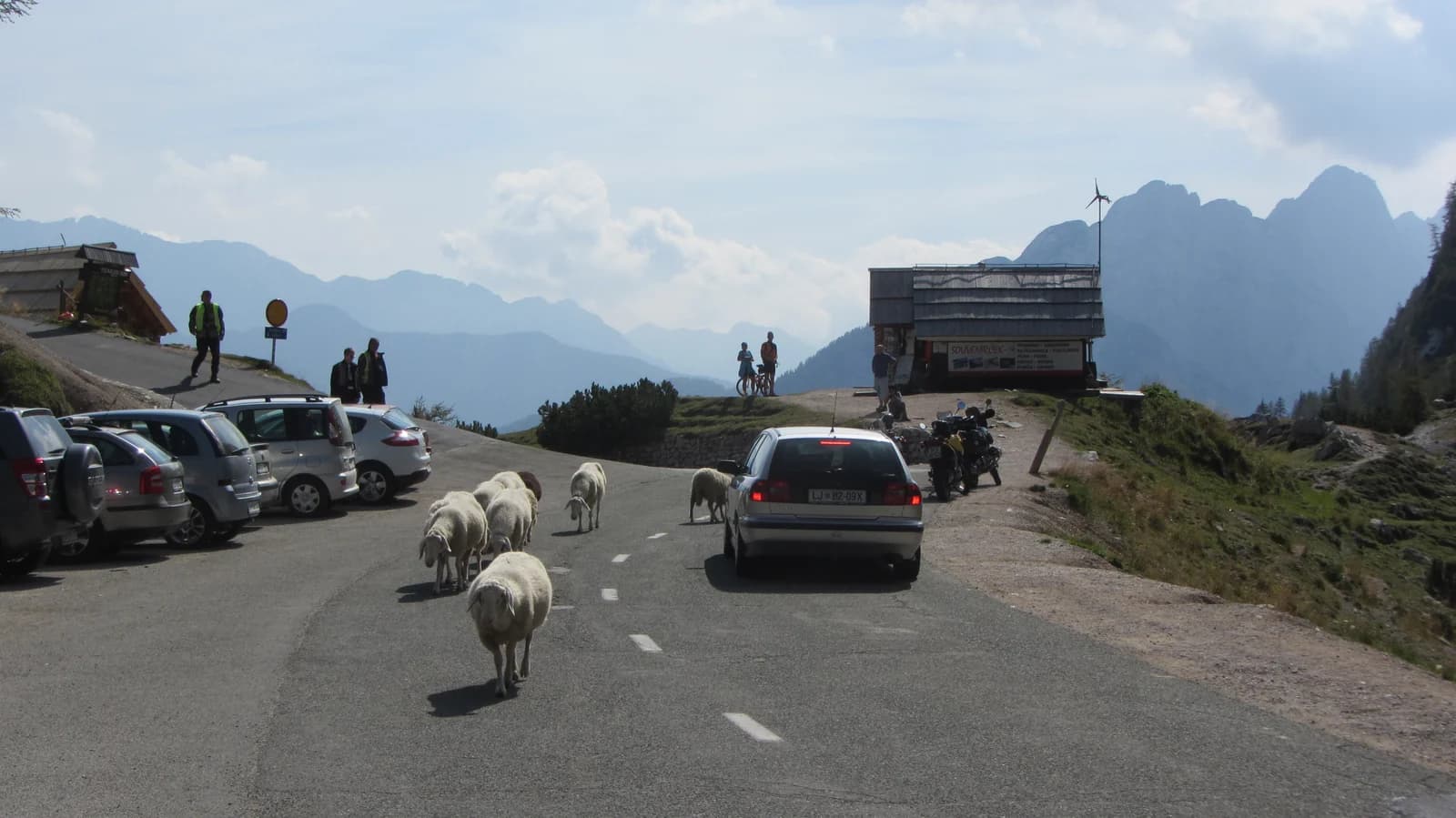
Mediterranean heatwaves · July – August
Southern Europe in Heat-Dome Season
Wait for SeptemberAthens, Seville, Rome and the Greek islands now routinely break 40°C in July and August. Wildfire smoke shut down parts of Rhodes, Corfu and Sicily in recent summers, and city centres become genuinely dangerous for kids and older travellers between noon and 5pm. Hotel air-conditioning queues book out and energy grids strain.
“Better right now: same destinations in late September. Sea is still 24°C, towns are quiet, prices drop 30%, no heat-stroke risk.”
- Why avoid
- Heat / fires
- Peak danger
- Jul – Aug
- Sweet spot
- Sep – Oct
- Better swap
- Slovenia

Wet-season Thailand, Cambodia, Vietnam · May – October
Monsoon Southeast Asia
Wrong seasonThe Andaman side of Thailand (Phuket, Krabi, Phi Phi), Cambodia and central Vietnam enter heavy monsoon May through October. Beaches are battered with red flags, ferries are cancelled, dive visibility drops to 5m, and Angkor Wat sees daily downpours. The deals look amazing online; the experience rarely matches the brochure.
“Better right now: Bali (dry season May – September) or Sri Lanka's east coast (Trincomalee, Arugam Bay) which flip-flops with the west and is dry all summer.”
- Why avoid
- Monsoon
- Peak rain
- Jul – Sep
- Dry alt
- Bali
- Beach alt
- Arugam Bay
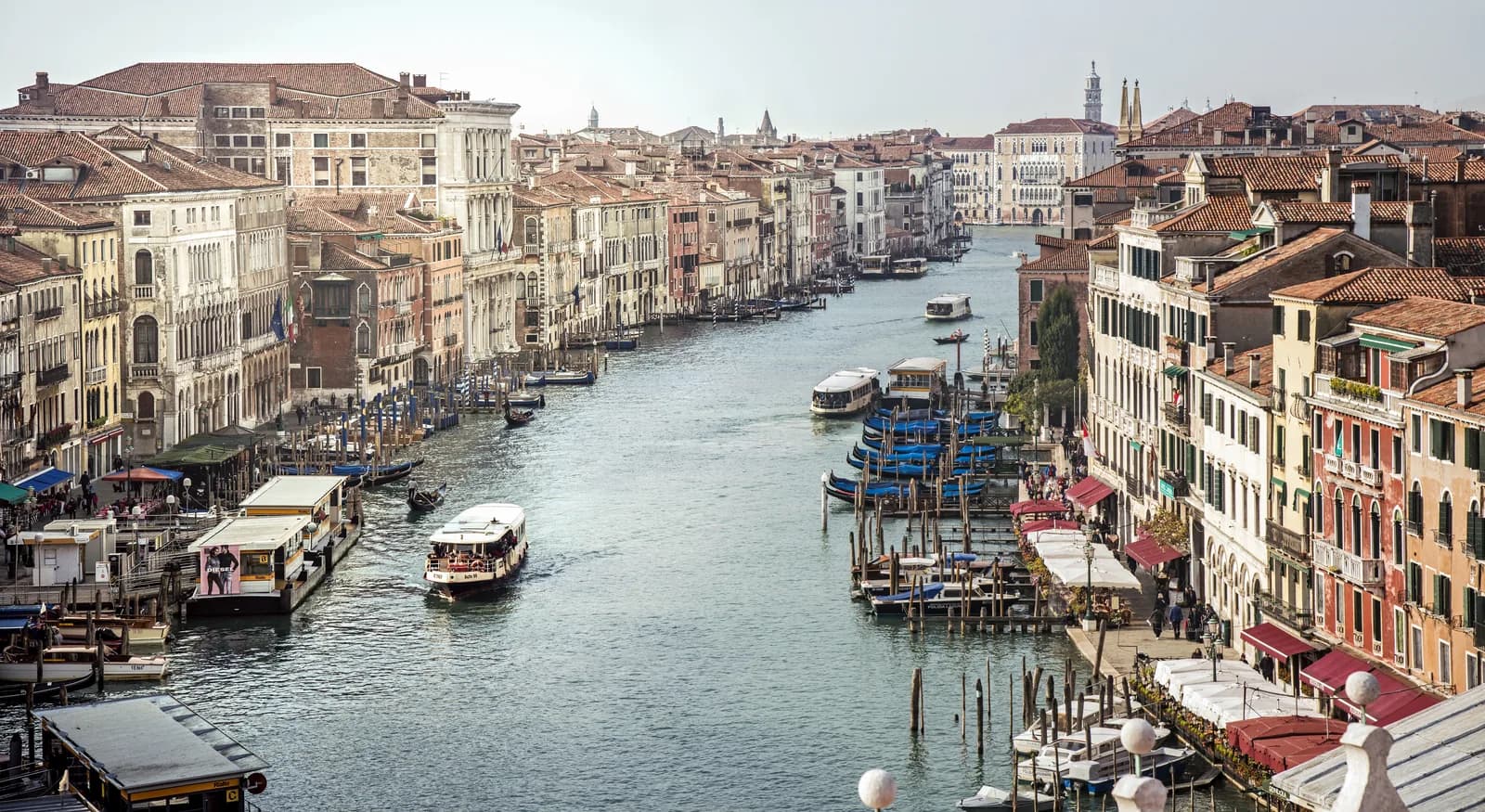
Venice, Santorini, Dubrovnik, Barcelona · summer
Overtourism Hot-Spots at Peak
Crush seasonCruise-ship arrivals routinely push Venice past 100,000 daily visitors, Santorini past 17,000 and Dubrovnik past 10,000 - multiple times their resident populations. Restaurants charge tourist menus, locals openly resent visitors, museum queues run 3 hours, and Barcelona has begun phasing out short-term rentals entirely. Instagram looks great; reality is exhausting.
“Better right now: Trieste (the quiet Venice), Naxos or Milos (cheaper, calmer Santorini), Kotor (Montenegro's Dubrovnik), Valencia or Girona (real-Spain Barcelona alternatives).”
- Why avoid
- Overtourism
- Peak crowds
- Jun – Aug
- Quieter swap
- Naxos
- Crowd drop
- 60%
Government travel advisory level 4
Active-Conflict Regions
Do not travelUkraine, Belarus, Russia, Israel/Gaza/West Bank, Lebanon, Syria, Yemen, Sudan, Afghanistan, Iran, North Korea and parts of Mali, Burkina Faso and Haiti currently sit at Level 4 - Do Not Travel - on US, UK, Canadian and Australian government advisories. Travel insurance is invalidated, embassies cannot evacuate citizens, and ceasefires can collapse in hours.
“Always check your country's official travel advisory before booking. Level 4 destinations are non-negotiable - go elsewhere this year.”
- Why avoid
- Active conflict
- Insurance
- Void
- Advisory
- Level 4
- Status
- Indefinite
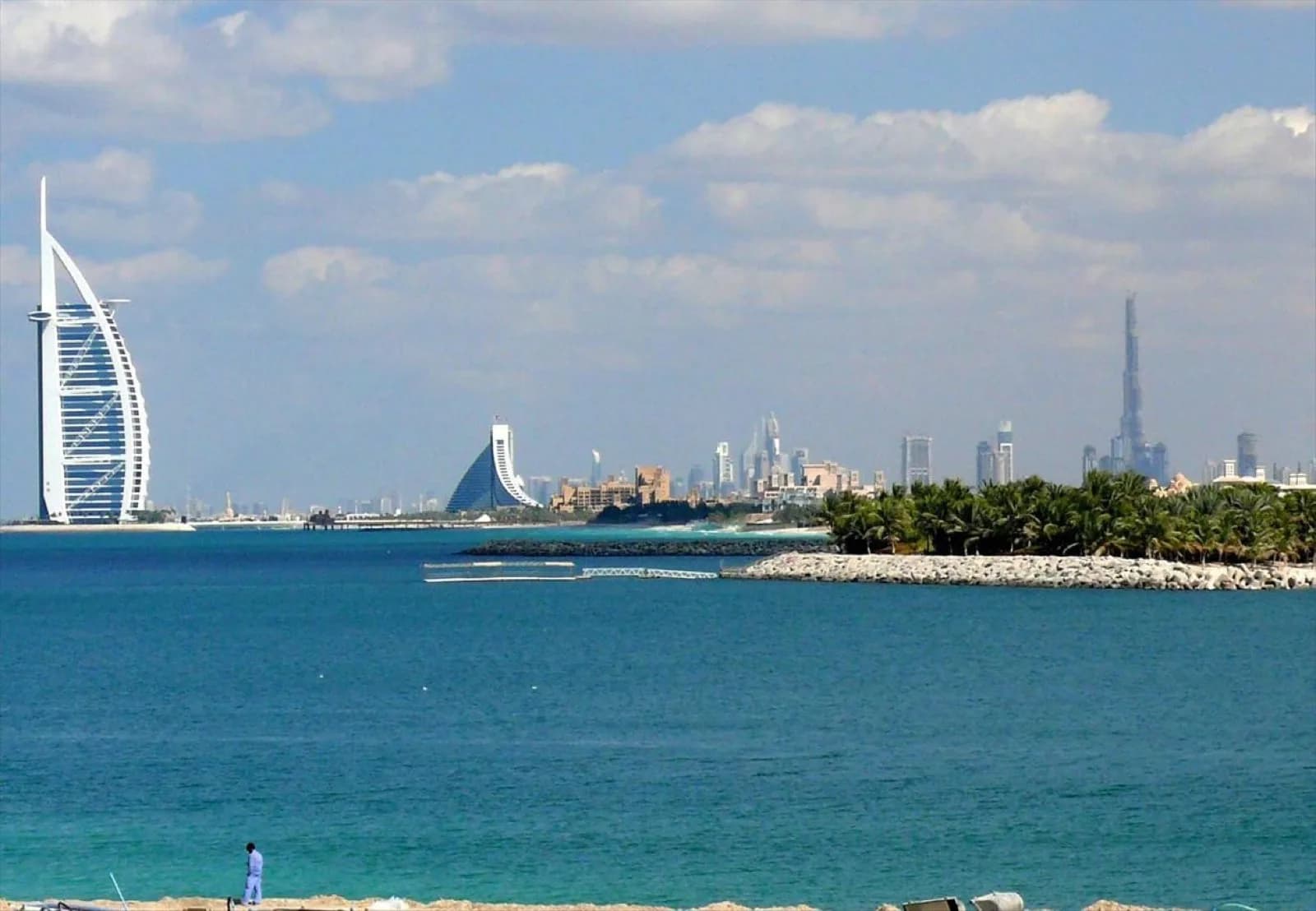
Dubai, Doha, Riyadh, Abu Dhabi · June – September
Peak-Heat Gulf Region
Outdoor life shuts downGulf summer temperatures push 45-50°C with humidity that makes outdoor walking genuinely dangerous between 10am and 7pm. Cities are designed for air-conditioned malls and cars; pools become hot tubs by midday; desert tours are cancelled. Hotels slash prices because demand collapses - that's your warning sign, not an opportunity.
“Better right now: the same destinations Nov – March, when temperatures sit at a perfect 24°C. Or Oman's mountain hill stations (Salalah) - 800m higher, monsoon-cooled, green.”
- Why avoid
- Extreme heat
- Summer high
- 47°C
- Best season
- Nov – Mar
- Better swap
- Salalah
Pacific NW, BC, California · July – September
Wildfire-Risk North America
Smoke seasonVancouver, Seattle, Portland, San Francisco and Banff/Jasper now see annual smoke events that reduce air quality to hazardous levels for weeks at a time. National park trails close, scenic vistas disappear into orange haze, and asthma sufferers should reschedule. Insurance generally won't refund 'smoke ruined our trip'.
“Better right now: Newfoundland, Maritimes, Maine or the Great Lakes - far from active fire zones with cool, clear summers.”
- Why avoid
- Wildfire smoke
- Peak smoke
- Aug – Sep
- Clear alt
- Newfoundland
- Air quality
- Hazardous
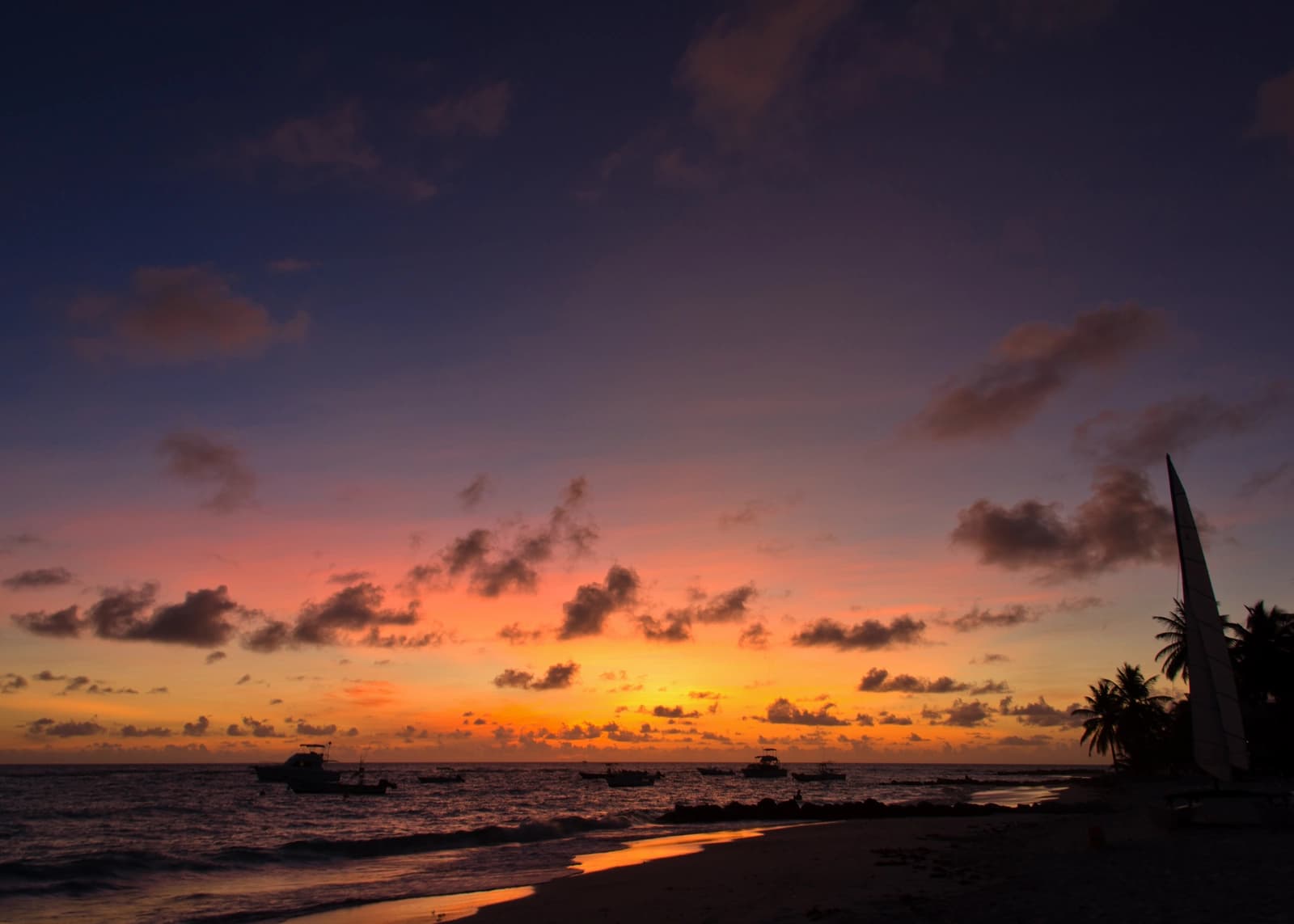
Mexico Riviera, Belize, Barbados · April – August
Caribbean Sargassum Coast
Seaweed crisisSargassum seaweed has bloomed at record volumes since 2018, blanketing east-facing Caribbean beaches from Cancún to Tulum, parts of Belize and the windward Barbados coast. The seaweed rots within 48 hours and the smell is genuinely bad. Resorts now run nightly clean-up crews; many beaches are unusable for swimming May – August.
“Better right now: west-facing or Pacific-side beaches - Isla Holbox (Mexico's Caribbean side, but sargassum-light), Costa Rica's Pacific coast, or simply pivot to Aruba/Curaçao on the southern side.”
- Why avoid
- Sargassum
- Peak bloom
- May – Aug
- Affected
- East coasts
- Better swap
- Holbox

October – March (for first-timers)
Iceland in Storm Season
Logistics nightmareIceland's winter is dramatic but unforgiving. Ring Road sections close at hours' notice, F-roads are shut entirely, daylight drops to 4 hours in December, and rental insurance often excludes weather damage to undercarriage. First-time visitors regularly miss everything they came for because their plan didn't account for storm days.
“Better right now: Iceland in May – September - 18+ hours of daylight, every road open, glacier hikes available, midnight sun. If you want winter Iceland, fly directly to Reykjavik, base there, take guided day-trips.”
- Why avoid
- Storm closures
- Daylight (Dec)
- 4 hrs
- Best season
- May – Sep
- Storm cancel rate
- 30%

China, India, Russia, Bhutan · 2026
Visa-Headache Destinations Right Now
Plan months aheadVisas for China can take 6-8 weeks and require an in-person interview at a consulate; India's e-visa system is functional but rejection without explanation is common; Russia is effectively closed for tourism; Bhutan now charges $200/day Sustainable Development Fee on top of the trip cost. None are impossible - but spontaneous summer trips are not happening.
“Better right now: Vietnam, Indonesia, Thailand, Sri Lanka, Nepal - all offer visa-on-arrival or e-visa within 72 hours. Same Asia experience without the paperwork.”
- Why avoid
- Visa delays
- China lead time
- 6 – 8 wk
- Bhutan fee
- $200/day
- Visa-free swap
- Vietnam
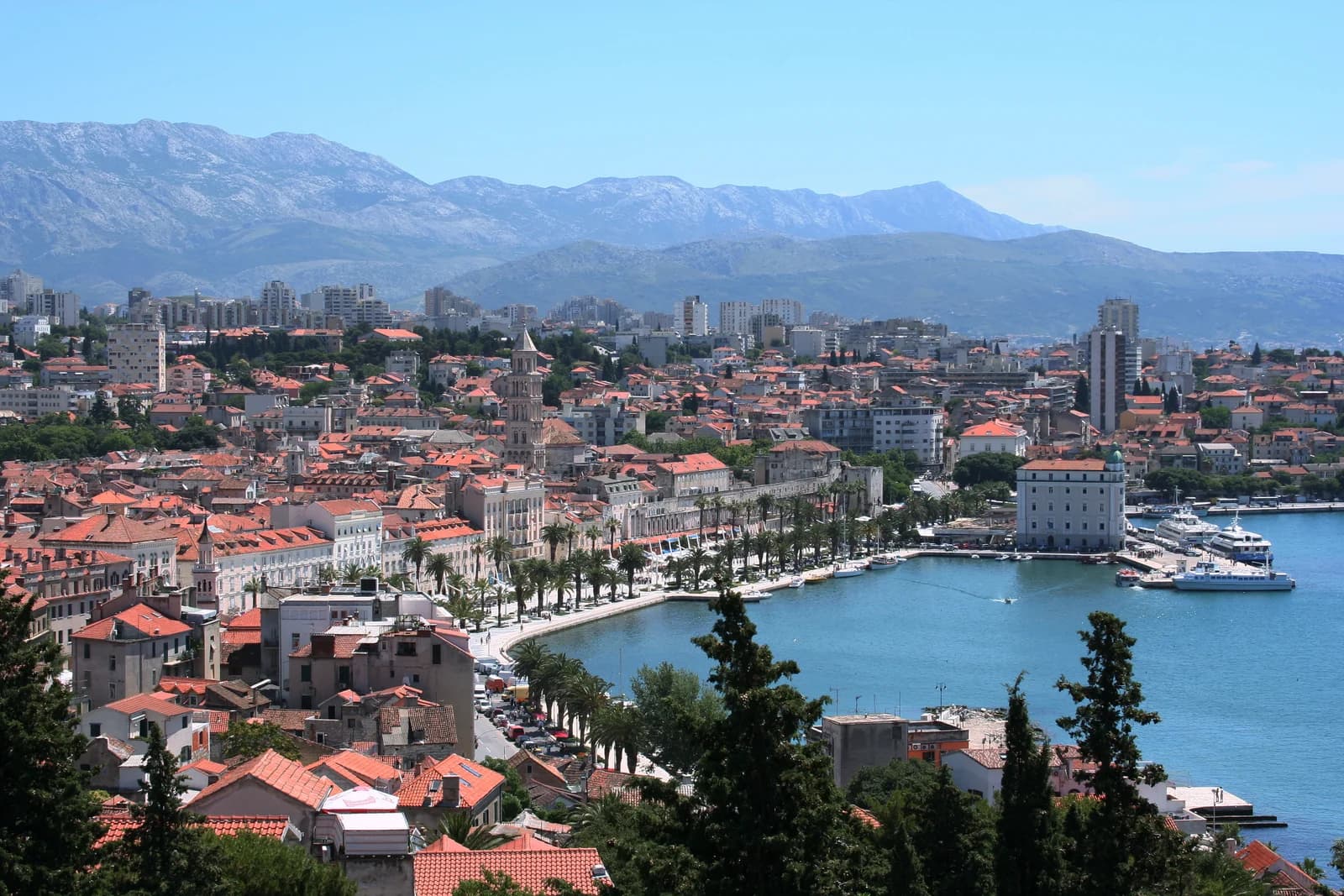
Mykonos, Kotor, Split, Civitavecchia · Jun – Sep
Cruise-Crush Mediterranean Ports
Day-tripper invasionOn peak summer days, three or four mega-cruise ships simultaneously dock at Mykonos, Kotor, Split or Civitavecchia (Rome's port), each releasing 4,000+ passengers into a town built for a few hundred. From 10am – 4pm the historic centres are physically gridlocked. Locals call this 'the invasion.' Restaurants run set tourist menus and authentic experiences vanish.
“Better right now: Tinos (next island over from Mykonos - same Cycladic charm, zero ships), Perast (just north of Kotor, cars only), Hvar's interior (away from Split's Old Town crush).”
- Why avoid
- Cruise crush
- Daily extra
- 12,000+
- Worst hours
- 10 – 16
- Quieter swap
- Tinos
Photo credits (9)
Photos via Wikimedia Commons, used under their respective licences.
- Hurricane-Belt Caribbean: sbmeaper1 - CC0 · source
- Southern Europe in Heat-Dome Season: Stephen Colebourne - CC BY 2.0 · source
- Monsoon Southeast Asia: Radek Kucharski - CC BY 2.0 · source
- Overtourism Hot-Spots at Peak: Didier Descouens - CC BY-SA 4.0 · source
- Peak-Heat Gulf Region: Imre Solt - CC BY-SA 3.0 · source
- Caribbean Sargassum Coast: Barry haynes - CC BY-SA 4.0 · source
- Iceland in Storm Season: G. Edward Johnson - CC BY 4.0 · source
- Visa-Headache Destinations Right Now: P. Hughes - CC BY 4.0 · source
- Cruise-Crush Mediterranean Ports: Tatyana Peshkova - CC BY-SA 4.0 · source
How We Build This List
No paid placement, no scaremongering, no politics. Four signals decide whether a destination makes the avoid list - and the threshold for inclusion is high.
Updated · May 2026
Government advisories
We cross-reference US State Department, UK FCDO, Canadian Global Affairs and Australian Smartraveller. A destination needs Level 3 (Reconsider) or higher from at least two of the four to make the list on advisory grounds.
Hard climate data
We use NOAA, NASA and ECMWF data - not vibes. Hurricane forecasts, monsoon onset dates, wildfire perimeter feeds and heat-dome forecasts all feed the seasonal-risk windows on this page.
Real overtourism metrics
Cruise-ship arrival schedules, daily visitor caps and resident-to-tourist ratios - published by destinations like Venice, Dubrovnik and Santorini themselves - define the overtourism flags. Not subjective.
An actual better alternative
If we can't name a specific, named, tested swap that delivers the same experience, the destination doesn't go on the list. Telling people 'don't go' without offering a 'go here instead' is useless.
Where Not To Travel: FAQ
How advisories work, how to read travel insurance, when conflict zones reopen, and which alternatives we actually trust right now.
Continue Planning Your Trip
Things to Do
Ranked attractions, tips and how to book tickets
Where to Stay
The best area to stay in each city, by neighborhood
Car Rental
Real prices, driving tips and the best routes by destination
Airport Transfers
Getting from the airport to your hotel, by price and time
All-Inclusive Guides
What all-inclusive really means, by destination
Best Time to Visit
Month-by-month weather, crowds and prices
Route Finder
Find the cheapest way to get there
Hotel Finder
Book the right hotel for your destination
AI Trip Planner
Build a day-by-day itinerary