Journey Finder car rental: book cars and drive them right
Car rental on Journey Finder works in one step: pick a destination below and you land on Trip.com's live car list for it, comparing local suppliers with free cancellation on most cars. Around the booking sit our honest guides - what a rental really costs, the insurance and driving rules that catch visitors out, and the routes worth renting a car for. Journey Finder is journeyfinder.net, a travel guide site; we're not connected to car hire brokers with similar names.

In Brief
What should I know before renting a car abroad?
Compare the total price with insurance included (not the teaser rate), book early to lock in cheap cars and automatics, and check the local rules - which side of the road, whether you need an International Driving Permit, the minimum age, and any mandatory insurance. Each of our destination guides gives the real prices, the specific driving quirks, and the best routes so you rent the right car and avoid the common surprises.
Key takeaways
- Price the total with insurance - teaser rates hide mandatory cover in some countries.
- Book early; cheap cars and automatics sell out in peak season.
- Check the drive side, minimum age and whether you need an IDP.
Search rental cars by destination
Choose where you're picking up and search - the button opens the live car list for that country on Trip.com, comparing every supplier at once. Prices start around $15/day in the cheapest destinations.
Where are you picking up?
Popular pickup cities
- Free cancellation
- No hidden fees
- Prices on Trip.com
Destination guides




Car rental tips that actually save money
How to get a good rental car deal, in short: book early with free cancellation, compare the total price with cover included, and take the smallest car that fits. The detail below is what each of those means in practice.
Book weeks ahead, not days
Rental fleets are finite, so prices climb as pickup approaches and the cheap cars go first. Booking a few weeks out - months for peak summer - regularly halves the daily rate, and a free-cancellation booking costs nothing to redo if prices drop later.
Compare the total, not the teaser
The headline rate often excludes insurance, young-driver fees, a second driver or an airport surcharge. Compare what you'd actually pay at the desk, with the cover you want included, before deciding which deal is really cheapest.
Take the smallest car that fits
Economy cars are cheaper to rent and to fuel, easier to park, and fine for most trips. Size up only for genuine reasons - a 4x4 for Iceland's F-roads or Costa Rica's rainy season, boot space for a family's beach gear.
Check the off-airport price
Airport branches add concession fees in many cities. If a downtown branch is meaningfully cheaper and easy to reach, the taxi or train to it can pay for itself over a week's rental.
Mind the fuel and mileage policy
Full-to-full is the fair standard - you return the tank as you got it. Avoid full-to-empty pricing where you prepay a tank at inflated rates, and check the mileage cap on long road trips so an unlimited-mileage rate doesn't turn out cheaper.
Sort insurance before the desk
The desk is the most expensive place to buy excess cover. Decide before pickup: excess-reduction added to the booking or a standalone excess policy, both usually far cheaper than the counter offer - then you can decline the upsell with confidence.
How much does a rental car cost for a week?
A rental car for a week typically costs $105-350 for an economy car, depending on the country and season - roughly $15-50 per day, before insurance and extras. Weekends and two-week trips scale as below; the per-day rate falls as the rental gets longer. These ranges come from our destination guides, where each country has its own detailed cost table.
| Rental length | Economy car | Good to know |
|---|---|---|
| Weekend (3 days) | $45-150 | Cheapest in Portugal or New Zealand shoulder season; Iceland and peak-summer Europe sit at the top of the range. |
| One week | $105-350 | Weekly rates usually beat 7x the daily rate; many suppliers price day 6 and 7 close to free. |
| Two weeks | $210-600 | Long rentals unlock further discounts, but check the mileage cap before a big road trip. |
Base rates for the cheapest bookable economy car, without excess-reduction insurance or extras. Automatics cost more in Europe, where manuals are the default.
Deposits, insurance and payment
The rental car deposit is a hold on the main driver's card at pickup, usually $200-500 for an economy car, released after the car comes back undamaged. A physical credit card in the driver's name is the safe assumption; debit card car rental is possible with many suppliers but comes with stricter conditions - extra ID, proof of onward travel, or mandatory full insurance - so check the pickup terms before booking. Paying the rental itself is flexible: prepay online (usually cheapest) or pay at the desk, and a few suppliers even take cash for payment, though almost never for the deposit.
Insurance splits into what's included and what's worth adding. The included cover typically carries a high excess - the amount you'd pay toward damage - and the cheap fix is excess-reduction cover added to the booking or a standalone excess policy, not the counter upsell. Some premium credit cards include rental car cover; if yours does, confirm it covers the country and car class, decline the duplicate cover, and keep the card's confirmation in writing. Mandatory local insurance exists in some countries - our destination guides flag it where it applies.
Renting a car: FAQ
The essentials that apply wherever you're driving.
Continue Planning Your Trip
Things to Do
Ranked attractions, tips and how to book tickets
Where to Stay
The best area to stay in each city, by neighborhood
Airport Transfers
Getting from the airport to your hotel, by price and time
All-Inclusive Guides
What all-inclusive really means, by destination
Best Time to Visit
Month-by-month weather, crowds and prices
Route Finder
Find the cheapest way to get there
Hotel Finder
Book the right hotel for your destination
AI Trip Planner
Build a day-by-day itinerary
Photo credits (28)
Photos via Wikimedia Commons, used under their respective licences.
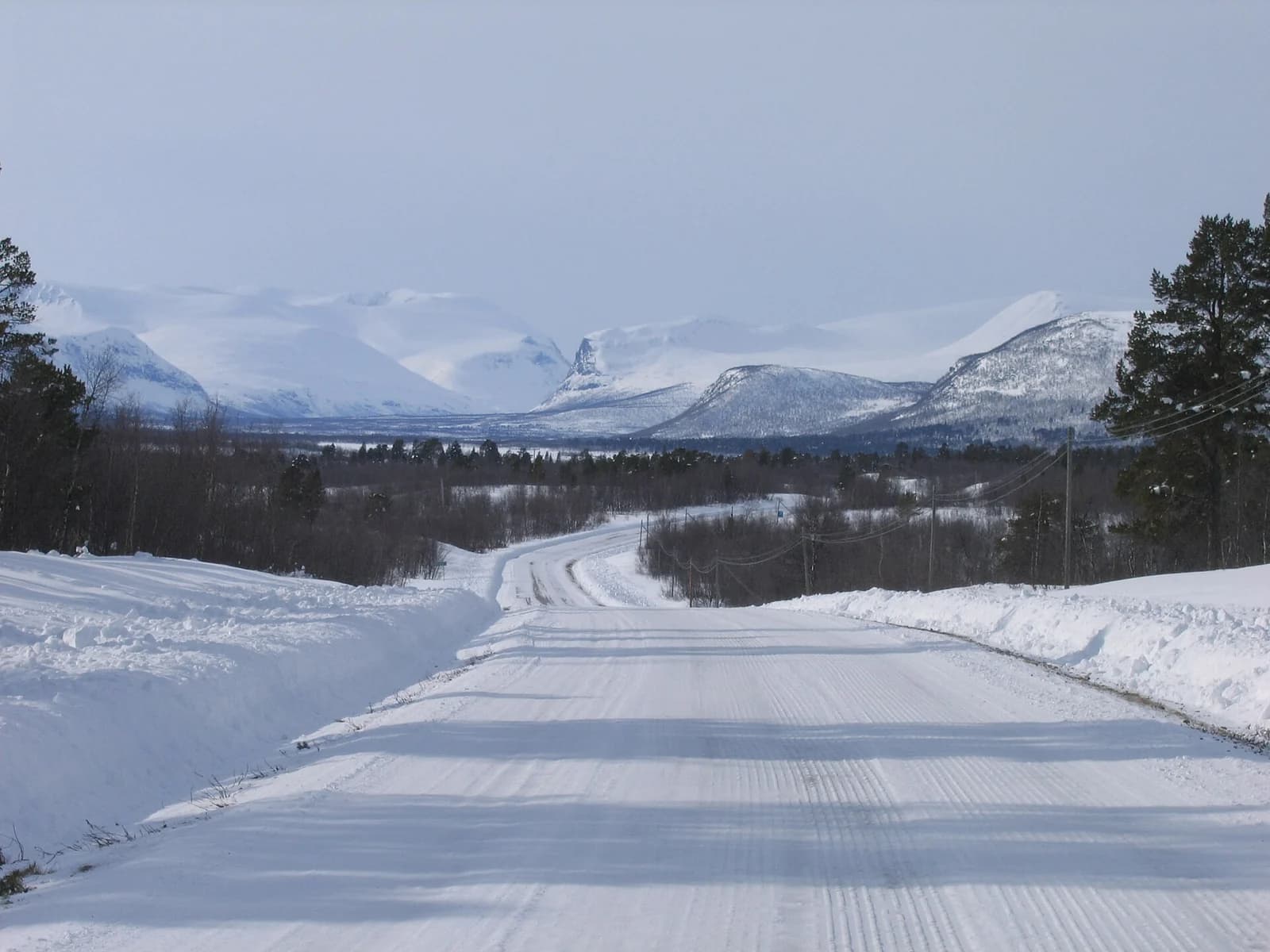
- Car rental in Sweden: Gerrit Holl - CC BY-SA 4.0 · source
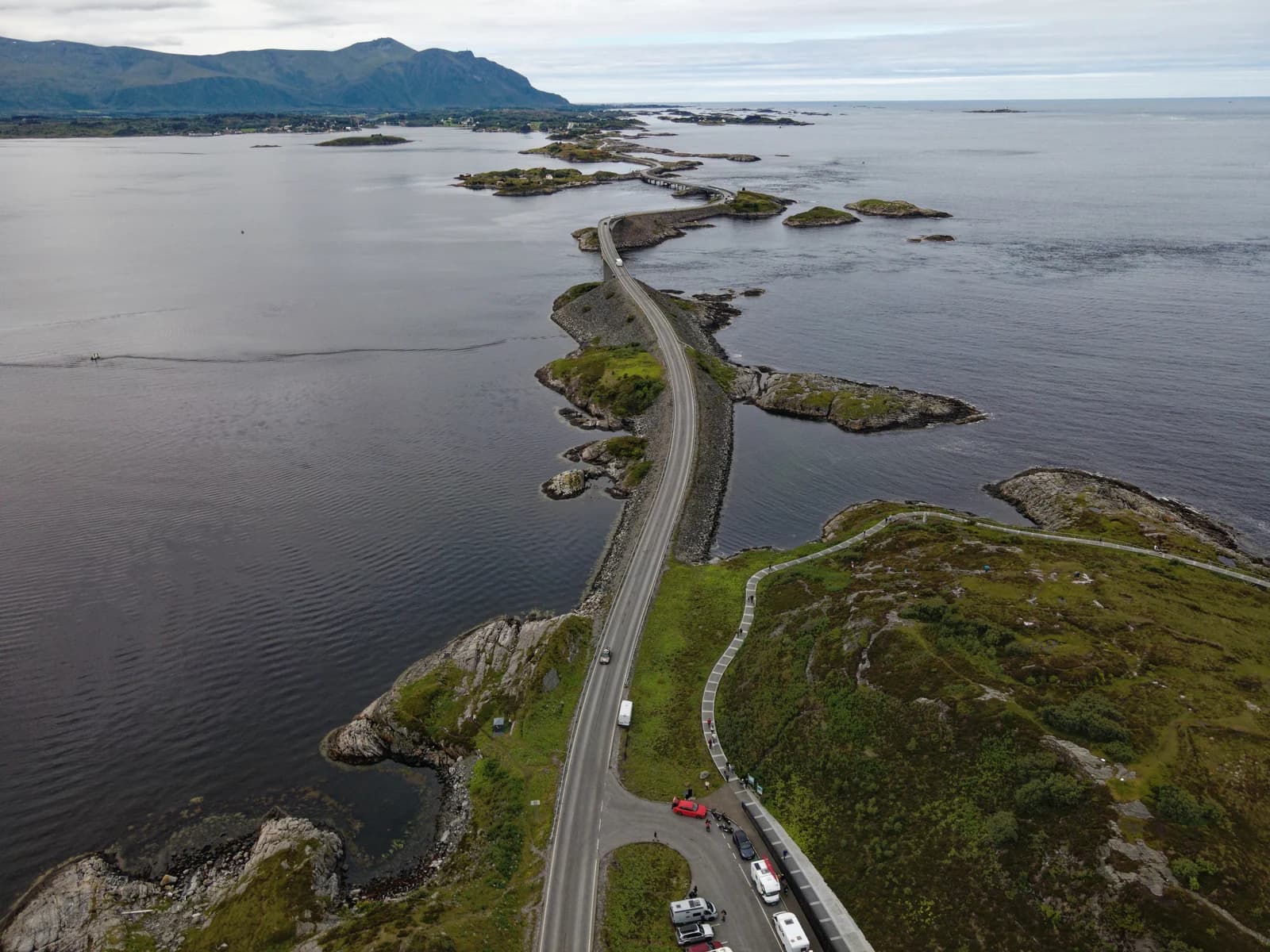
- Car rental in Norway: Martin Schmitt - CC BY 2.0 · source
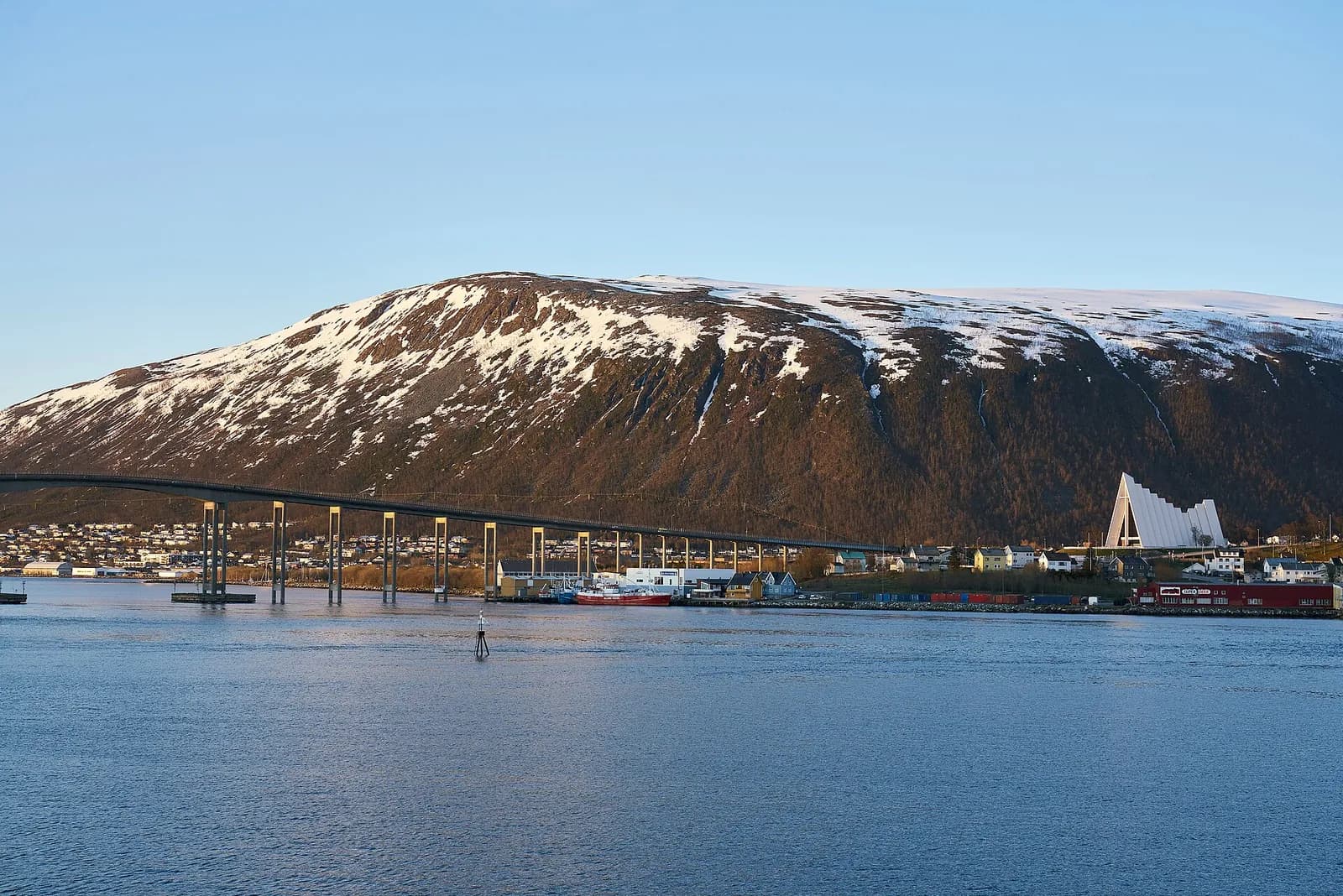
- Car rental in Tromso: Virtual-Pano - CC BY-SA 4.0 · source
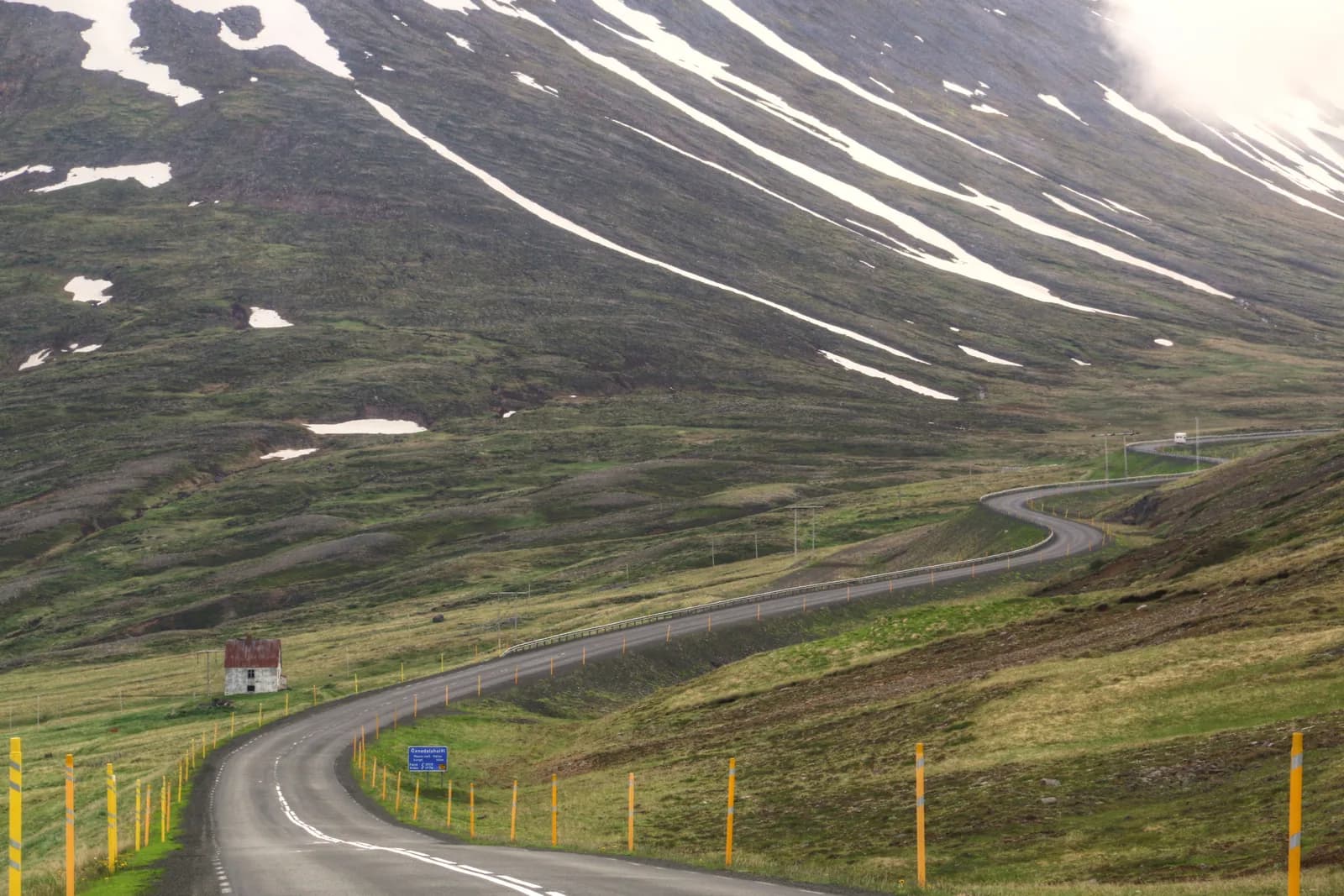
- Car rental in Iceland: Alexandre Breveglieri - CC BY 2.0 · source
- Car rental in Costa Rica: dconvertini - CC BY-SA 2.0 · source
- Car rental in Ireland: August Gresh - CC BY-SA 4.0 · source
- Car rental in Portugal: pedrik - CC BY 2.0 · source
- Car rental in New Zealand: Marian Predescu - CC0 · source
- Car rental in Scotland: Berit - CC BY 2.0 · source
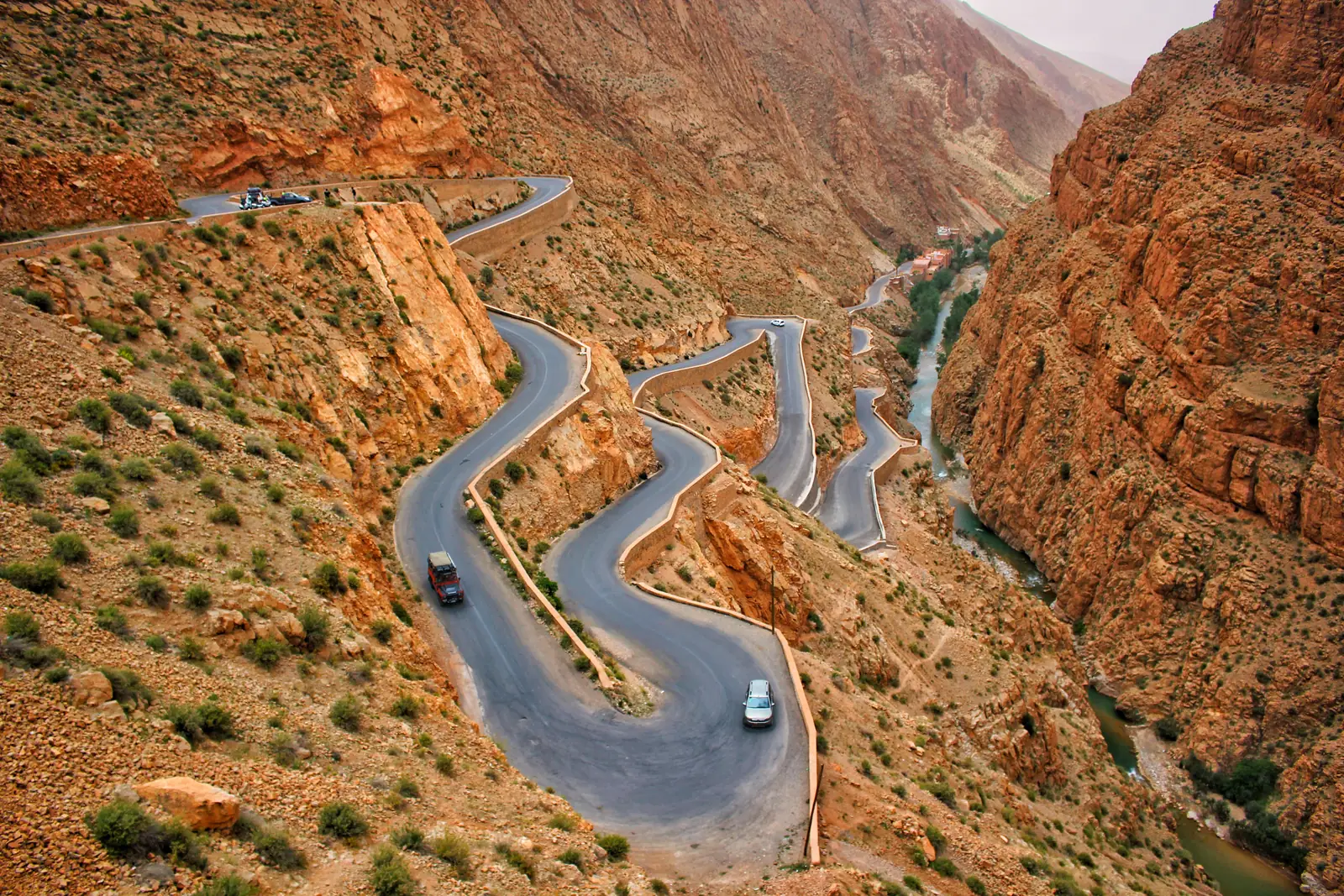
- Car rental in Morocco: Nawfal Kharbach - CC BY-SA 4.0 · source
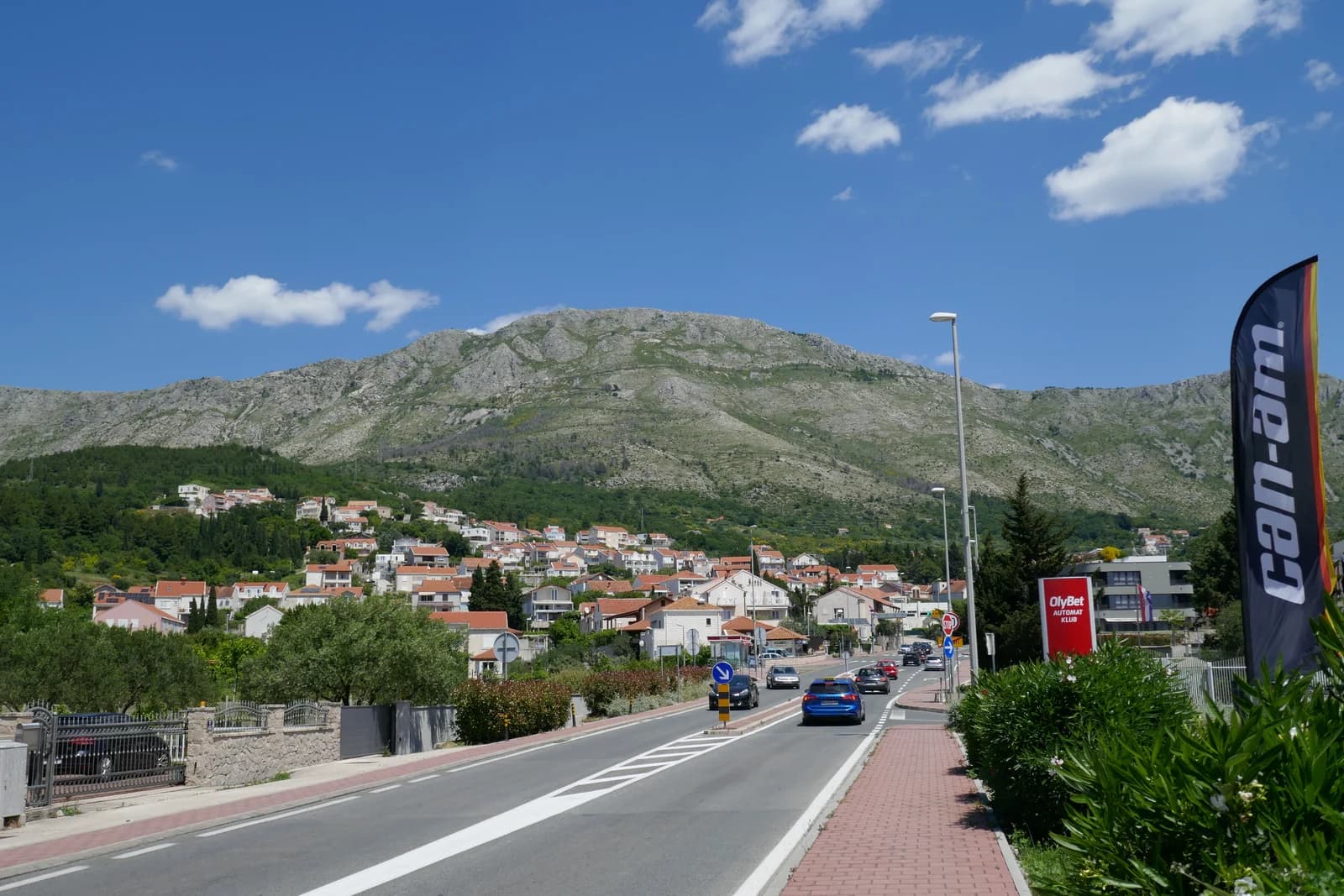
- Car rental in Croatia: Tiia Monto - CC BY 4.0 · source
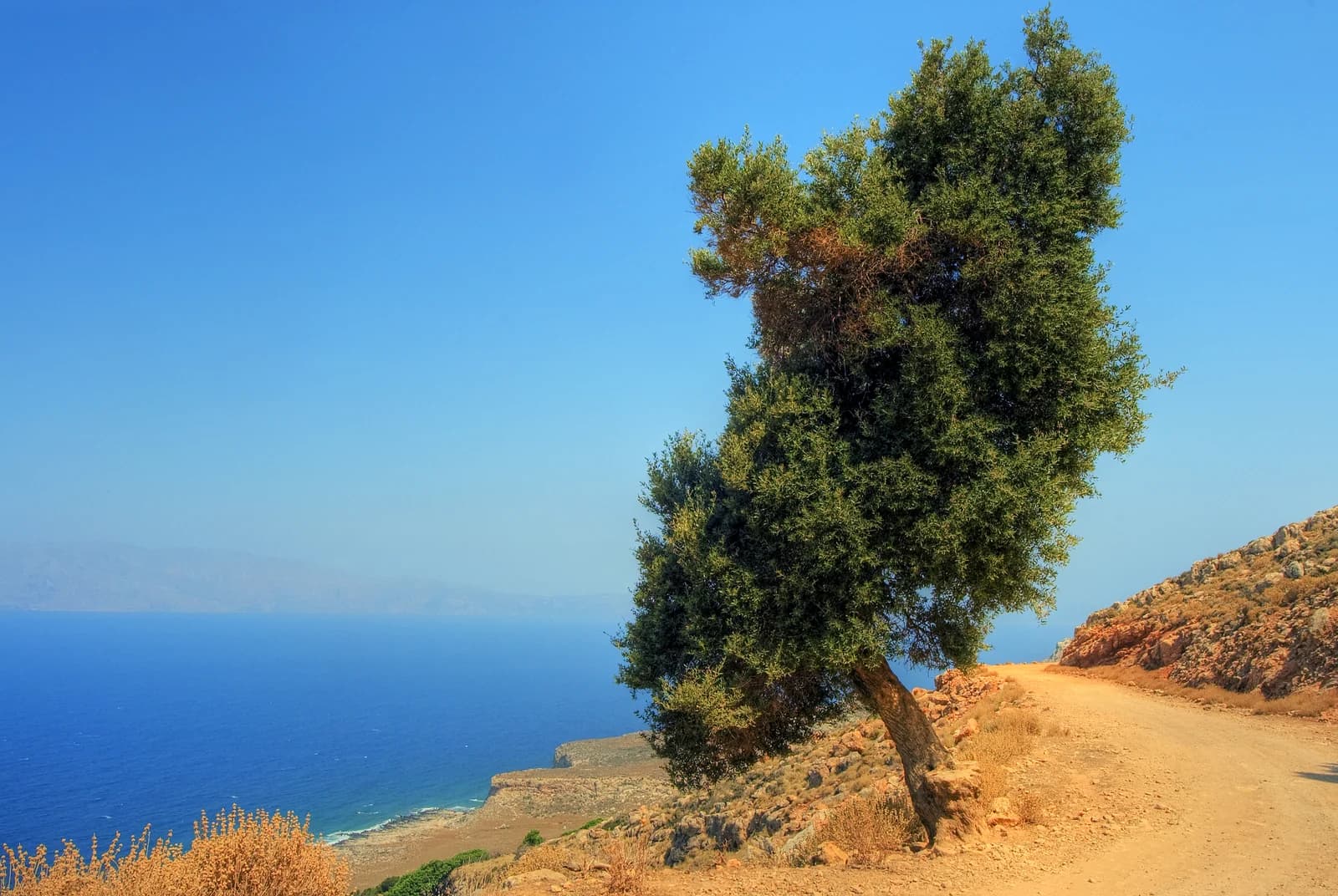
- Car rental in Crete: Wolfgang Staudt - CC BY 2.0 · source
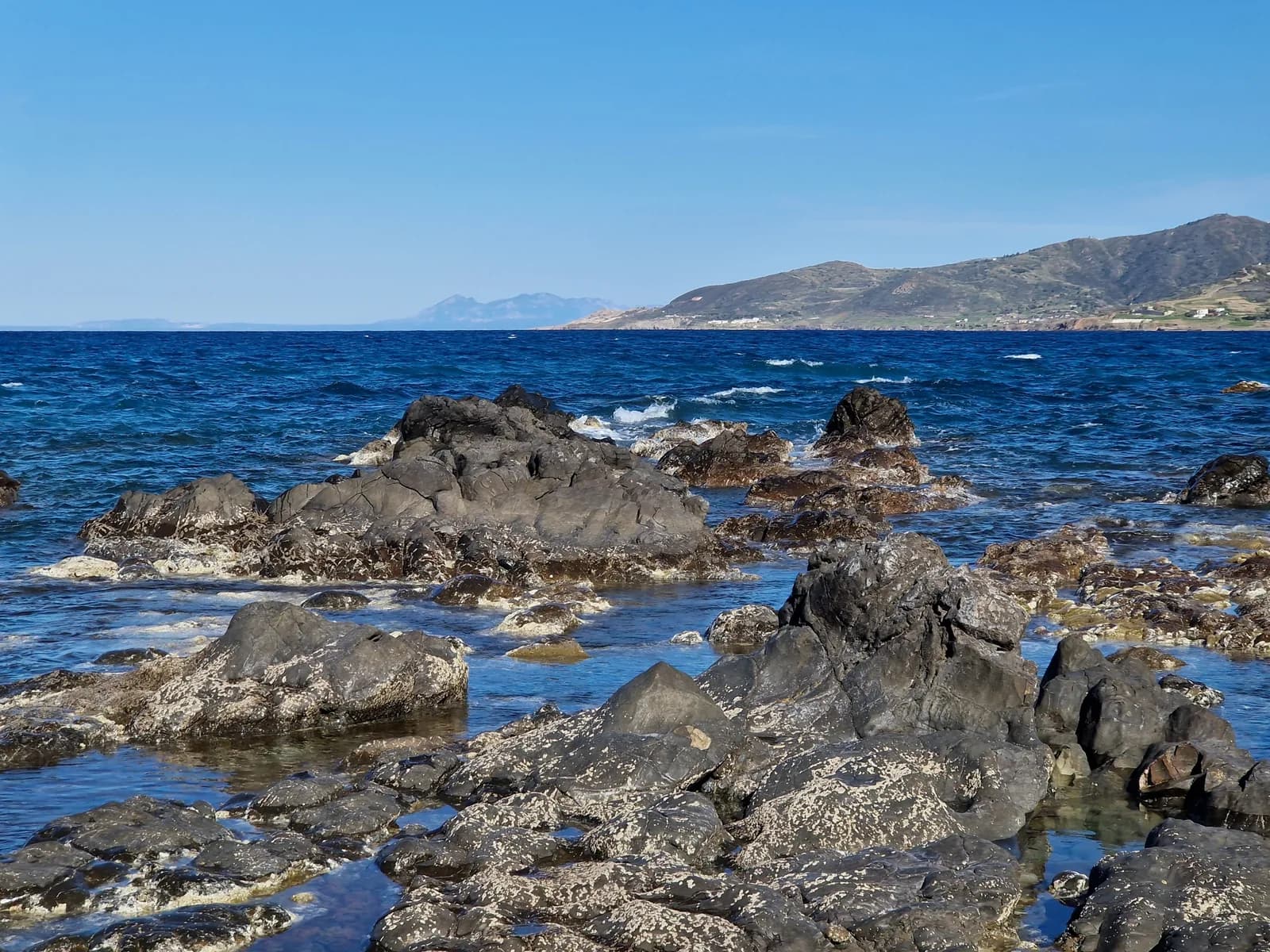
- Car rental in Cyprus: Gerda Arendt - CC0 · source
- Car rental in Sardinia: Ökologix - CC0 · source
- Car rental in Corsica: Jessica May H - CC BY 2.0 · source
- Car rental in Namibia: Moongateclimber - Public domain · source
- Car rental in Madeira: Frank Kovalchek - CC BY 2.0 · source
- Car rental in the Azores: cat_collector - CC BY 2.0 · source
- Car rental in Tenerife: dronepicr - CC BY 2.0 · source
- Car rental in Menorca: Nicolas Vigier - CC0 · source
- Car rental in Alicante: Carlos SGP - CC0 · source
- Car rental in Italy: kuhnmi - CC BY 2.0 · source
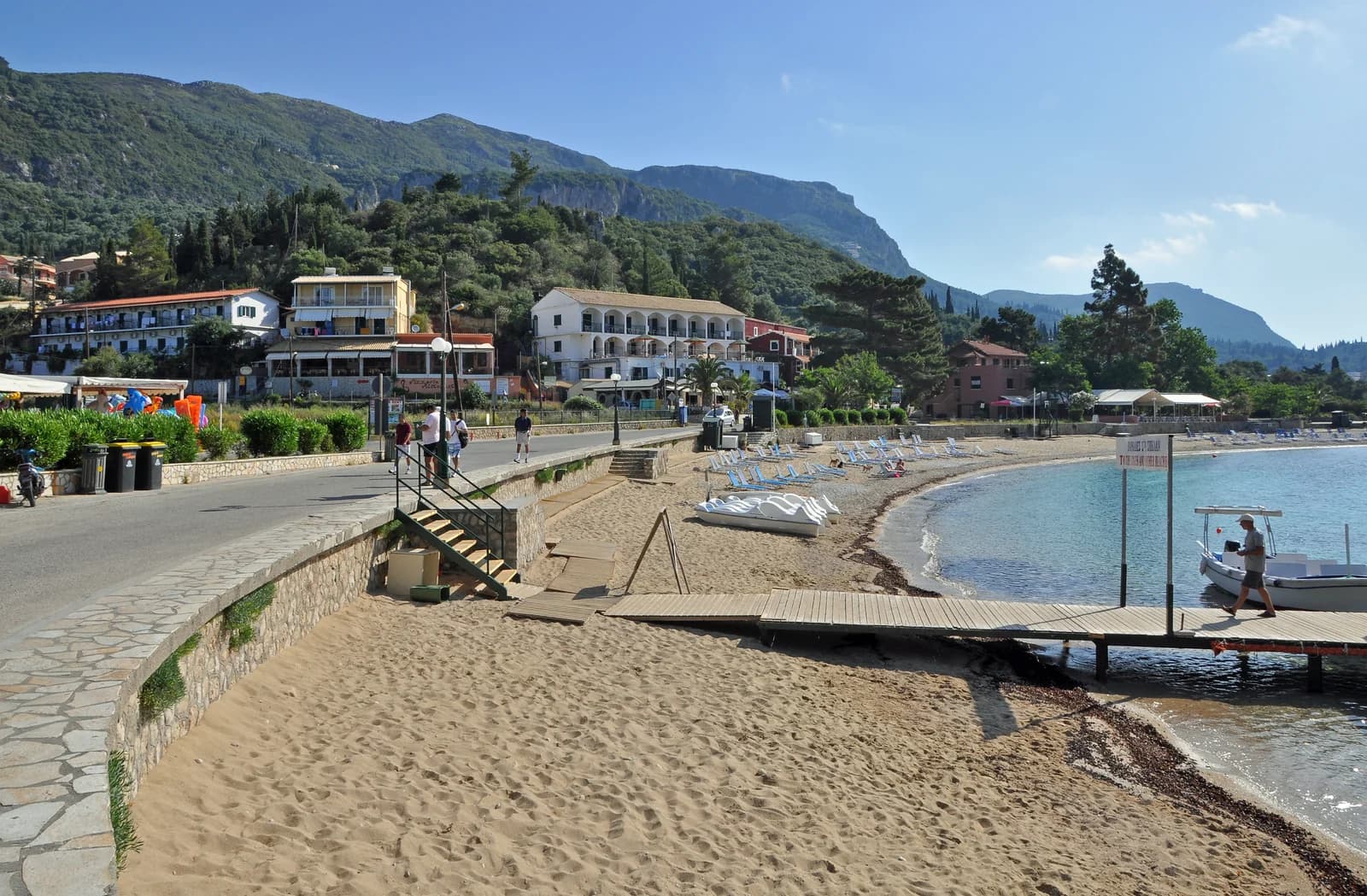
- Car rental in Corfu: Marc Ryckaert - CC BY 3.0 · source
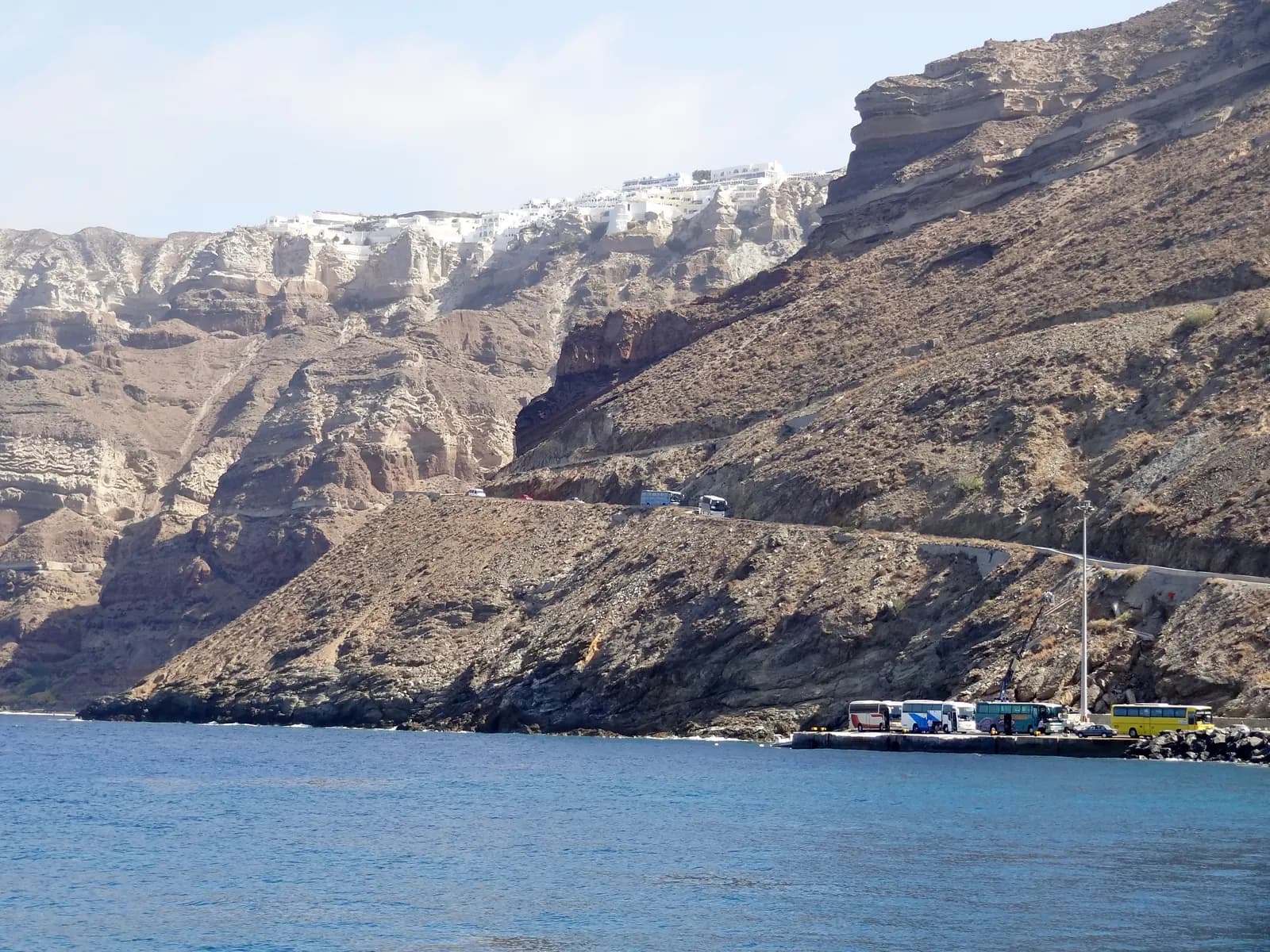
- Car rental in Santorini: Olaf Tausch - CC BY 3.0 · source
- Car rental in Rhodes: Jebulon - CC0 · source
- Car rental in Montenegro: Robert Cutts - CC BY 2.0 · source
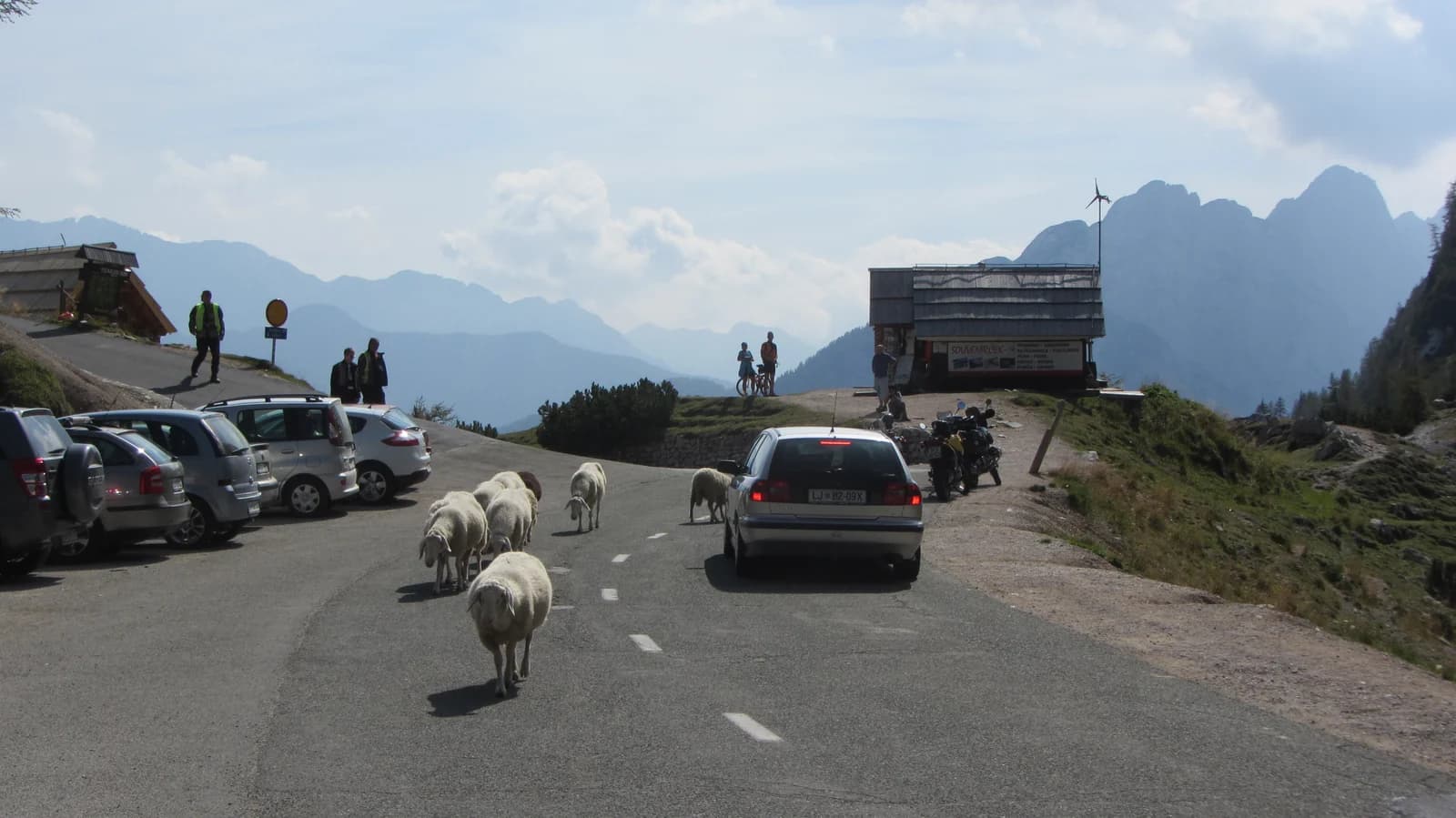
- Car rental in Slovenia: Stephen Colebourne - CC BY 2.0 · source
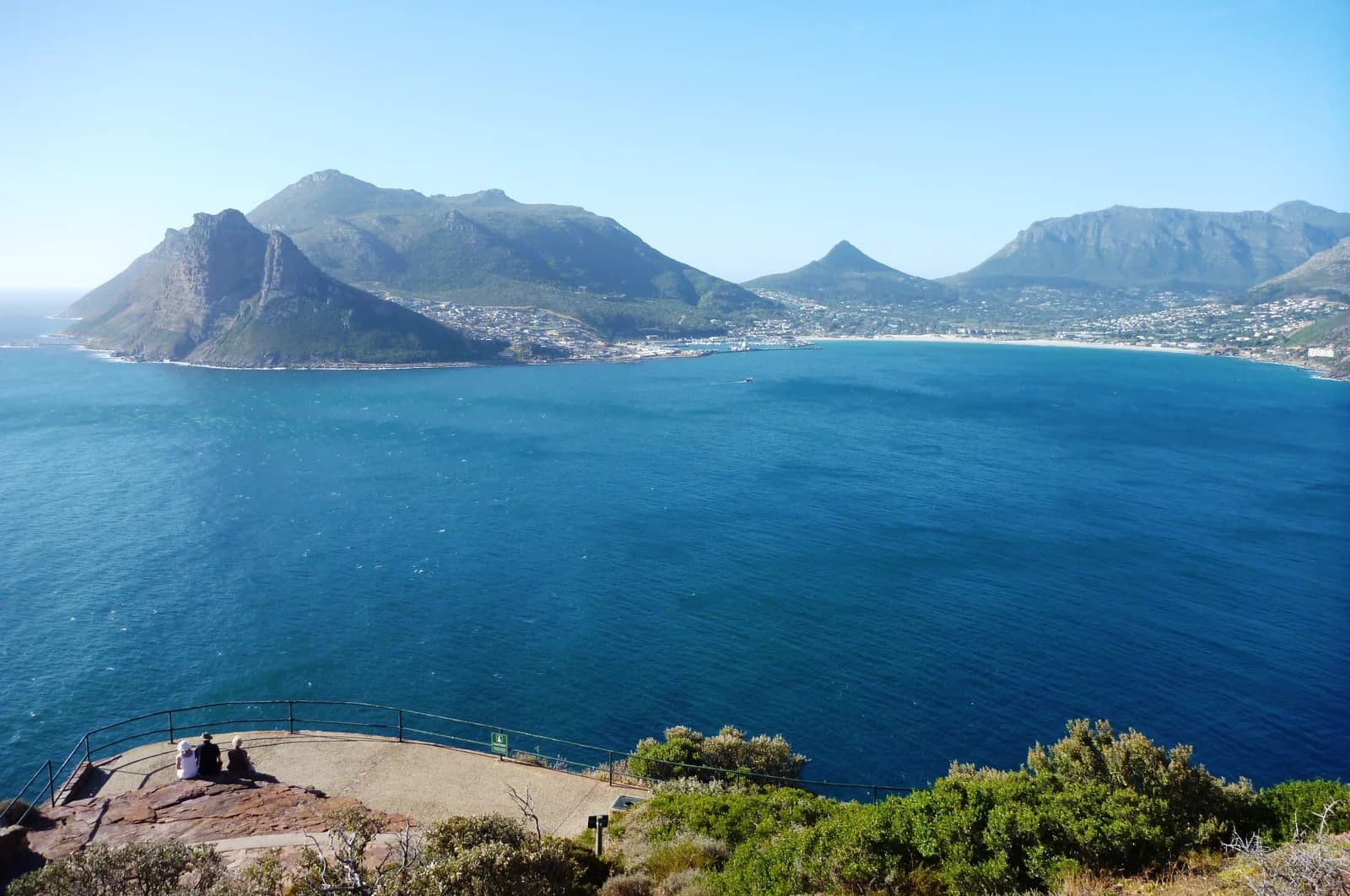
- Car rental in Cape Town: souTH AFRica (panoramio) - CC BY 3.0 · source