In Brief
Where should I stay in Toronto?
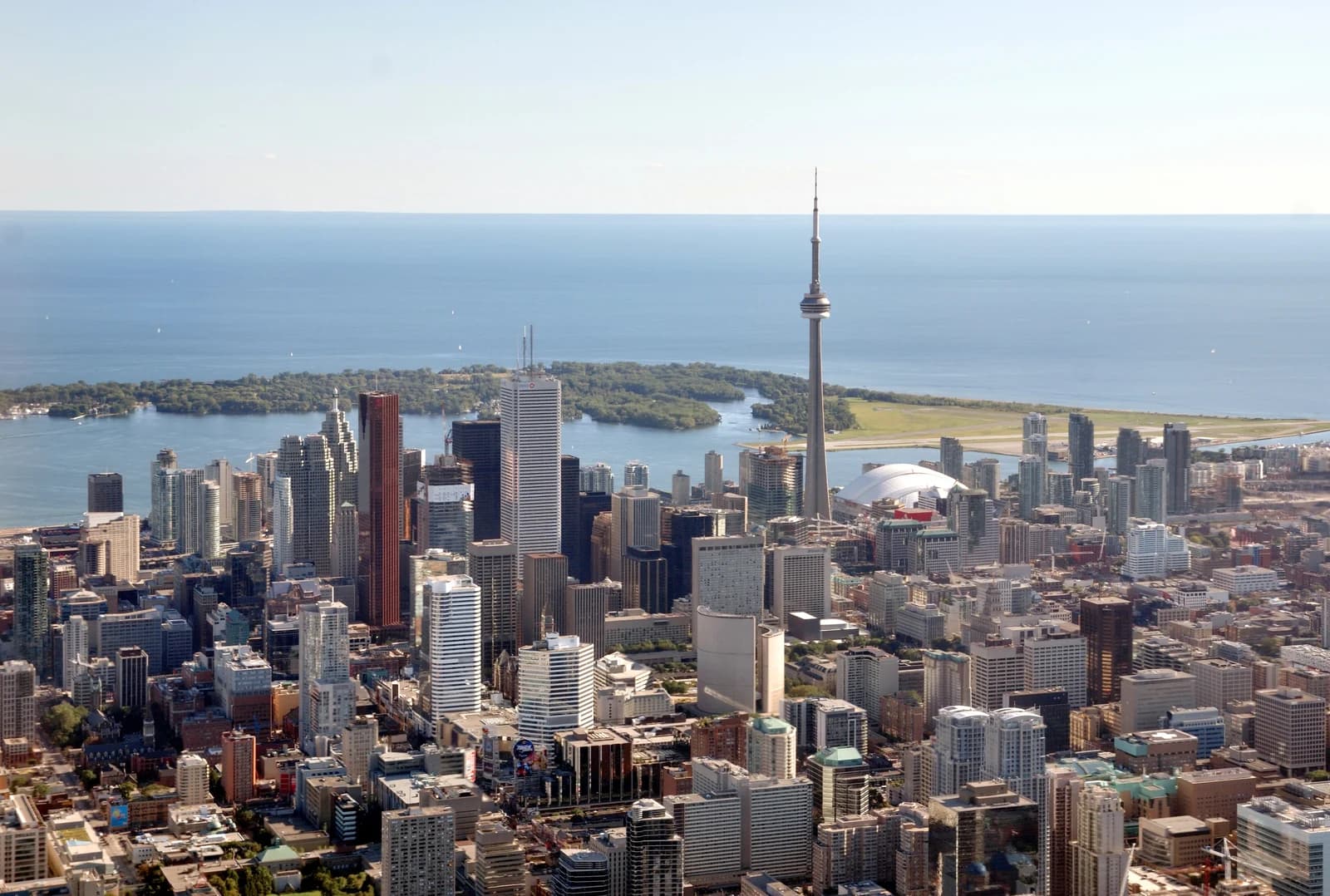
The Entertainment District for a first visit, because it puts the CN Tower and Ripley's Aquarium within a flat walk and still has somewhere to eat at night. St Lawrence if you want the same walk with more character. Avoid South Core unless proximity is the only thing you care about.
Key takeaways
- First visit: the Entertainment District
- Same walk, more life: St Lawrence and Old Town
- The real trap is a dead block, not a dangerous one
Toronto neighborhoods at a glance
The best areas to stay in Toronto, compared for vibe, price and who each suits.
| Area | Best for | Price | In a word |
|---|---|---|---|
| Entertainment District | first timers, sightseeing | $$$ | Theatres, the CN Tower and the shortest walk to everything |
| St Lawrence and Old Town | food, first timers | $$ | The market, 19th-century streets, and somewhere open at night |
| Financial District | first timers, shopping | $$$ | Union Station on the doorstep and the PATH underneath |
| Yorkville | luxury, shopping | $$$ | The expensive end, with the museum at the bottom of the street |
| Queen West | food, nightlife | $$ | Independent shops, galleries and the city's best walking street |
| Kensington Market and Chinatown | food, budget | $ | The cheapest good food in the city, and almost no hotels |
| Harbourfront | families, sightseeing | $$$ | On the lake, with the island ferry at the end of the road |
- Free cancellation on most rooms
- No booking fee
- Prices on Trip.com
Best areas to stay in Toronto
Ranked best-first, with the vibe, who it suits and an honest catch for each. Tap a filter to match an area to your trip.
Find your area - what matters most?
All 7 areas in Toronto, best first.
Entertainment District
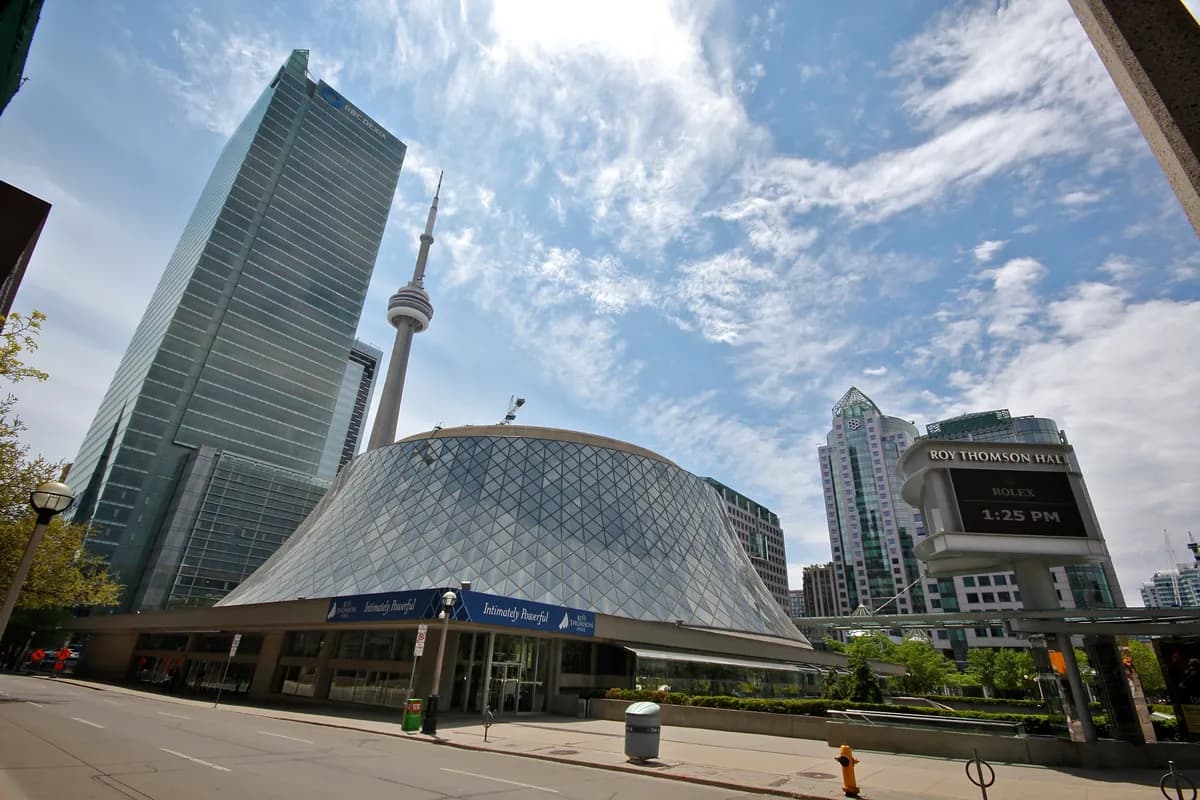
$$$ · High-endTheatres, the CN Tower and the shortest walk to everything
Best for:First-timersSightseeingNightlifeThe block between King Street and the waterfront holds the theatres, the convention centre and most of the big hotels, with the CN Tower and Ripley's Aquarium at the southern edge. It is the densest concentration of things visitors actually came for, and it stays busy into the evening because the theatre crowd keeps the restaurants open.
- Good to know
- Good to know: Rates here move with the convention calendar rather than the season, so the same room can double between two consecutive weeks in the same month.
St Lawrence and Old Town
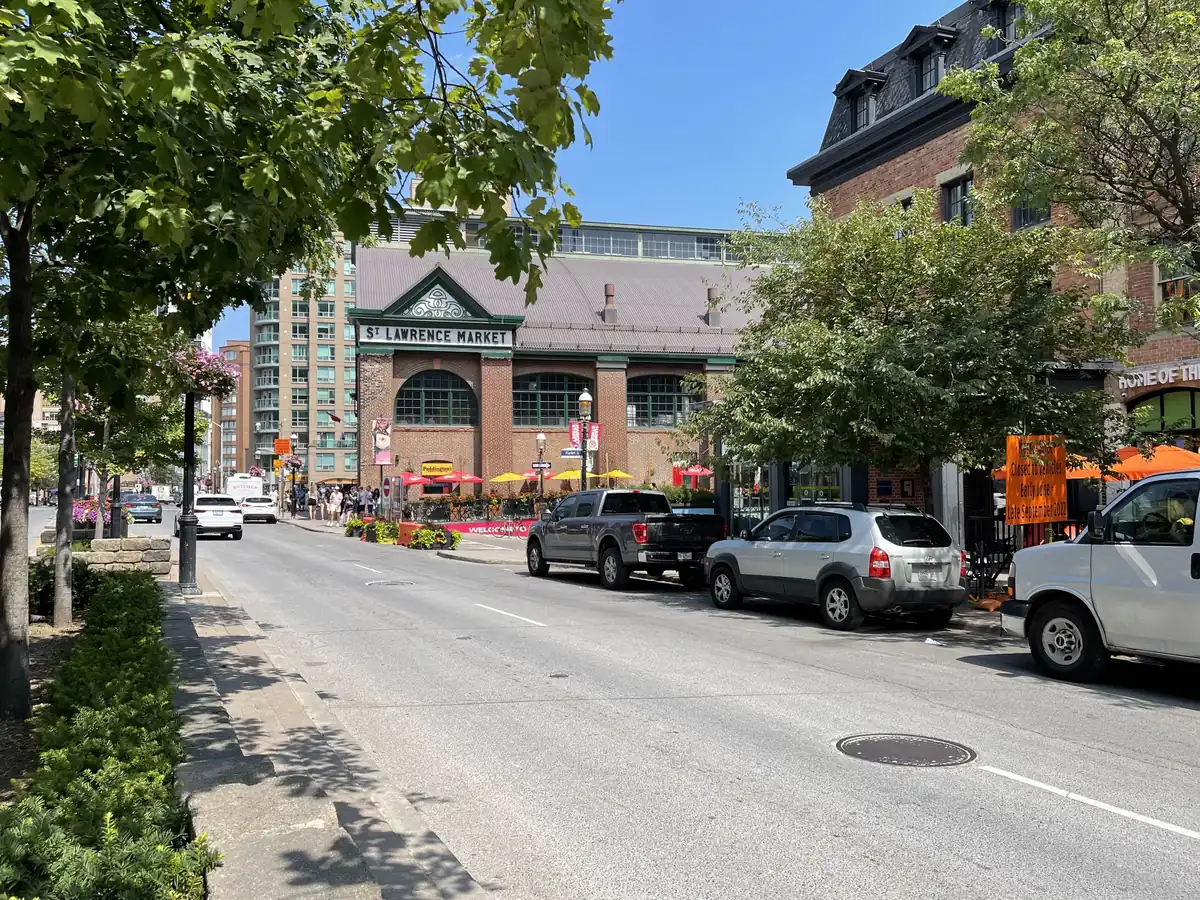
$$ · Mid-rangeThe market, 19th-century streets, and somewhere open at night
Best for:Food & wineFirst-timersRomanceEast of Yonge around St Lawrence Market, this is the oldest surviving part of downtown and the one with the most street life per block. You are a flat fifteen to twenty minutes from the CN Tower and about five from the waterfront, with better breakfasts than anywhere else central.
- Good to know
- Good to know: The market is closed on Mondays, which catches out anyone who booked the area specifically for it.
Financial District
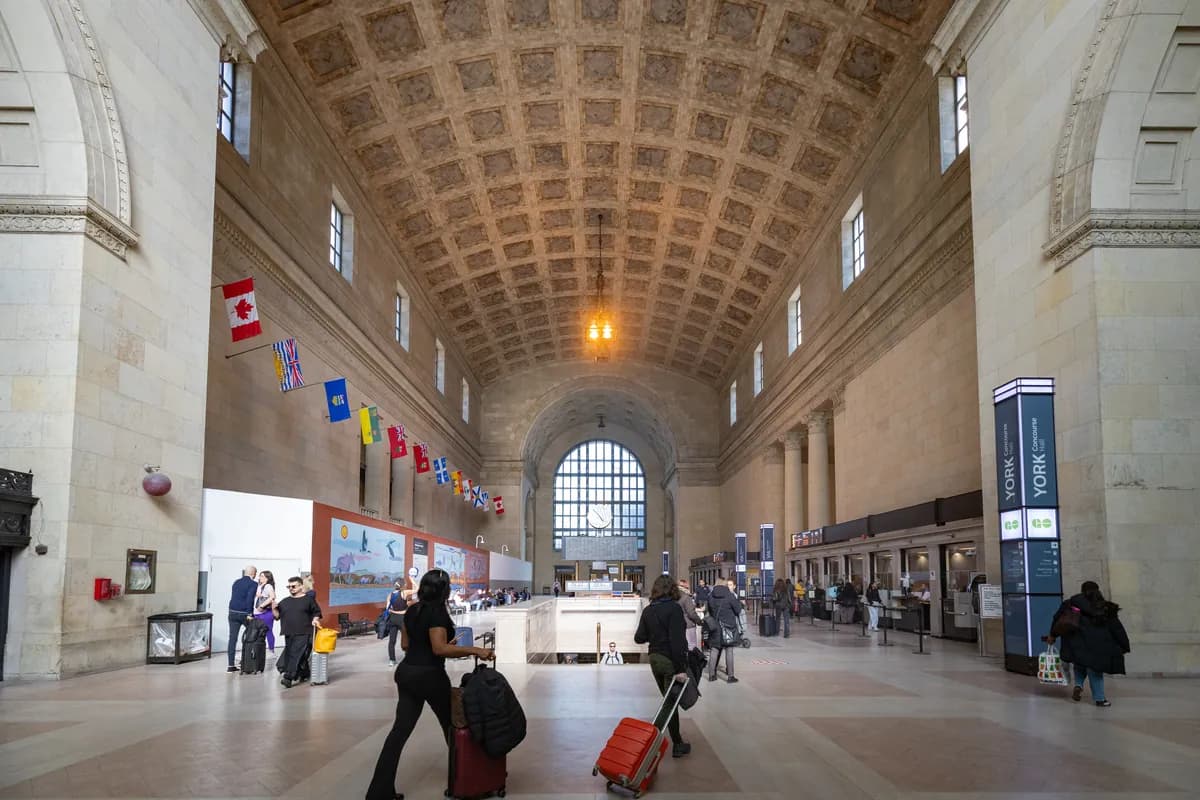
$$$ · High-endUnion Station on the doorstep and the PATH underneath
Best for:First-timersShoppingSightseeingThe towers between Front and Queen, wrapped around Union Station. Its real advantage is the PATH, the underground walkway network that connects a large share of these buildings, which in February is worth more than any view.
- Good to know
- Good to know: It is a working office district. Weekday lunch is excellent and Sunday evening is close to deserted.
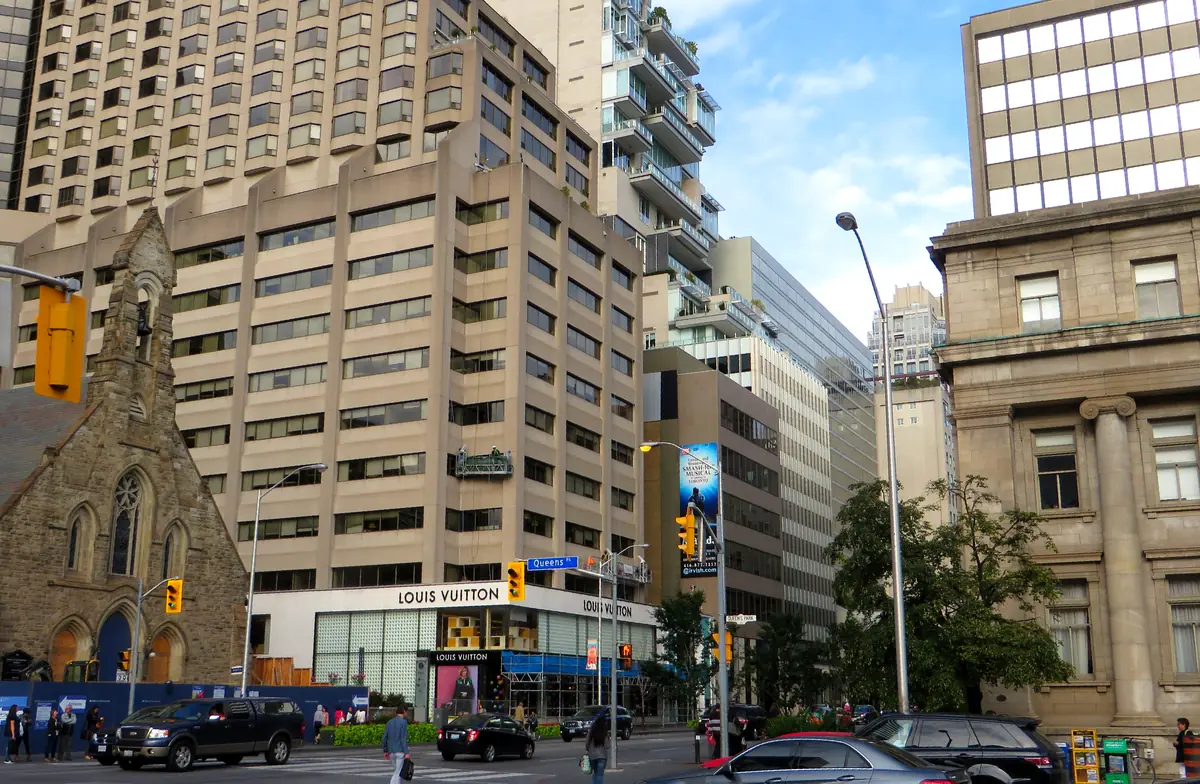
Yorkville
$$$ · High-endThe expensive end, with the museum at the bottom of the street
Best for:LuxuryShoppingRomanceNorth of the centre around Bloor Street, this is where the designer shops and the highest room rates are, with the Royal Ontario Museum at its southern edge. Calmer and greener than downtown, and a subway ride rather than a walk from the waterfront attractions.
- Good to know
- Good to know: You are roughly half an hour on foot from the CN Tower. Budget for the subway or accept that you will not be popping back to the room.
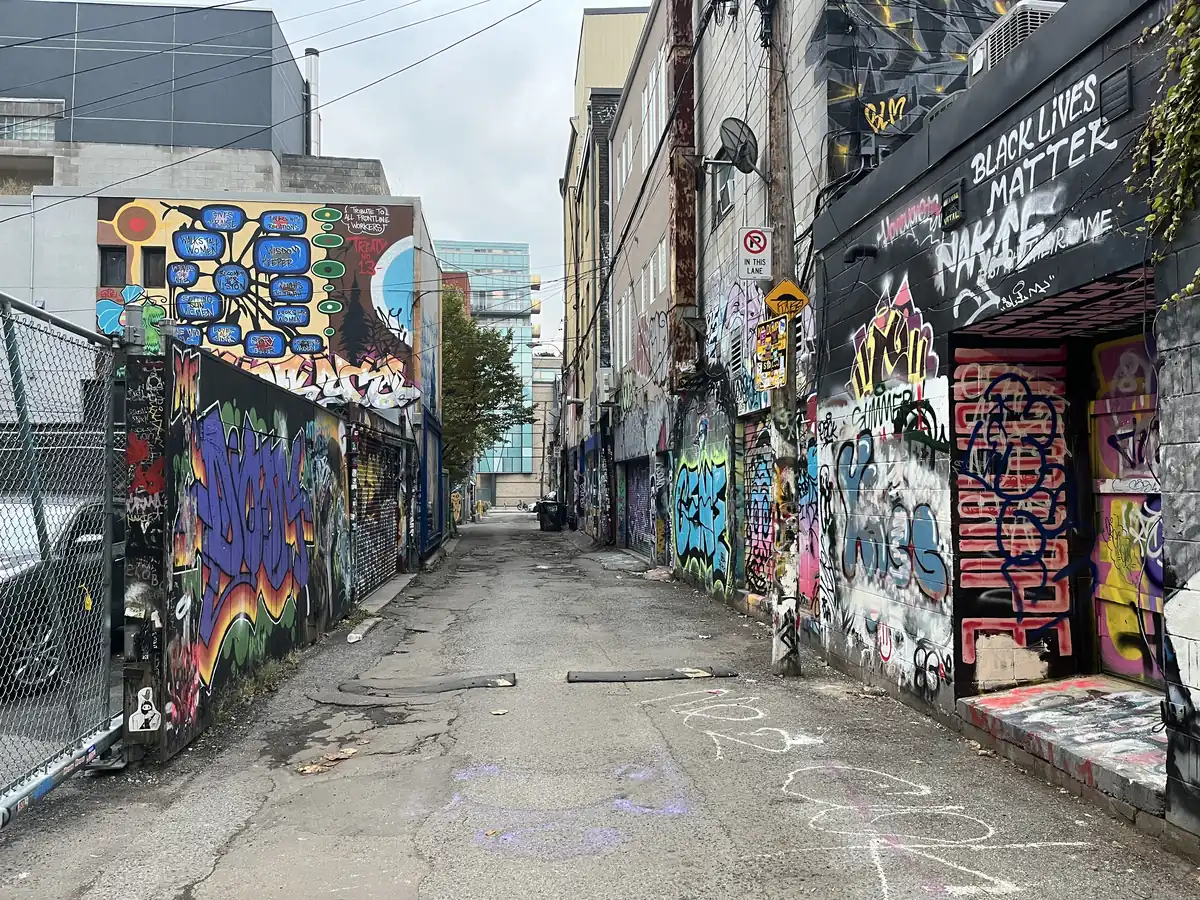
Queen West
$$ · Mid-rangeIndependent shops, galleries and the city's best walking street
Best for:Food & wineNightlifeShoppingWest of University Avenue, Queen Street runs through the most interesting stretch of independent Toronto: record shops, galleries, bars and the kind of restaurants locals book. It is the area that feels least like a hotel district and most like a city.
- Good to know
- Good to know: Hotel stock thins out as you go west, so the further along Queen you book, the more you are relying on the 501 streetcar.
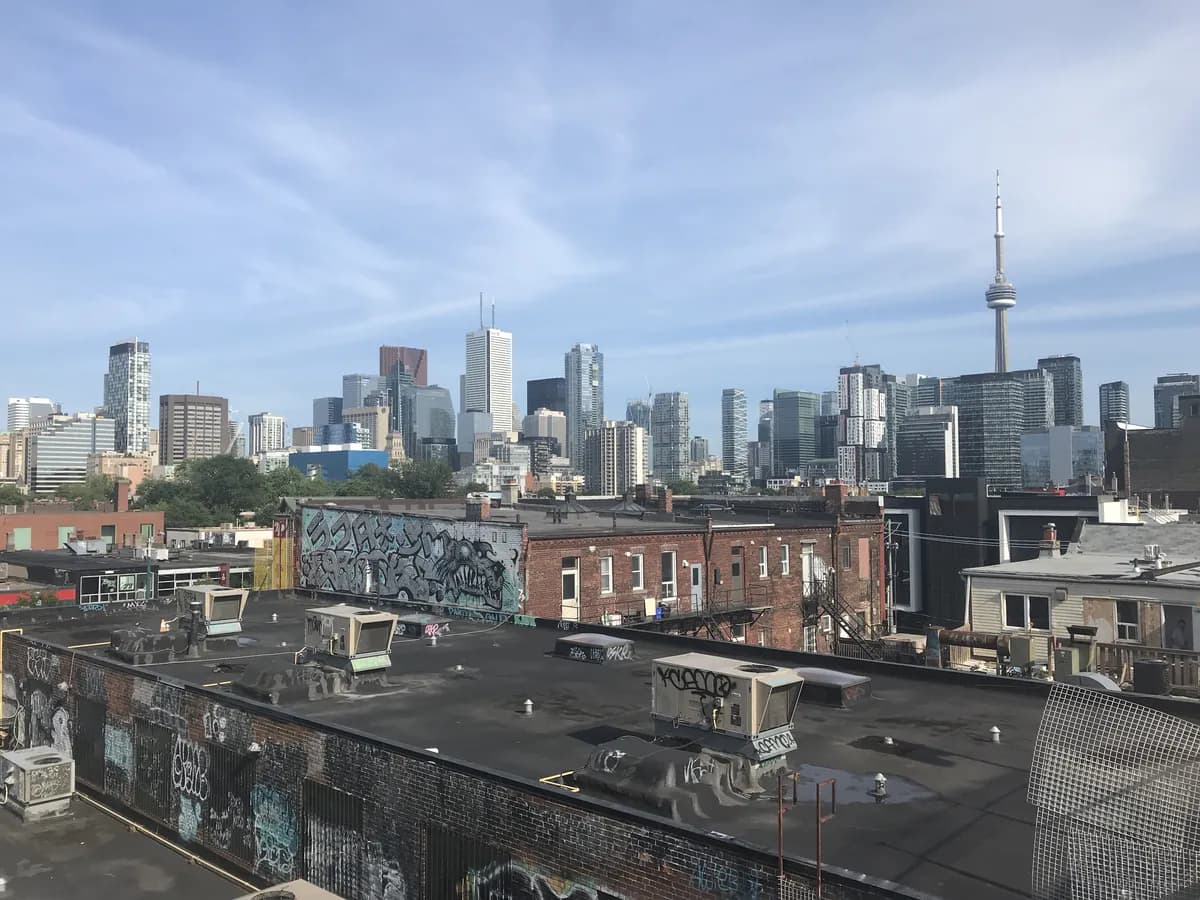
Kensington Market and Chinatown
$ · BudgetThe cheapest good food in the city, and almost no hotels
Best for:Food & wineBudgetNightlifeA dense, scruffy, genuinely characterful pocket west of the university, with one of North America's largest Chinatowns beside it. Eat here whatever you book elsewhere.
- Good to know
- Good to know: There are very few actual hotels. Most stays here are apartments, so check what you are booking rather than assuming a front desk.
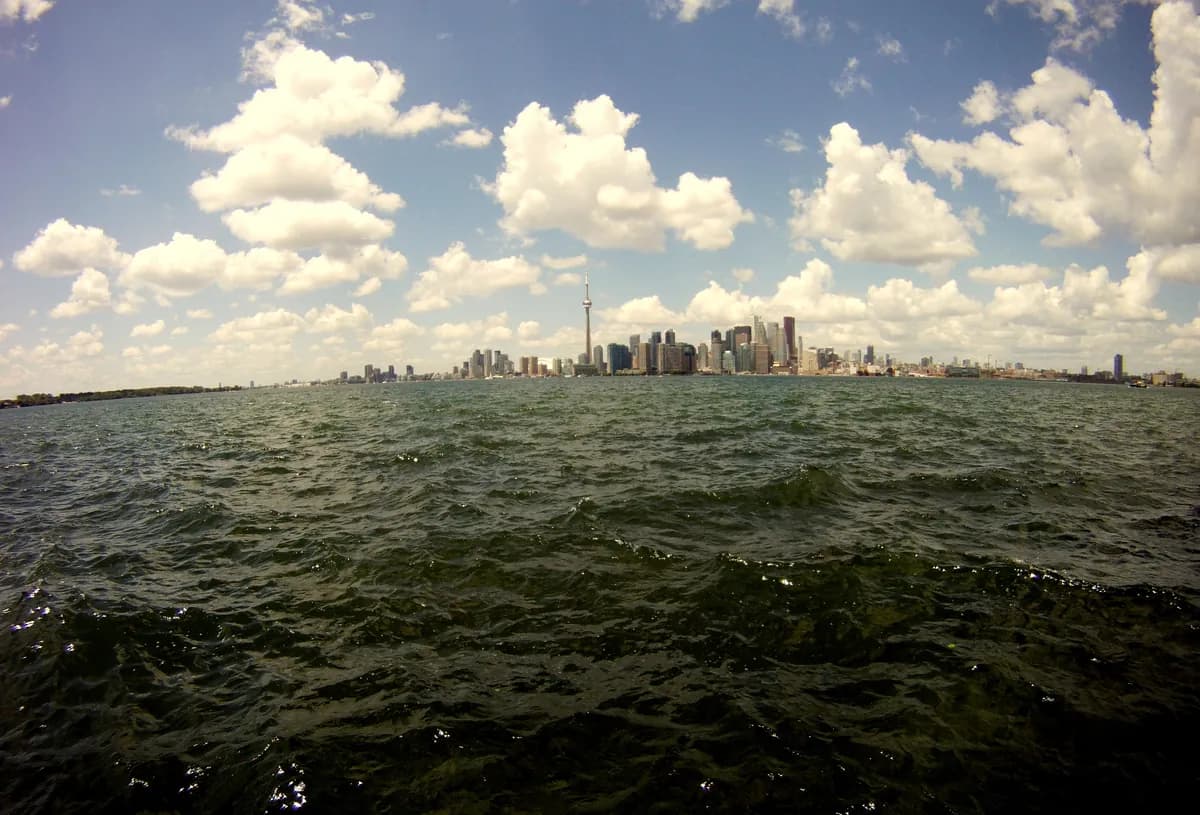
Harbourfront
$$$ · High-endOn the lake, with the island ferry at the end of the road
Best for:FamiliesSightseeingRomanceThe strip along Queens Quay, with the Toronto Islands ferry terminal at its centre. In summer this is the best-placed area in the city for a family: water, ferries, boardwalk and the aquarium a short walk west.
- Good to know
- Good to know: In winter the wind off Lake Ontario on this stretch is the harshest downtown, and the Gardiner Expressway sits between you and everything to the north.
Safest area to stay in Toronto
The Financial District, the Entertainment District and St Lawrence are the calmest places to sleep downtown: busy into the evening, well lit, and heavily policed because of the offices and theatres. Toronto is a low-violence city by North American standards and none of the central areas are places to avoid.
Financial District has round-the-clock building security and the PATH underneath, so in bad weather you can move between much of it without going outside at all.
Entertainment District keeps foot traffic until well after midnight because of the theatres, so the streets are never empty when you are walking back.
St Lawrence and Old Town is residential as well as visited, which means people on the street for ordinary reasons rather than only tourists.
The real risk downtown is not violence, it is the small number of blocks around Yonge and Dundas late at night, which can feel unpleasant without being dangerous, and opportunistic theft on transit. Neither tracks the neighbourhood you booked. Keep bags closed on the subway and streetcars wherever you are staying.
Where not to stay in Toronto
South Core, the cluster of new towers between the rail corridor and the lake, is the one to think twice about. It is the closest area to the CN Tower and Ripley's Aquarium, so it looks ideal on a map, but it is offices and condos with almost nothing at street level. It empties after six and you will walk fifteen minutes north for dinner every night. The other thing to avoid is booking on distance alone: downtown is flat, but two kilometres at the end of a museum day with children is a taxi, not a walk. And if you are here between December and March, an outdoor-only hotel pool is closed water for your whole trip.
Getting around Toronto
The subway is two useful lines: Line 1 in a U shape through downtown and up both sides, and Line 2 across the top. Streetcars cover the east-west streets the subway misses, which is most of Queen, King and Dundas, and they are slower than they look on the map. Fares are by tap on a card or contactless, and the same tap covers transfers for two hours. From Pearson airport the UP Express runs to Union Station in about 25 minutes, which is faster and more predictable than a taxi in traffic. Downtown itself is walkable and flat, and in winter the PATH lets you cross a large part of the Financial District underground.
Where to stay in Toronto: FAQ
The questions travelers ask most when choosing an area.
Where to stay in other cities
Continue Planning Your Trip
Things to Do
Ranked attractions, tips and how to book tickets
Car Rental
Real prices, driving tips and the best routes by destination
Airport Transfers
Getting from the airport to your hotel, by price and time
All-Inclusive Guides
What all-inclusive really means, by destination
Best Time to Visit
Month-by-month weather, crowds and prices
Route Finder
Find the cheapest way to get there
Hotel Finder
Book the right hotel for your destination
AI Trip Planner
Build a day-by-day itinerary
Photo credits (7)
Photos via Wikimedia Commons, used under their respective licences.
- Entertainment District: Kerthi - CC BY-SA 3.0 · source
- St Lawrence and Old Town: Jacob Rens - CC BY-SA 4.0 · source
- Financial District: Dillan Payne - CC BY-SA 4.0 · source
- Yorkville: Ken Lund from Reno, Nevada, USA - CC BY-SA 2.0 · source
- Queen West: Another Believer - CC BY-SA 4.0 · source
- Kensington Market and Chinatown: DaddySoFroze - CC BY-SA 4.0 · source
- Harbourfront: timescan from Toronto, Canada - CC BY 2.0 · source