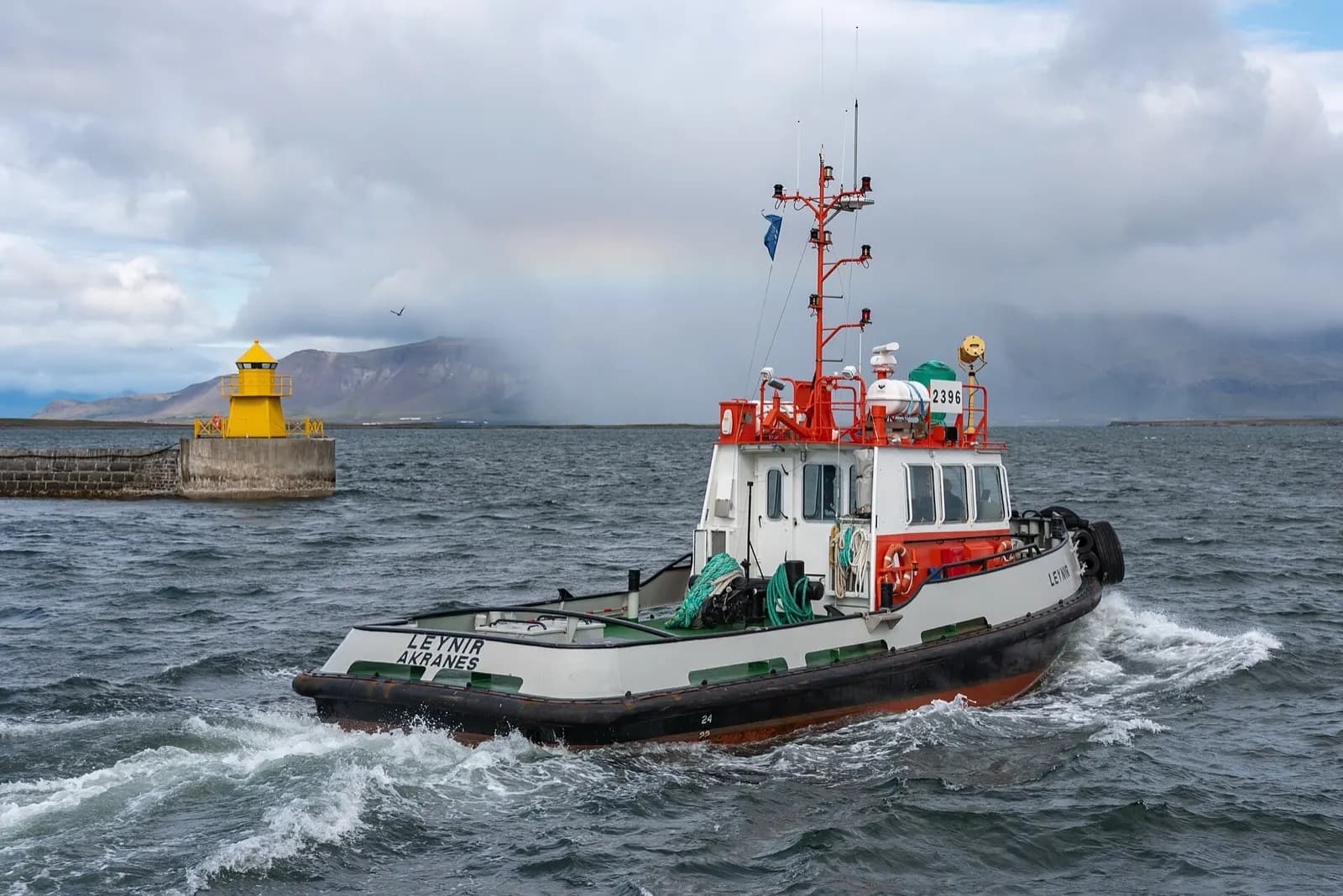
What are the main Iceland cruise ports?
The main Iceland cruise ports are Reykjavik, Akureyri, Isafjordur and Seydisfjordur, with Grundarfjordur and Djupivogur on some itineraries. Reykjavik is the base for the Golden Circle and the Blue Lagoon, Akureyri is the gateway to Lake Myvatn and whale watching at Husavik, and the Westfjords port of Isafjordur is the wildest. The season runs early May to late September only, and excursions matter more here than almost anywhere because the landscapes are far from the piers.
- Free cancellation on most rooms
- No booking fee
- Prices on Trip.com
Iceland's cruise ports, and what each is worth
Iceland's ports are small and the scenery is inland, so the day is defined by what you book. These are ranked by how much a port day is genuinely worth.
1. Reykjavik
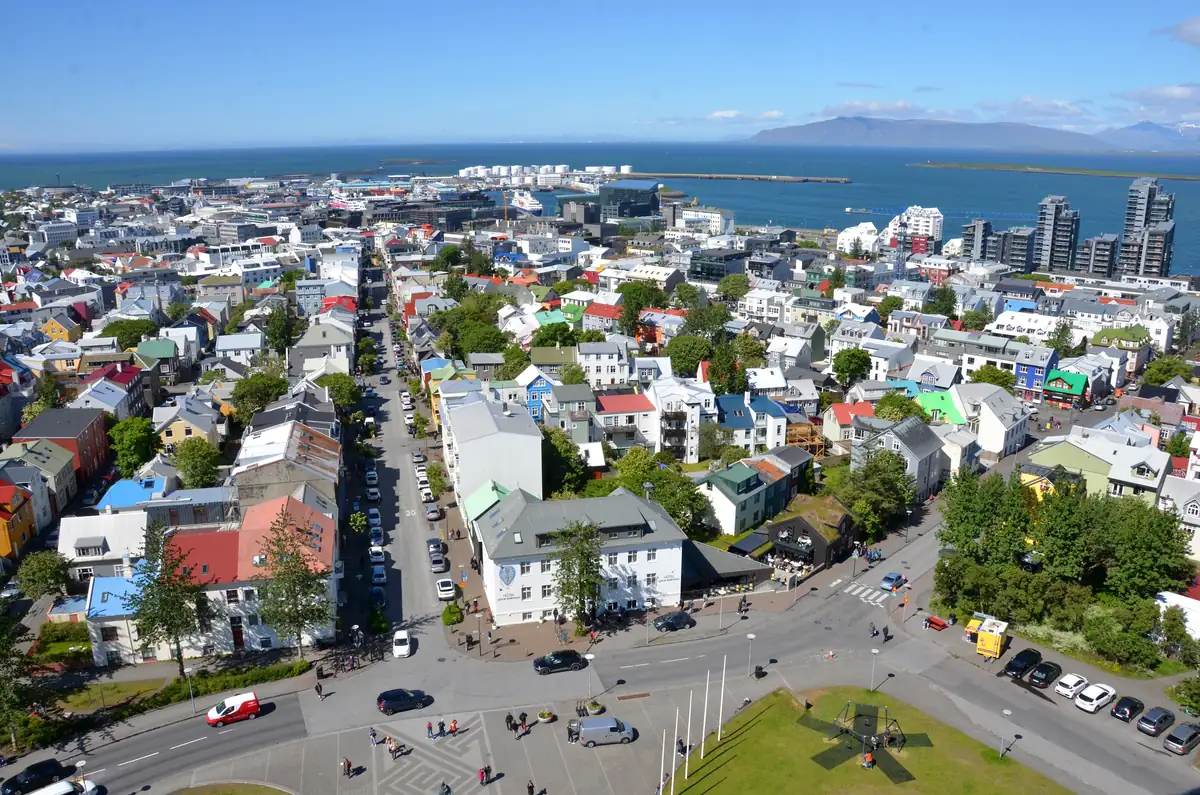
IcelandThe biggest choice of excursions, and the only real city.
Most Iceland itineraries start, end or spend a long day here. It is the base for the Golden Circle - Thingvellir's continental rift, the Geysir hot springs and Gullfoss waterfall - which is the classic Iceland day out. The town itself has the Hallgrimskirkja church tower, the Harpa concert hall and a walkable centre of colourful houses.
Book it right: The cruise pier at Skarfabakki is about 4km from downtown, so budget for the shuttle or a taxi even if you only want the town. Book the Golden Circle or the Blue Lagoon well ahead - the lagoon requires a pre-booked timed slot and sells out, and it sits near the airport rather than the city, so allow the travel time.
Typical time in port: Often a full day or overnight
Book Reykjavik excursionsBest time to visit Iceland- Free cancellation on most rooms
- No booking fee
- Prices on Trip.com
2. Akureyri
IcelandThe best port day in the north. Whales and Myvatn.
Iceland's second city sits at the head of a long fjord, and it is the gateway to Lake Myvatn's volcanic landscape of pseudo-craters, lava fields and steaming geothermal ground, plus Godafoss waterfall on the way. Husavik, about an hour away, is the most reliable whale-watching town in Iceland.
Book it right: Choose one: Myvatn or Husavik whales. Both are full-day trips and you cannot do both. Myvatn is the better landscape day and includes the nature baths, a quieter alternative to the Blue Lagoon. If you have already whale-watched elsewhere, take Myvatn. Book either ahead; ship-day capacity is limited in a town this size.
Typical time in port: Usually 8am - 5pm
Book Akureyri excursions- Free cancellation on most rooms
- No booking fee
- Prices on Trip.com
3. Isafjordur
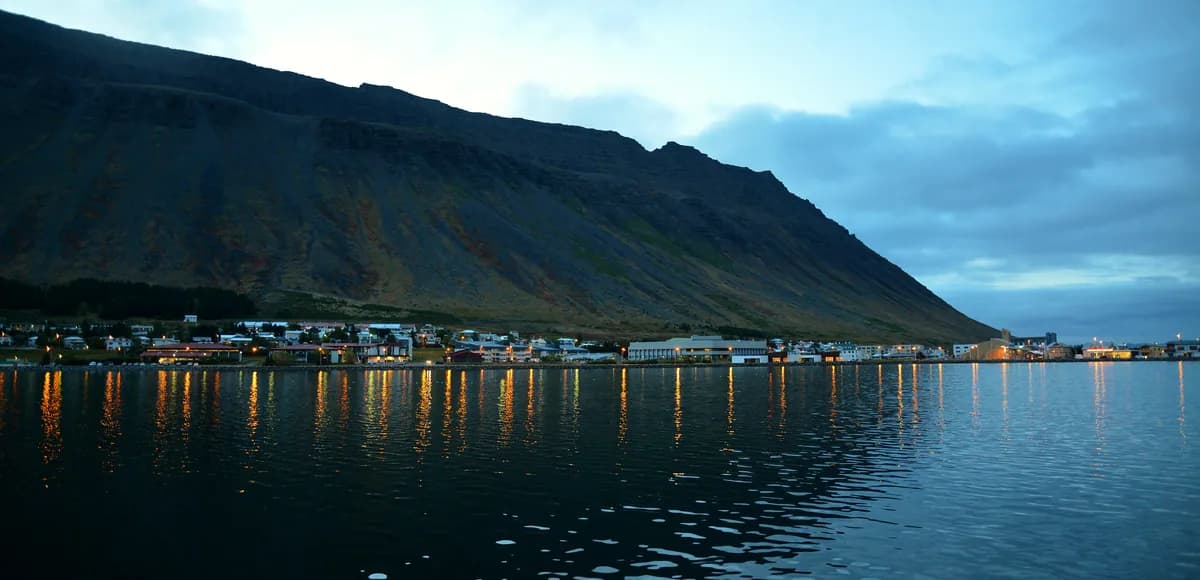
IcelandThe wildest and most remote. Small town, big landscape.
The capital of the Westfjords, a town of about 2,700 people wedged under steep mountains on a spit of land. This is the emptiest, most dramatic corner of Iceland, with sea kayaking in the fjord, hikes straight out of town and boat trips to the abandoned village of Hesteyri and puffin colonies.
Book it right: The town takes 30 minutes to see, so book something. Kayaking in the fjord and the boat to Hesteyri are the standouts and both have small capacity. Weather cancels more excursions here than anywhere else in Iceland, so have a plan B, and the town's museum and bakery make a decent one.
Typical time in port: Usually 8am - 5pm
Book Isafjordur excursions- Free cancellation on most rooms
- No booking fee
- Prices on Trip.com
4. Seydisfjordur
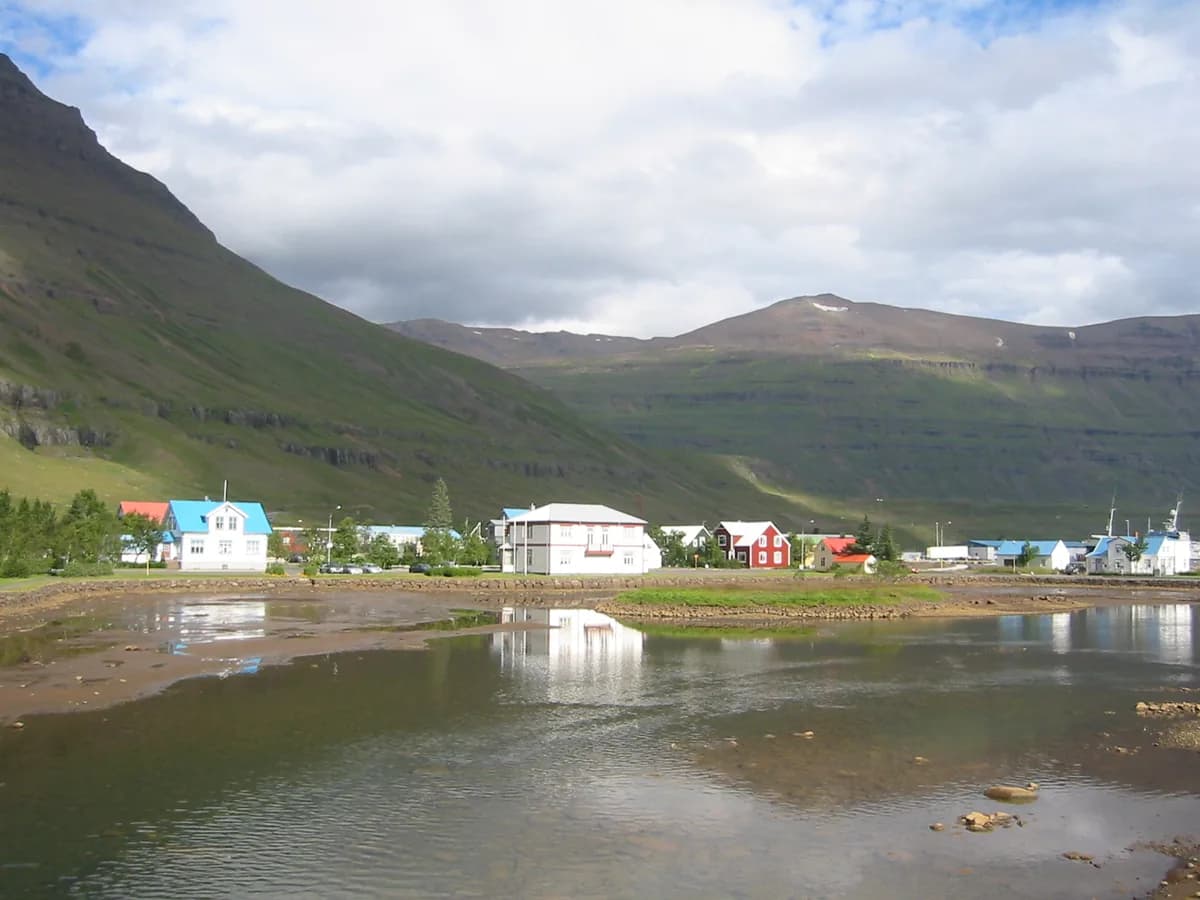
IcelandTender portThe prettiest arrival in Iceland. Tiny, and that is the point.
A village of a few hundred at the end of a long east-coast fjord, with a famous rainbow-painted street leading to a blue church, wooden Norwegian-style houses and waterfalls down the valley walls. The sail in at dawn is one of the best approaches on any Iceland itinerary.
Book it right: Do not overbook here. The village is genuinely lovely to walk and photograph, and an hour or two covers it. Excursions run to Egilsstadir and the surrounding valleys, and the hike up to Vestdalsfoss is good if the weather holds. Be on deck for the sail in and out - that is the highlight.
Typical time in port: Usually 8am - 4pm
Book Seydisfjordur excursions- Free cancellation on most rooms
- No booking fee
- Prices on Trip.com
5. Grundarfjordur
IcelandTender portOne famous mountain, and not much else in town.
A small harbour on the Snaefellsnes peninsula, in the shadow of Kirkjufell - the arrowhead mountain beside a waterfall that is the most photographed spot in Iceland. The peninsula behind it is often called Iceland in miniature, with a glacier, black beaches, lava fields and seabird cliffs in a short drive.
Book it right: Kirkjufell is a few kilometres from the pier and the classic photo spot is at the waterfall, not the town. A peninsula tour is the right call here because the good landscapes are spread along the coast road. In town itself there is very little, so do not plan on a self-guided day.
Book Grundarfjordur excursions- Free cancellation on most rooms
- No booking fee
- Prices on Trip.com
Best time for an Iceland cruise
Iceland's cruise season is short. The month you sail changes daylight, wildlife and price more than it changes temperature, which stays cool throughout.
| Month | What it's like | Worth knowing |
|---|---|---|
| May | Cool, quiet, cheapest | Season opens. Fewer ships, lower fares, snow still on the highlands. Some highland roads and tours not yet running. |
| June | Midnight sun | Near-24-hour daylight around the solstice and peak puffin season. The best month for landscapes; prices climb. |
| July | Warmest and busiest | Highs around 13-15°C, everything open, best whale activity - and the most ships per port and the highest prices. |
| August | Warm, still bright | Excellent conditions with slightly fewer crowds than July. Puffins leave through the month. |
| September | Darker, cheaper | Northern lights become possible as nights return, autumn colour in the fjords, lowest late-season fares. Weather turns more changeable. |
Iceland cruise excursions: where the money is worth spending
Iceland is the region where booking an excursion matters most, and the reason is geography. The landscapes people come for - waterfalls, geysers, lava fields, glacier lagoons - are one to three hours inland from ports with populations in the hundreds. There is no walking off the ship into scenery, and public transport in these towns effectively does not exist.
That said, independent operators in Reykjavik and Akureyri are plentiful and usually cheaper than the ship's version, and both towns have enough competition that quality is high. In the small ports - Isafjordur, Seydisfjordur, Grundarfjordur - capacity is genuinely limited and the ship's excursions may be most of what is available, so book early either way.
The one to plan around is the Blue Lagoon. It uses pre-booked timed entry, sells out in season, and sits near Keflavik airport rather than Reykjavik, so it eats a large part of a port day in travel. If your ship is only in Reykjavik briefly, the Sky Lagoon closer to town or the Myvatn Nature Baths in the north are better uses of the time.
- check_circleBook the Blue Lagoon's timed entry well ahead, and check the travel time from your pier.
- check_circleIn small ports, capacity is limited - book early rather than deciding on the day.
- check_circleWeather cancels excursions here more than anywhere; keep a plan B for each port.
- check_circleChoose one big trip per port. Nothing in Iceland can be doubled up in a day.
What to pack for an Iceland cruise
Layers and genuinely waterproof outerwear, whatever the month. Summer highs sit around 12 to 15°C, but Iceland's weather changes hour to hour and the wind is the part people underestimate - it is what makes 12°C feel considerably colder on an exposed clifftop.
Waterproof walking shoes or light boots matter more than anything else in the bag. Most excursions involve walking on wet lava rock, gravel paths or muddy trails, and trainers are miserable in that. Bring a hat and gloves even in July for the whale-watching boats and the exposed viewpoints.
Two Iceland-specific items: swimwear, because the geothermal pools and lagoons are a highlight and you will regret not having it, and a proper eye mask if you sail in June, when it barely gets dark and cabins with a window stay bright at midnight.
- check_circleWaterproof jacket and trousers - wind-driven rain is the norm, and umbrellas are useless.
- check_circleWaterproof walking shoes or boots for wet lava and gravel paths.
- check_circleSwimwear for the lagoons and geothermal pools.
- check_circleAn eye mask for June and July sailings, when the nights barely get dark.
How Iceland cruise itineraries work
Two shapes dominate. Circumnavigations sail around Iceland over a week or more, calling at Reykjavik plus a mix of Akureyri, Isafjordur, Seydisfjordur and the smaller harbours - the fullest picture of the country and the best choice if Iceland is the trip.
The alternative is Iceland as part of a wider northern route, usually combined with Norway, the Faroe Islands, Greenland or the British Isles. These sailings typically call at only two or three Icelandic ports, most often Reykjavik and Akureyri, and give you a taste rather than the country.
One practical point worth checking before booking: whether your Reykjavik call is an overnight. Iceland's capital is the one port where an evening in town genuinely adds something, and an overnight also makes the Blue Lagoon far easier to fit in without losing a whole sightseeing day.
Frequently asked questions
- Free cancellation on most rooms
- No booking fee
- Prices on Trip.com
More cruise guides
Alaska cruise ports
The best Alaska cruise ports ranked - Juneau, Skagway, Ketchikan, Sitka and Glacier Bay. What to book in each, what sells out, the Alaska cruise season and what to pack.
Cheapest time to cruise
The cheapest time to cruise, month by month, when cruise prices drop, how much to tip, how much cash to bring, and the booking moves that cut hundreds off a sailing.
Photo credits (3)
Photos via Wikimedia Commons, used under their respective licences.
- Reykjavik: Olga Ernst - CC BY-SA 4.0 · source
- Isafjordur: Barry Marsh from London, England - Public domain · source
- Seydisfjordur: WorldIslandInfo.com - CC BY 2.0 · source
Continue Planning Your Trip
Intelligent tools designed to simplify the complex.
Things to Do
Ranked attractions, tips and how to book tickets
Where to Stay
The best area to stay in each city, by neighborhood
Car Rental
Real prices, driving tips and the best routes by destination
Airport Transfers
Getting from the airport to your hotel, by price and time
All-Inclusive Guides
What all-inclusive really means, by destination
Best Time to Visit
Month-by-month weather, crowds and prices
Cheapest Places to Travel
18 destinations ranked by real daily budgets
Route Finder
Find the cheapest way to get there
Hotel Finder
Book the right hotel for your destination
AI Trip Planner
Build a day-by-day itinerary
Budget Calculator
Estimate total cost