In Brief
When is the best time for an Antarctica cruise?
December and January are the best months for an Antarctica cruise - near-24-hour daylight, the mildest temperatures of the season at around 0 to 2°C, penguin chicks hatching and the widest choice of landing sites. November is the pick for pristine ice and dramatic scenery at slightly lower prices, and February to early March is best for whales and the cheapest fares of the season. Nothing sails outside November to March.
Key takeaways
- The season is November to March only - the sea ice closes the peninsula for the rest of the year.
- December and January are peak: warmest, brightest, penguin chicks, and the highest fares.
- February and March are the best whale months and the cheapest, but landings get muddier.
- Every itinerary crosses the Drake Passage, two days each way, and it can be very rough.
- Compare sailings and cabins
- No booking fee
- Prices on Trip.com
Antarctica cruise season, month by month
The whole season lasts about five months. This is what each part of it actually delivers, and what it costs you.
| Period | What you see | Price and conditions |
|---|---|---|
| November | Pristine ice, courting penguins | Early season. Untouched snow, huge icebergs and dramatic ice, but some landing sites still blocked. Lower fares than midsummer. |
| December | Penguin chicks hatch, endless light | Peak begins. Up to 24 hours of usable light, mildest weather, all sites open. Highest prices, especially over the holidays. |
| January | Chicks growing, calmest seas | Peak. The warmest month, best conditions for kayaking and camping, and the widest wildlife activity. Book far ahead. |
| February | Whales everywhere, fledging chicks | The strongest whale month by a distance - humpbacks and minkes feeding before migration. Fares start easing. |
| March | Whales, dramatic light, fewer ships | Late season. Cheapest fares, superb photography light, but muddier landings and shortening days as the ice returns. |
What each month actually gets you
November is the connoisseur's month. The snow is untouched, the icebergs are at their largest before the summer melt, and penguins are courting and building nests, which is entertaining to watch. The trade-off is that heavy ice can still block some landing sites, so your itinerary is less certain, and it is colder.
December and January are the heart of the season and the reason most people pick those dates. Daylight runs to nearly 24 hours, temperatures on the peninsula hover around freezing rather than far below it, penguin chicks hatch and grow, and every landing site is reachable. Kayaking, camping and paddleboarding operate at their most reliable. You pay the most, and the holiday sailings in late December are the most expensive of all.
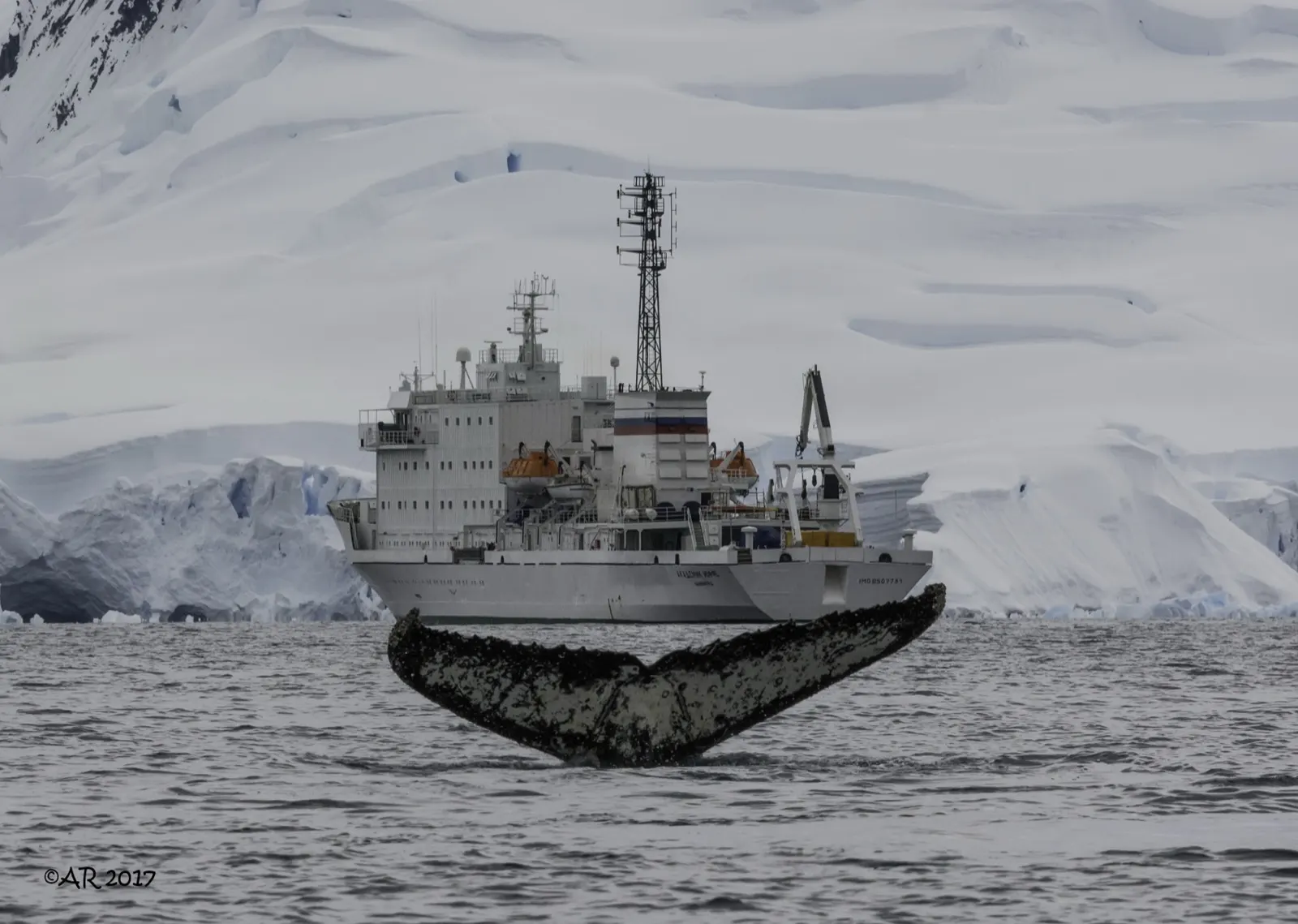
February and March flip the wildlife on its head. The penguin colonies get messier and noisier as chicks fledge, but the whales arrive in force - humpbacks and minkes feeding hard before migrating north - and February is comfortably the best whale-watching month of the season. Fares drop, the light gets low and dramatic for photography, and there are fewer ships about. The cost is muddier, slushier landing sites and days that shorten noticeably by March.
- November: best ice and scenery, courting penguins, some sites still blocked.
- December-January: warmest, brightest, chicks hatching, all sites open, highest fares.
- February: peak whales, fledging chicks, prices easing.
- March: cheapest, best photography light, muddier landings and shorter days.
The Drake Passage, and how to avoid it
Almost every Antarctica cruise sails from Ushuaia at the southern tip of Argentina and crosses the Drake Passage, where the Atlantic, Pacific and Southern Oceans meet. It takes about two days each way and it has a genuine reputation - it can be glassy calm, the so-called Drake Lake, or it can be among the roughest stretches of water on the planet. Nobody can tell you in advance which you will get.
There is a way around it. Fly-cruise itineraries fly you from Punta Arenas in Chile directly to King George Island in the South Shetlands, where you board the ship, cutting out four days at sea in each direction. They cost more per day and give you less time aboard, but for anyone who is seriously prone to seasickness they turn an impossible trip into a possible one.
If you do sail the Drake, take seasickness medication before you leave port rather than once you feel unwell, and book a midship cabin on a lower deck where the motion is least. Most people find the crossing manageable, and the seabirds following the ship - albatrosses with three-metre wingspans - are part of the experience rather than dead time.
- The Drake takes about two days each way from Ushuaia and conditions are unpredictable.
- Fly-cruise itineraries from Punta Arenas skip it entirely, at a higher daily cost.
- Take medication before sailing, and book midship and low if you are prone to motion sickness.
What an Antarctica cruise costs, and why
Antarctica is the most expensive cruise region in the world per night, and the reasons are structural rather than luxury. Ships must be ice-strengthened, expedition staff and zodiac drivers outnumber the ratio on ordinary cruises, passenger numbers are capped by treaty at 100 ashore at any one time, and the ships sail an enormous distance to reach a place with no infrastructure.
Where you can save: sail in November or March rather than midsummer, take a larger expedition ship rather than a small luxury one, book a triple or shared cabin if you are travelling alone, and watch for late-availability fares out of Ushuaia. The last of those requires being physically in South America and flexible, which suits some travellers and nobody else.
Budget separately for the flights to Ushuaia or Punta Arenas, which are long and not cheap, at least one night either side in case of delays, and expedition-grade gear. Many operators lend or include a parka and loan boots; check before buying your own. Comprehensive travel insurance with emergency evacuation cover is normally mandatory rather than optional.
- November and March sailings cost noticeably less than December and January.
- Budget for flights to Ushuaia plus a buffer night each side against delays.
- Check what gear is included - most operators provide a parka and loan boots.
- Evacuation-grade travel insurance is usually a condition of boarding, not a choice.
Frequently asked questions
More cruise guides
Alaska cruise ports
The best Alaska cruise ports ranked - Juneau, Skagway, Ketchikan, Sitka and Glacier Bay. What to book in each, what sells out and what to pack for the season.
Iceland cruise ports
Iceland cruise ports explained - Reykjavik, Akureyri, Isafjordur and Seydisfjordur. What to do in each, which excursions to book ahead and when to sail.
Continue Planning Your Trip
Things to Do
Ranked attractions, tips and how to book tickets
Where to Stay
The best area to stay in each city, by neighborhood
Car Rental
Real prices, driving tips and the best routes by destination
Airport Transfers
Getting from the airport to your hotel, by price and time
All-Inclusive Guides
What all-inclusive really means, by destination
Best Time to Visit
Month-by-month weather, crowds and prices
Route Finder
Find the cheapest way to get there
Hotel Finder
Book the right hotel for your destination
AI Trip Planner
Build a day-by-day itinerary