What are the main Japan cruise ports?
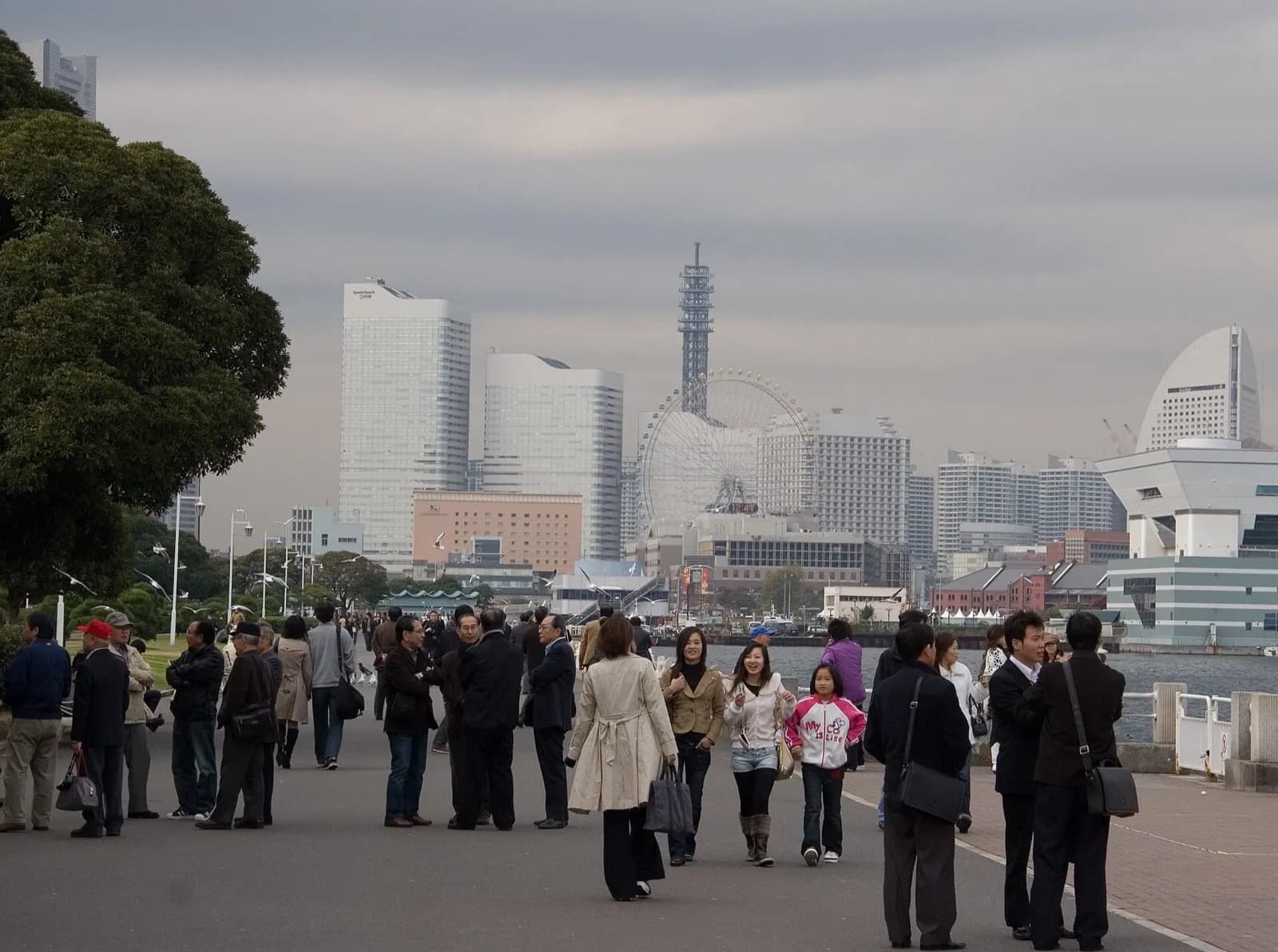
The main Japan cruise ports are Yokohama (the gateway to Tokyo), Kobe (for Kyoto and Osaka), Nagasaki, Hakodate in Hokkaido, and Naha in Okinawa. Yokohama and Kobe are the ones to plan carefully because the city you actually want is 30 to 75 minutes inland by train. Nagasaki, Hakodate and Naha all put you within walking distance or one tram ride of the sights, so you need no tour at all there.
- Free cancellation on most rooms
- No booking fee
- Prices on Trip.com
Japan's cruise ports, and what each is worth
Ranked by what a single port day genuinely delivers. The dividing line is whether the port is the destination or the gateway - in Japan, three of the five are the destination, which is unusually generous.
1. Nagasaki
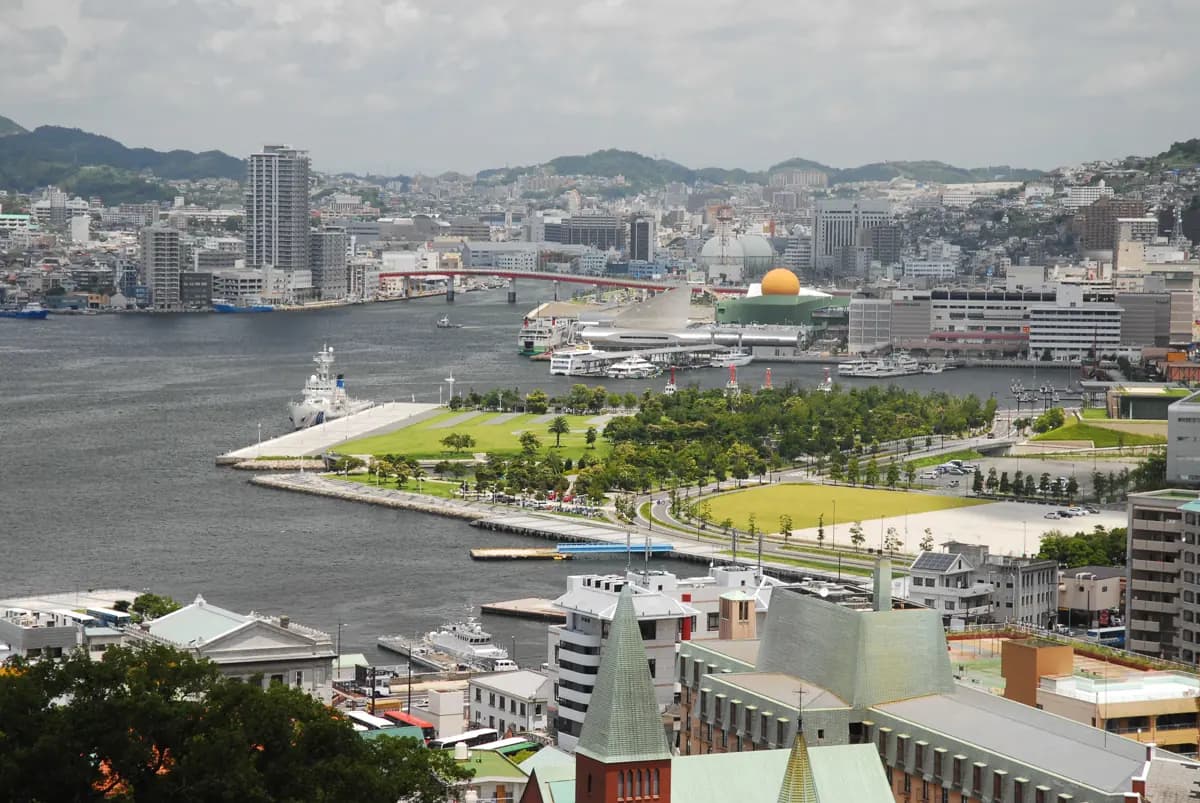
Kyushu, JapanThe best port day in Japan. Everything matters and everything is close.
Ships dock close to the centre of a city built around a deep harbour, and the tram system reaches everything for a couple of hundred yen. The Atomic Bomb Museum and Peace Park are sobering and essential; Dejima, the artificial island where the Dutch were confined for two centuries, explains Japan's closed era better than any textbook; and Glover Garden looks down over the whole bay.
Book it right: Do the Atomic Bomb Museum and Peace Park first, early, and give yourself time afterwards - most people need a quiet hour. The tram is the easiest transport in any Japanese port. Nagasaki's food is distinct: try champon noodles and castella sponge cake, both products of the city's foreign trade history.
Typical time in port: Usually 8am - 6pm
Book Nagasaki excursions- Free cancellation on most rooms
- No booking fee
- Prices on Trip.com
2. Kobe
Honshu, JapanA pleasant city, but this is really the port for Kyoto.
Kobe itself is a relaxed harbour city with a hillside cable car, a preserved foreign quarter of Western merchant houses, and the beef that carries its name. The bigger draw is what surrounds it: Kyoto is about an hour by train, Osaka around 25 minutes, and Himeji castle, Japan's finest surviving fortress, is roughly 40 minutes west.
Book it right: Pick one and commit - Kyoto in a port day means the Fushimi Inari shrine gates and perhaps one temple, not a tour of the city. Himeji is the underrated choice: a shorter journey, one spectacular castle, and you are back with time to spare. If you stay in Kobe, the Nunobiki Herb Garden ropeway gives the best view.
Typical time in port: Usually 8am - 7pm
Book Kobe excursionsWhere to stay in Kyoto- Free cancellation on most rooms
- No booking fee
- Prices on Trip.com
3. Hakodate
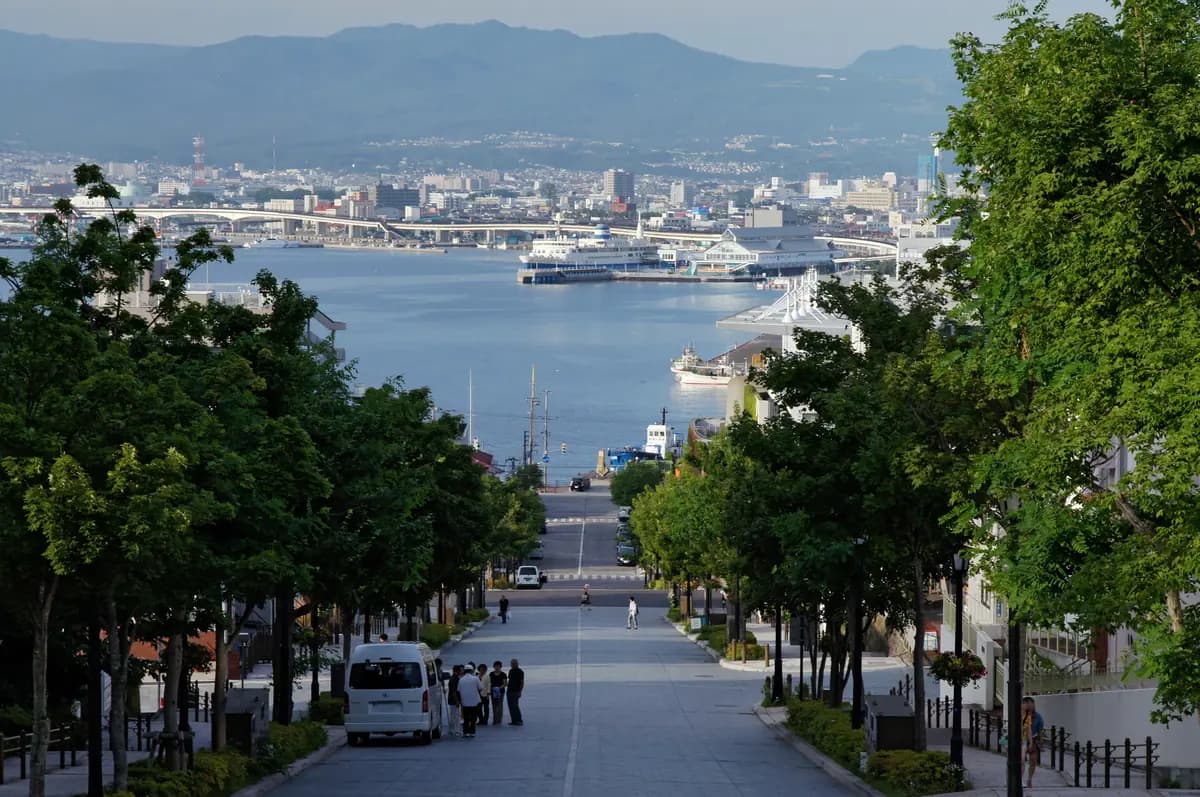
Hokkaido, JapanSmall, walkable and genuinely charming. Do the morning market.
A northern port city with a steeply sloping old quarter of Western-style buildings, a star-shaped fort at Goryokaku, and a morning market where you pick your own squid. The night view from Mount Hakodate is regularly called one of the best in Japan, though most ships have sailed by then.
Book it right: The morning market is the thing - go straight there on arrival for the freshest uni and crab, since it winds down by early afternoon. The ropeway up Mount Hakodate is worth it in clear weather even by day. Everything is reachable by the old streetcar, and the city is small enough to cover on foot.
Typical time in port: Usually 8am - 5pm
Book Hakodate excursions- Free cancellation on most rooms
- No booking fee
- Prices on Trip.com
4. Yokohama
Honshu, JapanThe gateway to Tokyo - and a good city in its own right.
Japan's second-largest city and the usual embarkation port, with a redeveloped waterfront at Minato Mirai, the largest Chinatown in Japan, and a preserved red-brick warehouse district. Tokyo is about 30 minutes away by train, which is close - but Tokyo is vast, so a port day only scratches it.
Book it right: If your ship overnights, go into Tokyo; if it is a single day, Yokohama itself is the better use of the time and far less exhausting. Chinatown and the Cup Noodles Museum are both a short walk from the terminal. Buy an IC card at the station on arrival - it works on every train and in convenience stores nationwide.
Typical time in port: Often a full day or overnight
Book Yokohama excursionsWhere to stay in Tokyo- Free cancellation on most rooms
- No booking fee
- Prices on Trip.com
5. Naha, Okinawa
Okinawa, JapanSubtropical and completely unlike the rest of Japan.
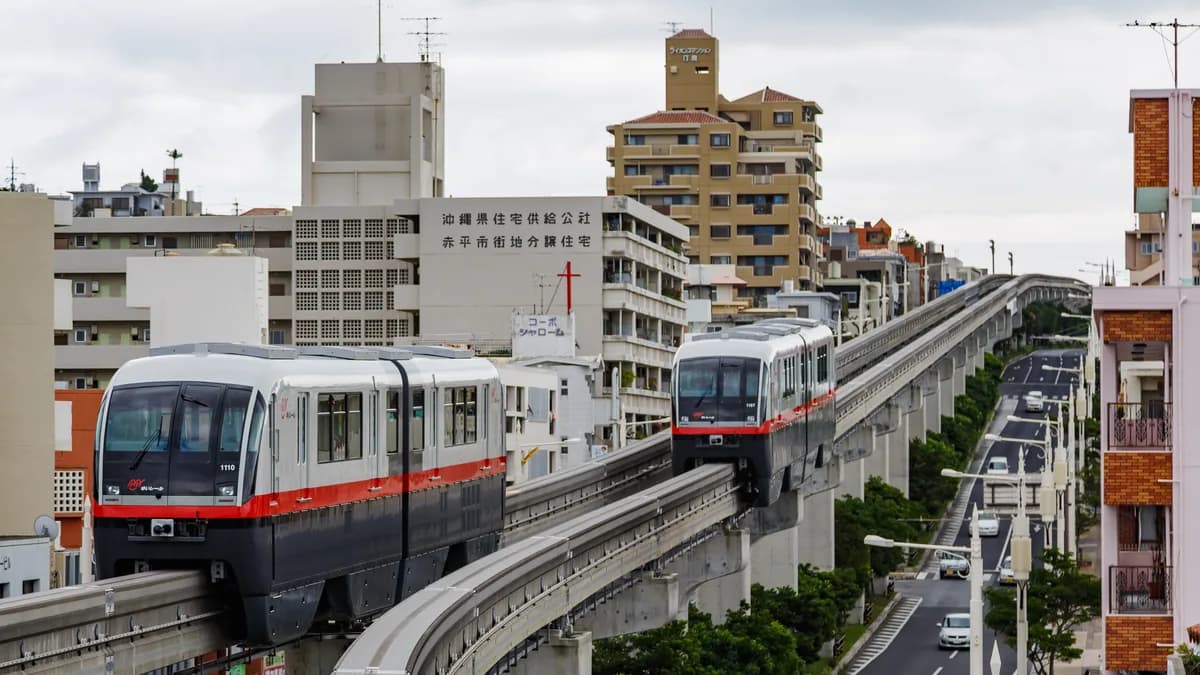
Okinawa was the independent Ryukyu Kingdom until the 19th century and still feels distinct - different food, different music, different architecture. Shuri Castle, the Ryukyu royal seat, is being rebuilt after a 2019 fire and remains visitable, and the Churaumi Aquarium in the north is among the best in the world.
Book it right: Churaumi is roughly two hours each way from Naha, so it eats a whole port day - only attempt it on a long call or an organised trip. Otherwise stay local: Shuri Castle, the Kokusai-dori market street and a beach are an easy self-guided day on the monorail. Okinawan soba and awamori spirit are worth trying.
Typical time in port: Usually 8am - 5pm
Book Naha, Okinawa excursions- Free cancellation on most rooms
- No booking fee
- Prices on Trip.com
6. Shimizu
Honshu, JapanOne reason to be here, and it depends on the clouds.
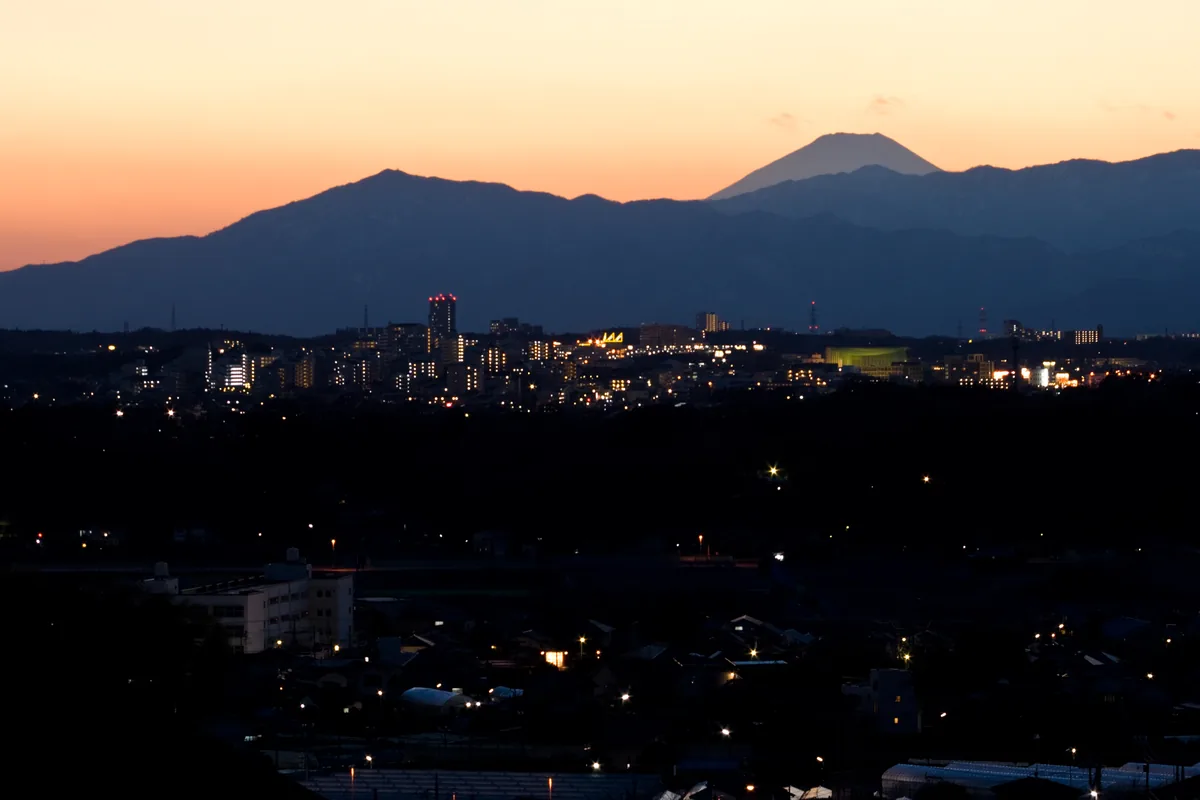
A small port whose entire appeal is the view of Mount Fuji across Suruga Bay. On a clear day the mountain fills the horizon and the Miho no Matsubara pine grove gives the classic foreground; the tea plantations of Shizuoka behind produce most of Japan's green tea.
Book it right: Check the forecast the night before, because Fuji hides behind cloud far more often than the brochures suggest - winter mornings are clearest. If the mountain is out, take the trip; if not, the local fish market at Kashi-no-Ichi and a tea tasting make a pleasant, cheap alternative.
Typical time in port: Usually 8am - 5pm
Book Shimizu excursions- Free cancellation on most rooms
- No booking fee
- Prices on Trip.com
Best time for a Japan cruise
Japan's cruise season runs spring to autumn, and the month you sail changes the trip more than in most regions because two of the seasons are events in themselves.
| Period | What it's like | Worth knowing |
|---|---|---|
| Late Mar - Apr | Cherry blossom | The most sought-after sailings and the priciest. Bloom timing shifts by a week or two each year and moves south to north, so it is never guaranteed. |
| May - Jun | Mild, green, good value | Comfortable temperatures and fewer crowds. Early June starts the rainy season in the south. |
| Jul - Aug | Hot and humid | Uncomfortable ashore, often above 32°C with high humidity, and typhoon risk builds. Cheapest fares of the season. |
| Sep - Oct | Typhoon tail, then perfect | September carries real typhoon risk; October is arguably the best month of the year - clear, mild and dry. |
| Nov | Autumn colour | The other headline season, with maples turning through the month. Cool, clear and beautiful, and busy again. |
Japan cruise excursions: when the train beats the tour
Japan is the cruise region where independent port days are easiest, and the reason is the railway. Trains are frequent, spotlessly punctual, signed in English at every major station, and cheap compared with an organised excursion. An IC card bought on arrival works on virtually every train, bus and convenience store in the country, and it removes almost all the friction.
That makes Nagasaki, Hakodate, Naha and Yokohama straightforward to do alone - in each, the sights are either walkable or one tram or monorail ride away. Where a tour still earns its price is the long inland runs: Kyoto from Kobe, Mount Fuji from Shimizu, and the Churaumi Aquarium from Naha, all of which are two-hour round trips or more where a missed connection becomes a missed ship.
Two practical notes that catch people out. Japan is less cashless than its reputation suggests - shrines, small restaurants and some buses still want coins and notes, so carry yen. And tipping is not practised anywhere, including for guides and drivers; attempting it causes confusion rather than pleasure.
- check_circleBuy an IC card (Suica, Pasmo or ICOCA) at the first station - it works nationwide on transport and in shops.
- check_circleDo Nagasaki, Hakodate, Naha and Yokohama independently; the sights are walkable or one ride away.
- check_circleTake the tour for Kyoto from Kobe, Fuji from Shimizu and Churaumi from Naha - long round trips with real timing risk.
- check_circleCarry cash. Do not tip - it is not the custom and will confuse people.
What to pack for a Japan cruise
Shoes you can slip off easily. You will remove them at temples, some restaurants, traditional inns and occasionally at museums, and wrestling with laces a dozen times a day gets old fast. Clean socks without holes matter more here than anywhere else you will cruise.
Layers for spring and autumn sailings, which swing between cool mornings and warm afternoons, and genuinely lightweight clothing plus a hand towel for summer - Japanese public toilets often have no dryer or paper towels, which is why locals carry one.
A small foldable bag is worth carrying: Japan has very few public bins, so you end up carrying rubbish until you find one, and shops wrap everything beautifully and generously. If you are sailing for the cherry blossom or autumn colour, bring something smarter for evenings ashore - Japanese cities dress up more than most cruise destinations.
- check_circleSlip-on shoes and decent socks - you will take them off constantly at temples and restaurants.
- check_circleA hand towel for summer, since public toilets often have no dryer.
- check_circleA foldable bag for rubbish and shopping - public bins are rare.
How Japan cruise itineraries work
Most Japan sailings are round trips from Yokohama or Kobe lasting a week or two, calling at a mix of the ports above plus smaller Japanese harbours, and often adding Busan in South Korea or Taipei. These are the itineraries that give the most Japanese port time.
The alternative is a longer Asia repositioning or grand voyage that includes Japan among Chinese, Korean and Taiwanese calls. Those cover more ground for less per night but give you only two or three Japanese ports, which is thin if Japan is the reason you booked.
One thing worth checking before you book: whether your itinerary overnights anywhere. Japanese cities are at their best in the evening - the food, the lit streets, the department store food halls - and a single daytime call misses all of it. An overnight in Yokohama or Kobe is worth choosing a sailing for.
Frequently asked questions
- Free cancellation on most rooms
- No booking fee
- Prices on Trip.com
More cruise guides
Alaska cruise ports
The best Alaska cruise ports ranked - Juneau, Skagway, Ketchikan, Sitka and Glacier Bay. What to book in each, what sells out, the Alaska cruise season and what to pack.
Hawaii cruise ports
Hawaii cruise ports explained - Honolulu, Kahului, Hilo, Kona and Nawiliwili. What to do on each island, which excursions to book, and why a rental car often beats a tour.
Photo credits (4)
Photos via Wikimedia Commons, used under their respective licences.
- Nagasaki: Mstyslav Chernov/Unframe/www.unframe.com - CC BY-SA 3.0 · source
- Hakodate: 663highland - CC BY-SA 4.0 · source
- Yokohama: Σ64 - CC BY 3.0 · source
- Naha, Okinawa: CEphoto, Uwe Aranas - CC BY-SA 3.0 · source
Continue Planning Your Trip
Intelligent tools designed to simplify the complex.
Things to Do
Ranked attractions, tips and how to book tickets
Where to Stay
The best area to stay in each city, by neighborhood
Car Rental
Real prices, driving tips and the best routes by destination
Airport Transfers
Getting from the airport to your hotel, by price and time
All-Inclusive Guides
What all-inclusive really means, by destination
Best Time to Visit
Month-by-month weather, crowds and prices
Cheapest Places to Travel
18 destinations ranked by real daily budgets
Route Finder
Find the cheapest way to get there
Hotel Finder
Book the right hotel for your destination
AI Trip Planner
Build a day-by-day itinerary
Budget Calculator
Estimate total cost