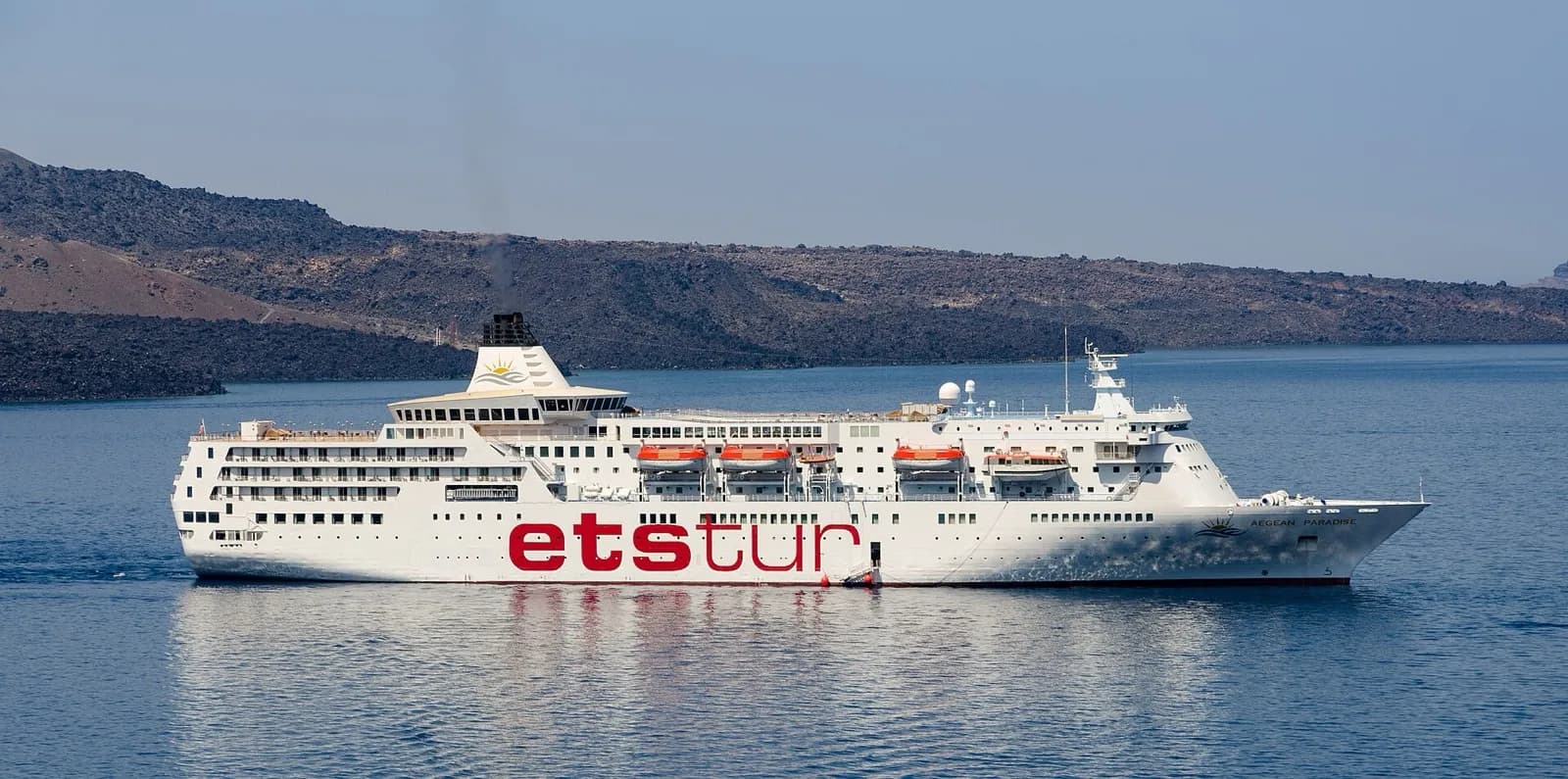
What are the best Mediterranean cruise ports?
The best Mediterranean cruise ports are Barcelona, Rome (Civitavecchia), Santorini, Dubrovnik, Naples, Florence (Livorno), Venice, Athens (Piraeus) and Kotor. The key distinction is distance: Barcelona, Dubrovnik and Kotor drop you at or near the old town, while Rome and Florence are an hour or more inland and need a booked transfer or tour. Santorini and Kotor tender, which costs you time ashore.
- Free cancellation on most rooms
- No booking fee
- Prices on Trip.com
The best Mediterranean cruise ports, ranked
Ranked by what a single port day is actually worth. Pay close attention to the distance line - half the frustration on a Mediterranean cruise comes from people expecting to step off the ship into the city they booked the cruise for.
1. Barcelona
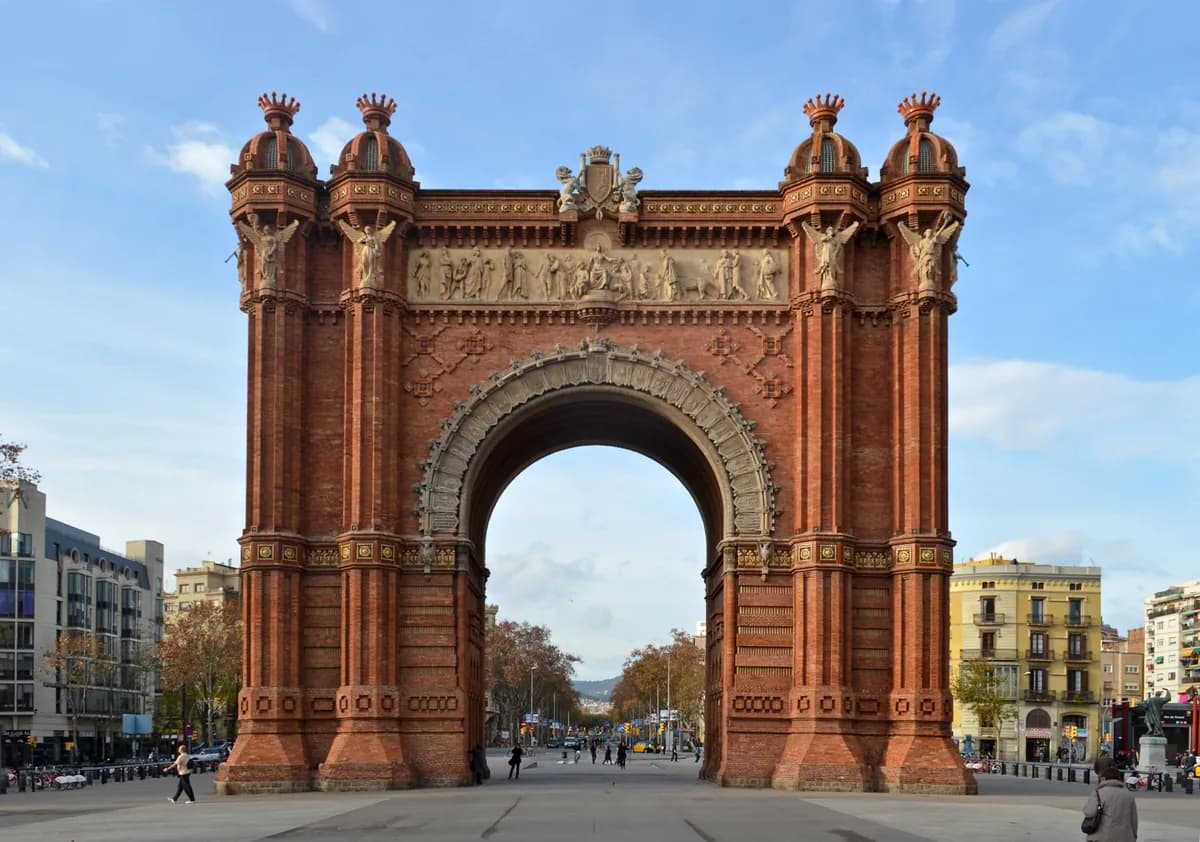
SpainThe best all-round port. City at the dock, no tour needed.
Ships dock a short shuttle from the bottom of Las Ramblas, which puts the Gothic Quarter, the waterfront and the market within walking distance the moment you step off. Barcelona is also the most common embarkation port in the western Mediterranean, so it is often a full day or an overnight rather than a rushed call.
Book it right: Book the Sagrada Familia online before you sail - it uses timed entry and sells out, and turning up on a port day without a ticket means missing it. Park Guell also needs a timed slot. Everything else here can be done on foot with no booking at all.
Typical time in port: Often a full day or overnight
Book Barcelona excursionsDay trips from Barcelona- Free cancellation on most rooms
- No booking fee
- Prices on Trip.com
2. Rome (Civitavecchia)
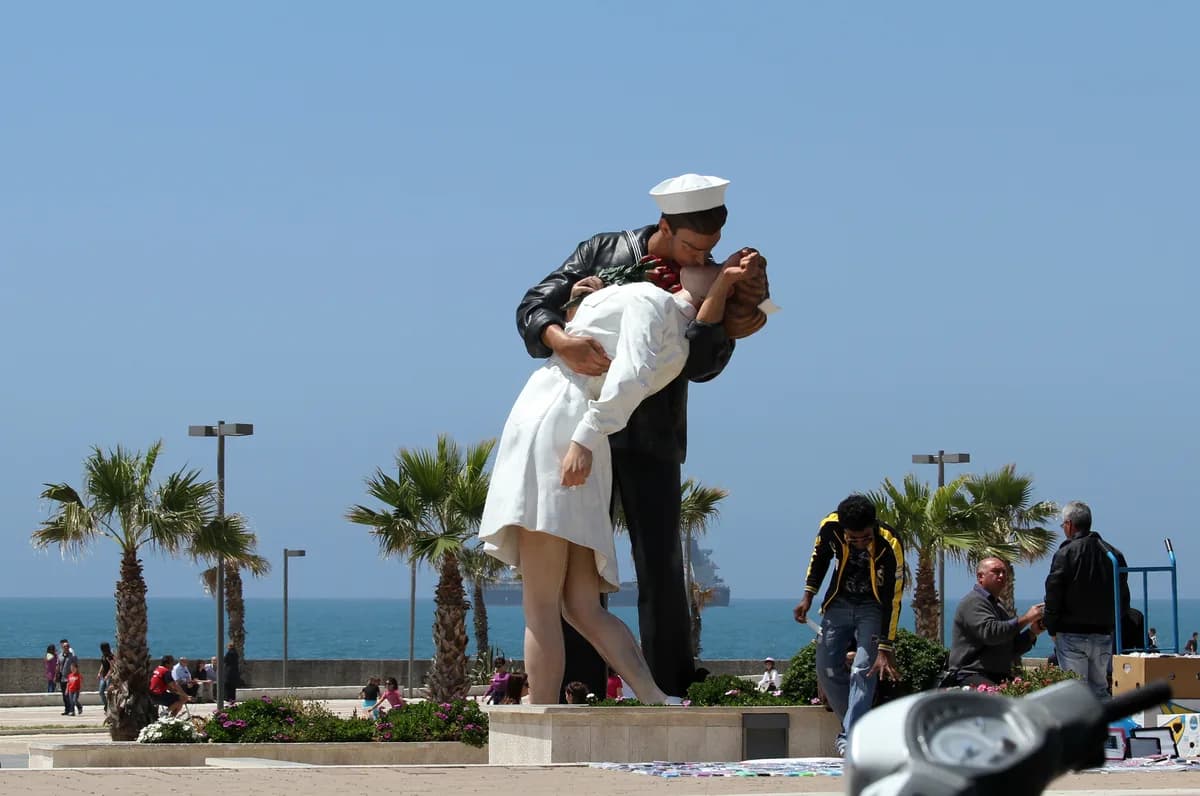
ItalyThe biggest prize, and the longest journey. Book transport ahead.
Rome is the headline stop on most eastern and western itineraries, but the port at Civitavecchia is roughly 80km and 90 minutes from the city centre. What you get is genuinely worth the effort - the Colosseum, the Vatican, the Pantheon - but only if the logistics are sorted before you arrive.
Book it right: This is the port where an organised tour or a pre-booked transfer earns its money, because a missed train back is a missed ship. The train from Civitavecchia is cheap and reliable if you are confident, but leave a big buffer. Book Vatican and Colosseum entry ahead whatever you do - both use timed tickets.
Typical time in port: Usually 7am - 7pm
Book Rome (Civitavecchia) excursionsDay trips from Rome- Free cancellation on most rooms
- No booking fee
- Prices on Trip.com
3. Santorini
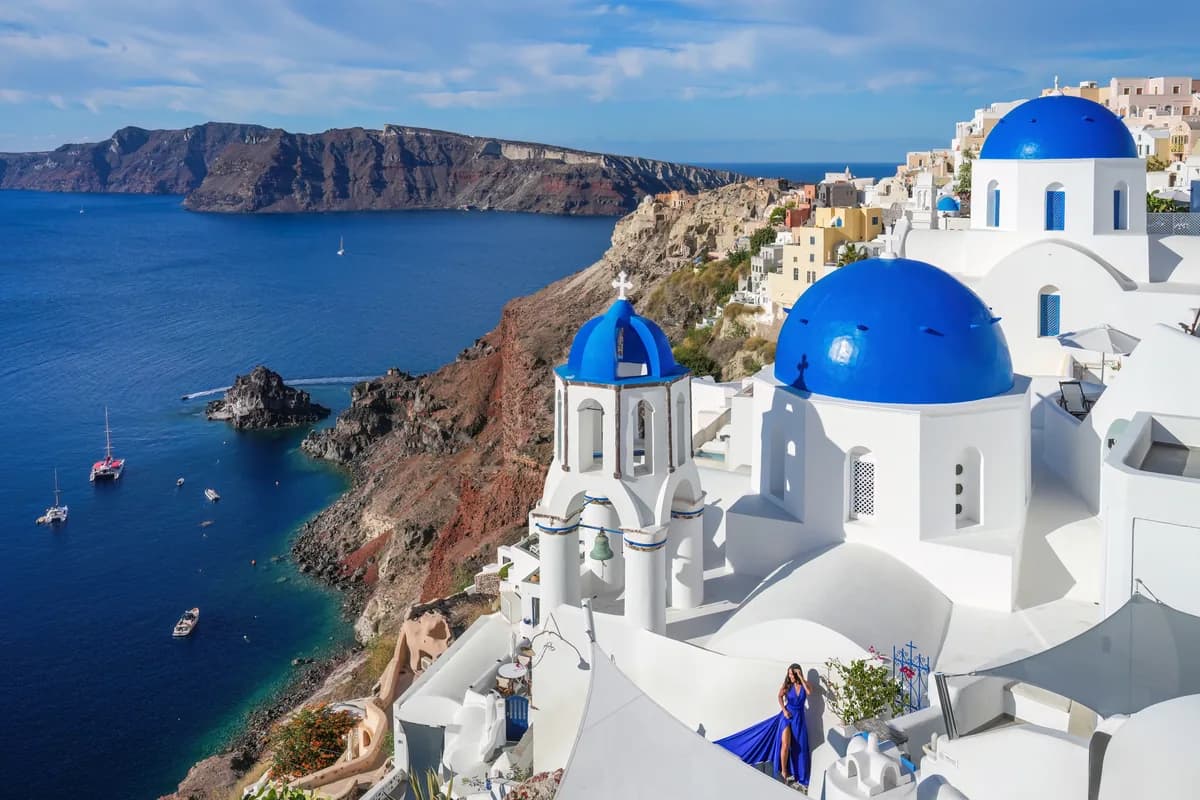
GreeceTender portThe most beautiful stop and the most frustrating logistics.
No pier can take a large ship, so vessels anchor in the flooded caldera and tender passengers to the Old Port beneath Fira. The view on approach is the best of any Mediterranean port, and the clifftop villages of Fira and Oia deliver everything the photographs promise.
Book it right: Get on the earliest tender you can. From the Old Port you reach the town by cable car, donkey or a long walk up, and the cable car queue in both directions is the single biggest time sink in the Mediterranean. Booking a tour usually gets you priority tendering, which on this island is worth paying for on its own.
Typical time in port: Usually 8am - 6pm
Book Santorini excursionsWhere to stay in Santorini- Free cancellation on most rooms
- No booking fee
- Prices on Trip.com
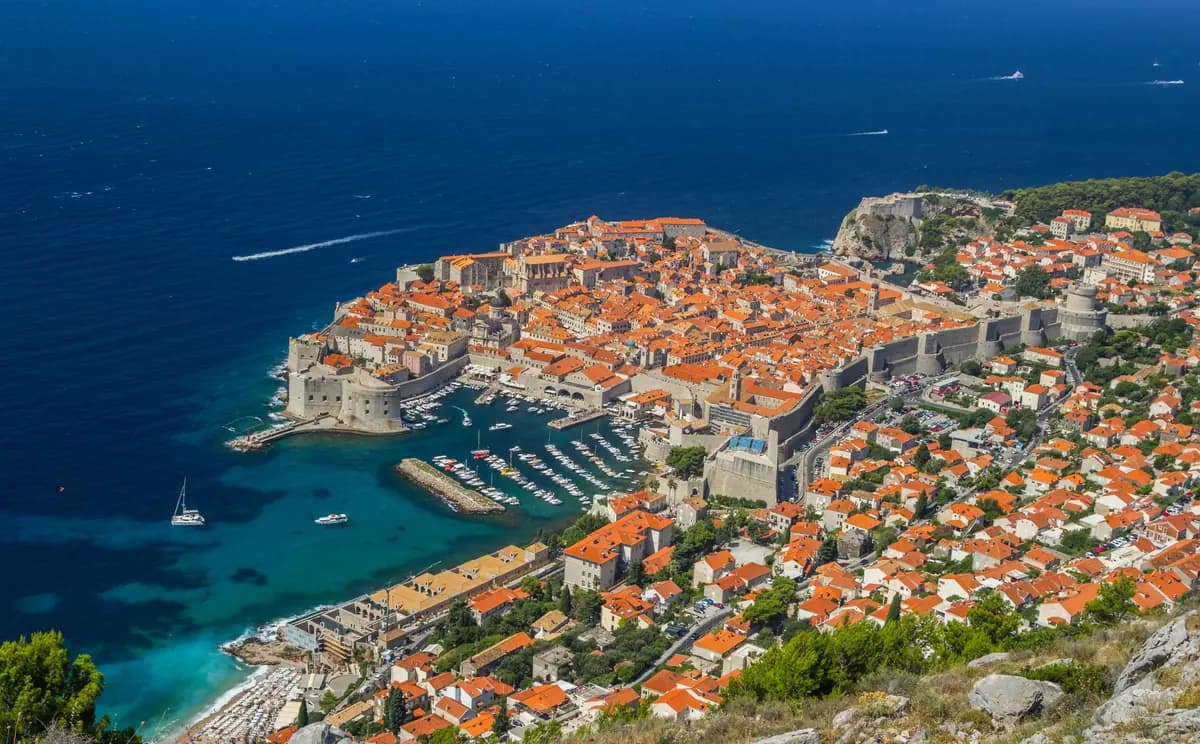
4. Dubrovnik
CroatiaWalled old town, walkable, and best done early.
The medieval walled city on the Adriatic is compact, dramatic and almost entirely pedestrian. Walking the city walls is the essential thing to do and takes one to two hours, with the whole terracotta roofscape and the sea below you the entire way.
Book it right: Ships dock at Gruz, about 3km from the old town, so take the shuttle or a short taxi. Do the walls first thing before the heat and the crowds, because there is little shade up there and mid-afternoon in summer is punishing. The cable car up Mount Srd is the best view and takes 20 minutes.
Typical time in port: Usually 8am - 6pm
Book Dubrovnik excursions- Free cancellation on most rooms
- No booking fee
- Prices on Trip.com
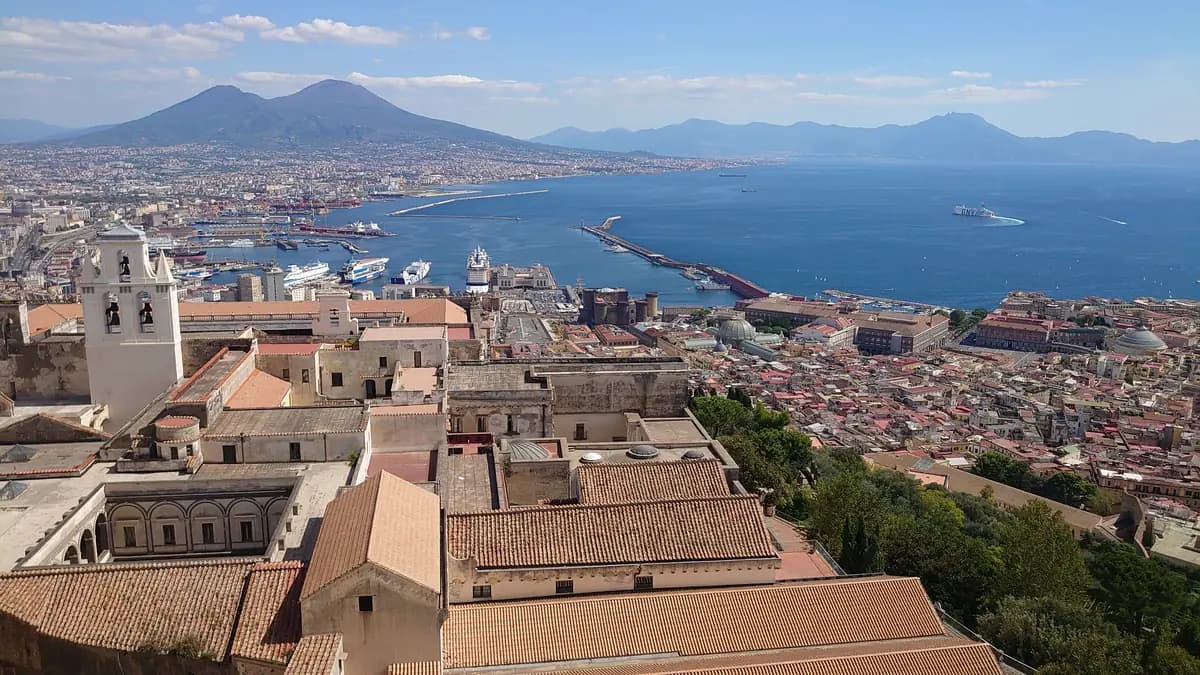
5. Naples
ItalyThe best-value port day in Italy. Pompeii is 30 minutes away.
Unusually for Italy, the ship docks right in the city, so you can walk into the historic centre for pizza in the place that invented it. The real draw is what surrounds it: Pompeii is half an hour by train, Herculaneum is closer, and the Amalfi Coast and Capri are day trips from the same quay.
Book it right: Decide before you dock, because you cannot do Pompeii and the Amalfi Coast in one day. Pompeii is the better use of a first visit and the easiest to reach independently on the Circumvesuviana train. Book a guide at the site itself - the ruins are vast and largely unlabelled, and an hour with a guide transforms them.
Typical time in port: Usually 7am - 6pm
Book Naples excursionsDay trips from Naples- Free cancellation on most rooms
- No booking fee
- Prices on Trip.com
6. Florence & Pisa (Livorno)
ItalyTwo famous cities, both an hour-plus away. Choose one.
Livorno is a working port with little to detain you, and the entire point is what lies inland: Florence is about 90 minutes away, Pisa around 45. Florence gives you the Duomo, the Uffizi and the Ponte Vecchio; Pisa gives you the leaning tower and a couple of hours.
Book it right: Pick one. Trying to do both in a port day means seeing neither properly. Florence is the better choice if you have never been, and it needs a booked transfer or tour plus advance tickets for the Uffizi or the Duomo dome, which sell out. If you would rather not spend three hours on a coach, Lucca is a lovely, much closer alternative.
Typical time in port: Usually 7am - 7pm
Book Florence & Pisa (Livorno) excursionsDay trips from Florence- Free cancellation on most rooms
- No booking fee
- Prices on Trip.com
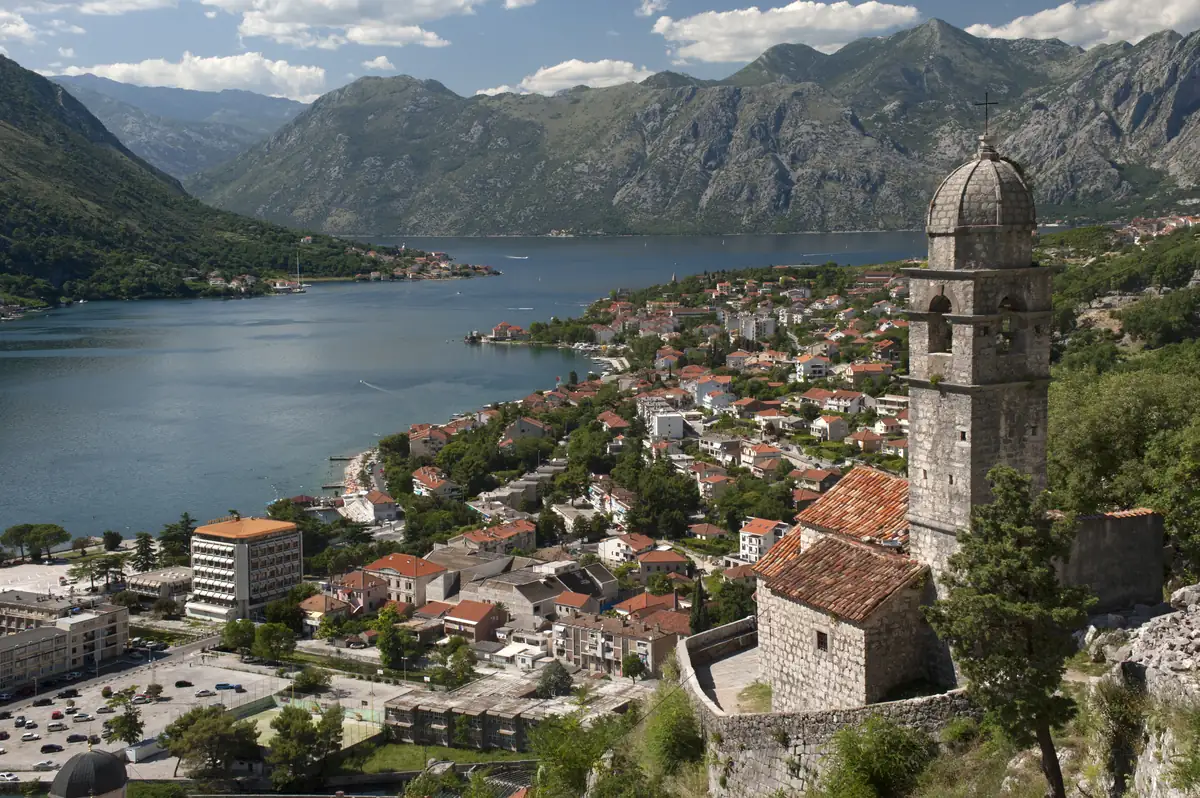
7. Kotor
MontenegroTender portThe best-looking arrival in the Mediterranean, and underrated.
The approach up the Bay of Kotor, a deep fjord-like inlet flanked by mountains, is worth being on deck for at dawn. The walled old town at the head of the bay is tiny, atmospheric and right at the berth, with a fortress staircase climbing the cliff behind it.
Book it right: Climb the 1,350 steps to San Giovanni fortress early in the morning, before the heat - the view down over the bay and the ship is the best photograph of the cruise. There is a small fee in season. The old town takes an hour to see, so the climb or a boat trip on the bay is what fills the day.
Typical time in port: Usually 8am - 5pm
Book Kotor excursions- Free cancellation on most rooms
- No booking fee
- Prices on Trip.com
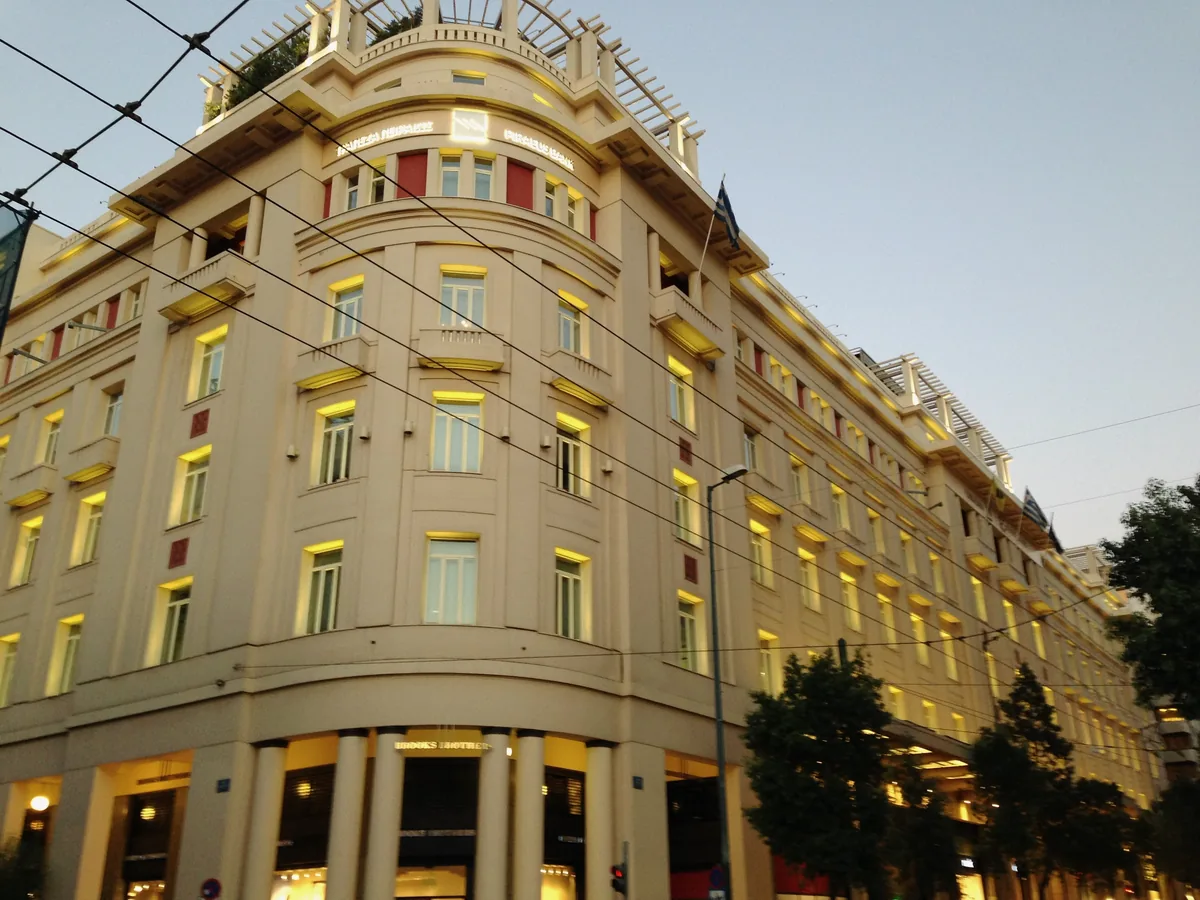
8. Athens (Piraeus)
GreeceOne great sight, 40 minutes away, and it gets very hot.
Piraeus is Athens' port, about 12km from the centre, connected by metro in around 30 to 40 minutes. The Acropolis is the reason to go, and standing under the Parthenon justifies the trip on its own. The Acropolis Museum below it is superb and air-conditioned.
Book it right: Go straight to the Acropolis on arrival - by late morning in summer it is both crowded and brutally hot, with almost no shade on the rock. Book the timed entry ticket in advance. The metro from Piraeus is cheap and simple if you are comfortable with public transport; otherwise a tour handles it.
Typical time in port: Usually 7am - 6pm
Book Athens (Piraeus) excursions- Free cancellation on most rooms
- No booking fee
- Prices on Trip.com
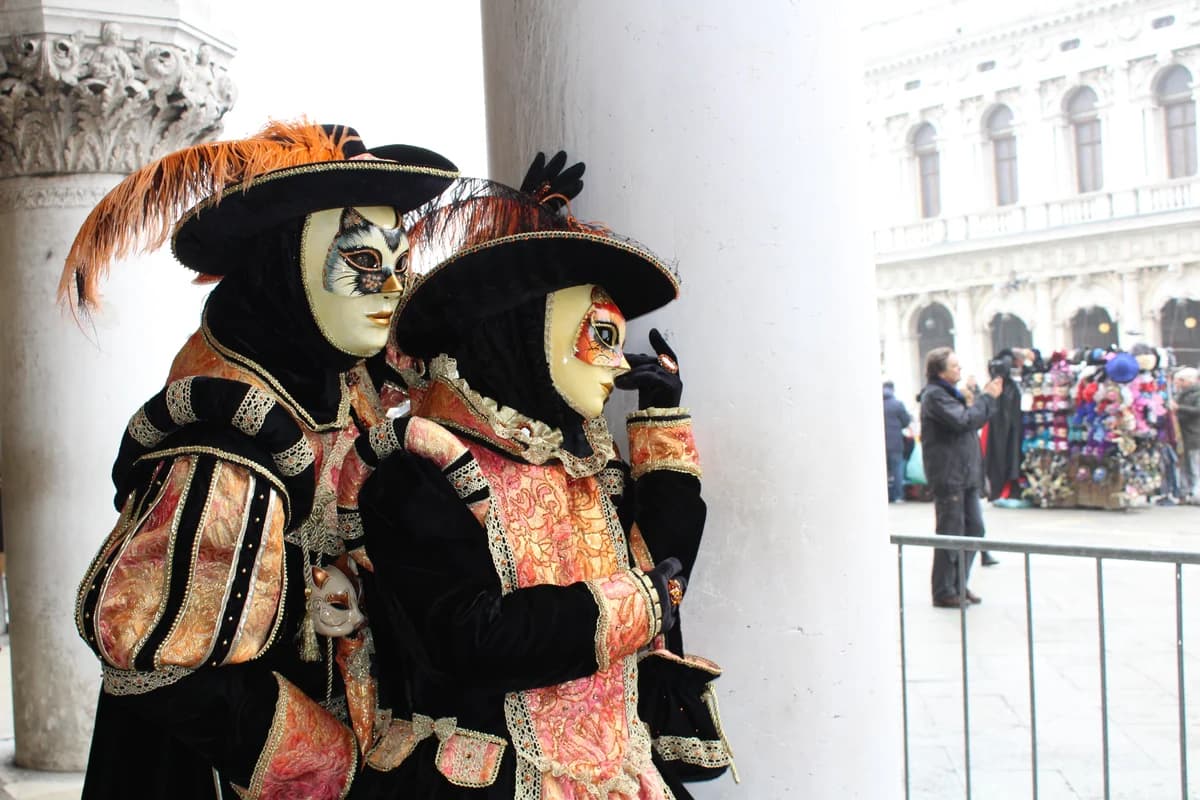
9. Venice
ItalyMagical, but check where your ship actually docks.
Large ships no longer sail past St Mark's Square, and most now berth at Marghera or Chioggia on the mainland, with a shuttle or boat transfer into the city. That transfer eats into your day, but Venice itself remains one of the great arrivals in travel, and the historic centre is entirely walkable once you are there.
Book it right: Check your specific berth before booking anything - the difference between docking near the centre and at an industrial mainland terminal is over an hour each way. Book St Mark's Basilica entry ahead to skip the queue. Get lost deliberately in the back canals; the crowds thin dramatically two streets off the main routes.
Typical time in port: Usually 8am - 6pm
Book Venice excursions- Free cancellation on most rooms
- No booking fee
- Prices on Trip.com
Mediterranean cruise excursions: what to book and what to skip
The Mediterranean splits neatly into two kinds of port. In Barcelona, Dubrovnik, Kotor, Naples and Venice the ship puts you at or very near the place you came to see, and you can happily walk off and explore with no tour at all. In Rome, Florence and Athens the sight is a long way inland, and that is where a booked tour or transfer earns its money.
The thing to book ahead regardless of port is timed entry to the headline attractions. The Sagrada Familia, the Vatican Museums, the Colosseum, the Uffizi and the Acropolis all sell timed tickets that routinely sell out, and a port day gives you no second chance. Buying those in advance is the single highest-value bit of planning on a Mediterranean itinerary.
Where independent booking gets risky is the far-inland ports and the tender stops. If the ship is anchored and tendering, or the city is 90 minutes away, the guarantee that the ship waits for a ship-sold excursion is worth real money. Elsewhere, independent operators cost less and run smaller groups - just build in a buffer and be back well before all-aboard.
- check_circleBook timed entry ahead for the Sagrada Familia, Vatican, Colosseum, Uffizi and Acropolis - all sell out.
- check_circleUse ship-sold excursions for Rome, Florence and tender ports where timing risk is highest.
- check_circleWalk it yourself in Barcelona, Dubrovnik, Kotor and Naples - no tour needed.
- check_circleNever try to combine two inland cities in one port day.
What to wear on a Mediterranean cruise
Summer in the Mediterranean is hot and the ports are stone, which holds the heat. Light, breathable clothing, a hat and real sun protection matter more here than most people plan for, and walking shoes matter more than sandals because you will be on cobbles and marble all day.
The rule that catches visitors out is church dress codes. St Mark's in Venice, St Peter's in Rome and many smaller churches refuse entry to anyone with bare shoulders or knees, and they enforce it. Carry a light scarf or a cover-up in your day bag - it weighs nothing and it is the difference between getting in and walking away.
On board, days are casual and evenings are smart-casual, with one or two formal nights on a typical seven-night sailing. Pack one smart outfit, swimwear for sea days, and layers for spring and autumn sailings, when evenings on deck get cool once the sun drops.
- check_circleShoulders and knees covered for churches - carry a scarf or cover-up in your day bag.
- check_circleProper walking shoes, not sandals: Mediterranean old towns are cobbles and marble.
- check_circleHat, sun cream and a refillable water bottle for July and August port days.
When to sail: the best time for a Mediterranean cruise
The season runs roughly April to November. May, June and September are the sweet spot - warm and swimmable but not punishing, with fewer ships per port and lower fares than high summer. July and August bring the best sea temperatures and the worst of everything else: peak heat that makes midday sightseeing genuinely unpleasant, peak crowds at every timed attraction, and peak prices.
April and late October to November are the value end. The sea is cooler and some beach days are off, but the cities are at their most comfortable for walking and the fares drop sharply. If your Mediterranean cruise is about Rome, Florence and Athens rather than swimming, the shoulder months are objectively the better trip.
Western itineraries - Spain, France, Italy - and eastern ones - Greece, Croatia, Turkey - run on the same calendar. Eastern routes tend to have more tender ports and more sea time between stops, which is worth knowing if you would rather maximise time ashore.
Frequently asked questions
- Free cancellation on most rooms
- No booking fee
- Prices on Trip.com
More cruise guides
Caribbean cruise ports
The best Caribbean cruise ports ranked - Grand Cayman, St Thomas, Cozumel, St Maarten and more. What to book in each, which ports are overrated, and what to wear.
First time cruise tips
What to expect on your first cruise: embarkation day, the muster drill, cruise etiquette and dress code, how to avoid seasickness, and what not to bring on a cruise.
Photo credits (8)
Photos via Wikimedia Commons, used under their respective licences.
- Barcelona: Selbymay - CC BY-SA 3.0 · source
- Rome (Civitavecchia): trolvag - CC BY-SA 3.0 · source
- Santorini: Giles Laurent - CC BY-SA 4.0 · source
- Dubrovnik: Zysko serhii - CC BY-SA 4.0 · source
- Naples: Richard Nevell - CC BY-SA 4.0 · source
- Kotor: Ggia - CC BY-SA 3.0 · source
- Athens (Piraeus): athenswalk - CC0 · source
- Venice: Monica Rondoni - CC BY-SA 4.0 · source
Continue Planning Your Trip
Intelligent tools designed to simplify the complex.
Things to Do
Ranked attractions, tips and how to book tickets
Where to Stay
The best area to stay in each city, by neighborhood
Car Rental
Real prices, driving tips and the best routes by destination
Airport Transfers
Getting from the airport to your hotel, by price and time
All-Inclusive Guides
What all-inclusive really means, by destination
Best Time to Visit
Month-by-month weather, crowds and prices
Cheapest Places to Travel
18 destinations ranked by real daily budgets
Route Finder
Find the cheapest way to get there
Hotel Finder
Book the right hotel for your destination
AI Trip Planner
Build a day-by-day itinerary
Budget Calculator
Estimate total cost