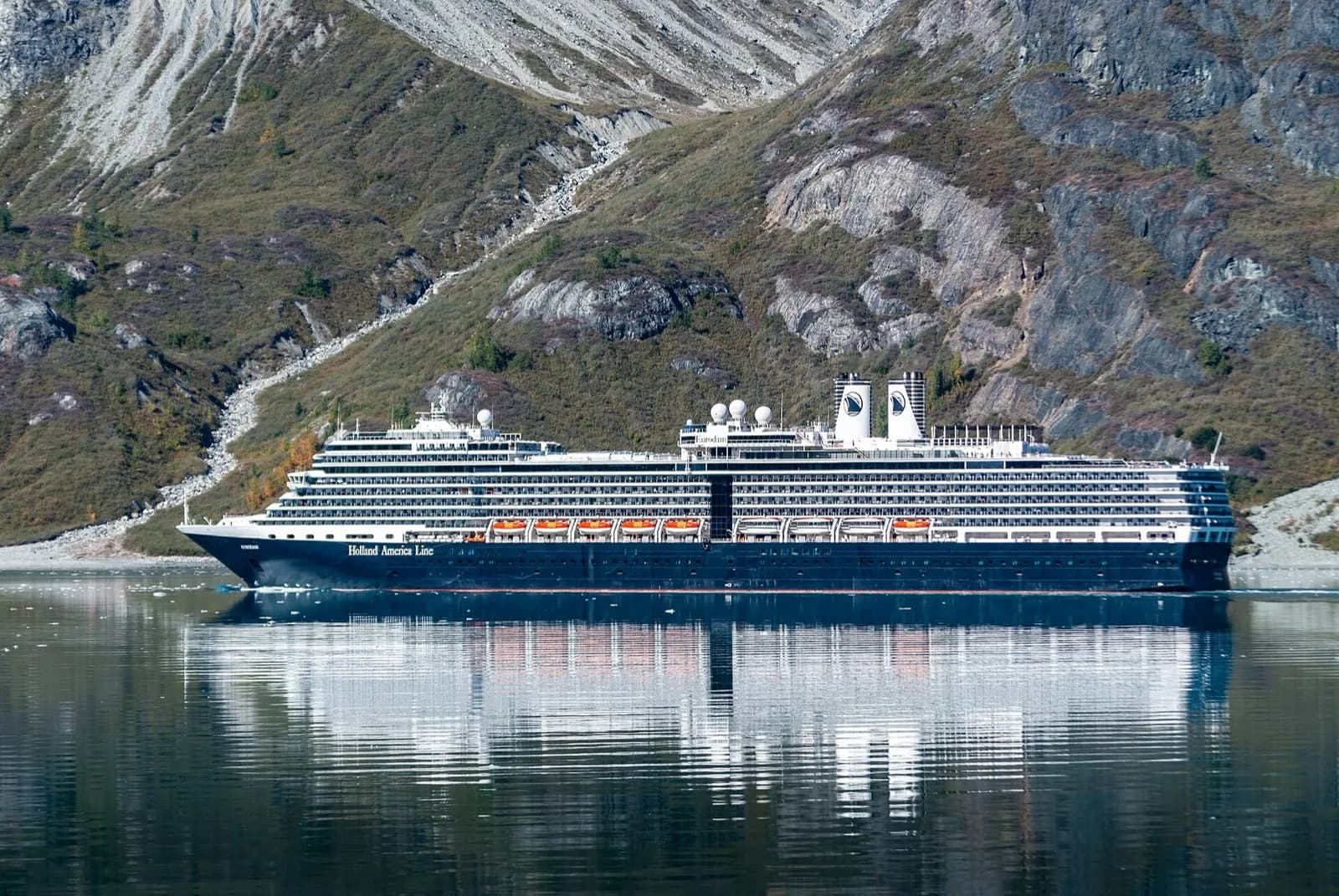
What are the best Alaska cruise ports?
The best Alaska cruise ports are Juneau for glaciers and whale watching, Skagway for the White Pass railway, Glacier Bay as a scenic cruising day, Ketchikan for totems and salmon, and Sitka for Russian history and wildlife. Juneau is the port to spend money in - Mendenhall Glacier and humpback whale watching are both close to the dock and near-guaranteed. Book excursions before you sail; the good small-boat operators sell out in July and August.
- Free cancellation on most rooms
- No booking fee
- Prices on Trip.com
The best Alaska cruise ports, ranked
Ranked by what you can actually do with a port day. Most Alaska itineraries hit three or four of these plus a glacier day, and if you only spend real money in one place, make it Juneau.
1. Juneau
Alaska, USAThe best port day in Alaska. Spend your excursion budget here.
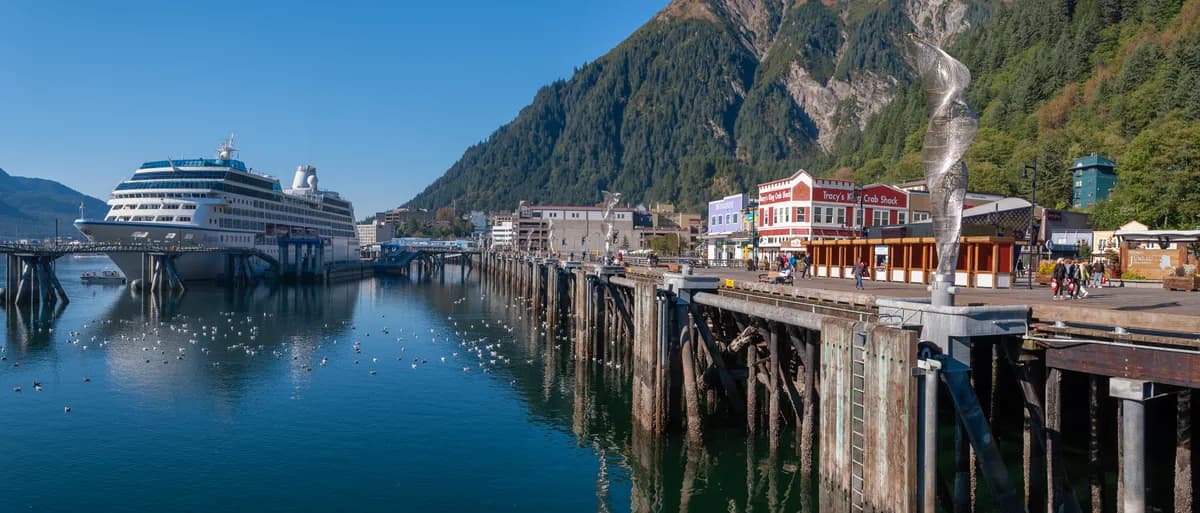
Alaska's capital has no road connection to anywhere, and it packs the state's two best day activities within half an hour of the ship: Mendenhall Glacier, with a flat trail to the thundering Nugget Falls beside the ice, and humpback whale watching in Auke Bay that is so reliable most operators offer a sighting guarantee. The Goldbelt Tramway climbs 550 metres straight from the dock if you want a big view with zero transport.
Book it right: Book a combined glacier and whale-watching trip - it is the efficient way to get both into one port day and the transfers are handled. Smaller boats cost more and are far better than the big catamarans. Do this one early: Juneau's good operators sell out in July and August.
Typical time in port: Usually 7am - 9pm
Book Juneau excursionsFull Juneau port guide- Free cancellation on most rooms
- No booking fee
- Prices on Trip.com
2. Skagway
Alaska, USAOne unmissable excursion: the White Pass railway.
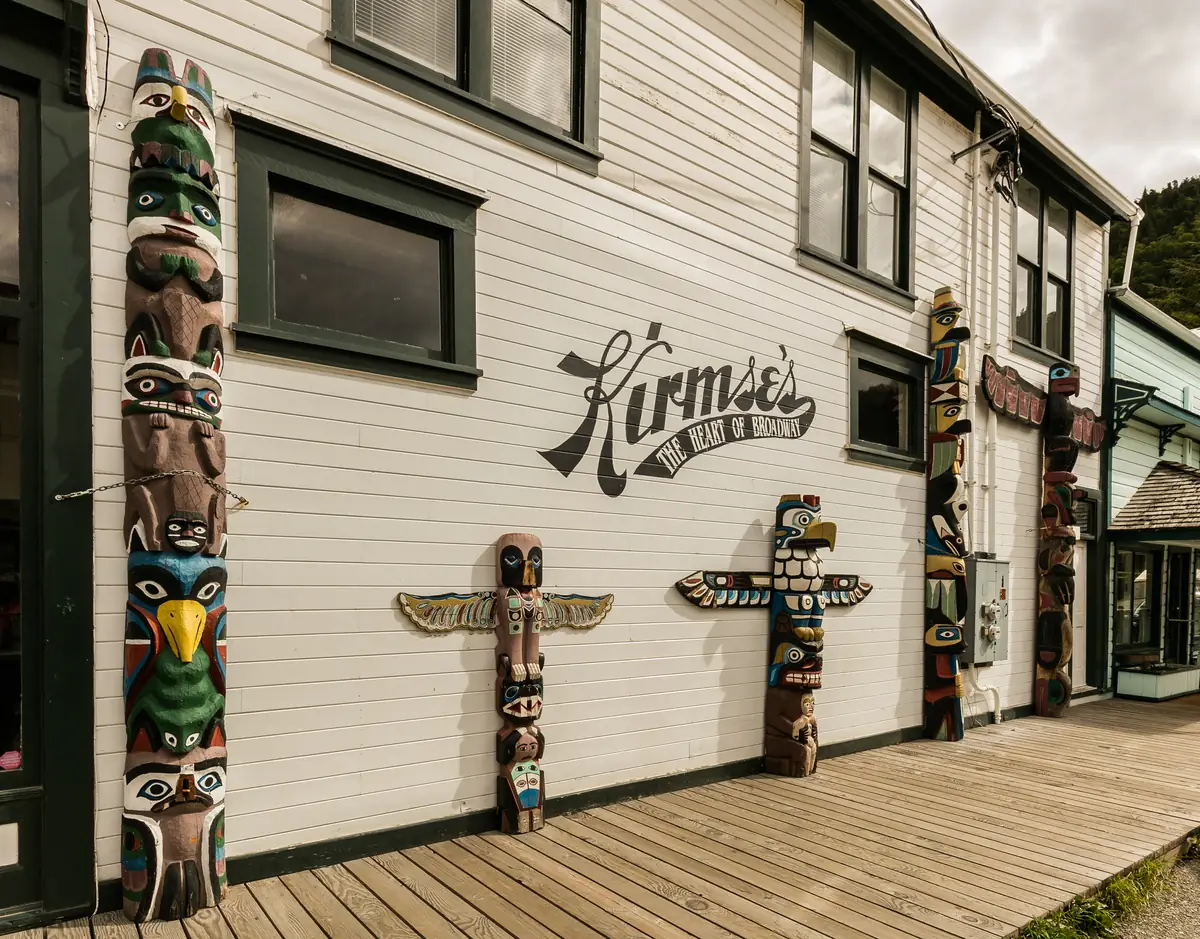
A gold-rush town of a thousand people that swells by twenty thousand on a big ship day, with a preserved boardwalk main street you can walk in twenty minutes. The reason to be here is the White Pass and Yukon Route railway, which climbs almost 900 metres up a cliffside gorge on narrow-gauge track built in 1898. It is one of the great train rides anywhere.
Book it right: Book the railway well ahead - it is the single most in-demand excursion in Alaska and sells out. Some routes cross into Canada, so carry your passport. If the railway is full, the bus up the Klondike Highway to the Yukon suicide summit reaches similar views for less.
Typical time in port: Usually 7am - 8pm
Book Skagway excursions- Free cancellation on most rooms
- No booking fee
- Prices on Trip.com
3. Glacier Bay National Park
Alaska, USAThe best day of the cruise, and there is nothing to book.
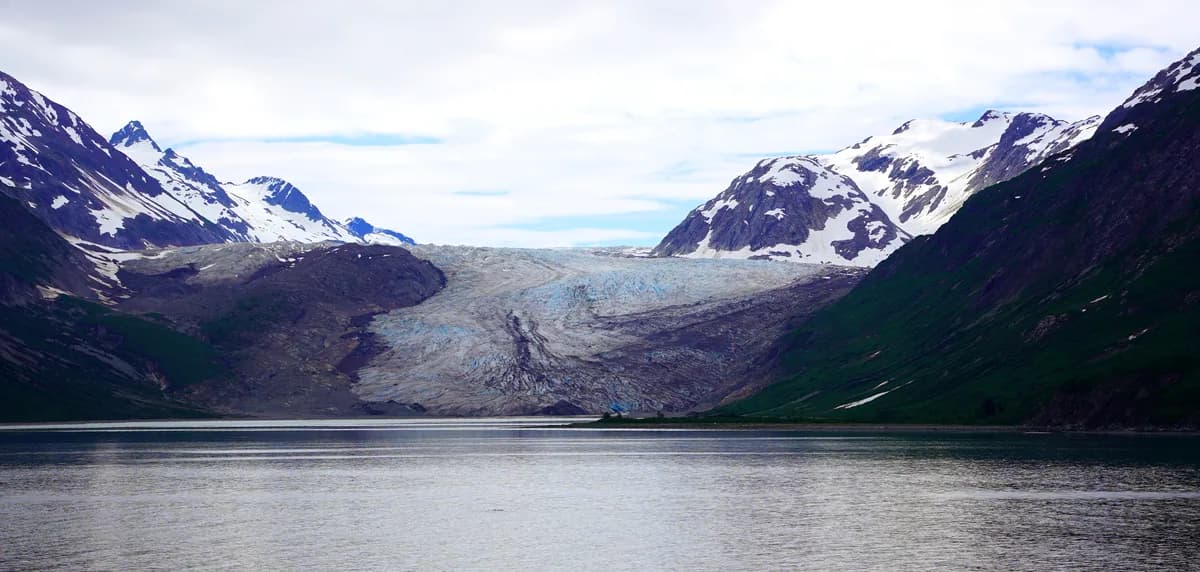
A scenic cruising day rather than a port: the ship spends hours in a national park most people can only reach by water, nosing up to tidewater glaciers that calve ice into the sea with a crack like gunfire. Park rangers board the ship to narrate. Hubbard Glacier or Endicott Arm serve the same purpose on itineraries that do not have a Glacier Bay permit.
Book it right: Nothing to book and nowhere to go ashore. Get outside early and dress far warmer than the temperature suggests - the wind off the ice is brutal. The bow and the highest open decks beat your balcony because the ship rotates to give both sides a turn. Check whether your itinerary includes Glacier Bay specifically; permits are limited and not every ship gets one.
Book Glacier Bay National Park excursions- Free cancellation on most rooms
- No booking fee
- Prices on Trip.com
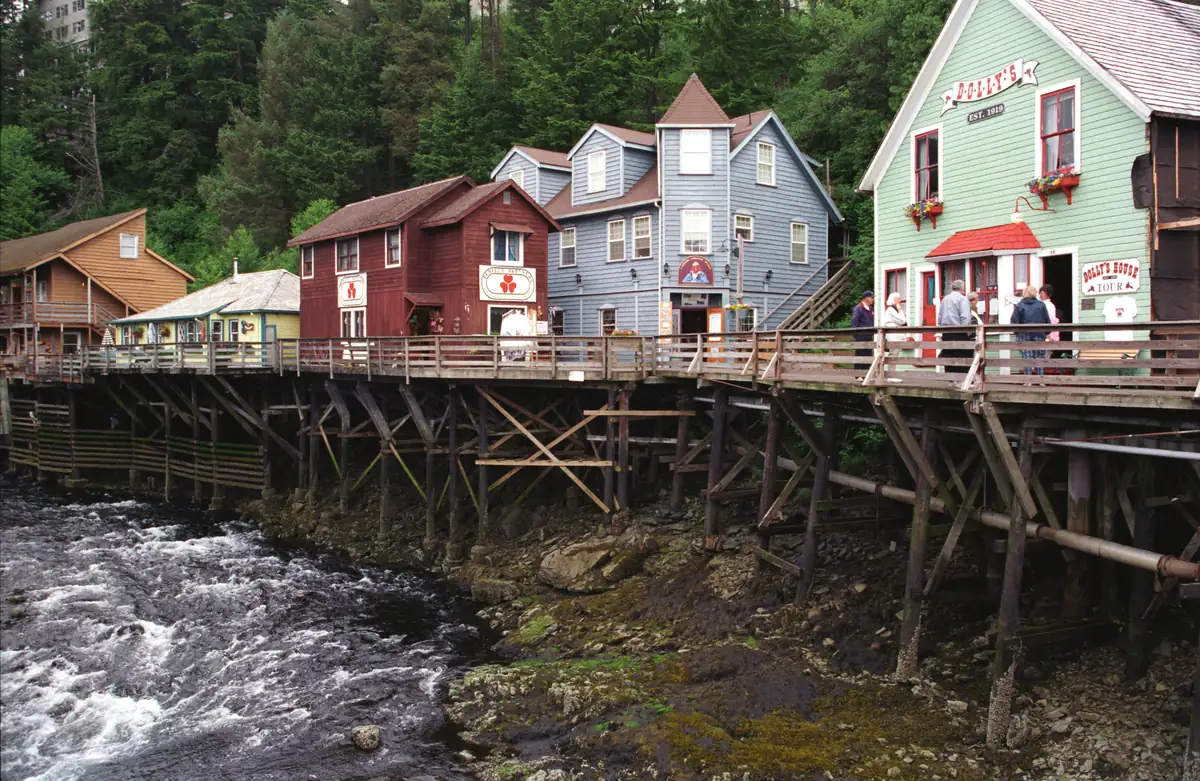
4. Ketchikan
Alaska, USATotem poles, salmon and rain. Genuinely charming, cheaper excursions.
The first Alaskan port on most northbound itineraries has the world's largest collection of standing totem poles, the boardwalk-on-stilts of Creek Street built over a salmon stream, and float planes taking off from the harbour all day. It is also the wettest town in Alaska, with around 3.8 metres of rain a year, so plan for it rather than hope.
Book it right: The Misty Fjords float-plane flight is the splurge and worth it on a clear day - but it cancels often, so book it early in your port window. Cheaper and reliable: the totem parks and a walk up Creek Street, which cost almost nothing. Bring a proper rain jacket, not an umbrella.
Typical time in port: Usually 7am - 3pm
Book Ketchikan excursions- Free cancellation on most rooms
- No booking fee
- Prices on Trip.com
5. Sitka
Alaska, USATender portThe most interesting history in Alaska, and often a tender port.
The old capital of Russian America, on the outer coast facing the Pacific rather than tucked in the Inside Passage. You get an onion-domed Orthodox cathedral in the middle of the main street, a superb totem park in coastal rainforest, and a raptor centre rehabilitating bald eagles. Wildlife boat trips here see otters, puffins and whales.
Book it right: Ships often anchor and tender passengers ashore, which eats into your day - build in extra time and do not book a tight tour. The town is small and walkable, so a self-guided morning around the cathedral, totem park and raptor centre is easy and cheap. Sea otter and wildlife boat trips are the excursion worth paying for.
Typical time in port: Usually 8am - 4pm
Book Sitka excursions- Free cancellation on most rooms
- No booking fee
- Prices on Trip.com
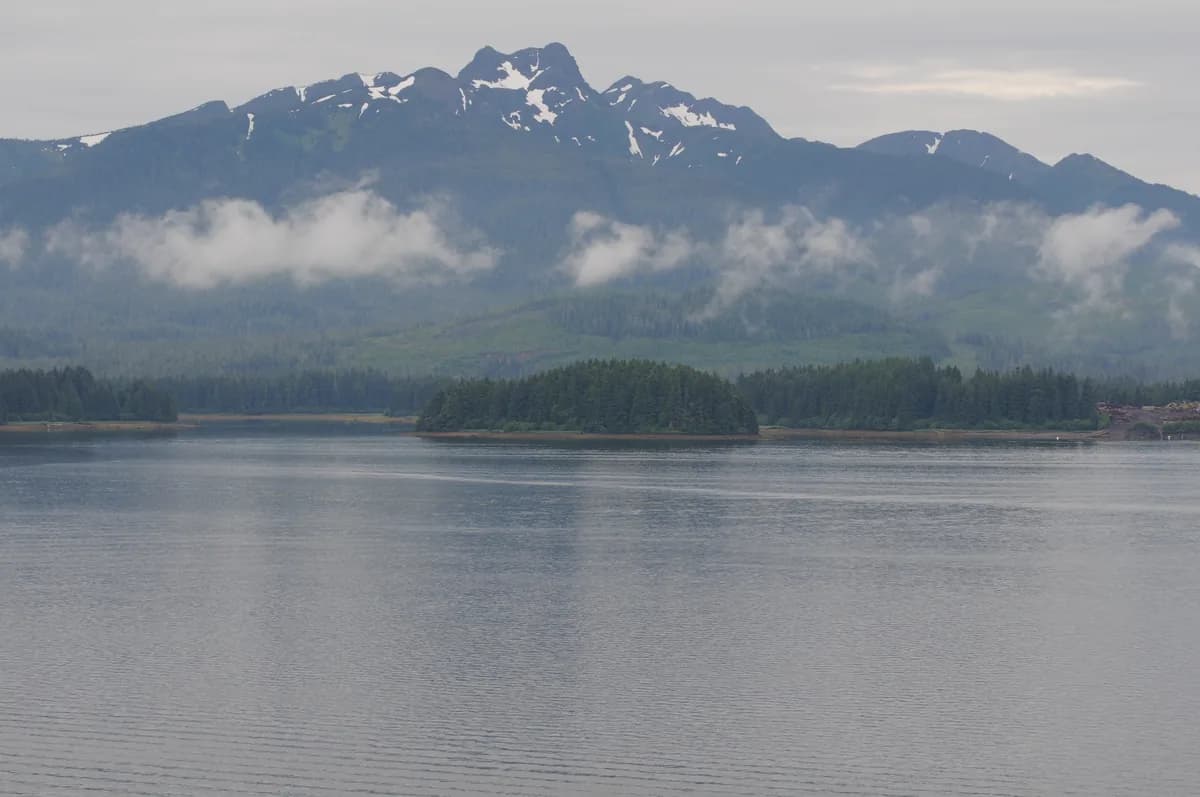
6. Icy Strait Point (Hoonah)
Alaska, USATender portPurpose-built and pricey, but the best bear viewing.
A private cruise destination built around a restored salmon cannery next to the Tlingit village of Hoonah. It is the most manufactured stop on an Alaska itinerary, but it has the state's most reliable brown bear viewing on a short drive out, plus one of the world's longest ziplines dropping 400 metres down the mountain.
Book it right: Almost everything here is a paid excursion - there is little to do for free beyond the shoreline walk and the cannery museum. The bear search is the one to book if you have not seen bears elsewhere, and it does sell out. Skip if your budget is thin; you get more for your money in Juneau.
Book Icy Strait Point (Hoonah) excursions- Free cancellation on most rooms
- No booking fee
- Prices on Trip.com
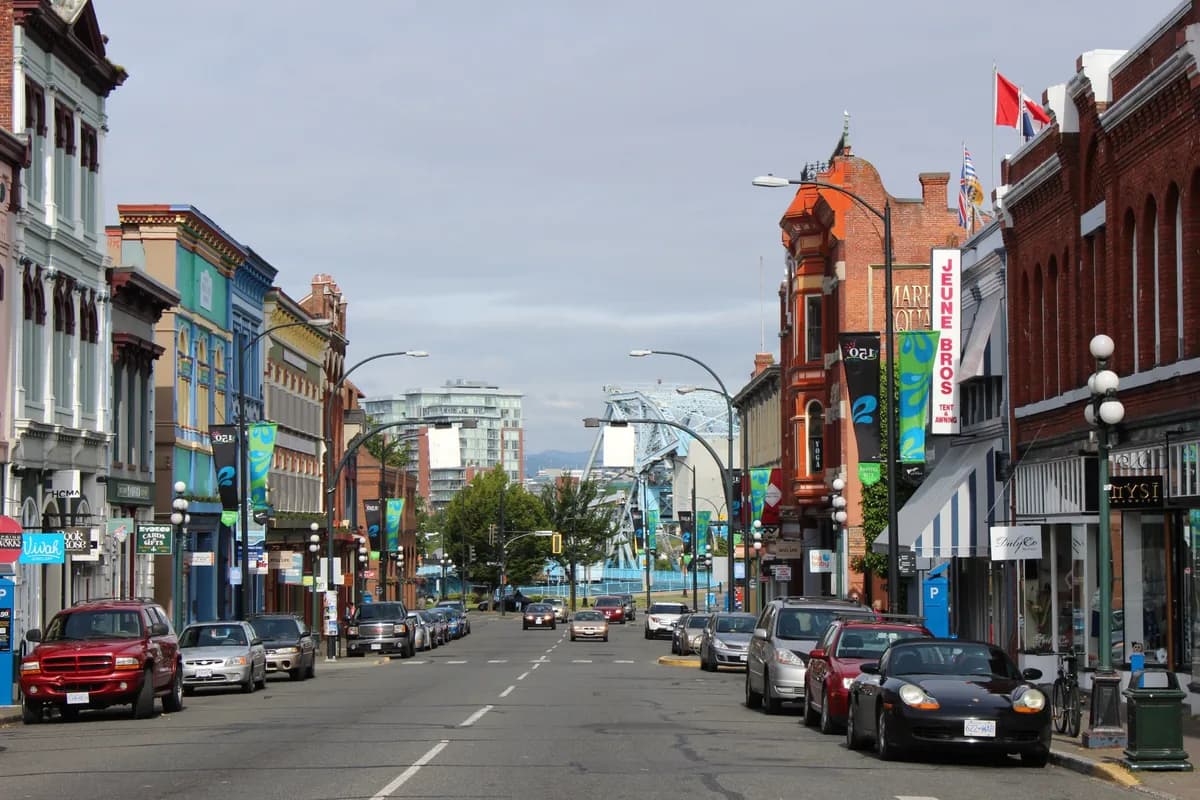
7. Victoria, British Columbia
CanadaThe weakest stop. A late, short evening call that exists for legal reasons.
Most Alaska round trips from Seattle stop briefly in Victoria because US law requires a foreign port call. Ships usually dock in the evening for four or five hours, which is enough for the Inner Harbour and a walk, but not much else. Butchart Gardens is the standard excursion and is genuinely lovely, though you will see it near dark for much of the season.
Book it right: Manage expectations - this is a legal formality, not a highlight. If you want to do Butchart Gardens, book the excursion because independent transport in a short evening window is risky. Otherwise, walk the Inner Harbour, have a drink and enjoy an easy night. Nothing here justifies a big spend.
Typical time in port: Usually 6pm - 11pm
Book Victoria, British Columbia excursions- Free cancellation on most rooms
- No booking fee
- Prices on Trip.com
Alaska cruise season, month by month
The Alaska cruise season runs May to September and nothing sails outside it. The shoulder months are noticeably cheaper and quieter, and they are not the weather compromise people expect.
| Month | What it's like | Worth knowing |
|---|---|---|
| May | Cool, driest month | Cheapest fares of the season, snow still on the peaks, fewer ships in port. Some tours not running yet. |
| June | Long days, warming | Peak daylight around the solstice, wildflowers, strong wildlife. Prices climb toward the summer peak. |
| July | Warmest and busiest | Best temperatures and best whale activity, but the highest prices and several ships per port per day. Book excursions early. |
| August | Warm, wetter | Peak salmon runs and bear viewing. Rain increases through the month; prices start easing late. |
| September | Cool, wet, quiet | Cheapest late-season fares, autumn colour, northern lights possible. Some operators wind down and daylight shortens fast. |
Alaska cruise tips that actually save you money
The single biggest lever is when you sail. The same itinerary in May or September costs noticeably less than in July, and the ports are calmer because fewer ships share them. Alaska weather is unpredictable in every month, so you are not trading much certainty for the saving.
The second lever is how you book excursions. Independent operators in Juneau, Skagway and Ketchikan usually charge less than the ship's version of the same trip and run smaller groups. The trade-off is the guarantee: if a ship-sold excursion runs late, the ship waits for you. If an independent one does, it does not. Use operators who work to the cruise schedule and aim to be back at least 90 minutes before all-aboard.
Third, do not pay for what is free. Glacier Bay costs nothing and is the best day of the trip. Creek Street in Ketchikan, the totem parks, Sitka's town centre and the Juneau waterfront are all walkable and free. Save the budget for the two or three things that genuinely need it: the White Pass railway, whale watching, and a flightseeing trip if the weather cooperates.
- check_circleSail in May or September for the lowest fares and the quietest ports.
- check_circleBook the White Pass railway and Juneau whale watching before you sail - both sell out in peak season.
- check_circleBook flightseeing early in your port window so a weather cancellation still leaves time to rebook.
- check_circleCarry a passport for Skagway's White Pass rail route, which crosses into Canada.
What to pack for an Alaska cruise
Layers, and a genuinely waterproof outer layer. Summer highs in the ports sit around 15 to 18°C, but it is a rainforest coast and rain is likely on any given day. The mistake people make is packing for the temperature and not for the wet and wind.
On the water it is much colder than on shore. A whale-watching boat in July or a morning on deck in Glacier Bay wants a warm mid-layer, a hat and gloves, even when the ship's deck felt mild an hour earlier. Waterproof walking shoes beat trainers on the Mendenhall and rainforest trails, which stay muddy.
Formal nights on Alaska sailings are dressier than the daytime suggests, so pack one smart outfit. Binoculars earn their space here more than on any other cruise, and a dry bag or waterproof phone case is worth it for the small-boat trips.
- check_circleA proper rain jacket with a hood - umbrellas are useless on the water.
- check_circleWarm mid-layer, hat and gloves for glacier days and whale-watching boats, even in July.
- check_circleWaterproof walking shoes for muddy rainforest and glacier trails.
- check_circleBinoculars, and a dry bag or waterproof case for small-boat excursions.
How Alaska cruise itineraries differ
There are two shapes. Inside Passage round trips, usually from Seattle or Vancouver, sail up and back through sheltered water and return you to where you started - simpler flights, and the Seattle ones include that brief legal stop in Victoria. One-way Gulf of Alaska cruises run between Vancouver and Seward or Whittier near Anchorage, cover more ground, and let you add a land trip to Denali at one end.
If seeing more of Alaska matters, the one-way itinerary plus a few land days is the stronger trip and the only realistic way to reach Denali. If simplicity and price matter, the round trip wins: one airport, no repositioning flights, and usually a lower fare.
Check which glacier day your itinerary includes. Glacier Bay National Park requires a permit and not every ship has one; Hubbard Glacier and Endicott Arm are the common alternatives and are still excellent. It is worth choosing a sailing on this detail alone, because the glacier day is the one nobody forgets.
Frequently asked questions
- Free cancellation on most rooms
- No booking fee
- Prices on Trip.com
More cruise guides
Cheapest time to cruise
The cheapest time to cruise, month by month, when cruise prices drop, how much to tip, how much cash to bring, and the booking moves that cut hundreds off a sailing.
First time cruise tips
What to expect on your first cruise: embarkation day, the muster drill, cruise etiquette and dress code, how to avoid seasickness, and what not to bring on a cruise.
Photo credits (6)
Photos via Wikimedia Commons, used under their respective licences.
- Juneau: Gordon Leggett - CC BY 4.0 · source
- Skagway: Diego Delso - CC BY-SA 4.0 · source
- Glacier Bay National Park: Ken Lund from Reno, Nevada, USA - CC BY-SA 2.0 · source
- Ketchikan: Jerzystrzelecki - CC BY 3.0 · source
- Icy Strait Point (Hoonah): Manuel Velazquez - CC BY 3.0 · source
- Victoria, British Columbia: MARELBU - CC BY 3.0 · source
Continue Planning Your Trip
Intelligent tools designed to simplify the complex.
Things to Do
Ranked attractions, tips and how to book tickets
Where to Stay
The best area to stay in each city, by neighborhood
Car Rental
Real prices, driving tips and the best routes by destination
Airport Transfers
Getting from the airport to your hotel, by price and time
All-Inclusive Guides
What all-inclusive really means, by destination
Best Time to Visit
Month-by-month weather, crowds and prices
Cheapest Places to Travel
18 destinations ranked by real daily budgets
Route Finder
Find the cheapest way to get there
Hotel Finder
Book the right hotel for your destination
AI Trip Planner
Build a day-by-day itinerary
Budget Calculator
Estimate total cost