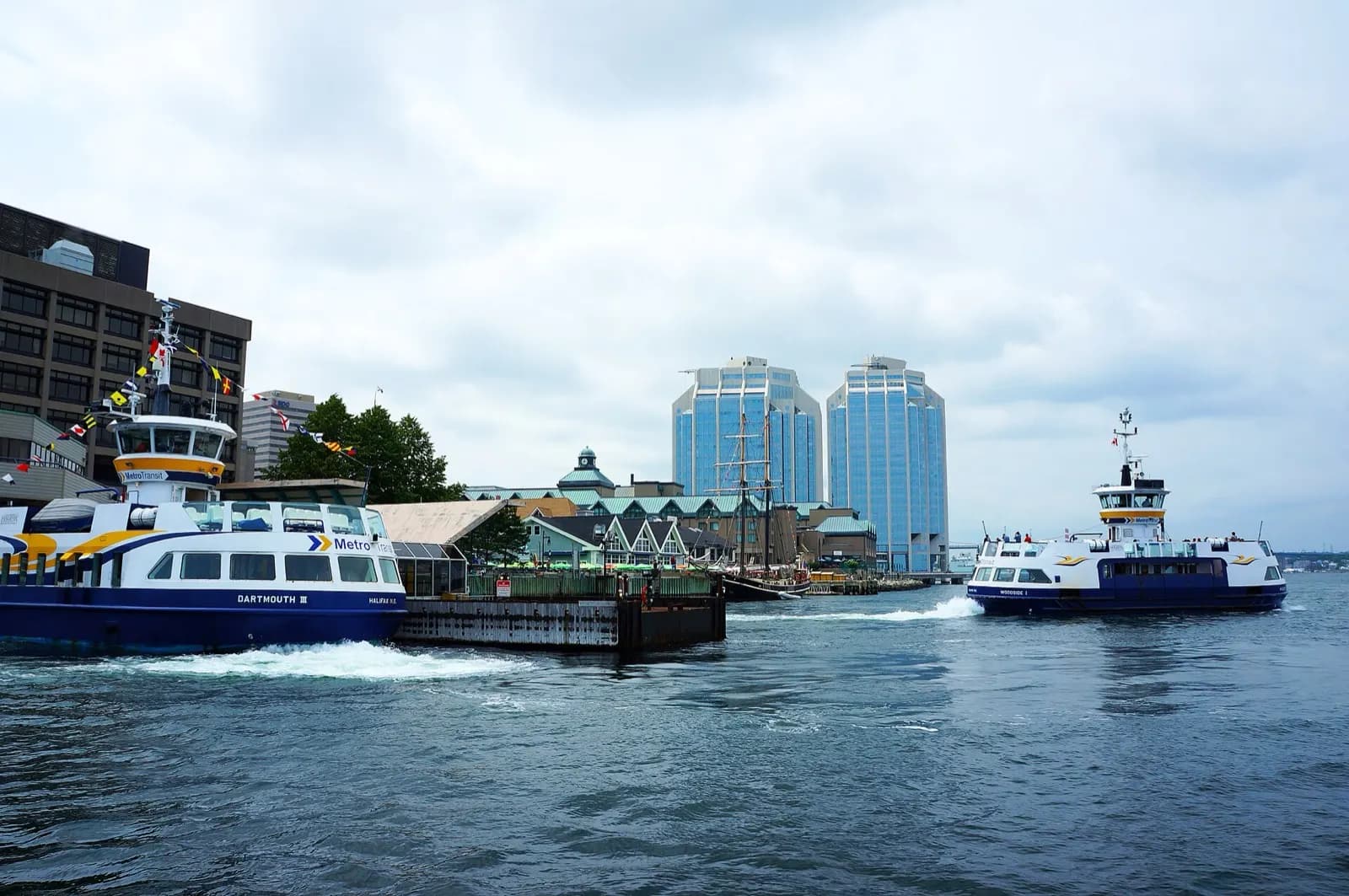
What are the main Canada cruise ports?
The main Canada cruise ports are Quebec City, Halifax, Saint John, Charlottetown and Sydney in Nova Scotia, usually on Canada and New England itineraries sailing from New York, Boston or Montreal. Quebec City and Halifax are the two standouts and both are walkable straight from the pier, so you need no tour. Saint John is the port to book for the Bay of Fundy tides, and the season runs May to October with late September and October the peak for fall colour.
- Free cancellation on most rooms
- No booking fee
- Prices on Trip.com
Canada's cruise ports, and what each is worth
Ranked by what a port day is genuinely worth. The pattern here is the opposite of Alaska: most of these ports put you in the middle of a walkable town, so the honest advice is to save your excursion budget for the two that need it.

1. Quebec City
Quebec, CanadaThe best port in eastern Canada, and you walk straight into it.
The only walled city north of Mexico, and a UNESCO site. Ships dock in the Old Port directly below Vieux-Quebec, so you step off into cobbled 17th-century streets, the funicular up to the Chateau Frontenac, the Plains of Abraham and the narrow lanes of Petit-Champlain. It feels more like Normandy than North America.
Book it right: Book nothing. The old town starts at the pier and is small enough to walk in a day, and a guided tour adds little you cannot get from wandering. Save the money for lunch. If your ship is here overnight, stay out - the lit streets of Petit-Champlain after the day crowds leave are the best hour of the whole cruise. Montmorency Falls, taller than Niagara, is the one worthwhile paid trip.
Typical time in port: Often a full day or overnight
Book Quebec City excursionsChristmas in Quebec City- Free cancellation on most rooms
- No booking fee
- Prices on Trip.com
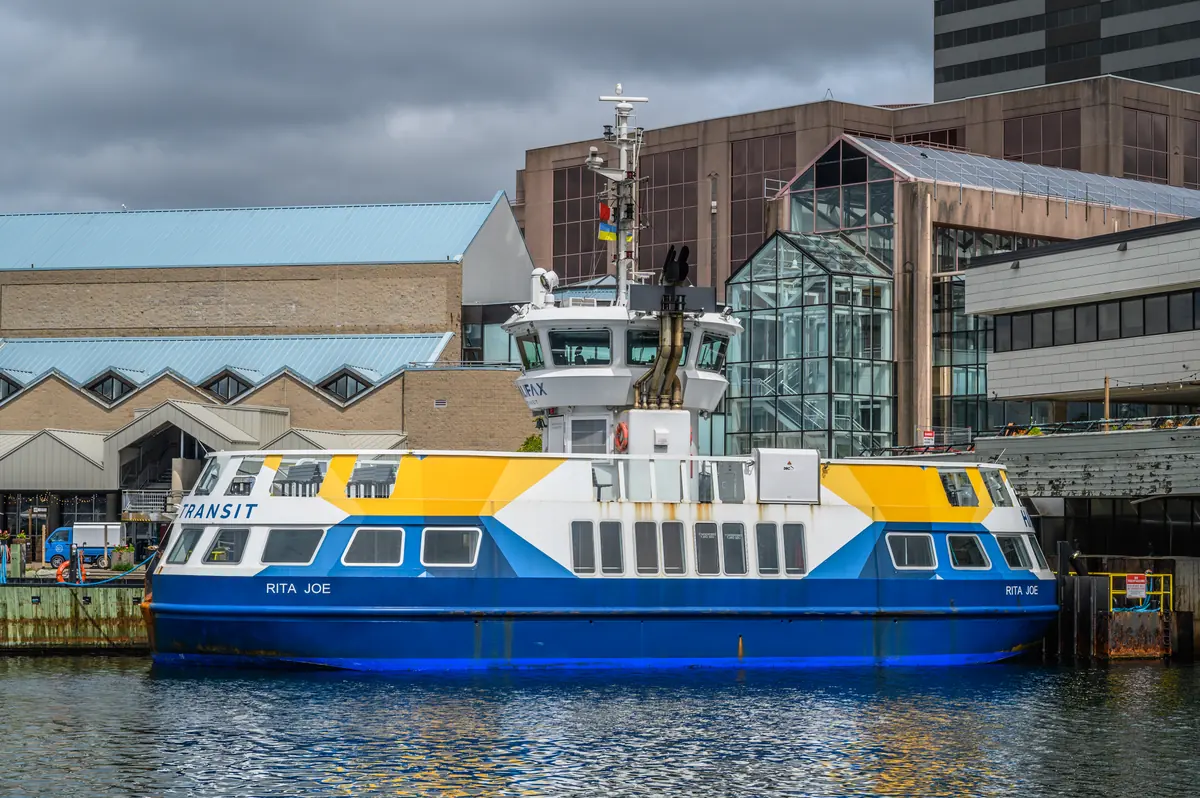
2. Halifax
Nova Scotia, CanadaWalkable, likeable, and the gateway to Peggy's Cove.
A working harbour city with a boardwalk running from the cruise terminal past breweries, seafood shacks and the Maritime Museum of the Atlantic, which holds the world's best Titanic collection - Halifax recovered most of the bodies and 121 are buried here. The Citadel fort sits above town with a noon gun.
Book it right: The waterfront and museum are walkable, so only book a tour if you want Peggy's Cove, the much-photographed lighthouse on granite about 45 minutes out. That is the excursion worth paying for. Otherwise walk the boardwalk, do the Maritime Museum, and eat lobster or a donair.
Typical time in port: Usually 8am - 5pm
Book Halifax excursions- Free cancellation on most rooms
- No booking fee
- Prices on Trip.com

3. Saint John
New Brunswick, CanadaPlain town, extraordinary tides. This is the one to book.
Saint John itself is modest - a City Market from 1876 and not a great deal else - but it sits on the Bay of Fundy, which has the highest tides on earth at up to 16 metres. The Reversing Falls, where the tide forces the river to flow backwards, and the sea caves and flowerpot rocks at St Martins are the reason to come ashore.
Book it right: This is the port where an excursion clearly earns its price, because the tidal sights are outside town and timed to the tide rather than your convenience. Check what the tide is doing on your port day - the Reversing Falls are unremarkable at slack water and dramatic either side of it. Book ahead and match the timing.
Typical time in port: Usually 8am - 5pm
Book Saint John excursions- Free cancellation on most rooms
- No booking fee
- Prices on Trip.com

4. Charlottetown
Prince Edward Island, CanadaSmall, charming, and all about Anne of Green Gables.
The capital of Canada's smallest province, where the country was effectively founded in 1864. A compact waterfront town of colourful clapboard houses and good seafood, with red-earth farmland and beaches beyond. For a large number of visitors the real draw is Green Gables Heritage Place, the Anne of Green Gables house about 40 minutes away.
Book it right: The town is a 20-minute walk end to end and free to enjoy, so book only if you want Green Gables or the north-shore beaches and lighthouses, both of which need transport. Try the island's oysters and a lobster roll on the waterfront - PEI seafood is the best on this itinerary.
Typical time in port: Usually 8am - 5pm
Book Charlottetown excursions- Free cancellation on most rooms
- No booking fee
- Prices on Trip.com

5. Sydney, Cape Breton
Nova Scotia, CanadaWeak town, superb drive. Book the Cabot Trail if you can.
The town of Sydney is thin - a giant fiddle sculpture at the pier and a short main street - but Cape Breton Island around it is one of the most beautiful places in Canada. The Cabot Trail winds along cliffs above the Atlantic, and the Fortress of Louisbourg is a vast reconstructed 18th-century French garrison staffed in period.
Book it right: Do not spend this day in the town. The Cabot Trail is a long drive and only a section is realistic in a port day, but even that section is worth it in autumn colour. Louisbourg is the alternative and takes about half the day. Book either ahead - capacity in a small port fills quickly.
Typical time in port: Usually 8am - 5pm
Book Sydney, Cape Breton excursions- Free cancellation on most rooms
- No booking fee
- Prices on Trip.com
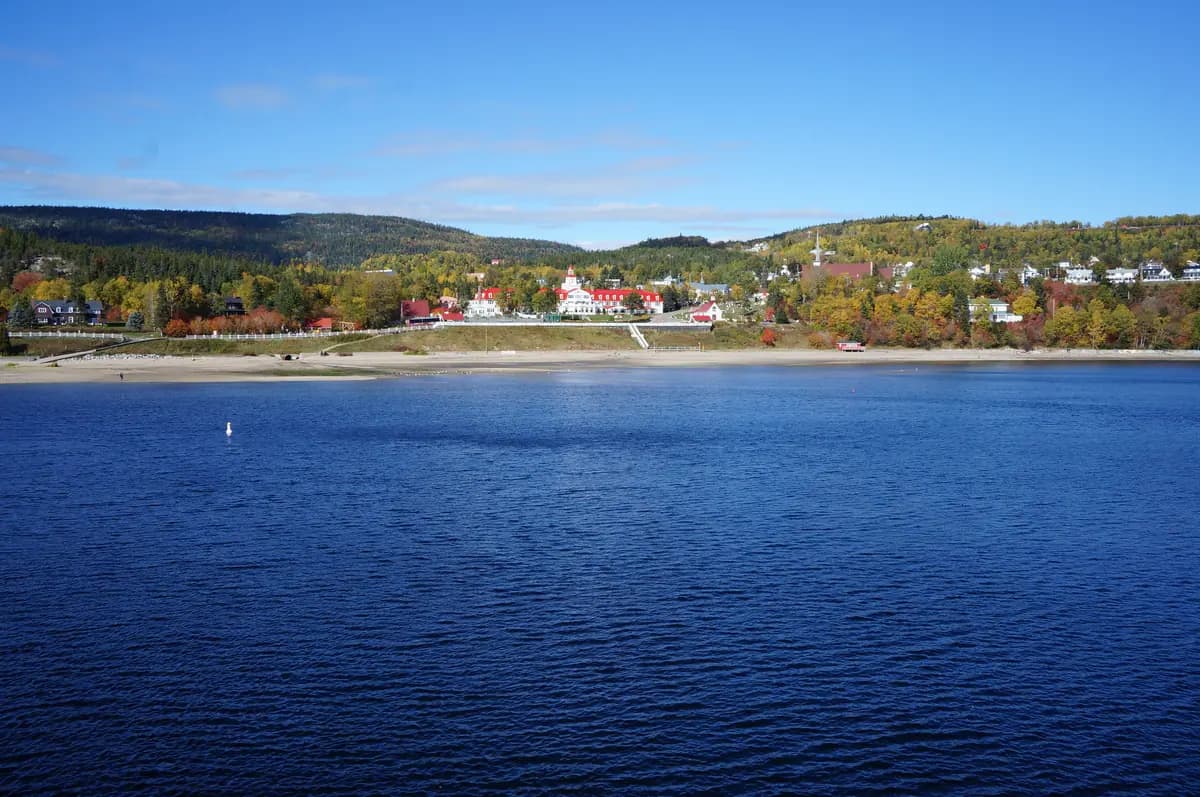
6. Saguenay (La Baie)
Quebec, CanadaTender portA fjord approach and a small town that tries hard.
Ships sail up the Saguenay Fjord, a deep glacial channel with cliffs on both sides, which is the best part of the call - be on deck for it. The town of La Baie greets ships with costumed performers and a folk show, and the surrounding region has whale watching where the fjord meets the St Lawrence.
Book it right: The sail in and out is the highlight, so plan to be outside for both. Ashore, the town is small and the organised welcome is charming but brief. Beluga and whale-watching trips from the fjord mouth are the standout excursion if your timing allows.
Typical time in port: Usually 9am - 5pm
Book Saguenay (La Baie) excursions- Free cancellation on most rooms
- No booking fee
- Prices on Trip.com
Best time for a Canada and New England cruise
The season is short and the month you sail changes the trip completely - this is one of the few cruise regions where autumn is the peak rather than the shoulder.
| Period | What it's like | Worth knowing |
|---|---|---|
| May - June | Cool, green, quiet | Lowest fares of the season and the fewest ships. Some attractions still opening for summer; can be grey and wet. |
| July - August | Warmest, family season | Best weather for walking the ports and the beaches on PEI. Busier and pricier, but no fall colour. |
| Late Sept - mid Oct | Peak fall colour | The reason most people book this itinerary. Maples turn along the St Lawrence and Cape Breton. Highest fares, sells out first. |
| Late October | Colour fading, cold | Season winds down. Cheaper again, crisp and atmospheric, but shorter days and some tours already closed. |
Canada cruise excursions: where to spend and where to walk
Canada and New England is the cruise region where buying an excursion in every port wastes the most money. Quebec City, Halifax and Charlottetown all dock within walking distance of the town centre, and in each the best thing to do is walk it. Quebec City in particular needs nothing at all - the walled old town starts at the pier and a guided tour adds little.
Two ports flip that. Saint John's attraction is the Bay of Fundy tides, which happen outside town and on the tide's schedule, so a booked trip is the practical way to see them. Sydney's town is thin and its island is spectacular, so the Cabot Trail or the Fortress of Louisbourg is the whole reason to be ashore there. Those are the two days to spend on.
The other place money goes well is food. This coast has the best seafood on any North American cruise itinerary - lobster in Nova Scotia, oysters on Prince Edward Island, and in Quebec a completely different French-Canadian kitchen. Skipping a paid tour in the walkable ports and having a proper lunch instead is usually the better trade.
- check_circleWalk it, do not book it: Quebec City, Halifax waterfront, Charlottetown.
- check_circleBook it: Saint John for the Bay of Fundy, Sydney for the Cabot Trail or Louisbourg.
- check_circleCheck the tide times for Saint John - the Reversing Falls are dull at slack water.
- check_circlePeggy's Cove is the one Halifax excursion worth the fare if you want the lighthouse.
What to pack for a Canada and New England cruise
Layers, because the autumn sailings that most people book swing between mild afternoons and cold, windy mornings on deck. Late September and October days ashore can be pleasant at 12 to 16°C and feel far colder on the St Lawrence with the wind up.
Comfortable walking shoes matter more here than on most cruises, precisely because these ports are walkable - Quebec City's old town is steep and cobbled, with a serious climb from the lower town to the Chateau Frontenac if you skip the funicular.
Bring a waterproof jacket for the Bay of Fundy and fjord days, where spray and rain are common, and a warm hat for whale watching. Evenings on board follow the usual pattern of smart-casual with a formal night or two, so one dressier outfit covers it.
- check_circleLayers plus a windproof outer for deck days on the St Lawrence.
- check_circleProper walking shoes - Quebec City's old town is steep and cobbled.
- check_circleA waterproof for Bay of Fundy and fjord excursions.
How Canada and New England itineraries work
Most sailings run seven to ten nights between New York or Boston and Quebec City or Montreal, calling at a mix of the Canadian ports above plus New England stops like Bar Harbor, Portland and Newport. They run one way in either direction, so you fly home from the far end.
The Canadian half is the stronger half. Quebec City is the highlight of nearly every itinerary and is often an overnight call, which is worth choosing a sailing for - the old town after the day-trippers leave is the best experience on the route.
One practical point: this is a passport itinerary, since you cross between the United States and Canada. Check the specific ports before booking too, because the balance between Canadian and New England calls varies a lot between lines, and the Canadian ports are generally the more distinctive.
Frequently asked questions
- Free cancellation on most rooms
- No booking fee
- Prices on Trip.com
More cruise guides
Alaska cruise ports
The best Alaska cruise ports ranked - Juneau, Skagway, Ketchikan, Sitka and Glacier Bay. What to book in each, what sells out, the Alaska cruise season and what to pack.
Iceland cruise ports
Iceland cruise ports explained - Reykjavik, Akureyri, Isafjordur and Seydisfjordur. What to do in each, which excursions to book ahead, and the best time for an Iceland cruise.
Photo credits (6)
Photos via Wikimedia Commons, used under their respective licences.
Continue Planning Your Trip
Intelligent tools designed to simplify the complex.
Things to Do
Ranked attractions, tips and how to book tickets
Where to Stay
The best area to stay in each city, by neighborhood
Car Rental
Real prices, driving tips and the best routes by destination
Airport Transfers
Getting from the airport to your hotel, by price and time
All-Inclusive Guides
What all-inclusive really means, by destination
Best Time to Visit
Month-by-month weather, crowds and prices
Cheapest Places to Travel
18 destinations ranked by real daily budgets
Route Finder
Find the cheapest way to get there
Hotel Finder
Book the right hotel for your destination
AI Trip Planner
Build a day-by-day itinerary
Budget Calculator
Estimate total cost