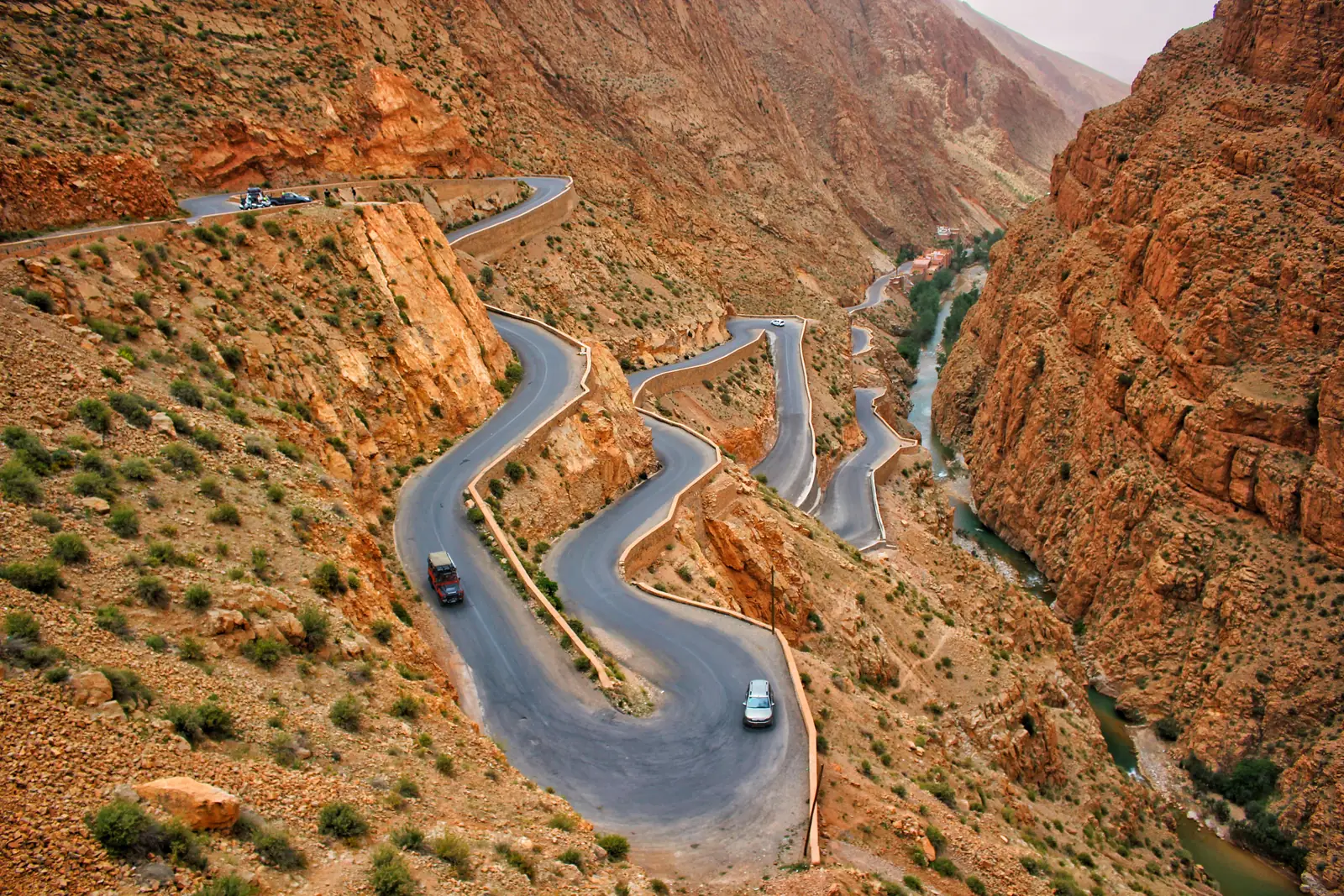
In Brief
Is it worth renting a car in Morocco?
Yes for touring - a car is the best way to link the Atlas Mountains, the desert and the coast at your own pace, and rates are low (from about $21/day). But it's not for the cities: Marrakech and Fes medinas are chaotic and car-free, so park on the edge and walk in. You drive on the right, manuals are the norm (book an automatic ahead), keep your papers handy for routine police checkpoints, and avoid driving rural roads after dark. If you're only doing Marrakech plus booked desert tours, you may not need a car at all.
Key takeaways
- From about $21/day - among the cheapest car hire anywhere.
- You drive on the right; manuals are standard, so book an automatic early.
- Don't drive in the medinas - park on the edge and walk in.
- Keep your licence and papers handy for routine police checkpoints.
$21/day
economy class, before extras
- Free cancellation on most cars
- Compare every supplier at once
How much does car rental cost in Morocco?
Rough daily prices by car type. Rates rise in peak season - book early for the best deal.
| Car type | Price / day | Good to know |
|---|---|---|
| Small manual | $21-45/day | Ideal for the coast and getting between cities; cheapest option. |
| Compact automatic | $40-75/day | The premium if you don't drive a stick - reserve early. |
| SUV | $50-90/day | More comfort for the Atlas passes and rough rural roads. |
| 4x4 | $70-130/day | For desert pistes and off-tarmac tracks near Merzouga or the deep south. |
Transmission: Manuals are standard and cheapest; automatics are available but reserve ahead, especially for SUVs.
Driving in Morocco: what to know
Don't drive in the medinas
The old cities of Marrakech, Fes and Chefchaouen are dense, car-free mazes. Park in a guarded lot or your riad's arrangement on the edge and walk in - never try to drive into the medina.
Carry your papers for checkpoints
Routine police checkpoints (gendarmerie) are common on rural roads. Keep your driving licence, rental documents and passport handy, slow down through posts, and be polite - it's normal and usually quick.
Respect the mountain passes
Roads like the Tizi n'Tichka over the High Atlas are winding, high and shared with trucks and buses. Drive slowly, use lower gears on descents, and avoid them after dark or in bad weather.
Avoid rural night driving
Outside cities, roads can be unlit and shared with pedestrians, cyclists, carts and animals, and some vehicles run without lights. Plan to arrive before dusk.
4x4 only for the desert pistes
Sealed roads reach the main desert gateways (Merzouga, Zagora), so a normal car is fine for most trips. You only need a 4x4 if you'll drive off-tarmac tracks - many travelers instead join a guided desert tour from the road-head.
Best drives in Morocco
The routes worth renting a car for - see our road trips guide for more.
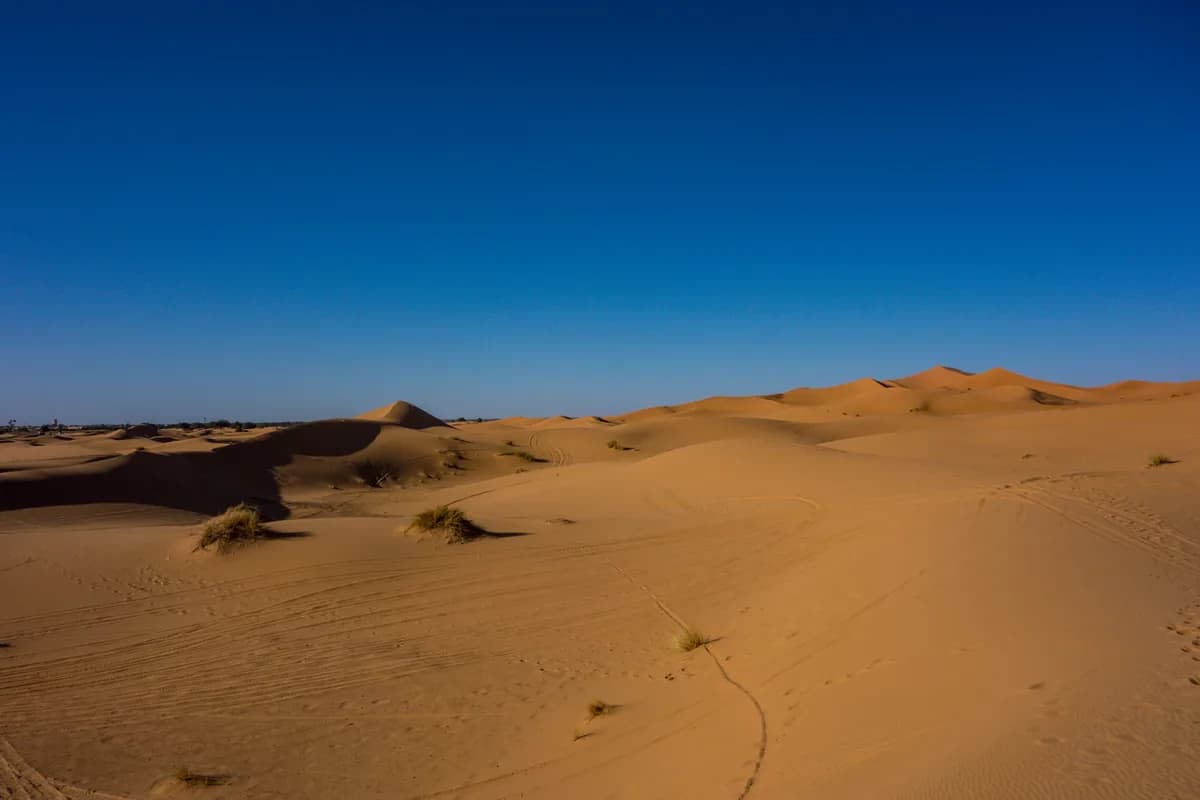
Marrakech → the Sahara (Merzouga)
Over the Tizi n'Tichka pass via Ait Benhaddou and the Dades and Todra gorges to the dunes - 2-3 days each way.
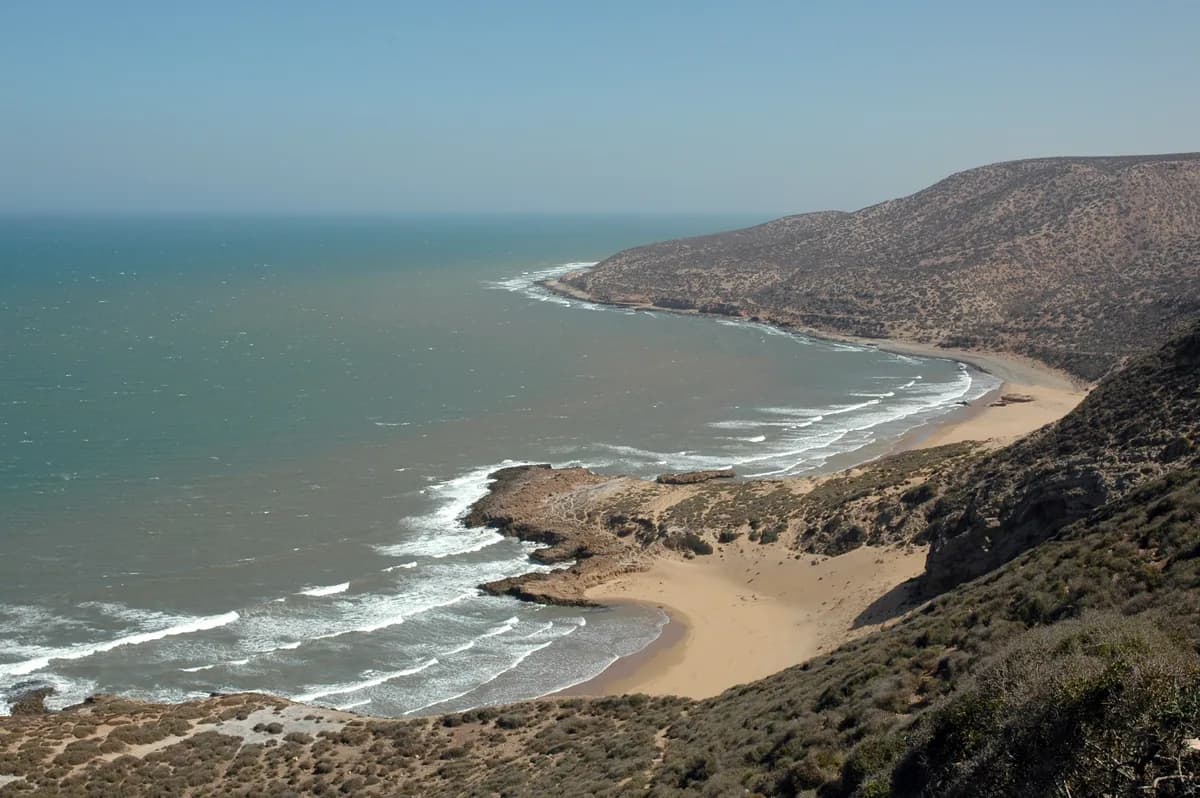
The Atlantic coast
Marrakech to breezy Essaouira, and on down to Agadir - easy sealed roads and sea air.
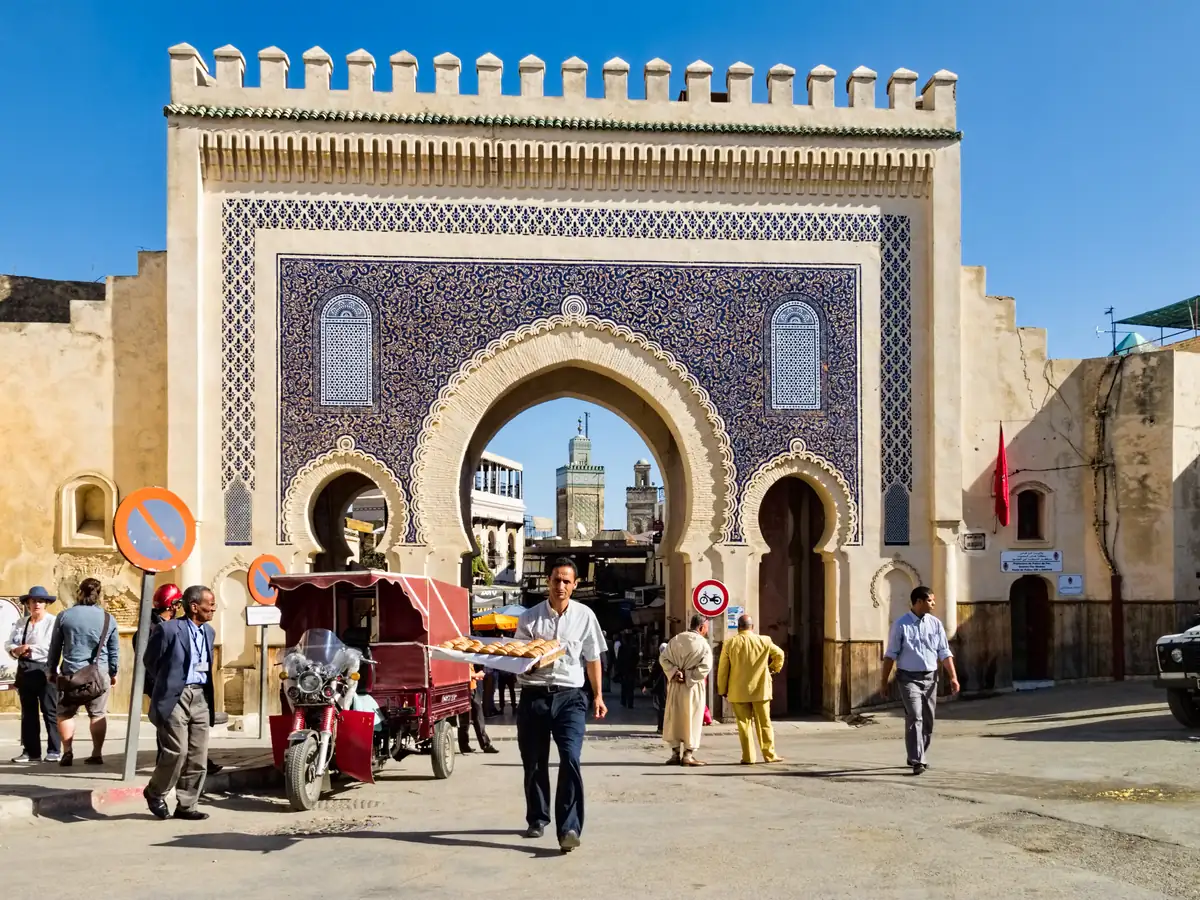
The Imperial cities loop
Marrakech, Fes and Meknes linked by good highways, with Volubilis's Roman ruins en route.
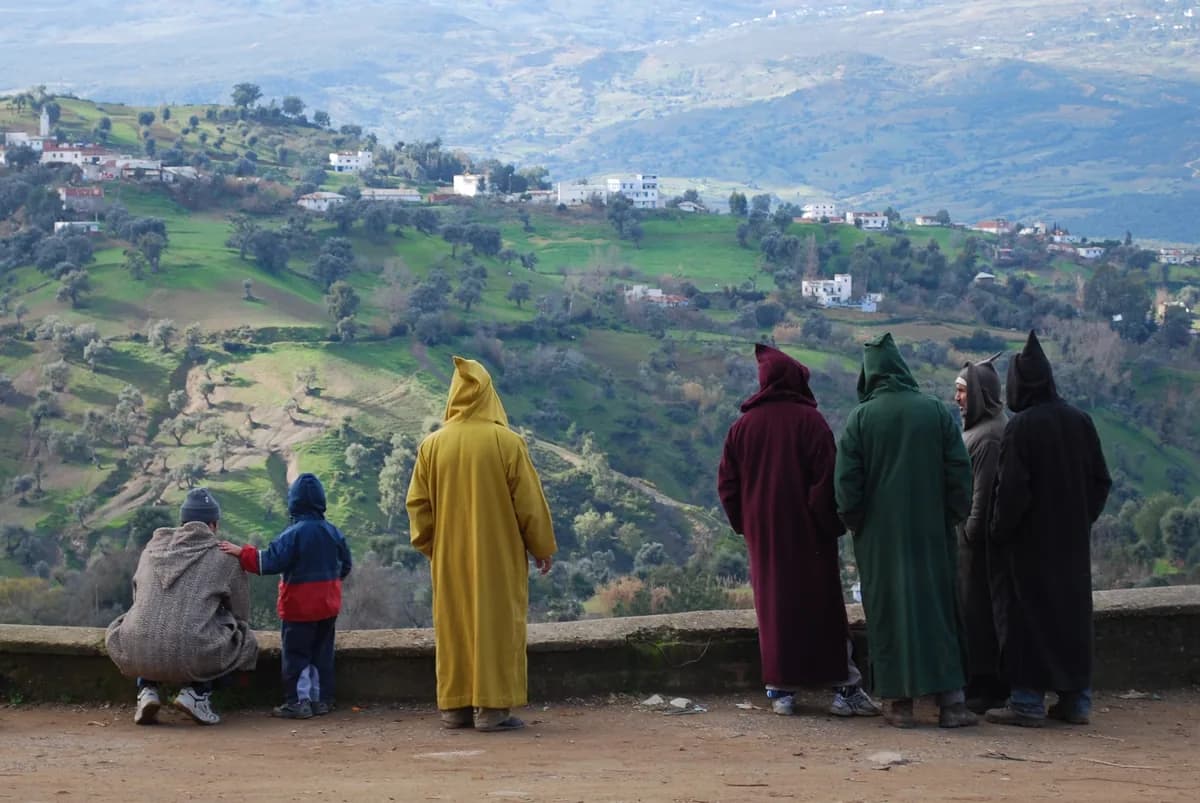
Chefchaouen & the north
The blue city in the Rif Mountains, often combined with Fes and Tangier.
Car rental in Morocco: FAQ
The questions travelers ask most before renting a car here.
Car rental in other destinations
Continue Planning Your Trip
Things to Do
Ranked attractions, tips and how to book tickets
Where to Stay
The best area to stay in each city, by neighborhood
Airport Transfers
Getting from the airport to your hotel, by price and time
All-Inclusive Guides
What all-inclusive really means, by destination
Best Time to Visit
Month-by-month weather, crowds and prices
Route Finder
Find the cheapest way to get there
Hotel Finder
Book the right hotel for your destination
AI Trip Planner
Build a day-by-day itinerary
Photo credits (4)
Photos via Wikimedia Commons, used under their respective licences.
- Marrakech → the Sahara (Merzouga): Visions of Domino - CC BY 2.0 · source
- The Atlantic coast: DimiTalen - CC0 · source
- The Imperial cities loop: Dan Lundberg - CC BY-SA 2.0 · source
- Chefchaouen & the north: Honza Chovanecek - Public domain · source