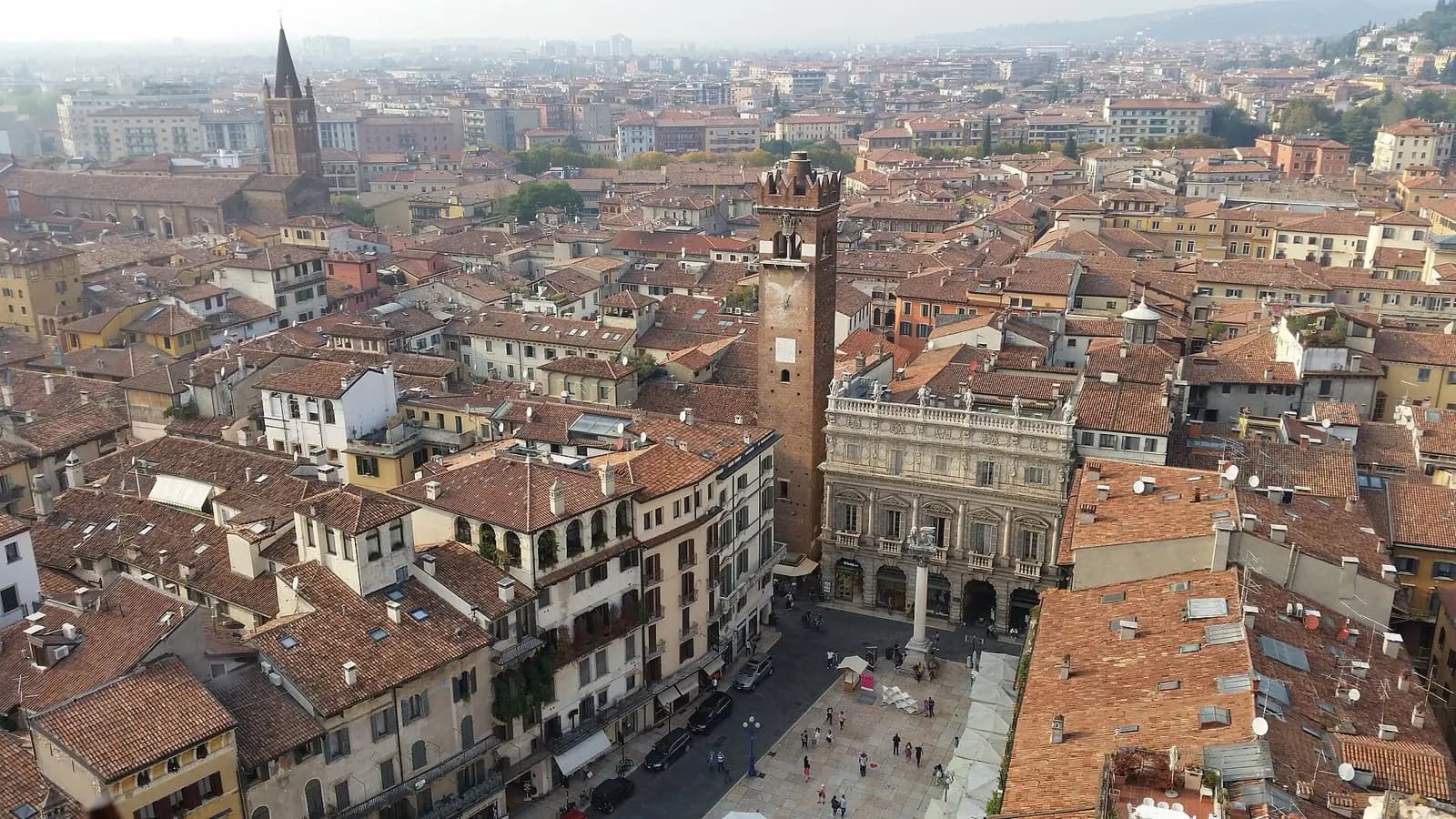
What are the best things to do in Verona?
The best things to do in Verona are seeing an opera in the Roman Arena (June to early September), wandering Piazza delle Erbe and the historic centre, climbing the Torre dei Lamberti or hiking up to Castel San Pietro for sunset, visiting Castelvecchio and its bridge, and doing a Valpolicella or Amarone wine tasting. Buy the VeronaCard if you plan three or more sights, and book Arena opera tickets months ahead - they sell out.
13 best things to do in Verona
Ranked best-first, with an insider tip and how to book each. Prices and hours change - check before you go.
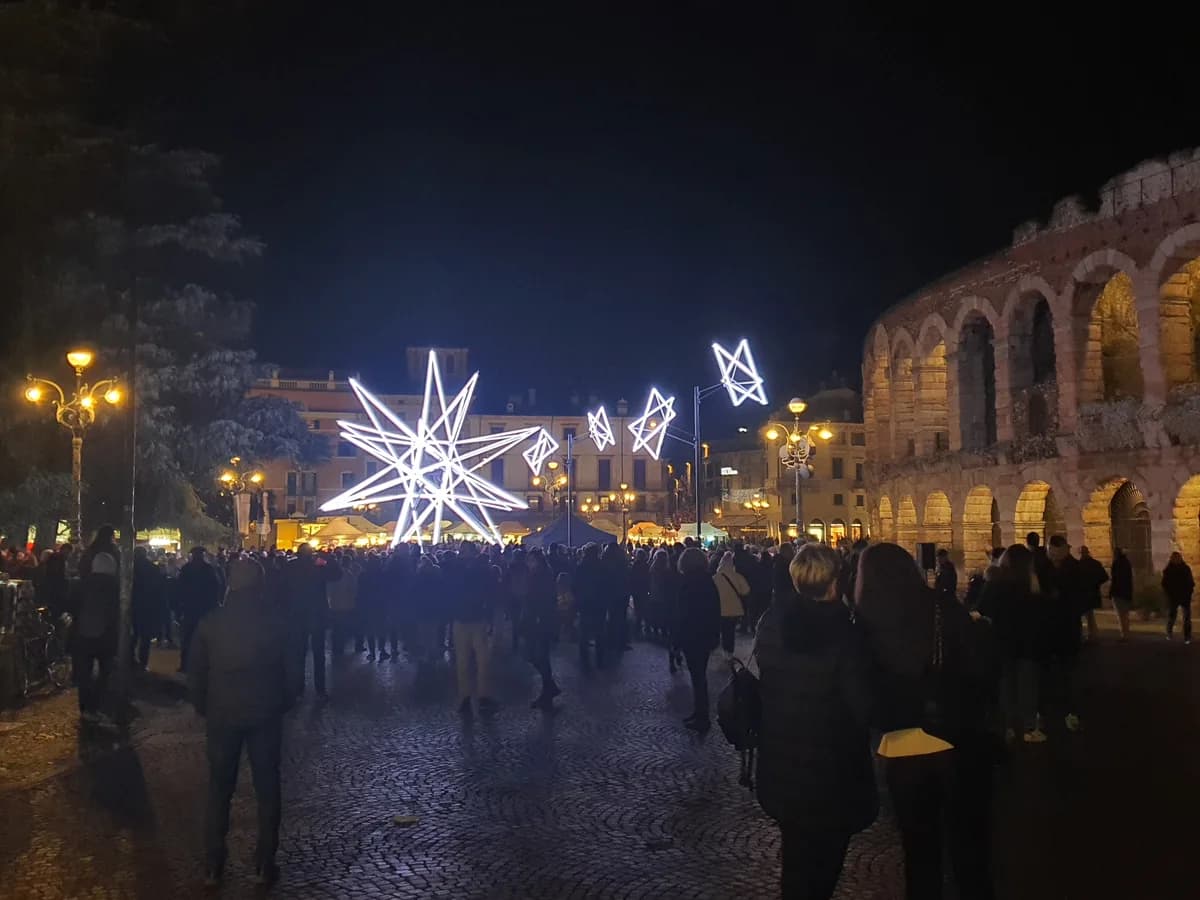
Opera at the Arena di Verona
IconsA Roman amphitheatre from the first century AD, still in use, staging grand open-air opera every summer to 12,000 people under the night sky. Even if opera isn't your thing, the spectacle of Aida or Carmen in a 2,000-year-old arena, with the audience lighting candles at dusk, is one of the great European nights out.
Insider tip: The season runs June to early September and the big nights sell out months ahead, so book early. The cheap unreserved seats on the stone steps are the authentic choice, but bring or rent a cushion and arrive early for a decent spot. Performances start after sunset and run late, often past midnight. Outside the season you can tour the empty Arena by day for a small ticket.
Book Opera at the Arena di Verona ticketsSkip-the-line tickets and guided tours- Instant confirmation
- Free cancellation on most tours
- Prices on Trip.com
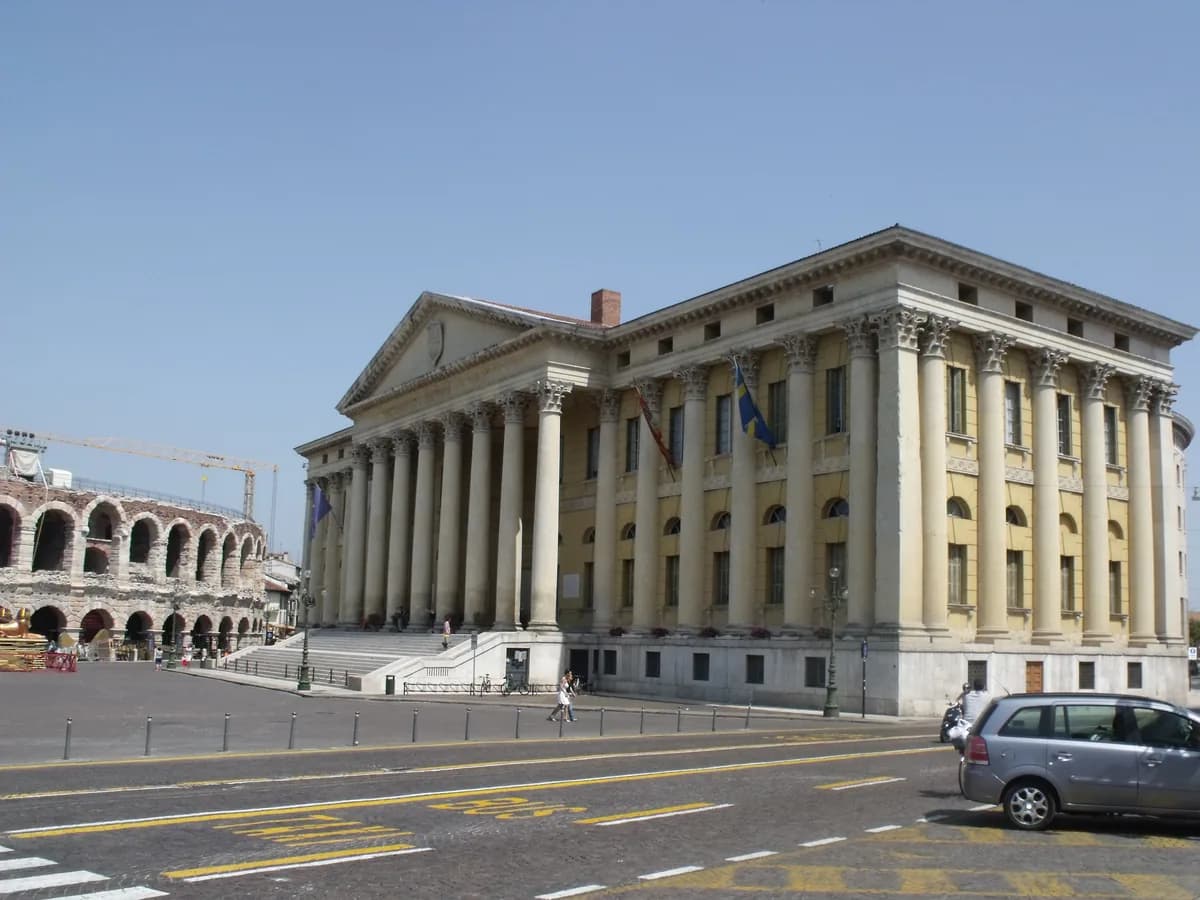
The Arena by day
HistoryVerona's Colosseum, and the third-largest surviving Roman amphitheatre anywhere. Walking the tiers and standing on the arena floor in daylight, with the marble worn smooth by two millennia, gives you a sense of scale that a night performance's darkness hides.
Insider tip: Included in the VeronaCard and cheap on its own. Go at opening; it gets hot and crowded by midday and there's little shade. During opera season the interior is often full of stage sets, which is either a bonus or a nuisance depending on what you came for - check before you buy.
Book The Arena by day ticketsSkip-the-line tickets and guided tours- Instant confirmation
- Free cancellation on most tours
- Prices on Trip.com
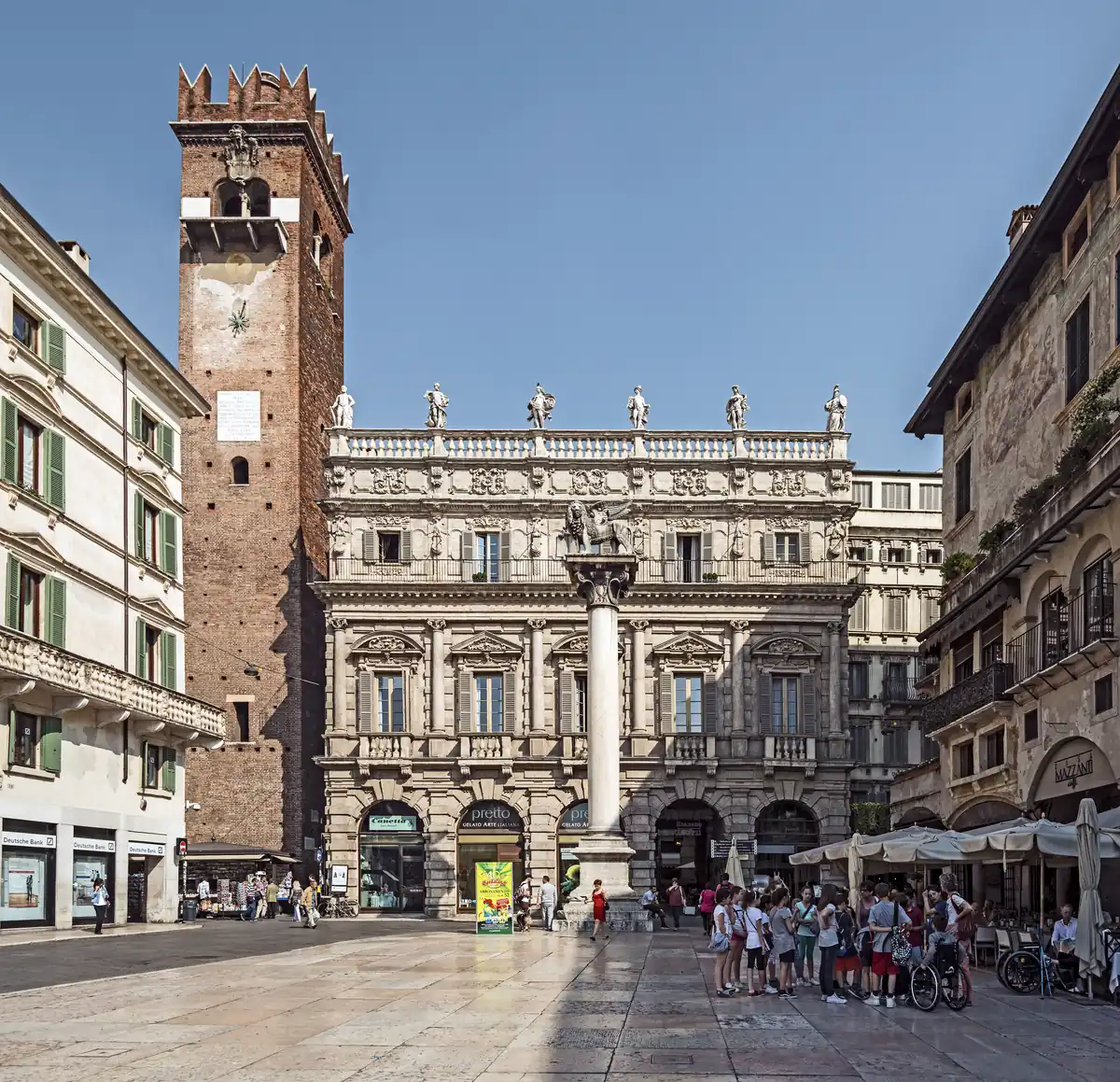
Piazza delle Erbe
IconsFreeVerona's market square since Roman times, when it was the forum, and still the most beautiful room in the city: frescoed facades, the Madonna Verona fountain, the Lamberti tower above and cafe tables everywhere. It's the place you'll keep walking back through.
Insider tip: Coffee at a table here costs a premium for the view and is worth doing once - stand at the bar for the local price. The market stalls are mostly souvenirs now. Slip through the arch to the adjoining Piazza dei Signori, quieter and arguably more elegant, and look for the whale's rib hanging under the Arco della Costa.
Torre dei Lamberti
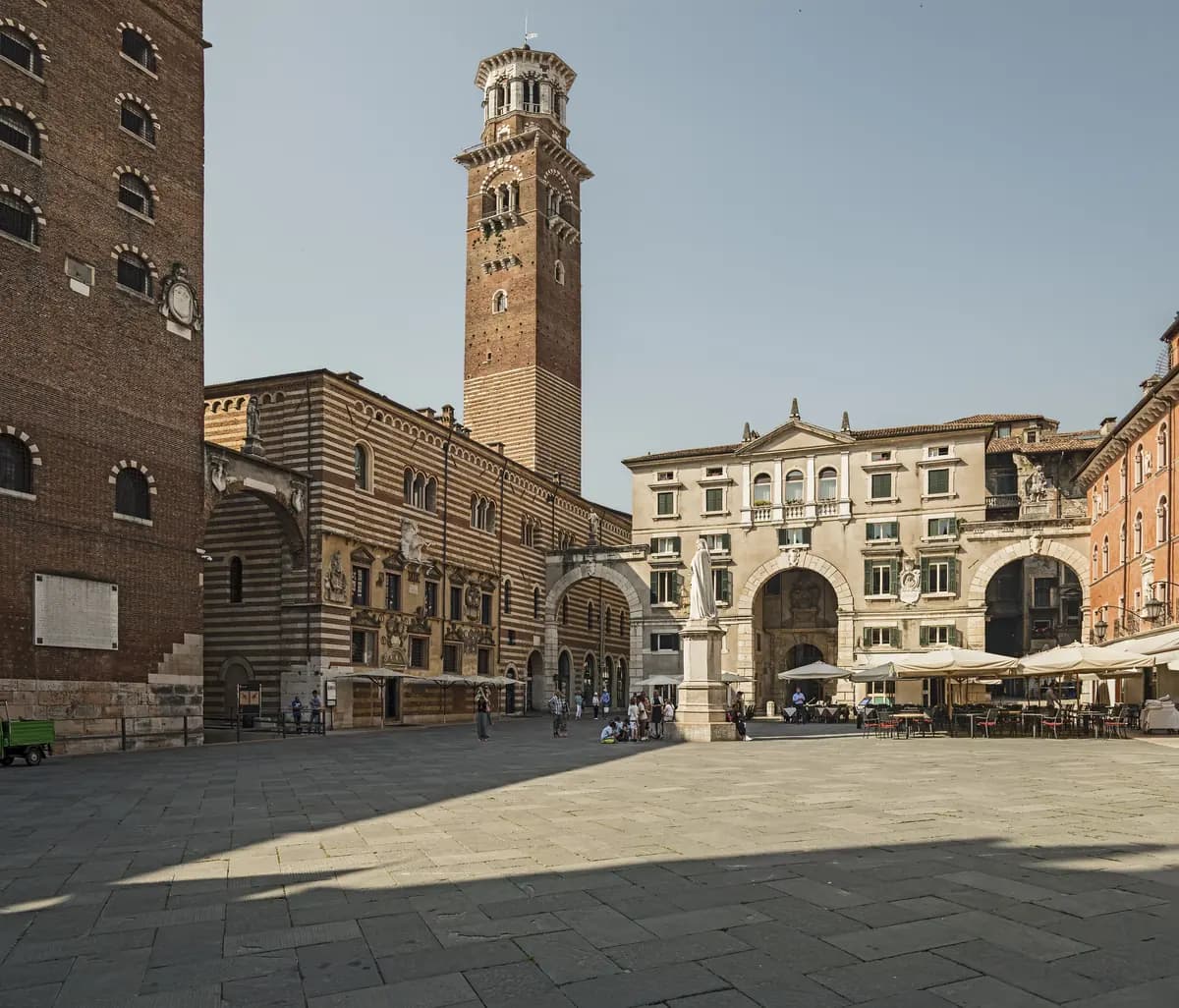
ViewsThe 84-metre medieval tower over Piazza delle Erbe, and the best aerial view of the terracotta rooftops, the Arena and the river bend. There's a lift most of the way up, which makes it the easy alternative to hiking up to Castel San Pietro.
Insider tip: Take the lift up and the stairs down. Included in the VeronaCard. Go late afternoon for warm light on the rooftops, and be ready for the bells if you're up there on the hour. Combine it with the Palazzo della Ragione art gallery at its base, which shares the entrance.
Book Torre dei Lamberti ticketsSkip-the-line tickets and guided tours- Instant confirmation
- Free cancellation on most tours
- Prices on Trip.com
Juliet's House & balcony
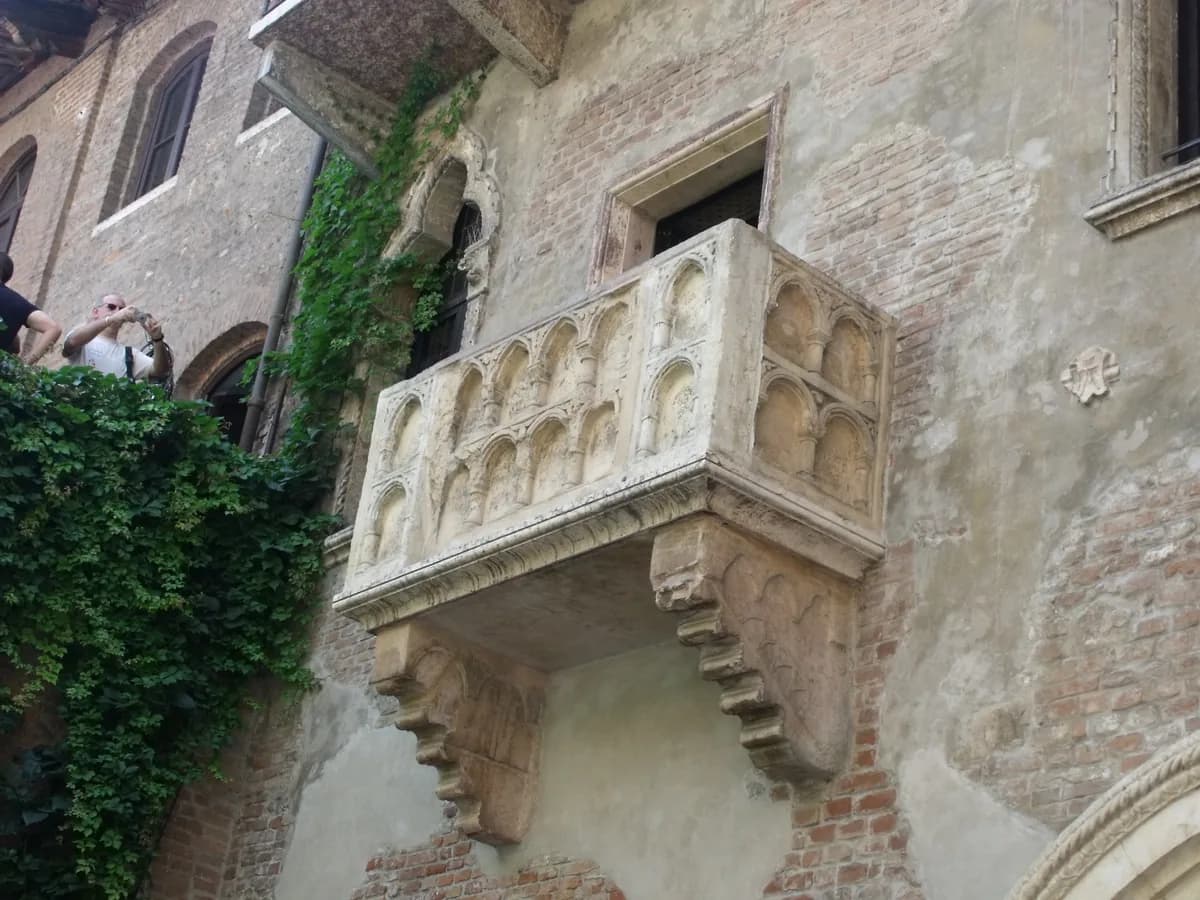
IconsThe most famous balcony in the world, attached to a 13th-century house the city designated as Juliet's in the 1930s - Shakespeare never set foot here and Juliet never existed, and it doesn't matter to the crowds below. The courtyard walls are covered in love notes and the bronze Juliet statue is rubbed shiny.
Insider tip: The courtyard and balcony view are free; only entering the house museum (and standing on the balcony) costs. Come before 9am or after dinner if you want a photo without a hundred people in it. It's small, commercial and takes ten minutes - see it, enjoy the silliness, and move on to the squares.
Book Juliet's House & balcony ticketsSkip-the-line tickets and guided tours- Instant confirmation
- Free cancellation on most tours
- Prices on Trip.com
Castel San Pietro at sunset
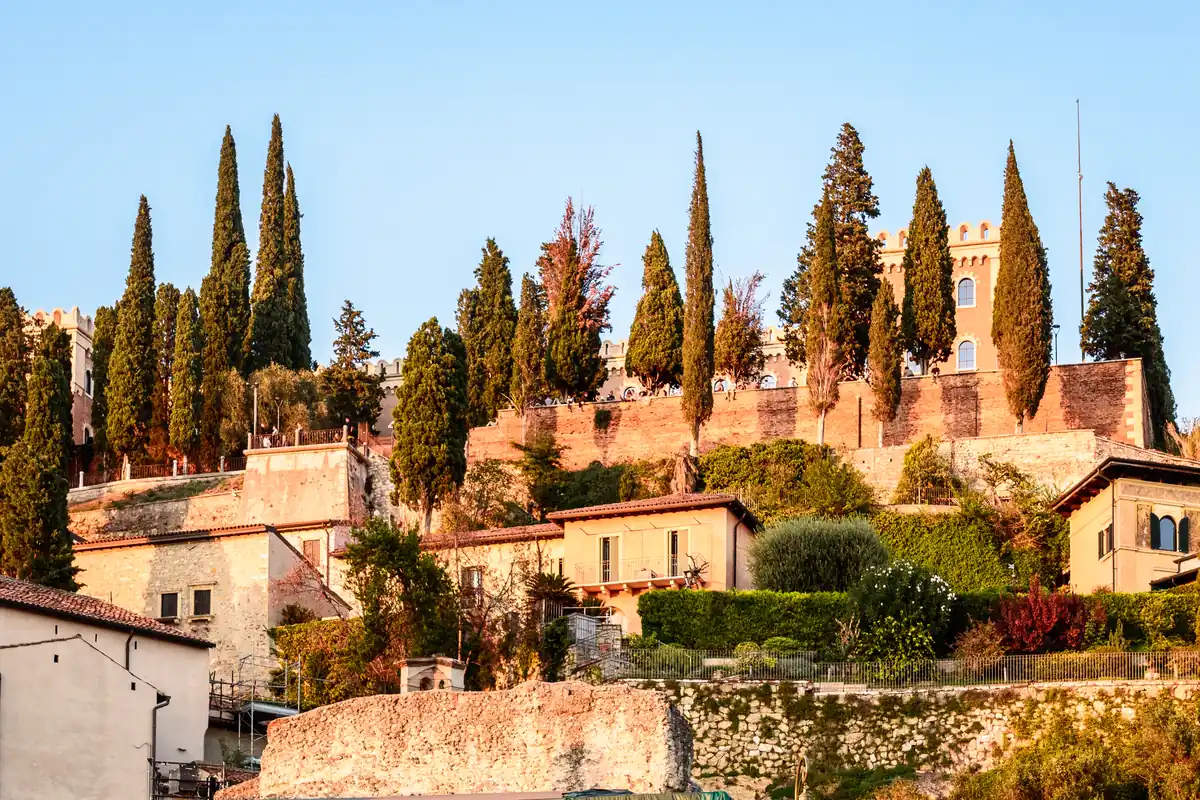
ViewsFreeThe hilltop terrace across the river gives the postcard view of Verona: the Adige curving below, the Roman theatre, the rooftops and the Arena beyond, best about an hour before sunset when the stone turns gold. It's free, and it's the memory most people take home.
Insider tip: Either climb the stairs from Ponte Pietra (10-15 minutes, steep) or take the funicular near the Roman theatre for a few euros - the funicular closes earlier than sunset in some seasons, so check the last ride. Bring a drink and go early for a spot on the wall. The walk back down into the centre after dark is lovely.
Castelvecchio & the bridge
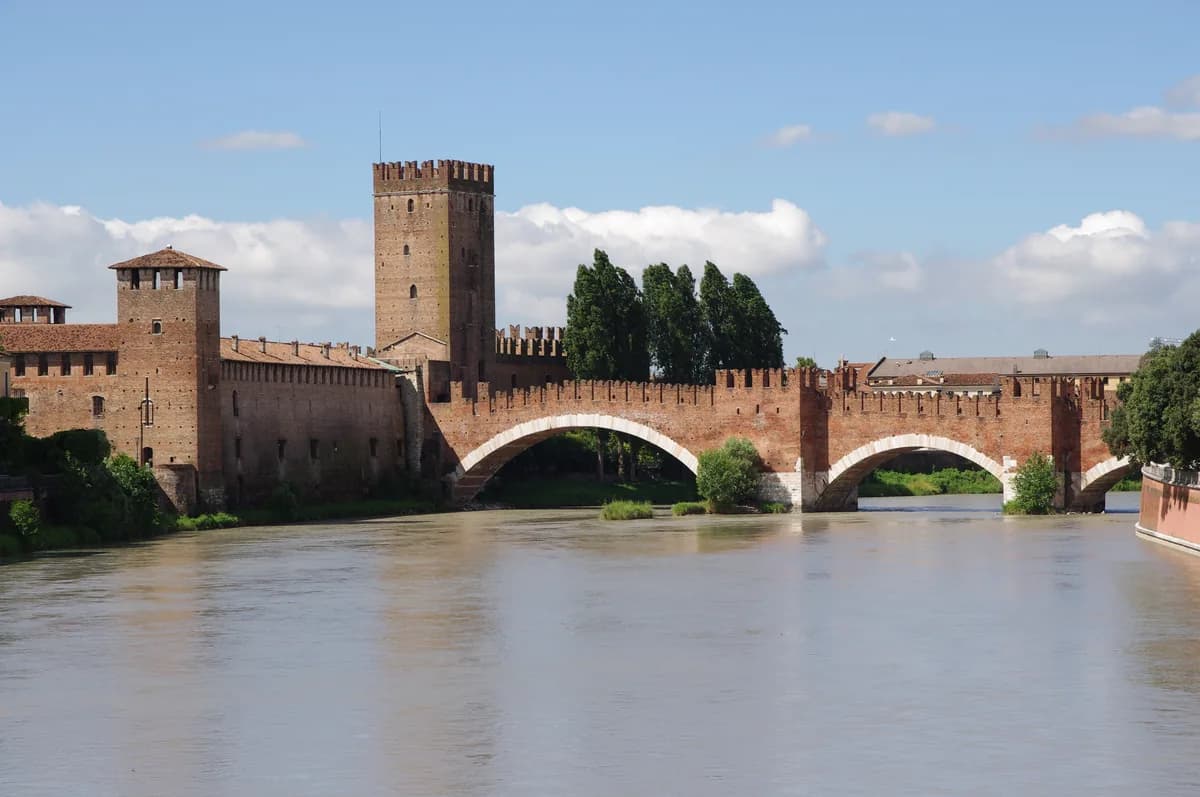
HistoryThe Scaliger family's 14th-century red-brick castle on the river, with a fortified bridge running from it across the Adige. The museum inside holds medieval and Renaissance art in one of the most admired museum restorations in Italy, by architect Carlo Scarpa - the building is as much the draw as the collection.
Insider tip: Walk the bridge even if you skip the museum; it's free, and the view back at the castle at golden hour is superb. Both castle and bridge were blown up in 1945 and rebuilt with the original bricks dredged from the river. Included in the VeronaCard.
Book Castelvecchio & the bridge ticketsSkip-the-line tickets and guided tours- Instant confirmation
- Free cancellation on most tours
- Prices on Trip.com
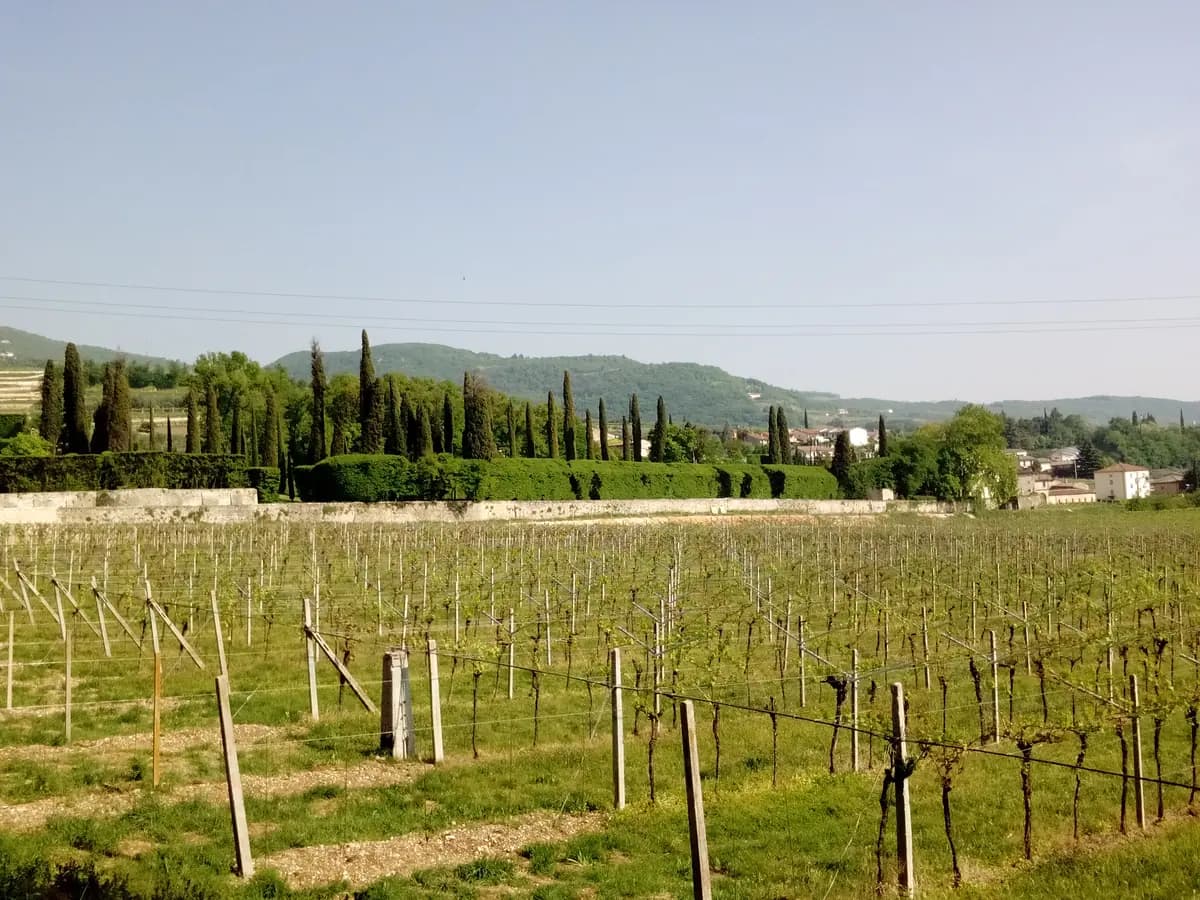
Valpolicella & Amarone wine tasting
Food & drinkThe hills just north of the city produce Amarone, one of Italy's great red wines, made from partly dried grapes and worth the trip on its own. Cellar visits with tastings run year-round, half an hour from the centre, through vineyard country most day-trippers never see.
Insider tip: Book a tour with transport - you'll be tasting, and the estates are spread out. Half-day trips usually take in two wineries with a light lunch; harvest season around September and October is the most atmospheric. Ask specifically about the appassimento drying lofts, which is what makes Amarone what it is. In town, wine bars pour Amarone and Valpolicella by the glass if you'd rather stay put.
Book Valpolicella & Amarone wine tasting ticketsSkip-the-line tickets and guided tours- Instant confirmation
- Free cancellation on most tours
- Prices on Trip.com
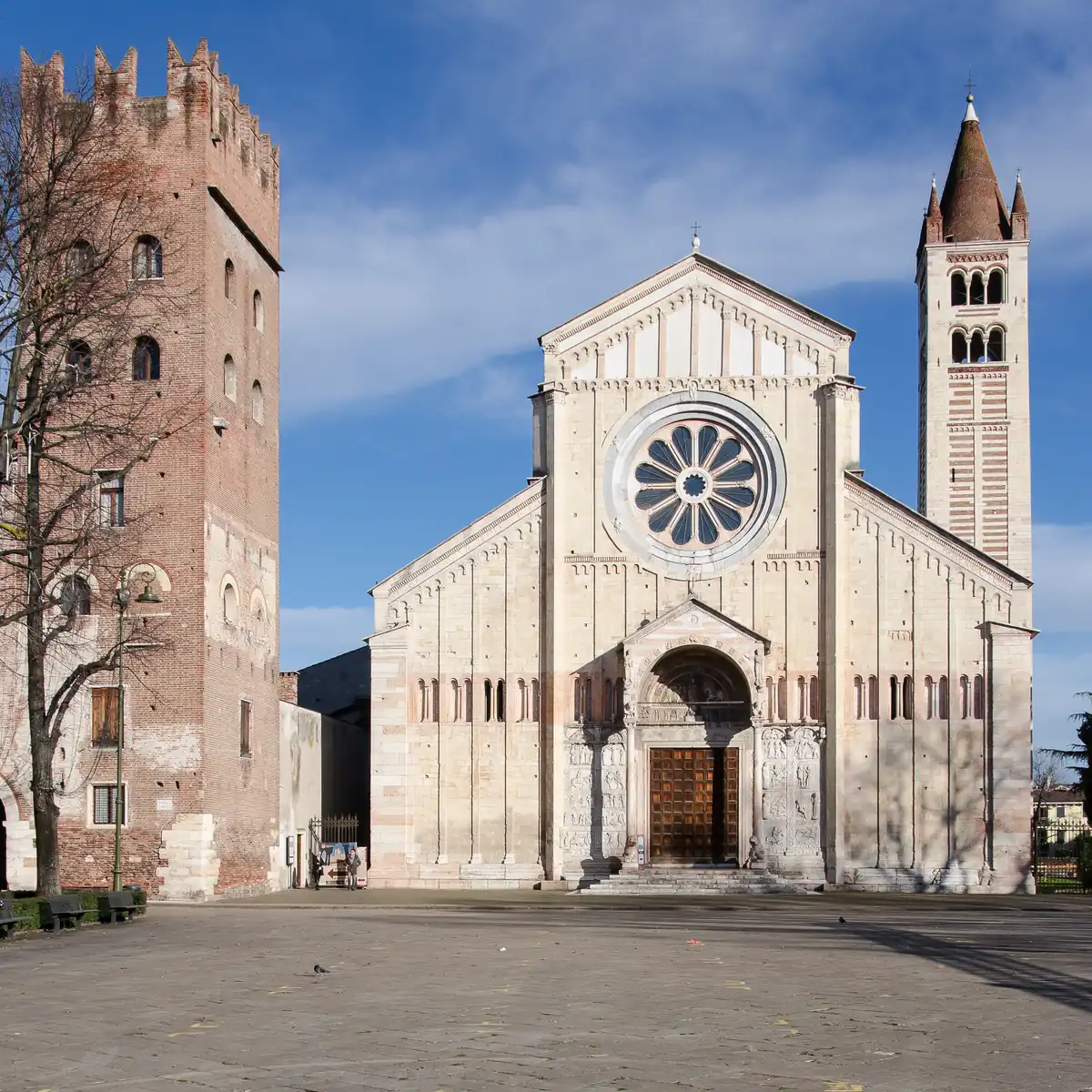
Basilica di San Zeno
HistoryOne of the finest Romanesque churches in Italy, a little out of the centre and correspondingly calm. The 12th-century bronze door panels are extraordinary, there's a Mantegna altarpiece inside, and Shakespeare set Romeo and Juliet's wedding in its crypt.
Insider tip: A 15-minute walk from the centre and included in the VeronaCard or a small standalone ticket. The bronze doors deserve real attention - work along them like a comic strip. The cloister is a quiet spot to sit. Combine with a walk back along the river.
Book Basilica di San Zeno ticketsSkip-the-line tickets and guided tours- Instant confirmation
- Free cancellation on most tours
- Prices on Trip.com
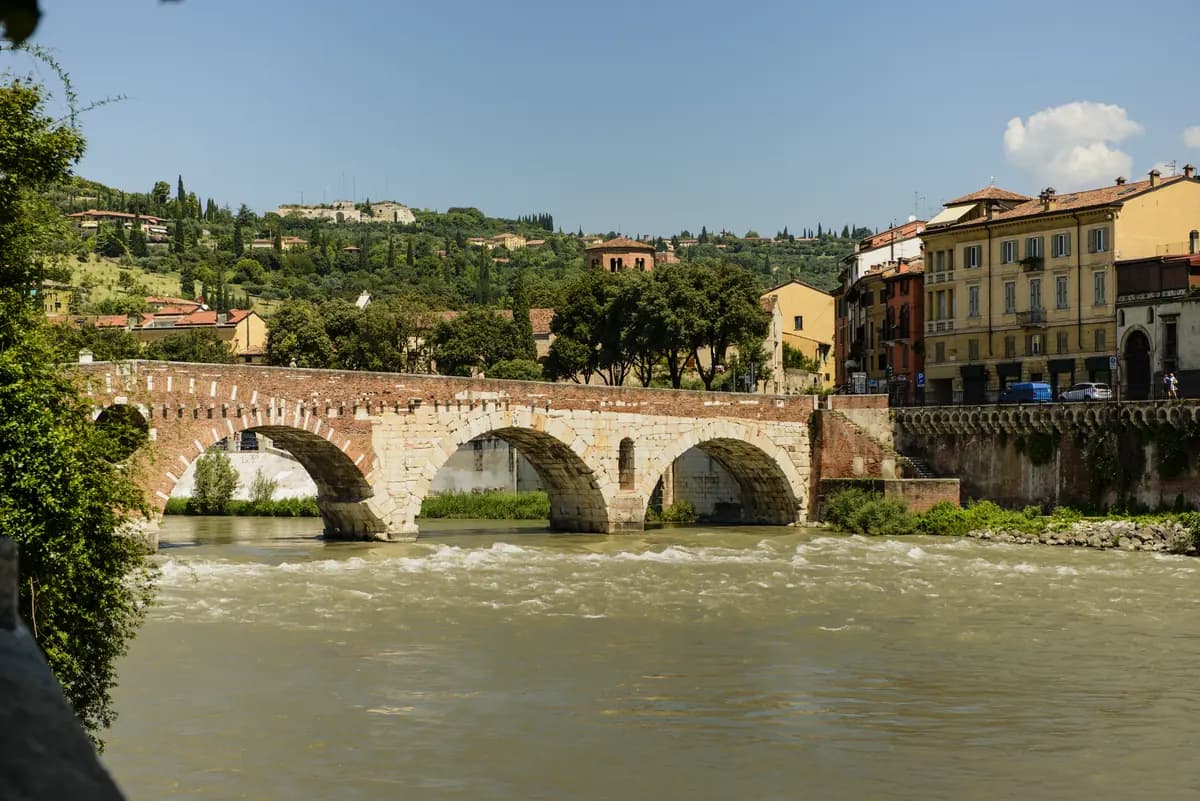
Ponte Pietra & the Roman theatre
HistoryThe Roman stone bridge, rebuilt after 1945 from its own stones pulled out of the river, is the prettiest crossing in the city. On the far bank sits the Teatro Romano, a first-century BC theatre cut into the hillside, still used for summer Shakespeare and jazz performances.
Insider tip: Cross Ponte Pietra in the early evening for the light on the river. The theatre ticket includes a small archaeological museum in the convent above with a fine view. If your dates match, seeing a play in a Roman theatre is a cheaper, more intimate cousin of the Arena experience.
Book Ponte Pietra & the Roman theatre ticketsSkip-the-line tickets and guided tours- Instant confirmation
- Free cancellation on most tours
- Prices on Trip.com
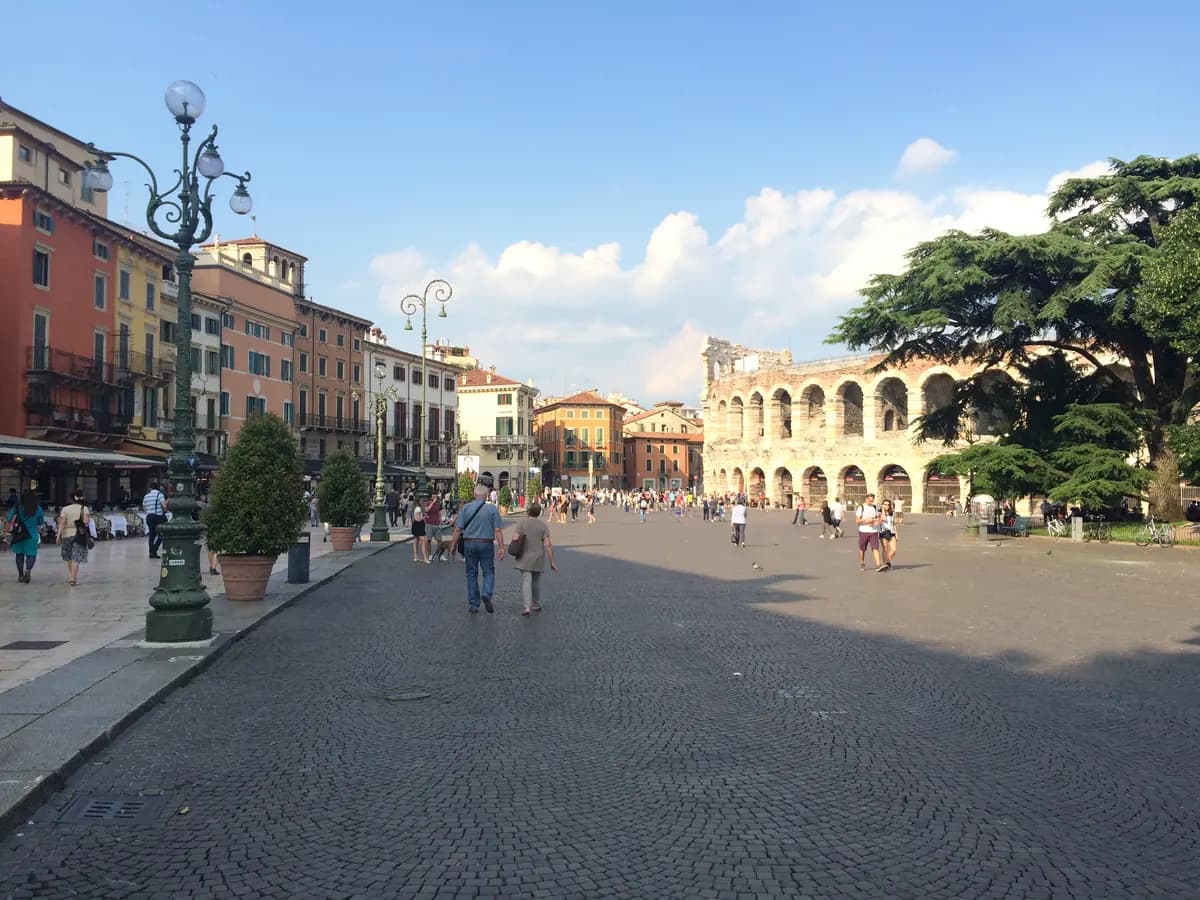
Eat like a Veronese
Food & drinkVerona's food is northern and hearty rather than the Italy of tomatoes and olive oil: risotto all'Amarone stained purple with wine, bigoli pasta, pastissada (horse stew, a genuine local speciality), and gnocchi so central to the city that Verona holds a gnocchi festival at carnival.
Insider tip: Do an aperitivo before dinner - a spritz and snacks in Piazza delle Erbe or Piazza dei Signori around 6-7pm is the local ritual. Avoid restaurants with photo menus on the main tourist drag between Juliet's house and the Arena; walk into Veronetta or the side streets for better food at lower prices. A food and wine walking tour is a strong first evening.
Book Eat like a Veronese ticketsSkip-the-line tickets and guided tours- Instant confirmation
- Free cancellation on most tours
- Prices on Trip.com
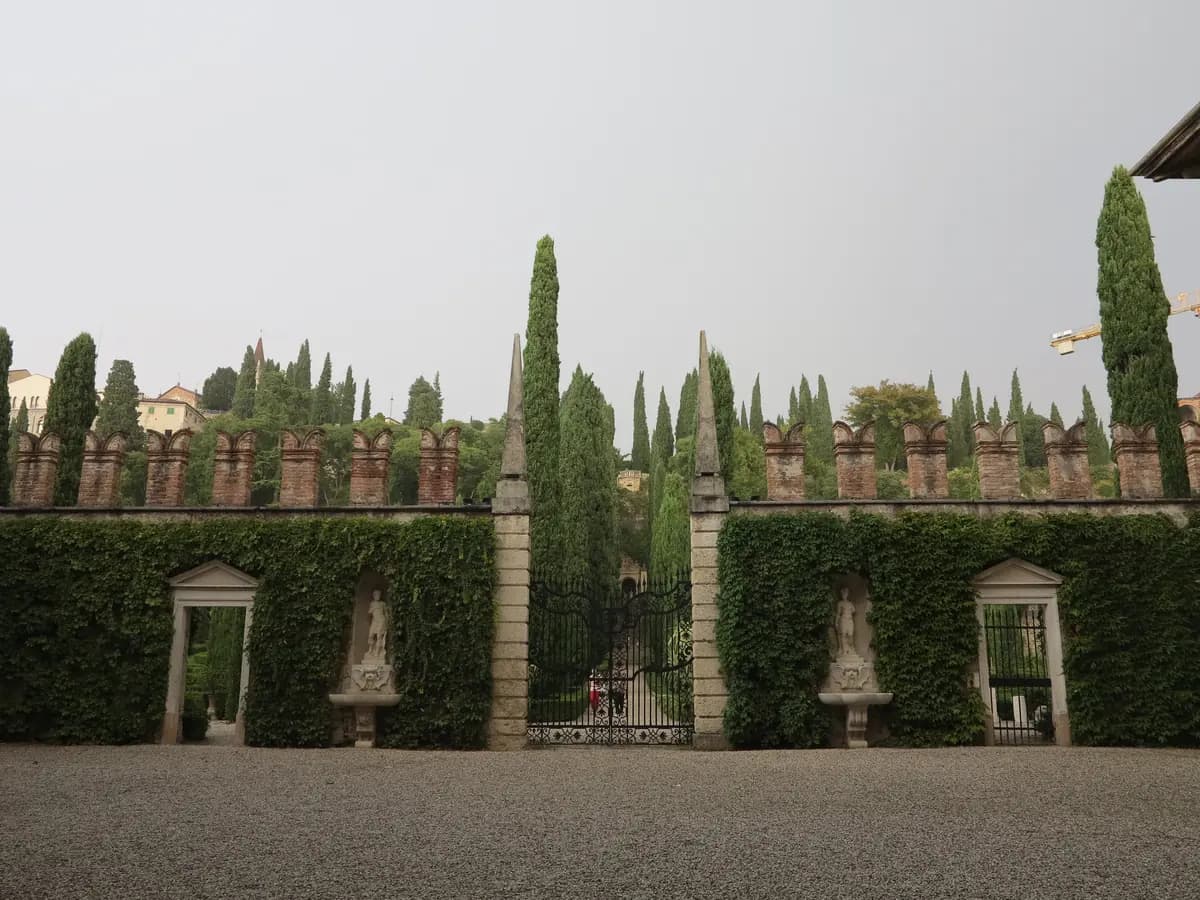
Giardino Giusti
OutdoorsA Renaissance garden from 1580 climbing the hillside behind a palazzo, with cypress avenues, a box hedge maze, grottoes and a terrace looking back over the city. Goethe raved about it. It stays surprisingly quiet while the centre bakes.
Insider tip: Ten minutes' walk from Ponte Pietra, small entry fee, and the perfect hot-afternoon escape. Do the maze, then climb to the belvedere for the view. Allow an hour. It pairs neatly with the Roman theatre and the walk up to Castel San Pietro on the same side of the river.
Book Giardino Giusti ticketsSkip-the-line tickets and guided tours- Instant confirmation
- Free cancellation on most tours
- Prices on Trip.com
Day trip to Lake Garda
Day tripsItaly's largest lake starts half an hour from Verona, and the southern shore towns - Sirmione on its narrow peninsula with a moated castle and Roman ruins, Bardolino and Lazise with their wine and promenades - make one of the best day trips in northern Italy.
Insider tip: Sirmione is the classic and gets very busy in summer; go early or late in the day. Buses and trains run from Verona to the southern shore, and organised day tours usually add a boat trip on the lake, which is the best way to see it. Bring swimming things June to September - the water is clean and warm.
Book Day trip to Lake Garda ticketsSkip-the-line tickets and guided tours- Instant confirmation
- Free cancellation on most tours
- Prices on Trip.com
Where to stay in Verona
The best areas to base yourself, and who each suits.
Centro Storico (around Piazza Bra & Erbe)
First-timers - everything is on foot, the Arena is at the door, and evenings in the squares are the reason you came; priciest area and some Arena-side noise on opera nights.
Veronetta (across the Adige)
Better value and local life - the university quarter over the river, five to ten minutes' walk from the centre, with cheaper trattorias and the walk up to Castel San Pietro.
Borgo Trento
Quiet and residential - leafy streets just north along the river, good for families and drivers, a 15-minute walk into the centre.
Near Porta Nuova station
Day-trippers and drivers - practical modern hotels by the station with the easiest rail links to Venice, Milan and Lake Garda, and a 20-minute walk to the Arena.
Planning your Verona trip
Best time to visit
May to June and September are ideal: warm days in the low-to-mid 20s°C, long light on the marble squares, and the opera season either starting or finishing. July and August are hot (often over 32°C) and busiest, though summer evenings in the Arena are the whole point for opera fans. April and October are quieter and pleasant, with lower hotel rates and the Valpolicella hills at their prettiest around the autumn harvest. Winter is cold and foggy but cheap, and the Christmas market fills Piazza dei Signori through December.
Getting around
Verona Villafranca airport (VRN) is 15 minutes out by the Aerobus shuttle to Porta Nuova station; the city is also on the fast rail line, about 70 minutes from Milan and 50 from Venice, which makes it an easy day trip or a better base than either. The historic centre is compact, flat and largely pedestrianised, so you walk everywhere - Porta Nuova station to Piazza Bra is about 20 minutes on foot or a short bus ride. The only climb is up to Castel San Pietro, and a funicular handles that for a few euros. Buses cover the outskirts and are included in the VeronaCard.
Things to do in Verona: FAQ
The questions travelers ask most when planning a trip here.
Where to base yourself in Verona
Everything on this list is easier from the right side of town, and the area you book decides how much of the day you spend getting to it. These go into the detail:
- Free cancellation on most rooms
- No booking fee
- Prices on Trip.com
More things-to-do guides
Continue Planning Your Trip
Intelligent tools designed to simplify the complex.
Things to Do
Ranked attractions, tips and how to book tickets
Where to Stay
The best area to stay in each city, by neighborhood
Car Rental
Real prices, driving tips and the best routes by destination
Airport Transfers
Getting from the airport to your hotel, by price and time
All-Inclusive Guides
What all-inclusive really means, by destination
Best Time to Visit
Month-by-month weather, crowds and prices
Cheapest Places to Travel
18 destinations ranked by real daily budgets
Route Finder
Find the cheapest way to get there
Hotel Finder
Book the right hotel for your destination
AI Trip Planner
Build a day-by-day itinerary
Budget Calculator
Estimate total cost
Photo credits (12)
Photos via Wikimedia Commons, used under their respective licences.
- Opera at the Arena di Verona: Franco Frey - CC0 · source
- The Arena by day: Elliott Brown from Birmingham, United Kingdom - CC BY 2.0 · source
- Piazza delle Erbe: Didier Descouens - CC BY-SA 4.0 · source
- Torre dei Lamberti: Didier Descouens - CC BY-SA 4.0 · source
- Juliet's House & balcony: Elliott Brown - CC BY 2.0 · source
- Castel San Pietro at sunset: dconvertini - CC BY-SA 2.0 · source
- Castelvecchio & the bridge: Jakub Hałun - CC BY-SA 4.0 · source
- Valpolicella & Amarone wine tasting: Adert - CC BY-SA 4.0 · source
- Basilica di San Zeno: Own work - CC BY-SA 4.0 · source
- Ponte Pietra & the Roman theatre: Son of Groucho from Scotland - CC BY 2.0 · source
- Eat like a Veronese: Veronika Bashak - CC BY-SA 4.0 · source
- Giardino Giusti: Annika of Nine - CC BY-SA 4.0 · source