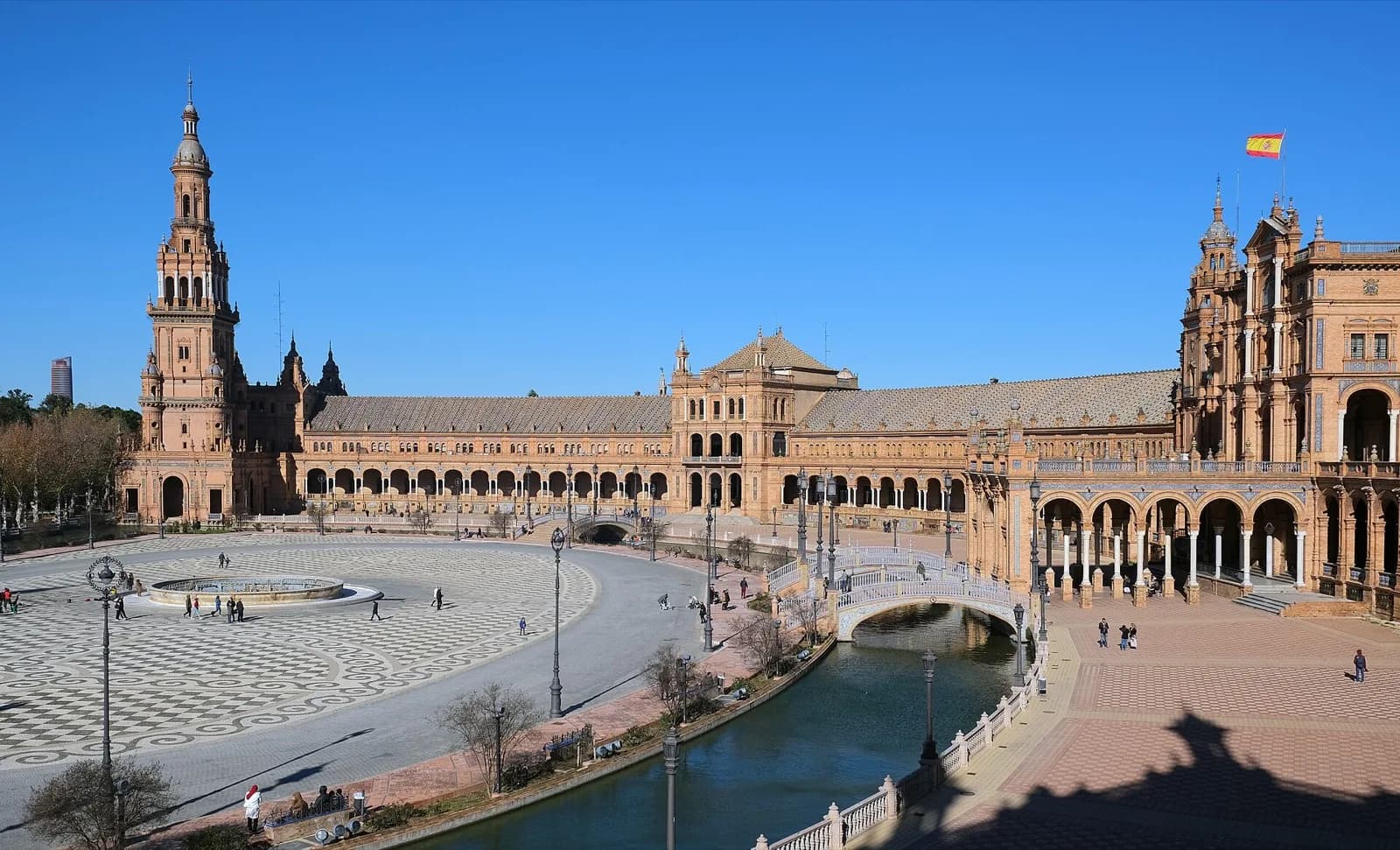
What are the best things to do in Seville?
The best things to do in Seville are touring the Real Alcazar's Moorish palaces and gardens, climbing the Giralda tower at the world's largest Gothic cathedral, sweeping around the Plaza de Espana, getting lost in the Barrio Santa Cruz, watching flamenco at a tablao or in Triana, and eating a proper tapas crawl. The old centre is flat and compact - everything is on foot - but the Alcazar and cathedral sell out, so book timed tickets a few days ahead.
13 best things to do in Seville
Ranked best-first, with an insider tip and how to book each. Prices and hours change - check before you go.
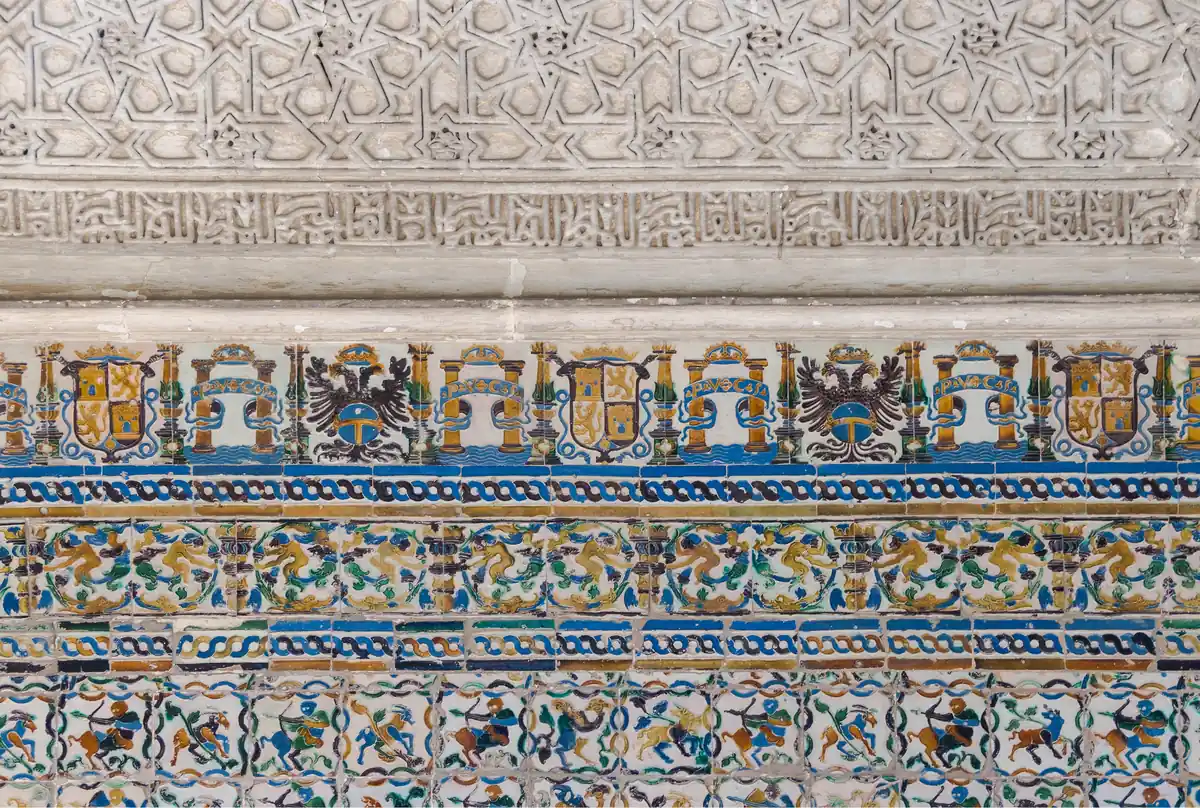
Real Alcazar
IconsEurope's oldest royal palace still in use is a layer cake of a thousand years of Andalusian power: Moorish arches and stucco filigree around the Courtyard of the Maidens, Renaissance halls above, and gardens of palms, peacocks and tiled pavilions that go on and on. It out-dazzles almost anything in Spain.
Insider tip: Book a timed ticket online several days ahead - the Alcazar caps entries and same-day tickets vanish in season. Take the first slot of the morning for empty courtyards and cool air, and allow at least half a day with the gardens. The extra-fee royal apartments (Cuarto Real Alto) are a small-group add-on worth grabbing if available.
Book Real Alcazar ticketsSkip-the-line tickets and guided tours- Instant confirmation
- Free cancellation on most tours
- Prices on Trip.com
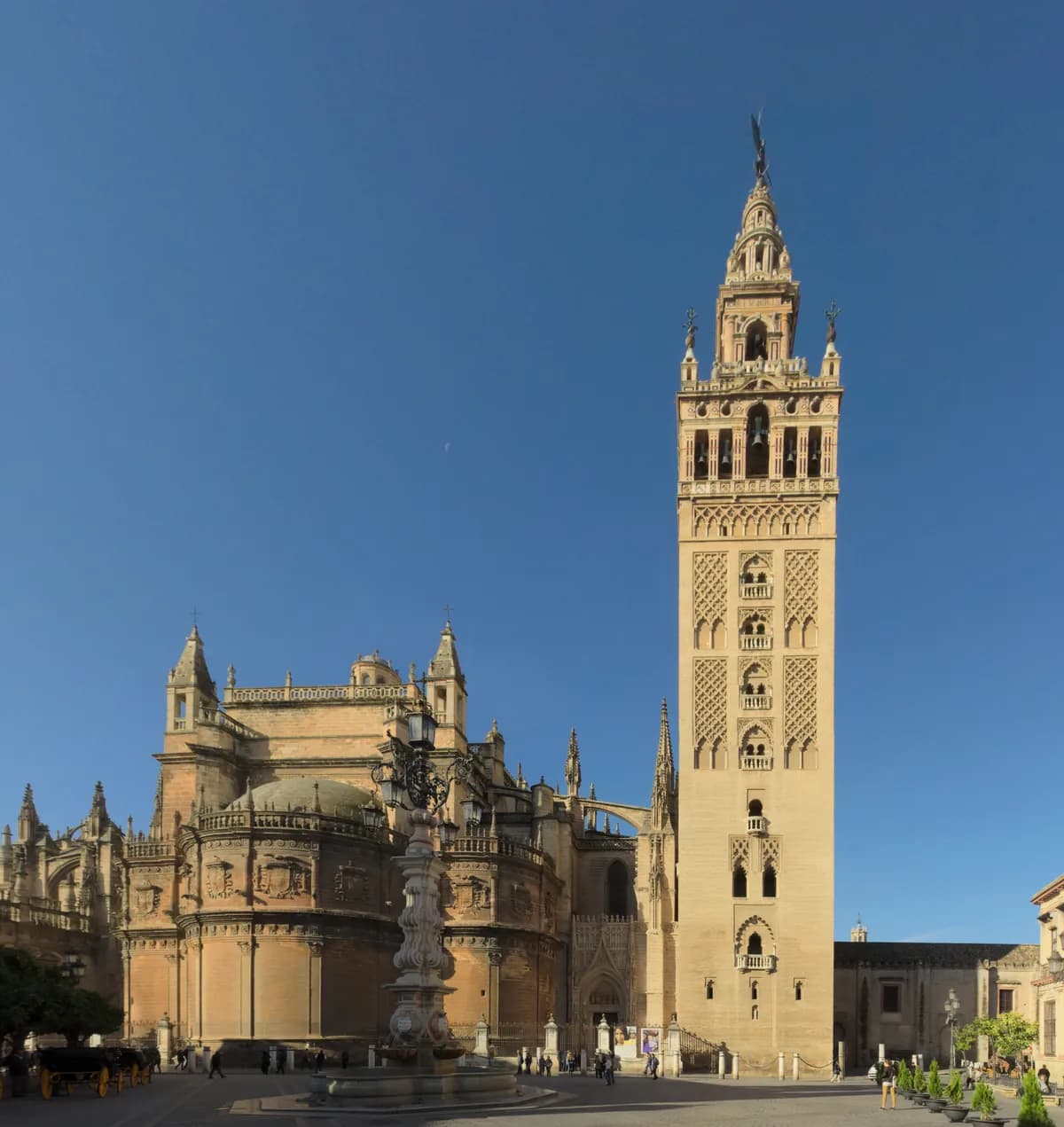
Seville Cathedral & the Giralda
IconsThe largest Gothic cathedral in the world was built on - and to outdo - the city's great mosque, keeping its minaret as the bell tower now called the Giralda. Inside are a retable of staggering scale, Christopher Columbus's tomb held aloft by four kings, and a climb to the best view in Seville.
Insider tip: Book timed entry online to skip a long line, and note the Giralda is climbed by 35 gentle ramps (built for a muezzin on horseback), not stairs. The guided rooftop tours over the Gothic vaults are the connoisseur's ticket and sell out fast. The Patio de los Naranjos, the old mosque courtyard, comes free with entry.
Book Seville Cathedral & the Giralda ticketsSkip-the-line tickets and guided tours- Instant confirmation
- Free cancellation on most tours
- Prices on Trip.com
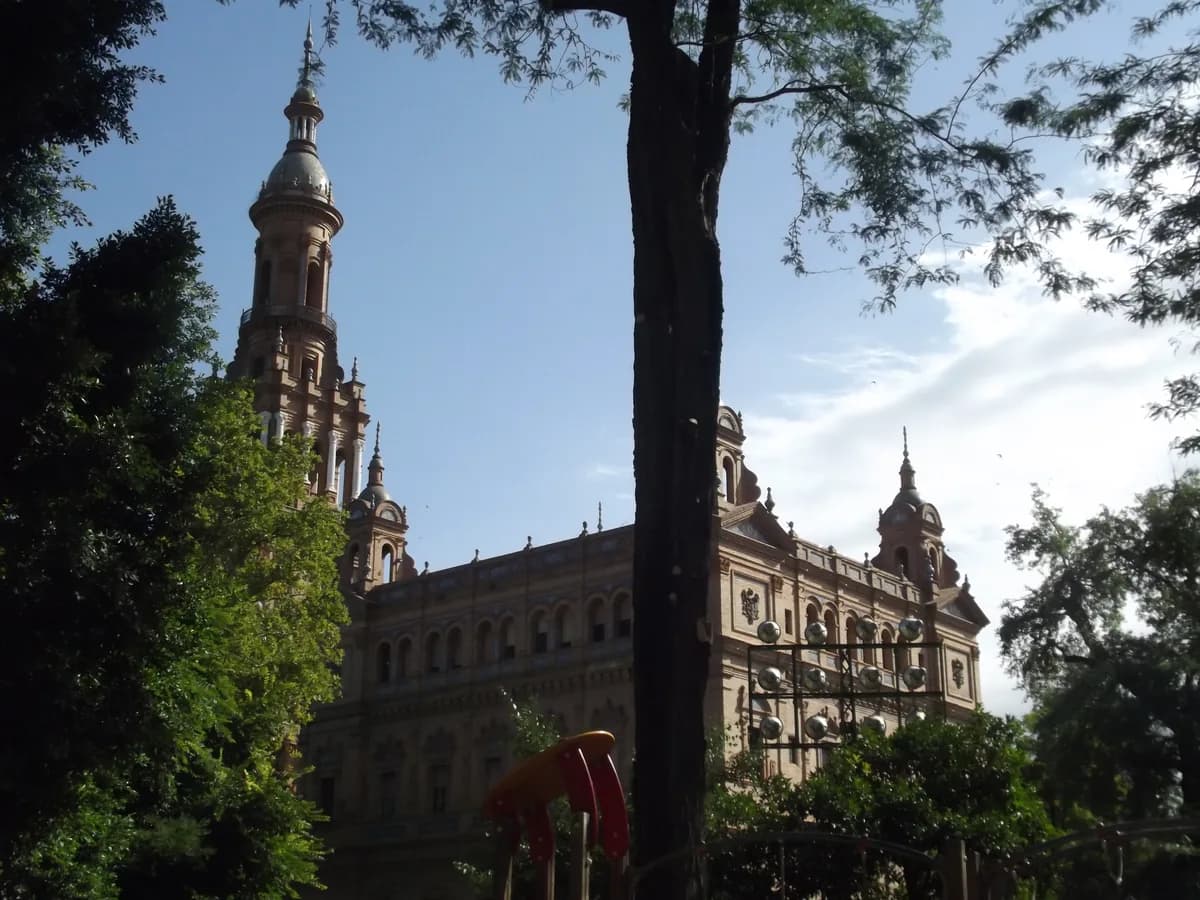
Plaza de Espana & Maria Luisa Park
IconsFreeThe vast semicircular showpiece of the 1929 Ibero-American Exposition is Seville at its most theatrical: a curved palace embracing a canal, bridges balustraded in ceramic, and tiled alcoves for every Spanish province. Around it, Maria Luisa Park spreads shaded avenues, fountains and tiled follies.
Insider tip: It's free and open all day - come in the late afternoon when the light turns the brick and azulejos gold, and row a boat on the canal if the mood takes you. Flamenco buskers often perform under the colonnade. Give the park an unhurried hour; the Plaza de America at its far end is a quiet tiled second act.
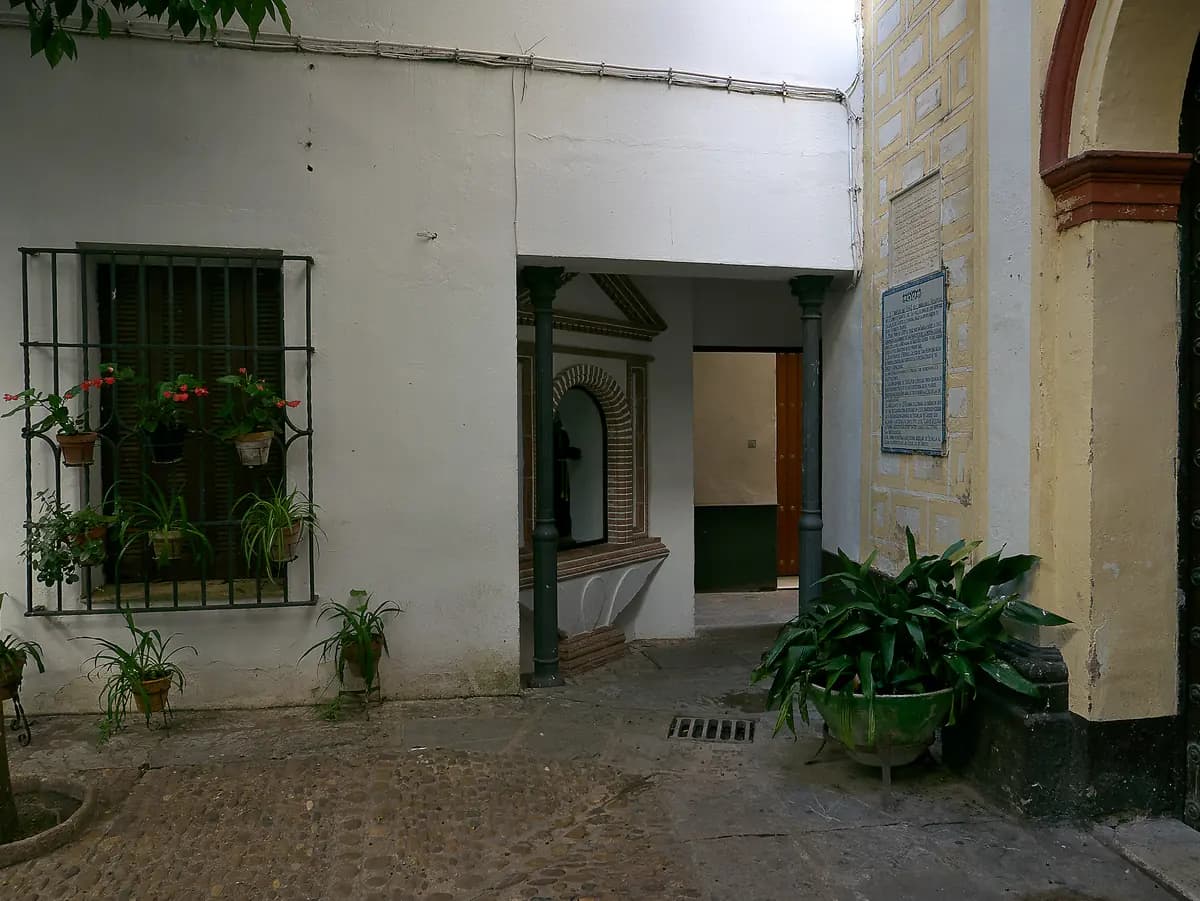
Barrio Santa Cruz
NeighbourhoodsFreeThe old Jewish quarter beside the Alcazar is the Seville of the imagination: whitewashed lanes barely a shoulder wide, wrought-iron balconies dripping jasmine, hidden plazas with orange trees and fountains. It's the city's best aimless wander and its most romantic evening territory.
Insider tip: Go early morning or after dark to have the lanes to yourself - midday belongs to tour groups. Seek out the Plaza de Dona Elvira and the Callejon del Agua along the Alcazar wall. Bars here price for tourists; walk five minutes toward the Centro or across to Triana for better tapas at local prices.
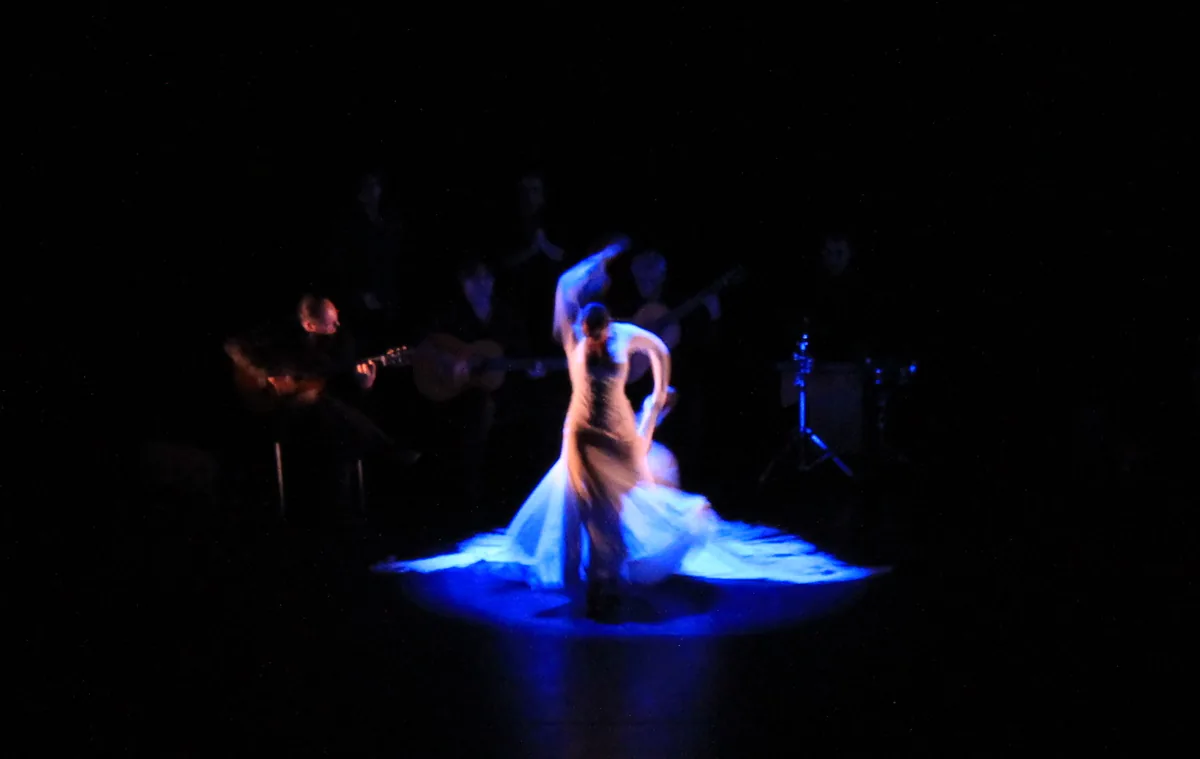
See real flamenco
ExperiencesFlamenco was forged in Seville and Triana, and seeing it live here - the percussive footwork, the rasping cante, the guitar - is a different animal from the exported dinner show. Intimate tablaos and Triana's penas put you close enough to feel the floorboards shake.
Insider tip: Book a small tablao (an hour, drink included) rather than a big dinner-show hall - the intensity is the point and dinner dilutes it. Triana's bars host rawer, cheaper performances; the Museo del Baile Flamenco pairs a strong nightly show with context. Reserve a day or two ahead and sit close.
Book See real flamenco ticketsSkip-the-line tickets and guided tours- Instant confirmation
- Free cancellation on most tours
- Prices on Trip.com

A proper tapas crawl
Food & drinkSeville is arguably Spain's best tapas city, and the format is the culture: stand at the bar, order two or three small things, drink something cold, move on. Espinacas con garbanzos, salmorejo, pringa, jamon carved to order and the vermouth revival - the eating here is a headline sight.
Insider tip: Eat on Spanish time - lunch from 2pm, dinner from 9pm - and hop rather than settle: two dishes per bar, then the next one. The lanes between the Centro and the Alameda, and Triana's Calle Betis and market surrounds, out-eat the cathedral's tourist ring. A guided tapas walk on night one pays for itself in ordering confidence.
Book A proper tapas crawl ticketsSkip-the-line tickets and guided tours- Instant confirmation
- Free cancellation on most tours
- Prices on Trip.com
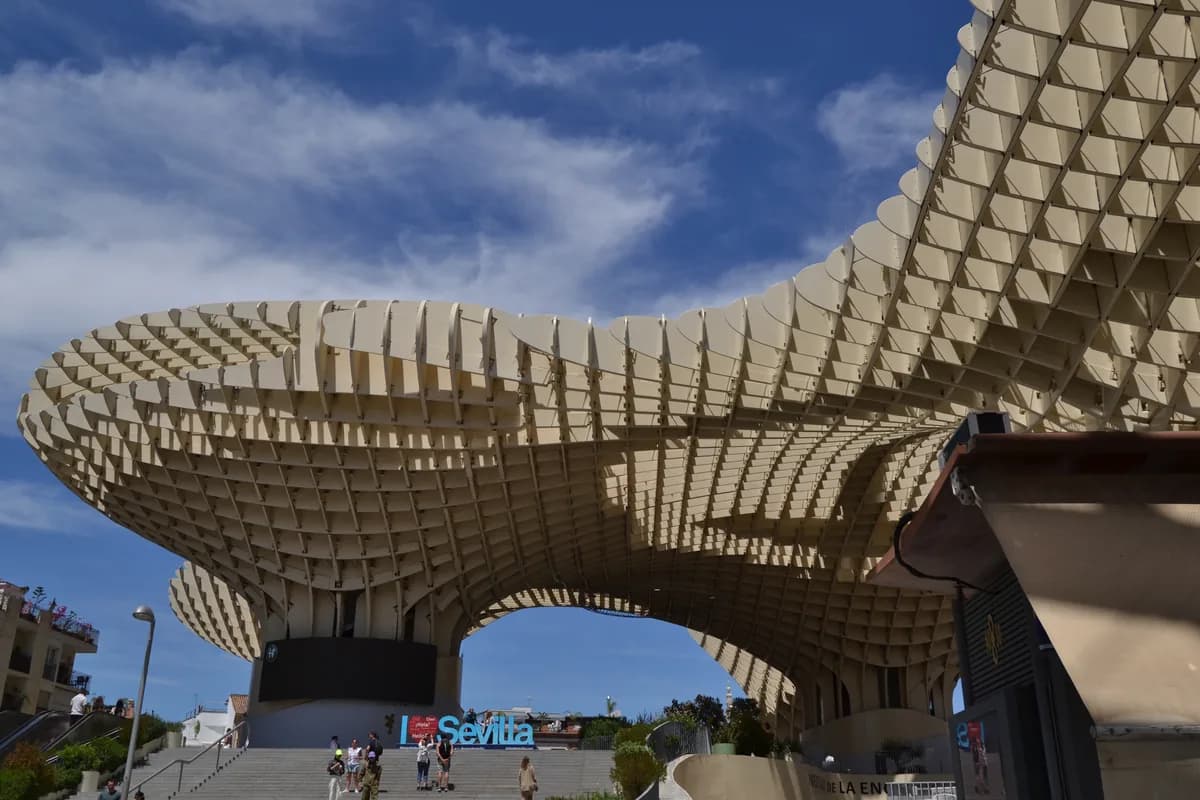
Setas de Sevilla (Metropol Parasol)
ViewsThe world's largest wooden structure - six giant mushroom parasols shading a market square - is modern Seville's one big architectural swing, and its undulating rooftop walkway serves the best sunset panorama in town, cathedral and Giralda floating above the rooftops.
Insider tip: Buy the rooftop ticket for the golden hour and stay as the city lights come up; the projection-and-lights night visit is skippable. The Roman ruins preserved in the basement (the Antiquarium) ride along cheaply. The square underneath is a good tapas-and-vermouth base afterwards.
Book Setas de Sevilla (Metropol Parasol) ticketsSkip-the-line tickets and guided tours- Instant confirmation
- Free cancellation on most tours
- Prices on Trip.com
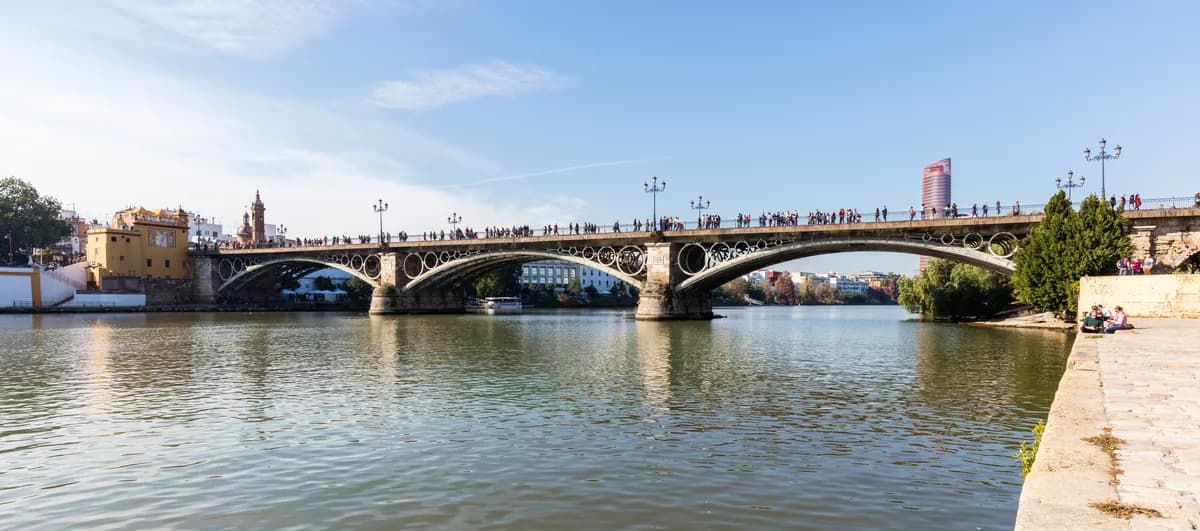
Triana
NeighbourhoodsFreeAcross the Isabel II bridge, the old quarter of potters, sailors and flamenco dynasties still feels like its own town: the tiled Mercado de Triana on the site of the Inquisition's castle, ceramic workshops, riverside Calle Betis glowing at dusk, and bar after bar of locals.
Insider tip: Cross in the late afternoon: browse the azulejo shops and the market, then take a drink on Calle Betis facing the Torre del Oro as the light drops - the classic Seville view. The Centro Ceramica Triana museum tells the potters' story. Stay for flamenco in a neighbourhood bar rather than crossing back early.
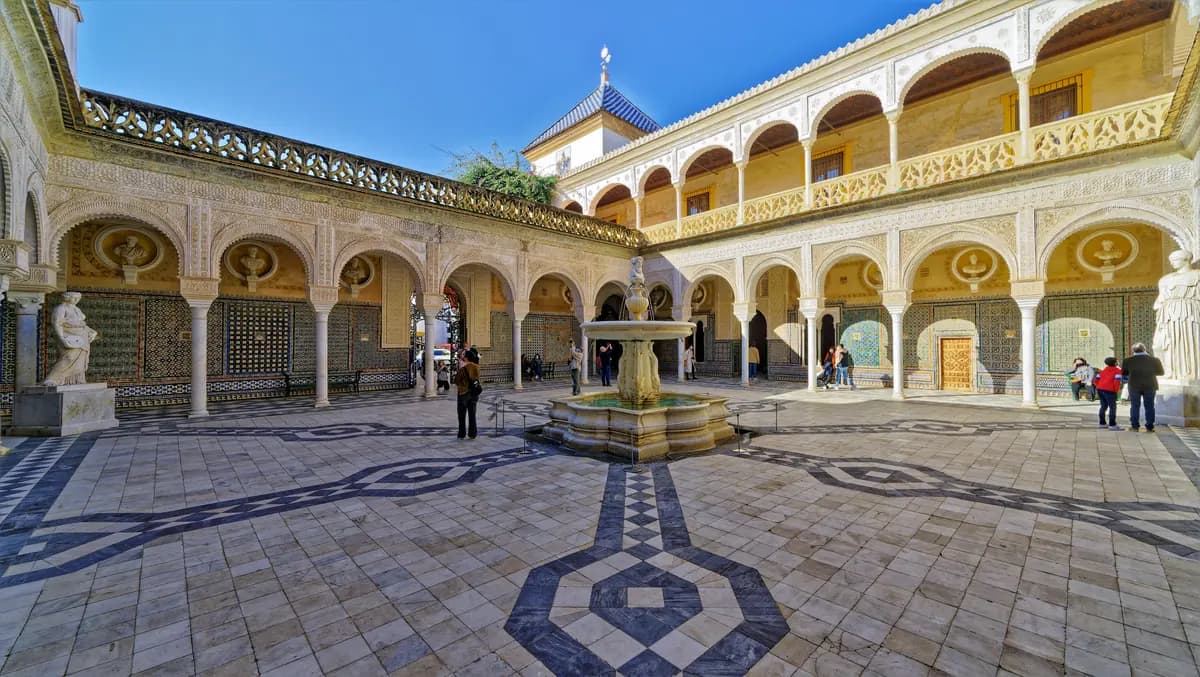
Casa de Pilatos
HistoryThe finest of Seville's aristocratic palaces blends Mudejar arches, Renaissance marble and some of the most beautiful azulejo walls in Spain around a serene central courtyard - a quarter of the Alcazar's crowds for a taste of the same splendour, still owned by a ducal family.
Insider tip: Come around midday when the Alcazar and cathedral are at peak crush - it absorbs remarkably few people and the courtyard photographs beautifully in high light. The ground-floor ticket covers the best of it; add the guided upper floor only if you're a completist. It anchors the quiet San Bartolome quarter, good for a lane wander after.
Book Casa de Pilatos ticketsSkip-the-line tickets and guided tours- Instant confirmation
- Free cancellation on most tours
- Prices on Trip.com
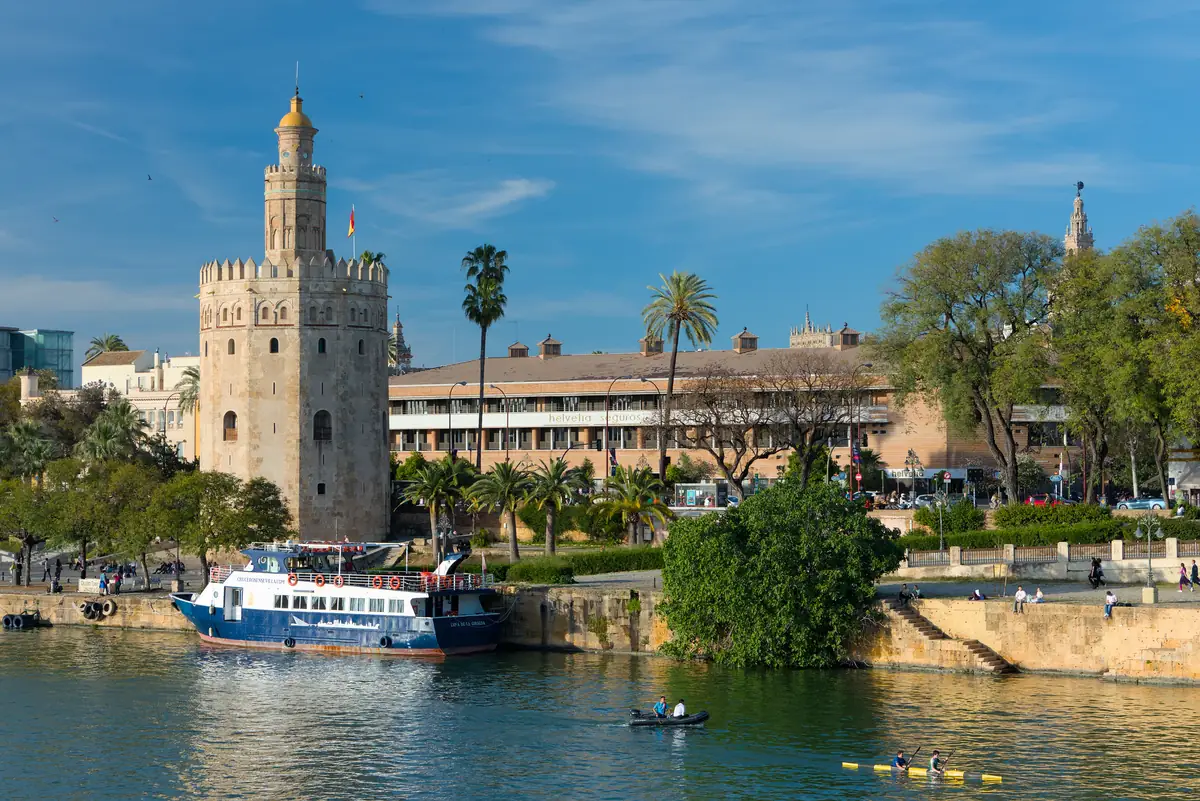
The riverfront & Torre del Oro
OutdoorsThe Guadalquivir made Seville the port of the Americas trade, and its banks are now the city's promenade: the 13th-century Torre del Oro watchtower, the Triana bridge, rowing crews at dusk and kayaks and cruise boats below. The walk from the bullring to the tower at sunset is a free classic.
Insider tip: An hour's river cruise is a pleasant rest for tired feet - or rent a kayak or paddleboard for the more active version of the same views. The little naval museum inside the Torre del Oro is cheap and its rooftop terrace underrated. Evening light on the Triana bank is the photograph.
Book The riverfront & Torre del Oro ticketsSkip-the-line tickets and guided tours- Instant confirmation
- Free cancellation on most tours
- Prices on Trip.com
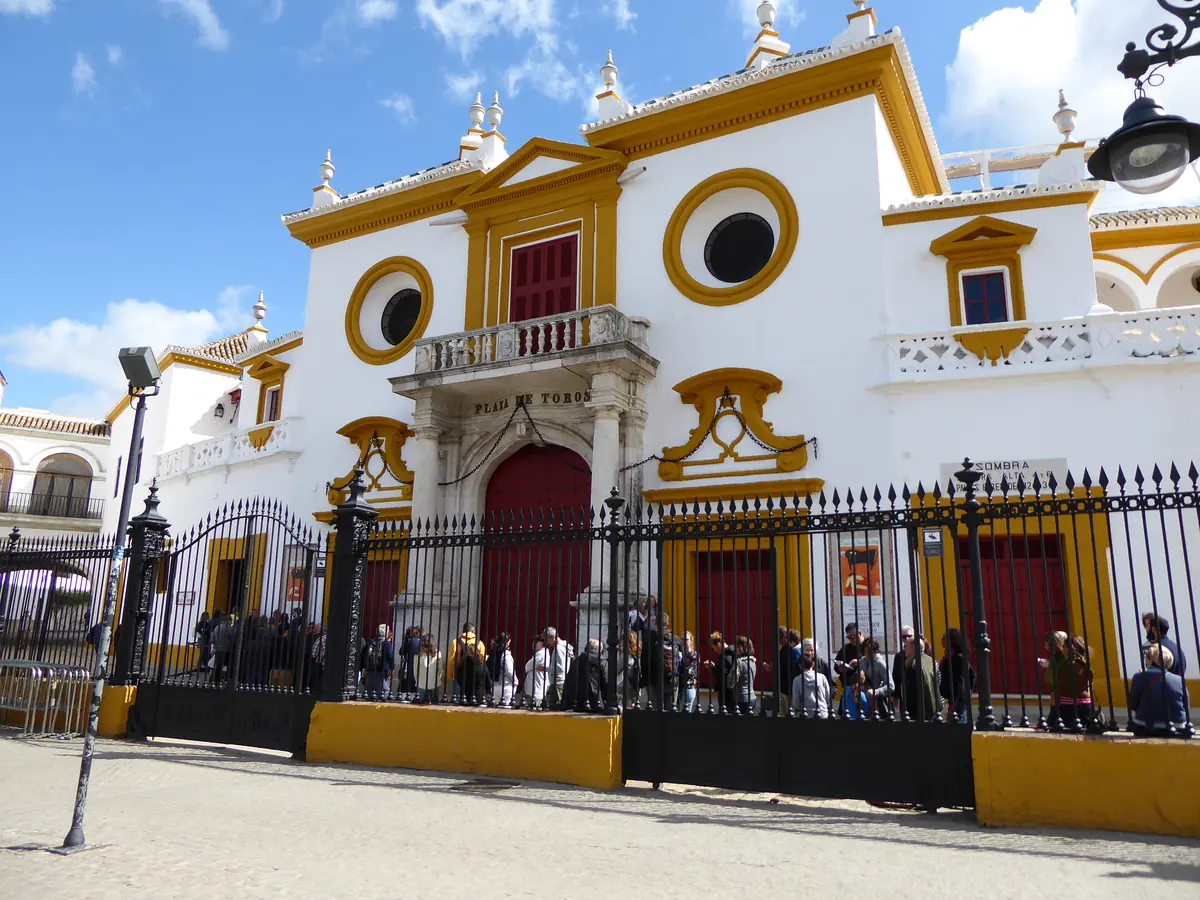
Plaza de Toros de la Maestranza
HistorySeville's 18th-century bullring is one of the oldest and most storied in Spain, a whitewashed-and-ochre baroque arena that holds a central place in the city's identity and in flamenco and literary lore. The guided visit walks the ring, chapel and museum whatever your view of the corrida.
Insider tip: Visits run frequently with multilingual guides and rarely need pre-booking outside festival weeks. It's a 30-45 minute stop that slots neatly into the riverfront walk. If the season is running and you'd rather not engage with it, the exterior and the river facade are architecture enough.
Book Plaza de Toros de la Maestranza ticketsSkip-the-line tickets and guided tours- Instant confirmation
- Free cancellation on most tours
- Prices on Trip.com
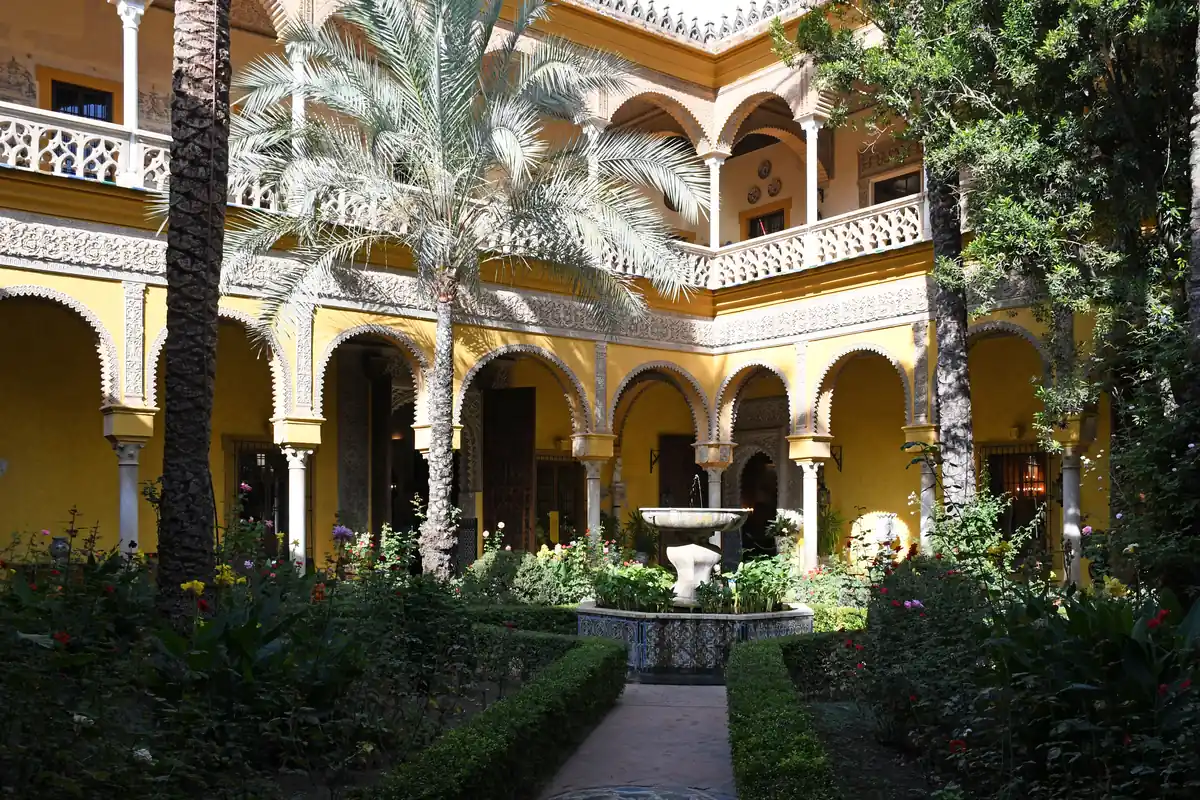
Palacio de las Duenas
HistoryThe late Duchess of Alba's Seville residence opened to visitors only in 2016 and still feels lived-in: courtyards of bougainvillea and lemon trees, Mudejar arcades, and rooms layered with art, bullfighting memorabilia and family eccentricity. The poet Antonio Machado was born in one of its outbuildings.
Insider tip: It sits near the Setas, so pair the two. Audio guide included; an unhurried hour covers it. Spring is peak beauty when the courtyards bloom. Its relative obscurity keeps it calm even in Holy Week - a good bad-weather or peak-crowd alternative to the headline palaces.
Book Palacio de las Duenas ticketsSkip-the-line tickets and guided tours- Instant confirmation
- Free cancellation on most tours
- Prices on Trip.com
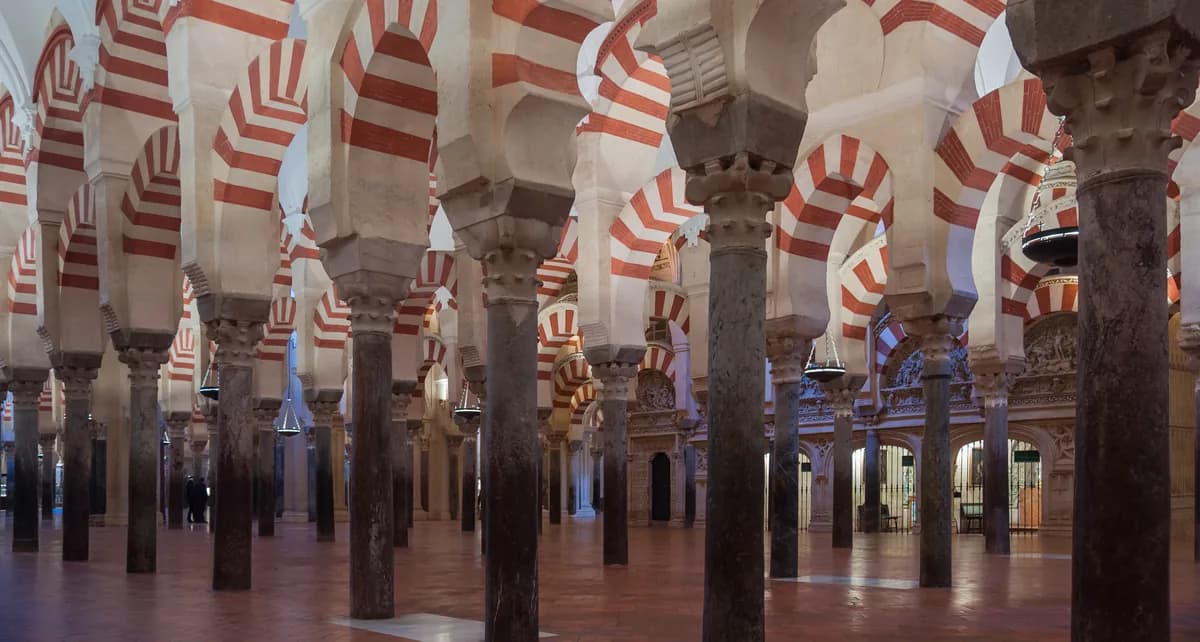
Day trip to Cordoba or Italica
Day tripsTwo of Spain's great ancient sites flank Seville: Cordoba's Mezquita - the mosque-cathedral forest of candy-striped arches - is 45 minutes by high-speed train, while the Roman city of Italica, birthplace of emperors Trajan and Hadrian with one of the empire's largest amphitheatres, is a half-day hop just outside town.
Insider tip: Cordoba works perfectly as a DIY train day: book the Mezquita's morning slot, add the Alcazar de los Reyes Cristianos and lunch in the Juderia, and be back for dinner. Italica is a short bus or guided half-day - Game of Thrones fans will recognise the amphitheatre. In summer, do either in the morning and retreat before the heat peaks.
Book Day trip to Cordoba or Italica ticketsSkip-the-line tickets and guided tours- Instant confirmation
- Free cancellation on most tours
- Prices on Trip.com
Where to stay in Seville
The best areas to base yourself, and who each suits.
Barrio Santa Cruz
First-timers - the old Jewish quarter's whitewashed lanes sit right beside the Alcazar and cathedral; romantic and central, though rooms can be small and the restaurants touristy.
El Arenal & the Centro
Shoppers and first-time comfort - between the bullring, the river and the Setas, with the best hotel stock, tapas institutions and everything walkable.
Triana
Local colour - across the bridge, the old potters' and flamenco quarter has its own market, ceramic shops and bar life; you walk ten minutes to the sights and come home to a neighbourhood.
Alameda de Hercules
Nightlife and budgets - the leafy northern square is student-and-local Seville, with cheaper rooms, craft beer and late bars, fifteen minutes' walk from the cathedral.
Planning your Seville trip
Best time to visit
March to May and October to early November are ideal - orange blossom on the air in spring, warm 20s°C days, and the city at its most alive. Semana Santa (Holy Week) and the Feria de Abril two weeks later are spectacular but book out a year ahead at premium prices, so aim for them deliberately or dodge them deliberately. June to September is seriously hot - regularly past 40°C in July and August - which locals handle with shaded lanes, siestas and late nights; if you come then, do the same. Winter is mild, quiet and cheap, with plenty of blue-sky days in the mid-teens.
Getting around
Seville Airport (SVQ) is a short hop from town - the EA airport bus runs to the centre in about 35 minutes, taxis charge a flat rate. After that you barely need wheels: the old city is flat, compact and made for walking, with most headline sights ten minutes apart. A single tram line and circular buses skirt the centre, the Sevici bike-share and a riverside path cover longer rambles, and horse carriages around the Plaza de Espana are strictly for the postcard. High-speed AVE trains from Santa Justa station put Cordoba about 45 minutes away and Madrid around two and a half hours.
Things to do in Seville: FAQ
The questions travelers ask most when planning a trip here.
Where to base yourself in Seville
Everything on this list is easier from the right side of town, and the area you book decides how much of the day you spend getting to it. These go into the detail:
- Free cancellation on most rooms
- No booking fee
- Prices on Trip.com
More things-to-do guides
Continue Planning Your Trip
Intelligent tools designed to simplify the complex.
Things to Do
Ranked attractions, tips and how to book tickets
Where to Stay
The best area to stay in each city, by neighborhood
Car Rental
Real prices, driving tips and the best routes by destination
Airport Transfers
Getting from the airport to your hotel, by price and time
All-Inclusive Guides
What all-inclusive really means, by destination
Best Time to Visit
Month-by-month weather, crowds and prices
Cheapest Places to Travel
18 destinations ranked by real daily budgets
Route Finder
Find the cheapest way to get there
Hotel Finder
Book the right hotel for your destination
AI Trip Planner
Build a day-by-day itinerary
Budget Calculator
Estimate total cost
Photo credits (13)
Photos via Wikimedia Commons, used under their respective licences.
- Real Alcazar: Jebulon - CC0 · source
- Seville Cathedral & the Giralda: Ingo Mehling - CC BY-SA 4.0 · source
- Plaza de Espana & Maria Luisa Park: Elliott Brown from Birmingham, United Kingdom - CC BY-SA 2.0 · source
- Barrio Santa Cruz: José Luis Filpo Cabana - CC BY 4.0 · source
- See real flamenco: Karnivoros - CC BY 4.0 · source
- A proper tapas crawl: Funknendai - CC0 · source
- Setas de Sevilla (Metropol Parasol): SlowStoryTime - CC BY 4.0 · source
- Triana: Diego Delso - CC BY-SA 4.0 · source
- Casa de Pilatos: Holger Uwe Schmitt - CC BY-SA 4.0 · source
- The riverfront & Torre del Oro: Benjamin Smith - CC BY-SA 4.0 · source
- Plaza de Toros de la Maestranza: Barrado83 - CC0 · source
- Palacio de las Duenas: Gzzz - CC BY-SA 4.0 · source
- Day trip to Cordoba or Italica: CEphoto, Uwe Aranas - CC BY-SA 3.0 · source