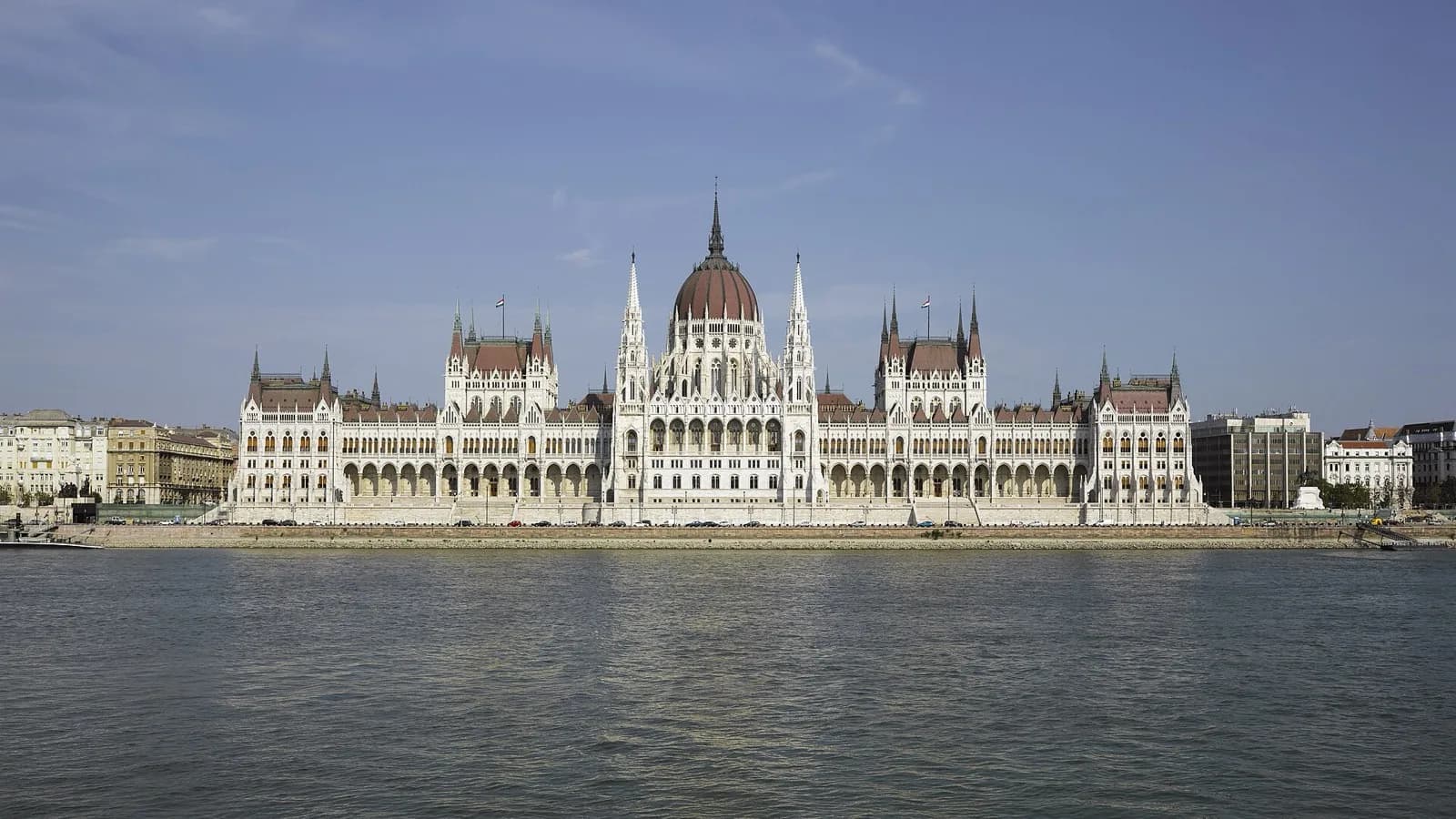
What are the best things to do in Budapest?
The best things to do in Budapest are touring the Hungarian Parliament, taking in the panorama from Fisherman's Bastion and Buda Castle, soaking in the Szechenyi or Gellert thermal baths, cruising the Danube at night when the riverfront is lit, exploring the Jewish Quarter's ruin bars, and grazing the Great Market Hall. The centre is walkable and transit is excellent; book the Parliament tour and bath tickets ahead in season.
14 best things to do in Budapest
Ranked best-first, with an insider tip and how to book each. Prices and hours change - check before you go.
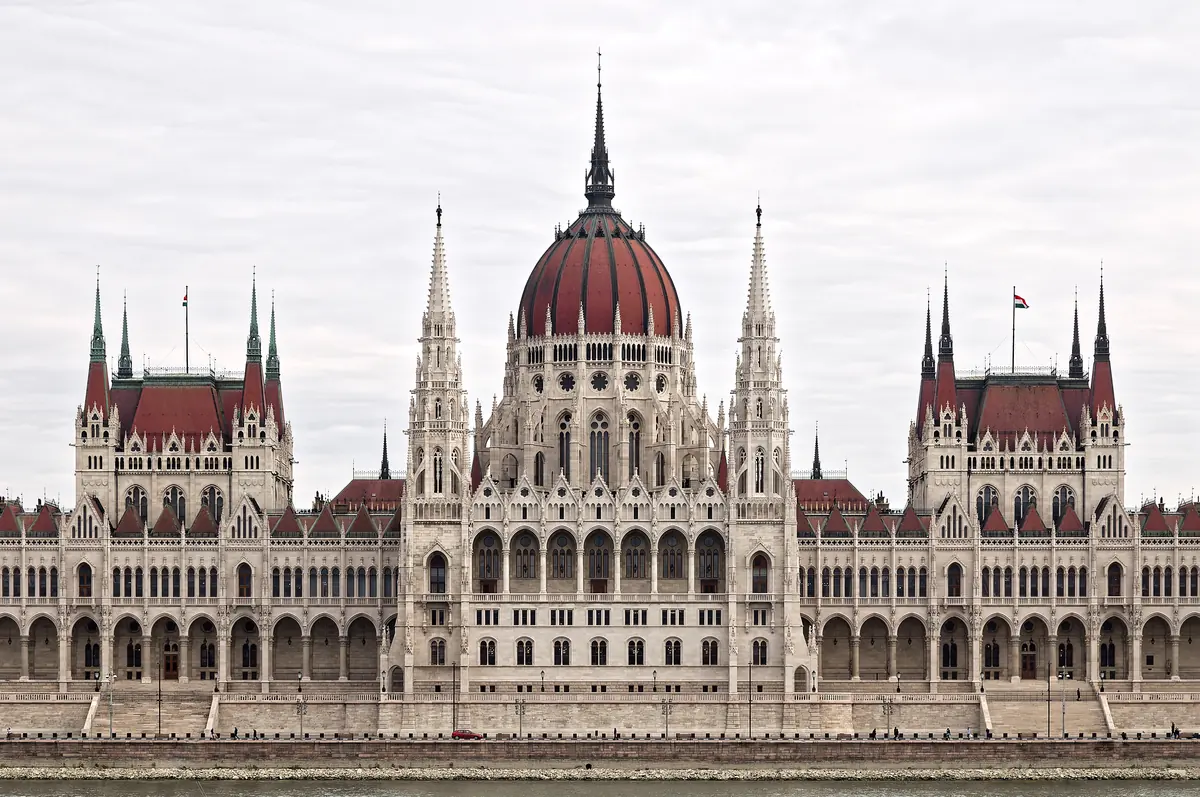
Hungarian Parliament
IconsThe colossal neo-Gothic parliament on the Pest bank is Budapest's defining building - 691 rooms, a dome flanked by spires, and a riverfront facade that outdoes Westminster it was built to rival. The guided tour inside takes in the gilded grand staircase, the domed hall and the Hungarian crown jewels under guard.
Insider tip: Tours run in set languages with limited slots - book the English tour online several days ahead, and bring your passport for entry. Sitting-parliament days cancel tours, so check the calendar. Then see the building again at night from the river or the Buda bank: the illuminated reflection is the city's best photograph.
Book Hungarian Parliament ticketsSkip-the-line tickets and guided tours- Instant confirmation
- Free cancellation on most tours
- Prices on Trip.com
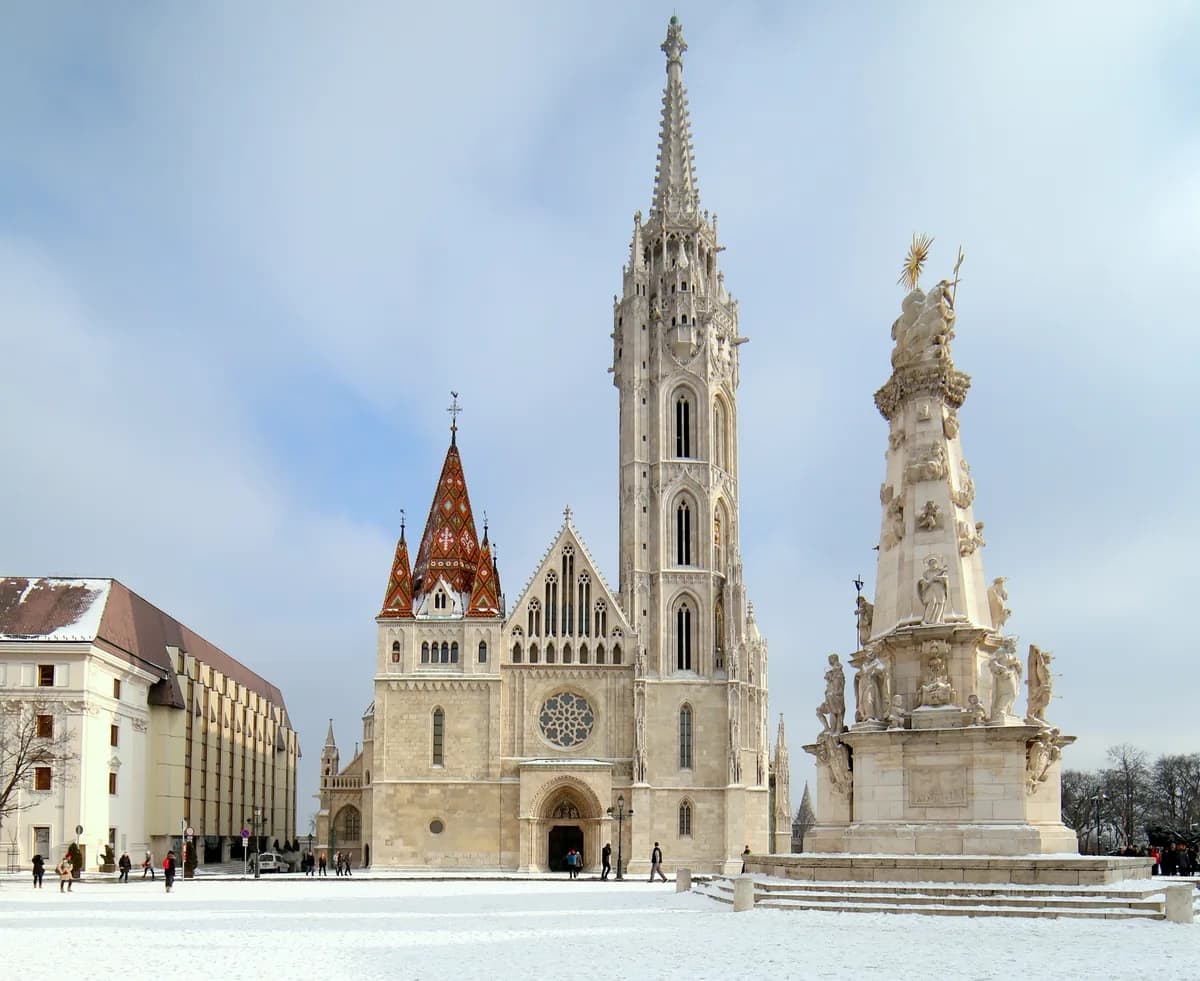
Fisherman's Bastion & Matthias Church
IconsThe white neo-Romanesque terraces and fairy-tale turrets of Fisherman's Bastion were built purely for the view, and the view delivers: the Parliament and the whole Pest skyline across the Danube. Beside it, Matthias Church wears a diamond-patterned tile roof and a jewel-box painted interior.
Insider tip: The upper terraces charge a small fee in daytime but the panorama is effectively free early morning and in the evening - sunrise here beats fighting the midday coach crowds. Matthias Church's interior is worth its ticket. Take the Castle Hill funicular or bus 16 up, then walk down through the cobbled lanes.
Book Fisherman's Bastion & Matthias Church ticketsSkip-the-line tickets and guided tours- Instant confirmation
- Free cancellation on most tours
- Prices on Trip.com
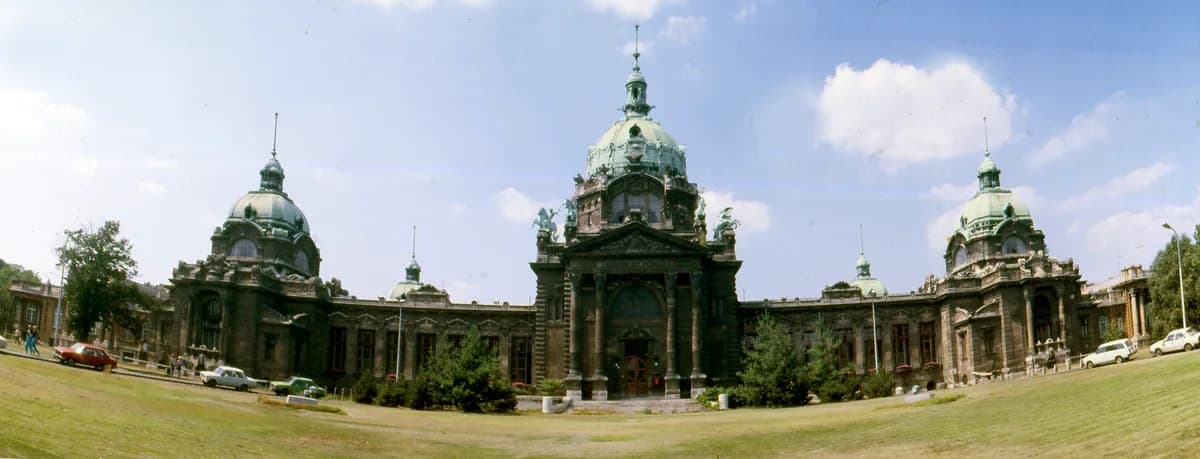
Szechenyi Thermal Baths
ExperiencesBudapest sits on more than a hundred thermal springs, and Szechenyi is the flagship: a lemon-yellow neo-baroque palace in City Park where locals play chess in steaming outdoor pools year-round, backed by a warren of indoor thermal pools, saunas and steam rooms. It's the essential Budapest experience.
Insider tip: Book a skip-the-line ticket online (a private cabin upgrade is worth it for changing), bring flip-flops, a swimsuit and a towel or rent them, and go at opening or after 6pm to miss the peak. Winter visits are the atmospheric ones - steam billowing into freezing air. The Gellert baths are the Art Nouveau alternative if you prefer tilework to party crowds.
Book Szechenyi Thermal Baths ticketsSkip-the-line tickets and guided tours- Instant confirmation
- Free cancellation on most tours
- Prices on Trip.com
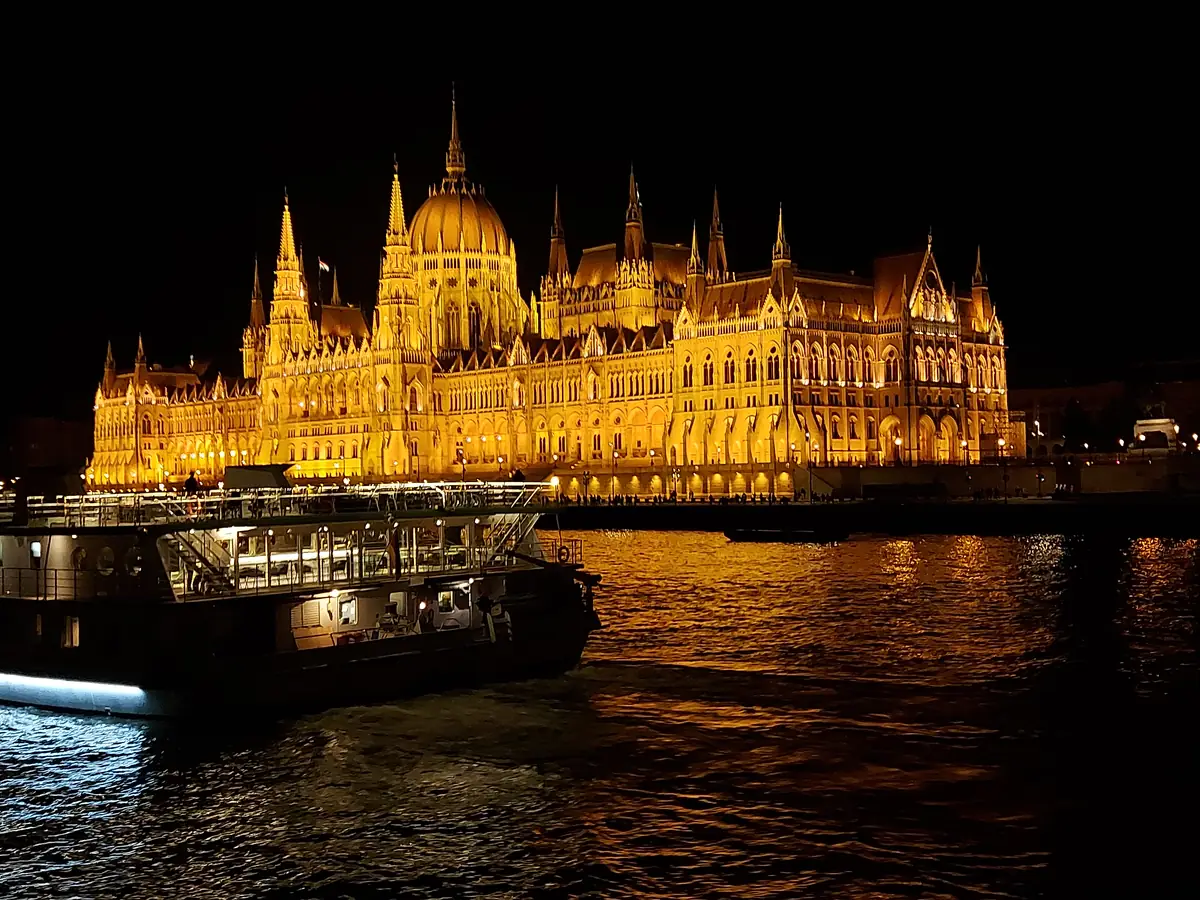
A night cruise on the Danube
OutdoorsBudapest's riverfront is a UNESCO World Heritage site, and after dark - Parliament blazing, the Chain Bridge strung with lights, the castle and Citadella glowing above Buda - it becomes the most beautiful night panorama in Europe. An evening cruise floats you through all of it in an hour.
Insider tip: The basic one-hour night sightseeing cruise with a drink included is the sweet spot - dinner cruises pay a premium for average food. Sail after full dark for the lights (in summer that means 9pm or later). The budget version: public riverboat lines and tram 2 along the embankment cover similar views for coins.
Book A night cruise on the Danube ticketsSkip-the-line tickets and guided tours- Instant confirmation
- Free cancellation on most tours
- Prices on Trip.com
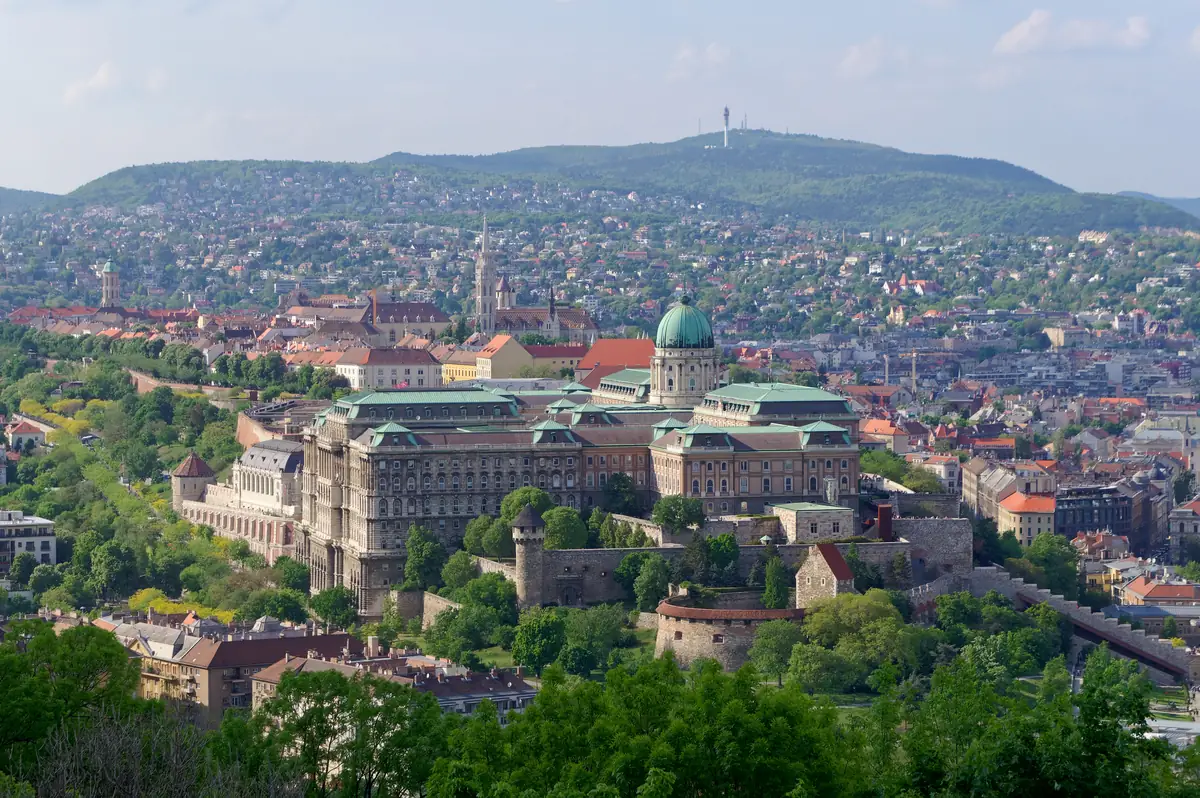
Buda Castle & Castle Hill
HistoryThe former royal palace crowns Buda's plateau above the Danube, housing the Hungarian National Gallery and the Budapest History Museum, with ramparts, courtyards and terrace views the whole way round. The surrounding Castle District's baroque lanes reward slow wandering.
Insider tip: Ride the 19th-century funicular up for the fun of it and walk down. The palace terraces and district lanes are free - pick one museum (the National Gallery for Hungarian art) rather than forcing both. Time your visit to end at Fisherman's Bastion for sunset, and detour to the Hospital in the Rock museum if Cold War history appeals.
Book Buda Castle & Castle Hill ticketsSkip-the-line tickets and guided tours- Instant confirmation
- Free cancellation on most tours
- Prices on Trip.com
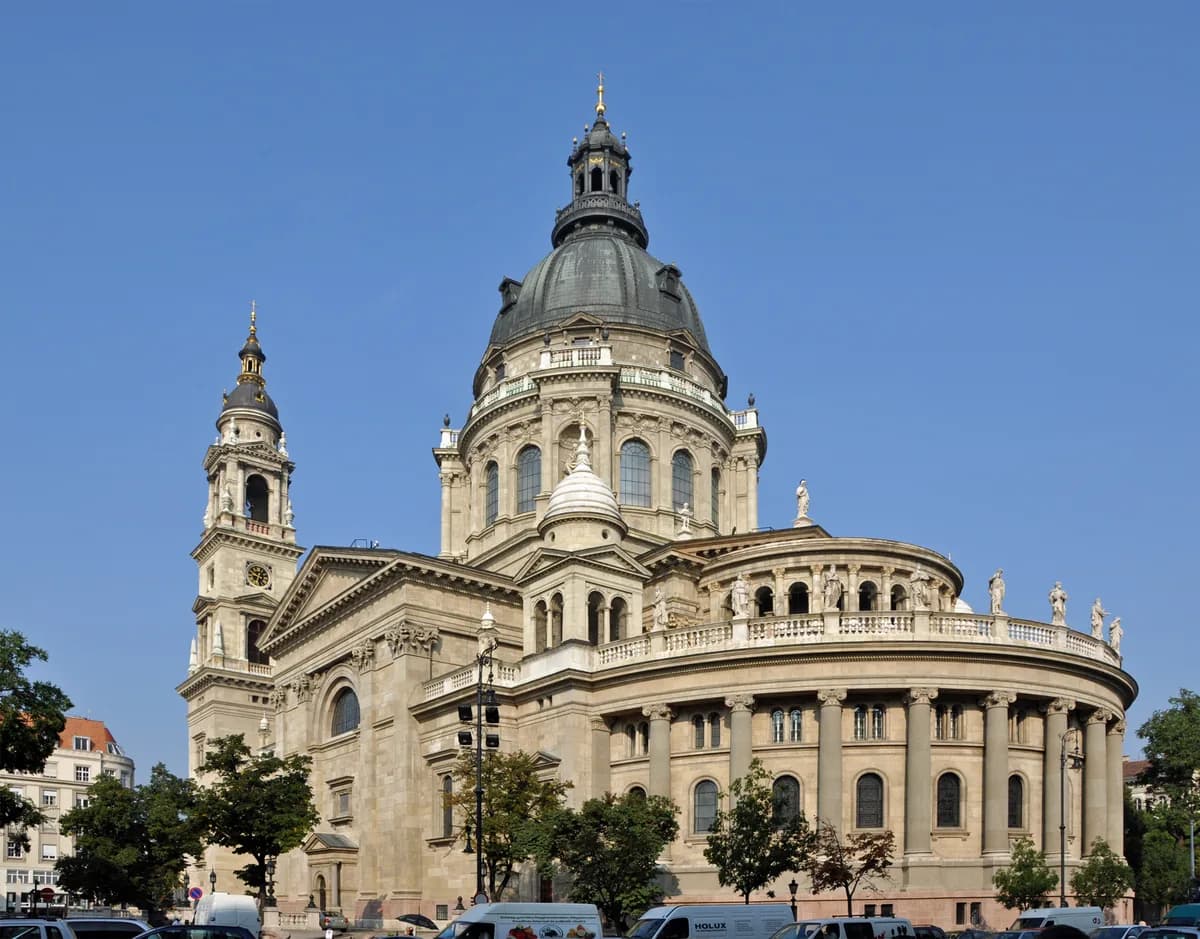
St Stephen's Basilica
HistoryPest's great domed basilica holds Hungary's oddest relic - the mummified right hand of St Stephen, the nation's founding king - and its dome deck offers the best 360-degree view on the Pest side, level with the rooftops it rises from. The square before it is the city's smartest cafe terrace.
Insider tip: The dome is climbable by stairs or lift for a small ticket and rarely queues like the riverfront sights. Organ concerts here most evenings are excellent value - the acoustics are serious. In December the square in front hosts a Christmas market with a light show projected onto the facade.
Book St Stephen's Basilica ticketsSkip-the-line tickets and guided tours- Instant confirmation
- Free cancellation on most tours
- Prices on Trip.com
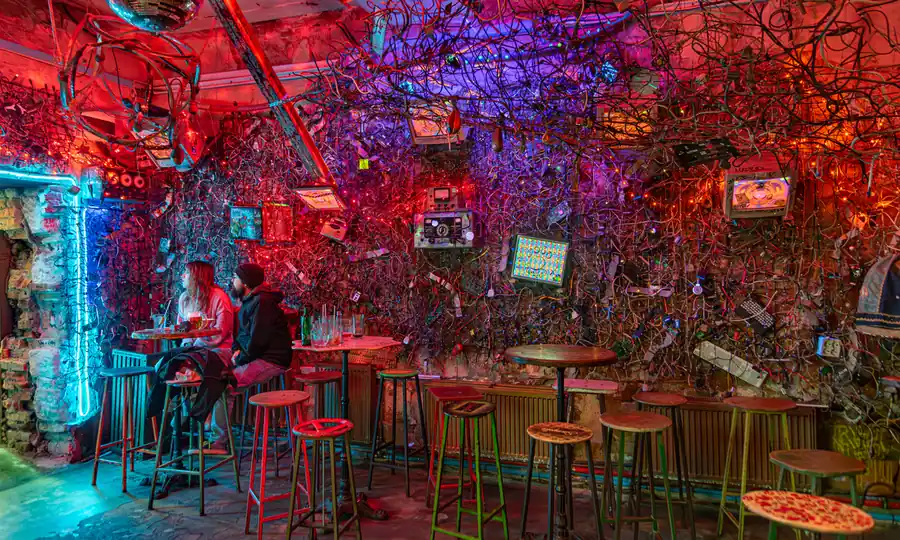
The ruin bars of the Jewish Quarter
ExperiencesBudapest invented the ruin bar: derelict pre-war apartment blocks colonised with mismatched flea-market furniture, fairy lights, street art and bars in every room. Szimpla Kert, the original, is a sight in its own right - a labyrinth of courtyards and kooky rooms that defined a global genre.
Insider tip: See Szimpla Kert before 9pm for the architecture and atmosphere without the crush, then explore smaller rivals (Instant-Fogas, Csendes) as the night builds. Szimpla hosts a farmers' market on Sunday mornings - the family-friendly way to see it. A guided pub crawl works if you want company; the quarter is compact enough to DIY.
Book The ruin bars of the Jewish Quarter ticketsSkip-the-line tickets and guided tours- Instant confirmation
- Free cancellation on most tours
- Prices on Trip.com
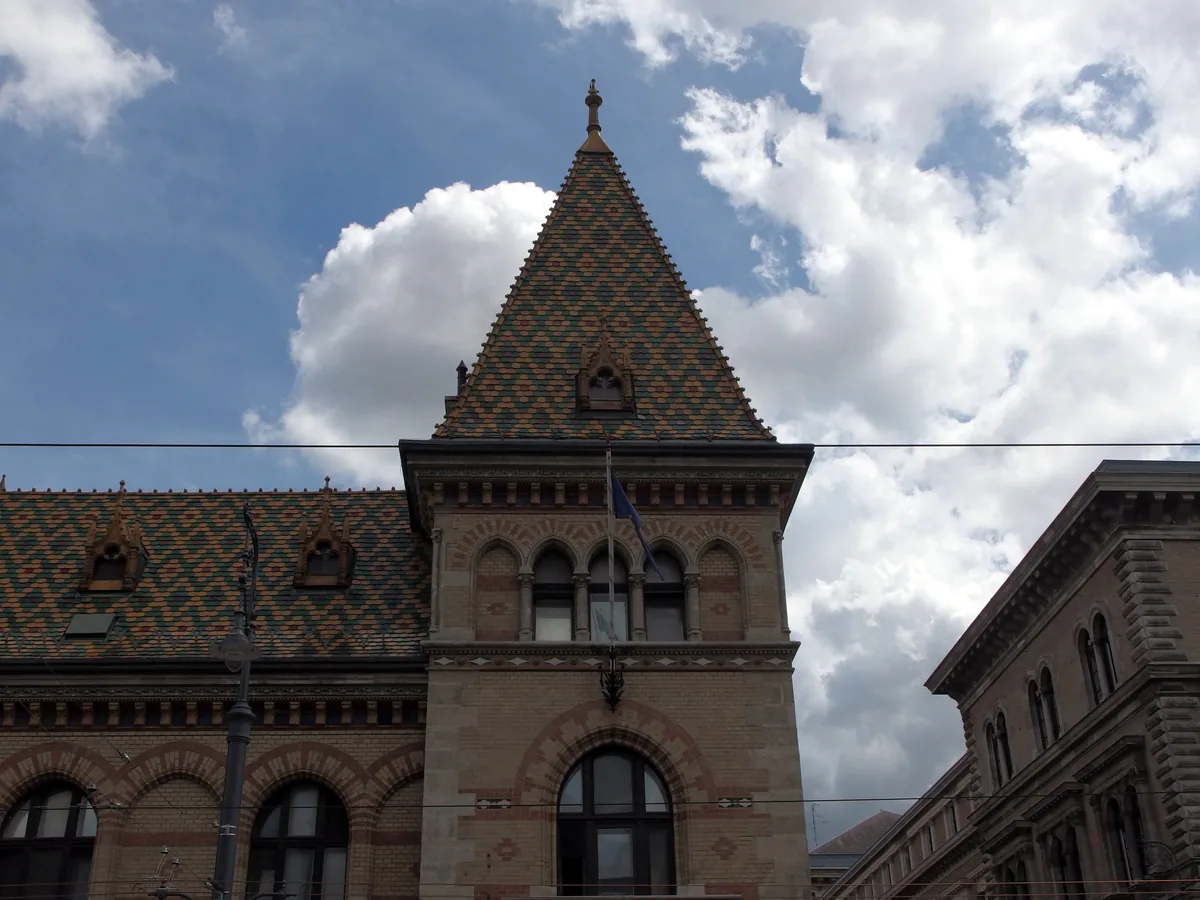
Great Market Hall
Food & drinkFreeThe grand 1897 market hall by the Liberty Bridge stacks Hungary onto three floors: paprika strings, salamis and foie gras below, langos (fried dough with sour cream and cheese) and goulash counters above. It's touristy and locals still shop here anyway - the produce is real.
Insider tip: Go in the morning when it functions as an actual market, and eat a langos upstairs as second breakfast. Paprika and Tokaji wine are the classic take-homes - buy from the grocers downstairs, not the souvenir stands. Closed Sundays. Walk it off across the green iron Liberty Bridge afterwards.
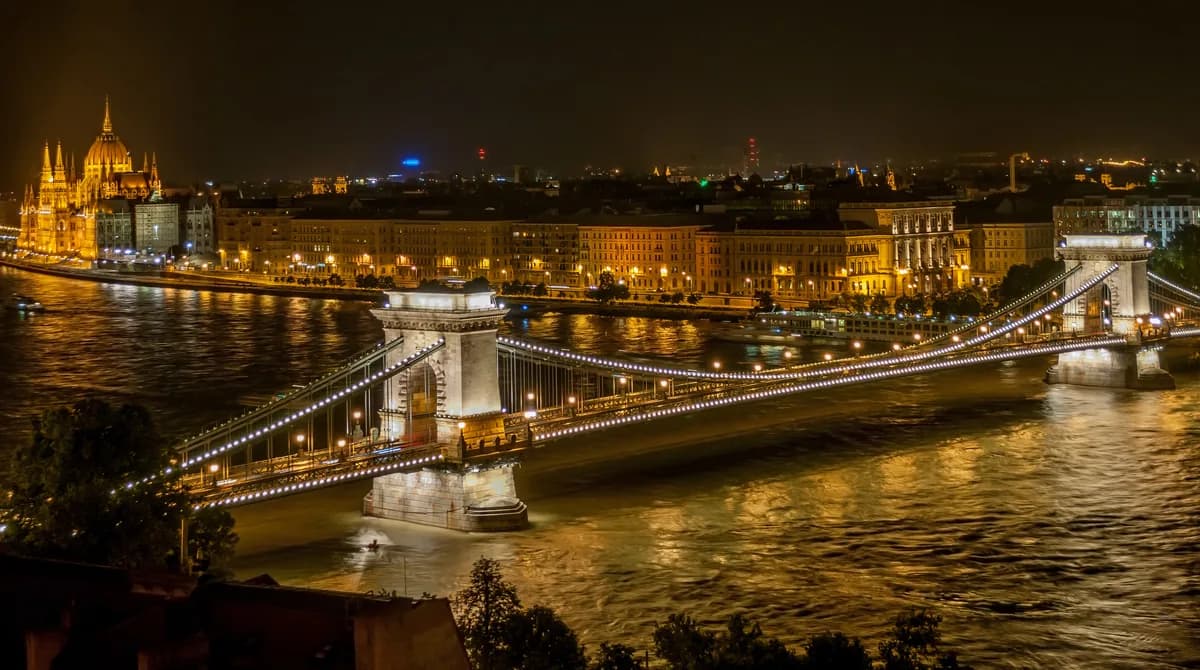
Walk the Chain Bridge & the Danube promenade
IconsFreeThe 1849 Szechenyi Chain Bridge - the first permanent span between Buda and Pest, guarded by its stone lions - is the symbol of the unified city. Crossing it on foot, then following the Pest promenade past the Shoes on the Danube memorial to the Parliament, is Budapest's essential free walk.
Insider tip: Walk it twice: daytime for the details and the views up to the castle, night for the lights. The Shoes on the Danube Bank memorial - iron shoes marking where Jews were shot into the river in 1944-45 - deserves a quiet pause, not a photo-op pace. Tram 2 runs the same riverfront if feet give out.
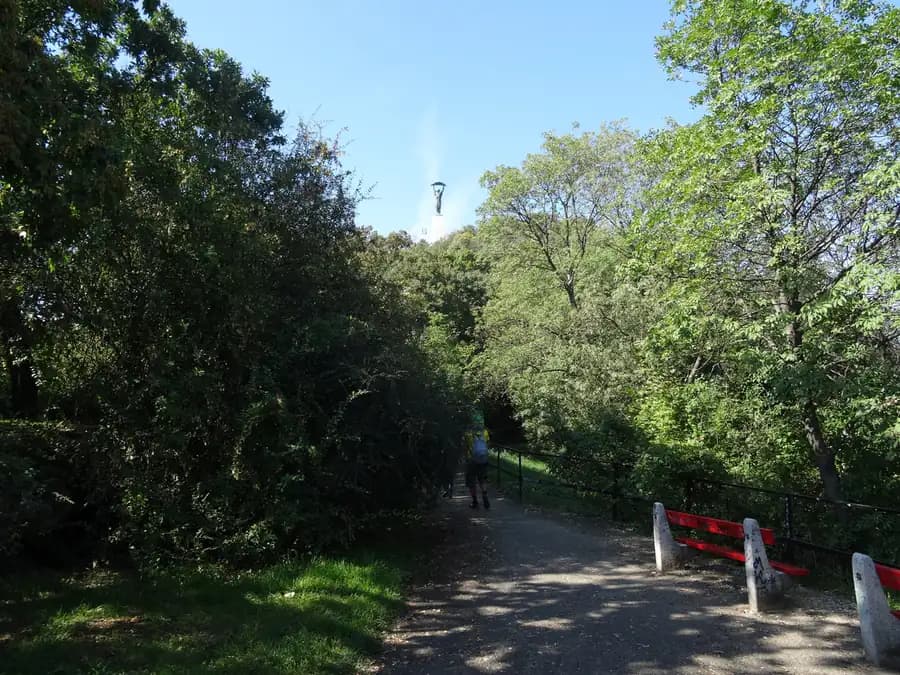
Gellert Hill & the Citadella
ViewsFreeThe steep dolomite hill rising straight from the Danube gives the widest view of the city - both banks, all the bridges, the Parliament glinting downstream - from the Liberty Statue and the old Citadella fortress at the top. The climb up through the woods is a proper leg-stretch with a payoff.
Insider tip: Paths climb from the Gellert baths or the Elisabeth Bridge in 20-30 minutes; go for sunset and carry a drink up like the locals. Pair the descent with a soak at the Art Nouveau Gellert baths at the hill's foot. Check locally for Citadella renovation closures - the panorama terraces are the point regardless.
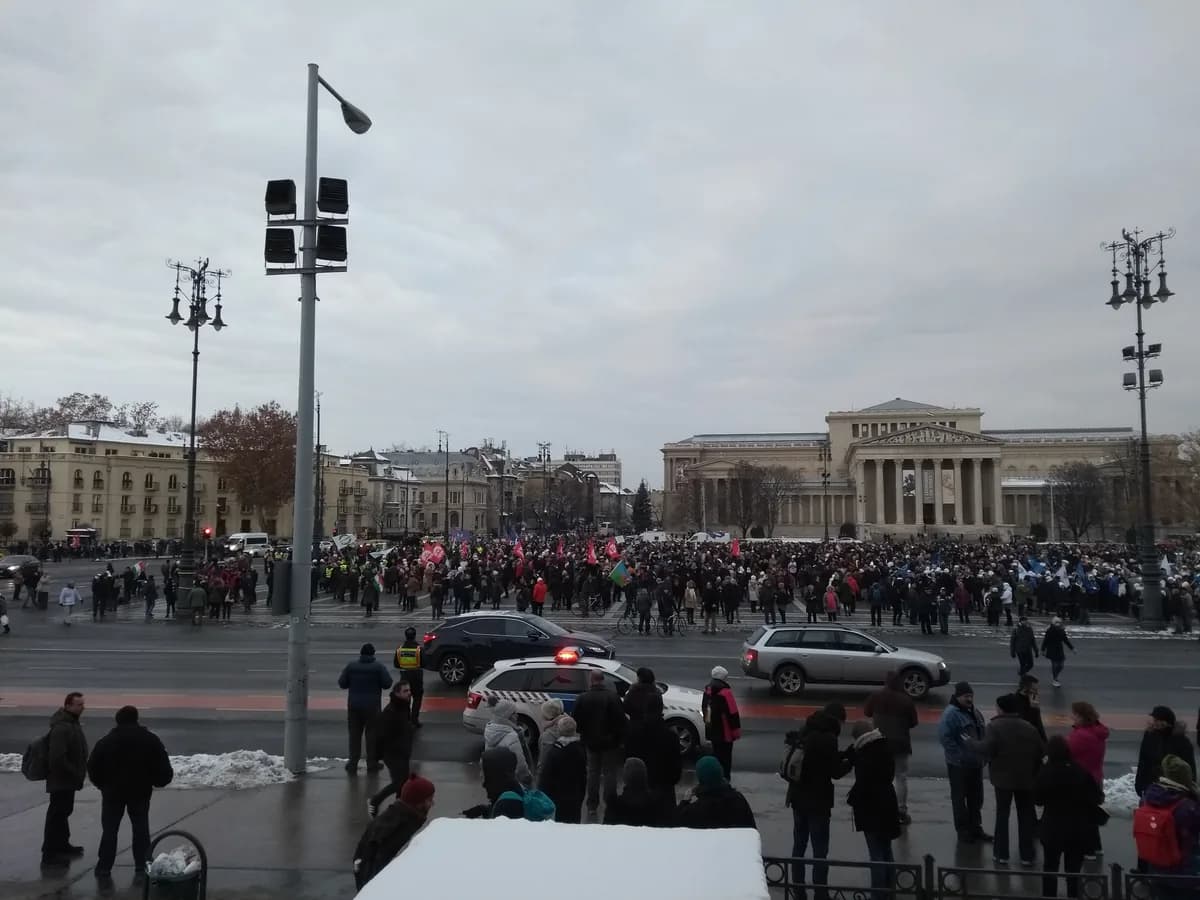
Heroes' Square & City Park
HistoryFreeThe millennium monument's colonnades line up Hungary's kings and chieftains at the top of Andrassy Avenue, flanked by the Museum of Fine Arts. Behind it, City Park holds the fantasy Vajdahunyad Castle, a boating (and winter skating) lake, and Szechenyi baths - a full half-day cluster.
Insider tip: Ride the antique M1 metro out - the line is a listed monument and the period stations are part of the show. The square is free and photogenic in low light; combine the park, castle courtyard and a bath session into one relaxed afternoon. The Museum of Fine Arts is the strongest classical collection in the country.
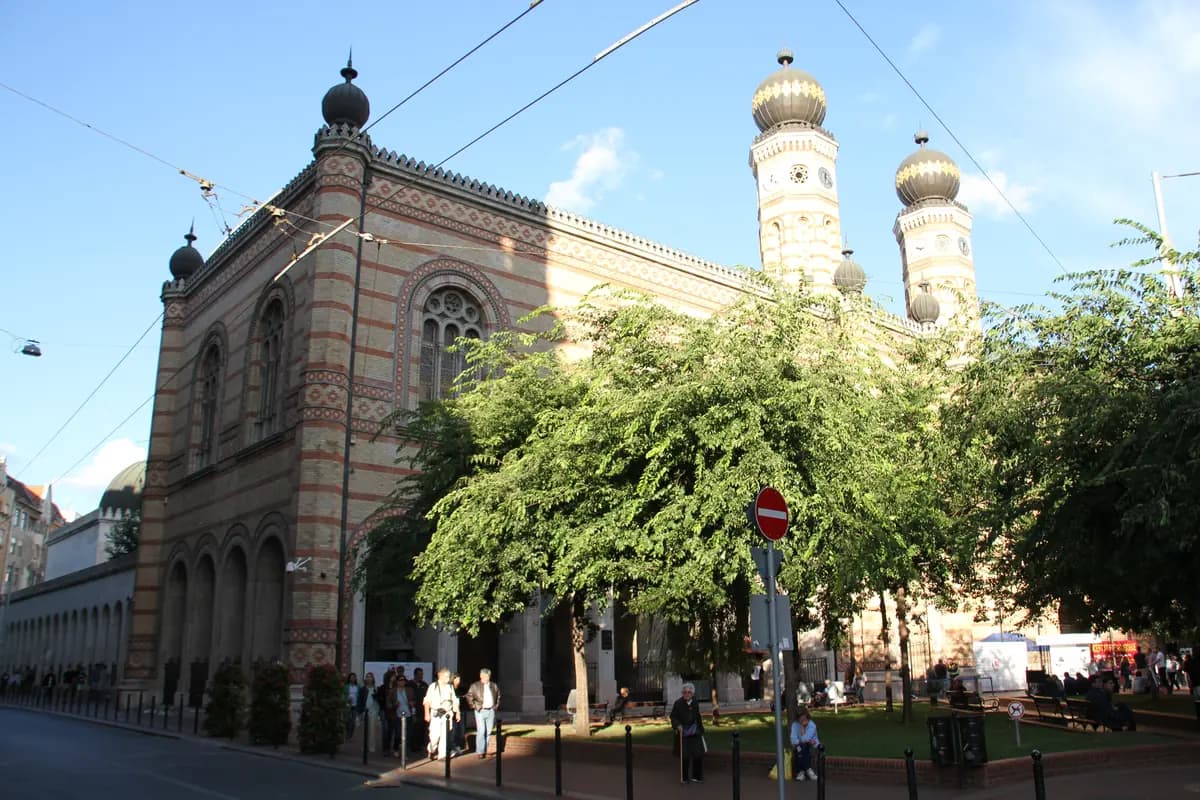
Dohany Street Synagogue
HistoryThe largest synagogue in Europe - Moorish-revival twin towers, a gilded 3,000-seat interior - anchors the Jewish Quarter and its heaviest history: the Holocaust memorial garden behind it, the metal weeping-willow Tree of Life, and the story of the 1944-45 ghetto told in its museum.
Insider tip: Entry includes a guided tour, the museum and the memorial garden - take the tour, the guides are excellent and the context transforms the quarter's ruin-bar surface. Modest dress; men receive a kippah at the door. Closed Saturdays and Jewish holidays. Pair with the quarter's street-art walk and Kazinczy Street's orthodox synagogue.
Book Dohany Street Synagogue ticketsSkip-the-line tickets and guided tours- Instant confirmation
- Free cancellation on most tours
- Prices on Trip.com
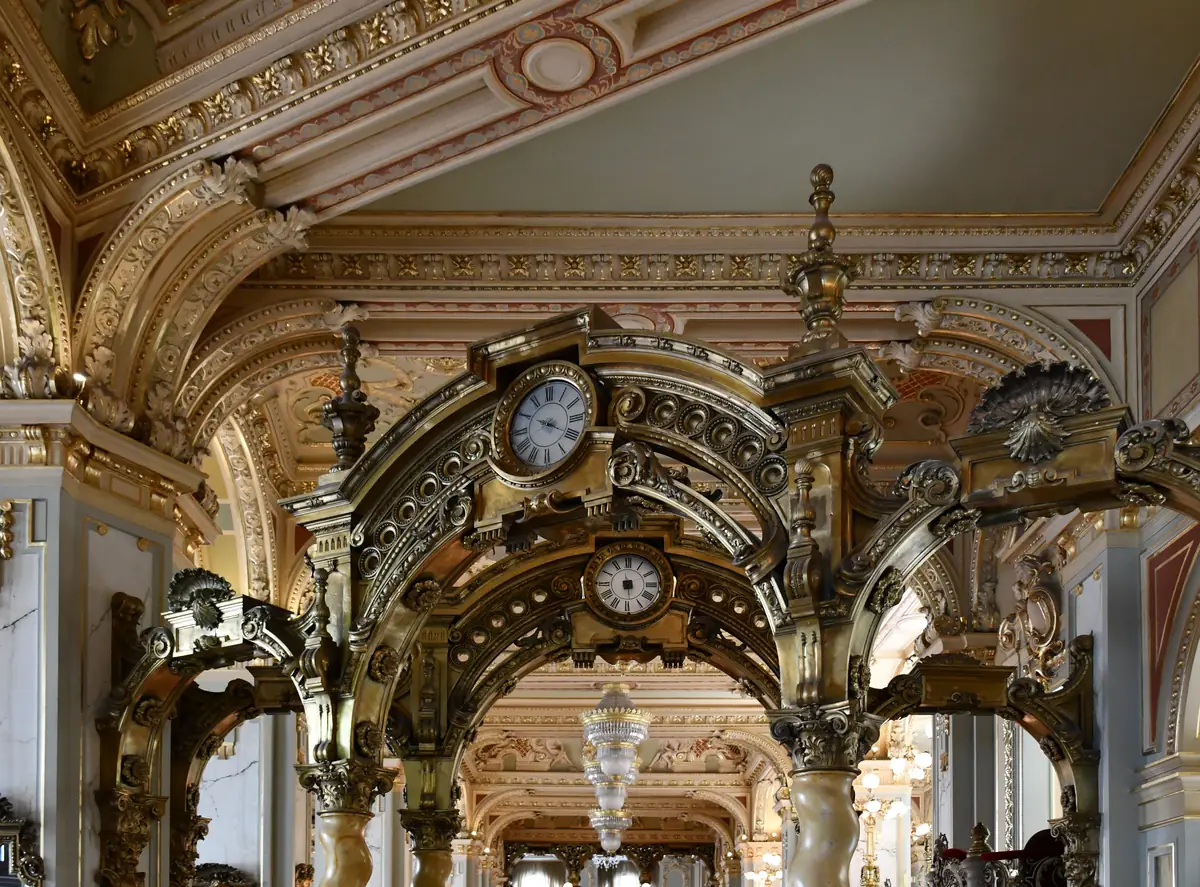
Coffeehouse grandeur & chimney cakes
Food & drinkBudapest's belle-epoque cafe culture rivalled Vienna's, and its survivors are palaces: the New York Cafe's gilded frescoed hall (self-billed as the most beautiful cafe in the world), Central Kavehaz, Gerbeaud on Vorosmarty Square. Between them: dobos torte, strudel and cinnamon-sugar chimney cakes from street kiosks.
Insider tip: The New York Cafe queues for a reason - go at opening or mid-afternoon on a weekday, order coffee and one cake, and treat the room as the ticket. Gerbeaud is the calmer classic. Kurtoskalacs (chimney cake) is best hot from a street stand, especially at the Christmas markets. A guided food walk adds langos, goulash and palinka context in one hit.
Book Coffeehouse grandeur & chimney cakes ticketsSkip-the-line tickets and guided tours- Instant confirmation
- Free cancellation on most tours
- Prices on Trip.com
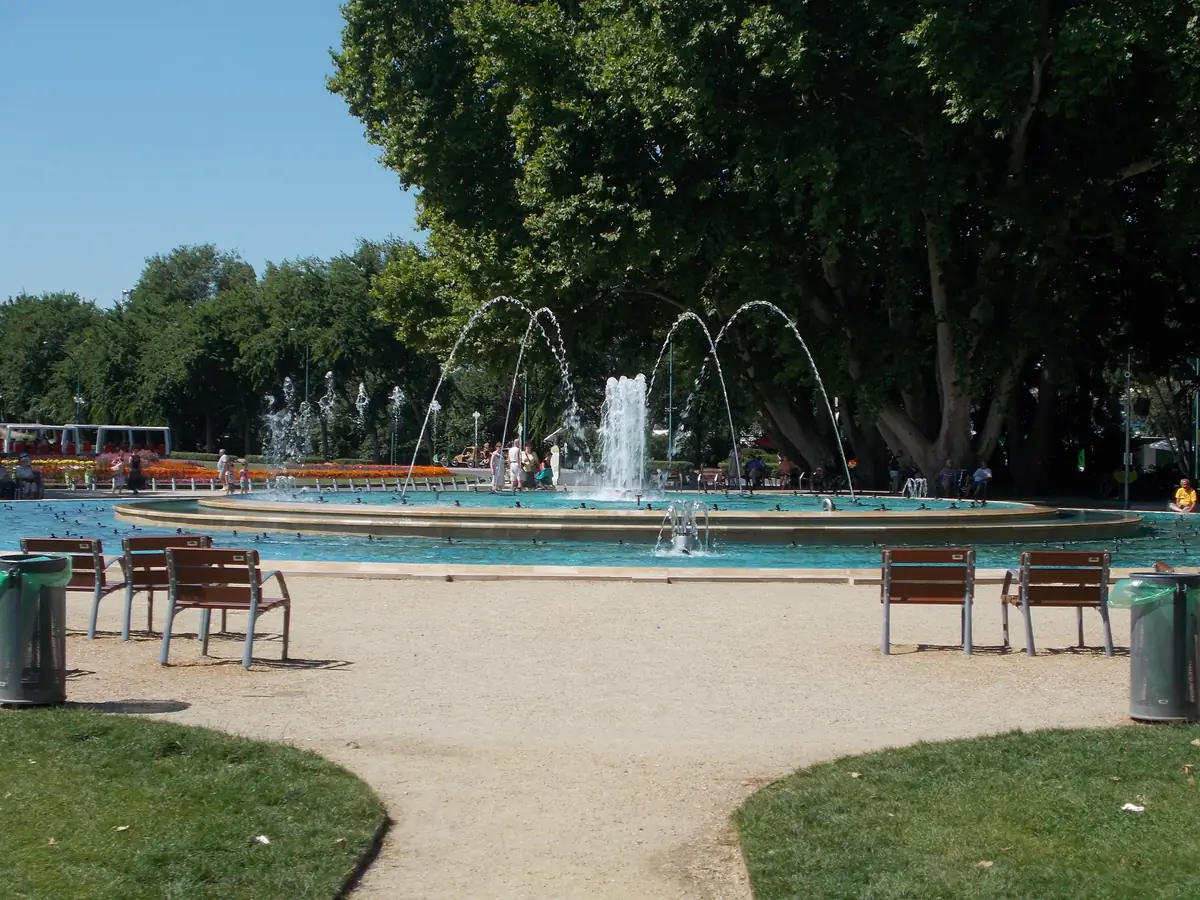
Margaret Island
OutdoorsFreeThe Danube's green island between Margaret and Arpad bridges is Budapest's shared back garden: a car-free 2.5km of lawns, medieval ruins, a musical fountain, an art-nouveau water tower and riverside running track, with the city glittering on both banks.
Insider tip: Rent a bike or a pedal cart at the southern tip to loop it, or just walk the shaded avenues with an ice cream. The musical fountain plays timed shows spring to autumn - evenings are loveliest. Trams 4 and 6 stop mid-bridge right at the island's entrance; it's the perfect low-effort recovery day after a bath-and-bars stretch.
Where to stay in Budapest
The best areas to base yourself, and who each suits.
District V (Belvaros & Lipotvaros)
First-timers - the Pest riverfront between the Parliament and the Chain Bridge puts the promenade, St Stephen's Basilica and the cafe streets at your door; polished and central, priced accordingly.
District VII (Jewish Quarter)
Nightlife - the ruin-bar quarter is Budapest's liveliest square kilometre, packed with bars, street food and clubs; brilliant fun, but light sleepers should pick a courtyard-facing room.
Castle District & Vizivaros (Buda)
Quiet and views - cobbled lanes around Fisherman's Bastion and the riverfront below the castle, romantic and calm at night once the day crowds leave; you cross a bridge to Pest's restaurants.
District VI (Terezvaros & Andrassy Avenue)
Boutique Budapest - the UNESCO-listed avenue around the Opera has elegant townhouse hotels, the M1 metro underfoot, and easy walks to both the Basilica and the ruin bars.
Planning your Budapest trip
Best time to visit
April to June and September to October are the sweet spots - spring cafe terraces and green Margaret Island, or golden autumn light on the Danube, with days in the comfortable teens and 20s°C. July and August run hot and busy, peaking around the Sziget festival in mid-August, though the baths and river take the edge off. December is a genuine draw in its own right: the Vorosmarty Square and Basilica Christmas markets, mulled wine and chimney cakes, with cold but rarely brutal weather. Deep winter otherwise is quiet and cheap - and steam rising off the outdoor Szechenyi pools in the frost is a classic Budapest scene.
Getting around
Ferenc Liszt Airport (BUD) links to the centre by the direct 100E airport bus in around 40 minutes, or a fixed-ish price taxi. In town, Budapest's transit is superb: the M1 is the oldest metro line on the continent (a listed monument that happens to run trains), trams 4 and 6 circle the inner city around the clock, and the riverside tram 2 along the Pest embankment is a sightseeing ride for the price of a ticket. Buy a 24- or 72-hour travelcard and validate paper tickets religiously - inspectors are real. The centre itself is flat and walkable; only Buda's Castle Hill asks for a climb, a funicular or a bus.
Things to do in Budapest: FAQ
The questions travelers ask most when planning a trip here.
More things-to-do guides
Continue Planning Your Trip
Intelligent tools designed to simplify the complex.
Things to Do
Ranked attractions, tips and how to book tickets
Where to Stay
The best area to stay in each city, by neighborhood
Car Rental
Real prices, driving tips and the best routes by destination
Airport Transfers
Getting from the airport to your hotel, by price and time
All-Inclusive Guides
What all-inclusive really means, by destination
Best Time to Visit
Month-by-month weather, crowds and prices
Cheapest Places to Travel
18 destinations ranked by real daily budgets
Route Finder
Find the cheapest way to get there
Hotel Finder
Book the right hotel for your destination
AI Trip Planner
Build a day-by-day itinerary
Budget Calculator
Estimate total cost
Photo credits (14)
Photos via Wikimedia Commons, used under their respective licences.
- Hungarian Parliament: Laurens R. Krol - CC BY 4.0 · source
- Fisherman's Bastion & Matthias Church: Thaler Tamas - CC BY-SA 4.0 · source
- Szechenyi Thermal Baths: LBM1948 - CC BY-SA 4.0 · source
- A night cruise on the Danube: Bybbisch94, Christian Gebhardt - CC BY-SA 4.0 · source
- Buda Castle & Castle Hill: Jakub Hałun - CC BY-SA 4.0 · source
- St Stephen's Basilica: Marc Ryckaert ( MJJR ) - CC BY 3.0 · source
- The ruin bars of the Jewish Quarter: Jorge Franganillo - CC BY 2.0 · source
- Great Market Hall: Mark Ahsmann - CC BY-SA 3.0 · source
- Walk the Chain Bridge & the Danube promenade: Wilfredor - CC0 · source
- Gellert Hill & the Citadella: Sjaak Kempe from Groningen, The Netherlands - CC BY 2.0 · source
- Heroes' Square & City Park: Vauia Rex - CC BY-SA 4.0 · source
- Dohany Street Synagogue: Bjoertvedt - CC BY-SA 4.0 · source
- Coffeehouse grandeur & chimney cakes: Gzzz - CC BY-SA 4.0 · source
- Margaret Island: Globetrotter19 - CC BY-SA 3.0 · source