In Brief
What are the best things to do in Porto?
The best things to do in Porto are wandering the riverside Ribeira district, crossing the Dom Luis I bridge to the port cellars of Vila Nova de Gaia for a tasting, visiting the neo-Gothic Livraria Lello bookshop, admiring the azulejo tiles of Sao Bento station, and taking a Douro river cruise. The old centre is compact but steep and walkable; pre-book Livraria Lello and any port-lodge tours, and cross to Gaia for the classic view back over Porto.
Key takeaways
- Book Livraria Lello tickets online - entry is timed, ticketed and always busy; the fee is redeemable against a book.
- Port tasting happens across the river in Gaia, not Porto proper - cross the Dom Luis bridge's top deck for the best views.
- Porto is steep: the Ribeira sits at the river, most sights are uphill, and the funicular saves the worst climb.
- A six-bridges Douro cruise is a cheap, lovely hour on the water - or take the train up the valley to the wine country.
14 best things to do in Porto
Ranked best-first, with an insider tip and how to book each. Prices and hours change - check before you go.
Icons
The Ribeira district
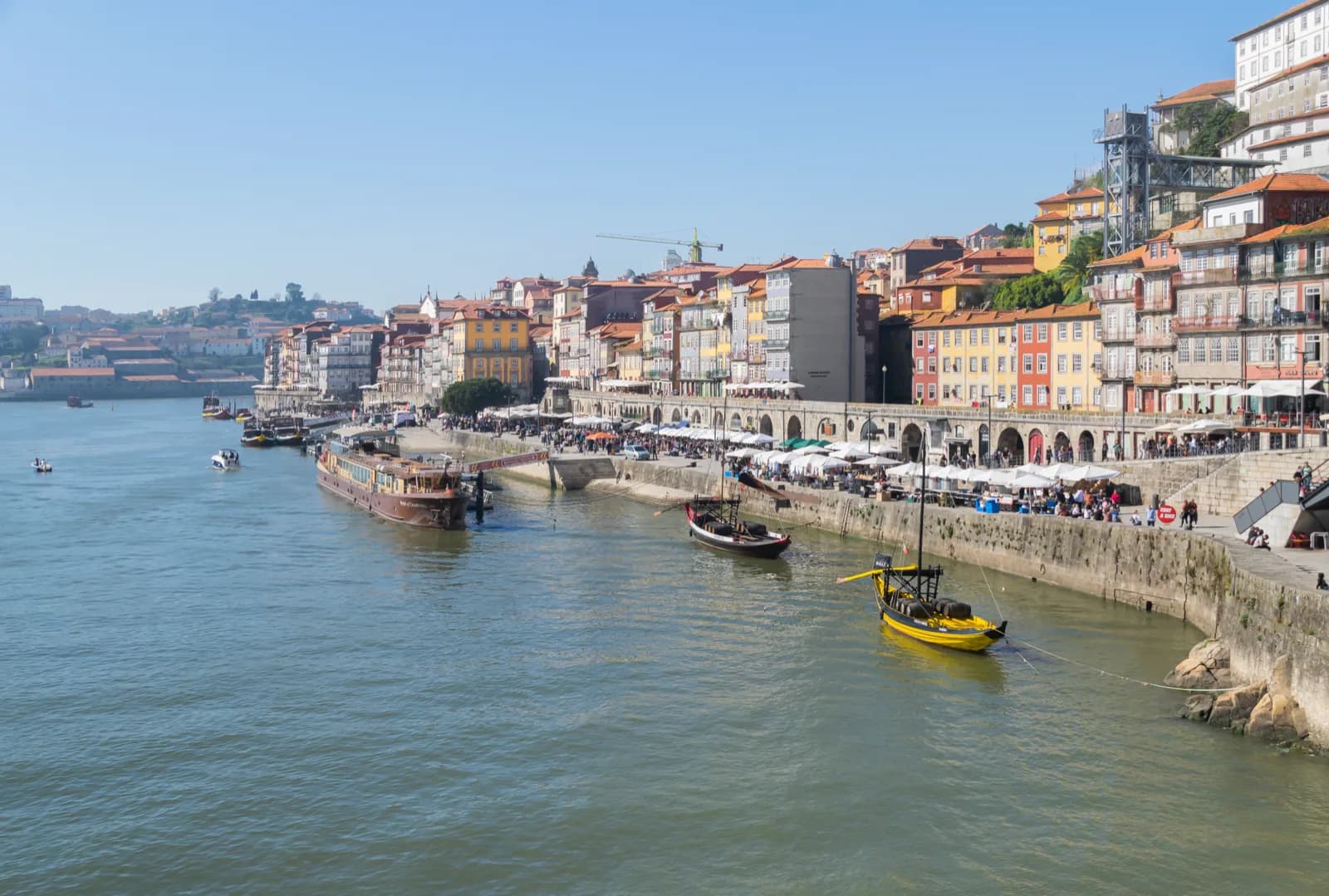
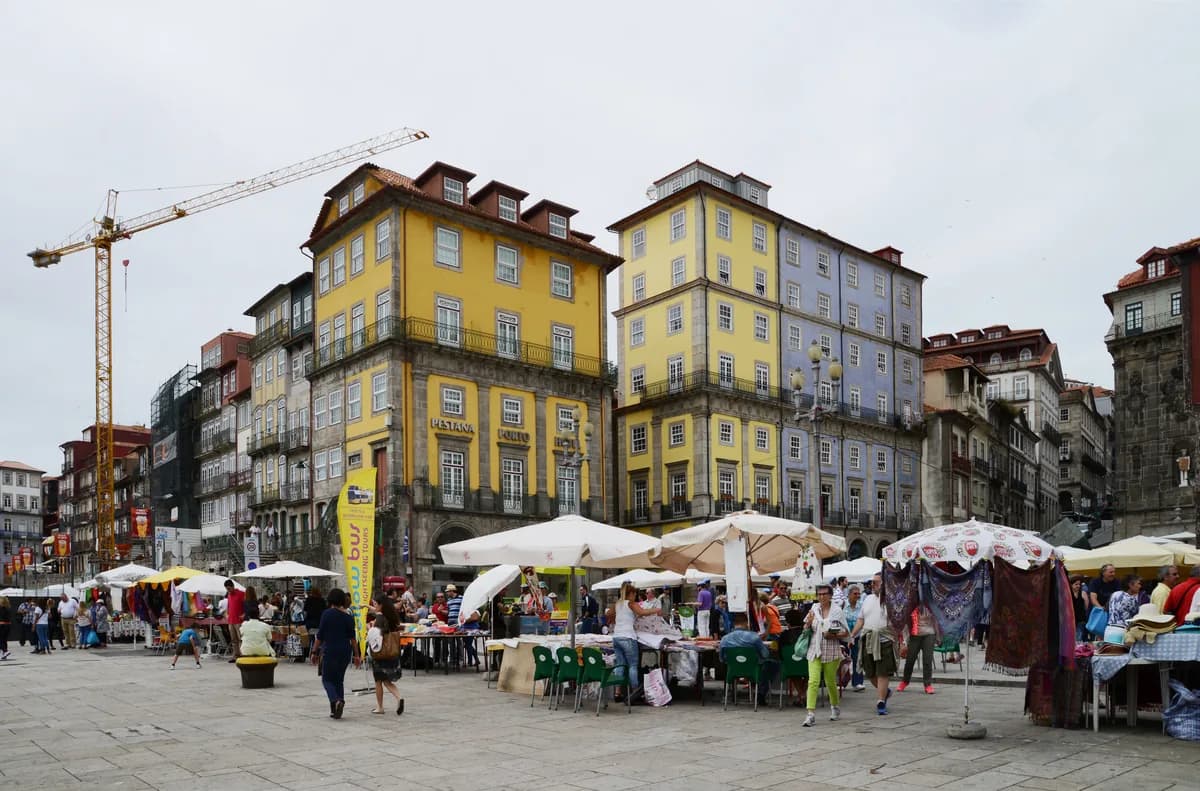
FreePorto's UNESCO-listed medieval heart tumbles down to the Douro in a tangle of narrow lanes, staircases and tall, tile-and-granite houses in faded pastels, opening onto a riverside promenade of cafes under the great iron bridge. It's the most atmospheric quarter in the city and the place to simply wander and watch the river.
- Insider tip
- Insider tip: Get lost in the back lanes above the waterfront in the morning, then take a riverside table for a drink as the light softens on the Gaia side opposite. It's touristy right on the quay and quieter two streets up. The rabelo boats moored along the front once carried port down from the valley.
Icons
Cross the Dom Luis I bridge
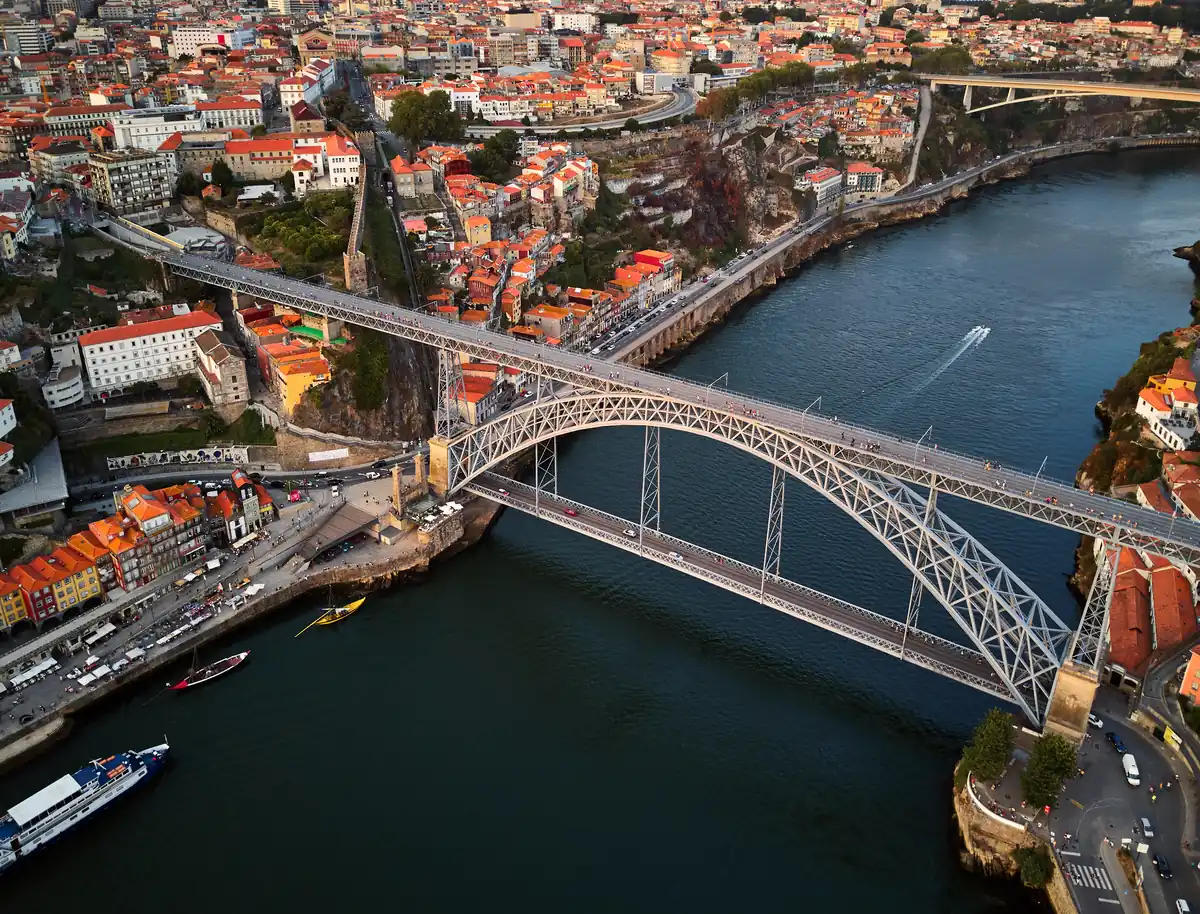
FreeThe double-deck iron arch bridge - built by a disciple of Eiffel and unmistakably his school - is Porto's defining structure, linking the city to Gaia across the Douro. The top deck (now carrying the Metro and pedestrians) gives the single best panorama of the Ribeira stacked up its hillside.
- Insider tip
- Insider tip: Walk the top deck for the view - it's free and spectacular, best at sunset with Porto glowing gold opposite. The Metro shares the deck, so stay behind the lines. Cross the top to reach the Gaia port lodges and the Serra do Pilar viewpoint, and return along the lower deck at river level for a different angle.
Food & drink
Port tasting in Vila Nova de Gaia
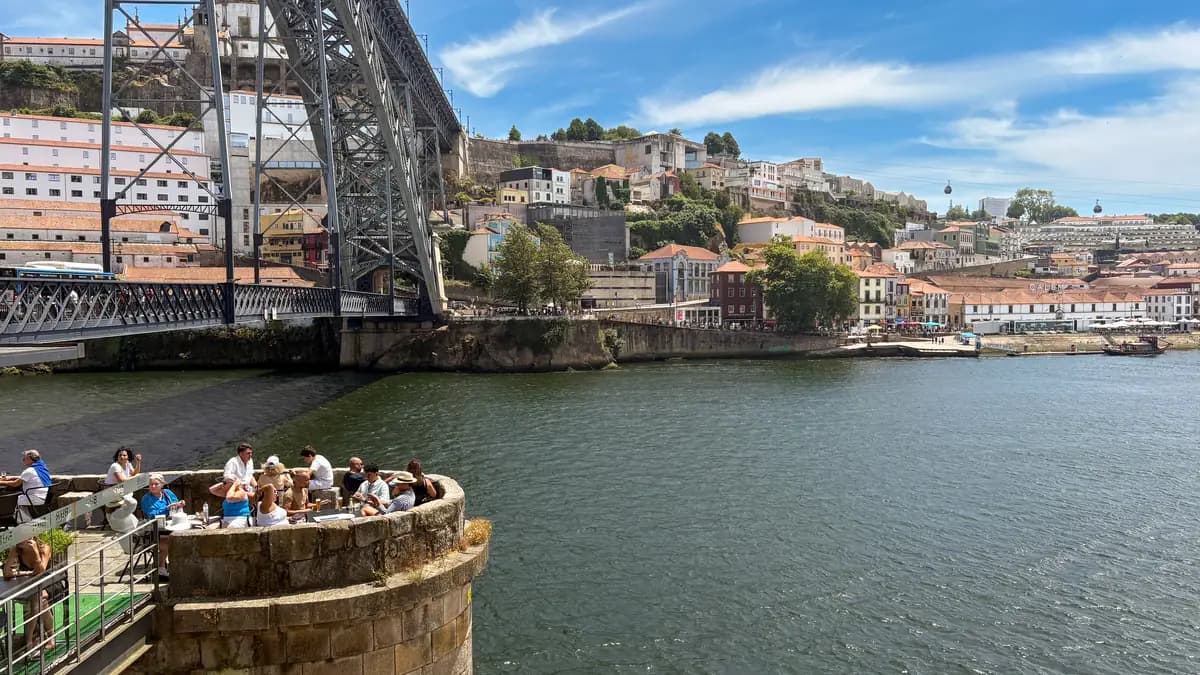
Port wine is aged not in Porto but across the river in the cellars of Gaia, where the historic lodges line the waterfront under their famous signs. A cellar tour and tasting - learning the difference between ruby, tawny, white and vintage - is the essential Porto experience, and the terraces look straight back at the city.
- Insider tip
- Insider tip: Book a cellar tour ahead in peak season; many lodges cluster within a short walk so you can compare a couple. The smaller houses often give a more personal tasting than the big brand names. Go up to the Serra do Pilar monastery viewpoint above the lodges for the best photo of the bridge and city.
Icons
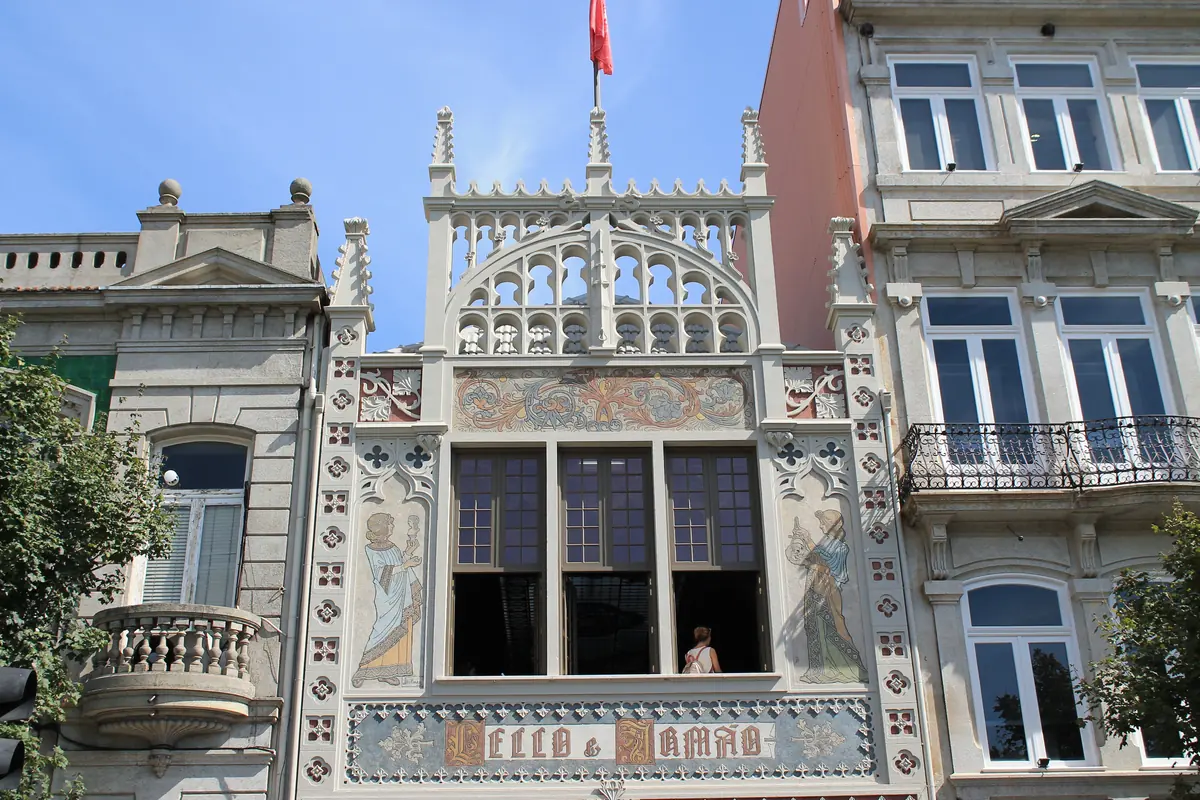
Livraria Lello
Rated 4.0 out of 5 on Google Maps from 88,195 reviews, as of October 2026Often called the most beautiful bookshop in the world: a 1906 neo-Gothic jewel box with a sinuous crimson staircase, carved wood and a stained-glass ceiling, rumoured (the shop leans into it) to have inspired Harry Potter's Hogwarts. It's tiny, extraordinary and permanently mobbed.
- Insider tip
- Insider tip: Entry is timed and ticketed - buy online for a specific slot and go at opening or the last slot to dodge the worst crush. The ticket price is redeemable against any book, so you effectively pay only if you leave empty-handed. Manage expectations: it's beautiful but small and very crowded; five focused minutes gets the magic.
History
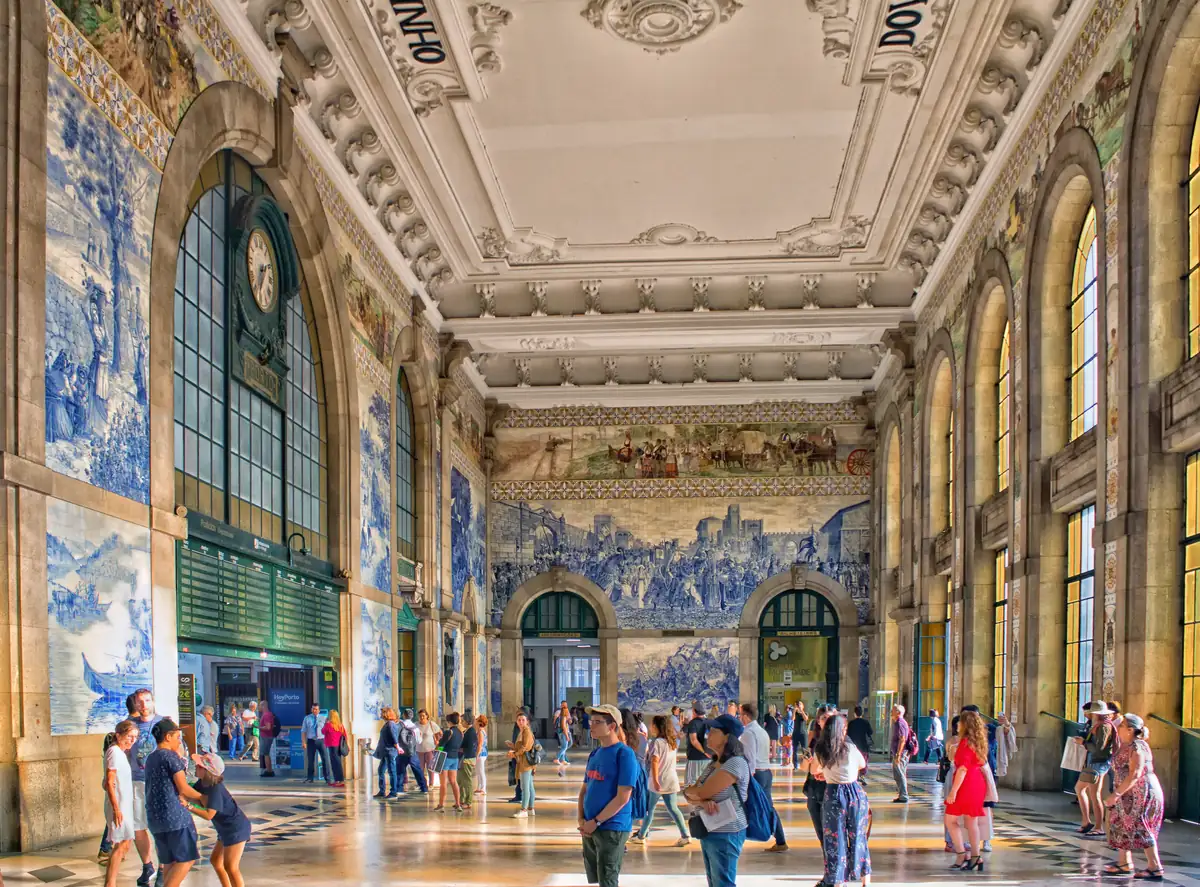
Sao Bento railway station
Rated 4.7 out of 5 on Google Maps from 357 reviews, as of October 2026FreePorto's central station has one of the most beautiful entrance halls anywhere: 20,000 hand-painted azulejo tiles covering the walls in vast blue-and-white panels depicting Portuguese history and rural life. It's a working station, free to enter, and takes five minutes to leave you slack-jawed.
- Insider tip
- Insider tip: It's completely free and central - just walk in. Go early or late to photograph the hall without commuter crowds. It sits at the top of the climb from the Ribeira, so use it as a landmark, and it's the departure point for the scenic Douro valley trains.
Views
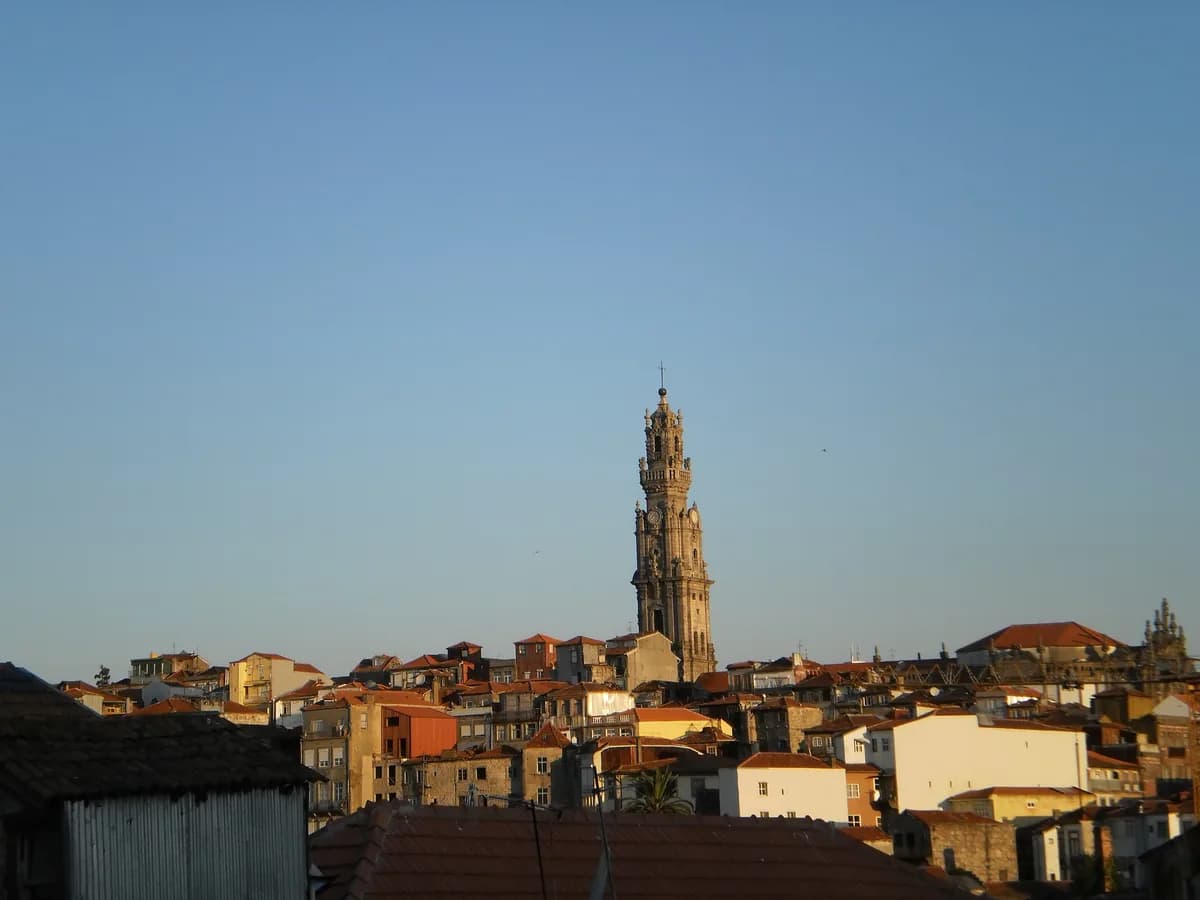
Clerigos Tower
The slender baroque bell tower of the Clerigos church, for a long time the tallest structure in the city, gives the best 360-degree view over Porto's rooftops, the river and the sea from its top - reward for a 240-step climb up a tight spiral stair. The ornate church below is worth the look on the way.
- Insider tip
- Insider tip: Buy a timed ticket online to skip the queue for the narrow stair, and go near opening. The climb is steep and single-file - not for the claustrophobic. The ticket includes the church and a small museum. It's steps from Livraria Lello, so pair the two.
Outdoors
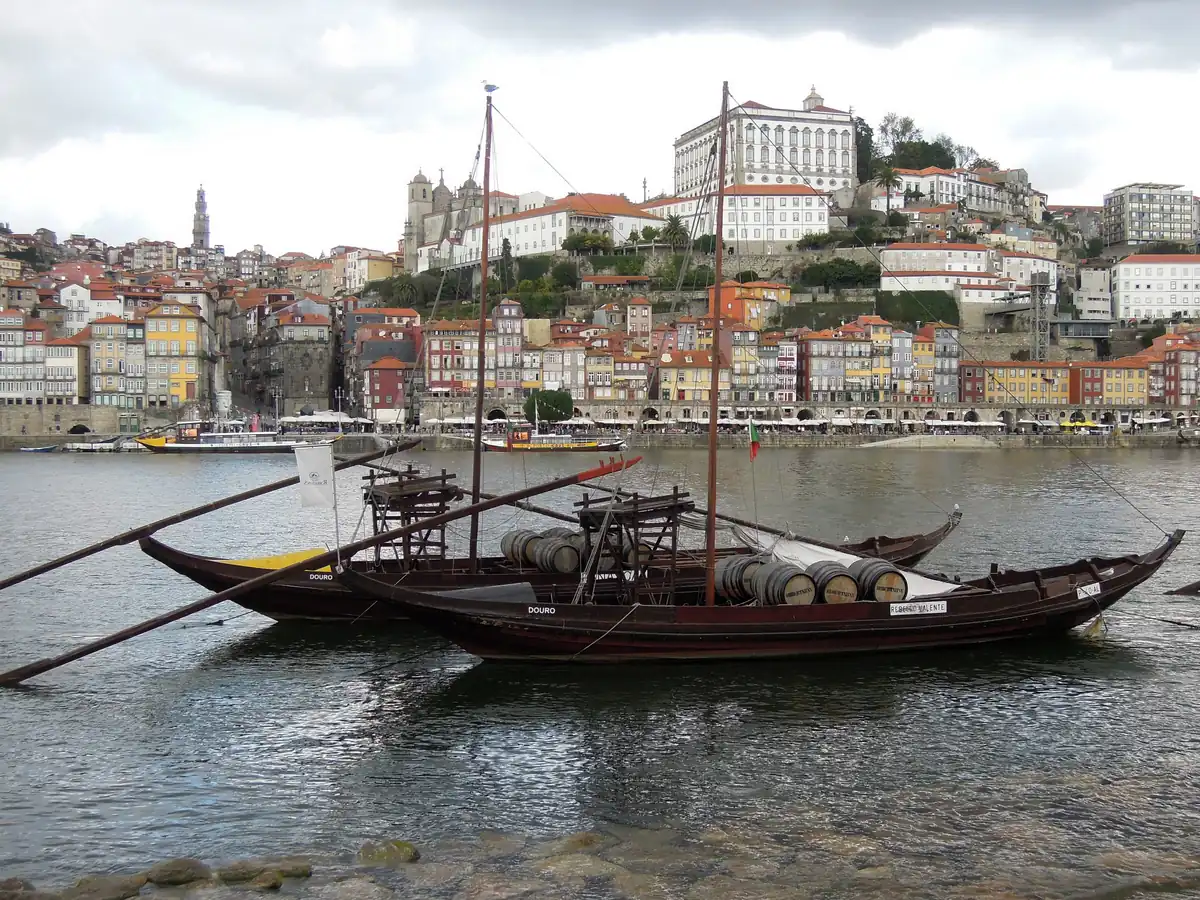
A Douro six-bridges river cruise
The classic hour on the water: a small boat (often a traditional rabelo replica) glides under Porto's six bridges, giving the whole amphitheatre of the city and Gaia from the river the way it was meant to be seen. It's cheap, relaxing and one of the best-value things you can do here.
- Insider tip
- Insider tip: The short six-bridges cruise is inexpensive and needs no advance booking most of the year - just turn up at the Ribeira quay. For more, the full-day cruises up into the Douro wine valley (often cruise-out, train-back) are a superb splurge and do sell out. Sunset sailings are loveliest.
History
Sao Francisco Church
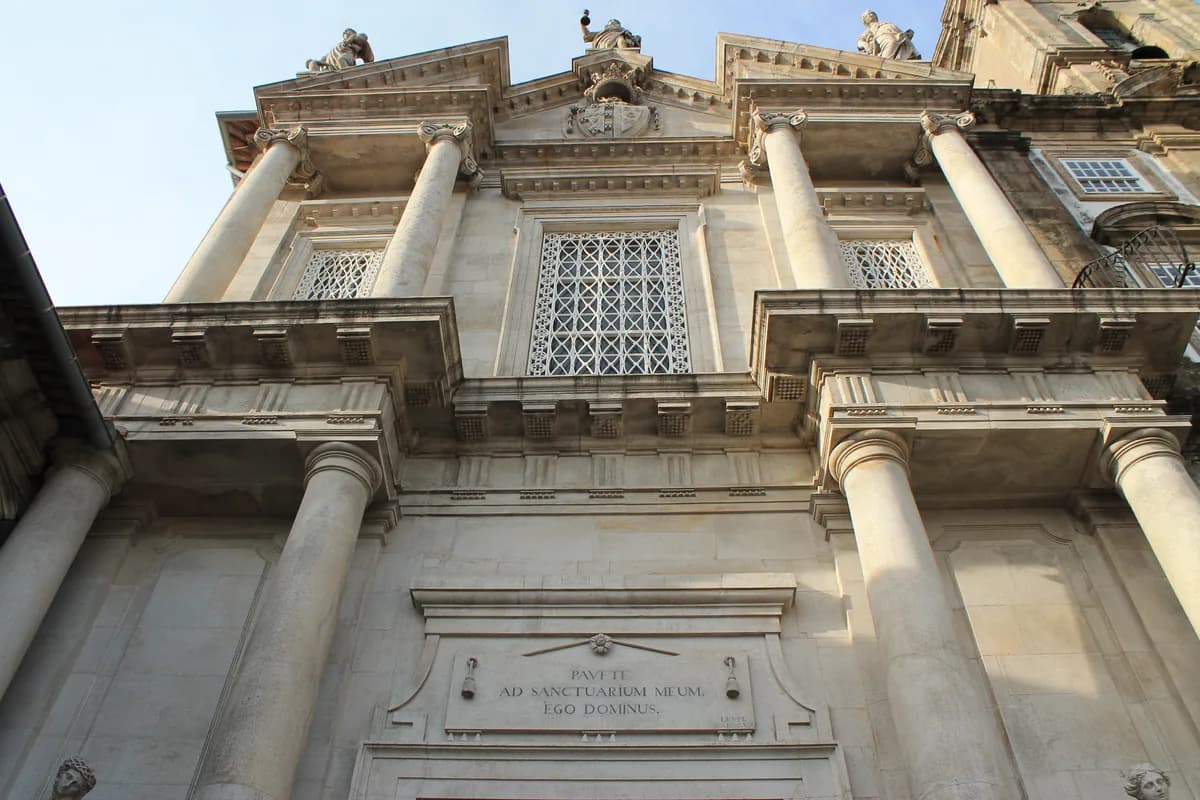
A plain Gothic exterior hides one of Portugal's most jaw-dropping interiors: the entire inside of Sao Francisco is smothered in gilded baroque woodcarving - an estimated several hundred kilos of gold leaf over columns, altars and a famous Tree of Jesse. The eerie catacombs below add a memento-mori counterpoint.
- Insider tip
- Insider tip: Photography rules vary, so check on entry. It's near the Ribeira and the Palacio da Bolsa, so cluster the three. The gold is genuinely overwhelming in the best way - give your eyes a minute to adjust to just how much of it there is.
History
Palacio da Bolsa
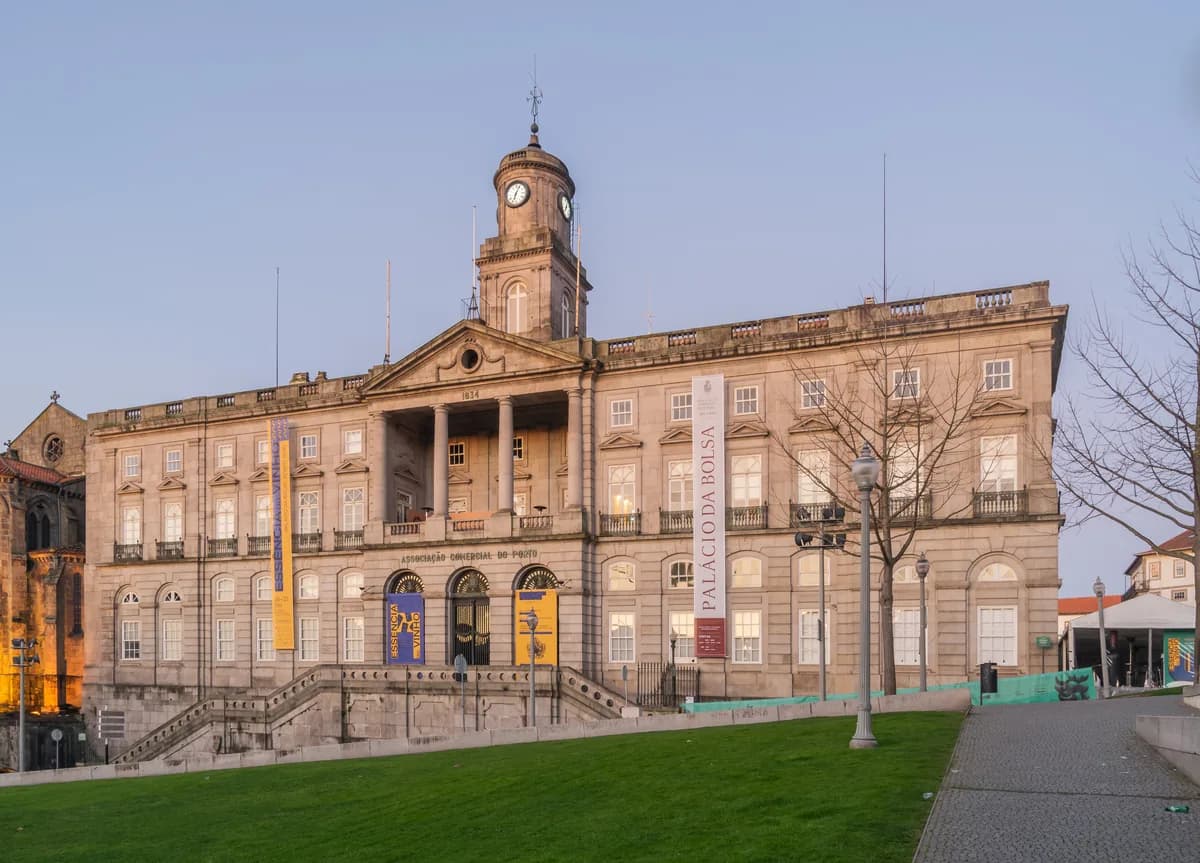
Rated 4.5 out of 5 on Google Maps from 14,636 reviews, as of October 2026The 19th-century former stock exchange is Porto's grandest interior showpiece, and its centrepiece - the Arabian Room, a fantasia of Moorish-revival stucco and gold inspired by the Alhambra - is one of the most opulent rooms in the country. Visits are by guided tour only.
- Insider tip
- Insider tip: You can only see it on a timed guided tour (multiple languages) - book ahead in high season as they fill. The Arabian Room is the finale and the reason to go. It's right beside Sao Francisco church, so do both in one stop near the river.
Food & drink
Mercado do Bolhao
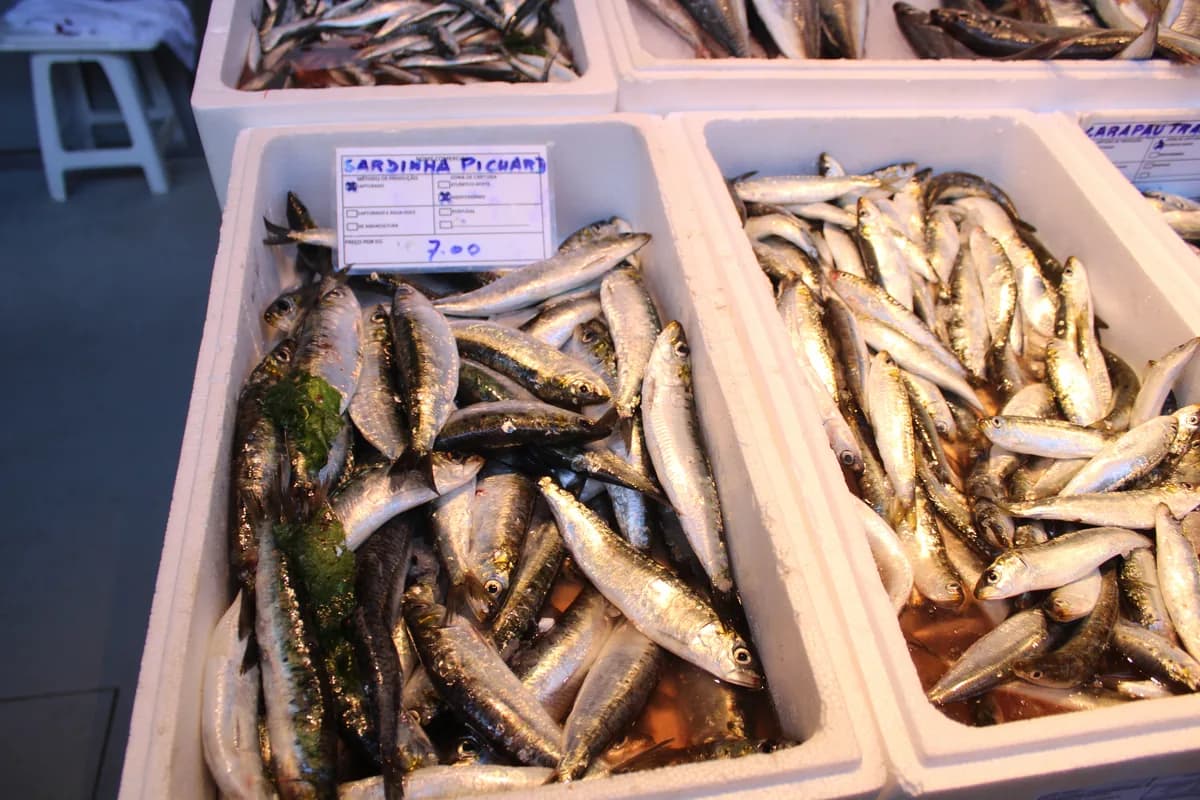
FreePorto's historic 19th-century market, beautifully restored, is where the city shops for its bacalhau, produce, flowers and smoked meats across two galleried levels. It's a working market rather than a food-court pastiche, with counters and small eateries where you can taste your way through Porto's larder.
- Insider tip
- Insider tip: Go in the morning when it's liveliest and the stalls are full. It's a great spot to assemble a picnic or try local cheeses, presunto and pastries at the counters. A guided food tour that includes Bolhao and the francesinha is a strong first-day orientation.
Food & drink
Eat a francesinha
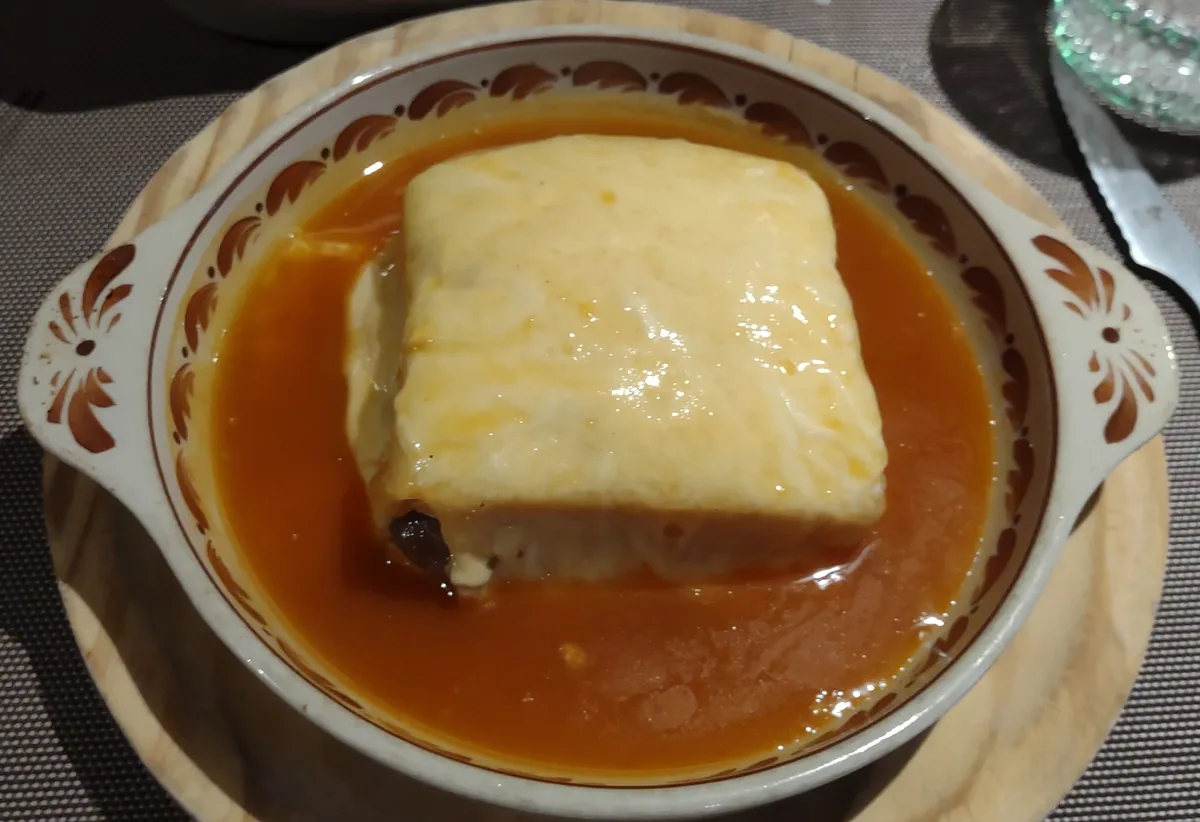
Porto's outrageous signature dish: a sandwich of cured meats and steak layered with cheese, drowned in a spicy beer-and-tomato sauce and usually crowned with a fried egg and chips. It's a heart-stopping local institution, and arguing over who makes the best one is a civic sport.
- Insider tip
- Insider tip: It's a full, heavy meal - share one if you're not ravenous, and it's better at lunch than before a night out. Cafe Santiago and Brasao are the perennial contenders locals will fight you over. Wash it down with a cold Super Bock, not port.
Neighbourhoods
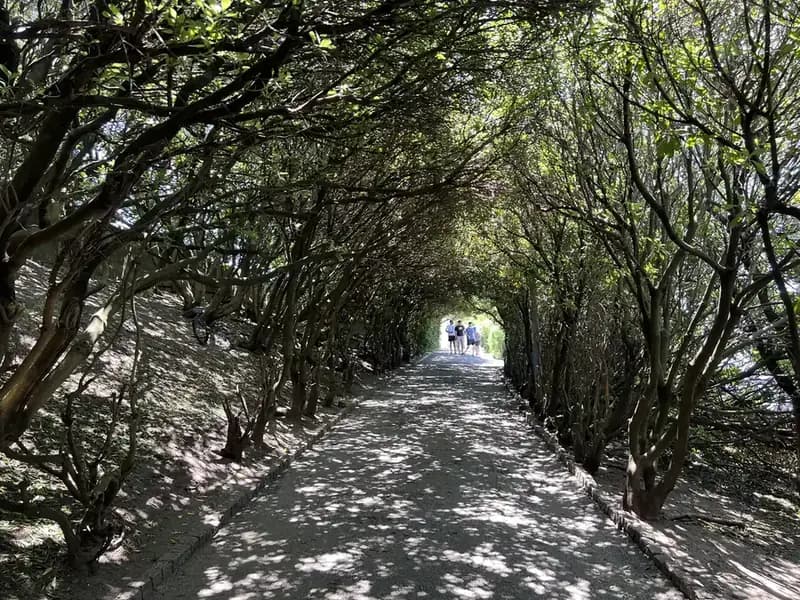
Foz do Douro & the coast
FreeWhere the Douro meets the Atlantic, Porto turns seaside: Foz is a genteel district of promenades, lighthouses, rock pools and beach cafes, reached by a lovely riverside tram ride. It's the local escape from the tourist centre and a fine spot for a sunset over the ocean.
- Insider tip
- Insider tip: Take the historic tram 1 along the river to Foz - the ride is half the pleasure. Walk the seafront promenade north past the gardens and the Felgueiras lighthouse. It's a perfect late-afternoon half-day; time it to catch the Atlantic sunset with a drink.
Views
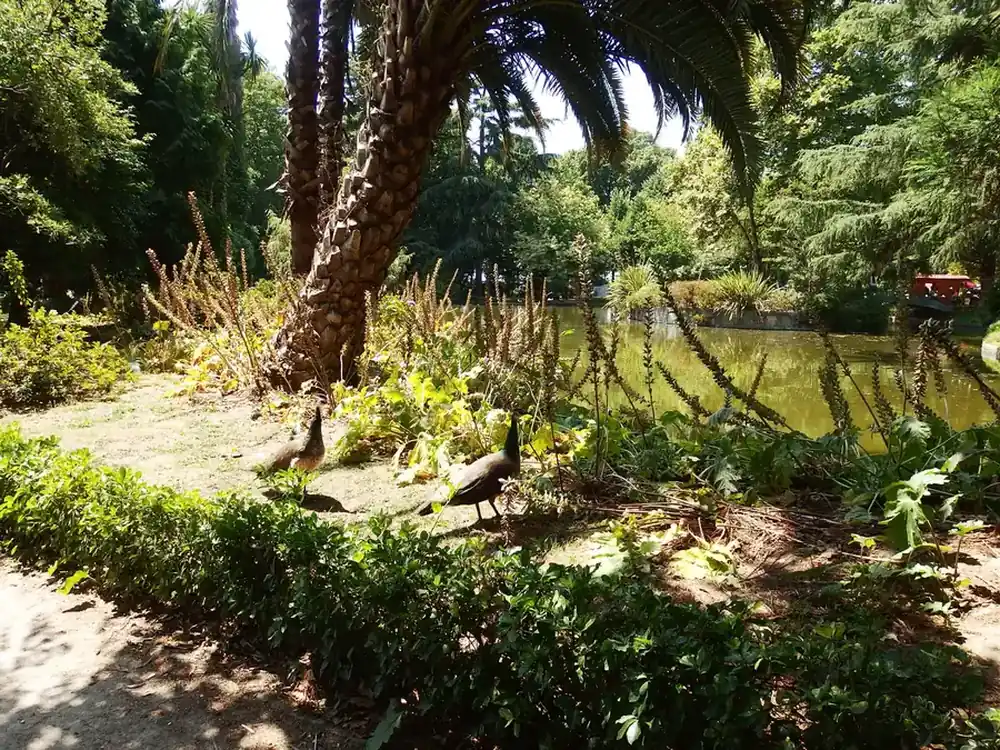
Crystal Palace gardens (Jardins do Palacio de Cristal)
Rated 4.6 out of 5 on Google Maps from 48,940 reviews, as of October 2026FreeTerraced hillside gardens above the Douro, laced with paths, peacocks, fountains and hidden viewpoints looking down the river to the sea. It's the loveliest green space in the centre and one of the best free sunset spots in the city, away from the Ribeira crowds.
- Insider tip
- Insider tip: It's free and open daily - head to the western terraces for the river-mouth panorama at golden hour. The domed hall hosts occasional events. Combine with the nearby Serralves contemporary-art museum and its park if you want a fuller cultural afternoon.
Day trips
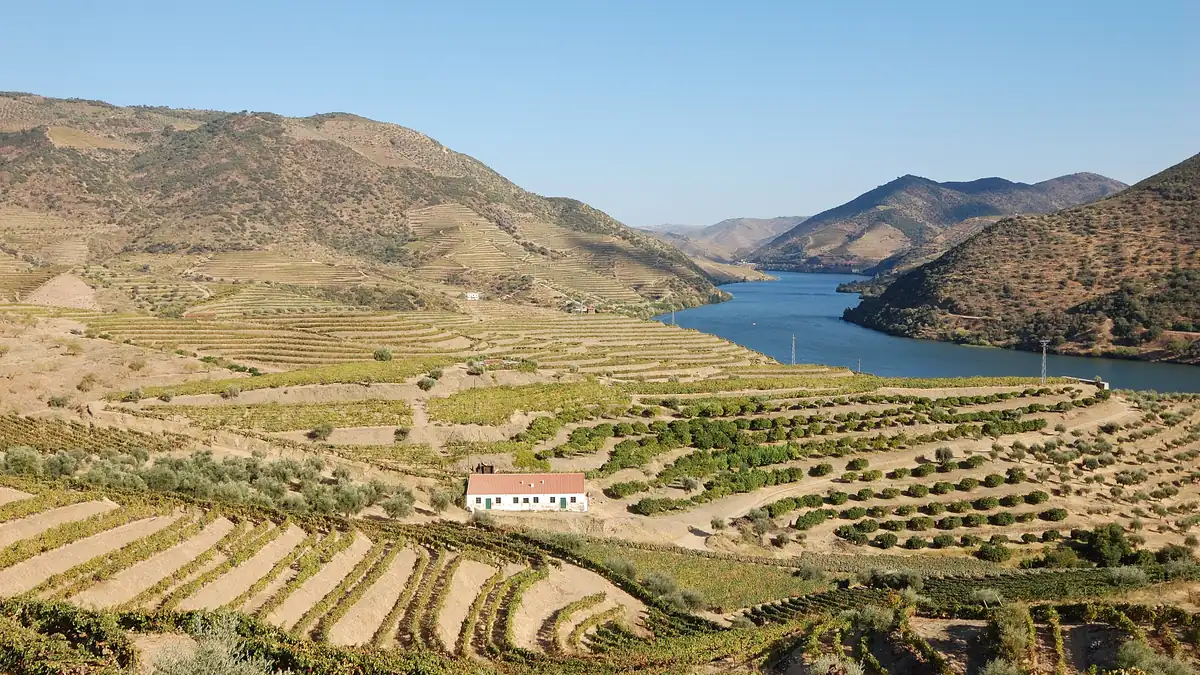
Douro valley wine day trip
The terraced vineyards of the Douro - the world's oldest demarcated wine region - climb the river valley an hour or two upstream, and a day among the quintas (wine estates) for tastings, a valley cruise and lunch over the vines is the region's signature excursion. The scenery alone justifies it.
- Insider tip
- Insider tip: The organised day tours handle the driving (essential - you'll be tasting) and usually bundle two estates, lunch and a short river cruise. For a DIY version, the train from Sao Bento to Pinhao is one of Europe's prettiest rail lines. Either way it's a full day - book ahead in autumn harvest season.
Where to stay in Porto
The best areas to base yourself, and who each suits.
Ribeira & the Baixa
First-timers - the medieval riverfront and the centre put the sights, restaurants and river cruises on your doorstep, though the lanes are steep and can be noisy.
Cedofeita & Bombarda
Arts and independents - Porto's gallery-and-boutique district, walkable to the centre, with the city's best design shops and casual dining.
Vila Nova de Gaia
Port lodges and the view - staying across the river means the port cellars downstairs and the postcard panorama of Porto from your side; a bridge walk from the centre.
Foz do Douro
Seaside calm - where the river meets the Atlantic, with beaches, seafood and promenades; a tram or drive out from the buzz of the centre.
Planning your Porto trip
Best time to visit
May to June and September to early October are the sweet spot - warm days in the low-to-mid 20s°C, the Douro valley green or golden, and manageable crowds. July and August are the warmest and busiest, though Porto's Atlantic position keeps it cooler and fresher than inland or southern Portugal. Porto is genuinely rainy in winter (it's one of Europe's wetter cities November to February), but those months are cheap, quiet and atmospheric if you pack a jacket. June brings the wild Sao Joao festival, one of Portugal's best street parties.
Getting around
Francisco Sa Carneiro Airport (OPO) connects to the centre by Metro line E in about 30-40 minutes for a couple of euros - much cheaper than a taxi. In the centre you walk, but Porto is seriously hilly: the Ribeira is down at the river and almost everything else is uphill, so expect steep lanes and staircases. The Funicular dos Guindais saves the brutal climb from the river up to Batalha, the historic tram 1 trundles along the riverfront to Foz, and a rechargeable Andante card covers Metro, buses, the funicular and trams. Cross to Gaia on foot over either deck of the Dom Luis bridge.
Things to do in Porto: FAQ
The questions travelers ask most when planning a trip here.
More things-to-do guides
Continue Planning Your Trip
Where to Stay
The best area to stay in each city, by neighborhood
Car Rental
Real prices, driving tips and the best routes by destination
Airport Transfers
Getting from the airport to your hotel, by price and time
All-Inclusive Guides
What all-inclusive really means, by destination
Best Time to Visit
Month-by-month weather, crowds and prices
Route Finder
Find the cheapest way to get there
Hotel Finder
Book the right hotel for your destination
AI Trip Planner
Build a day-by-day itinerary
Photo credits (14)
Photos via Wikimedia Commons, used under their respective licences.
- The Ribeira district: Alvesgaspar - CC BY-SA 4.0 · source
- Cross the Dom Luis I bridge: Deensel - CC BY 2.0 · source
- Port tasting in Vila Nova de Gaia: Dale Cruse - 10M views from San Francisco, CA, USA - CC BY 4.0 · source
- Livraria Lello: John Samuel - CC BY-SA 4.0 · source
- Sao Bento railway station: Ray in Manila - CC BY 2.0 · source
- Clerigos Tower: Medullaoblongata Projekt - CC BY-SA 4.0 · source
- A Douro six-bridges river cruise: Güldem Üstün from Istanbul, TURKEY - CC BY 2.0 · source
- Sao Francisco Church: John Samuel - CC BY-SA 4.0 · source
- Palacio da Bolsa: Krzysztof Golik - CC BY-SA 4.0 · source
- Mercado do Bolhao: René Hourdry - CC BY-SA 4.0 · source
- Eat a francesinha: Ih8connecticut - CC0 · source
- Foz do Douro & the coast: John Hayes from San Antonio, Texas, USA - CC BY-SA 2.0 · source
- Crystal Palace gardens (Jardins do Palacio de Cristal): Palickap - CC BY-SA 4.0 · source
- Douro valley wine day trip: Rosino - CC BY-SA 2.0 · source