In Brief
What are the best things to do in Lisbon?
The best things to do in Lisbon are riding Tram 28 through Alfama, visiting the Belem Tower and Jeronimos Monastery, watching sunset from a miradouro viewpoint, eating pasteis de nata at Pasteis de Belem, and day-tripping to the palaces of Sintra. Most sights split between the central Baixa-Alfama core and the riverside Belem district; buy Jeronimos and Sintra tickets online ahead, and ride the trams early to beat the queues.
Key takeaways
- Buy Jeronimos Monastery and Pena Palace tickets online in advance - both regularly sell out and the walk-up lines pass an hour.
- Ride Tram 28 before 9am or after 7pm; midday it's a slow, pickpocket-prone crush.
- Sintra is the essential day trip - go early, pre-book Pena Palace, and see it before the afternoon coach crowds.
- The miradouros (Santa Luzia, Senhora do Monte, Portas do Sol) are free and best at sunset.
15 best things to do in Lisbon
Ranked best-first, with an insider tip and how to book each. Prices and hours change - check before you go.
Icons
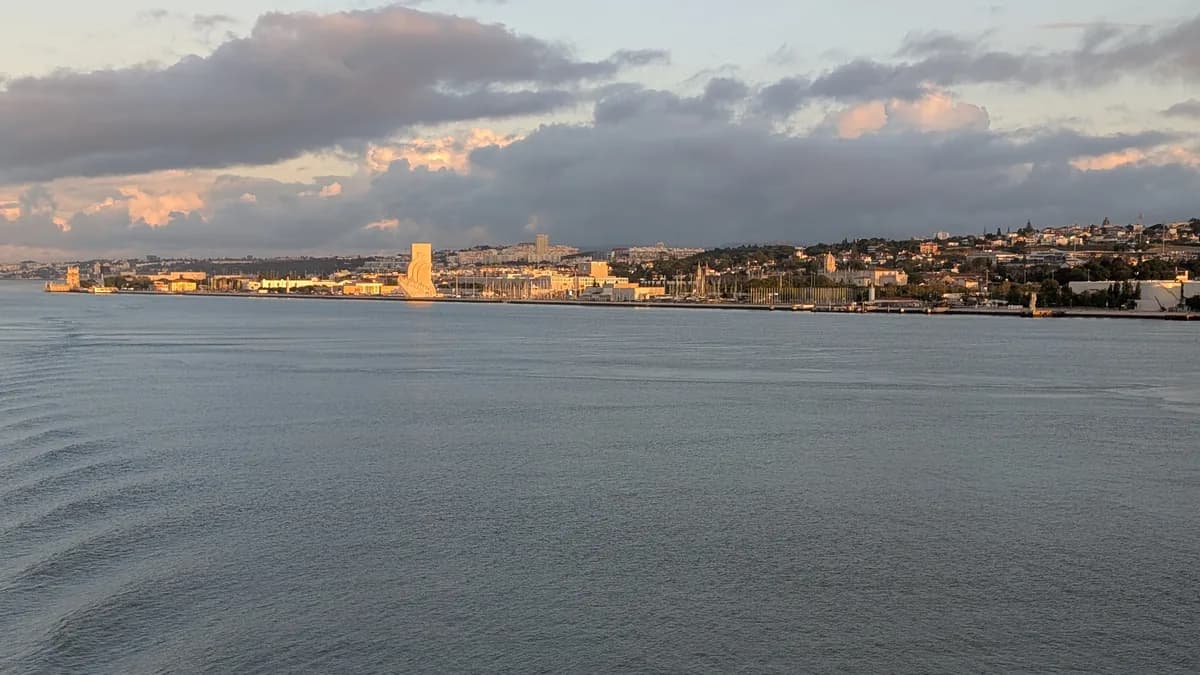
Belem Tower & the Padrao dos Descobrimentos
The 16th-century Belem Tower, a filigreed limestone fort rising straight out of the Tagus, is Lisbon's defining monument and a UNESCO World Heritage Site - the ceremonial gateway from which Portugal's Age of Discovery ships set sail. A short riverside walk away, the vast Monument to the Discoveries juts into the water like a caravel's prow.
- Insider tip
- Insider tip: The tower's interior is cramped with a single narrow spiral stair controlled by traffic lights, so the queue is the visit - book a timed ticket online and go at opening. Honestly, many visitors find the exterior and riverside setting the real reward and skip the climb.
History
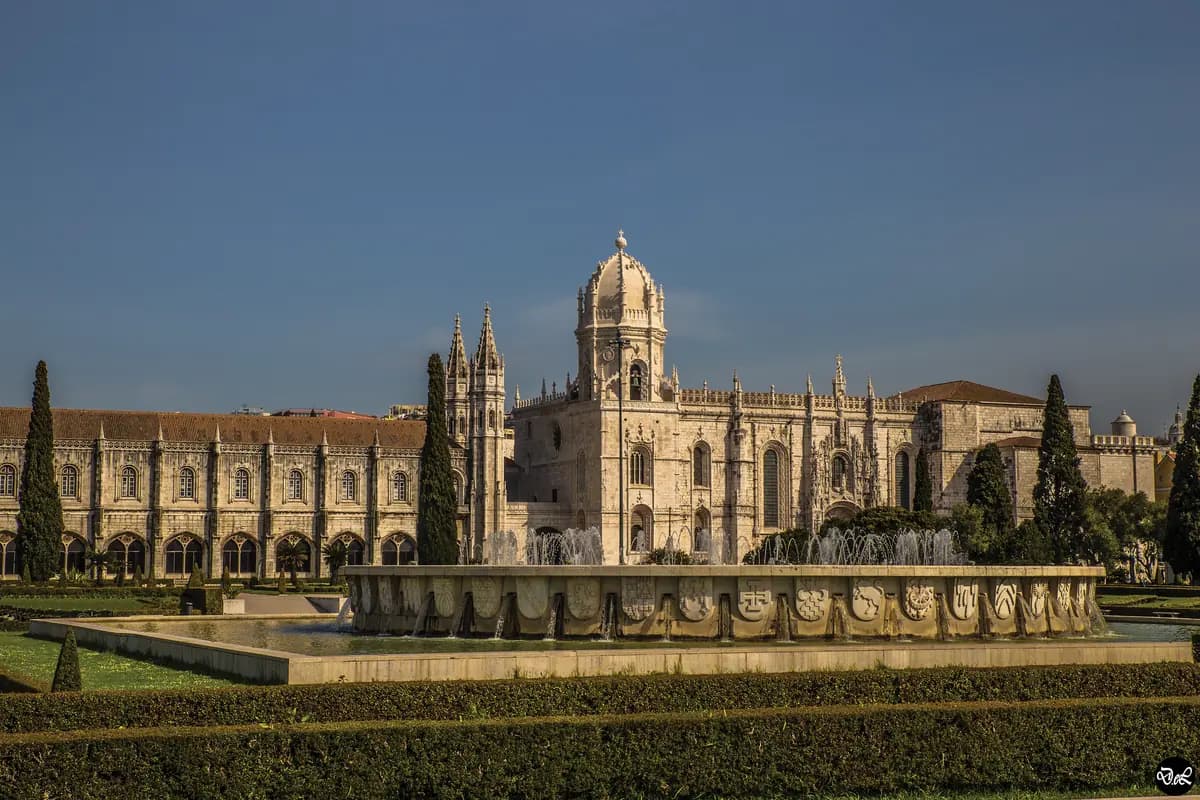
Jeronimos Monastery
The masterpiece of Manueline architecture and the twin UNESCO site beside the tower: a monastery of impossibly intricate carved cloisters where maritime motifs - ropes, corals, armillary spheres - turn stone into lace. Vasco da Gama is entombed in the church, which is free to enter separately from the paid cloister.
- Insider tip
- Insider tip: The cloister queue is one of the worst in the city - a pre-booked timed ticket or the Lisboa Card (which skips the line) is close to essential. Go first thing; the church itself is free, so you can see da Gama's tomb even if you skip the cloister.
Icons
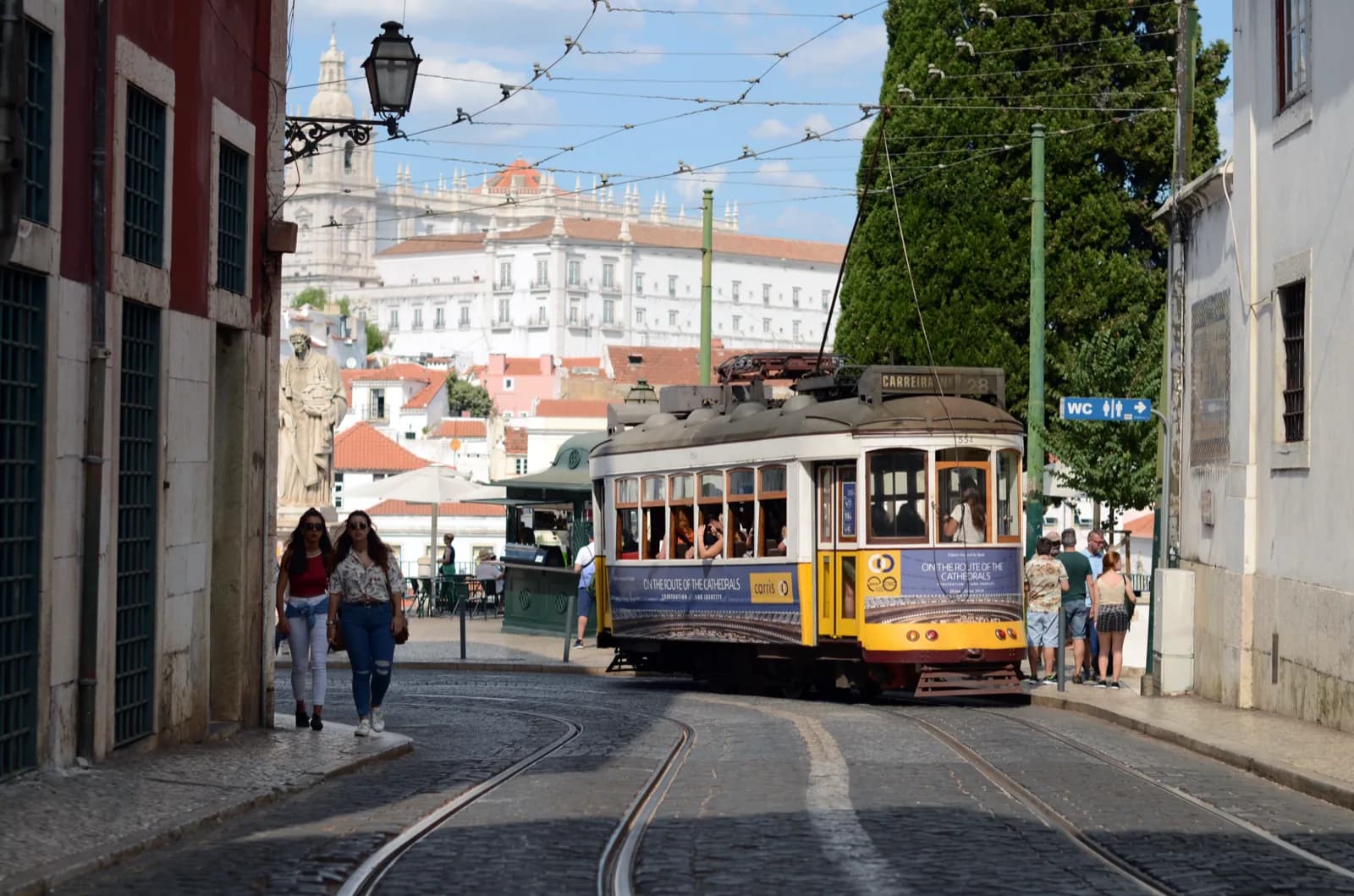
Ride Tram 28
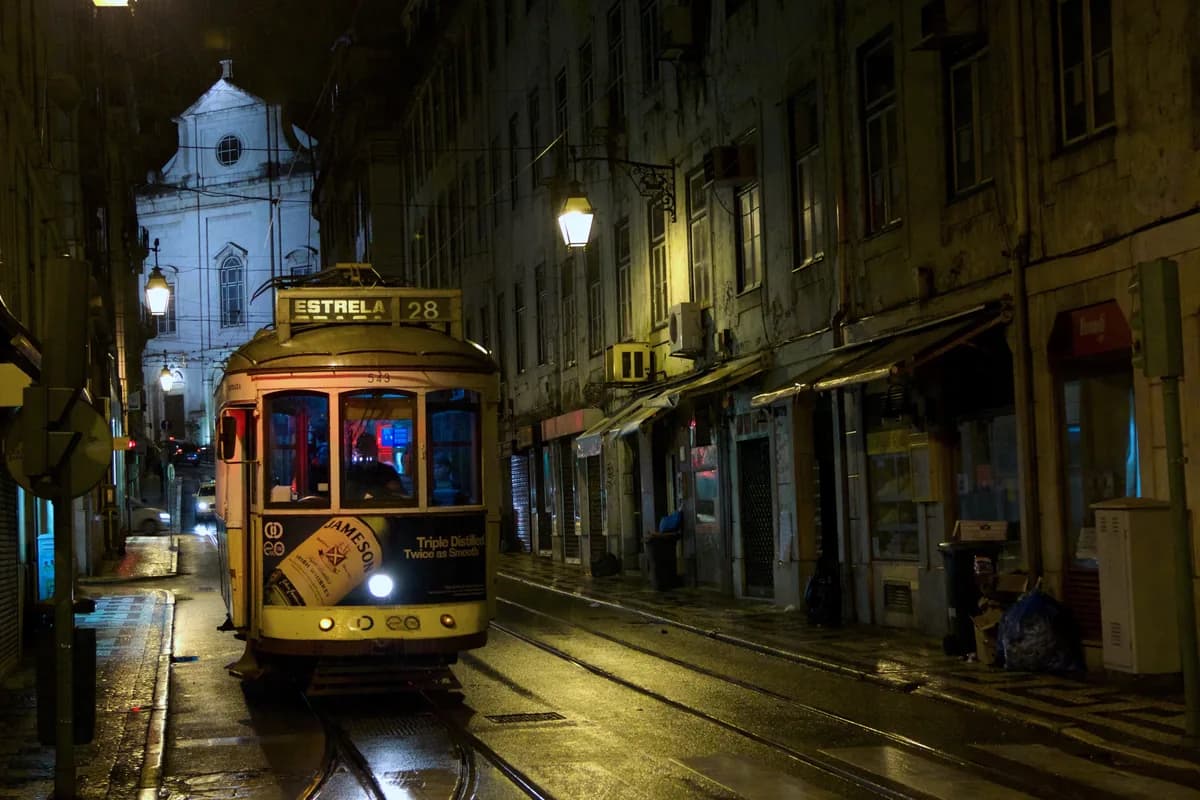
The most famous tram route in Europe: a rattling 1930s wooden Remodelado car that climbs and plunges through Graca, Alfama, Baixa and Estrela, past cathedrals and viewpoints too steep for buses. It's simultaneously working public transport and the single most scenic hour in Lisbon.
- Insider tip
- Insider tip: Board at the Martim Moniz or Graca ends for a seat, and go before 9am or in the evening - by mid-morning it's a standing crush and a notorious pickpocket spot. Keep bags in front of you. If it's full, Tram 12's shorter loop covers the best of Alfama with fewer crowds.
Neighbourhoods
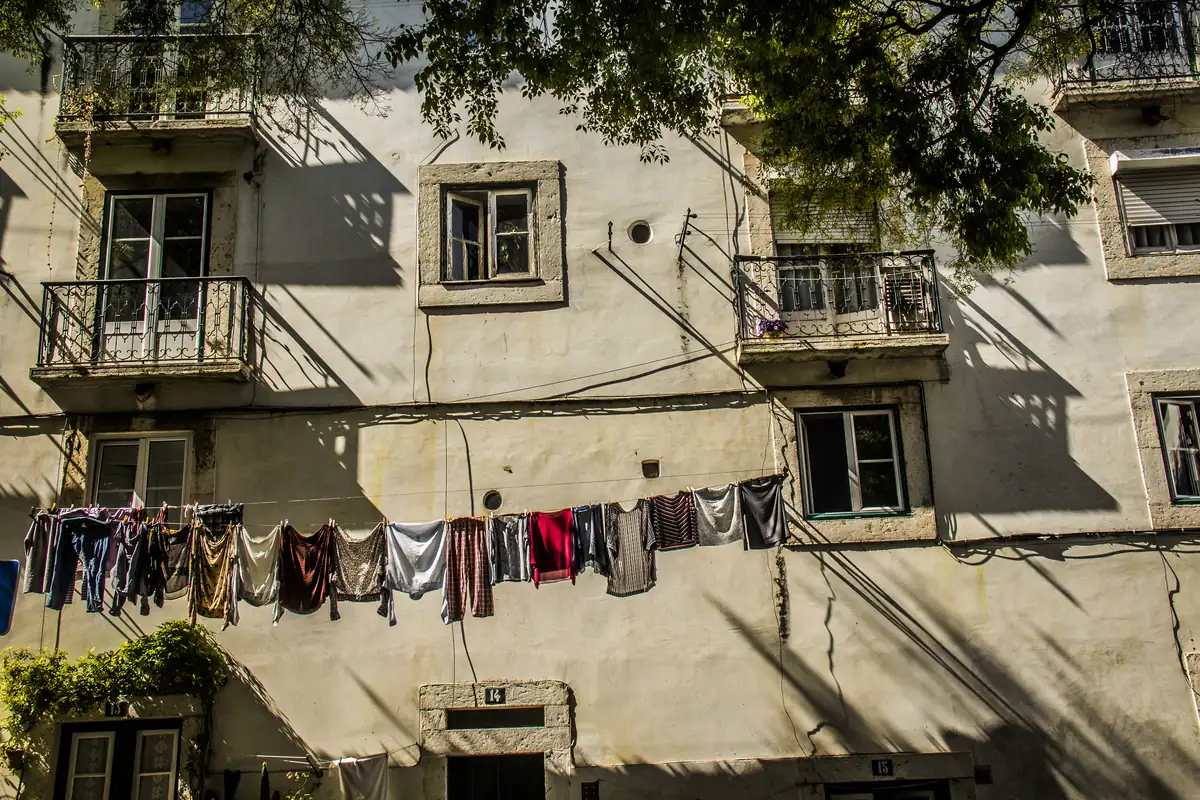
Get lost in Alfama
Lisbon's oldest quarter survived the 1755 earthquake and still feels medieval: a tumble of whitewashed houses, tiled facades, laundry lines and staircases too narrow for cars, spilling down the hill below the castle. Wander with no plan, follow the fado drifting from doorways, and let yourself get thoroughly lost - that's the experience.
- Insider tip
- Insider tip: Come in the late afternoon, get lost deliberately, then land at a fado house for dinner. For the real thing over the tourist versions, look for small family-run 'fado vadio' spots where locals sing. The Feira da Ladra flea market fills the quarter on Tuesdays and Saturdays.
History
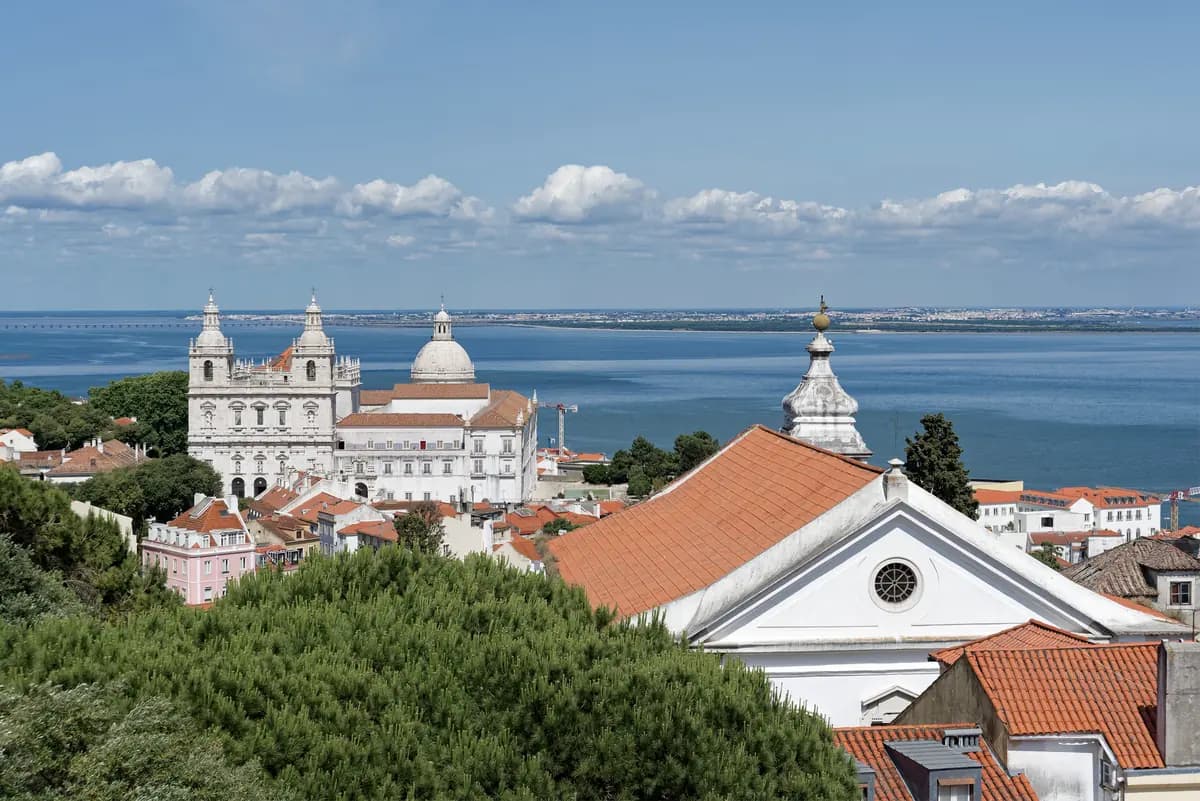
Sao Jorge Castle
The Moorish castle crowning Lisbon's highest hill has watched over the city for a thousand years, and its ramparts deliver the definitive panorama - the whole terracotta sprawl tumbling to the Tagus and the 25 de Abril bridge beyond. Peacocks roam the grounds and a camera obscura gives a live 360 of the city.
- Insider tip
- Insider tip: Go late afternoon for golden light and the best photos, and walk up through Alfama rather than taking a taxi - the approach is half the pleasure. Tickets are cheaper booked online, and the on-site restaurant terrace is a fine sunset spot if you time it right.
Views
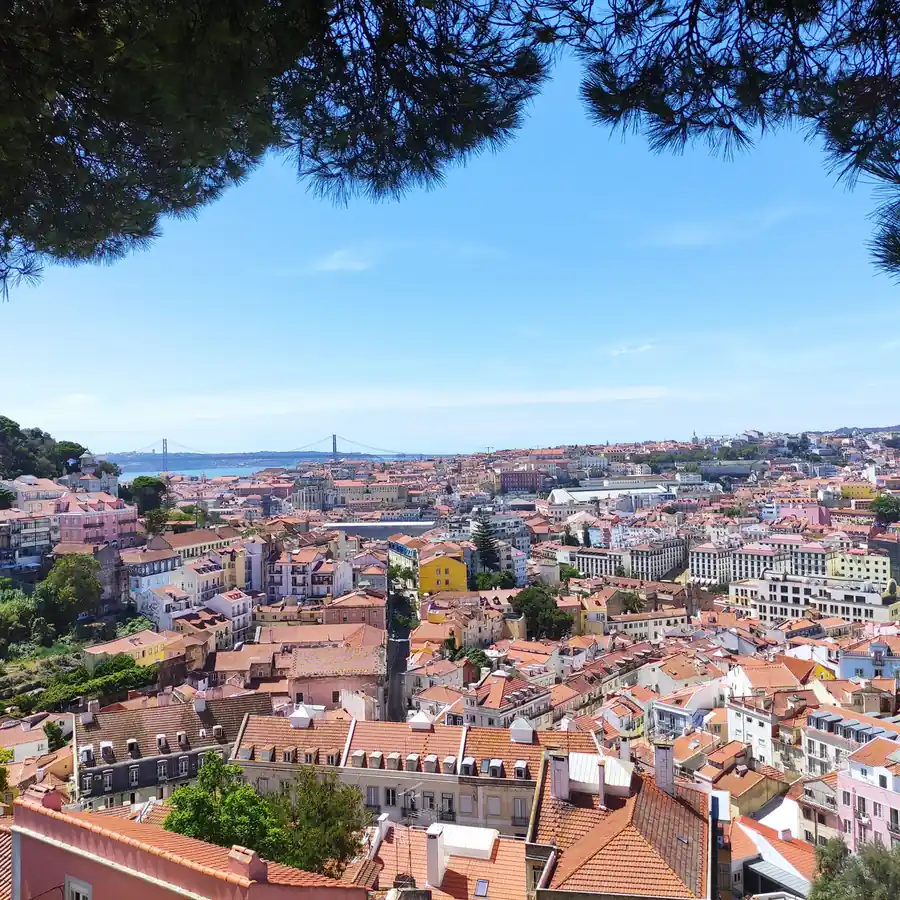
The miradouros (viewpoints)
FreeLisbon's hills mean terraces with views, and the city has turned them into a culture: the miradouros are landscaped belvederes, often with a kiosk cafe and a busker, where locals and visitors gather at golden hour. Santa Luzia (tiled and jasmine-draped), Portas do Sol, Senhora do Monte (the highest) and Sao Pedro de Alcantara are the classics.
- Insider tip
- Insider tip: They're all free. Senhora do Monte is the highest and least crowded for sunset; Santa Luzia is the most photogenic. Grab a drink from the kiosk, claim a wall, and watch the light go gold over the rooftops - the quintessential free Lisbon evening.
Food & drink
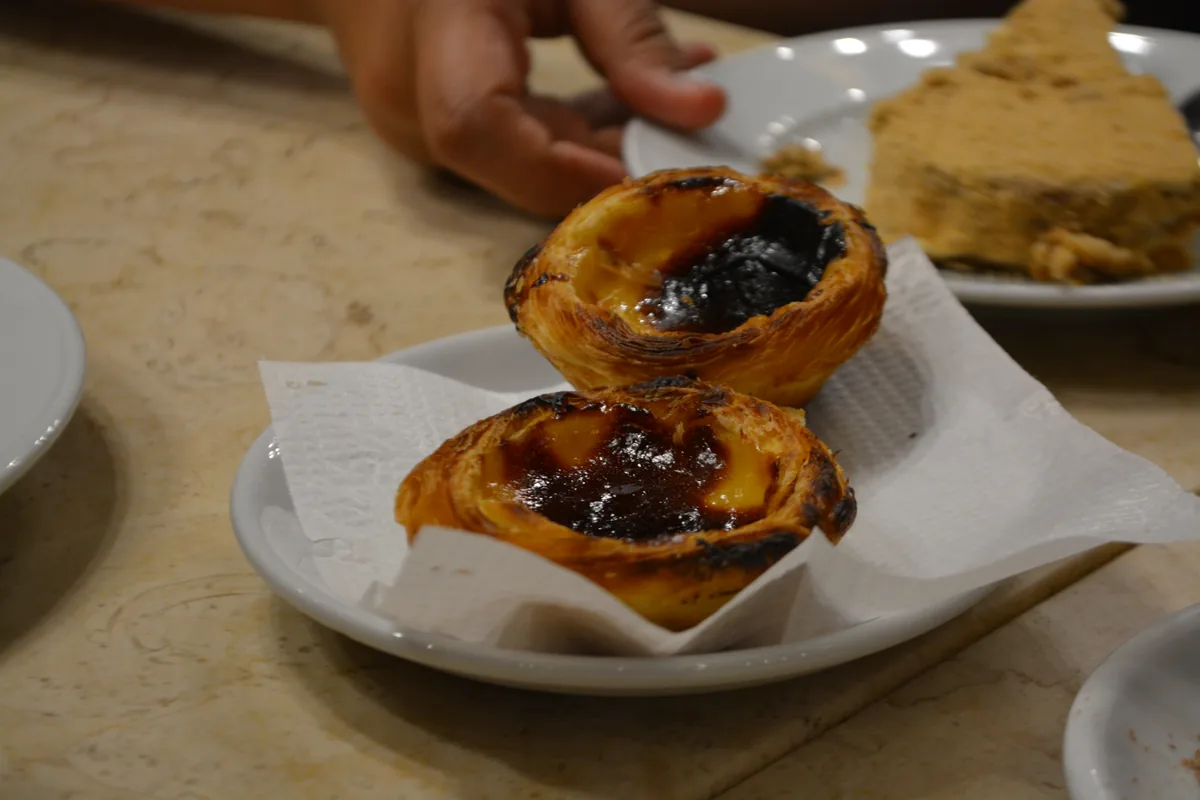
Pasteis de Belem & the pastel de nata
The custard tart was perfected by monks at the Jeronimos Monastery, and since 1837 the Pasteis de Belem bakery next door has made them to the original secret recipe - flaky, blistered, warm, dusted with cinnamon. It's a genuine institution, not a tourist trap, and the benchmark against which every other nata in the country is judged.
- Insider tip
- Insider tip: The takeaway queue looks terrifying but moves fast; the sit-down rooms inside are vast and often have space. Eat them warm on the spot. For a local debate, compare with Manteigaria in the centre - many Lisboetas quietly prefer it. A pastry-and-market food tour is a great first-morning orientation.
Food & drink
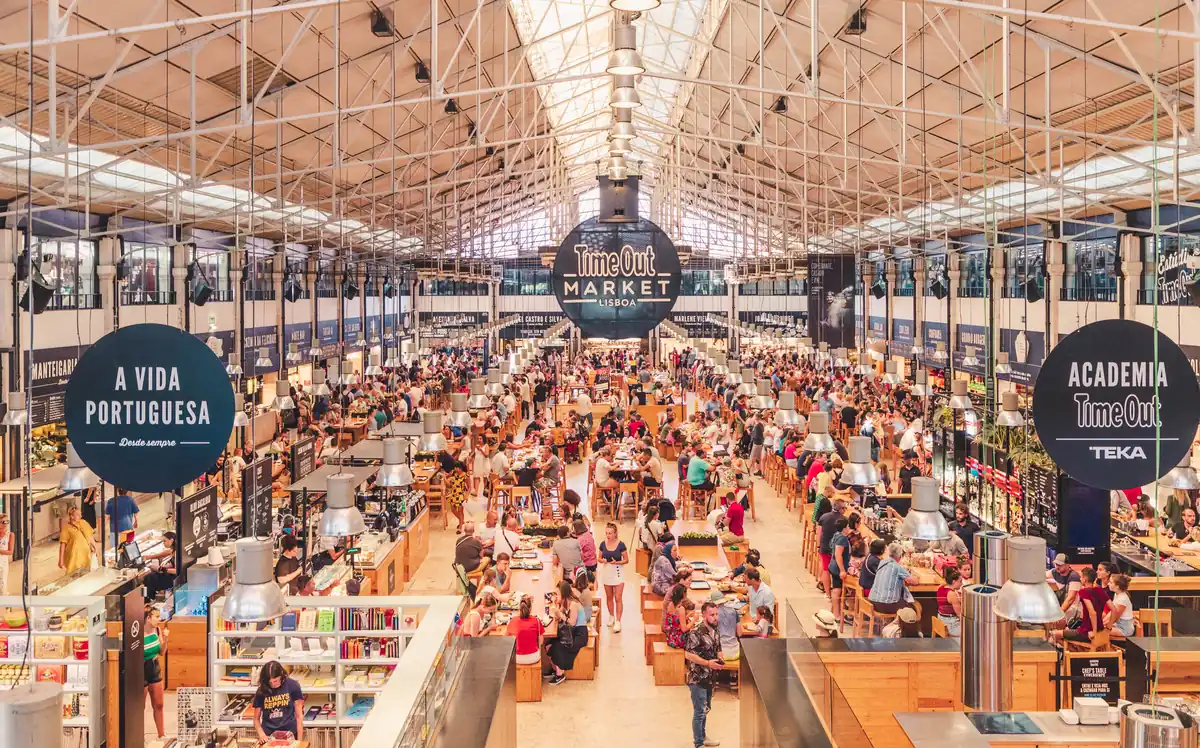
Time Out Market & the Mercado da Ribeira
FreeThe original Time Out Market took Lisbon's 19th-century riverside food hall and filled it with stalls from the city's best chefs and restaurants under one roof - a curated crash course in Portuguese food, from bifanas to seafood to petiscos, at communal tables. It's touristy and it's still genuinely good.
- Insider tip
- Insider tip: Go early or late to dodge the lunch and dinner peaks when finding a seat is a contact sport. Split dishes across several stalls rather than committing to one. The traditional half of the market (fruit, veg, fish) still trades in the mornings and is worth a look.
Neighbourhoods
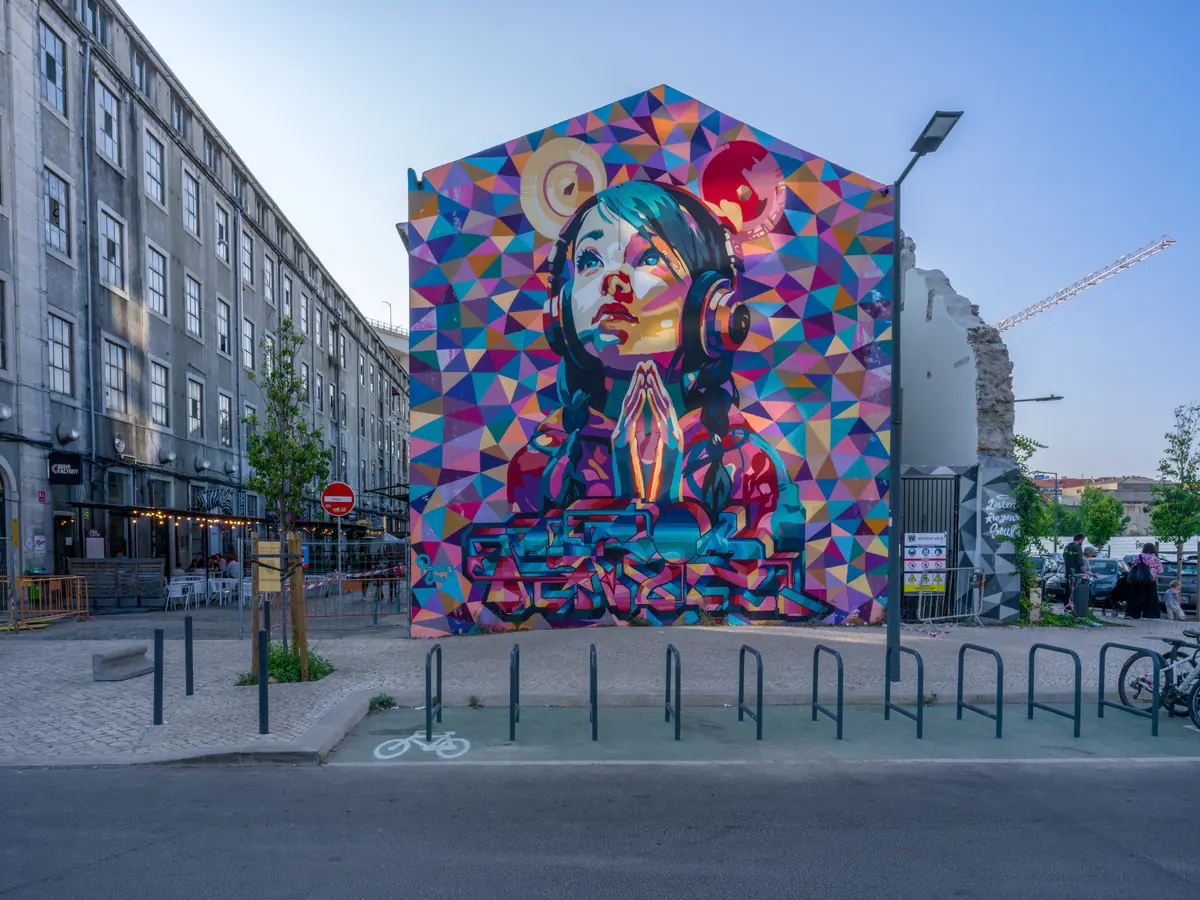
LX Factory
FreeA 19th-century industrial complex under the 25 de Abril bridge reborn as Lisbon's creative quarter: printworks and warehouses now full of independent shops, studios, street art, rooftop bars and the photogenic Ler Devagar bookshop with its flying-bicycle sculpture. It's where the city's design-and-coffee crowd spends its weekends.
- Insider tip
- Insider tip: Sunday brings a market and the best buzz. Come for lunch and stay for a rooftop drink at Rio Maravilha watching the bridge. It's an easy add-on to a Belem day - both sit along the same riverside tram line.
Day trips
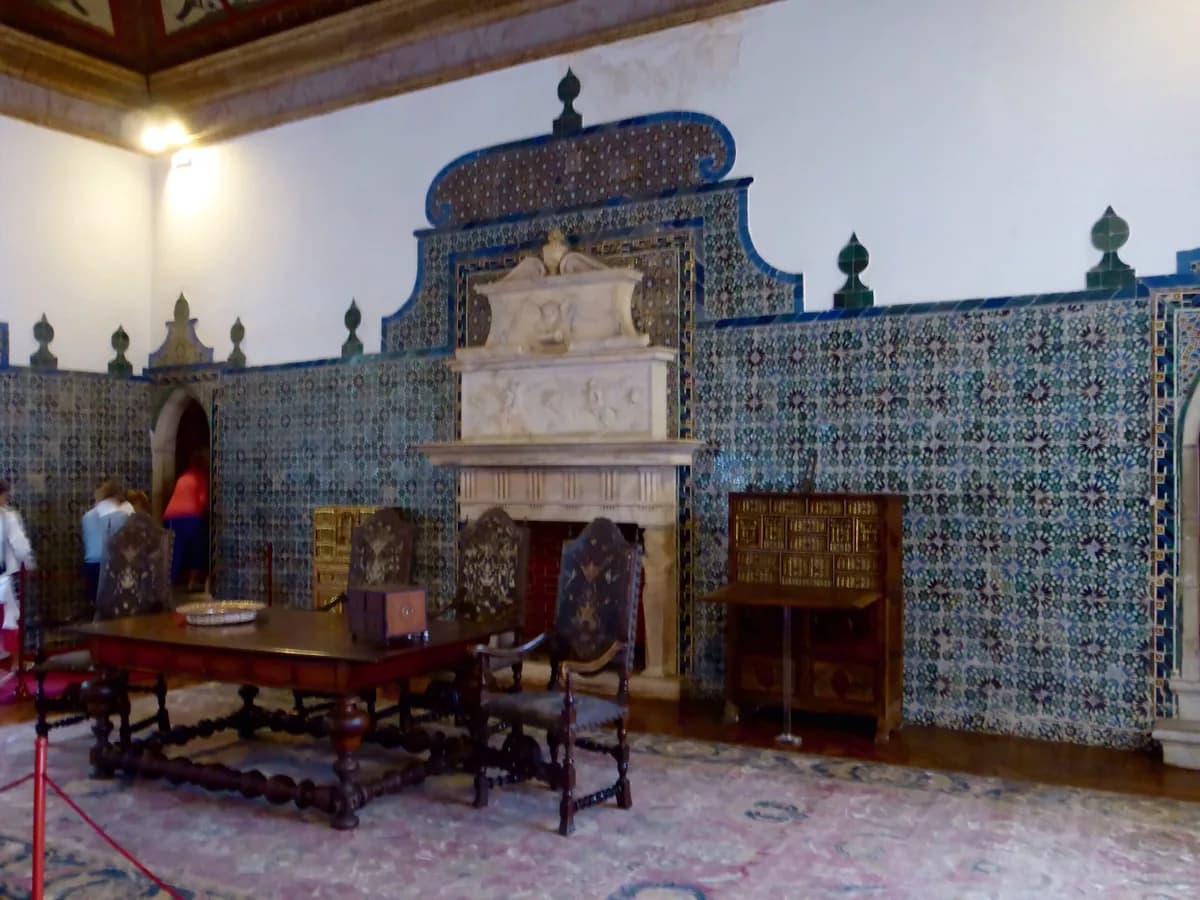
Day trip to Sintra
Forty minutes by train, Sintra is the essential Lisbon day trip: a misty, forested hill town of romantic palaces, chief among them the wildly colourful Pena Palace on its peak and the Quinta da Regaleira with its initiation well and hidden tunnels. UNESCO-listed in its entirety, it feels like stepping into a fairytale.
- Insider tip
- Insider tip: Pre-book a Pena Palace timed ticket - it sells out and the queue is brutal. Take the early train from Rossio station, do the hilltop sights first, and use the 434 tourist bus or a booked tuk-tuk for the steep climbs. A guided day tour that also hits Cabo da Roca and Cascais removes all the logistics.
Icons
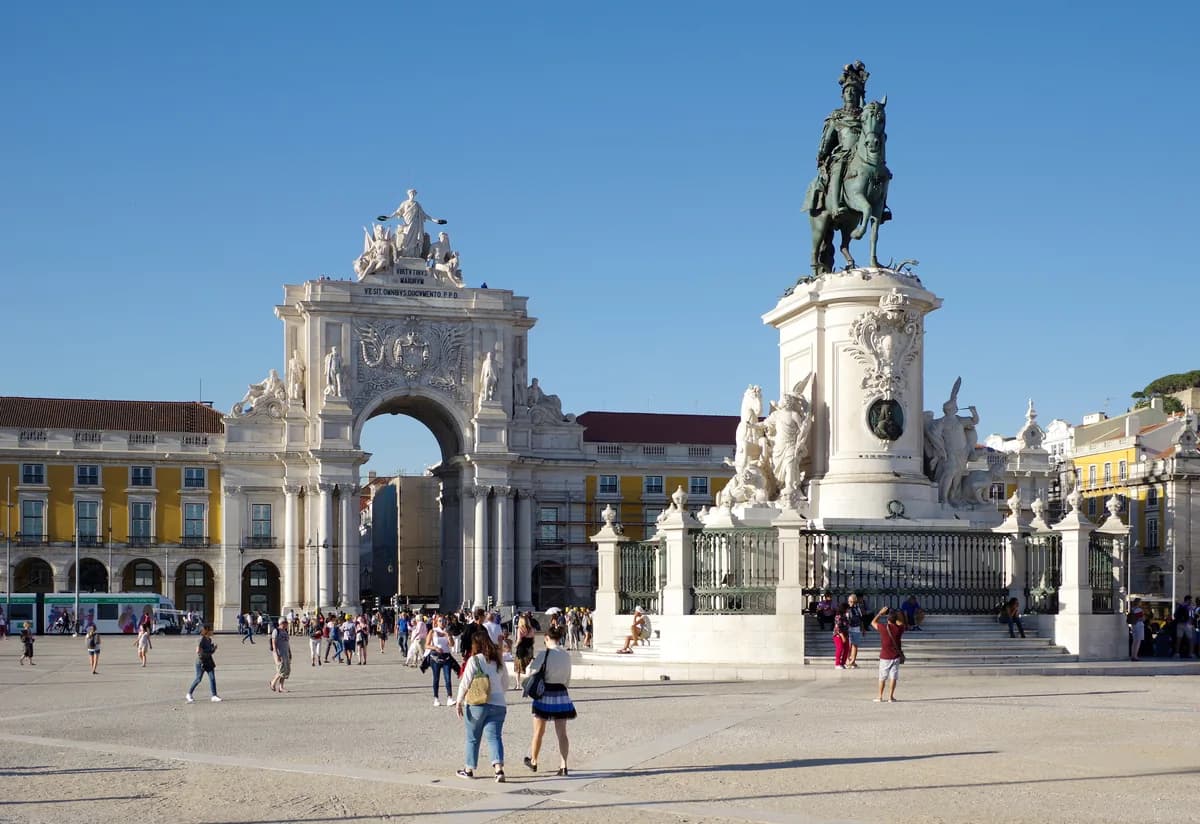
Praca do Comercio & the Baixa
Rated 4.7 out of 5 on Google Maps from 134,747 reviews, as of October 2026FreeThe grand riverfront square, one of Europe's largest, opens the city to the Tagus through a triumphal arch and marks the heart of the elegant Baixa grid rebuilt after the 1755 earthquake. From here the pedestrianised Rua Augusta runs uptown past the Santa Justa lift, mosaic pavements and the shops of the lower town.
- Insider tip
- Insider tip: Climb the Rua Augusta Arch (small fee) for a central rooftop view, or skip the long Santa Justa lift queue by walking up to its top platform from the Carmo Convent side. The riverside steps of the square are a fine spot to sit with a drink at dusk.
History
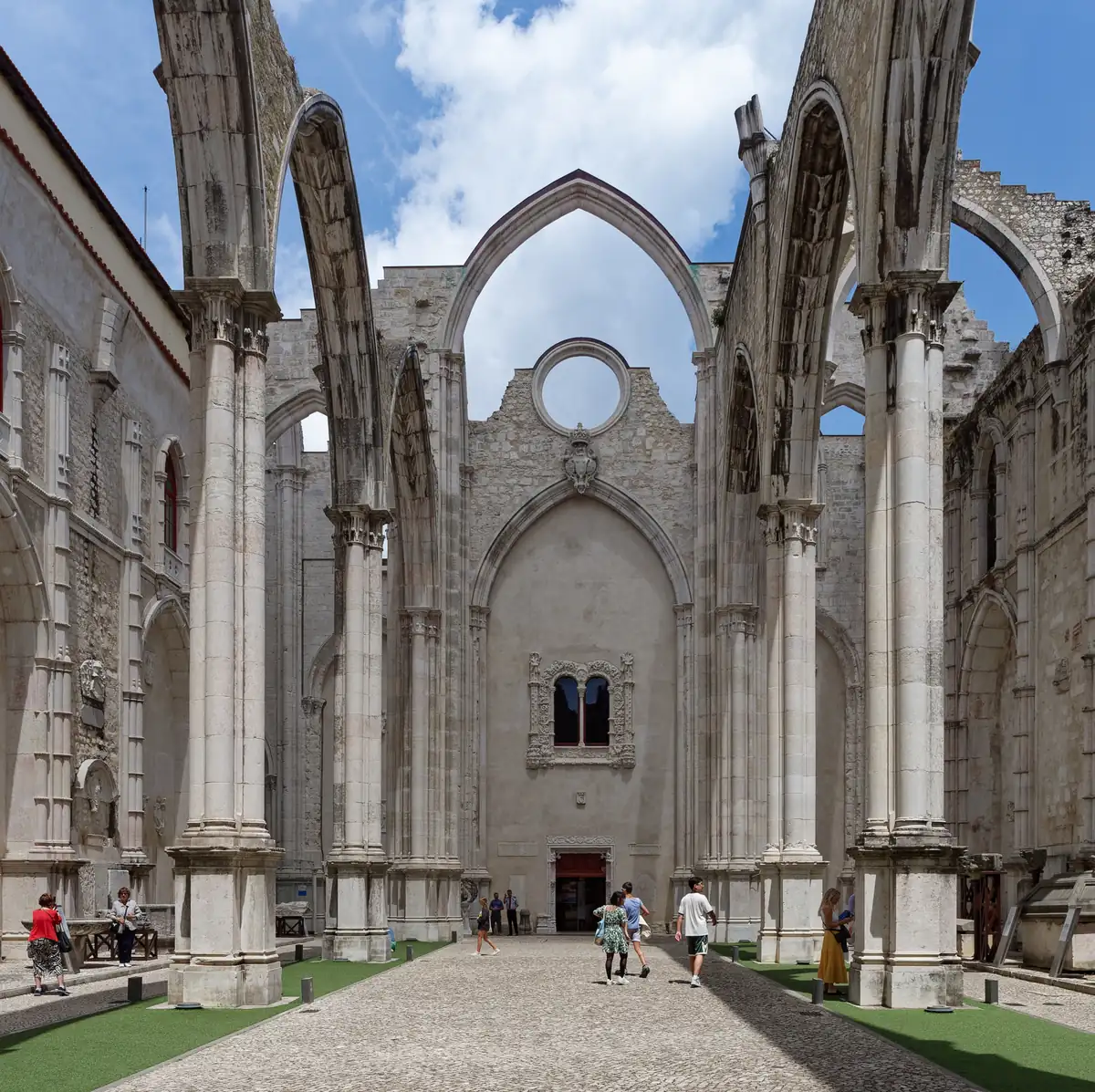
Carmo Convent ruins
The Gothic convent whose roof collapsed in the 1755 earthquake was left as an open-air ruin - a soaring skeleton of arches open to the sky in the middle of the city, and Lisbon's most moving monument to the disaster that reshaped it. A small archaeological museum shelters in the surviving apse.
- Insider tip
- Insider tip: It's steps from the top of the Santa Justa lift, so pair them - and use the Carmo side entrance to reach the lift's viewing platform without the queue below. Late afternoon light through the roofless arches is spectacular for photos.
Outdoors
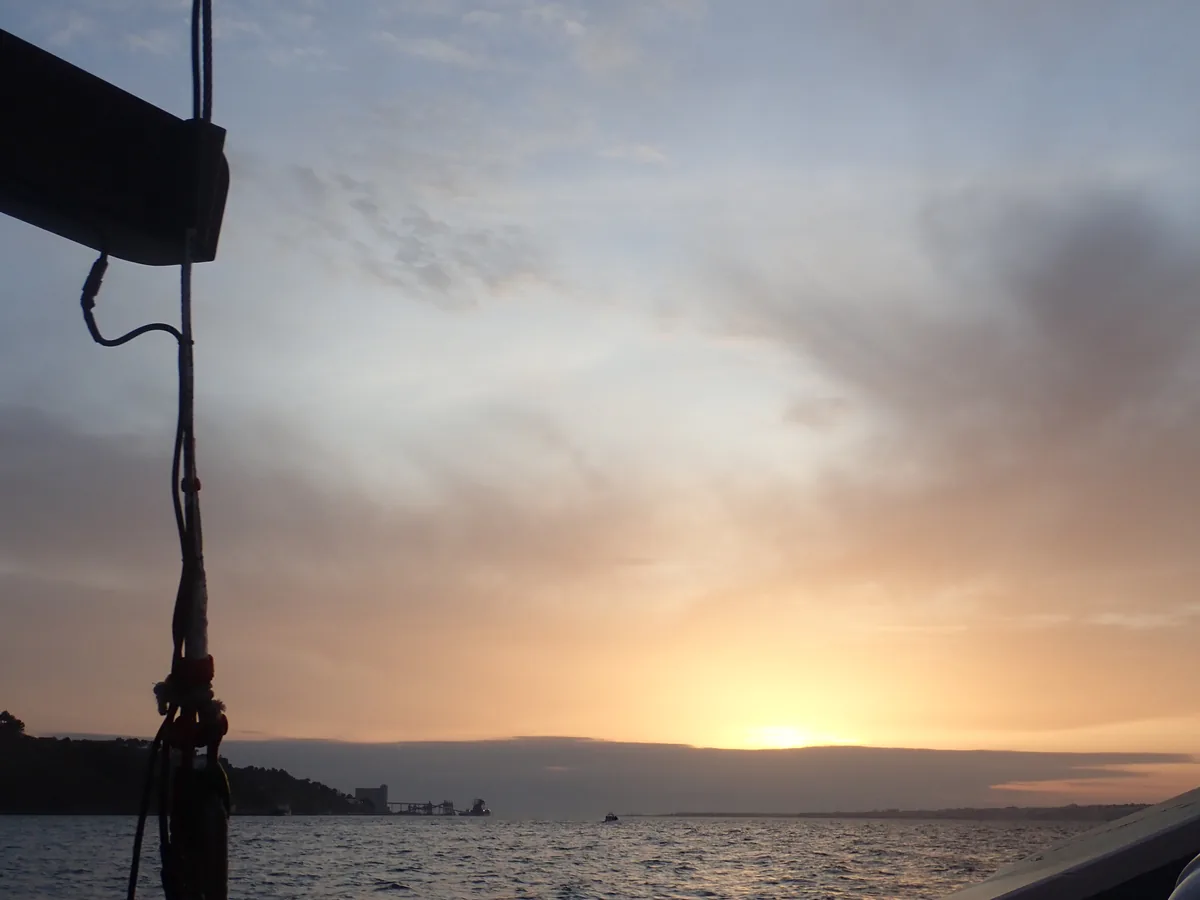
A Tagus river cruise
Lisbon was built to be seen from the water, and an hour on the Tagus reframes the whole city: the monuments of Belem, the vast bridge, the hillside neighbourhoods stacked above the waterfront, all in the soft river light. Sunset sailboat cruises with a glass of wine are one of the city's genuinely lovely small splurges.
- Insider tip
- Insider tip: The small-boat sunset sailings (often on classic yachts) are far nicer than the big catamarans - book ahead in summer as they're small. Sober-tourism aside, the golden-hour timing is what makes it; a midday cruise is pleasant but misses the magic.
Museums
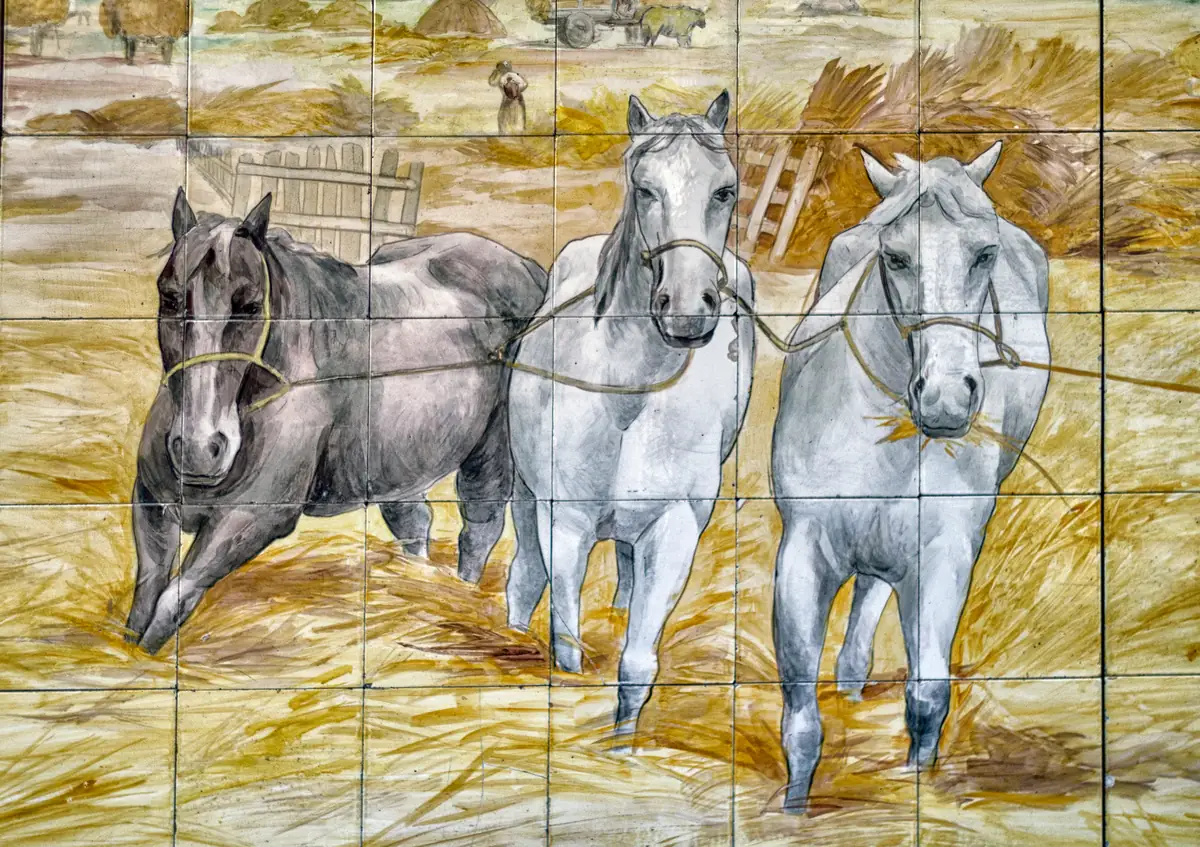
National Tile Museum (Azulejo)
Portugal's love affair with the azulejo - the painted ceramic tile that covers half the country's walls - gets its temple in a former convent, tracing five centuries of the craft up to a spectacular 23-metre panorama of pre-earthquake Lisbon. It's the sleeper hit of the city's museums and explains the tiled facades you've been photographing.
- Insider tip
- Insider tip: It's a little out from the centre in the east, so pair it with a stroll along the newer riverside or a bus back through the Alfama side. The convent church, gilded floor to ceiling, is a bonus most visitors don't expect. Quiet on weekday mornings.
Day trips
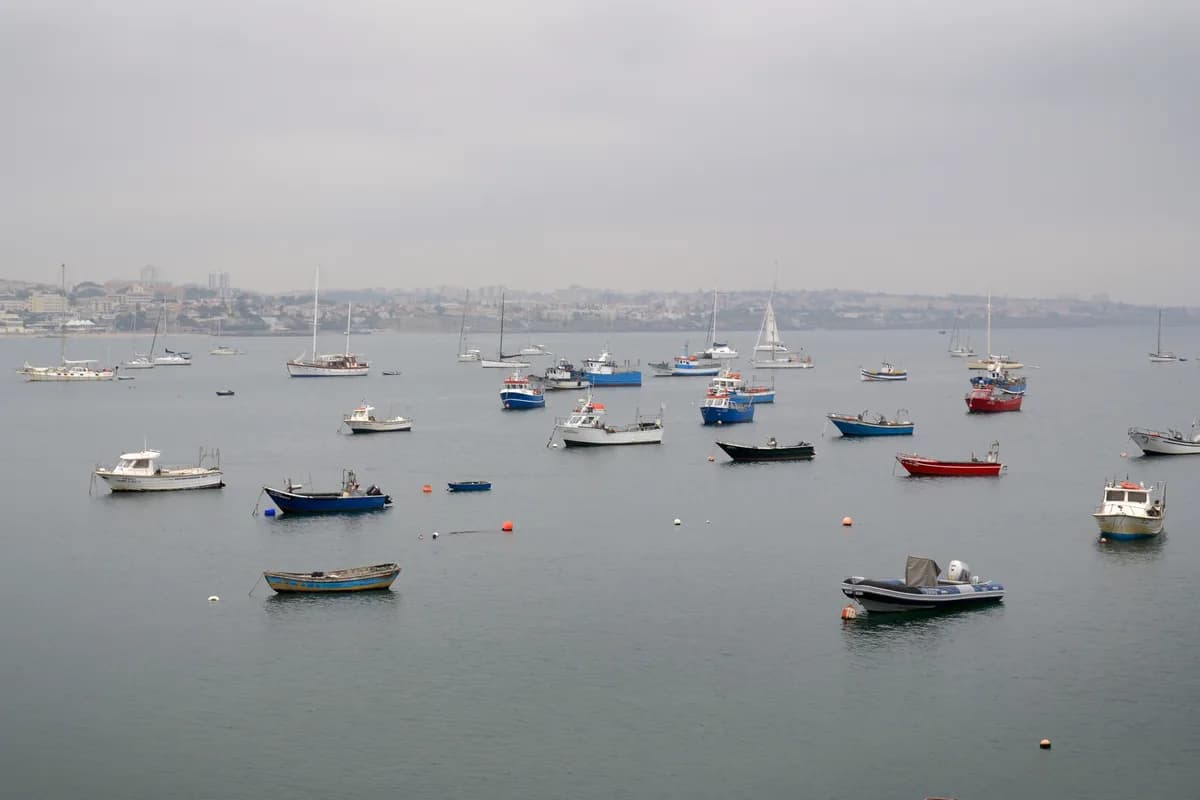
Day trip to Cascais & the coast
The Cascais train hugs the Atlantic for 40 minutes to a genteel former fishing town turned seaside resort, with a pretty marina, sandy town beaches and the dramatic Boca do Inferno sea cave nearby. It's the easy beach-day counterpoint to Sintra's hills, and the two can just about be combined.
- Insider tip
- Insider tip: The regional train from Cais do Sodre is cheap and covered by your Viva Viagem card. Rent a bike at Cascais to ride the coastal path to wild Guincho beach. Combined Sintra-plus-Cascais tours exist but it's a full, rushed day - better to give each its own.
Where to stay in Lisbon
The best areas to base yourself, and who each suits.
Baixa & Chiado
First-timers - flat, central and walkable, between the grand riverfront squares and the Chiado shopping and cafe streets, with the best transport links.
Alfama
Atmosphere-seekers - the oldest quarter, a maze of tiled lanes, fado bars and viewpoints; steep and cobbled, so pack light and expect stairs.
Principe Real & Bairro Alto
Nightlife and boutiques by day, bars by night - Bairro Alto roars after dark, Principe Real just above it is calmer and more design-led.
Belem
A quieter riverside base near the monuments and museums - lovely by day, but a tram ride from the central buzz in the evenings.
Planning your Lisbon trip
Best time to visit
March to May and September to October are ideal - warm, dry days in the low-to-mid 20s°C, long light and none of the peak-summer crush. July and August are hot (often 32°C+) and busiest, though Atlantic breezes keep evenings pleasant and the city never feels as furnace-like as inland Spain. Winters are mild (14-16°C by day) and cheap, with more rain but plenty of blue-sky days - one of Europe's best off-season city breaks.
Getting around
Humberto Delgado Airport (LIS) sits inside the city, about 15-20 minutes to the centre - the red Metro line runs straight from the terminal to downtown for a couple of euros, far cheaper than a taxi. In the centre you mostly walk, but Lisbon's hills are real: the trams, funiculars (Gloria, Bica) and the Santa Justa lift exist precisely to spare your legs. Get a rechargeable Viva Viagem card at any Metro machine - it covers Metro, trams, buses, funiculars and the CP trains out to Belem, Sintra and Cascais.
Things to do in Lisbon: FAQ
The questions travelers ask most when planning a trip here.
Where to base yourself in Lisbon
Everything on this list is easier from the right side of town, and the area you book decides how much of the day you spend getting to it. These go into the detail:
- Free cancellation on most rooms
- No booking fee
- Prices on Trip.com
More things-to-do guides
Continue Planning Your Trip
Where to Stay
The best area to stay in each city, by neighborhood
Car Rental
Real prices, driving tips and the best routes by destination
Airport Transfers
Getting from the airport to your hotel, by price and time
All-Inclusive Guides
What all-inclusive really means, by destination
Best Time to Visit
Month-by-month weather, crowds and prices
Route Finder
Find the cheapest way to get there
Hotel Finder
Book the right hotel for your destination
AI Trip Planner
Build a day-by-day itinerary
Photo credits (15)
Photos via Wikimedia Commons, used under their respective licences.
- Belem Tower & the Padrao dos Descobrimentos: Luigi Rosa - CC BY-SA 2.0 · source
- Jeronimos Monastery: Heartshade - CC BY 4.0 · source
- Ride Tram 28: Terry Kearney from liverpool, merseyside - CC0 · source
- Get lost in Alfama: Dieglop - CC BY-SA 4.0 · source
- Sao Jorge Castle: Jakub Hałun - CC BY 4.0 · source
- The miradouros (viewpoints): CrisLuiz - CC0 · source
- Pasteis de Belem & the pastel de nata: ProtoplasmaKid - CC BY-SA 4.0 · source
- Time Out Market & the Mercado da Ribeira: Ji Soo Song - CC BY 2.0 · source
- LX Factory: Dale Cruse - 10M views from San Francisco, CA, USA - CC BY 4.0 · source
- Day trip to Sintra: Bryn Pinzgauer - CC BY 2.0 · source
- Praca do Comercio & the Baixa: Berthold Werner - CC BY-SA 4.0 · source
- Carmo Convent ruins: Jakub Hałun - CC BY 4.0 · source
- A Tagus river cruise: Andy Blackledge from Scottsdale, AZ, USA - CC BY 2.0 · source
- National Tile Museum (Azulejo): Ray in Manila - CC BY 2.0 · source
- Day trip to Cascais & the coast: Aapo Haapanen from Tampere, Finland - CC BY 2.0 · source