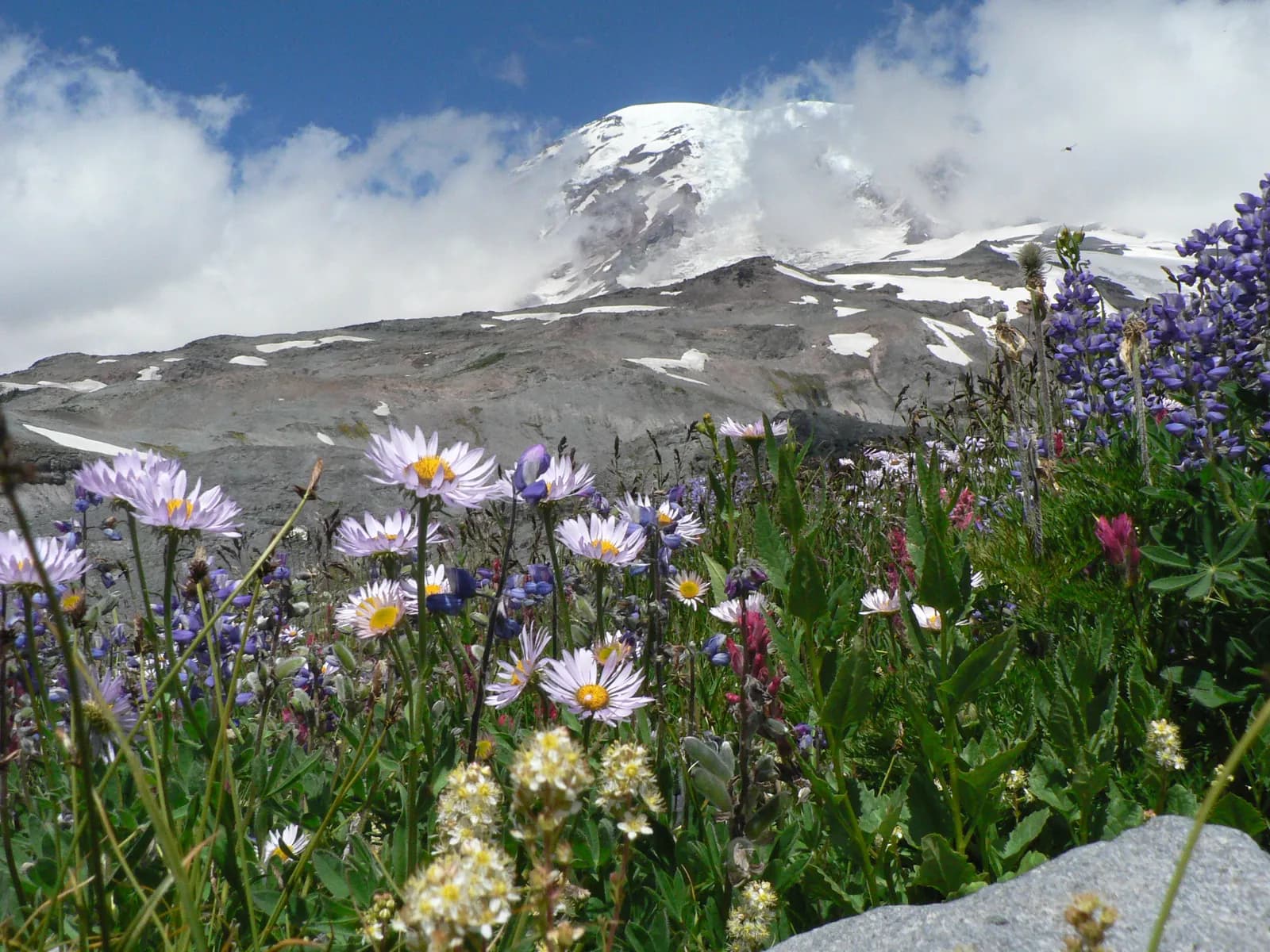
In Brief
What are the best national parks to visit in summer?
The best national parks to visit in summer are the high, northern ones that sit under snow for half the year: Glacier, Yellowstone, Grand Teton, Mount Rainier and Denali lead the list, with Rocky Mountain, Acadia, Olympic, Yosemite's high country and Crater Lake close behind. In all of them, summer is when the scenic roads and the best trails are open. The national parks to visit in summer are not the desert ones: Death Valley, Zion at midday and the inner Grand Canyon are at their most dangerous in July. Reservation rules change every year, so treat what follows as what applied in recent seasons and check nps.gov for 2027.
Key takeaways
- Best all-rounder: Glacier, once Going-to-the-Sun Road is fully open, which the Park Service says is typically by early July.
- Best for a first national park trip: Yellowstone, with no entry reservation in recent seasons and the deepest gateway-town supply.
- The 2027 story: Denali, where the Park Service expects buses to run past East Fork again after the Pretty Rocks bridge opened in September 2026.
- Skip in high summer: Death Valley, where the average July high at Furnace Creek is 116°F.
When the summer park roads open
The single fact that decides a summer park trip is whether the high road is open on your dates. None of these roads has a fixed opening day: each depends on how much snow fell and how fast the plow crews get through it. The dates below are what the Park Service published or recorded in recent seasons. Use them to pick a window, then check the park's road status page in spring 2027.
| Road | Typical window | What to know |
|---|---|---|
| Yellowstone's interior roads | Mid-April to late May | In 2026 the road from the West Entrance opened on 17 April, and the last interior pass, Dunraven Pass between Canyon and Tower, was scheduled for 22 May. From June the whole Grand Loop is normally open. |
| Trail Ridge Road and the Beartooth Highway | Around Memorial Day weekend | Rocky Mountain's Trail Ridge Road has historically opened on Memorial Day weekend, but snow can push it back, and it stayed closed over that weekend in 2025. The Beartooth Highway (US-212) outside Yellowstone's Northeast Entrance was scheduled for 22 May to 12 October in 2026. |
| Tioga Road, Yosemite | Late May to late July | Clearing starts on or about 15 April and usually takes one to two months. Recent openings: 27 May 2022, 22 July 2023 after a very deep snowpack, 10 June 2024 and 26 May 2025. |
| Going-to-the-Sun Road, Glacier | Late June to early July | The Park Service says the road has typically been fully open by early July, with no set date. In 2026 a ticketed shuttle and three-hour parking at Logan Pass ran from 1 July to 7 September. |
| Rainier's Sunrise Road and Crater Lake's East Rim | Mid-June to late July | Sunrise Road usually opens in late June or early July. At Crater Lake the West Rim Drive and North Entrance open between mid-May and late June, and the East Rim Drive typically between mid-June and late July. |
| When the high roads close again | Late September to October | Sunrise Road usually closes in late September or early October. Going-to-the-Sun Road is typically fully open until the third Monday of October, Trail Ridge Road has recently closed in mid to late October, and Crater Lake's Rim Drive shuts with the first big storm or on 1 November. |
Sources: the road status, seasonal-dates and visitor-guide pages on nps.gov for each park, read in October 2026. The 2027 schedules had not been published at the time of writing, so every date above is a recent-season pattern rather than a 2027 promise.
The best national parks in summer at a glance
Every destination compared - jump to the one that fits your group, budget and dates.
| Destination | Why it wins | Best summer window | Price |
|---|---|---|---|
| Glacier National Park | The park that only fully exists in July and August | Early July to early September, once the Sun Road is fully open. | $$$ |
| Yellowstone National Park | The easiest big park to do well on a first trip | June to mid-September; June has the wildflowers and the fewest crowds. | $$ |
| Grand Teton National Park | The most dramatic skyline you can reach without a long hike | Late June to early September; mornings are best for calm water and wildlife. | $$$ |
| Mount Rainier National Park | Summer wildflower meadows under a glaciated volcano | Late July to mid-August for wildflowers; Sunrise Road usually opens late June or early July. | $$ |
| Denali National Park | The comeback park of summer 2027 | June to early September; confirm the 2027 bus schedule on nps.gov first. | $$$ |
| Rocky Mountain National Park | Alpine tundra above 12,000 feet, an hour or two from Denver | Late June to mid-September; be off exposed ridges by early afternoon. | $$ |
| Acadia National Park | Granite coast, carriage roads and the cool end of the East | Late June to mid-September; September is quieter with the same weather. | $$$ |
| Olympic National Park | Three different parks in one, with summer the only dry season | July to mid-September, the driest stretch of the year on the Peninsula. | $$ |
| Yosemite National Park | Go high: Tioga Road and Tuolumne Meadows are the summer Yosemite | Mid-July to mid-September for the high country; June for the waterfalls. | $$ |
| Crater Lake National Park | The deepest lake in the country, at its bluest in summer | Mid-July to mid-September, once the whole Rim Drive is clear of snow. | $ |
The 10 best national parks to visit in summer, ranked
Price band is a typical nightly hotel rate: $ budget · $$ mid-range · $$$ high-end. Booking links open Trip.com.
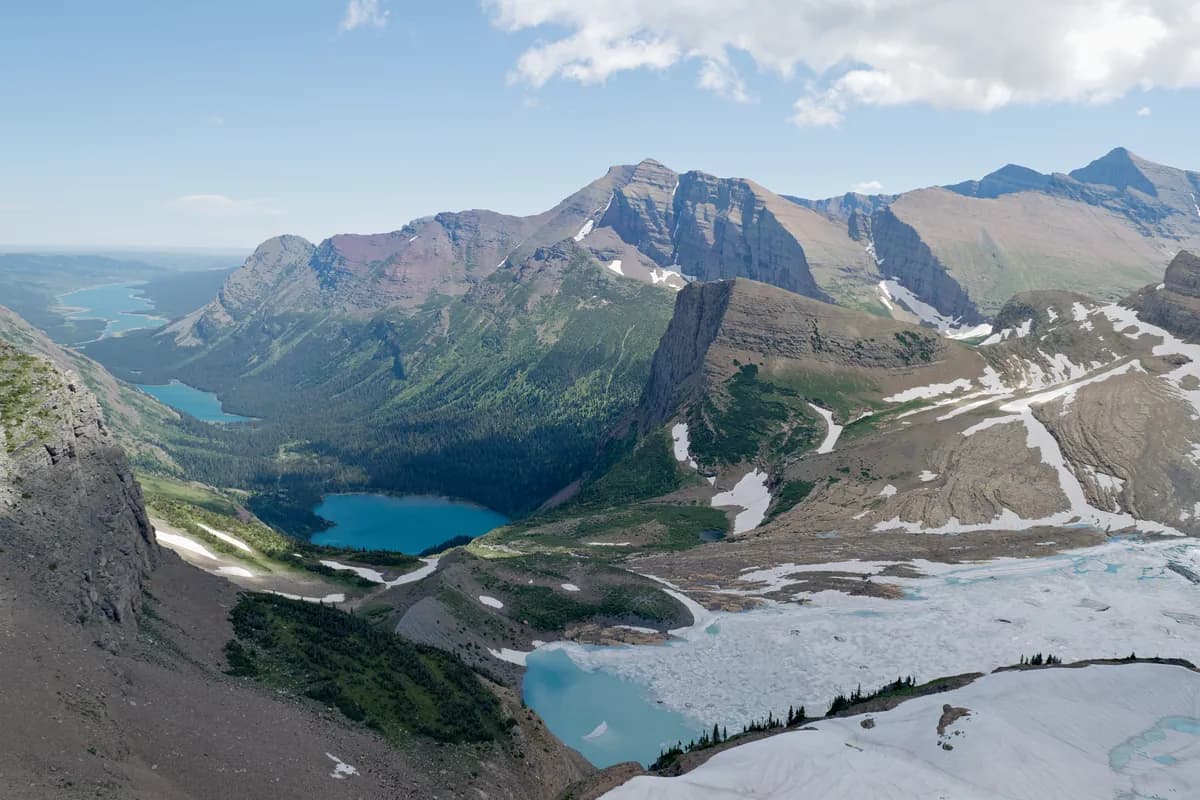
Glacier National ParkUSA
$$$ · High-endThe park that only fully exists in July and August
Glacier earns the top spot because its best part is closed for most of the year. Going-to-the-Sun Road crosses the Continental Divide at Logan Pass, 6,646 feet up, and once it is fully open the park's alpine trails, meadows and mountain goats are all within reach of an ordinary car. After several seasons of vehicle reservations, the park dropped them for 2026 and ran a ticketed shuttle with three-hour parking at Logan Pass instead. The honest drawback: the Logan Pass lot is usually full by sunrise in peak season, and vehicles longer than 21 feet or wider than 8 feet are not allowed on the road between Avalanche Creek and Rising Sun.
- Best summer window
- Best summer window: Early July to early September, once the Sun Road is fully open.
Where to stay: Whitefish for restaurants, a walkable downtown and the widest choice of rooms; West Glacier and Apgar right at the west entrance for the shortest drive to the Sun Road; East Glacier and St. Mary on the east side for Many Glacier and the other half of the park.
Do it cheap
A motel or condo in Kalispell or Columbia Falls, a few miles further from the west entrance than Whitefish, with noticeably lower summer rates. Drive in before 7am and you lose nothing.
Worth paying for
A historic lodge inside the park, such as those on Lake McDonald or at Many Glacier. You pay for waking up at the trailhead instead of joining the morning queue, and they book up many months ahead.
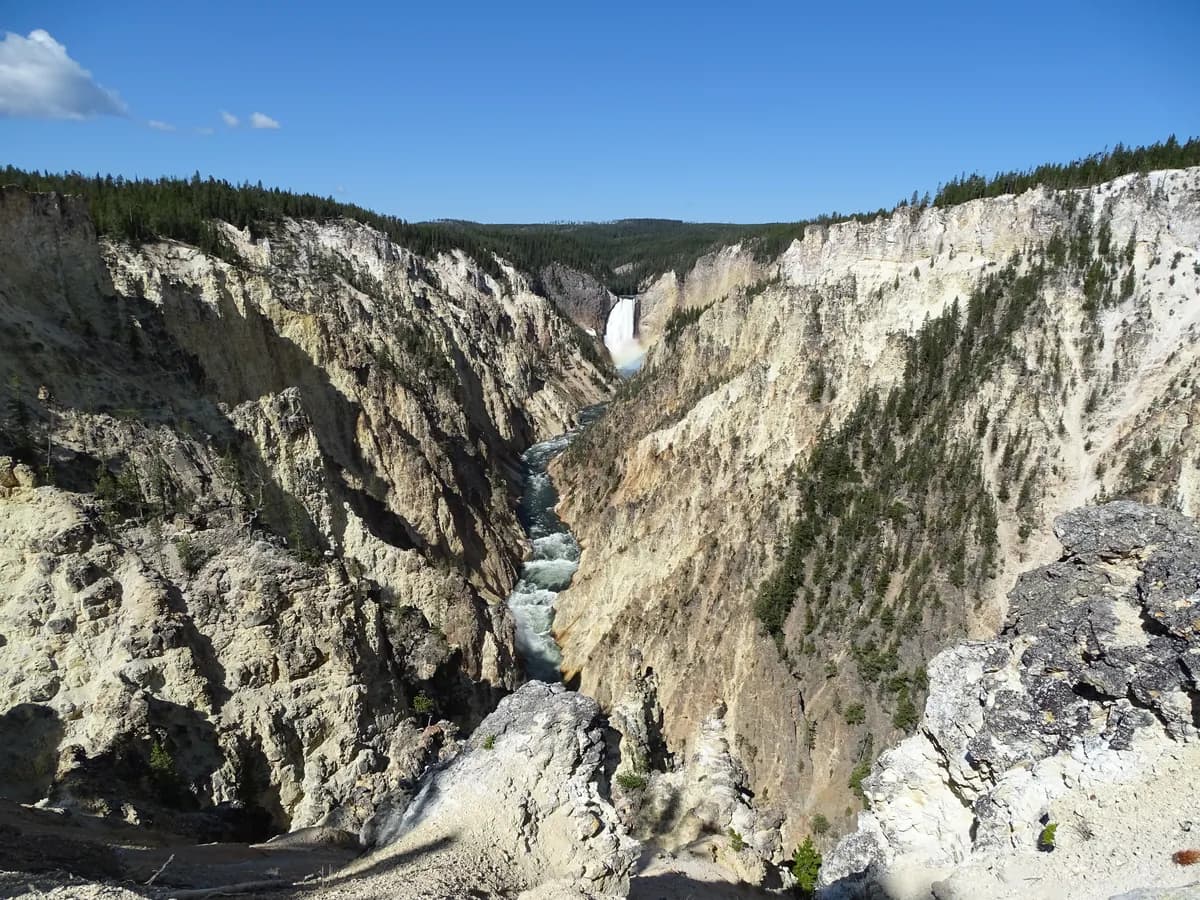
Yellowstone National ParkUSA
$$ · Mid-rangeThe easiest big park to do well on a first trip
Yellowstone in summer is the most complete national park trip in the country: the geyser basins, the Grand Canyon of the Yellowstone and the bison herds of Hayden and Lamar valleys are all on one paved loop that is fully open from late May. It has not used an entry reservation system in recent seasons, so you can plan around your own dates rather than a booking window. The honest drawback is distance and traffic: the Grand Loop is long, a bison jam can stop a road for half an hour, and Old Faithful's parking is at its fullest from late morning in July.
- Best summer window
- Best summer window: June to mid-September; June has the wildflowers and the fewest crowds.
Where to stay: West Yellowstone for the closest town to the geyser basins and the most beds; Gardiner at the North Entrance for Mammoth and the wildlife valleys; in-park lodges at Old Faithful, Canyon and Lake if you want to cut the daily drive.
Do it cheap
A motel in West Yellowstone booked early, then a packed lunch and a dawn start. The town's supply is large enough that early booking still finds fair rates, and the gate is a short walk from most of them.
Worth paying for
A night or two inside the park, at Old Faithful or Lake. Splitting the trip between the town and an in-park lodge is how you see both the south and north loops without spending the week in the car.
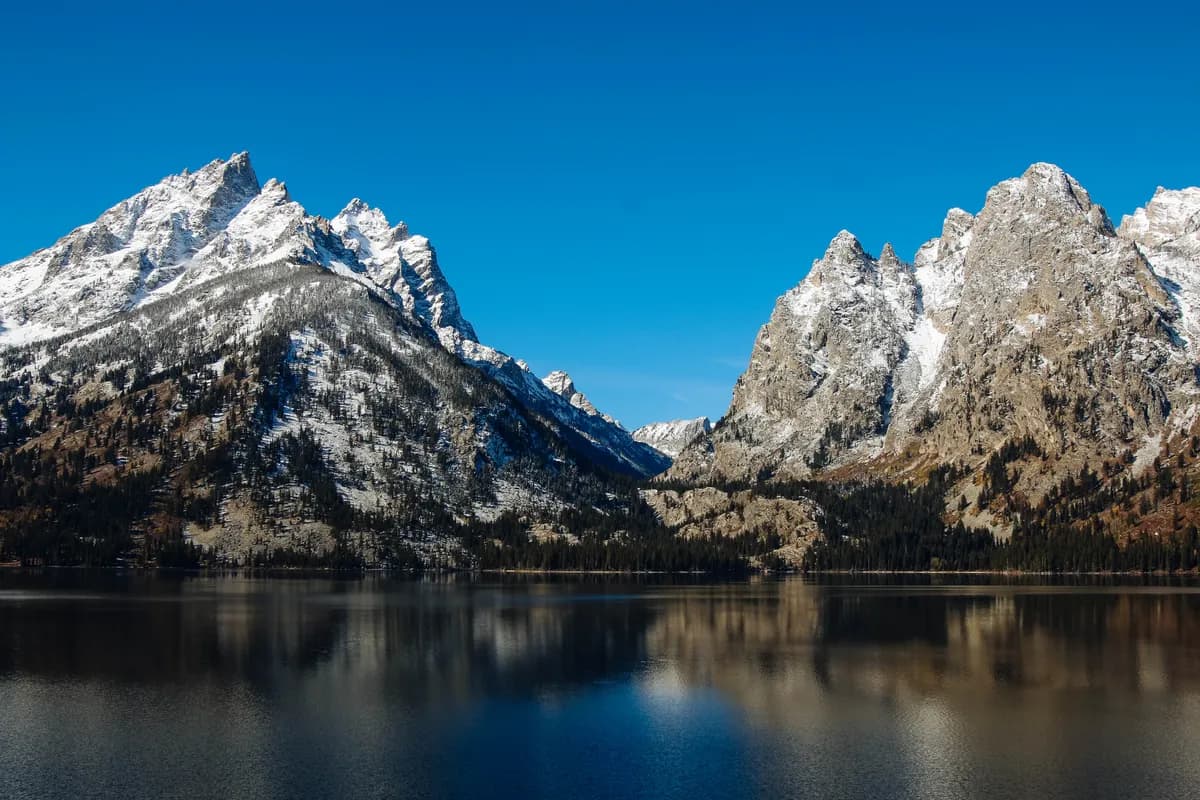
Grand Teton National ParkUSA
$$$ · High-endThe most dramatic skyline you can reach without a long hike
The Tetons rise straight out of the valley floor with no foothills in the way, so the park delivers its best views from the road, the lakeshores and short walks rather than from summits. Summer adds the things that make it a holiday: boats across Jenny Lake to the Cascade Canyon trail, float trips on the Snake River and evenings light enough for a second outing after dinner. It also pairs naturally with Yellowstone, which starts just to the north. The drawback is Jackson itself, the gateway town and one of the most expensive in the West in July.
- Best summer window
- Best summer window: Late June to early September; mornings are best for calm water and wildlife.
Where to stay: Jackson town for restaurants and the most rooms; Teton Village at the ski area for a mountain setting a little closer to the park's south end; in-park lodges and cabins near Jenny Lake, Colter Bay and Jackson Lake for the shortest commute.
Do it cheap
Stay further out in the valley and drive in early, or split the trip with nights on the Yellowstone side. Jackson's summer rates are the single biggest cost of this park, and avoiding them saves more than any other choice.
Worth paying for
A room with a direct view of the range, either inside the park or on the valley floor. Here the view from the room really is the product, and sunrise on the peaks is the moment you came for.
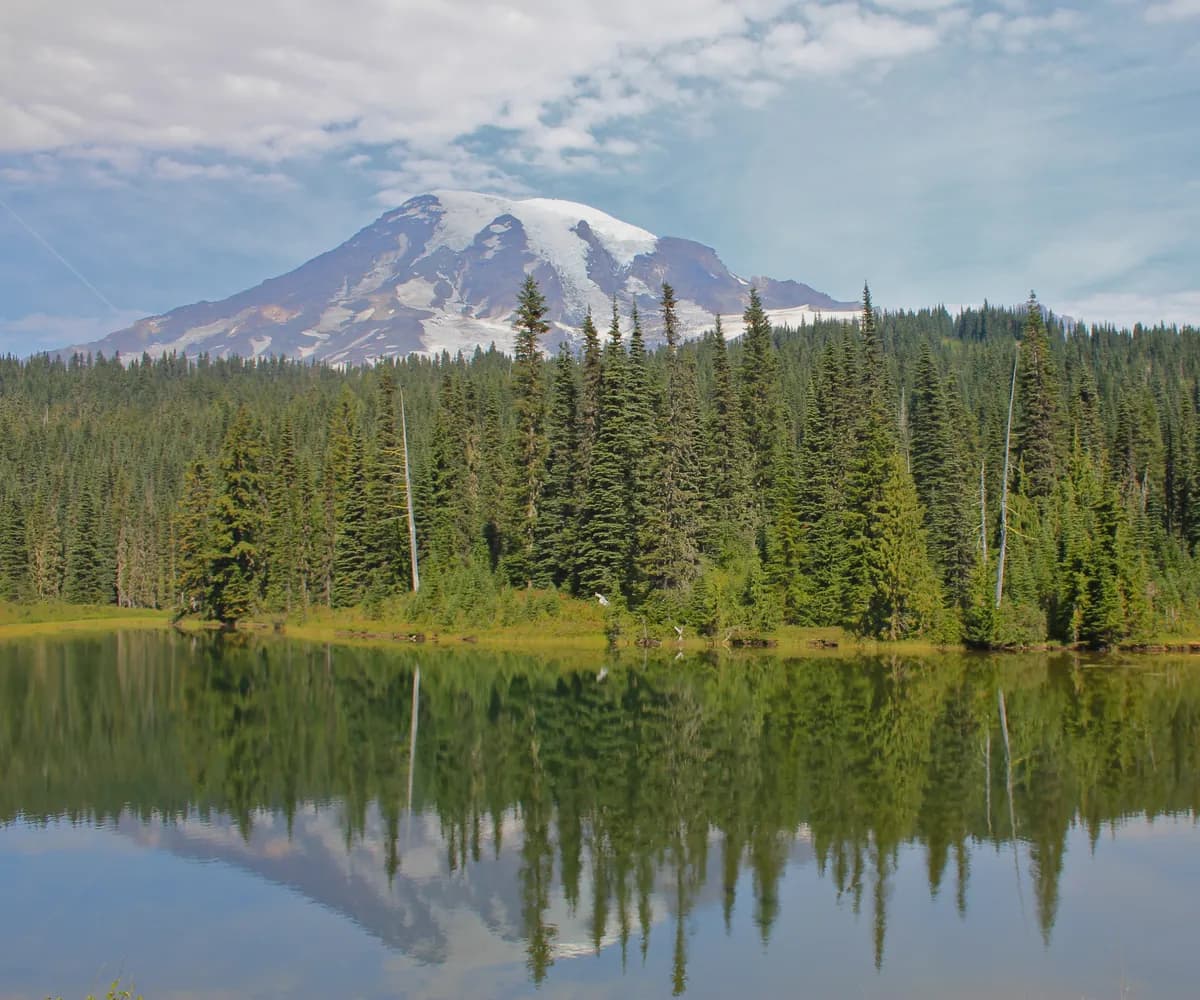
Mount Rainier National ParkUSA
$$ · Mid-rangeSummer wildflower meadows under a glaciated volcano
Rainier's subalpine meadows at Paradise, 5,400 feet up, fill with wildflowers once the snow melts, and the short trails there put you face to face with the glaciers of a 14,000-foot volcano. After timed-entry pilots in recent summers, the park said it would not require timed entry anywhere in the park in 2026, so check nps.gov before you rely on that for 2027. The honest drawback is that Rainier makes its own weather, and on a cloudy day the mountain can disappear completely; the Sunrise side was also closed by wildfire in August and September 2026.
- Best summer window
- Best summer window: Late July to mid-August for wildflowers; Sunrise Road usually opens late June or early July.
Where to stay: Ashford, just outside the Nisqually Entrance, for the shortest drive to Paradise; Packwood on the south side for Stevens Canyon Road and Ohanapecosh; Enumclaw or Crystal Mountain for the Sunrise side when it is open.
Do it cheap
A cabin or motel in Packwood or further down the valley from Ashford. You add a little driving and pay less than right at the gate.
Worth paying for
A night at the historic Paradise Inn, usually open from mid-May to early October. It puts you on the meadow trails before the day visitors arrive and after they leave.
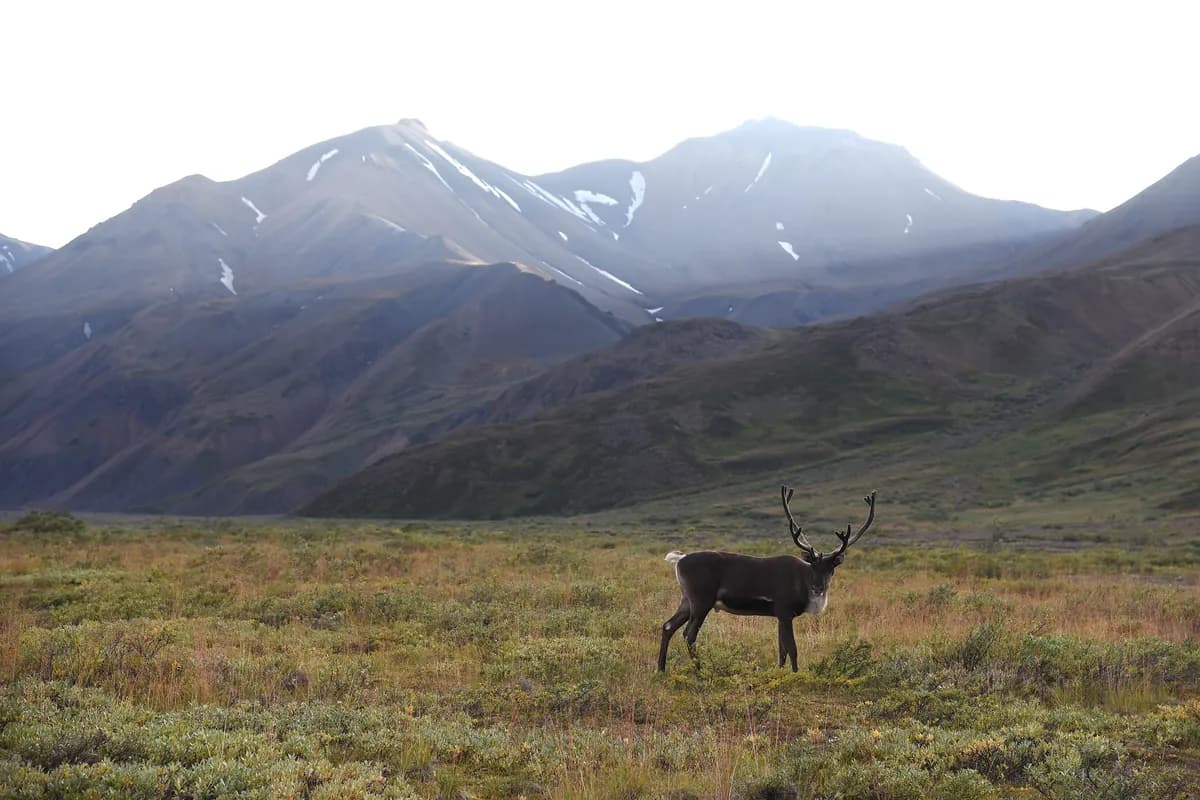
Denali National ParkUSA
$$$ · High-endThe comeback park of summer 2027
Denali is a summer-only park in practice, and 2027 looks like the year to go. A landslide at Pretty Rocks has stopped all buses at East Fork, Mile 43 of the 92-mile park road, since 2021; a new bridge across the slide opened in September 2026, and the Park Service expects bus service further west to resume for the 2027 season. Around the solstice you get more than 20 hours of daylight for spotting grizzlies, caribou and moose from the bus. The drawbacks are cost and access: private cars stop at Savage River, Mile 15, so the deep park is seen from a bus, and the mountain itself is hidden by cloud on many summer days.
- Best summer window
- Best summer window: June to early September; confirm the 2027 bus schedule on nps.gov first.
Where to stay: The cluster of lodges just north of the park entrance for the shortest ride to the bus depot; Healy, about 15 minutes further north, for a quieter and usually cheaper base; Talkeetna to the south if you are combining Denali with flightseeing.
Do it cheap
A room in Healy and the earliest bus you can get. You spend the money on the bus seat, which is what you came for, not on the bed.
Worth paying for
A lodge in Kantishna at the far end of the road, reached by its own transport, once the road reopens to that point. Check that its 2027 season is confirmed before you pay.
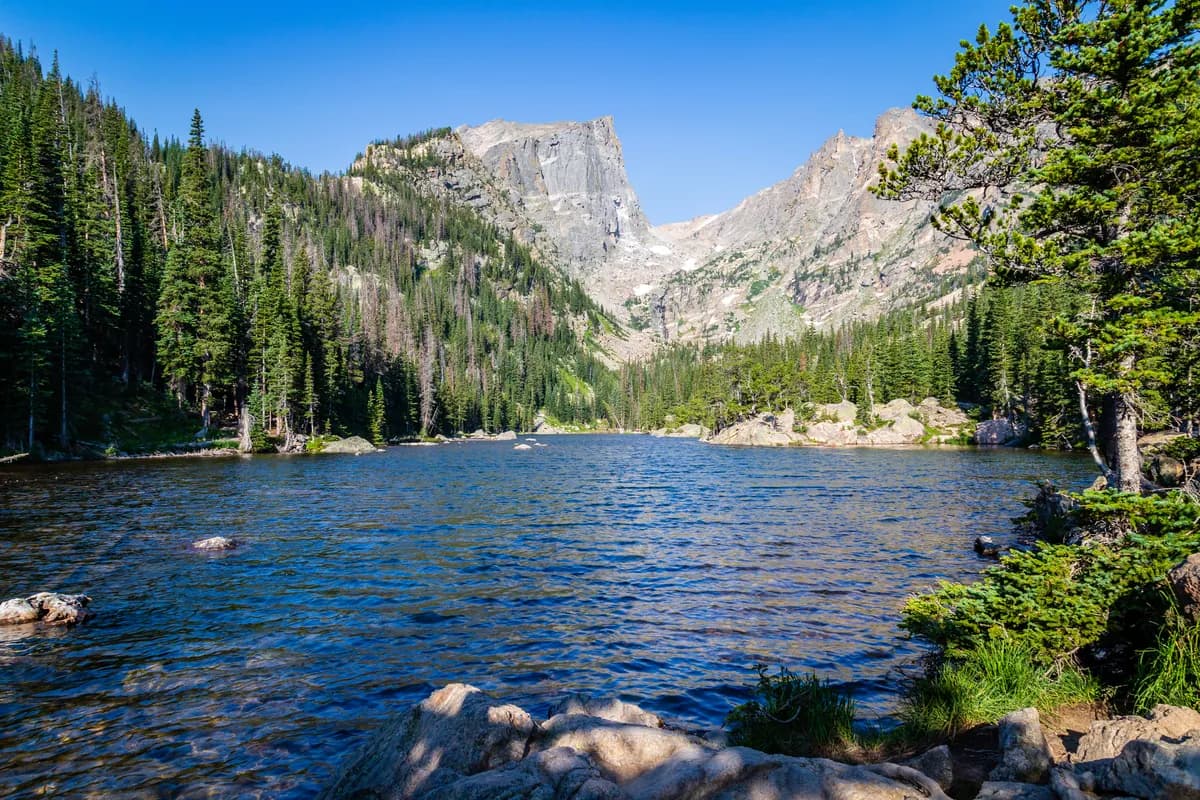
Rocky Mountain National ParkUSA
$$ · Mid-rangeAlpine tundra above 12,000 feet, an hour or two from Denver
Trail Ridge Road climbs to 12,183 feet and runs for miles above the tree line, which makes Rocky Mountain the easiest place in the lower 48 to stand on true alpine tundra with elk grazing around you. Below it, the Bear Lake corridor has some of the best short lake hikes in the Rockies. The catch is the reservation system: in 2026 timed entry was required between 9am and 2pm from 22 May to 12 October, and the Bear Lake Road corridor needed its own permit from 5am to 6pm through 18 October. Expect a similar system in 2027, check nps.gov, and plan for afternoon thunderstorms above the tree line in July and August.
- Best summer window
- Best summer window: Late June to mid-September; be off exposed ridges by early afternoon.
Where to stay: Estes Park at the east entrances for the most rooms and the quickest run to Bear Lake; Grand Lake on the west side for a quieter town and the Kawuneeche Valley, where moose are common.
Do it cheap
A motel or cabin along the river corridors outside Estes Park. Arriving before the timed-entry window opens costs nothing and frees you from having to buy one of the reserved slots at all.
Worth paying for
A cabin or lodge with a mountain view on the edge of town. Rocky Mountain rewards early starts, and a room five minutes from the gate makes the 5am Bear Lake run realistic.
Plan itRoad trip ideas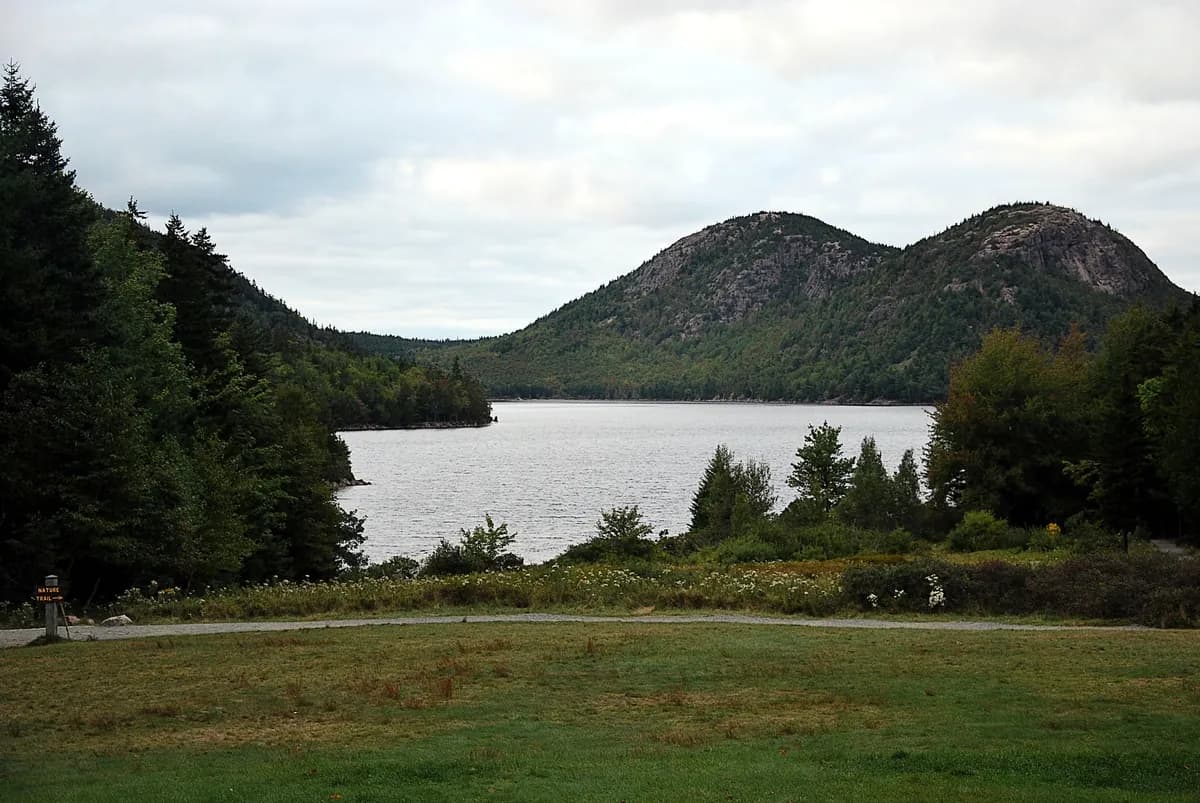
Acadia National ParkUSA
$$$ · High-endGranite coast, carriage roads and the cool end of the East
Acadia is the East Coast's summer national park: pink granite cliffs over the Atlantic, the car-free carriage roads for cycling, and Jordan Pond under the Bubbles, all on one island with a gateway town at the edge of the park. Maine summers stay mild when the rest of the East Coast is sweltering. The rule to know is the Cadillac Summit Road reservation: in 2026 it was required from 20 May to 25 October, cost $6 on Recreation.gov, and released 30% of slots 90 days ahead and 70% two days ahead at 10am Eastern. The drawback is that this is a small, very busy park in July and August, so parking at the popular trailheads fills early.
- Best summer window
- Best summer window: Late June to mid-September; September is quieter with the same weather.
Where to stay: Bar Harbor for restaurants, harbour views and the shortest ride into the park; Southwest Harbor and Northeast Harbor on the quieter side of the island; Ellsworth and Trenton on the mainland for lower rates.
Do it cheap
A motel in Trenton or Ellsworth on the mainland, then the island's buses or an early drive in. You give up evening walks in Bar Harbor and save a large share of the room cost.
Worth paying for
An inn in Bar Harbor within walking distance of the shore path. Being able to walk to dinner and onto the park's buses means you can leave the car for days.
Olympic National ParkUSA
$$ · Mid-rangeThree different parks in one, with summer the only dry season
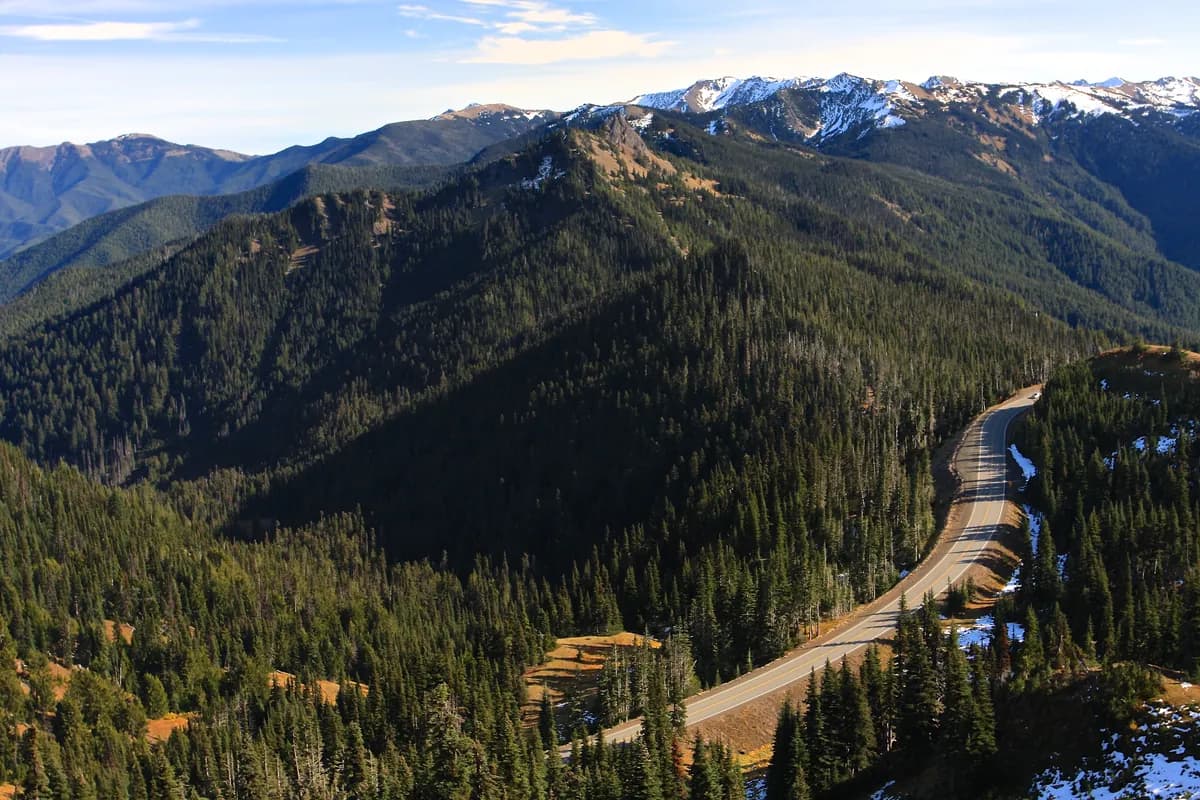
Olympic combines alpine meadows, temperate rainforest and a wild Pacific coastline, and summer is the season when the Peninsula is dry enough to enjoy all three. From Port Angeles, Hurricane Ridge is 17 miles up the road for mountain views across the Olympics, and the Hoh Rain Forest and the coast are long but straightforward day drives. There has been no timed entry here. The drawback: the Hurricane Ridge day lodge burned down in 2023, so there is no food or indoor shelter at the top, and when the lot fills, traffic is metered at the Heart O' the Hills entrance with waits of up to two hours.
- Best summer window
- Best summer window: July to mid-September, the driest stretch of the year on the Peninsula.
Where to stay: Port Angeles for Hurricane Ridge, the park's main visitor centre and the most rooms; Forks for the Hoh and the coast; Lake Crescent for a lakeside stay between the two.
Do it cheap
A motel in Port Angeles for the mountain days, then one night in Forks so the rainforest and the beaches are not both round trips from the same base.
Worth paying for
A lodge or cabin on Lake Crescent, central to both halves of the park and the calmest place on the Peninsula to spend an evening.
Plan itDay trips from Seattle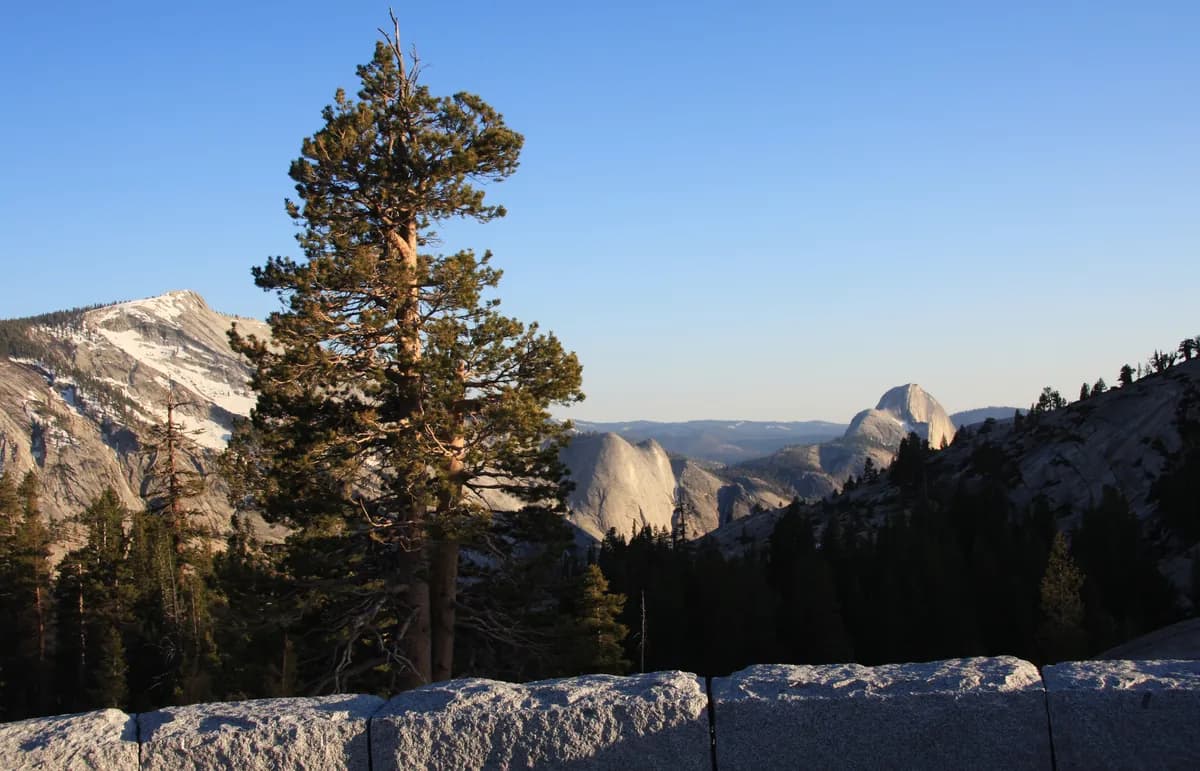
Yosemite National ParkUSA
$$ · Mid-rangeGo high: Tioga Road and Tuolumne Meadows are the summer Yosemite
In July and August the Valley floor is hot and crowded, but Tioga Road climbs into a different park: Olmsted Point, Tenaya Lake and Tuolumne Meadows, open granite country that is only reachable once the snow is cleared. The park said it would not use a timed reservation system in 2026 after requiring reservations at peak times in recent summers, so check nps.gov for 2027. The drawback is that Tioga Road's opening varies widely with the snowpack, from 26 May in 2025 to 22 July in 2023, and the waterfalls in the Valley are already fading by August.
- Best summer window
- Best summer window: Mid-July to mid-September for the high country; June for the waterfalls.
Where to stay: El Portal, just outside the Arch Rock Entrance, for the shortest drive into the Valley; Mariposa and Oakhurst for more choice and lower rates; Lee Vining on the east side if Tuolumne and Tioga Road are the main event.
Do it cheap
Mariposa or Oakhurst, then a dawn start. The extra drive is real, but rates are lower and the towns have more places to eat.
Worth paying for
A room in El Portal on the Merced River or a night inside the park. Being close cuts the drive back after a long day up on Tioga Road.
Crater Lake National ParkUSA
$ · BudgetThe deepest lake in the country, at its bluest in summer
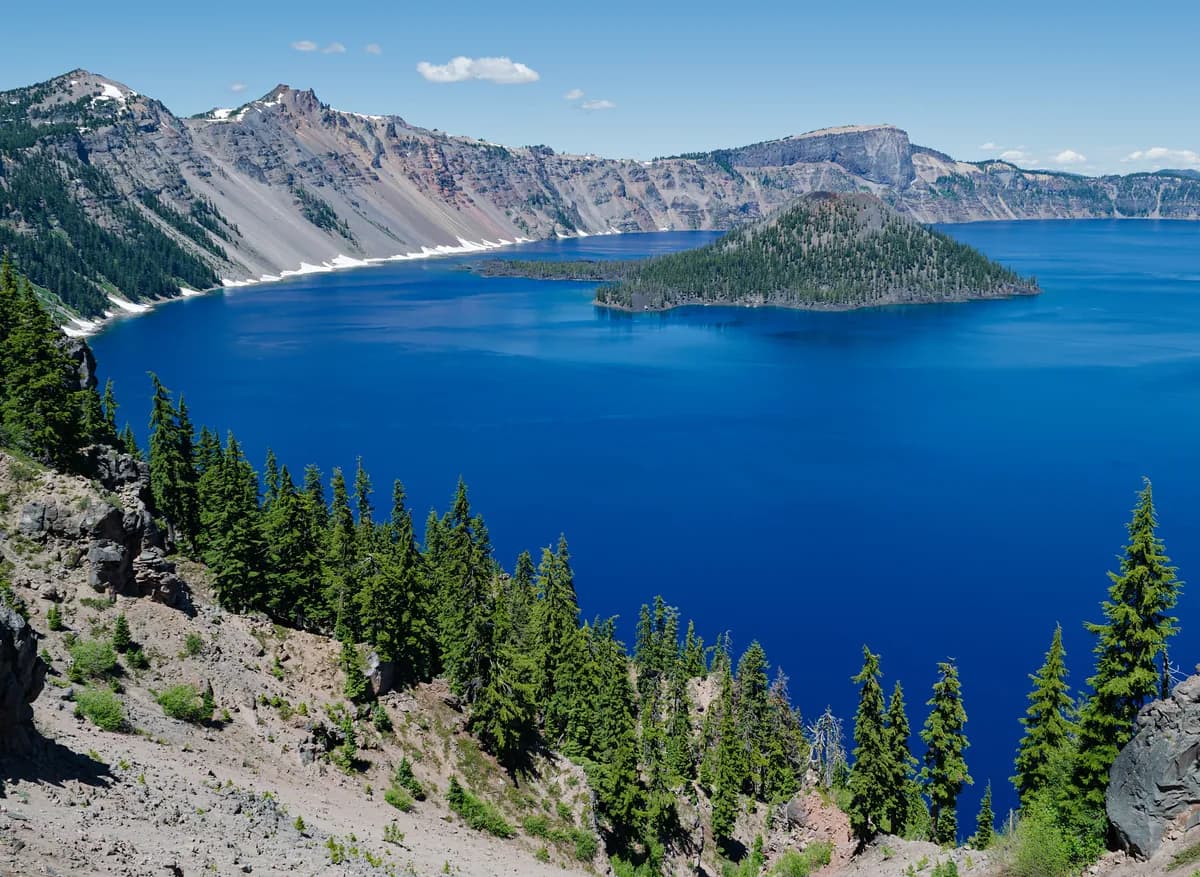
Crater Lake is snowbound most of the year, so summer is the only time you can drive the Rim Drive and look down on the deepest lake in the United States from its viewpoints and rim trails. It is far quieter than the big Rockies parks and pairs well with a Pacific Northwest road trip. Two honest drawbacks for 2027: the Cleetwood Cove Trail, the only legal route down to the shore, is closed for reconstruction in 2026, 2027 and 2028, so there is no swimming or boat tour; and part of the East Rim Drive was closed for construction in 2026, with reopening expected in autumn 2026 or in 2027.
- Best summer window
- Best summer window: Mid-July to mid-September, once the whole Rim Drive is clear of snow.
Where to stay: Klamath Falls to the south for the most rooms and lowest rates; the small settlements along Highway 62 to the west for a shorter drive; the lodge and cabins inside the park for staying on the rim itself.
Do it cheap
Klamath Falls, a little over an hour from the rim, which is the cheapest base on this list and has plenty of ordinary motels.
Worth paying for
A night at the historic lodge on the caldera rim, which lets you see the lake at sunset and sunrise when the day visitors are gone.
Plan itRoad trip ideas
How to pick the best national park to visit in the summer
The national parks to avoid in summer heat
Summer is the wrong season for the desert parks, and the Park Service's own figures make the case. In Death Valley the average July high at Furnace Creek is 116°F, summer temperatures often top 120°F in the shade, and the nights stay in the 90s. In the Grand Canyon, daytime summer temperatures in the inner canyon can exceed 110°F, and the park tells hikers not to be on the trail between 10am and 4pm. Zion's summer heat is regularly over 100°F, and the monsoon from July to September brings flash floods into the slot canyons. Visit those parks from October to April, and spend the summer up north.
Reservations: what changed in 2026, and what to expect in 2027
The rules move every year, so plan from nps.gov rather than last year's blog posts. For 2026, Glacier dropped vehicle reservations for a ticketed Logan Pass shuttle, Mount Rainier said it would not require timed entry anywhere in the park, and Yosemite dropped its timed reservation system. Rocky Mountain kept timed entry, with a separate Bear Lake Road permit, and Acadia kept reservations for Cadillac Summit Road. None of these parks had published 2027 rules at the time of writing. Assume a system may return, and look at each park's page when the 2027 season is announced, usually in late winter or spring.
Book the gateway town before you plan the days
In-park lodges sell out first, but in July and August the gateway towns fill too, and they decide how much of each day you spend driving. Pick the town by the entrance you will use most: West Yellowstone for the geysers, Gardiner for Mammoth and the northern range, Ashford for Paradise, Estes Park for Bear Lake, El Portal for Yosemite Valley. The cheaper town 30 minutes further out is usually worth it in an expensive gateway like Jackson or Bar Harbor, and not worth it in parks where the plan depends on being at the trailhead by 7am, because every extra half hour on the road comes out of your sleep.
June, July or August
Each month gives a different park. June has the longest days, the fullest waterfalls and the fewest crowds, but snow can still close the highest roads and trails, especially in Glacier, at Rainier's Sunrise and on Yosemite's Tioga Road. July is when everything is open and the wildflowers peak in most of the mountain parks, and it is also the busiest month. August keeps the access and warmest nights, but brings a higher chance of wildfire smoke and closures, as Rainier's Sunrise side showed in 2026. For the high parks, mid-July to mid-August is the safest bet that everything is open.
Summer national parks: FAQ
The questions travelers ask most while picking.
More trip ideas
Continue Planning Your Trip
Things to Do
Ranked attractions, tips and how to book tickets
Where to Stay
The best area to stay in each city, by neighborhood
Car Rental
Real prices, driving tips and the best routes by destination
Airport Transfers
Getting from the airport to your hotel, by price and time
All-Inclusive Guides
What all-inclusive really means, by destination
Best Time to Visit
Month-by-month weather, crowds and prices
Route Finder
Find the cheapest way to get there
Hotel Finder
Book the right hotel for your destination
AI Trip Planner
Build a day-by-day itinerary
Photo credits (10)
Photos via Wikimedia Commons, used under their respective licences.
- Glacier National Park: Trougnouf (Benoit Brummer) - CC BY 4.0 · source
- Yellowstone National Park: John J. Hains - CC BY 4.0 · source
- Grand Teton National Park: NPS / Bonney (Grand Teton National Park) - Public domain · source
- Mount Rainier National Park: Navin75 - CC BY-SA 2.0 · source
- Denali National Park: Paxson Woelber - CC BY 2.0 · source
- Rocky Mountain National Park: Andrew Parlette - CC BY 2.0 · source
- Acadia National Park: chensiyuan - CC BY-SA 4.0 · source
- Olympic National Park: TravelingOtter - CC BY-SA 2.0 · source
- Yosemite National Park: Dcrjsr - CC BY 3.0 · source
- Crater Lake National Park: Trougnouf (Benoit Brummer) - CC BY 4.0 · source