In Brief
When is the best time to visit Alaska?
The best time to visit Alaska is summer, roughly mid-May to mid-September, when days are long, the weather is warmest (often 15–20°C in the interior and south), cruises and tours are running and wildlife is active. June to August is the true peak, with the highest crowds and prices. May and September are excellent shoulder months - fewer people, good value, and September adds fall colour and the return of the aurora. For northern lights specifically, come in the dark months from late September to March.
Key takeaways
- Best overall: mid-May to mid-September - long daylight, open tours and the warmest weather.
- Cheapest of the season: May and September shoulder, before and after the summer peak.
- Highlight: the midnight sun around the summer solstice, plus salmon runs and prime wildlife viewing.
- Aurora season: late September to March - but deep winter is very cold, dark and mostly closed for general sightseeing.
Best time to go
Mid-May–mid-September (summer)
Cheapest time
May & September (shoulder)
When to avoid
October–March (dark, cold, most tours closed)
Alaska climate at a glance
Avg daytime high (°C / °F) · rainfall · season- -4°25°FJan
- -2°28°FFeb
- 2°36°FMar
- 8°46°FApr
- 15°59°FMay
- 18°64°FJun
- 20°68°FJul
- 18°64°FAug
- 13°55°FSep
- 5°41°FOct
- -1°30°FNov
- -4°25°FDec
Find your month
Every month in Alaska is rated for weather, crowds and price. Drag the slider to find your sweet spot - the greener the month, the better value the trip.
Cheapest window: May & September (shoulder)
April: $ · Low crowds · -2–8°C, thawing
Alaska month by month
Every month rated for weather, crowds and price, so you can match the trip to the month.
| Month | Weather | Crowds | Price | What it's like |
|---|---|---|---|---|
| Jan | -12–-4°C, dark, snowy | Low | $ | Deep winter - very cold, short days and most tourist services closed, but prime for aurora and dog sledding. |
| Feb | -10–-2°C, cold, snowy | Low | $ | Cold and dark with strong aurora odds and growing daylight; winter sports peak while general sightseeing sleeps. |
| Mar | -7–2°C, cold, bright | Low | $ | Longer, brighter days make it the best winter month for aurora and dog sledding, though summer tours are still shut. |
| Apr | -2–8°C, thawing | Low | $ | A quiet shoulder as snow melts; roads and trails can be muddy and many summer tours have not yet opened. |
| May | 4–15°C, drier | Moderate | $$ | Summer services start opening, days grow long and prices stay below peak - one of the best-value windows. |
| Jun | 10–18°C, long days | High | $$$ | Near-endless daylight around the solstice, everything open and wildlife active - the classic Alaska month. |
| Jul | 12–20°C, warmest | Peak | $$$ | The warmest, busiest and priciest month; salmon runs draw bears and long days make the most of every tour. |
| Aug | 10–18°C, mild, wetter | High | $$$ | Still peak with active wildlife; rainfall picks up and the first aurora can reappear as nights lengthen late in the month. |
| Sep | 4–13°C, cool, fall colour | Moderate | $$ | Fall colour, returning northern lights and thinning crowds; some tours wind down through the month - excellent value. |
| Oct | -3–5°C, cold, dark | Low | $ | Summer season is over and most tours have closed, but darkening nights bring aurora back into view. |
| Nov | -8–-1°C, cold, snowy | Low | $ | Cold and dark with limited services; good aurora chances and the start of winter-sports season. |
| Dec | -12–-4°C, darkest | Low | $ | The shortest days and deep cold; general sightseeing is minimal, but aurora and winter activities are in full swing. |
When to book Alaska
On the table above, Jan, Feb, Mar, Apr, Oct, Nov and Dec sit in the bottom price band and Jun, Jul and Aug in the top one. Find the row that sounds like your trip.
| If you want | Months | Why |
|---|---|---|
| The best trip for the money | Apr, May and Sep | No month here is rated good, so these are the shoulder months that stay out of the top price band. |
| The lowest price, whatever the weather | Jan, Feb, Mar, Apr, Oct, Nov and Dec | The bottom price band. Check the weather column first, because some of these are cheap for a reason. |
| Peak season anyway | Jun, Jul and Aug | Busiest and dearest. This is the window where booking early changes the price, not just what is left. |
| To know what to skip | Jan, Feb, Mar, Oct, Nov and Dec | Rated off-peak here. The low price is the compensation, not a bargain. |
- Free cancellation on most rooms
- No booking fee
- Prices on Trip.com
Time it right: Alaska's seasonal highlights
Midnight sun
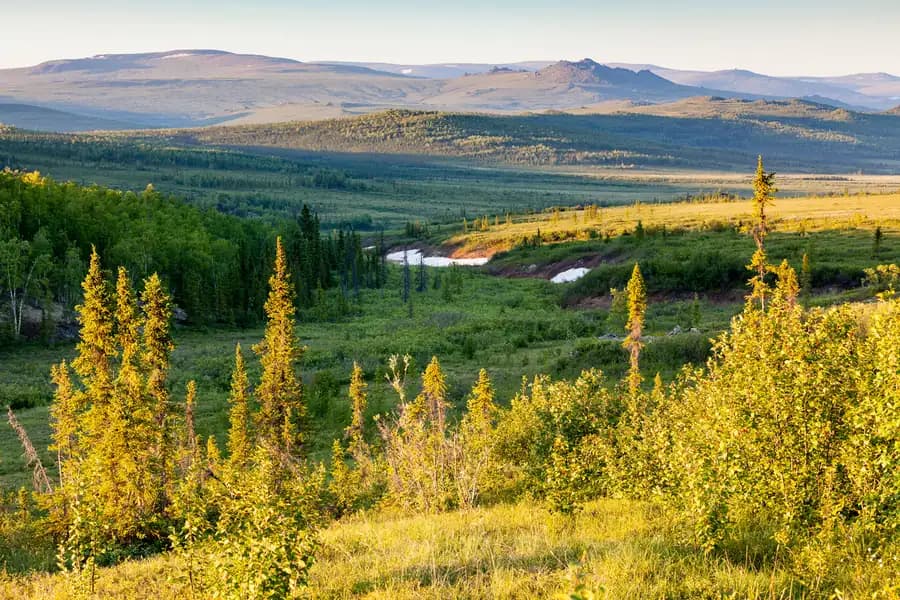
Roughly JuneAround the solstice the sun barely sets - Fairbanks gets close to 24 hours of usable light, and the far north sees true midnight sun.
Salmon runs & bear viewing
Roughly July–AugustReturning salmon draw brown bears to rivers and falls (such as Katmai), making mid-summer the best time for bear watching.
Northern lights (aurora)
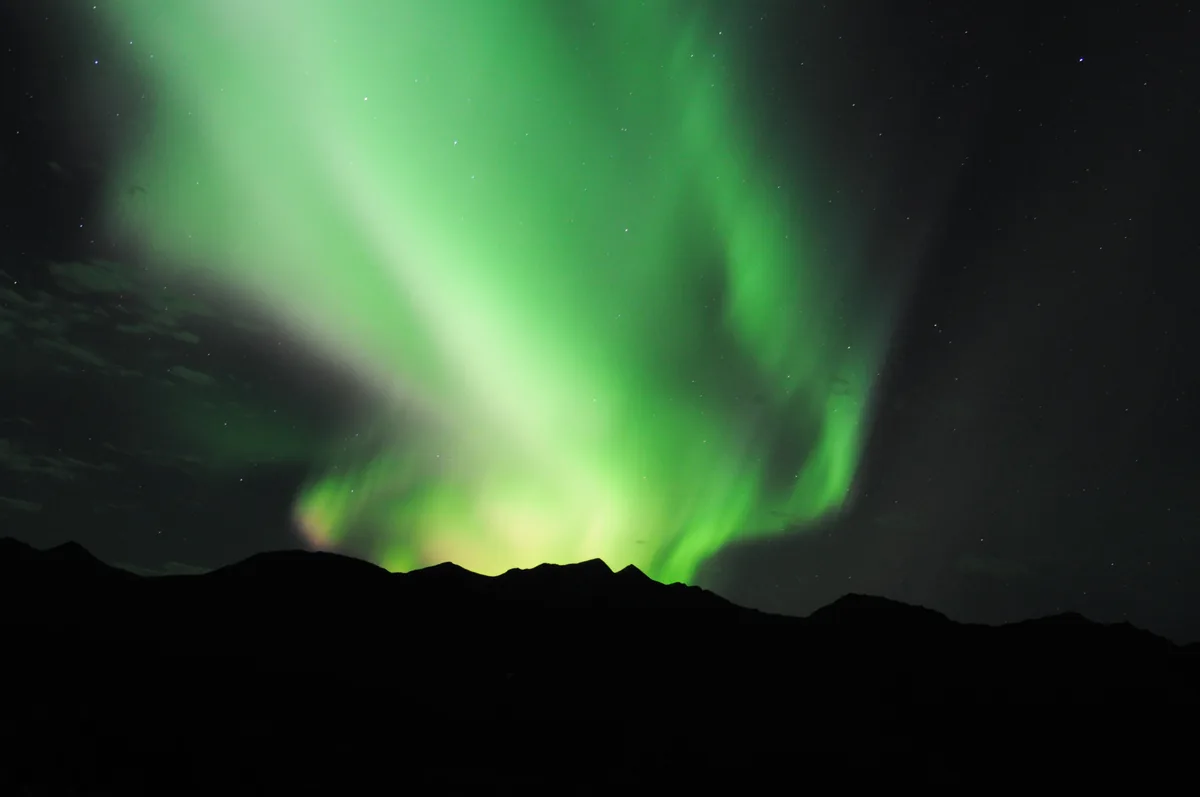
Late September–MarchDark, clear nights - especially around Fairbanks - offer strong aurora odds through the winter months.
Fall colour
Roughly early–mid SeptemberTundra and forests turn gold and red as crowds thin and the first auroras of the season return.
Whale watching
Roughly May–SeptemberHumpback and orca sightings peak in summer along the Inside Passage and around Kenai Fjords.
Best time to visit Alaska: FAQ
The timing questions travelers ask most before booking.
Staying in Alaska? Book the area before the hotel
Picking the month is half of the decision. The other half is the area, because that is what sets how far you walk and what a room costs. We have no area guide for Alaska yet, so start here:
- Free cancellation on most rooms
- No booking fee
- Prices on Trip.com
Compare other destinations
Continue Planning Your Trip
Things to Do
Ranked attractions, tips and how to book tickets
Where to Stay
The best area to stay in each city, by neighborhood
Car Rental
Real prices, driving tips and the best routes by destination
Airport Transfers
Getting from the airport to your hotel, by price and time
All-Inclusive Guides
What all-inclusive really means, by destination
Route Finder
Find the cheapest way to get there
Hotel Finder
Book the right hotel for your destination
AI Trip Planner
Build a day-by-day itinerary
Photo credits (2)
Photos via Wikimedia Commons, used under their respective licences.
- Midnight sun: BLM Alaska - Public domain · source
- Northern lights (aurora): Paxson Woelber - CC BY-SA 4.0 · source