What are the best things to do in Warsaw?
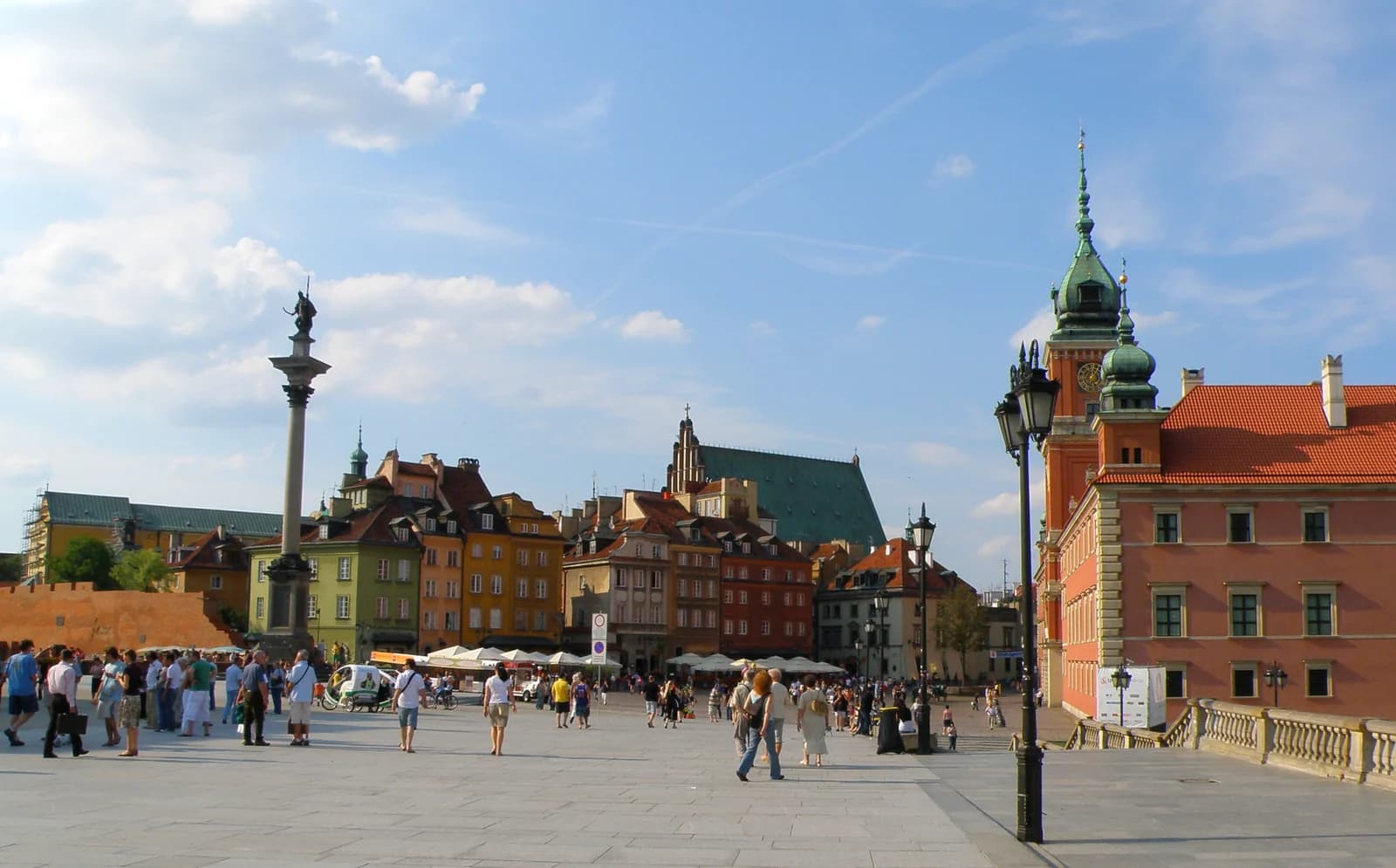
The best things to do in Warsaw are the rebuilt Old Town and Royal Castle, the Warsaw Uprising Museum, the POLIN Museum of the History of Polish Jews, Lazienki Park with its summer Chopin concerts, and the view from the Palace of Culture. Book the Uprising Museum and Copernicus Science Centre online - both cap entries and sell out. Warsaw is cheap by Western European standards, and most of the centre is walkable or a few stops on a 4 zloty tram ticket.
14 best things to do in Warsaw
Ranked best-first, with an insider tip and how to book each. Prices and hours change - check before you go.
The Old Town & Market Square
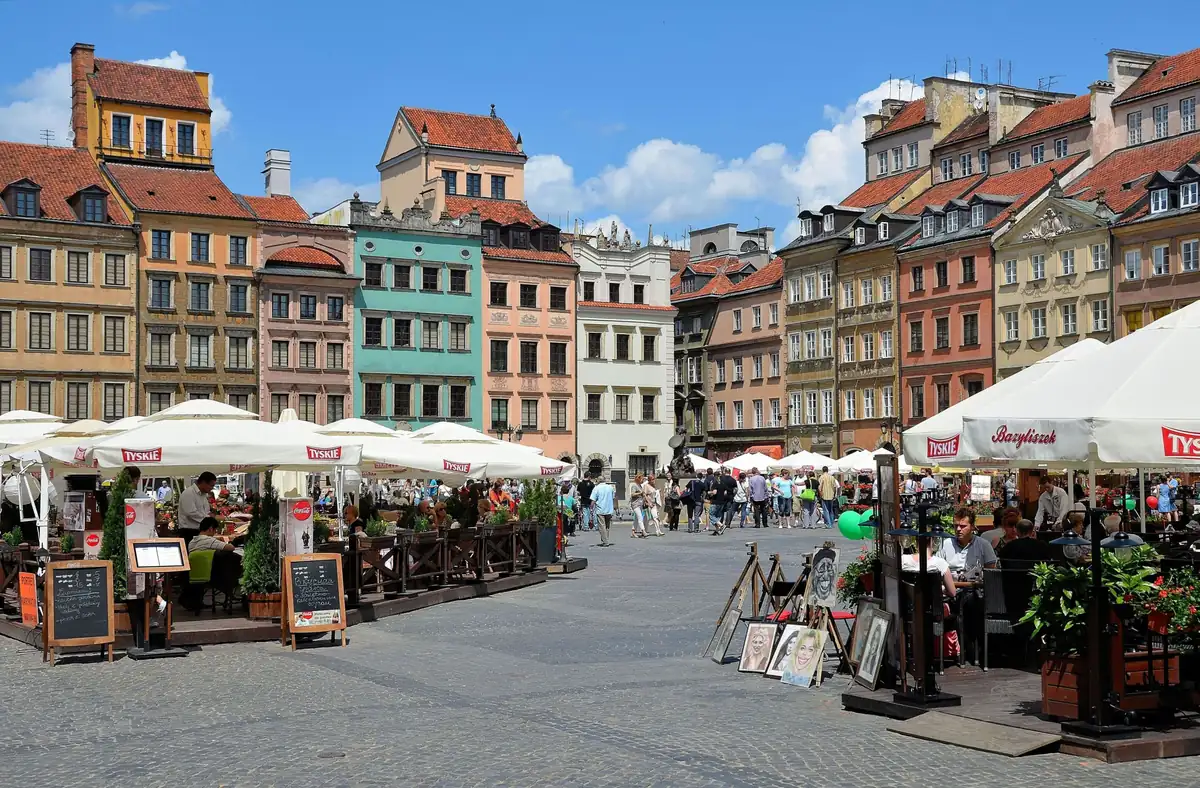
IconsFreeWarsaw's Old Town is a UNESCO site not because it is old but because of how it was rebuilt: destroyed almost completely in 1944, then reconstructed from paintings, photographs and memory in the 1950s. The pastel merchant houses around the Market Square, the Mermaid statue and the Barbican walls are the result, and knowing the backstory changes how you look at it.
Insider tip: Walk it early morning or after dark to have the square to yourself - it fills with tour groups from about 10am. The restaurants directly on the square charge a premium for the view; walk two minutes into the side streets for the same food at local prices. St Anne's church tower nearby has the best view over the rooftops for a few zloty.
Warsaw Uprising Museum
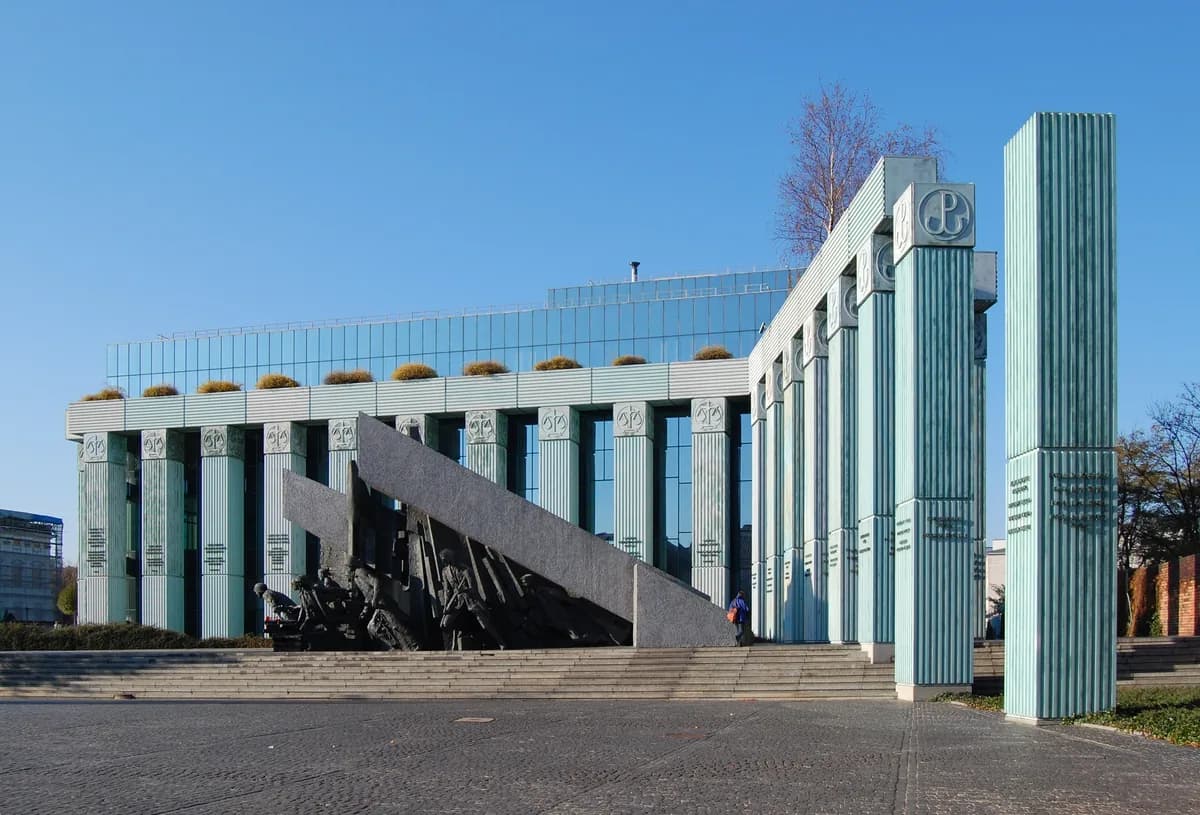
HistoryThe single most powerful museum in the city, telling the story of the 63-day 1944 uprising against German occupation through personal accounts, film, weapons and a full-size replica Liberator bomber. It explains why the rest of Warsaw looks the way it does, and most visitors leave shaken.
Insider tip: Book a timed ticket online - it is busy and weekends sell out. Allow two to three hours; the audio guide is worth it because the layout is deliberately disorienting. The City of Ruins film, a 3D flyover of the flattened city in 1945, is short and the thing people remember. Free entry on Mondays, which means the longest queues.
Book Warsaw Uprising Museum ticketsSkip-the-line tickets and guided tours- Instant confirmation
- Free cancellation on most tours
- Prices on Trip.com
POLIN Museum of the History of Polish Jews
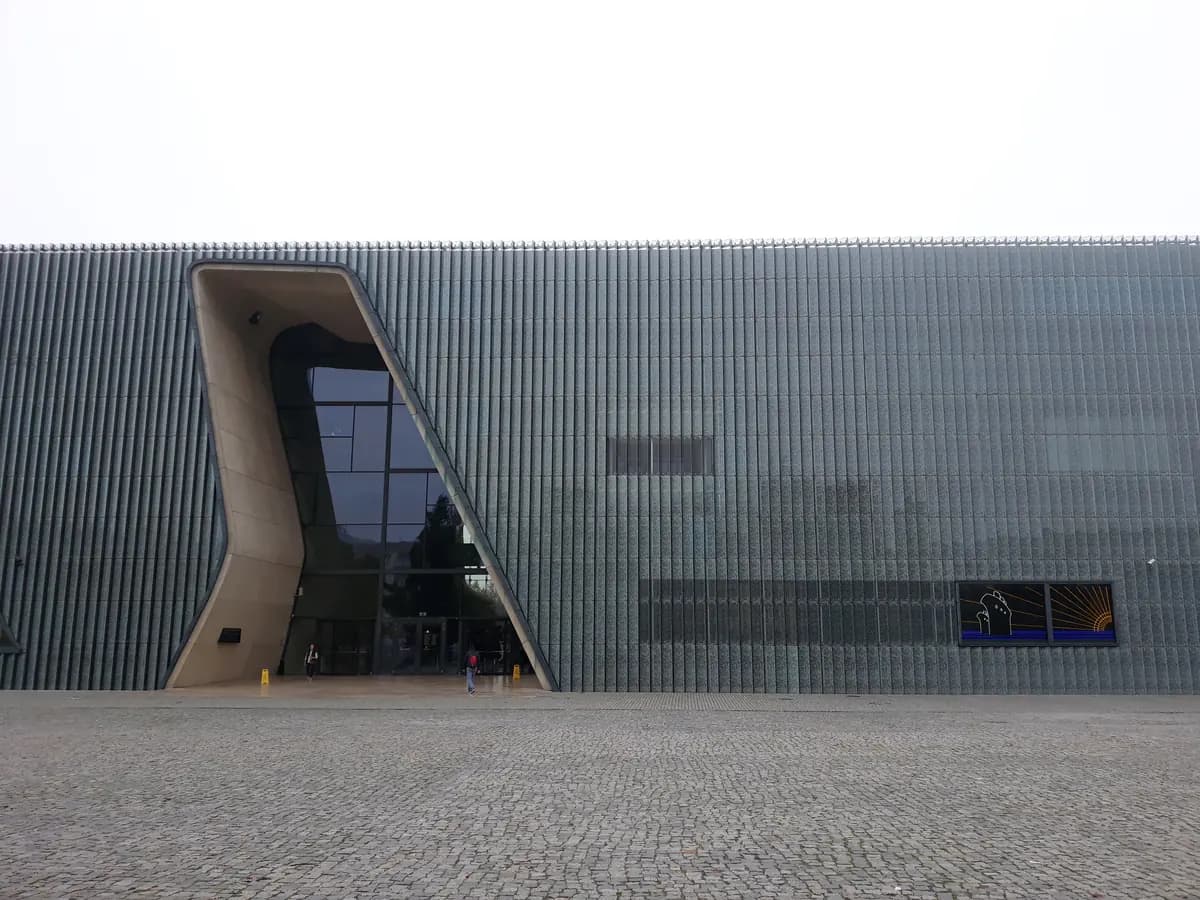
HistoryA world-class museum covering a thousand years of Jewish life in Poland - not only the Holocaust, but the centuries of culture, commerce and community that came before it. The core exhibition is beautifully designed, including a full reconstruction of a painted wooden synagogue ceiling. It stands in what was the Warsaw Ghetto.
Insider tip: Give it three hours minimum; it is bigger than it looks. Book online in high season and take the audio guide, which carries most of the storytelling. The building itself, with its canyon-like split entrance hall, is worth seeing even if you skip the exhibition. Combine with the Ghetto Heroes monument outside and the surviving fragment of ghetto wall nearby.
Book POLIN Museum of the History of Polish Jews ticketsSkip-the-line tickets and guided tours- Instant confirmation
- Free cancellation on most tours
- Prices on Trip.com
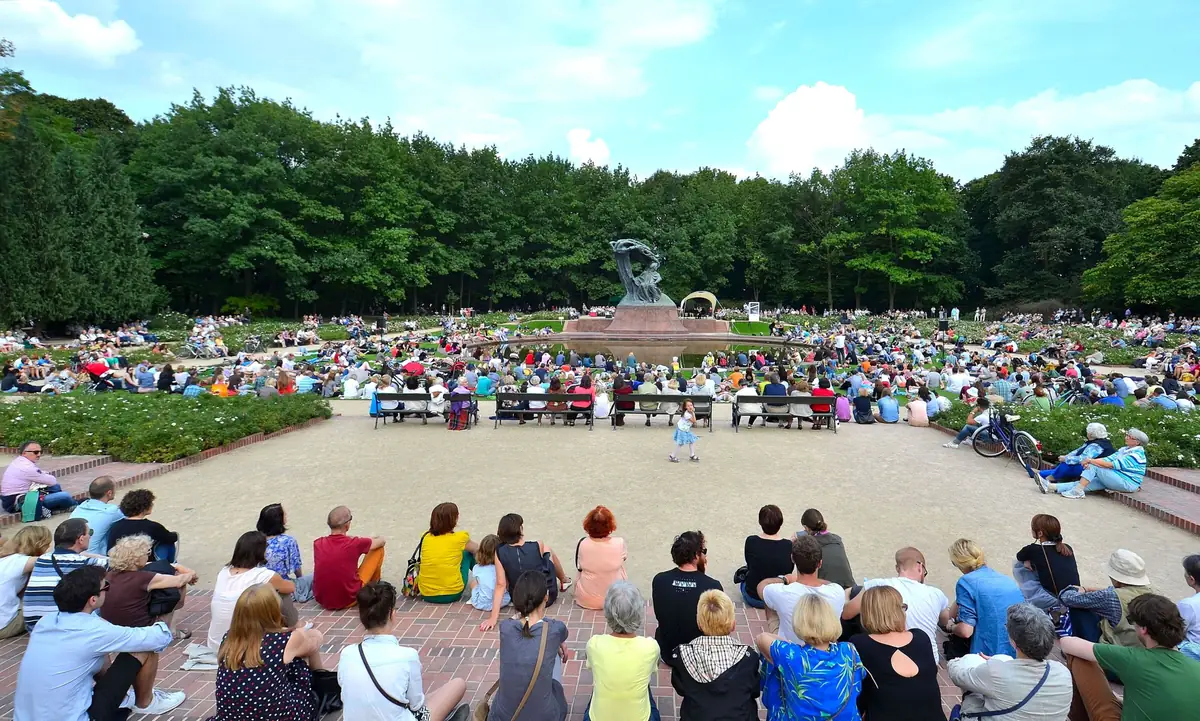
Lazienki Park & the Chopin concerts
OutdoorsFreeThe city's great royal park: 76 hectares of landscaped gardens, peacocks, an 18th-century palace sitting on an island in the lake, and an amphitheatre. From mid-May to late September, free open-air Chopin piano concerts run at the Chopin monument every Sunday at noon and 4pm, and they are a genuine Warsaw institution.
Insider tip: The concerts are free with no booking - arrive 20-30 minutes early for a spot on the grass and bring something to sit on. The Palace on the Isle charges separate entry and is worth it. Go on a weekday if you want the park quiet, and combine with the Royal Route walk down from the centre.
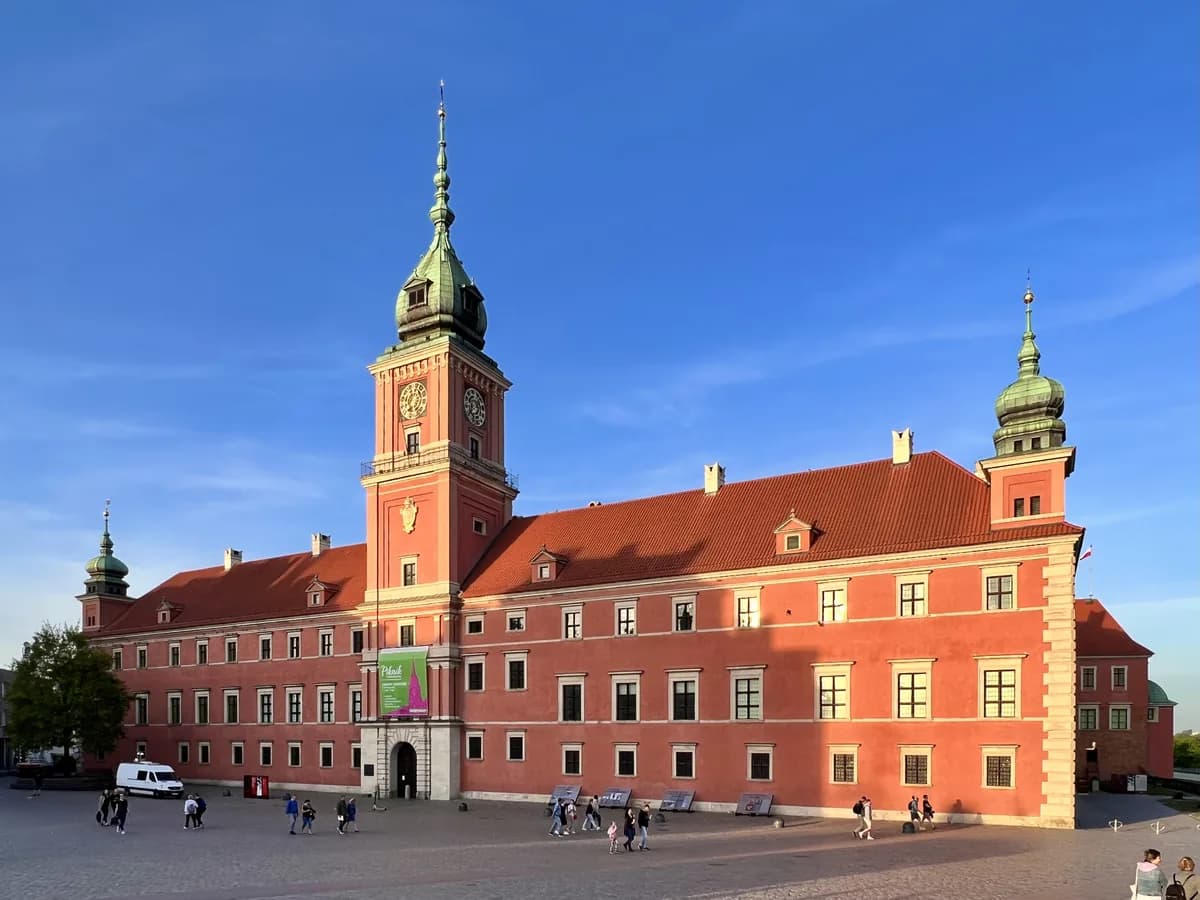
Royal Castle
HistoryThe seat of Polish kings and parliament for centuries, blown up by German forces in 1944 and rebuilt from 1971 using salvaged original fragments. Inside are restored state rooms, the Canaletto Room whose detailed cityscapes were used as a reference for rebuilding Warsaw itself, and two Rembrandts.
Insider tip: Buy online to skip the ticket line in summer. The Canaletto Room is the one to slow down for - those paintings literally rebuilt the city. There is a free entry day each week (usually Wednesday, check ahead). Allow 90 minutes, and note the castle is right on the Old Town square so it pairs naturally with a morning there.
Book Royal Castle ticketsSkip-the-line tickets and guided tours- Instant confirmation
- Free cancellation on most tours
- Prices on Trip.com
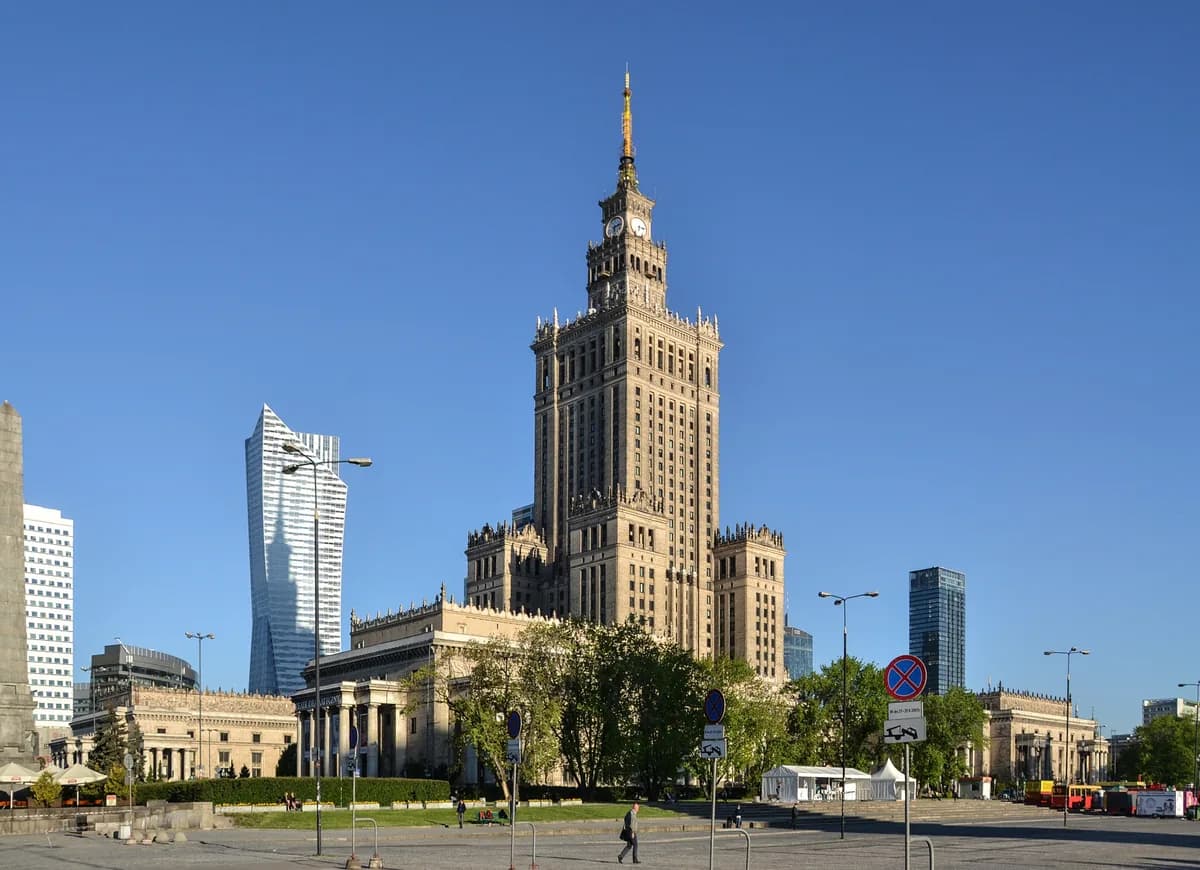
Palace of Culture and Science
ViewsStalin's 237-metre gift to Warsaw, a wedding-cake skyscraper that Varsovians have argued about since 1955 - the running joke is that its terrace has the best view in the city because it is the one place you cannot see the palace itself. The 30th-floor viewing terrace delivers the whole city grid.
Insider tip: Go up near sunset for the best light, and check the weather first because the terrace is open-air and the view is the entire point. Tickets are cheap and rarely need booking. There is also a bar on the higher floor if you want the view sitting down. The building holds theatres and a cinema, so check what is on.
Book Palace of Culture and Science ticketsSkip-the-line tickets and guided tours- Instant confirmation
- Free cancellation on most tours
- Prices on Trip.com
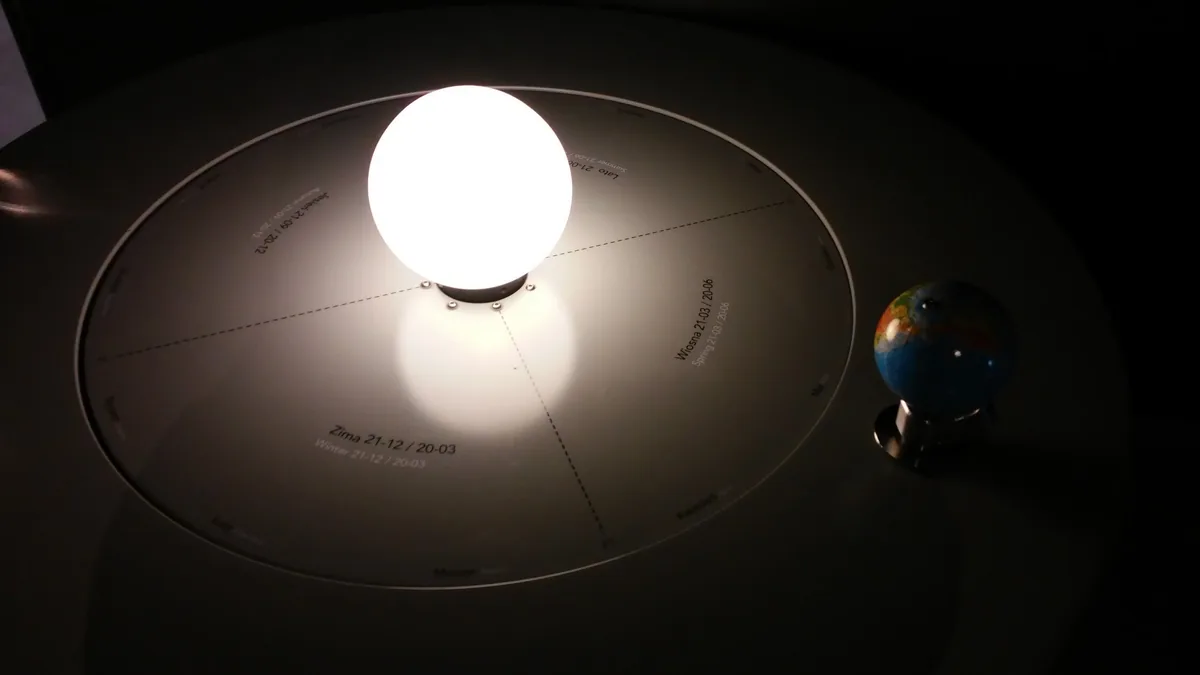
Copernicus Science Centre
FamilyOne of Europe's best hands-on science museums, with 400-plus interactive exhibits across robotics, physics and the human body, plus a planetarium. It is aimed at curious people of any age rather than just children, and it sits right on the river in Powisle.
Insider tip: Book online, genuinely - it caps daily entries and weekends and school holidays sell out days ahead. Weekday afternoons are calmest. The planetarium is a separate ticket and worth adding. The rooftop garden is free to visit and has a good view over the Vistula.
Book Copernicus Science Centre ticketsSkip-the-line tickets and guided tours- Instant confirmation
- Free cancellation on most tours
- Prices on Trip.com
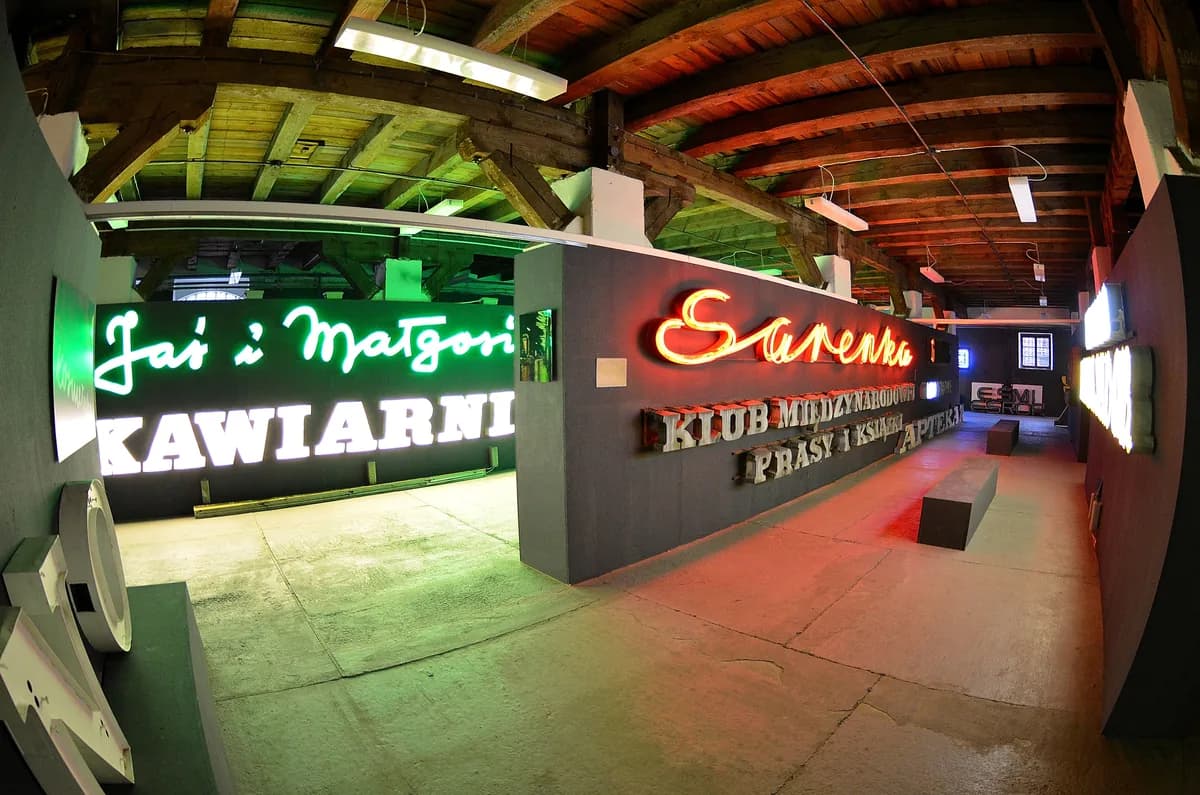
Neon Museum
NeighbourhoodsA warehouse in the Praga district hung with dozens of restored Cold War-era neon signs, saved from Polish shopfronts and cinemas. Communist authorities once commissioned artists to design these, and the collection is a strange, glowing record of the era - one of the most photogenic small museums anywhere.
Insider tip: Small and cheap, so pair it with the surrounding Soho Factory complex and a wander through Praga's pre-war streets, which survived the war intact unlike the left bank. Go in late afternoon so the neons read best. Praga has the best bars in Warsaw for afterwards.
Book Neon Museum ticketsSkip-the-line tickets and guided tours- Instant confirmation
- Free cancellation on most tours
- Prices on Trip.com
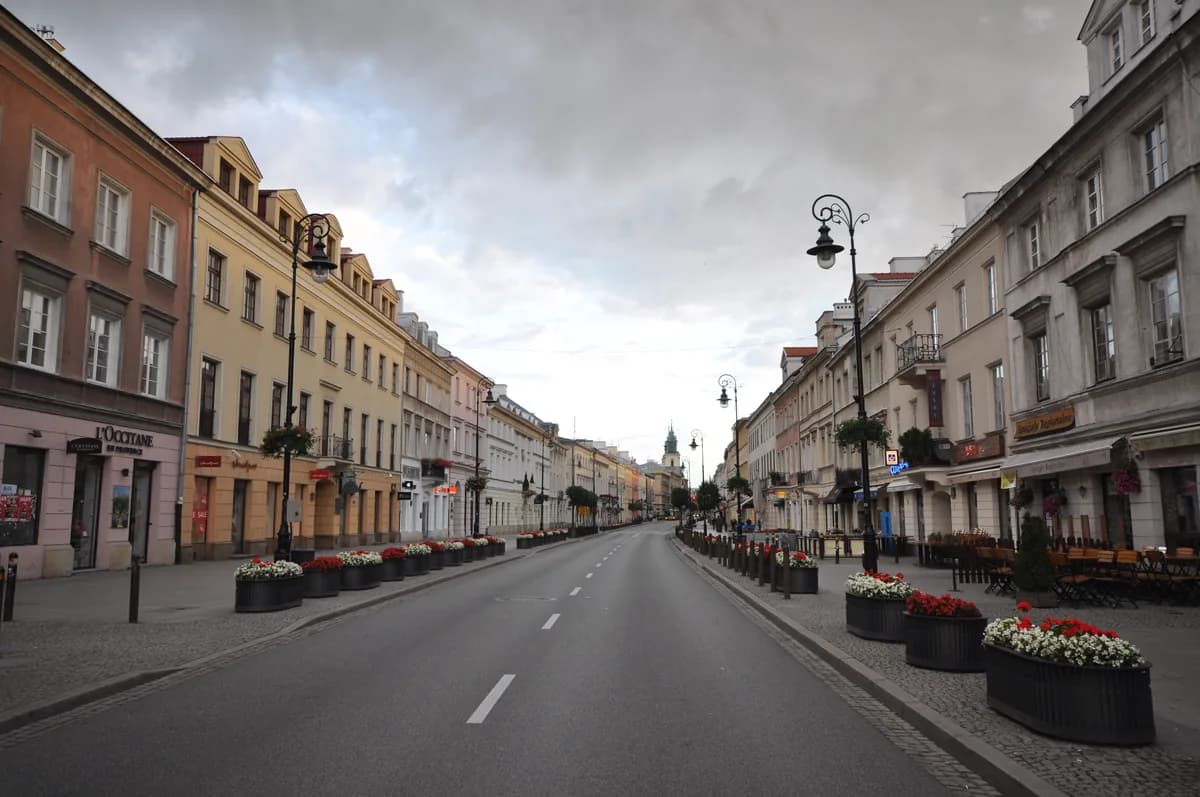
The Royal Route & Nowy Swiat
NeighbourhoodsFreeThe grand avenue running from the Old Town south past the Presidential Palace, Warsaw University and churches down to Nowy Swiat, the city's best strolling and cafe street. It's where Warsaw does its people-watching, and in summer the whole strip spills onto the pavement.
Insider tip: Walk it from the Old Town downhill and stop for coffee and a paczek (Polish doughnut) at one of the old-school cafes. Chopin's heart is sealed in a pillar of the Holy Cross Church along the way, which is worth two minutes. Continue to Three Crosses Square or cut down to Powisle and the river.
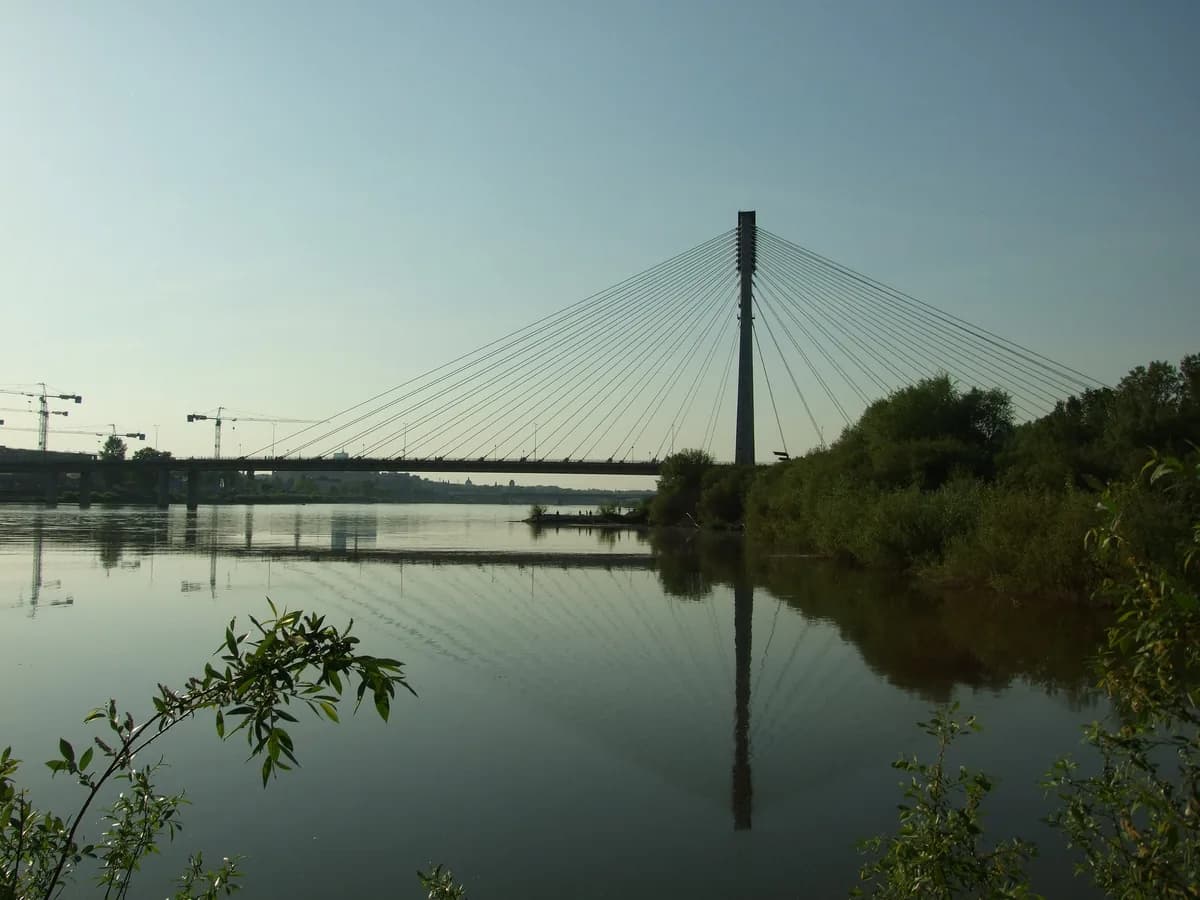
Vistula riverbank
OutdoorsFreeWarsaw's summer living room. The left bank has a modern promenade of bars, deckchairs and food stalls; the right bank is a wild, sandy, tree-lined beach, unusual for a European capital. On warm evenings, half the city is down there.
Insider tip: Cross the Swietokrzyski or Poniatowski bridge at sunset for the skyline view back over the water, then have a drink on the sand on the Praga side. The riverside bars run May to September only. The multimedia fountain park near the Old Town does free light and water shows on summer weekend evenings.
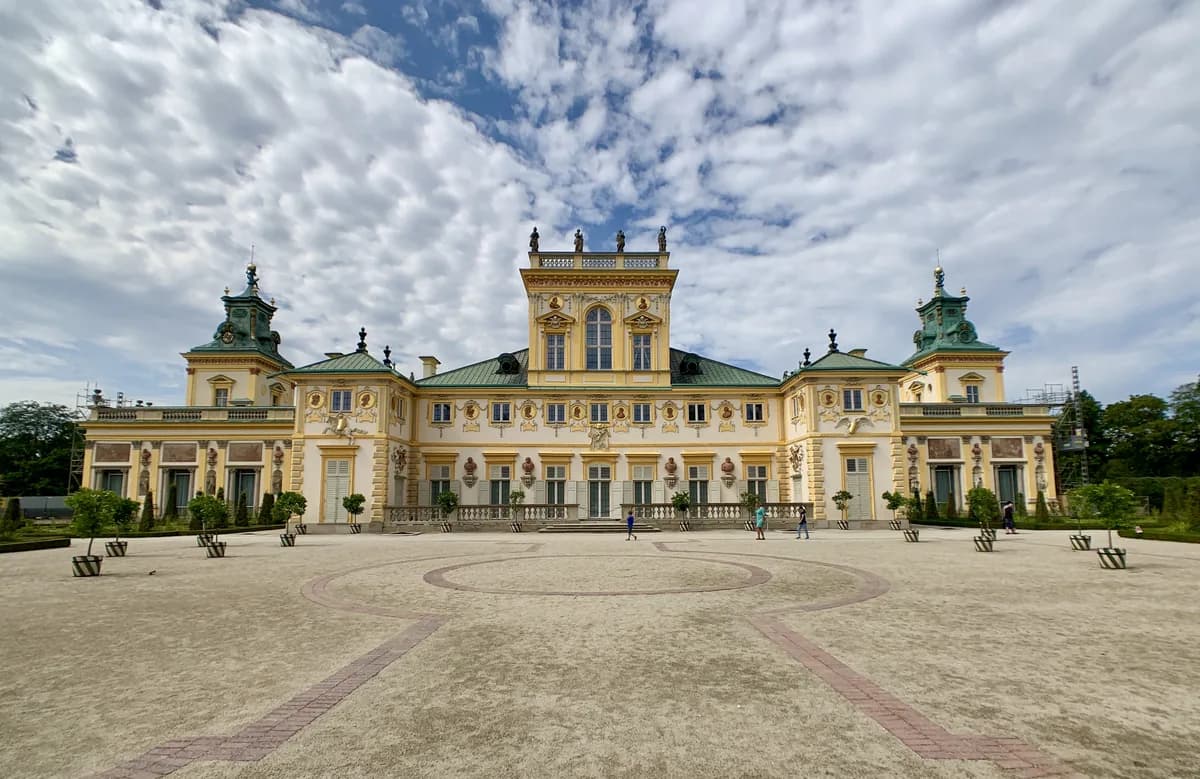
Wilanow Palace
HistoryA baroque royal summer residence on the city's southern edge, sometimes called the Polish Versailles, which survived the war largely intact - a rare thing in Warsaw. The gilded interiors and formal gardens are the closest you get here to pre-war Poland untouched.
Insider tip: It's 30-40 minutes out by bus, so give it half a day. Palace and gardens are separate tickets; in summer the gardens alone are a lovely visit. The Royal Garden of Light, a winter illumination show, runs from October through the New Year and is the main reason to come in the cold months.
Book Wilanow Palace ticketsSkip-the-line tickets and guided tours- Instant confirmation
- Free cancellation on most tours
- Prices on Trip.com
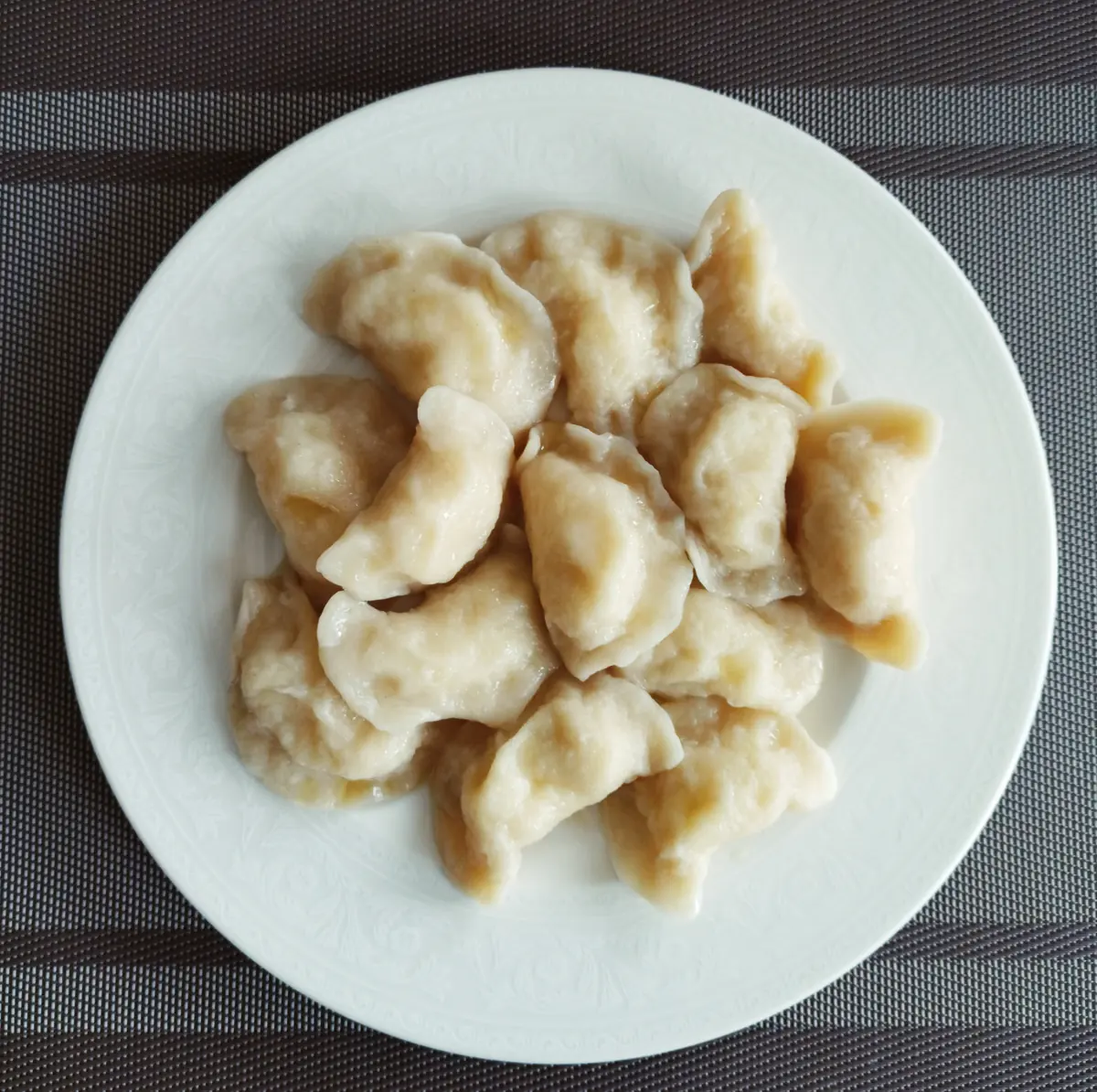
Eat pierogi and modern Polish food
Food & drinkWarsaw punches far above its price level on food. At the cheap end are milk bars (bar mleczny), subsidised canteens left over from the communist era where a plate of pierogi costs a few euros. At the other end, a generation of chefs is doing serious modern Polish cooking for a fraction of Western European prices.
Insider tip: Do one milk bar for the experience - point at what you want, cash is often preferred, and expect no frills. Then book one proper modern Polish dinner; even the best tables in town cost less than a mid-range meal in Paris. Try zurek (sour rye soup), pierogi ruskie and a flight of Polish vodka. A guided food tour on your first evening pays for itself.
Book Eat pierogi and modern Polish food ticketsSkip-the-line tickets and guided tours- Instant confirmation
- Free cancellation on most tours
- Prices on Trip.com
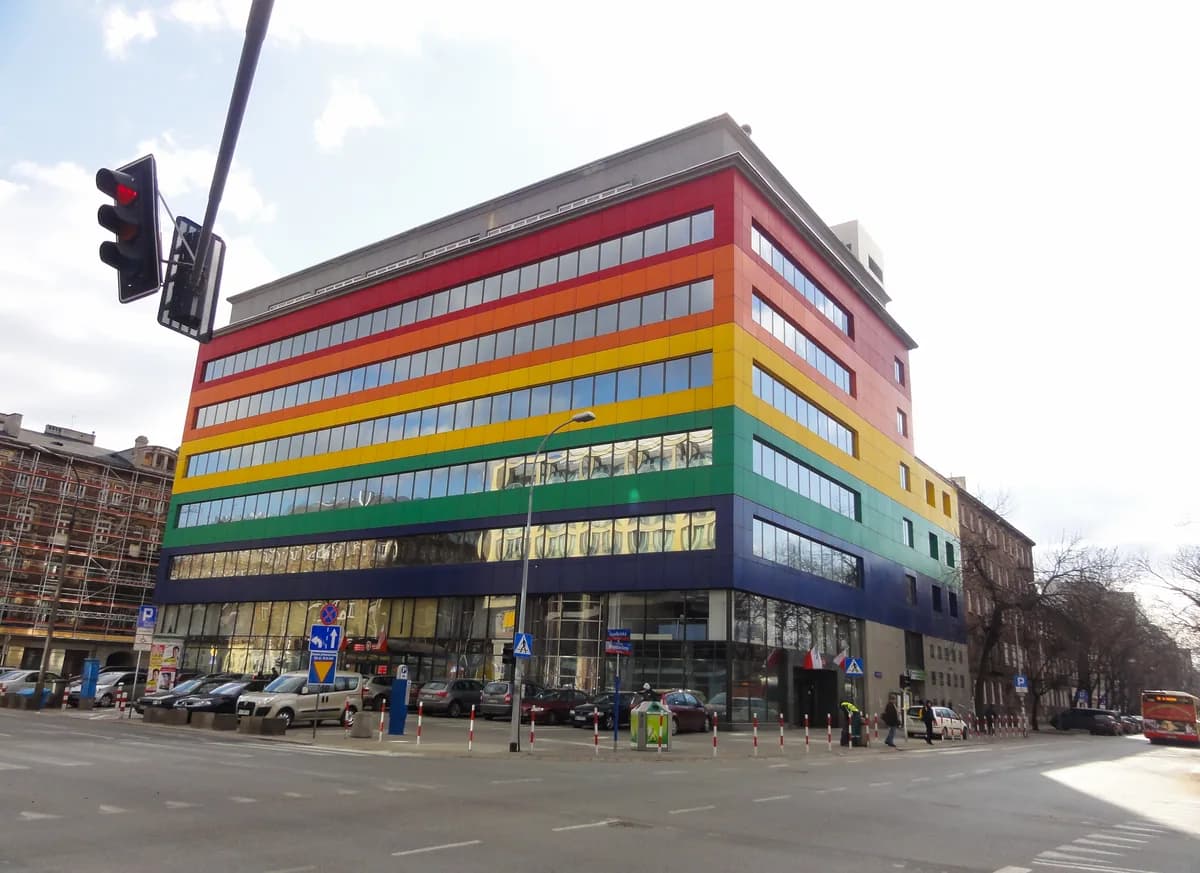
Praga district
NeighbourhoodsThe right bank escaped the wartime destruction, so this is the one part of Warsaw that looks genuinely old: crumbling brick tenements, courtyard shrines, old vodka and factory buildings turned into galleries and bars. It was rough for decades and is now the city's creative quarter.
Insider tip: Go with a guide or a plan for the courtyards and street art; the district rewards knowing where to look. The Koneser complex (a former vodka factory) has a distillery museum and good restaurants. Evenings are the time to come, and it stays cheaper than the left bank.
Book Praga district ticketsSkip-the-line tickets and guided tours- Instant confirmation
- Free cancellation on most tours
- Prices on Trip.com
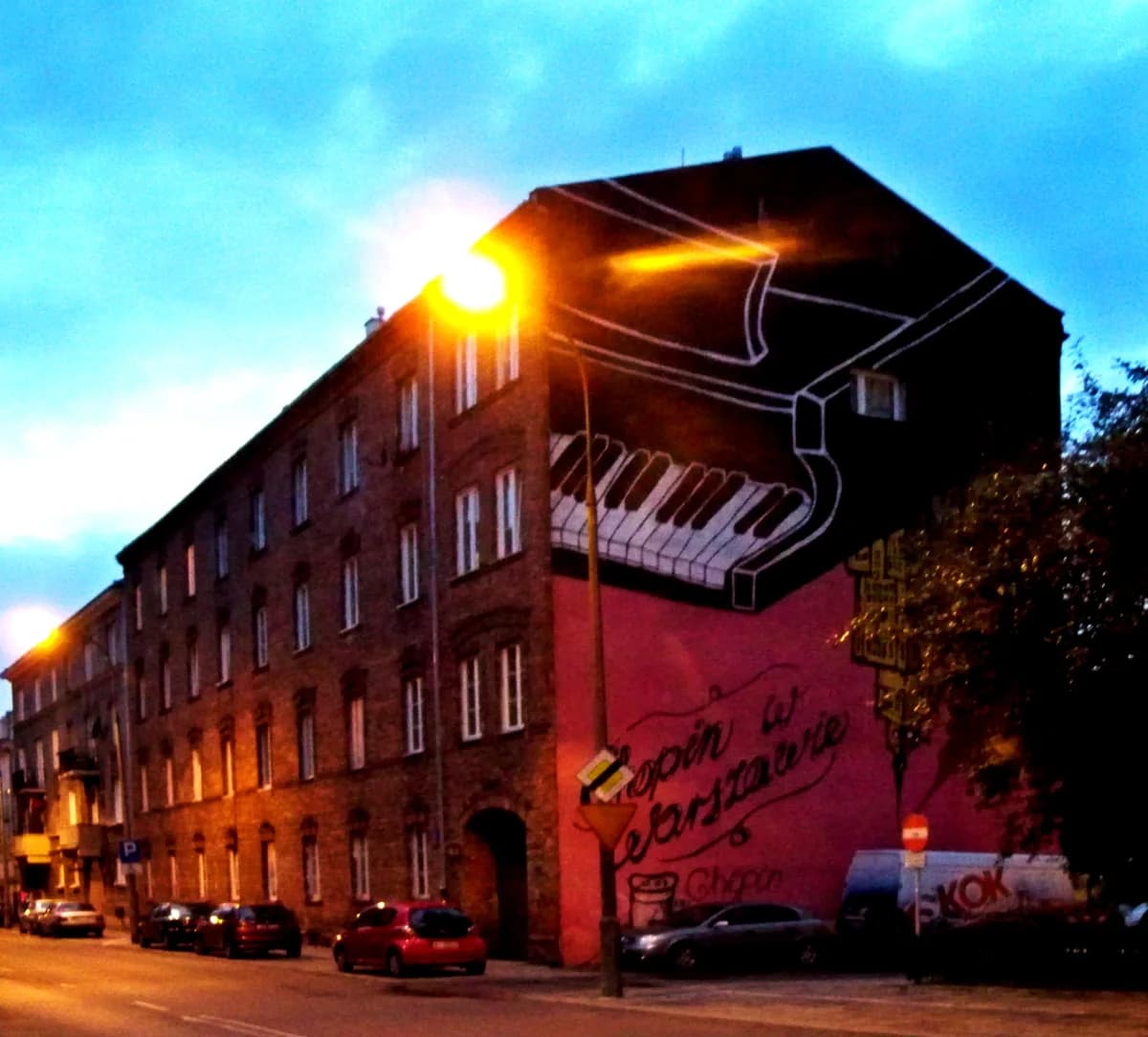
A Chopin evening
ExperiencesChopin is Warsaw's favourite son, and beyond the free park concerts, the city stages intimate piano recitals in salons and churches almost nightly, plus the excellent multimedia Chopin Museum in the Ostrogski Palace. Hearing his music played well, in the city he grew up in, is the local cultural experience.
Insider tip: Salon recitals are small and pleasant and usually bookable a day or two ahead. The Chopin Museum is interactive and modern, better than expected, with free entry one day a week. If you're here in October every fifth year, the International Chopin Piano Competition takes over the city.
Book A Chopin evening ticketsSkip-the-line tickets and guided tours- Instant confirmation
- Free cancellation on most tours
- Prices on Trip.com
Where to stay in Warsaw
The best areas to base yourself, and who each suits.
Old Town & Srodmiescie
First-timers - you walk to the Royal Castle, the square and the Royal Route, with the widest hotel choice; the square itself is touristy and pricier for dinner.
Powisle & the riverbank
Younger, local feel - riverside bars, the Copernicus Centre and the university library garden, ten minutes' walk below the centre and much better value for food.
Praga (right bank)
Artsy and cheap - pre-war tenements that survived the war, galleries in old factories and the city's best bar scene; a tram or metro hop from the sights.
Wola & Rondo Daszynskiego
New Warsaw - the business district's modern hotels, often the best value on weekends, next to the Uprising Museum and two metro stops from the centre.
Planning your Warsaw trip
Best time to visit
May to September is the sweet spot, with long days, 20-25°C, packed outdoor cafes and the free Chopin concerts running in Lazienki Park. June and July are warmest and busiest. Late April to early May and September are quieter and still pleasant, with lower hotel rates. December brings Christmas markets and lights on the Old Town square, but expect real cold - Warsaw sits around freezing and often below, with short days. January and February are the cheapest months and the museums are the point then, not the parks.
Getting around
Chopin Airport (WAW) is 20 minutes from the centre on the S2/S3 train or bus 175, and Modlin (WMI), used by low-cost carriers, is an hour out by bus. In town, transit is excellent and cheap: two metro lines, a dense tram network and buses all run on the same ticket, about 4 zloty for 20 minutes or roughly 15 for 24 hours. Buy from machines at stops, in the app, or contactless on board, and validate on entry. The Old Town, New Town and the Royal Route down to Nowy Swiat are best walked, and Veturilo city bikes cover the river paths in summer.
Things to do in Warsaw: FAQ
The questions travelers ask most when planning a trip here.
Where to base yourself in Warsaw
Everything on this list is easier from the right side of town, and the area you book decides how much of the day you spend getting to it. These go into the detail:
- Free cancellation on most rooms
- No booking fee
- Prices on Trip.com
More things-to-do guides
Continue Planning Your Trip
Intelligent tools designed to simplify the complex.
Things to Do
Ranked attractions, tips and how to book tickets
Where to Stay
The best area to stay in each city, by neighborhood
Car Rental
Real prices, driving tips and the best routes by destination
Airport Transfers
Getting from the airport to your hotel, by price and time
All-Inclusive Guides
What all-inclusive really means, by destination
Best Time to Visit
Month-by-month weather, crowds and prices
Cheapest Places to Travel
18 destinations ranked by real daily budgets
Route Finder
Find the cheapest way to get there
Hotel Finder
Book the right hotel for your destination
AI Trip Planner
Build a day-by-day itinerary
Budget Calculator
Estimate total cost
Photo credits (14)
Photos via Wikimedia Commons, used under their respective licences.
- The Old Town & Market Square: Adrian Grycuk - CC BY-SA 3.0 pl · source
- Warsaw Uprising Museum: Marcin Białek - CC BY-SA 4.0 · source
- POLIN Museum of the History of Polish Jews: Simon Burchell - CC BY-SA 4.0 · source
- Lazienki Park & the Chopin concerts: Adrian Grycuk - CC BY-SA 3.0 pl · source
- Royal Castle: Chris Olszewski - CC BY-SA 4.0 · source
- Palace of Culture and Science: Pudelek - CC BY-SA 4.0 · source
- Copernicus Science Centre: Klarqa - CC BY 4.0 · source
- Neon Museum: Adrian Grycuk - CC BY-SA 3.0 pl · source
- The Royal Route & Nowy Swiat: Jorge Láscar from Australia - CC BY 2.0 · source
- Vistula riverbank: Self-photographed - CC BY-SA 3.0 · source
- Wilanow Palace: Chris Olszewski - CC BY-SA 4.0 · source
- Eat pierogi and modern Polish food: Aw58 - CC BY-SA 4.0 · source
- Praga district: Guillaume Speurt from Vilnius, Lithuania - CC BY-SA 2.0 · source
- A Chopin evening: Panek - CC BY-SA 3.0 · source