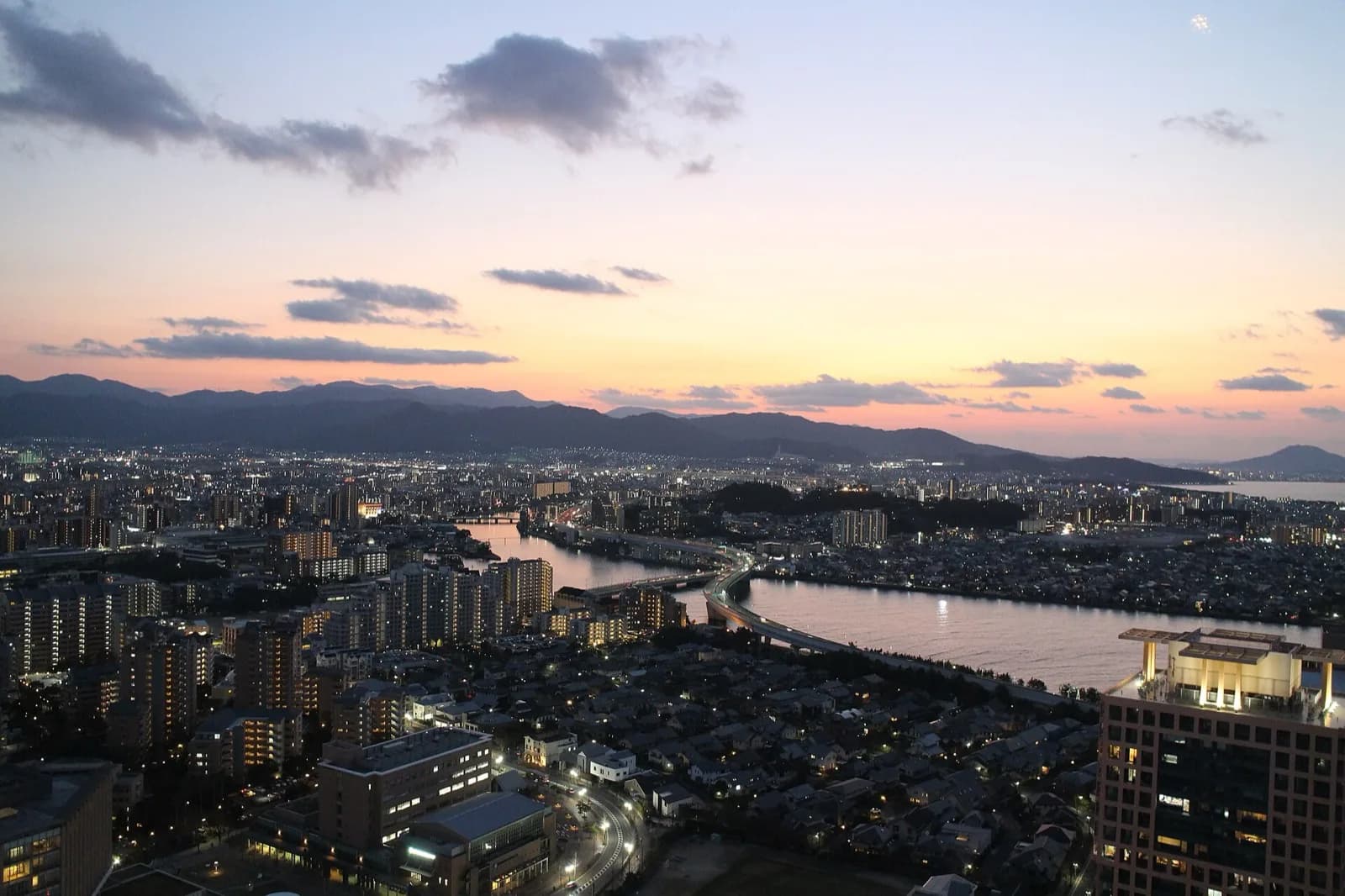
What are the best things to do in Fukuoka?
The best things to do in Fukuoka are eating at the yatai food stalls along the Nakasu river at night, a bowl of Hakata tonkotsu ramen, Ohori Park and the Fukuoka Castle ruins, the view from Fukuoka Tower, and a day trip to Dazaifu Tenmangu shrine or the Itoshima coast. Fukuoka is the easiest major Japanese city to arrive in - the airport is five minutes by subway from Hakata Station - and almost nothing needs advance booking.
13 best things to do in Fukuoka
Ranked best-first, with an insider tip and how to book each. Prices and hours change - check before you go.
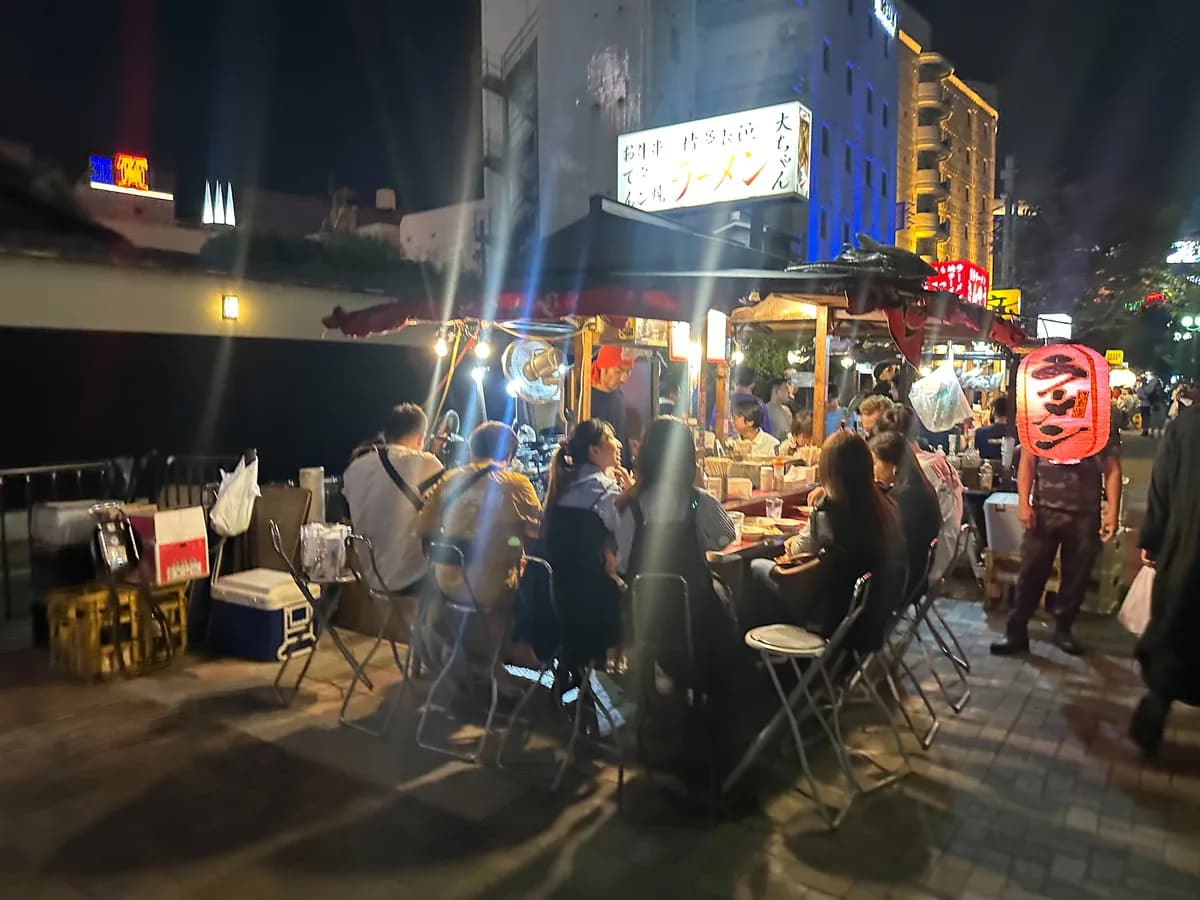
Yatai food stalls at night
Food & drinkFreeFukuoka has the last real yatai scene in Japan - around 100 open-air stalls that wheel out at dusk, unfold into eight-seat counters and serve ramen, yakitori, oden and beer under a plastic awning until the small hours. Most other Japanese cities regulated theirs out of existence. This is the single most Fukuoka thing you can do.
Insider tip: The Nakasu riverside row is the famous one and the most touristy; Tenjin and Nagahama stalls are more local. They open around 6pm, and popular ones queue by 7. Bring cash, expect to sit shoulder to shoulder with strangers, and order a few small things rather than a full meal so you can try two or three stalls. They close in heavy rain and typhoons.
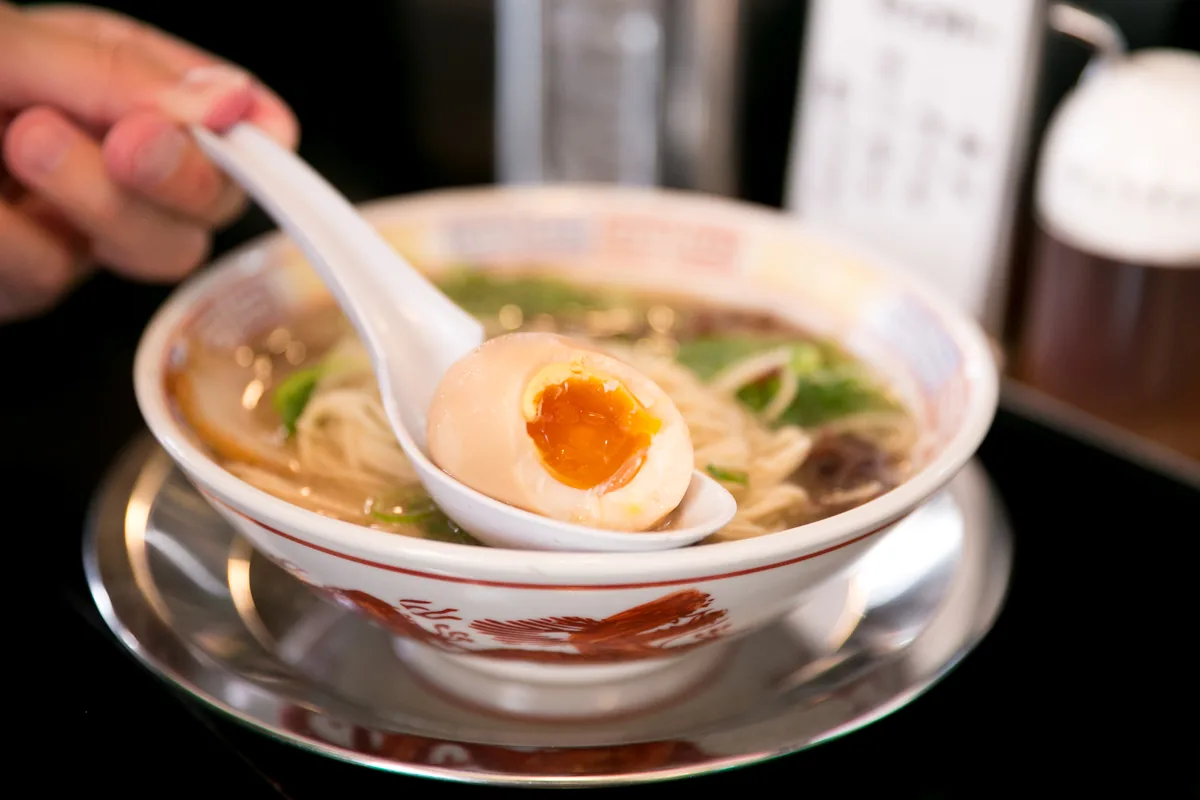
Hakata tonkotsu ramen
Food & drinkFukuoka invented tonkotsu: the cloudy, rich pork-bone broth with thin straight noodles that took over the ramen world. Eating it here, where the shops have been perfecting it for generations, is the reason a lot of people come to the city at all.
Insider tip: Order kaedama - a refill of noodles for a small extra charge, a Hakata invention - and specify noodle firmness (barikata is the local hard). The famous shops around Hakata Station and Nagahama run late or all night, and many use ticket vending machines at the door. A bowl runs well under 1,000 yen, so eat more than one over a trip and compare.
Book Hakata tonkotsu ramen ticketsSkip-the-line tickets and guided tours- Instant confirmation
- Free cancellation on most tours
- Prices on Trip.com
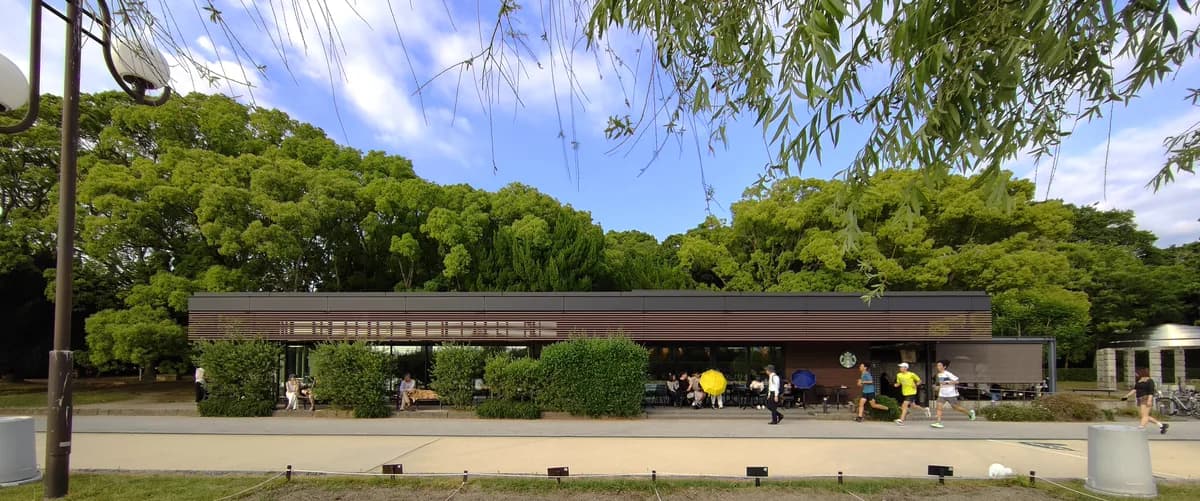
Ohori Park & Fukuoka Castle ruins
OutdoorsFreeA large lake with a chain of islands linked by bridges, a 2km waterside loop that the whole city walks and runs, and a Japanese garden at one end. Next door are the stone walls and turrets of the 17th-century Fukuoka Castle, on a hill in Maizuru Park with the best views over the centre.
Insider tip: The park is free and open always; the Japanese garden charges a small fee and is worth it. Go up to the castle ruins for the panorama - the walls survive rather than the keep, so come for the setting and the view, not a building. Maizuru Park is Kyushu's top cherry blossom spot, spectacular and packed for about ten days in late March or early April.
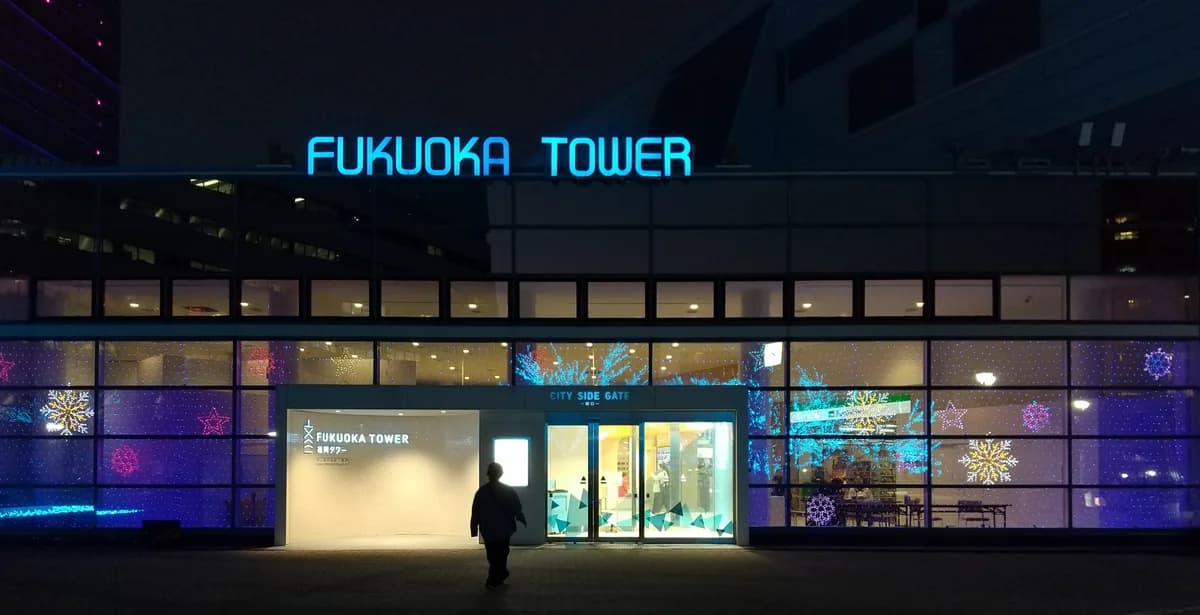
Fukuoka Tower
ViewsAt 234 metres this is Japan's tallest seaside tower, and the observation deck at 123 metres gives you the city on one side and Hakata Bay on the other - the clearest way to understand how Fukuoka sits between mountains and sea.
Insider tip: Go about an hour before sunset for both daylight and the night view in one ticket. It's out at Momochi, near the beach and the Fukuoka City Museum, so combine them. Discounts are common for foreign visitors with a passport, and it rarely needs booking. Skip it in poor visibility - it's just a view.
Book Fukuoka Tower ticketsSkip-the-line tickets and guided tours- Instant confirmation
- Free cancellation on most tours
- Prices on Trip.com
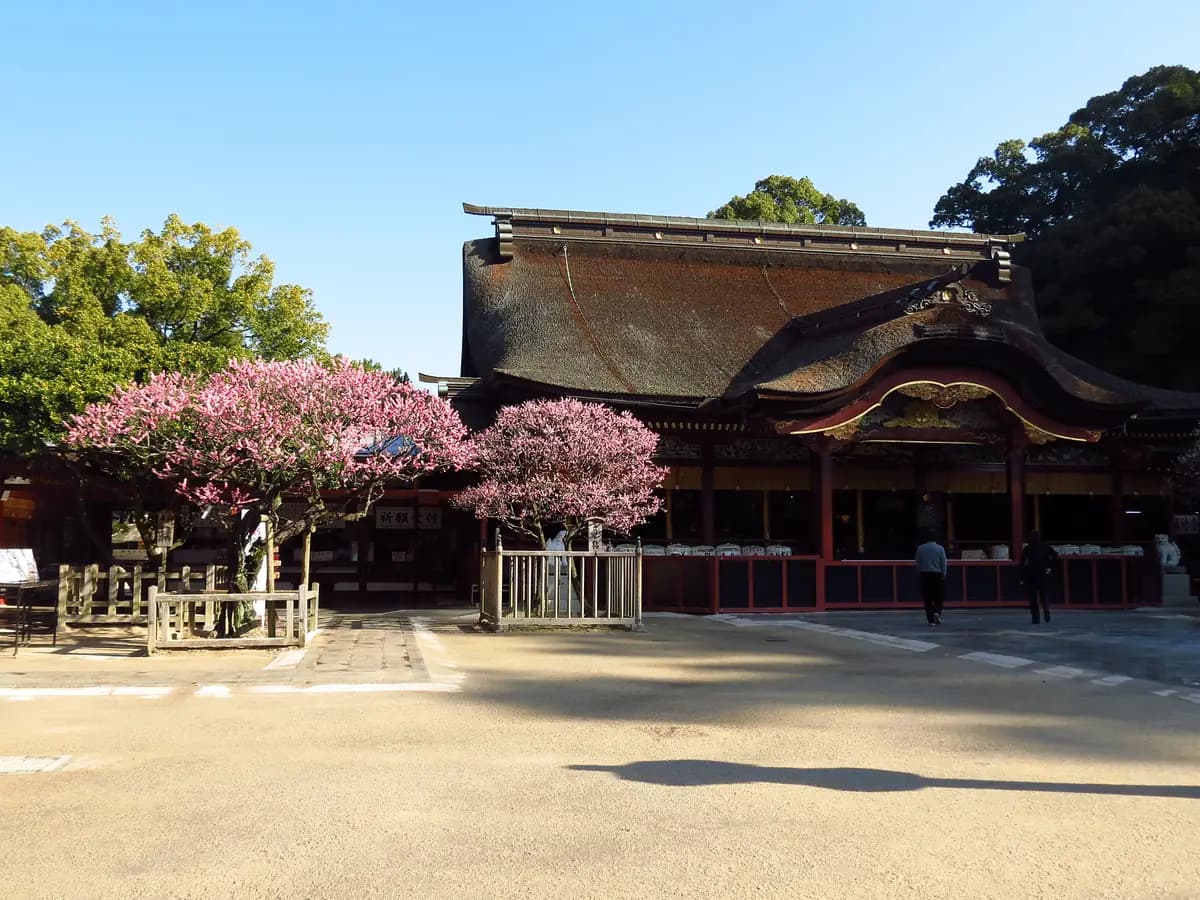
Dazaifu Tenmangu Shrine
Day tripsThe most important shrine in Kyushu, dedicated to the god of learning, set among plum trees 40 minutes from the city. Students come from all over Japan to pray for exam success. The approach street is lined with shops selling umegae mochi, a grilled red-bean cake you eat hot on the walk in.
Insider tip: Go on a weekday morning to avoid the crowds. The Kyushu National Museum sits behind the shrine through a tunnel and escalator, and it's one of Japan's four national museums - well worth adding. Plum blossom in February and March is the shrine's signature season. Note the main hall is under a long restoration, with a striking temporary structure in its place.
Book Dazaifu Tenmangu Shrine ticketsSkip-the-line tickets and guided tours- Instant confirmation
- Free cancellation on most tours
- Prices on Trip.com
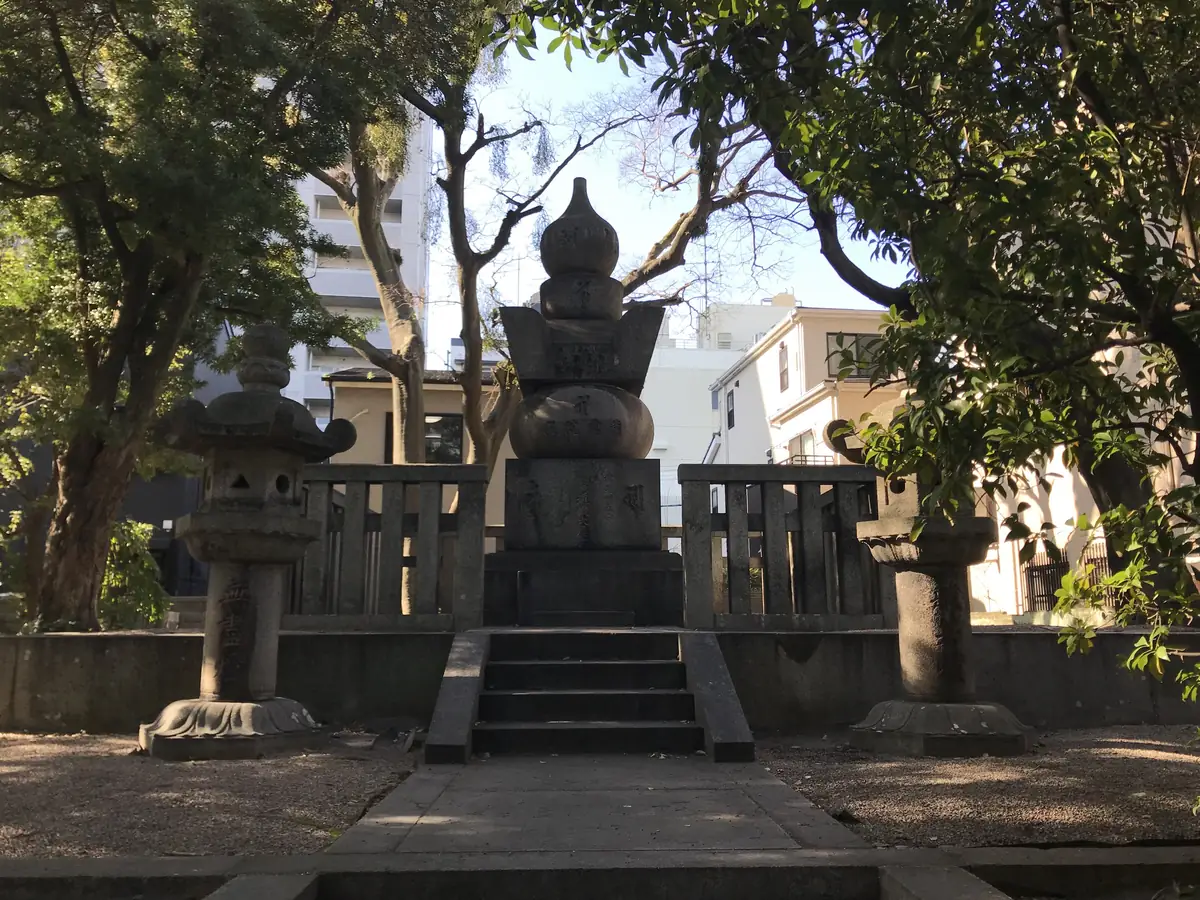
Tochoji Temple & the Great Buddha
HistoryFreeA ten-minute walk from Hakata Station sits Japan's largest seated wooden Buddha, 10.8 metres and 30 tonnes, carved over four years. Behind it is a dark walk-through passage representing hell and paradise that you feel your way along in total blackness.
Insider tip: Entry to see the Buddha is free and it takes 15 minutes, which makes it the best quick stop near the station. Do the pitch-black corridor - it's short, genuinely disorienting and free. Photography of the Buddha is restricted, so look rather than shoot. Pair it with the nearby Kushida Shrine and the Hakata Machiya folk museum.
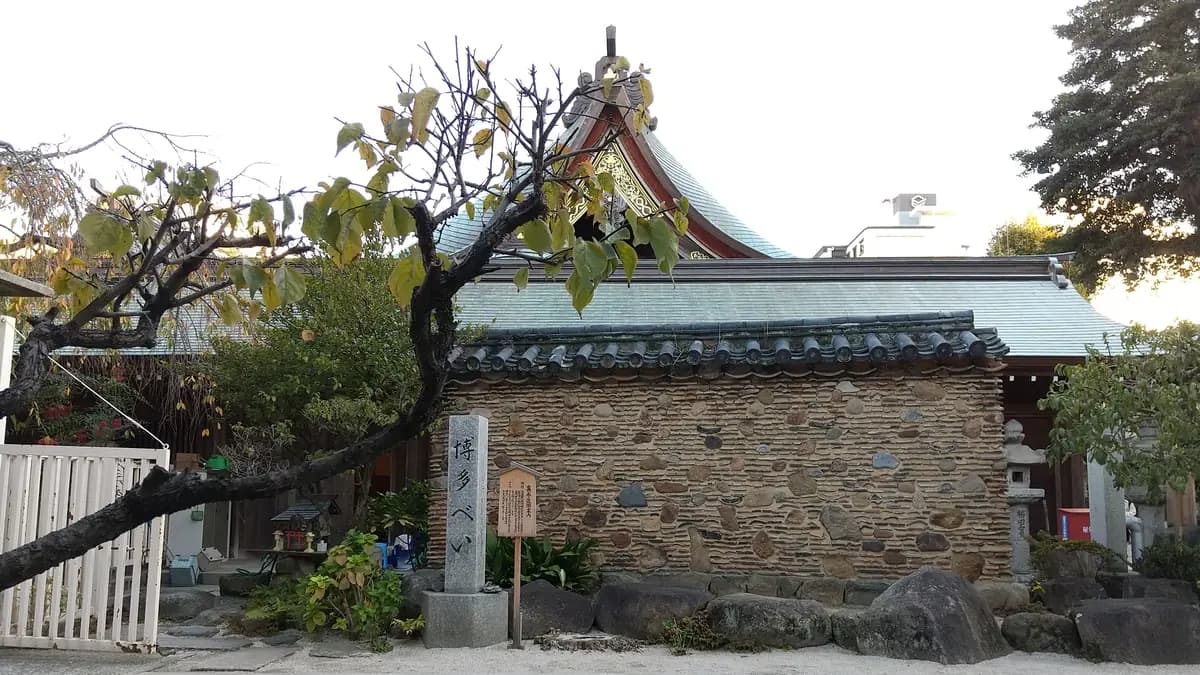
Kushida Shrine
HistoryFreeFukuoka's guardian shrine since 757 and the spiritual home of the Hakata Gion Yamakasa festival. A towering decorated float is on display year-round in the grounds, which gives you a sense of the July festival when teams race one-tonne floats through the streets at dawn.
Insider tip: Free, central and takes 20 minutes. The permanent float display is the highlight outside festival season. If you're here on 15 July, the 5am Oiyama finale is one of Japan's wildest festivals and worth the alarm. The Hakata Machiya Folk Museum across the street explains the old merchant town well.
Itoshima coast
Day tripsA peninsula 30-40 minutes west of the city with beaches, a white torii gate standing in the sea at Sakurai Futamigaura, coastal cafes, and clifftop views out over the water. It's where Fukuoka goes at the weekend and it feels a world away from the city.
Insider tip: A car makes Itoshima far better than public transport, which is thin along the coast - rent one or take a day tour. Sunset at the sea torii is the classic photo. The area is full of small cafes, oyster huts in winter and pottery studios. Go on a weekday if you can; summer weekends get busy.
Book Itoshima coast ticketsSkip-the-line tickets and guided tours- Instant confirmation
- Free cancellation on most tours
- Prices on Trip.com
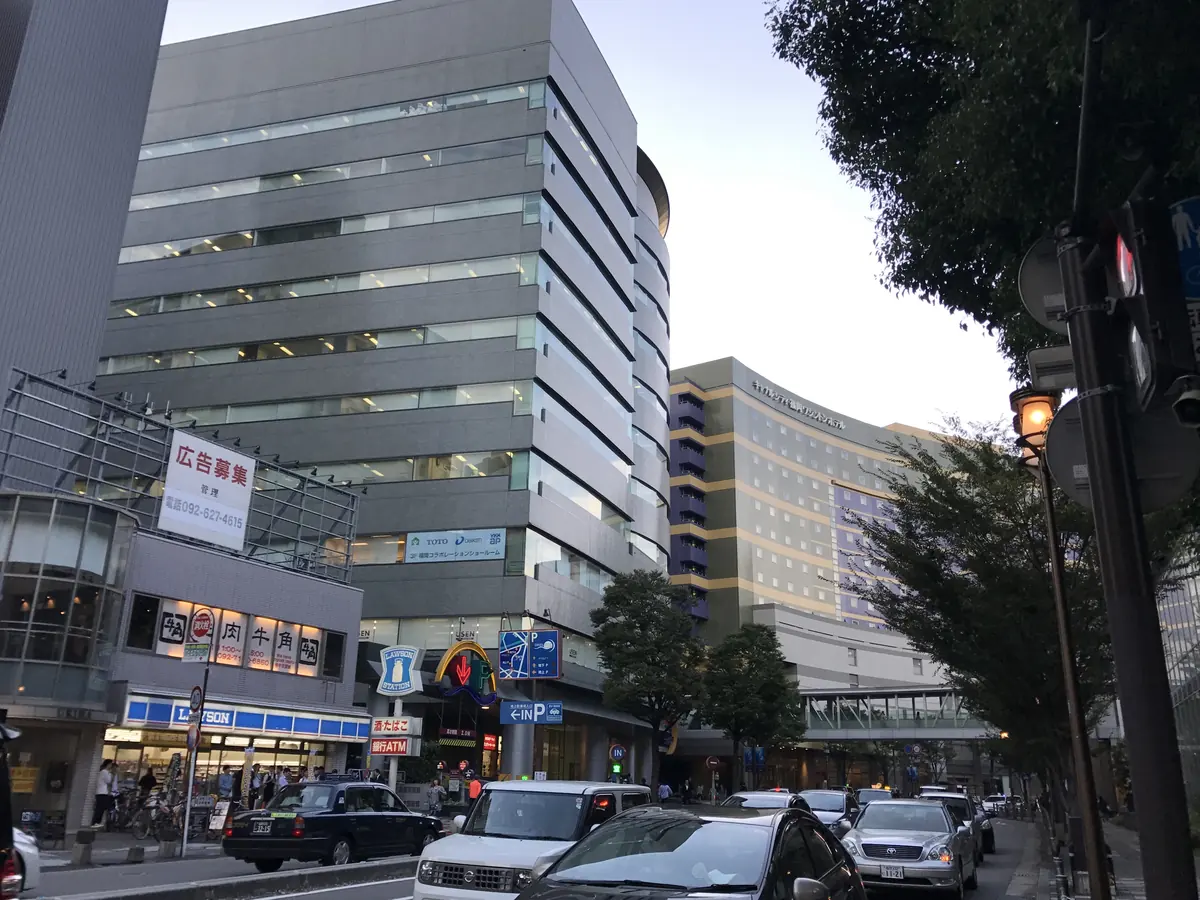
Canal City Hakata
FamilyFreeA vast curved shopping and entertainment complex built around an artificial canal, with a fountain show every half hour, a ramen food court gathering famous shops from around Japan, cinemas and a theatre. It's unashamedly a mall, and it's a genuine Fukuoka landmark.
Insider tip: Come for the Ramen Stadium on the top floor - eight or so regional ramen shops in one place, ideal if you want to compare styles without crossing the city. The fountain shows run through the day and there's a bigger light and water show in the evening. Handy in the rainy season or a typhoon.
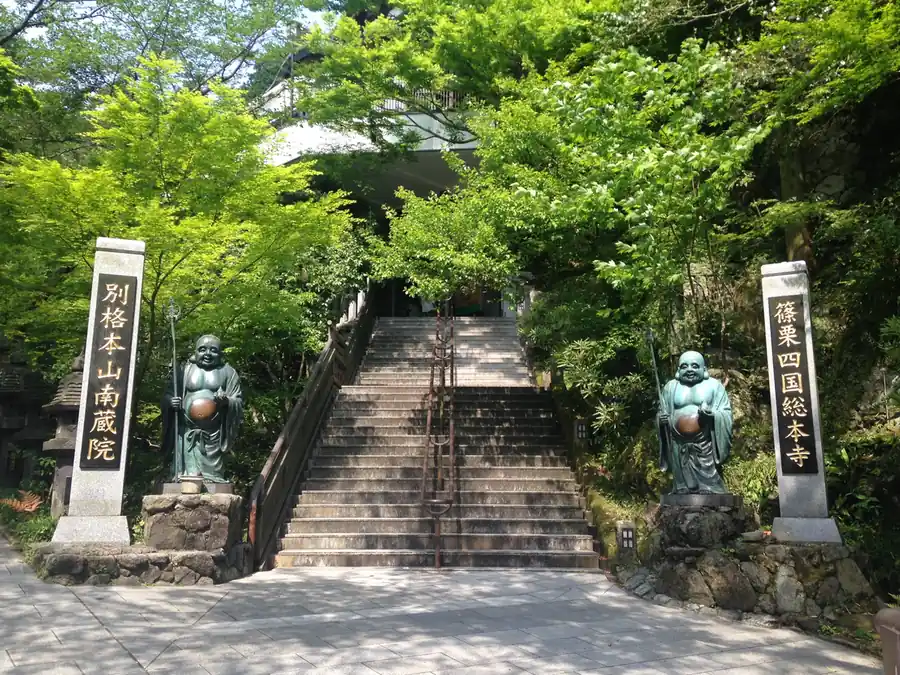
Nanzoin Reclining Buddha
HistoryOne of the largest bronze reclining Buddha statues in the world, 41 metres long and 11 metres high, in a temple complex in the hills about 25 minutes by train from Hakata. The scale in a quiet wooded valley is the surprise.
Insider tip: Take the JR Fukuhokuyutaka line to Kido-Nanzoin-mae, then it's a short walk. The temple has strict rules for visitors - modest dress, no alcohol, and no visits by people who've come purely for photos rather than worship, so be respectful and quiet. Free to enter. Half a day round trip.
Book Nanzoin Reclining Buddha ticketsSkip-the-line tickets and guided tours- Instant confirmation
- Free cancellation on most tours
- Prices on Trip.com
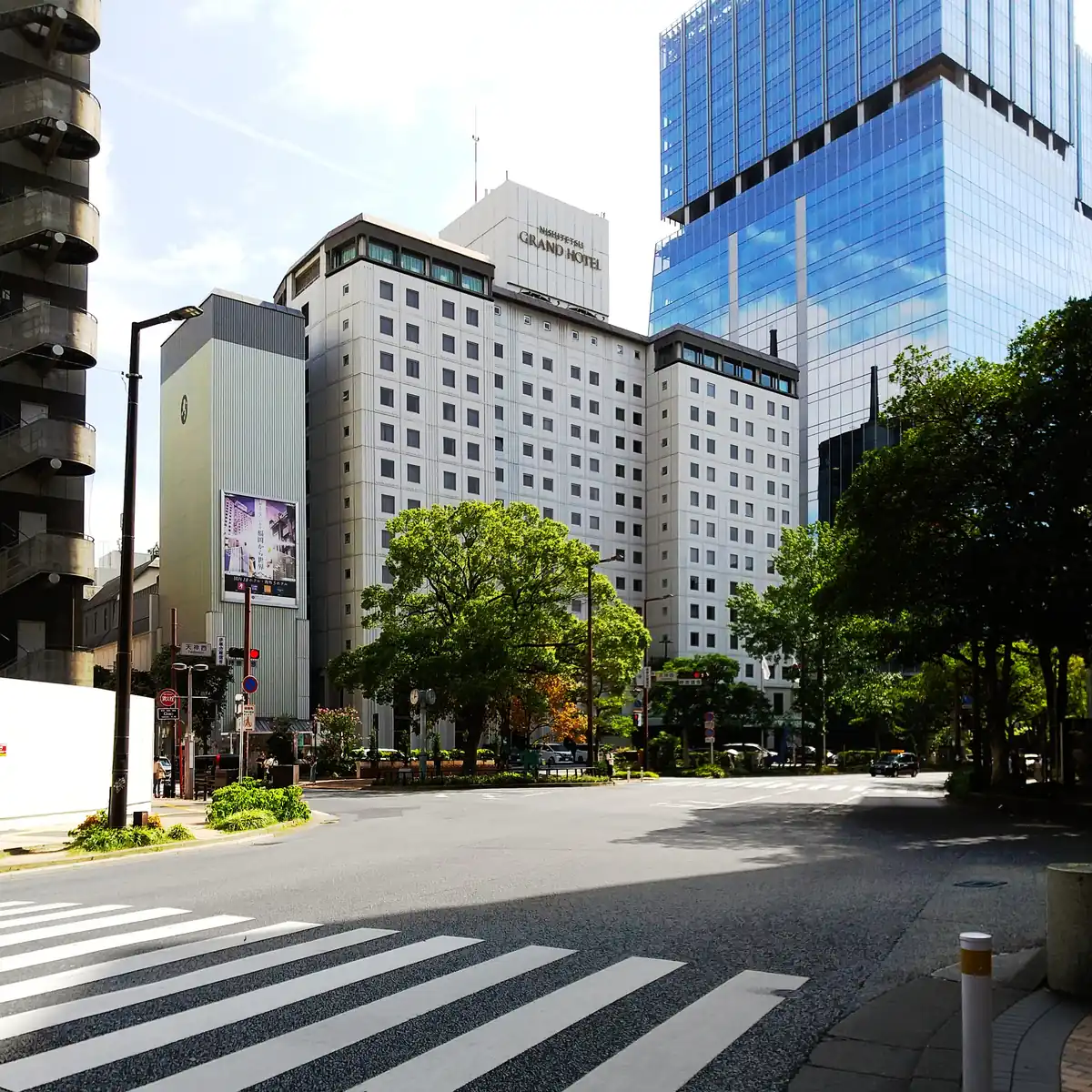
Tenjin & Daimyo
NeighbourhoodsFreeTenjin is downtown Fukuoka - department stores, an extensive underground shopping arcade and the city's densest eating and drinking. Behind it, Daimyo is the opposite: narrow backstreets of independent boutiques, third-wave coffee, vintage shops and small bars, and it's where the city's style lives.
Insider tip: The Tenjin Chikagai underground mall is a lifesaver in rain or summer heat and runs for blocks. Do Daimyo in the late afternoon for coffee and shopping, then stay for dinner and a bar. It's an easy walk from Tenjin to the Nakasu yatai afterwards along the river.
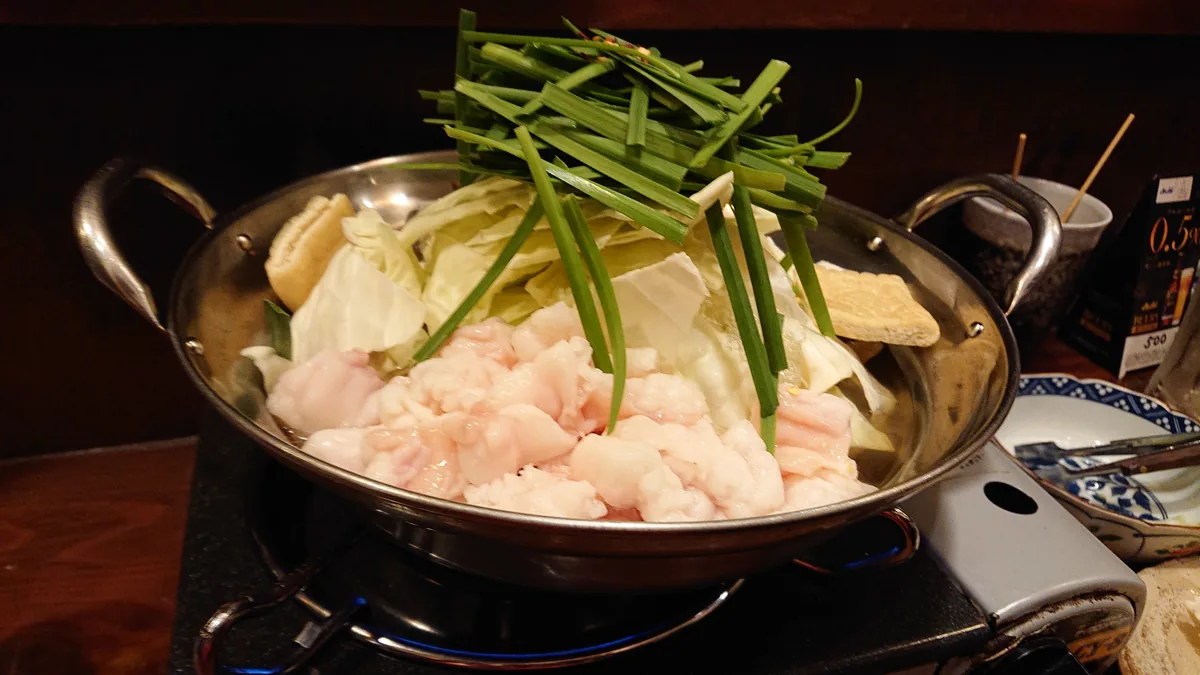
Motsunabe and mentaiko
Food & drinkBeyond ramen, Fukuoka has two signature dishes: motsunabe, a hot pot of beef offal, cabbage and garlic chives in a soy or miso broth, and mentaiko, spicy marinated pollock roe that locals put on rice, pasta and toast. Both are city specialities you'll struggle to find done this well elsewhere.
Insider tip: Motsunabe is a shared pot, so it's best with two or more people and is at its best in cold months. Order the noodle or rice finish at the end - that's the point. Mentaiko makes the classic Fukuoka souvenir; buy it vacuum-packed at the airport or Hakata Station on the way out, and check the rules for taking it home.
Book Motsunabe and mentaiko ticketsSkip-the-line tickets and guided tours- Instant confirmation
- Free cancellation on most tours
- Prices on Trip.com
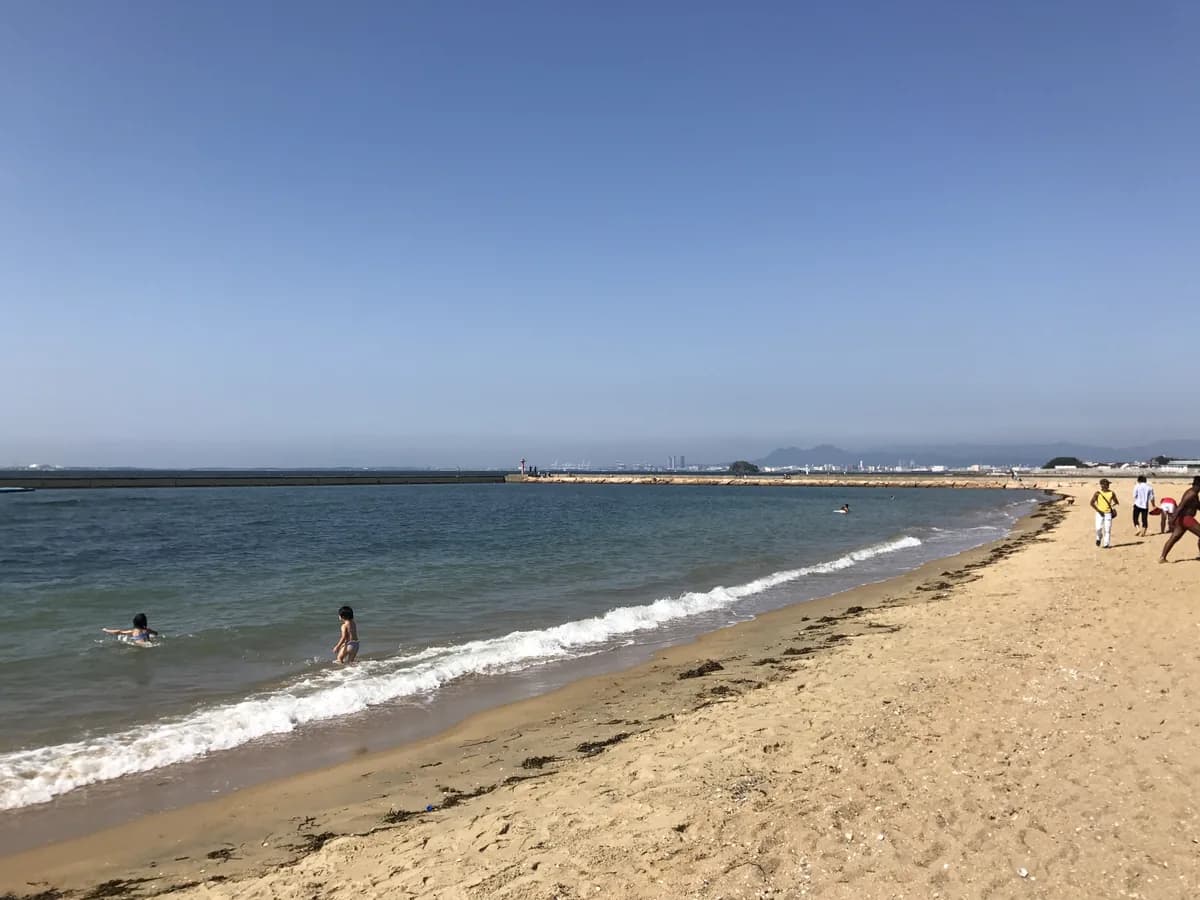
Hakata Bay & Momochi Seaside Park
OutdoorsFreeA man-made beach on the bay right in the city, backed by the Fukuoka Tower and a promenade of cafes and restaurants. Being able to finish a day of temples and ramen with a walk on the sand inside the city limits is unusual for a Japanese metropolis.
Insider tip: Best at sunset, when the beach faces the light and the tower comes on behind you. It's a short bus or subway plus walk from Tenjin. The seaside restaurants are pleasant but touristy; eat in Tenjin and come here for the walk and the view. In summer the beach bars open up.
Where to stay in Fukuoka
The best areas to base yourself, and who each suits.
Hakata (around the station)
First-timers and short stays - the transport hub for the airport, day trips and the shinkansen, with a huge range of hotels and the station's own restaurant floors.
Tenjin
Shopping, nightlife and food - the city's downtown, with department stores, underground malls, bars and easy walking to the Nakasu yatai; the liveliest base.
Nakasu
Night owls - the river island with the famous yatai row and Fukuoka's nightlife district; loud and neon-lit, right between Hakata and Tenjin.
Ohori & Daimyo
Quieter and more local - park views, the castle ruins and the Daimyo backstreets full of small cafes and boutiques, a short subway ride from the centre.
Planning your Fukuoka trip
Best time to visit
March to May and October to November are the best windows: mild days in the high teens to low 20s°C, low rain, and either cherry blossom (usually late March into early April, with Maizuru Park one of Kyushu's best spots) or autumn colour. June and early July are the rainy season and genuinely wet. August is hot and humid at around 33°C, though it brings big summer festivals. Winter is mild by Japanese standards, rarely freezing, and it's the cheapest time - plus hot-pot season, which suits Fukuoka's food perfectly. Early May's Hakata Dontaku is one of Japan's largest festivals and fills every hotel.
Getting around
Fukuoka Airport (FUK) sits inside the city, five minutes by subway to Hakata Station and about eleven to the Tenjin shopping district, which is unmatched in Japan. Two subway lines plus buses cover everything you'll need, and an IC card (Suica, Pasmo or the local Hayakaken) works on all of it and in convenience stores. The core is small: Hakata, Nakasu and Tenjin are within about 20 minutes' walk of each other along the river. Day trips run on regular trains - Dazaifu about 40 minutes, Itoshima 30-40 - so a Japan Rail Pass usually isn't worth it for a Fukuoka-only stay.
Things to do in Fukuoka: FAQ
The questions travelers ask most when planning a trip here.
Where to base yourself in Fukuoka
Everything on this list is easier from the right side of town, and the area you book decides how much of the day you spend getting to it. These go into the detail:
- Free cancellation on most rooms
- No booking fee
- Prices on Trip.com
More things-to-do guides
Continue Planning Your Trip
Intelligent tools designed to simplify the complex.
Things to Do
Ranked attractions, tips and how to book tickets
Where to Stay
The best area to stay in each city, by neighborhood
Car Rental
Real prices, driving tips and the best routes by destination
Airport Transfers
Getting from the airport to your hotel, by price and time
All-Inclusive Guides
What all-inclusive really means, by destination
Best Time to Visit
Month-by-month weather, crowds and prices
Cheapest Places to Travel
18 destinations ranked by real daily budgets
Route Finder
Find the cheapest way to get there
Hotel Finder
Book the right hotel for your destination
AI Trip Planner
Build a day-by-day itinerary
Budget Calculator
Estimate total cost
Photo credits (12)
Photos via Wikimedia Commons, used under their respective licences.
- Yatai food stalls at night: Nesnad - CC BY 4.0 · source
- Hakata tonkotsu ramen: City Foodsters - CC BY 2.0 · source
- Ohori Park & Fukuoka Castle ruins: Hirho - CC BY 4.0 · source
- Fukuoka Tower: Hirho - CC BY-SA 4.0 · source
- Dazaifu Tenmangu Shrine: redlegsfan21 - CC BY-SA 2.0 · source
- Tochoji Temple & the Great Buddha: そらみみ - CC BY-SA 4.0 · source
- Kushida Shrine: Hirho - CC BY-SA 4.0 · source
- Canal City Hakata: そらみみ - CC BY-SA 4.0 · source
- Nanzoin Reclining Buddha: そらみみ - CC BY-SA 4.0 · source
- Tenjin & Daimyo: Hirho - CC BY-SA 4.0 · source
- Motsunabe and mentaiko: 経済特区 - CC BY-SA 4.0 · source
- Hakata Bay & Momochi Seaside Park: そらみみ - CC BY-SA 4.0 · source