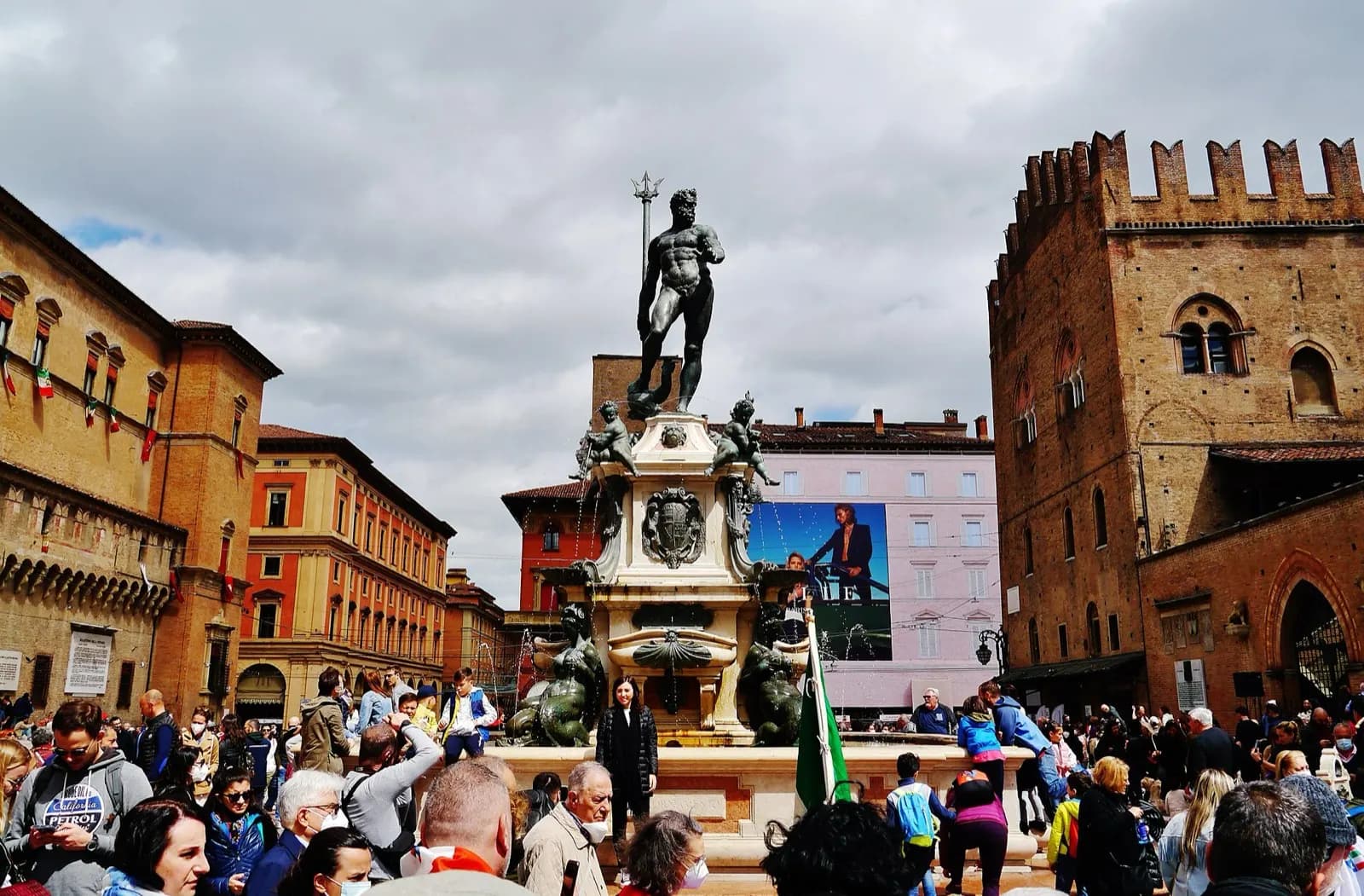
What are the best things to do in Bologna?
The best things to do in Bologna are climbing the Asinelli tower for the rooftop view, standing in Piazza Maggiore with the Basilica of San Petronio and the Neptune fountain, eating through the Quadrilatero market lanes, seeing the wooden anatomical theatre at the Archiginnasio, and walking the world's longest portico up to the San Luca sanctuary. Book the Asinelli tower online because entry is timed and capped, and come hungry - the food is the main event.
12 best things to do in Bologna
Ranked best-first, with an insider tip and how to book each. Prices and hours change - check before you go.
Climb the Asinelli Tower
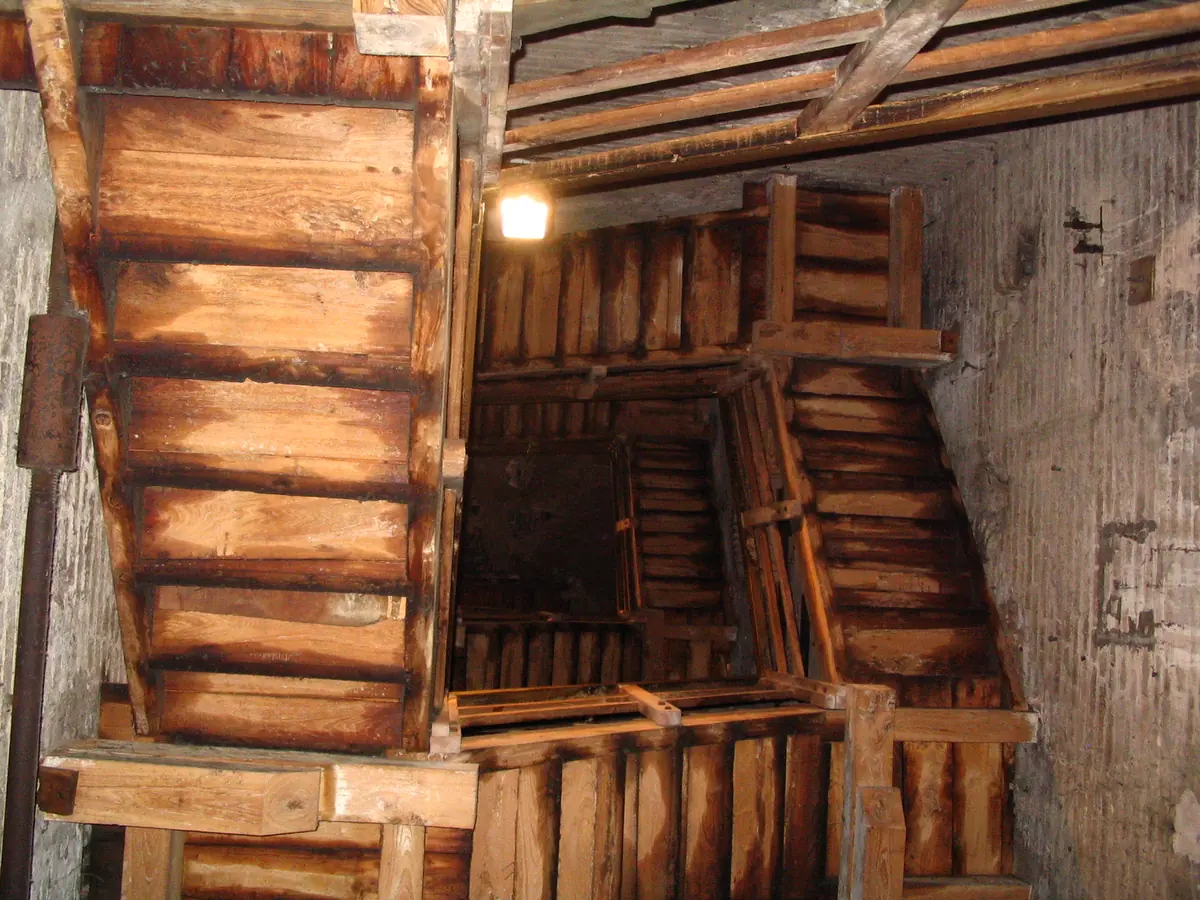
ViewsBologna once had dozens of family tower-houses and two famous ones remain, leaning at angles that look alarming from below. The Asinelli is 97 metres and 498 wooden steps, and the reward is the whole terracotta city laid out beneath you with the Apennines behind.
Insider tip: Entry is timed, capped and sold online - book ahead, because walk-up slots are limited and often gone. The stairs are steep, wooden and enclosed, so not for vertigo or claustrophobia sufferers. Its neighbour, the Garisenda, leans far more sharply and is closed to climbers and currently under stabilisation work.
Book Climb the Asinelli Tower ticketsSkip-the-line tickets and guided tours- Instant confirmation
- Free cancellation on most tours
- Prices on Trip.com
Piazza Maggiore & San Petronio
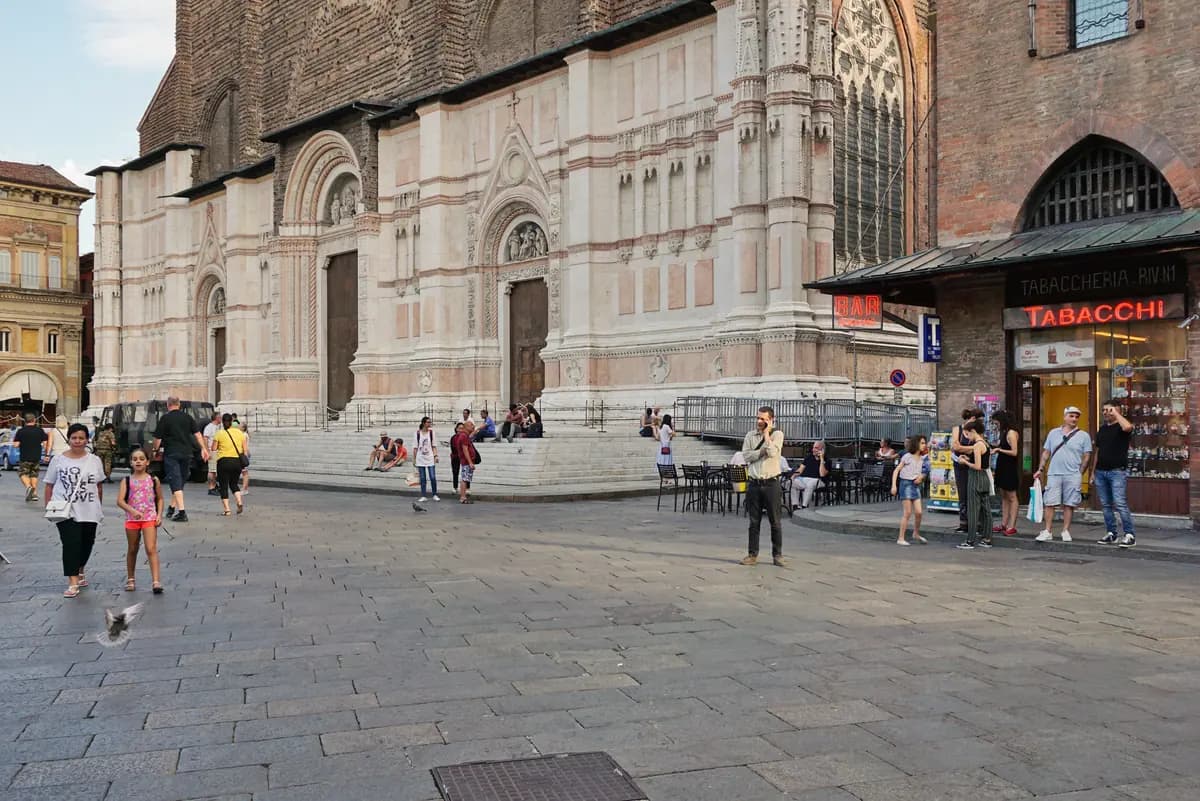
IconsFreeThe city's great square, ringed by medieval palaces and dominated by the Basilica of San Petronio - one of the largest churches in the world, and still unfinished, its facade half marble and half bare brick where the money ran out. Inside is a meridian line laid in the floor in 1655, still accurate.
Insider tip: Both the square and the basilica are free. Look for the sundial line on the floor and the crescendo of locals gathering on the Crescentone platform in the evening. The Neptune fountain at the corner is the city symbol. Come back after dark when the whole square is lit and far quieter.
The Quadrilatero food market
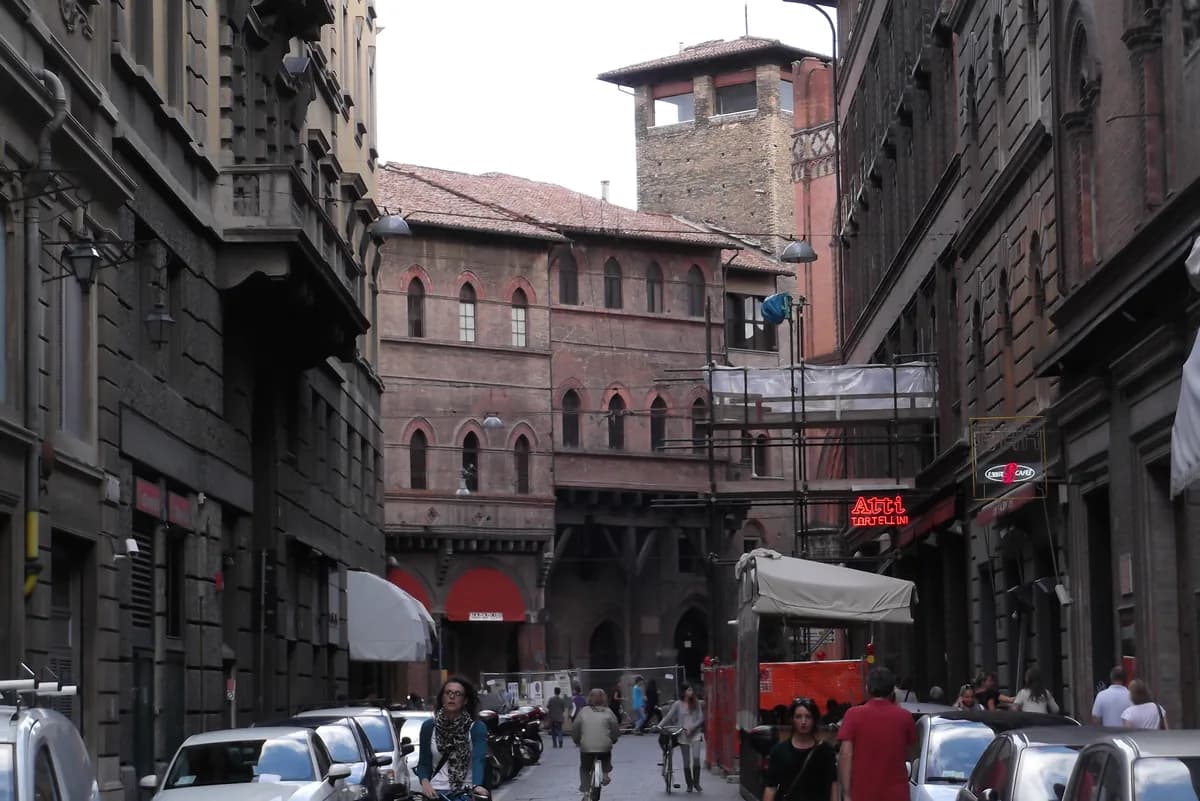
Food & drinkFreeThe tangle of medieval lanes just east of Piazza Maggiore where Bologna has traded food since the Middle Ages: whole windows of mortadella and Parmigiano, fresh tortellini being folded by hand, fish counters and tiny wine bars wedged between them. It is the best free thing in the city.
Insider tip: Go mid-morning when the stalls are full and before the aperitivo crush. Stand at a counter for a glass of Pignoletto and a plate of cured meat rather than sitting down - it is what locals do and costs a fraction. A guided food walk on your first morning is the single best orientation in Bologna.
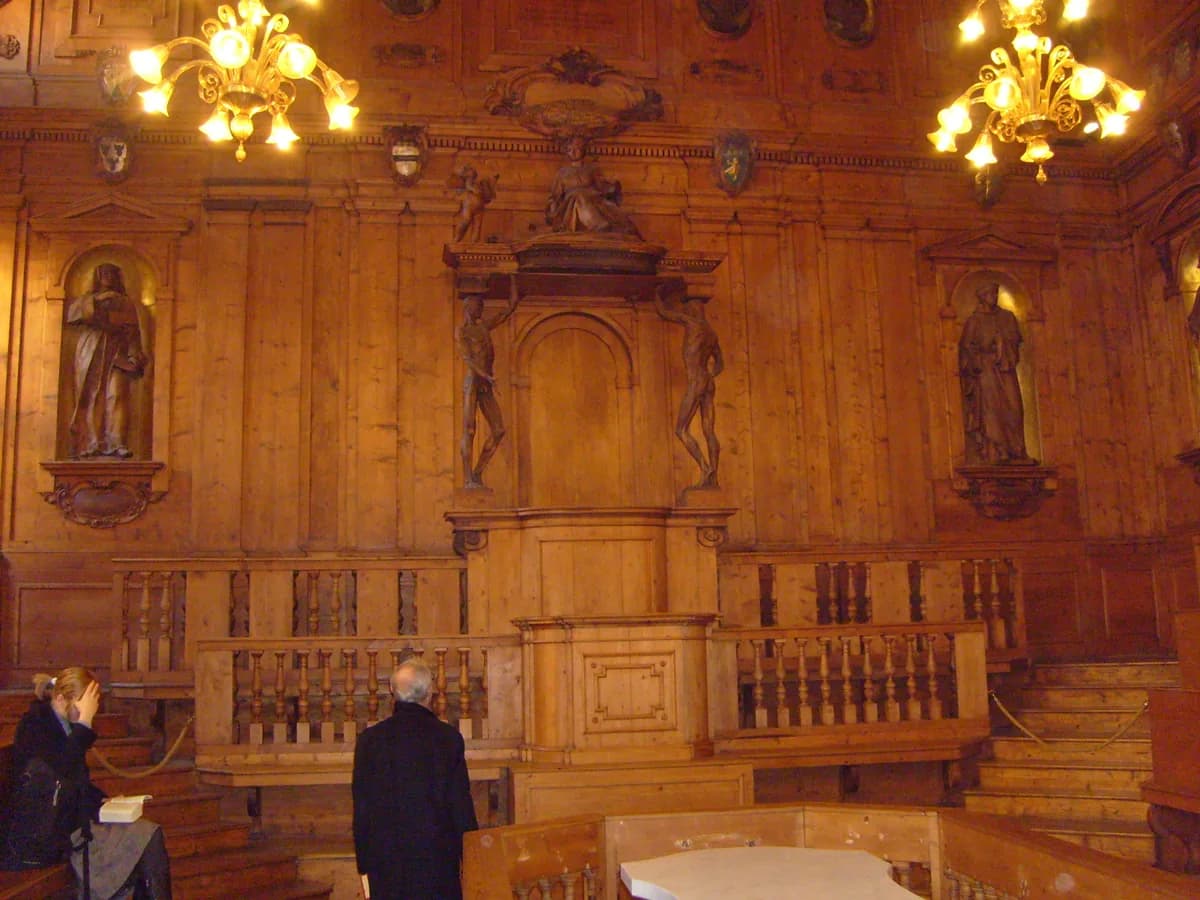
The Archiginnasio and its anatomical theatre
HistoryThe old seat of Europe's first university, its walls and ceilings covered with thousands of painted student coats of arms. Upstairs is the anatomical theatre of 1637, carved entirely in spruce, with tiered benches around a marble dissection table and two skinless wooden figures holding up the canopy.
Insider tip: Cheap and takes about 30 minutes, and it is the most memorable interior in Bologna. The theatre was destroyed by a bomb in 1944 and rebuilt from the original fragments. Right beside Piazza Maggiore, so slot it in between the square and lunch.
Book The Archiginnasio and its anatomical theatre ticketsSkip-the-line tickets and guided tours- Instant confirmation
- Free cancellation on most tours
- Prices on Trip.com
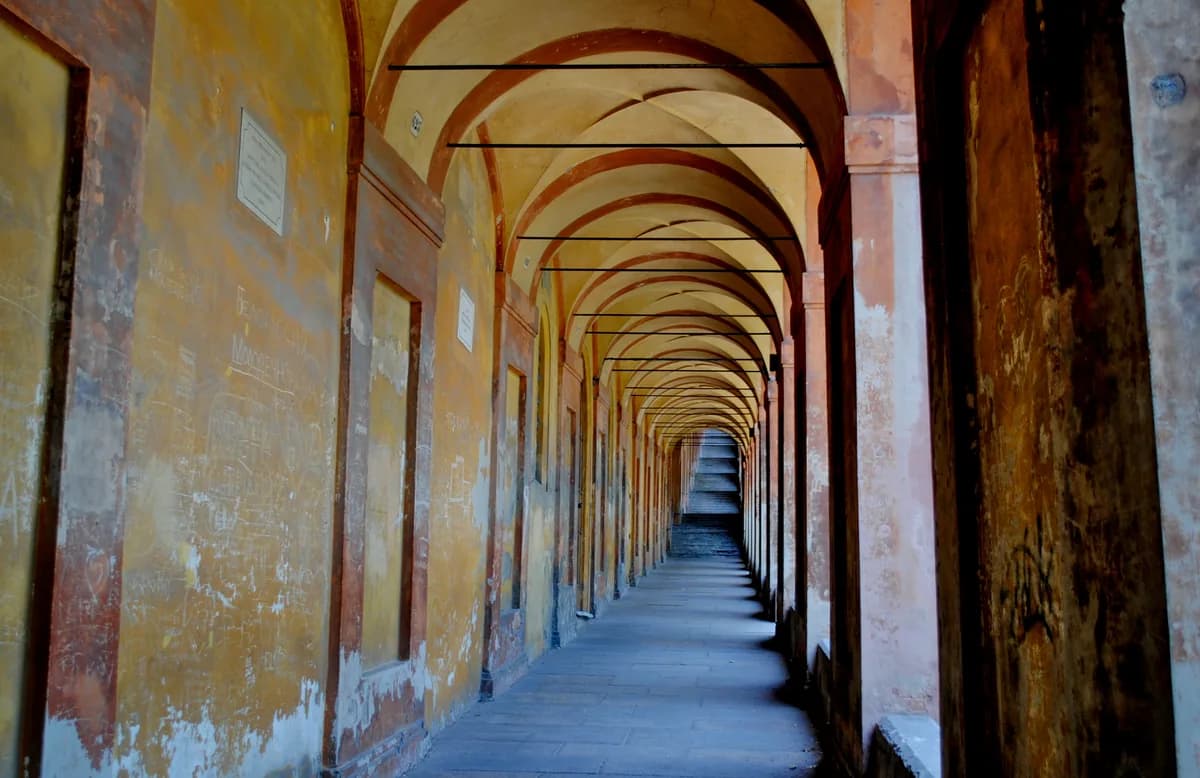
Walk the portico to San Luca
OutdoorsFreeThe world's longest covered walkway climbs 3.8km from the city up to the Sanctuary of the Madonna di San Luca, running under 666 arches built so the icon could be carried into town each year without getting wet. The view from the top spans the city and the Apennines, and the porticoes are UNESCO-listed.
Insider tip: It is a genuine uphill walk of about an hour, all sheltered, so it works in rain or full sun. The San Luca Express tourist train runs from Piazza Maggiore if you would rather not climb, and walking down is the easy compromise. Go late afternoon for the light over the city.
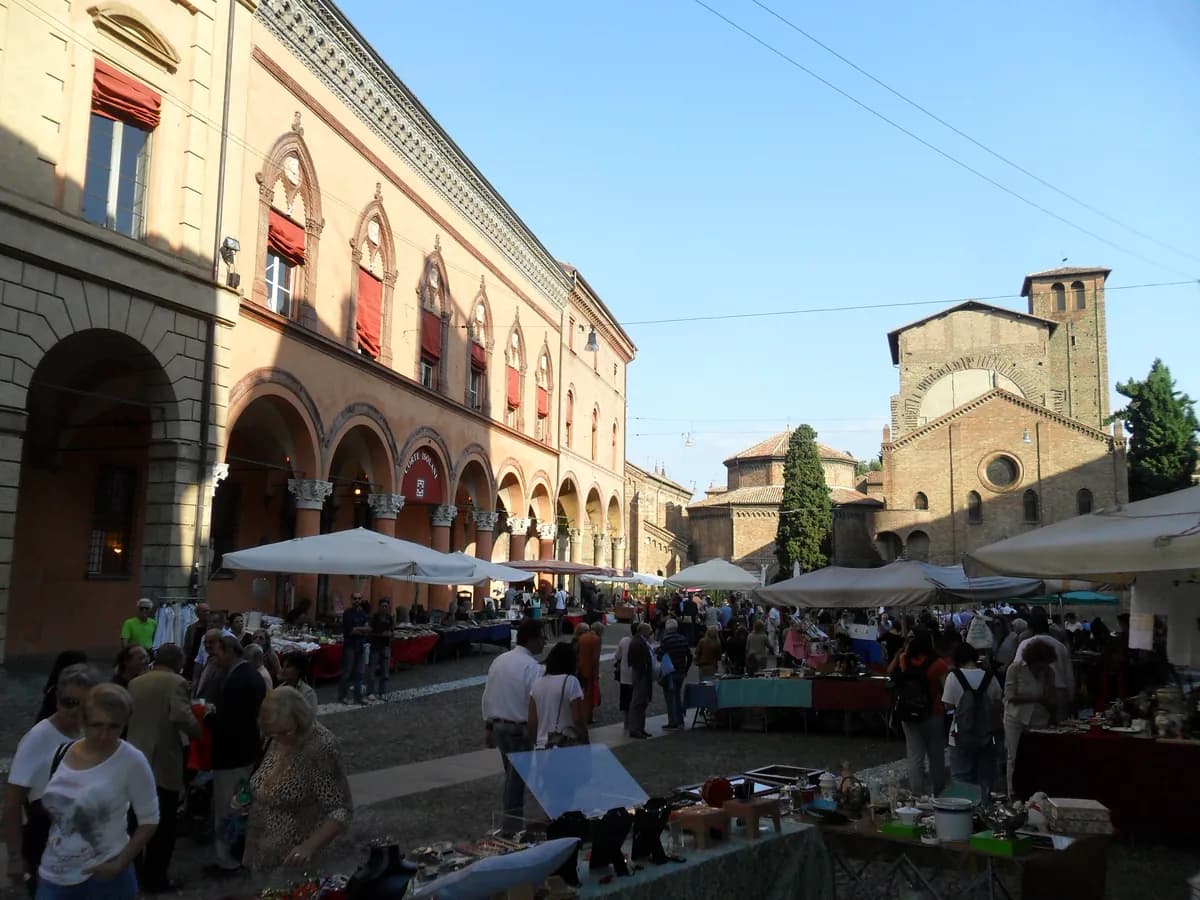
Santo Stefano (the Seven Churches)
HistoryFreeA complex of interlocking churches, courtyards and cloisters built over a Roman temple and grown together across a thousand years. Wandering between them feels like moving through several different centuries in one building, and the brick courtyard is the calmest spot in the centre.
Insider tip: Free to enter and rarely busy. The piazza in front is the prettiest in Bologna and lined with cafes worth the premium. Dress respectfully - it is an active religious site. An antiques market fills the square on the second weekend of most months.
A Parmigiano and balsamic factory tour
Food & drinkBologna sits in the middle of the Food Valley, and within an hour you can watch Parmigiano Reggiano being made at dawn, see traditional balsamic vinegar ageing in barrel lofts in Modena, and visit a prosciutto plant in Parma. Seeing the scale of the copper vats and the ageing rooms changes how you think about the stuff.
Insider tip: Cheese-making happens early, so these tours start at dawn - worth the alarm. Book ahead, since producers take small groups. Traditional balsamic aged 12 or 25 years is nothing like supermarket vinegar and is the best thing to bring home. Most tours include tastings and transport.
Book A Parmigiano and balsamic factory tour ticketsSkip-the-line tickets and guided tours- Instant confirmation
- Free cancellation on most tours
- Prices on Trip.com
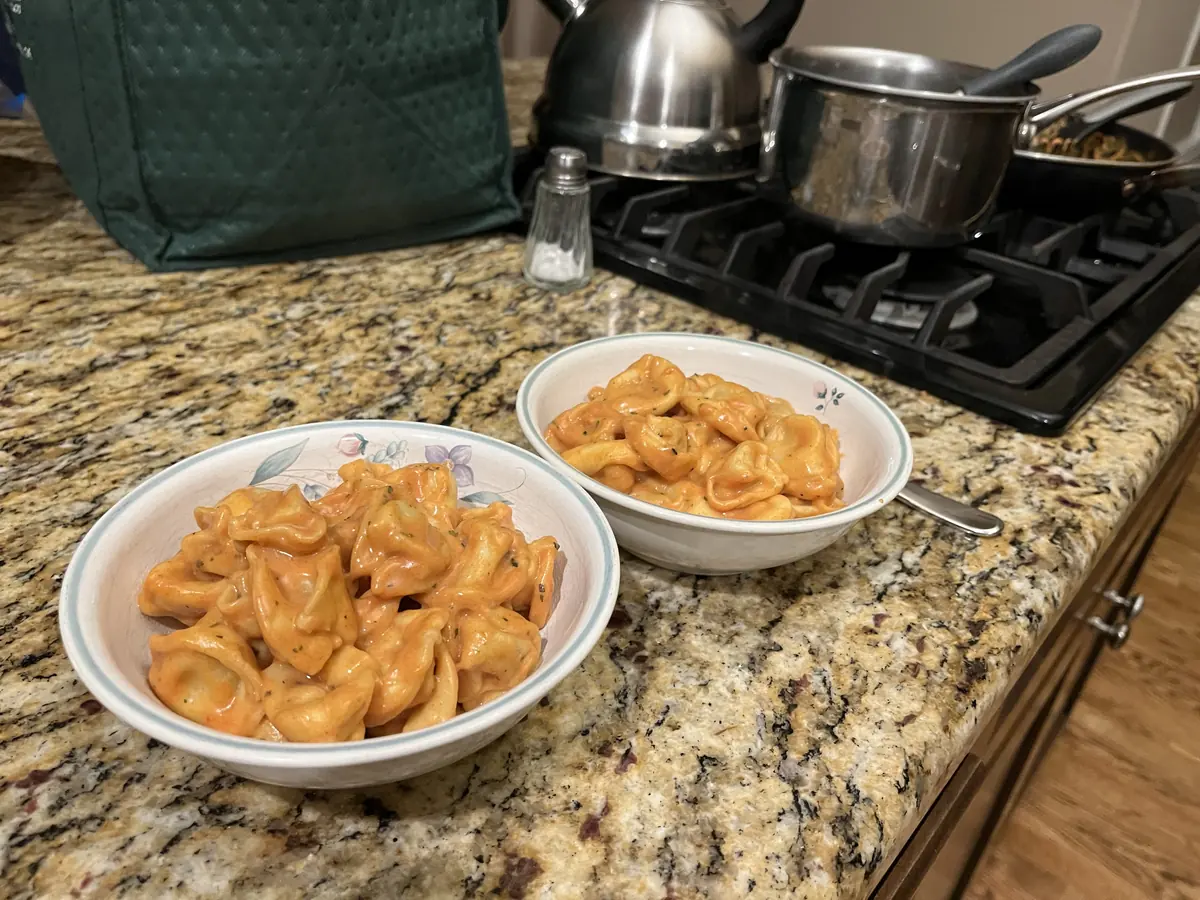
Take a pasta-making class
ExperiencesTortellini, tagliatelle and lasagne all come from Emilia-Romagna, and the rolling and folding is done by hand here in a way that is genuinely a craft. A morning with a sfoglina, the women who roll the pasta sheets, is the most Bolognese thing you can do.
Insider tip: Book ahead - the good classes are small and fill. Most run three to four hours and end with you eating what you made, so plan a light lunch. Ask specifically for tortellini if you want the hard skill; tagliatelle is easier and equally traditional. And note that spaghetti bolognese does not exist here - it is tagliatelle al ragu.
Book Take a pasta-making class ticketsSkip-the-line tickets and guided tours- Instant confirmation
- Free cancellation on most tours
- Prices on Trip.com
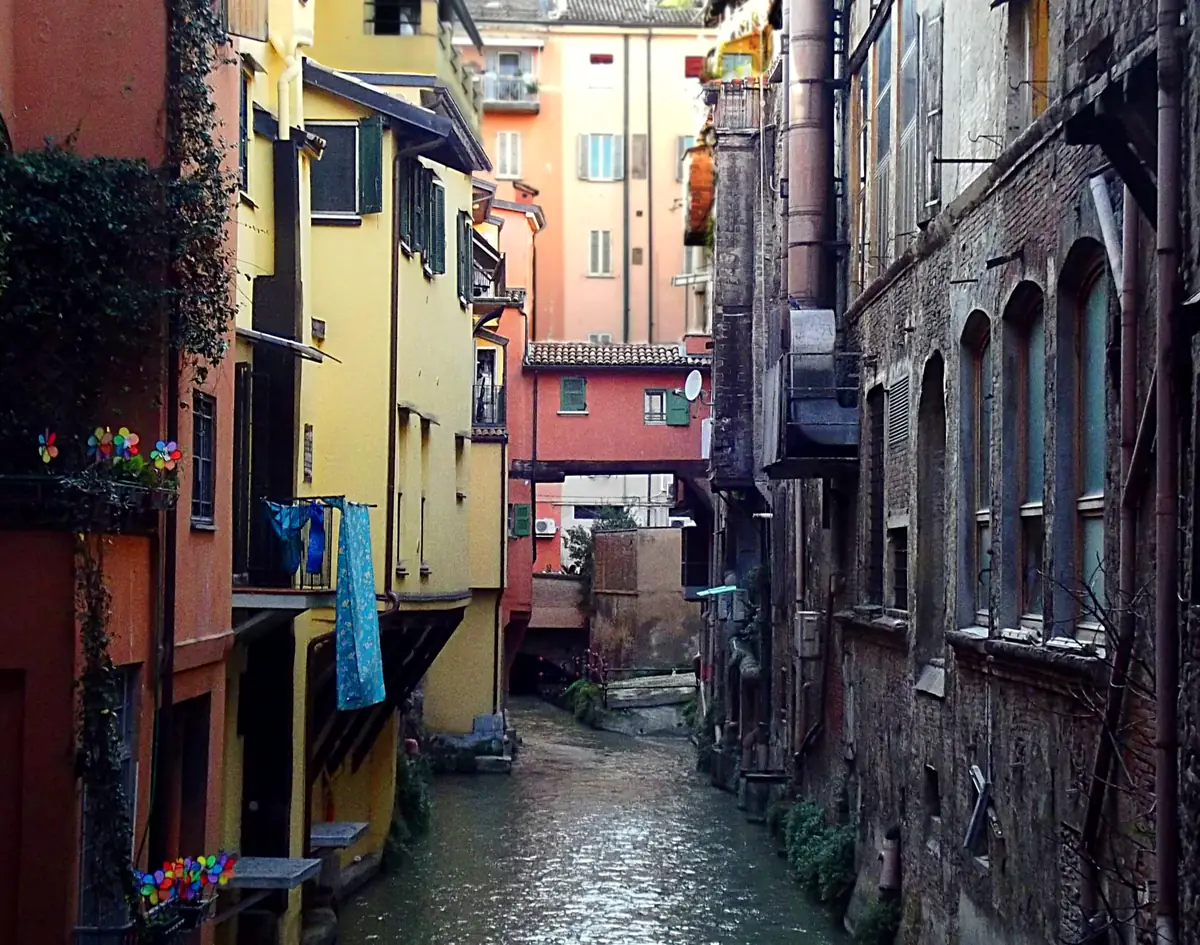
The canals and the Finestrella
NeighbourhoodsFreeBologna was once laced with canals that powered silk mills and connected it to the Po. Most were covered over in the 20th century, but a small window on Via Piella opens onto the Canale delle Moline and a sudden, unexpected slice of Venice in the middle of the city.
Insider tip: The Finestrella window is free and takes two minutes, and it is one of the most photographed spots in Bologna, so expect a small queue. Follow Via Piella and the surrounding streets to see more of the exposed canal. Combine it with a wander through the university quarter just north.
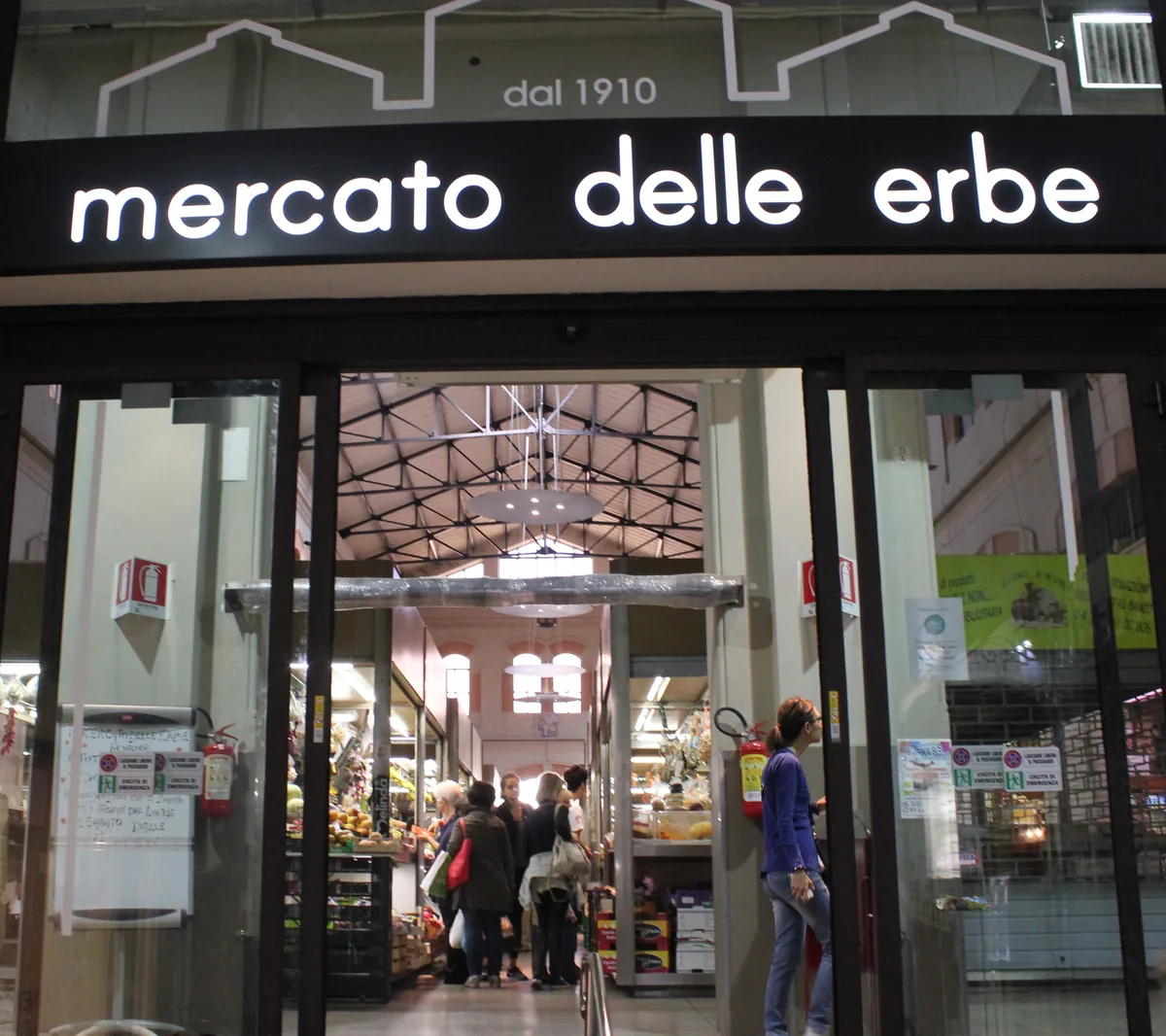
Mercato delle Erbe
Food & drinkFreeThe city's covered market, less touristed than the Quadrilatero, with produce stalls at the front and a run of small kitchens and bars at the back where people eat lunch elbow to elbow. It is where you go to eat well and cheaply without hunting for a restaurant.
Insider tip: Best at lunchtime and again for aperitivo, when the bar section fills with locals. Cheaper and more relaxed than the tourist lanes. Closed Sunday and Thursday afternoons like most Italian markets. A good rainy-day option since it is entirely covered.
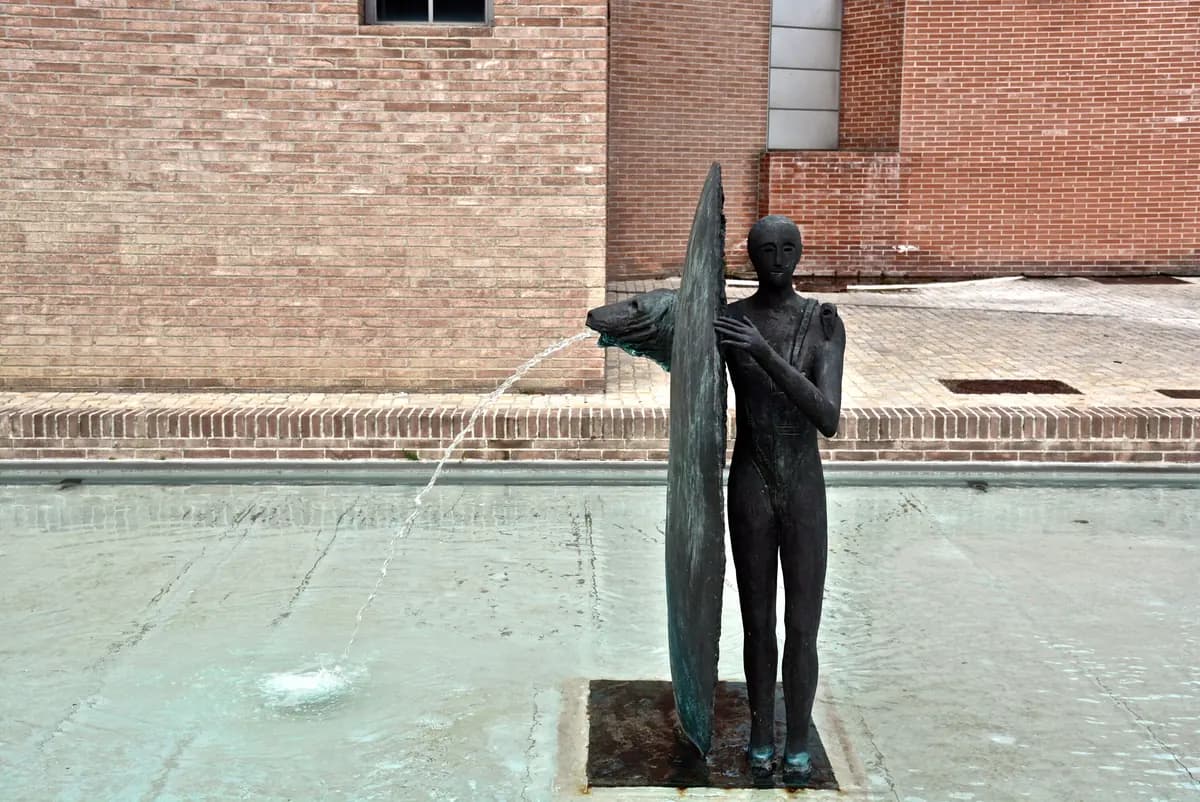
MAMbo and the Manifattura delle Arti
HistoryBologna's modern art museum sits in a converted municipal bakery in a regenerated industrial quarter of cinemas, the university film archive and canal-side walkways. It also holds the Morandi museum, dedicated to the Bolognese painter of quiet, muted still lifes.
Insider tip: A ten-minute walk from the centre and rarely crowded. Morandi's collection is the reason to go even if modern art is not your thing - the studio recreation is oddly moving. The surrounding quarter is where Bologna's student and creative life happens in the evening.
Book MAMbo and the Manifattura delle Arti ticketsSkip-the-line tickets and guided tours- Instant confirmation
- Free cancellation on most tours
- Prices on Trip.com
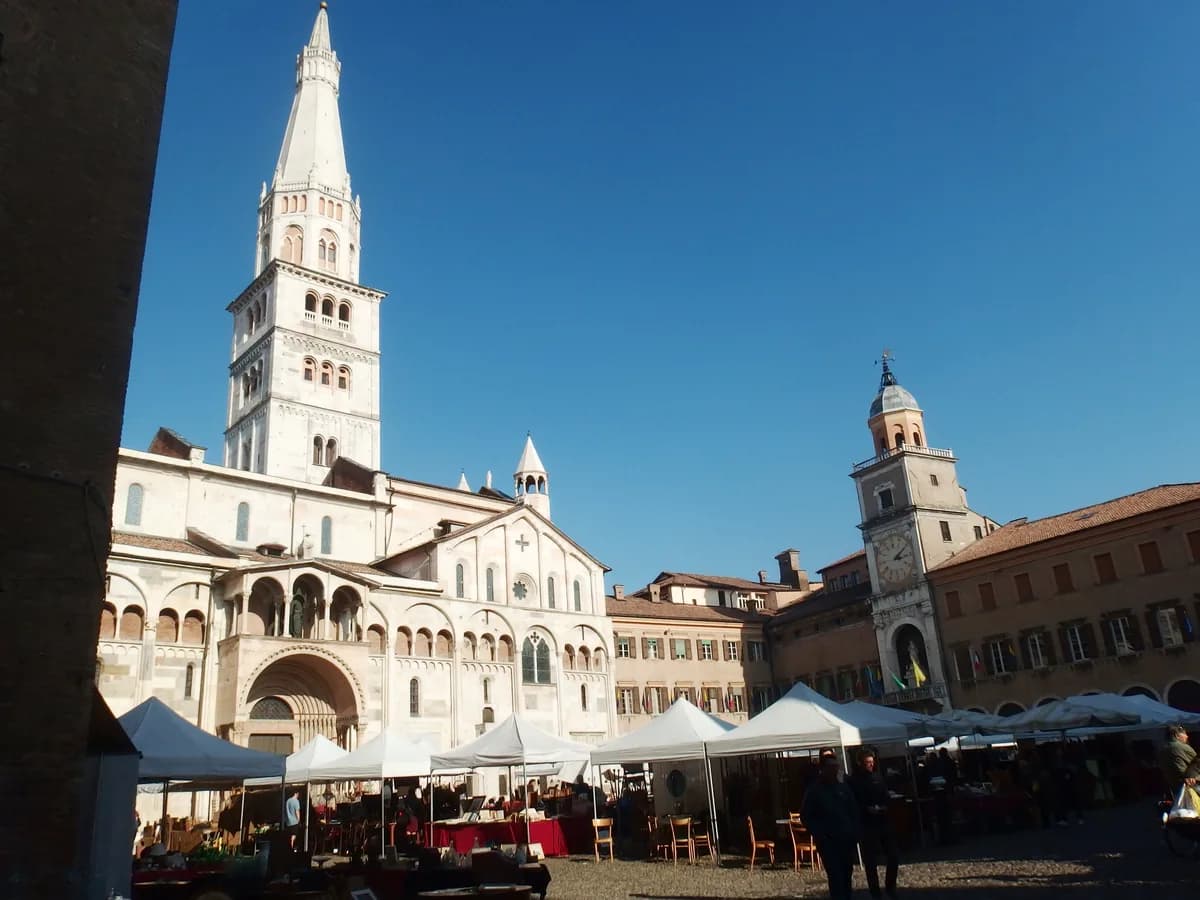
Day trip to Modena, Parma or Ferrara
Day tripsBologna is the best rail base in Italy for short hops. Modena is 30 minutes away with its Romanesque cathedral, balsamic cellars and the Ferrari museum; Parma is under an hour for ham, cheese and a golden-toned old town; Ferrara is 30 minutes and a walled Renaissance city best seen by bike.
Insider tip: All three are easy day trips on regional trains bought at the station - no advance booking needed. Modena is the pick for food, Ferrara for a quiet, beautiful town almost nobody visits, and Parma if you can only do one and want both ham and art. Florence is also only 35 minutes away.
Book Day trip to Modena, Parma or Ferrara ticketsSkip-the-line tickets and guided tours- Instant confirmation
- Free cancellation on most tours
- Prices on Trip.com
Where to stay in Bologna
The best areas to base yourself, and who each suits.
Centro Storico
First-timers - Piazza Maggiore, the towers and the food markets are all a few minutes apart under the porticoes; the obvious base and priced accordingly.
Santo Stefano
Quiet and elegant - the prettiest corner of the old city, with antique shops and the best restaurants, five minutes from the main square but far calmer.
University Quarter
Budget and nightlife - cheapest beds and cheapest aperitivo in the city, and loud until the small hours during term.
Near Bologna Centrale
Rail trips - practical modern hotels with lifts and air conditioning, 15 minutes' walk out, right for day-tripping to Florence, Modena and Parma.
Planning your Bologna trip
Best time to visit
April to June and September to October are ideal - warm without the humidity, and the porticoes keep you dry if it rains. Bologna sits in the Po valley, which makes July and August genuinely muggy and the month when locals leave, so many of the best trattorias close for part of August. Winter is cold, often foggy, and atmospheric under the arcades, with the Christmas market on Piazza Maggiore and truffle and new-oil season in the surrounding hills. The one thing to plan around is the trade-fair calendar: Bologna hosts big international fairs several times a year and hotel prices double when it does.
Getting around
Guglielmo Marconi airport (BLQ) connects to Bologna Centrale in about 15 minutes on the Marconi Express monorail. After that you walk - the historic centre is flat, compact and covered by roughly 40km of porticoes, so crossing it takes 20 minutes and rain barely matters. From the station to Piazza Maggiore is a 15-minute walk. Buses cover the hills and outskirts. Bologna is also one of Italy's best rail hubs: Florence is 35 minutes away by fast train, Milan and Venice about 90 minutes, and Modena and Parma under an hour, which makes it an unusually good base.
Things to do in Bologna: FAQ
The questions travelers ask most when planning a trip here.
Where to base yourself in Bologna
Everything on this list is easier from the right side of town, and the area you book decides how much of the day you spend getting to it. These go into the detail:
- Free cancellation on most rooms
- No booking fee
- Prices on Trip.com
More things-to-do guides
Continue Planning Your Trip
Intelligent tools designed to simplify the complex.
Things to Do
Ranked attractions, tips and how to book tickets
Where to Stay
The best area to stay in each city, by neighborhood
Car Rental
Real prices, driving tips and the best routes by destination
Airport Transfers
Getting from the airport to your hotel, by price and time
All-Inclusive Guides
What all-inclusive really means, by destination
Best Time to Visit
Month-by-month weather, crowds and prices
Cheapest Places to Travel
18 destinations ranked by real daily budgets
Route Finder
Find the cheapest way to get there
Hotel Finder
Book the right hotel for your destination
AI Trip Planner
Build a day-by-day itinerary
Budget Calculator
Estimate total cost
Photo credits (11)
Photos via Wikimedia Commons, used under their respective licences.
- Climb the Asinelli Tower: No machine-readable author provided. ZeWrestler assumed (based on copyright claims). - Public domain · source
- Piazza Maggiore & San Petronio: Armin Kleiner - CC BY-SA 4.0 · source
- The Quadrilatero food market: karel291 - CC BY 3.0 · source
- The Archiginnasio and its anatomical theatre: Luca Borghi - Public domain · source
- Walk the portico to San Luca: Serenapaliria - CC BY-SA 4.0 · source
- Santo Stefano (the Seven Churches): Alejandro - CC BY-SA 3.0 · source
- Take a pasta-making class: Miscellaneous contributor - CC0 · source
- The canals and the Finestrella: Rosapicci - CC BY-SA 4.0 · source
- Mercato delle Erbe: Iacopobastia - CC BY-SA 4.0 · source
- MAMbo and the Manifattura delle Arti: Irene Sarmenghi - CC BY-SA 4.0 · source
- Day trip to Modena, Parma or Ferrara: Palickap - CC BY-SA 4.0 · source