In Brief
When is the best time to visit Iceland?
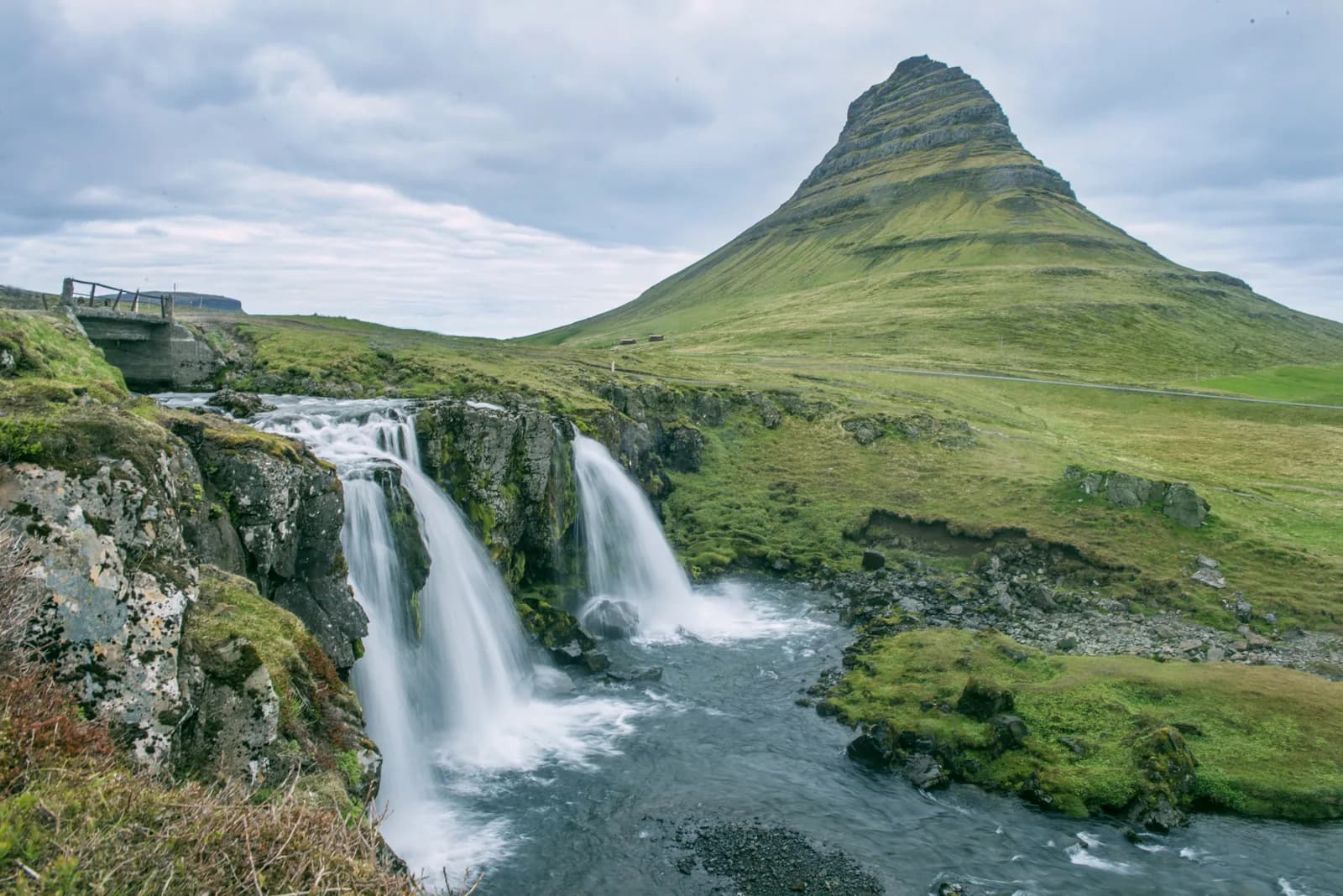
The best time to visit Iceland is June to August for touring: the warmest weather (around 10-15°C), near-endless daylight and every road, including the highlands, open. For northern lights, come between September and March, when the long dark nights make aurora possible. May and September are the sweet spot for value - fewer crowds, lower prices, and in September the lights are already returning. Deep winter is stunning but brings short days, storms and some closed roads.
Key takeaways
- Best for touring: June-August for the midnight sun, open highland roads and puffins.
- Best for northern lights: roughly September-March, on clear, dark nights.
- Best value: May and September - shoulder months with thinner crowds and softer prices.
- Hardest conditions: November-January bring short days and winter storms, though they are peak aurora season.
Best time to go
June–August (touring) & September–March (aurora)
Cheapest time
May & September (shoulder)
When to avoid
November–January (short days, storms) if touring
Iceland climate at a glance
Avg daytime high (°C / °F) · rainfall · season- 2°36°FJan
- 3°37°FFeb
- 4°39°FMar
- 7°45°FApr
- 10°50°FMay
- 13°55°FJun
- 15°59°FJul
- 14°57°FAug
- 11°52°FSep
- 7°45°FOct
- 4°39°FNov
- 3°37°FDec
Find your month
Every month in Iceland is rated for weather, crowds and price. Drag the slider to find your sweet spot - the greener the month, the better value the trip.
Cheapest window: May & September (shoulder)
April: $$ · Low to Moderate crowds · 0–7°C, changeable
Iceland month by month
Every month rated for weather, crowds and price, so you can match the trip to the month.
| Month | Weather | Crowds | Price | What it's like |
|---|---|---|---|---|
| Jan | -3–2°C, snow, windy | Moderate | $$ | Deep winter with only a few hours of daylight, but prime northern-lights and ice-cave season on clear nights. |
| Feb | -2–3°C, snow, windy | Moderate | $$ | Still dark and cold with strong aurora odds; daylight lengthens noticeably and ice caves remain open. |
| Mar | -2–4°C, changeable | Moderate | $$ | A good balance of dark-enough nights for aurora and lengthening days for sightseeing, though storms still roll through. |
| Apr | 0–7°C, changeable | Low to Moderate | $$ | Shoulder season with rapidly growing daylight and lower prices, though highland roads stay closed and weather is unsettled. |
| May | 4–10°C, drier | Moderate | $$ | One of the best-value months: long bright days, thinner crowds and puffins beginning to arrive at the cliffs. |
| Jun | 8–13°C, mild | High | $$$ | The midnight sun brings near-24-hour daylight; highland roads begin opening and puffin colonies are active. |
| Jul | 10–15°C, mildest | Peak | $$$ | Warmest month with all roads open and the highlands accessible - also the busiest and most expensive. |
| Aug | 9–14°C, mild | Peak | $$$ | Warm, long days and full access continue; the first faint aurora can appear late in the month as nights darken. |
| Sep | 5–11°C, changeable | Moderate | $$ | Excellent value: crowds thin, prices drop and the northern lights return on the lengthening dark nights. |
| Oct | 2–7°C, wet, windy | Low to Moderate | $$ | Quieter and cheaper with decent aurora odds, though highland roads close and weather turns wetter and windier. |
| Nov | -1–4°C, snow, windy | Low | $$ | Short days and winter storms arrive, but so do strong northern-lights chances and the start of ice-cave tours. |
| Dec | -3–3°C, snow, dark | Moderate | $$$ | The darkest month with just a few daylight hours; great for aurora and festive atmosphere, but prices rise around the holidays. |
When to book Iceland
Find the row that sounds like your trip.
| If you want | Months | Why |
|---|---|---|
| The best trip for the money | Jan, Feb, Mar and Nov | Rated good above without hitting the top price band, so you are not paying peak rates for the conditions. |
| Peak season anyway | Jun, Jul and Aug | Busiest and dearest. This is the window where booking early changes the price, not just what is left. |
- Free cancellation on most rooms
- No booking fee
- Prices on Trip.com
Time it right: Iceland's seasonal highlights
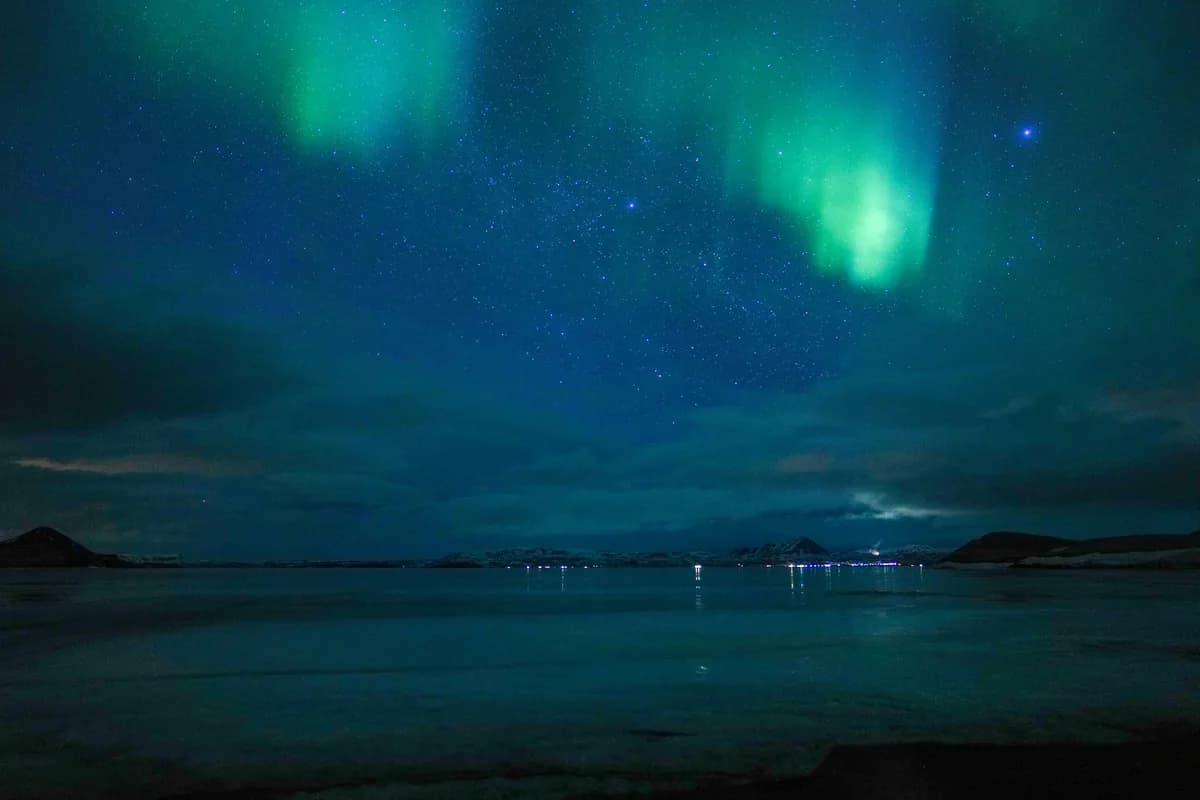
Northern lights (aurora)
September–MarchLong dark nights make the aurora possible; you need clear skies and solar activity, so allow several nights and get away from city lights.
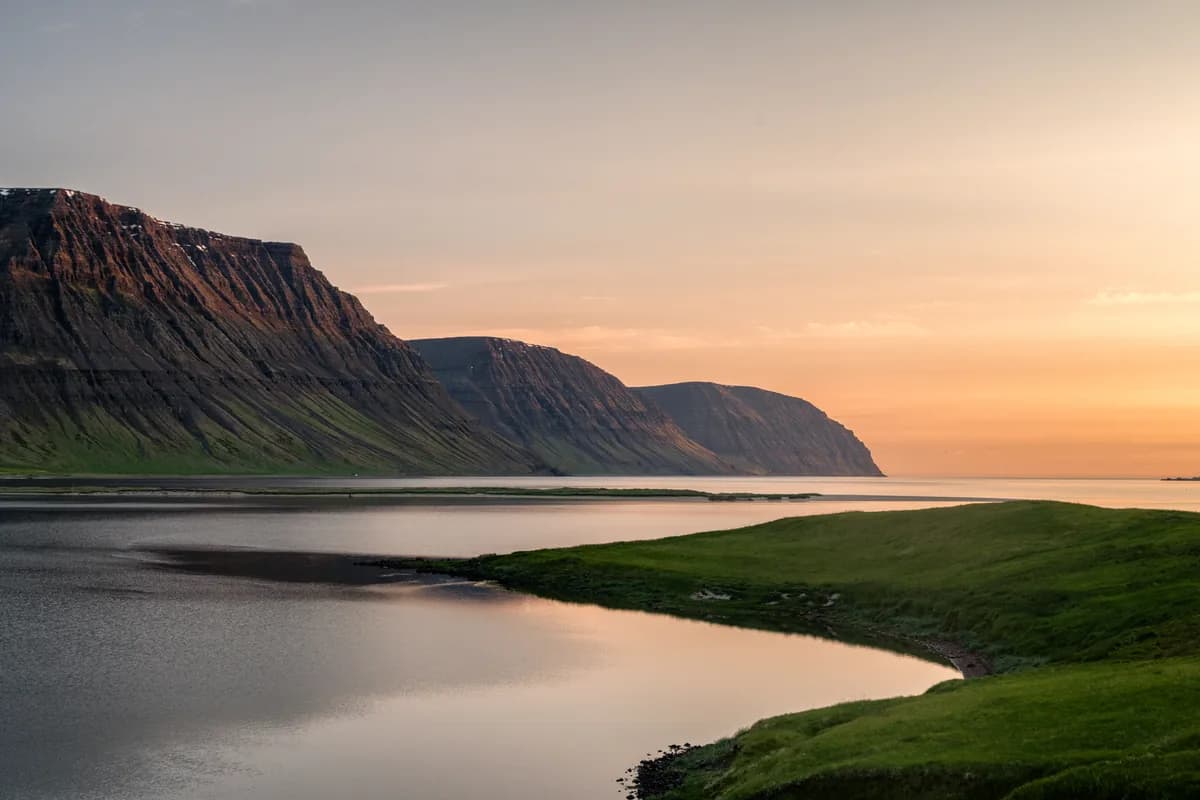
Midnight sun
June–JulyAround the summer solstice the sun barely sets, giving nearly 24 hours of daylight for driving and hiking.
Puffin season
May–AugustMillions of puffins nest on Iceland's coastal cliffs and islands over summer before heading back out to sea.
Ice caves
November–MarchGuided tours enter the natural blue ice caves beneath Vatnajökull only in the cold winter months when they are stable.
Highland roads open
Late June–SeptemberThe interior F-roads and highland routes are only passable in the short summer once the snow clears.
Best time to visit Iceland: FAQ
The timing questions travelers ask most before booking.
Staying in Iceland? Book the area before the hotel
Picking the month is half of the decision. The other half is the area, because that is what sets how far you walk and what a room costs. We have no area guide for Iceland yet, so start here:
- Free cancellation on most rooms
- No booking fee
- Prices on Trip.com
Compare other destinations
Continue Planning Your Trip
Things to Do
Ranked attractions, tips and how to book tickets
Where to Stay
The best area to stay in each city, by neighborhood
Car Rental
Real prices, driving tips and the best routes by destination
Airport Transfers
Getting from the airport to your hotel, by price and time
All-Inclusive Guides
What all-inclusive really means, by destination
Route Finder
Find the cheapest way to get there
Hotel Finder
Book the right hotel for your destination
AI Trip Planner
Build a day-by-day itinerary
Photo credits (2)
Photos via Wikimedia Commons, used under their respective licences.
- Northern lights (aurora): Giles Laurent - CC BY-SA 4.0 · source
- Midnight sun: Eric Kilby - CC BY-SA 2.0 · source