In Brief
When is the best time to visit Ireland?
The best time to visit Ireland is May to September, when temperatures are at their warmest (around 15-20°C) and the days are longest. Within that stretch, May-June and September give the best balance: pleasant weather and long evenings without the July-August crowds and higher prices. Winter (November to February) is cheap, quiet and cosy but comes with short, damp days. The weather is changeable year-round, so pack layers whenever you go.
Key takeaways
- Best overall: May-September for the warmest weather and longest daylight.
- Best value in season: May-June and September - great light, fewer crowds, softer prices.
- Cheapest and quietest: November-February, if you don't mind short, damp days.
- Busiest and priciest: July-August, plus the St Patrick's weekend in mid-March.
Best time to go
May–September
Cheapest time
November–February
When to avoid
July–August (crowds, price); short dark days Nov–Feb
Ireland climate at a glance
Avg daytime high (°C / °F) · rainfall · season- 8°46°FJan
- 9°48°FFeb
- 10°50°FMar
- 12°54°FApr
- 15°59°FMay
- 18°64°FJun
- 20°68°FJul
- 19°66°FAug
- 17°63°FSep
- 13°55°FOct
- 10°50°FNov
- 9°48°FDec
Find your month
Every month in Ireland is rated for weather, crowds and price. Drag the slider to find your sweet spot - the greener the month, the better value the trip.
Cheapest window: November–February
January: $ · Low crowds · 3–8°C, wet, windy
Ireland month by month
Every month rated for weather, crowds and price, so you can match the trip to the month.
| Month | Weather | Crowds | Price | What it's like |
|---|---|---|---|---|
| Jan | 3–8°C, wet, windy | Low | $ | The quietest, cheapest month, with short damp days but cosy pubs and no crowds at the big sights. |
| Feb | 3–9°C, wet, windy | Low | $ | Still low season and good value; days are lengthening but the weather stays cold, wet and blustery. |
| Mar | 4–10°C, changeable | Low to Moderate | $$ | Spring begins and prices are still moderate, though the St Patrick's weekend around March 17 spikes crowds in Dublin. |
| Apr | 5–12°C, changeable | Moderate | $$ | Milder, greener and brighter with lengthening days; showery but pleasant, and quieter than the summer months. |
| May | 8–15°C, drier | Moderate | $$ | One of the best months: often the driest, with long light evenings, lush countryside and crowds still manageable. |
| Jun | 11–18°C, mild | High | $$ | Warm, long days near the solstice make this ideal for touring, with crowds building but not yet at their peak. |
| Jul | 12–20°C, warmest | Peak | $$$ | The warmest month with the longest days - also the busiest and most expensive, so book well ahead. |
| Aug | 12–19°C, warm | Peak | $$$ | Peak summer continues with festivals nationwide; great atmosphere but top prices and full accommodation. |
| Sep | 10–17°C, mild | Moderate | $$ | A favourite month: still warm with long evenings, but summer crowds thin and prices ease back. |
| Oct | 8–13°C, wetter | Low to Moderate | $$ | Autumn colour and quieter roads, with wetter, windier weather returning and daylight shortening noticeably. |
| Nov | 5–10°C, wet, windy | Low | $ | Firmly back in low season with short, damp days, but very good value and atmospheric, empty landscapes. |
| Dec | 3–9°C, wet, cold | Low then Moderate | $$ | Dark and wet, though Christmas markets and festive cheer lift the cities and prices climb around the holidays. |
When to book Ireland
On the table above, Jan, Feb and Nov sit in the bottom price band and Jul and Aug in the top one. Find the row that sounds like your trip.
| If you want | Months | Why |
|---|---|---|
| The best trip for the money | Mar, Apr and Oct | Rated good above without hitting the top price band, so you are not paying peak rates for the conditions. |
| The lowest price, whatever the weather | Jan, Feb and Nov | The bottom price band. Check the weather column first, because some of these are cheap for a reason. |
| Peak season anyway | May, Jun, Jul, Aug and Sep | Busiest and dearest. This is the window where booking early changes the price, not just what is left. |
- Free cancellation on most rooms
- No booking fee
- Prices on Trip.com
Time it right: Ireland's seasonal highlights
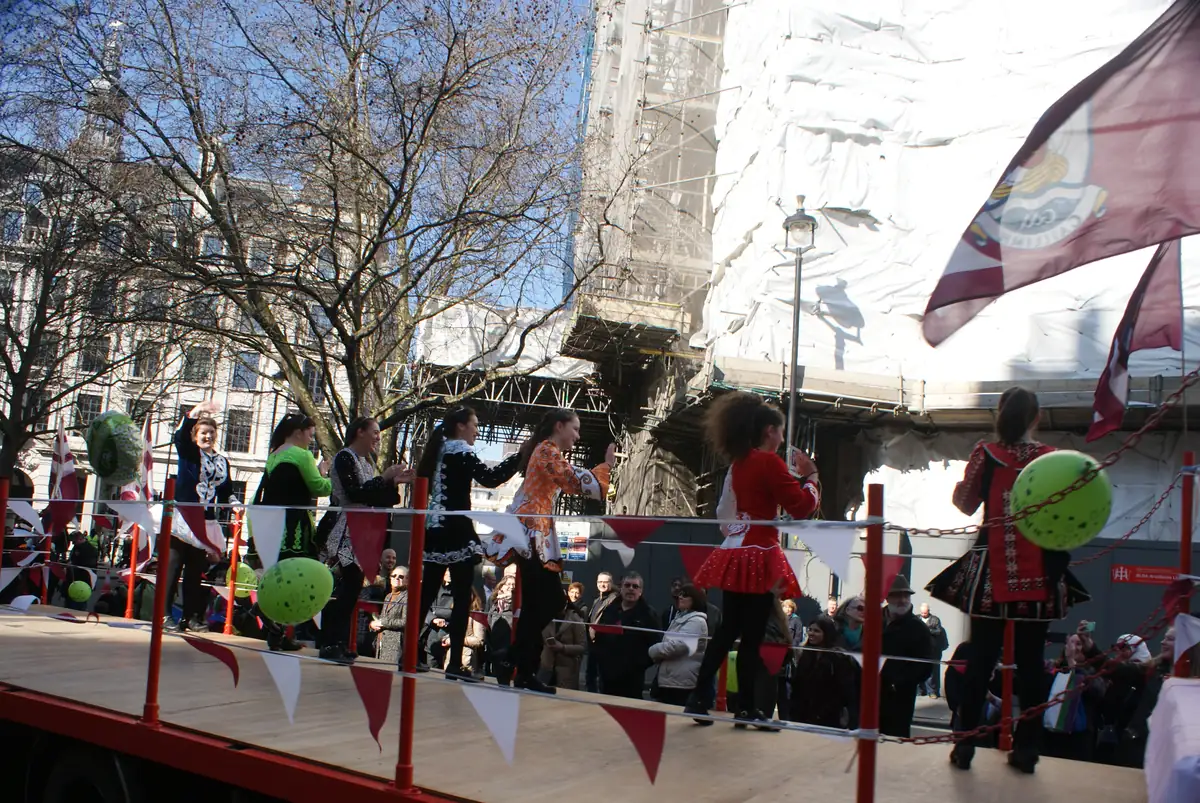
St Patrick's Day
Mid-March (around the 17th)Ireland's biggest celebration, with parades and festivals nationwide and a huge multi-day event in Dublin - book accommodation early.
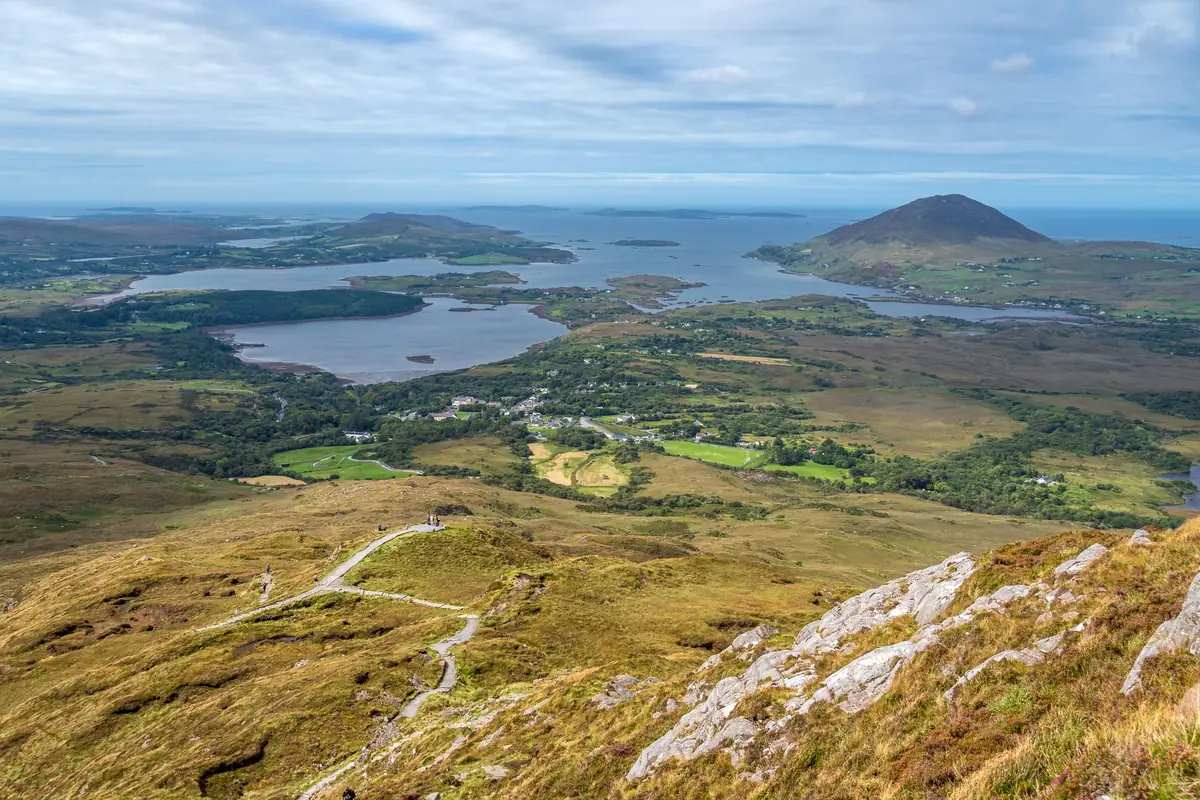
Longest days & light evenings
June–JulyAround the summer solstice daylight can stretch past 10pm in the north and west, ideal for long touring days.
Summer festival season
June–AugustMusic, arts and food festivals fill towns and cities across the country, adding to the summer buzz and demand.
Autumn colour
OctoberParks, estates and the countryside turn gold and russet as the crowds fade - a quiet, scenic time to visit.
Christmas markets
DecemberDublin, Galway and other cities run festive markets and lights, bringing warmth to the darkest, wettest month.
Best time to visit Ireland: FAQ
The timing questions travelers ask most before booking.
Staying in Ireland? Book the area before the hotel
Picking the month is half of the decision. The other half is the area, because that is what sets how far you walk and what a room costs in Ireland. These go into the detail:
- Free cancellation on most rooms
- No booking fee
- Prices on Trip.com
Compare other destinations
Continue Planning Your Trip
Things to Do
Ranked attractions, tips and how to book tickets
Where to Stay
The best area to stay in each city, by neighborhood
Car Rental
Real prices, driving tips and the best routes by destination
Airport Transfers
Getting from the airport to your hotel, by price and time
All-Inclusive Guides
What all-inclusive really means, by destination
Route Finder
Find the cheapest way to get there
Hotel Finder
Book the right hotel for your destination
AI Trip Planner
Build a day-by-day itinerary
Photo credits (2)
Photos via Wikimedia Commons, used under their respective licences.
- St Patrick's Day: Robert Lamb - CC BY-SA 2.0 · source
- Longest days & light evenings: dconvertini - CC BY-SA 4.0 · source