The short answer
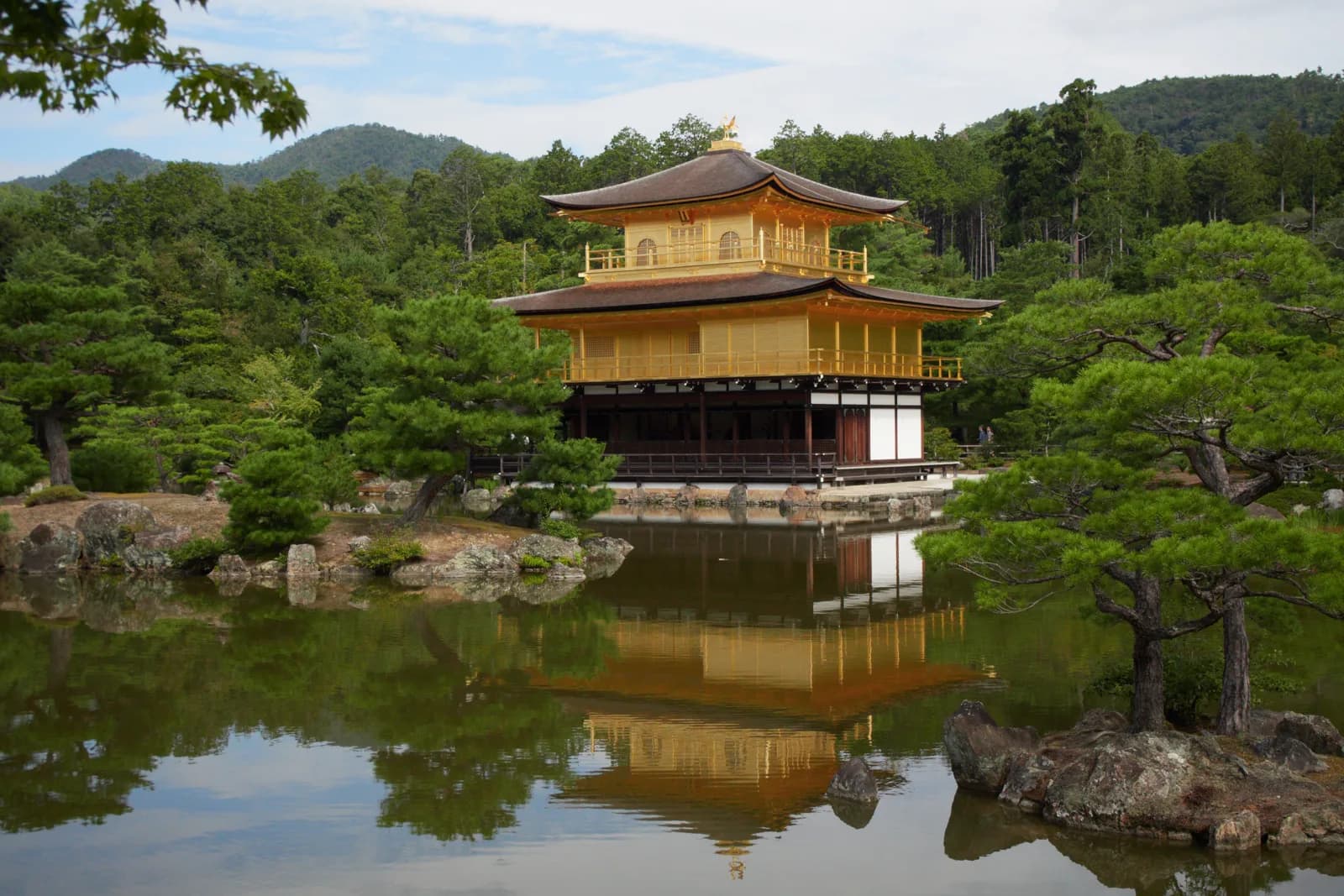
Yes, Kyoto is worth visiting, and the honest version of that answer has a price attached: the crowds. This was Japan's capital for over a thousand years and it holds seventeen UNESCO World Heritage properties, around 1,600 Buddhist temples and hundreds of Shinto shrines, and the most intact traditional streetscapes in the country. Nowhere else in Japan comes close. But the famous sights now operate at theme-park density in the middle of the day, and whether you love Kyoto or resent it is decided almost entirely by your alarm clock. Go at six in the morning and you get the city everyone imagines. Go at noon and you queue through it.
Is Kyoto worth visiting?
Yes. It holds seventeen UNESCO World Heritage properties and the best of old Japan, and nothing else in the country substitutes for it. The condition is the clock: the headline sights are heavily crowded from mid-morning, so the trip works if you start early and hold your nerve past the first courtyard. Skip it only if temples genuinely leave you cold.
Why Kyoto is worth it
It is the old Japan you came for, concentrated
Kyoto was the imperial capital from 794 until 1868, and it escaped the wartime bombing that levelled most Japanese cities. The result is unmatched density: seventeen properties made up the Historic Monuments of Ancient Kyoto UNESCO listing, around 1,600 Buddhist temples, the geisha district of Gion, and whole hillsides of preserved lanes. If traditional Japan is any part of why you are flying there, this is the place that actually has it.
The best sight in the city is free and never closes
Fushimi Inari Taisha, the mountain of vermilion torii gates, charges nothing and is open around the clock. Arrive at dawn and you can walk long stretches of the tunnel of gates alone, which at midday is a queue. A city whose single most extraordinary sight costs nothing and rewards effort over money tells you something about how to do the rest of it.
Mornings and evenings still belong to the city
Kiyomizu-dera opens at six in the morning, hours before the tour buses. The Arashiyama bamboo grove is a different place at seven than at eleven. Gion in the evening, once the day-trippers have gone back to Osaka, is quiet lanes and lantern light. The crowded Kyoto and the sublime Kyoto are the same city a few hours apart.
It is the best-placed base in Japan
Nara and its deer and great Buddha are 35 to 45 minutes away, Osaka is 29 minutes on a 580 yen train, Uji is under half an hour, and Himeji castle is under an hour by shinkansen. A week based in Kyoto covers more of classical Japan than a week based anywhere else in the country.
The food quietly matches the temples
Kyoto is the home of kaiseki, the multi-course meal that is Japan's haute cuisine, and of shojin ryori, the Buddhist vegetarian tradition, and Nishiki Market runs five covered blocks of it. You can eat at any budget, and the tofu, pickles and matcha the city is known for are cheap.
Why it might not be
The honest case against, so you can rule it out cheaply rather than expensively.
The crowds at the famous sights are genuinely bad
This is the most visited city in Japan and it feels like it between roughly ten and four. The lane up to Kiyomizu-dera, the bamboo grove and the lower gates of Fushimi Inari run at shuffling density in the middle of the day, and no amount of wishing otherwise changes it. If you will not or cannot do early mornings, you will meet Kyoto at its worst.
It can blur into repetition if temples are not your thing
Kyoto's greatness is cumulative rather than varied. If the third temple already feels like the tenth, the city has less to offer you than the guidebooks admit, because nightlife, shopping and modern spectacle are all thinner here than in Osaka or Tokyo. Be honest about this before committing days to it.
Gion is not a show, and behaves badly when treated as one
The geisha district is a working neighbourhood, and years of visitors chasing photographs led to restrictions on some private lanes. If your interest in Gion is a picture with a geiko, you will be disappointed and possibly in the way. Walk it in the evening, quietly, and it is one of the best streetscapes in Asia.
Summer is punishing
Kyoto sits in a basin. July and August run hot and humid with daytime highs regularly above 33 degrees, and temple-hopping means being outdoors and often uphill. The Gion Matsuri in July is one of Japan's great festivals, but you attend it sweating.
Kyoto or Osaka?
This is the question underneath the question. Most people weighing Kyoto have limited days in the Kansai region and are really choosing how to split them with Osaka, 29 minutes away. Here is the straight comparison.
| Kyoto | Osaka | Winner | |
|---|---|---|---|
| Temples and old Japan | Seventeen UNESCO properties, about 1,600 temples, whole preserved districts | One rebuilt castle and a handful of shrines. This is not why anyone comes. | Kyoto, and it is not close |
| Food | Kaiseki, tofu, matcha and Nishiki Market. Refined and quieter. | Street food capital of Japan: takoyaki, kushikatsu, Dotonbori at full volume | Osaka for fun, Kyoto for the meal you remember |
| Evenings and nightlife | Lantern-lit lanes, an early city. Pontocho is atmosphere, not volume. | Dotonbori and Ura-Namba go all night, and cheaper | Osaka |
| Crowds | The worst tourist crowding in Japan at the headline sights | Busy but spread out. Nowhere feels like the Kiyomizu lane at noon. | Osaka |
| Hotel value | The highest rates in Kansai, and the thinnest stock in cherry-blossom season | More rooms, lower rates, and the same trains to everything | Osaka |
| As a base for the region | Nara 35 minutes, Uji under 30, Osaka 29, Himeji under an hour | The same reach in most directions, plus the airport is closer | A draw. The trains make either work. |
See Kyoto, and think hard about sleeping in Osaka. The classic mistake is treating this as either-or: they are 29 minutes and 580 yen apart, so the real decision is where to base. Sleep in Kyoto if early-morning temples are the point of your trip, because the 6 am starts that make Kyoto work are miserable from another city. Sleep in Osaka if evenings, food and room rates matter more, and day-trip in. Skipping Kyoto entirely is the one clearly wrong answer for a first visit to Japan.
- Free cancellation on most rooms
- No booking fee
- Prices on Trip.com
Who should go, and who should not
Go if
- First-time visitors to Japan, for whom it is close to mandatory
- Early risers, who get a different and far better city
- Anyone who cares about gardens, craft and quiet
- Food-focused travellers with one big meal in the budget
- Walkers, since the best districts are best on foot
Book elsewhere if
- Anyone bored by the third temple. Be honest with yourself.
- Nightlife-first trips, which belong in Osaka
- Visitors who cannot or will not start early, in high season especially
- July and August visitors expecting comfortable sightseeing
When to go
The two windows our Japan guide names for the whole country fit Kyoto exactly: late March to early April for cherry blossom and mid-November to early December for autumn colour, and both are the busiest, priciest weeks of the year, with rooms booking out months ahead. May and October are nearly as beautiful and noticeably calmer, avoiding Golden Week at the turn of April into May. June brings the rainy season and July and August are hot and humid in Kyoto's basin, softened only by the Gion Matsuri in July. Winter is underrated: cold, clear, cheap, and the temples in occasional snow are the best photographs the city gives anyone.
Is Kyoto worth visiting: FAQ
The questions people ask before they book.
If you decide to go
Continue Planning Your Trip
Intelligent tools designed to simplify the complex.
Things to Do
Ranked attractions, tips and how to book tickets
Where to Stay
The best area to stay in each city, by neighborhood
Car Rental
Real prices, driving tips and the best routes by destination
Airport Transfers
Getting from the airport to your hotel, by price and time
All-Inclusive Guides
What all-inclusive really means, by destination
Best Time to Visit
Month-by-month weather, crowds and prices
Cheapest Places to Travel
18 destinations ranked by real daily budgets
Route Finder
Find the cheapest way to get there
Hotel Finder
Book the right hotel for your destination
AI Trip Planner
Build a day-by-day itinerary
Budget Calculator
Estimate total cost