
In Brief
When is the best time to visit Australia?
The best time to visit Australia is spring (September to November) and autumn (March to May) - warm, mild weather in the southern cities, comfortable temperatures in the Outback, and prices below the summer peak. Remember the seasons are flipped: December to February is high summer, great for Sydney and Melbourne beaches but hot, humid and stormy in the tropical north. June to August is winter - cool in the south but the ideal dry season for Cairns, the Great Barrier Reef, Darwin and Uluru.
Key takeaways
- Best all-round: September-November and March-May - mild in the south, fine in the north.
- Beach summer: December-February for Sydney and Melbourne, but it's peak-price school-holiday season.
- Reef and Outback: June-August (the southern winter) is the dry season up north and mild at Uluru.
- Priciest: mid-December to late January, when the whole country holidays at once.
Best time to go
September–November & March–May
Cheapest time
May–August (outside school holidays)
When to avoid
Dec–Jan for price; Nov–Apr wet season up north
Australia climate at a glance
Avg daytime high (°C / °F) · rainfall · season- 27°81°FJan
- 27°81°FFeb
- 25°77°FMar
- 23°73°FApr
- 20°68°FMay
- 17°63°FJun
- 17°63°FJul
- 18°64°FAug
- 21°70°FSep
- 23°73°FOct
- 25°77°FNov
- 26°79°FDec
Find your month
Every month in Australia is rated for weather, crowds and price. Drag the slider to find your sweet spot - the greener the month, the better value the trip.
Cheapest window: May–August (outside school holidays)
June: $ · Low crowds · 17°C, cool south, dry north
Australia month by month
Every month rated for weather, crowds and price, so you can match the trip to the month.
| Month | Weather | Crowds | Price | What it's like |
|---|---|---|---|---|
| Jan | 27°C, hot, humid north | Peak | $$$ | High summer and the big national holidays: packed beaches, top prices, and the tropical north deep in its wet season. |
| Feb | 27°C, warm, sticky | High | $$ | Still beach weather in the south as the holiday crowds thin; the north stays hot, humid and cyclone-prone. |
| Mar | 25°C, warm, settling | Moderate | $$ | Autumn begins: the southern cities are warm and less crowded, and the northern wet season starts winding down. |
| Apr | 23°C, mild, sunny | Moderate | $$ | One of the best months - comfortable everywhere, autumn colour in the south and the Outback cooling to pleasant. |
| May | 20°C, mild | Low | $ | Quiet and good value: crisp mornings in Sydney and Melbourne, the reef drying out, Uluru comfortable for hiking. |
| Jun | 17°C, cool south, dry north | Low | $ | Southern winter starts - cool cities, whales migrating north, and perfect dry-season weather in Cairns and Darwin. |
| Jul | 17°C, cool, sunny | Moderate | $$ | Peak season up north (book the reef ahead) and ski season in the Snowy Mountains; southern cities are crisp and clear. |
| Aug | 18°C, cool, drying | Moderate | $$ | The dry north stays superb, whale watching peaks along both coasts and the south begins to warm late in the month. |
| Sep | 21°C, mild, spring | Moderate | $$ | Spring: wildflowers in Western Australia, warming cities, a still-dry north - the whole country works at once. |
| Oct | 23°C, warm, sunny | High | $$ | Arguably the best single month - warm without the summer humidity, and the last reliable window for the northern dry season. |
| Nov | 25°C, warm | High | $$ | Early summer in the south with jacarandas in bloom; heat and humidity start building across the north. |
| Dec | 26°C, hot, festive | Moderate then Peak | $$$ | Beach season proper; from mid-month the school holidays and Christmas surge send prices to their annual high. |
When to book Australia
On the table above, May and Jun sit in the bottom price band and Jan and Dec in the top one. Find the row that sounds like your trip.
| If you want | Months | Why |
|---|---|---|
| The best trip for the money | Feb, Mar, Apr, May and Nov | Rated good above without hitting the top price band, so you are not paying peak rates for the conditions. |
| The lowest price, whatever the weather | May and Jun | The bottom price band. Check the weather column first, because some of these are cheap for a reason. |
| Peak season anyway | Jan, Sep, Oct and Dec | Busiest and dearest. This is the window where booking early changes the price, not just what is left. |
- Free cancellation on most rooms
- No booking fee
- Prices on Trip.com
Time it right: Australia's seasonal highlights
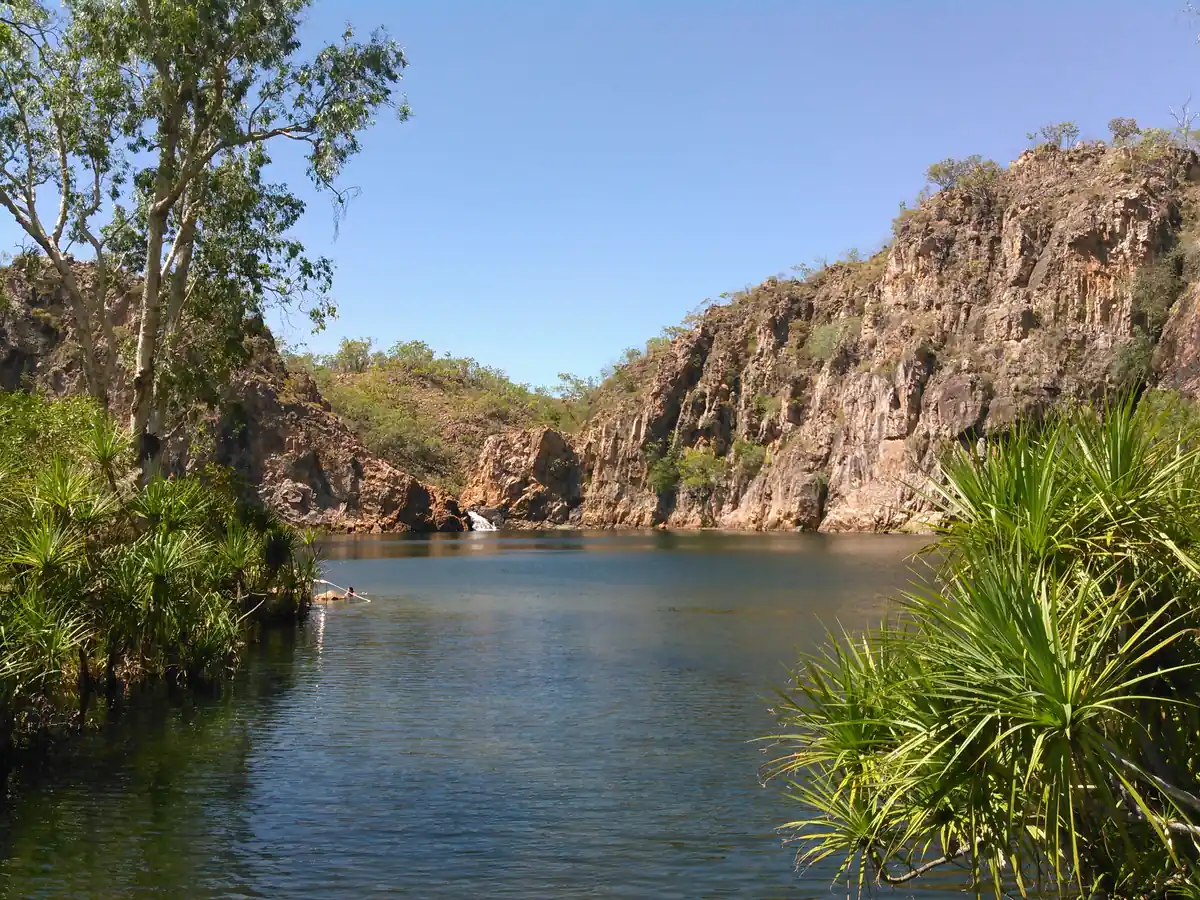
Northern dry season (reef & Outback)
May–OctoberCairns, the Great Barrier Reef, Darwin, Kakadu and Uluru are at their best - dry, sunny and comfortable while the south is in winter.
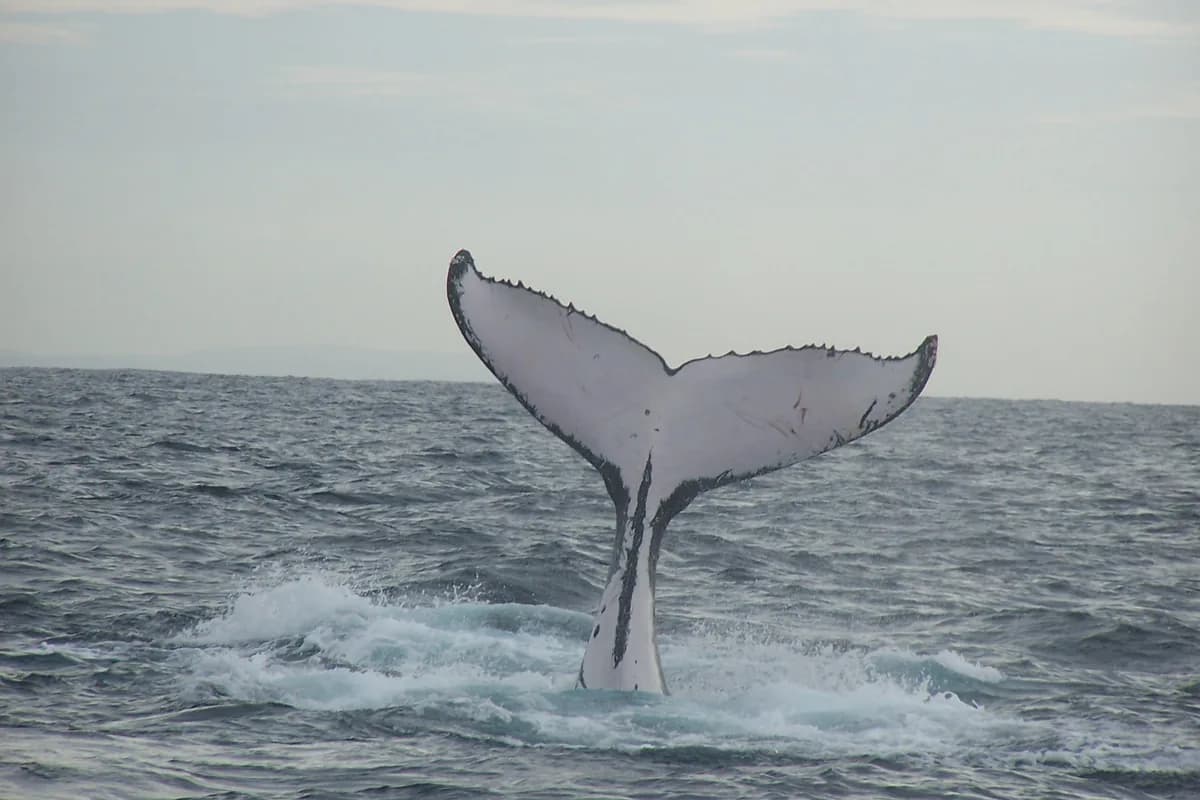
Whale migration
June–NovemberHumpbacks travel up and down both coasts; Hervey Bay, Sydney and the Western Australia coast offer superb watching.
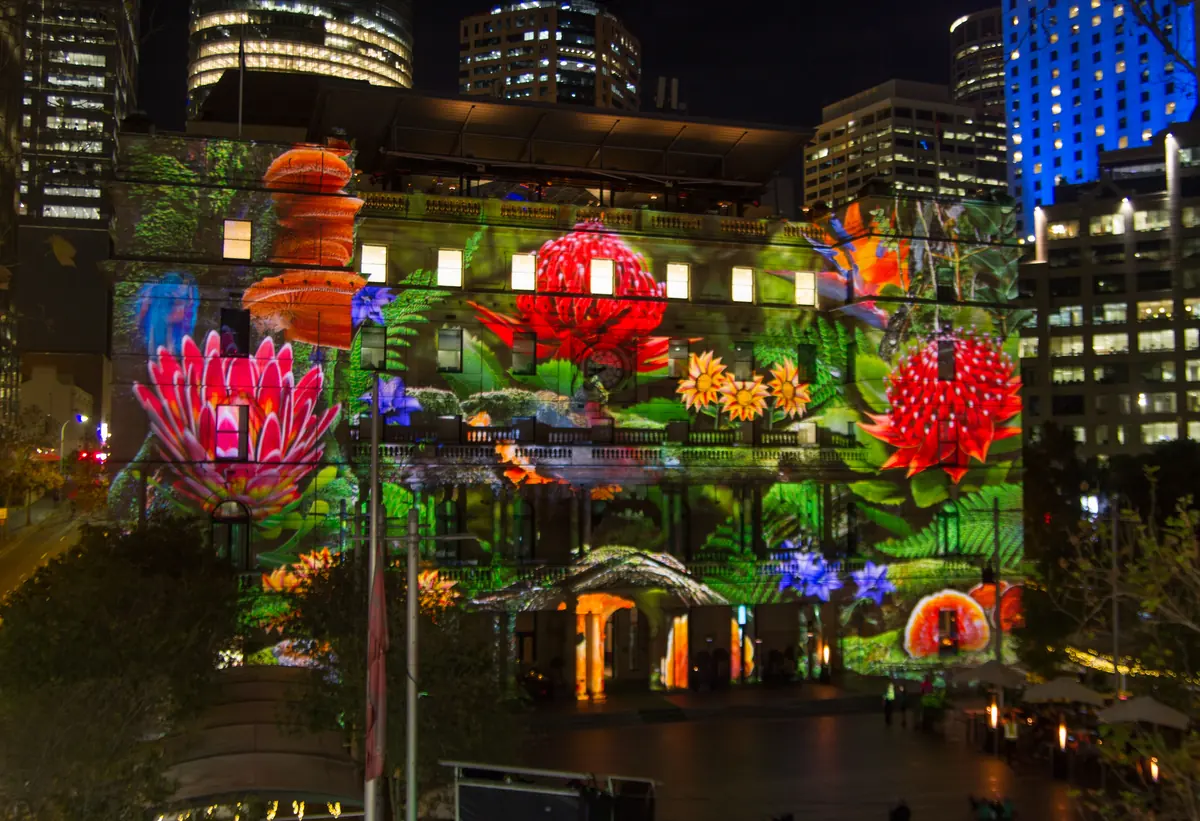
Vivid Sydney
Late May–JuneThree weeks of light installations, music and ideas take over the harbour - Sydney's biggest winter drawcard.
Stinger season (tropical north)
November–MayBox jellyfish season along the northern Queensland coast - swim inside stinger nets or in a suit; the reef's outer sites are less affected.
Summer school holidays
Mid-December–late JanuaryThe whole country travels at once: book everything far ahead or simply avoid the window for better prices.
Best time to visit Australia: FAQ
The timing questions travelers ask most before booking.
Staying in Australia? Book the area before the hotel
Picking the month is half of the decision. The other half is the area, because that is what sets how far you walk and what a room costs in Australia. These go into the detail:
- Free cancellation on most rooms
- No booking fee
- Prices on Trip.com
Compare other destinations
Continue Planning Your Trip
Things to Do
Ranked attractions, tips and how to book tickets
Where to Stay
The best area to stay in each city, by neighborhood
Car Rental
Real prices, driving tips and the best routes by destination
Airport Transfers
Getting from the airport to your hotel, by price and time
All-Inclusive Guides
What all-inclusive really means, by destination
Route Finder
Find the cheapest way to get there
Hotel Finder
Book the right hotel for your destination
AI Trip Planner
Build a day-by-day itinerary
Photo credits (3)
Photos via Wikimedia Commons, used under their respective licences.
- Northern dry season (reef & Outback): Lance Vanlewen - CC BY-SA 4.0 · source
- Whale migration: Wikimedia Commons contributor - CC BY-SA 3.0 · source
- Vivid Sydney: Maksym Kozlenko - CC BY-SA 4.0 · source