In Brief
When is the best time to visit New Zealand?
The best time to visit New Zealand is summer - December to February - when days are long and warm and every trail, beach and campground is open. It's also the peak, colliding with the Kiwi school holidays from mid-December to late January. The shoulders are the smart play: October-November brings spring lambs, lupins and low prices, while March-April keeps summer's warmth with emptier roads. June to August is winter - ski season in Queenstown and Wanaka, quiet and cheap everywhere else.
Key takeaways
- Peak summer: December-February - warmest, busiest; book ahead from mid-Dec to late Jan.
- Best value: October-November and March-April - mild weather, thin crowds, lower prices.
- Ski season: June-August in Queenstown, Wanaka and Mt Ruapehu.
- Great Walks season: roughly late October to April for huts and full track services.
Best time to go
December–February (summer)
Cheapest time
May–September (outside ski weeks)
When to avoid
Mid-Dec–late Jan only if crowds/price matter
New Zealand climate at a glance
Avg daytime high (°C / °F) · rainfall · season- 24°75°FJan
- 24°75°FFeb
- 23°73°FMar
- 20°68°FApr
- 17°63°FMay
- 15°59°FJun
- 14°57°FJul
- 15°59°FAug
- 16°61°FSep
- 18°64°FOct
- 20°68°FNov
- 22°72°FDec
Find your month
Every month in New Zealand is rated for weather, crowds and price. Drag the slider to find your sweet spot - the greener the month, the better value the trip.
Cheapest window: May–September (outside ski weeks)
May: $ · Low crowds · 17°C, cooling, wetter
New Zealand month by month
Every month rated for weather, crowds and price, so you can match the trip to the month.
| Month | Weather | Crowds | Price | What it's like |
|---|---|---|---|---|
| Jan | 24°C, warm, sunny | Peak | $$$ | High summer and the Kiwi holidays: beaches, road trips and campgrounds all full until late month. Book everything early. |
| Feb | 24°C, warm, settled | High | $$$ | Often the best month outright - warm, stable weather, school's back and the trails are in perfect condition. |
| Mar | 23°C, warm, calm | Moderate | $$ | Summer lingers with golden autumn light arriving; vineyard harvests and emptier campervans make it a favourite. |
| Apr | 20°C, mild, autumnal | Moderate | $$ | Central Otago's poplars turn gold, prices ease and the weather holds - a fine month for both islands. |
| May | 17°C, cooling, wetter | Low | $ | Autumn closes down: quiet roads, low rates and crisp days, though rain increases and alpine tracks start icing up. |
| Jun | 15°C, cool, wet north | Low | $ | Winter begins - ski fields open late month, Matariki (Māori New Year) is marked nationwide, and cities are cheap. |
| Jul | 14°C, cold, ski season | Moderate (ski) | $$ | Peak ski month in Queenstown and Wanaka with reliable snow; the north stays mild, green and rainy. |
| Aug | 15°C, cold, snowy south | Moderate (ski) | $$ | Ski season continues at full tilt; outside the resorts the country is quiet and great value. |
| Sep | 16°C, spring stirring | Low | $ | Spring arrives with lambs and blossom; changeable weather, but the year's lowest prices for a mild-weather month. |
| Oct | 18°C, mild, fresh | Moderate | $$ | The season restarts: Great Walks huts open late month, days stretch, and the landscapes are at their greenest. |
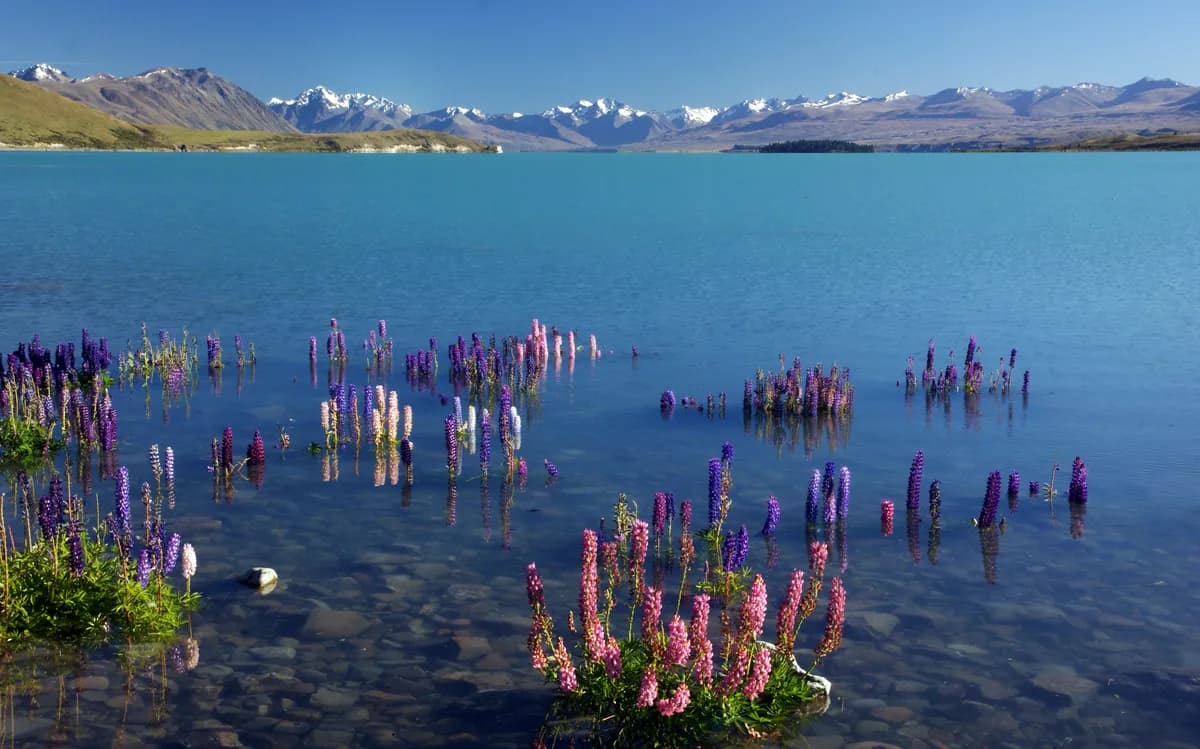
| Nov | 20°C, warm, blooming | Moderate | $$ | Lupins colour the Mackenzie Country and summer builds - excellent weather-to-crowds ratio before the holiday rush. |
| Dec | 22°C, warm, festive | High then Peak | $$$ | Early December is a quiet sweet spot; from mid-month the school holidays fill every beach town and campground. |
When to book New Zealand
On the table above, May, Jun and Sep sit in the bottom price band and Jan, Feb and Dec in the top one. Find the row that sounds like your trip.
| If you want | Months | Why |
|---|---|---|
| The best trip for the money | Mar, Apr, Oct and Nov | Rated good above without hitting the top price band, so you are not paying peak rates for the conditions. |
| The lowest price, whatever the weather | May, Jun and Sep | The bottom price band. Check the weather column first, because some of these are cheap for a reason. |
| Peak season anyway | Jan, Feb and Dec | Busiest and dearest. This is the window where booking early changes the price, not just what is left. |
- Free cancellation on most rooms
- No booking fee
- Prices on Trip.com
Time it right: New Zealand's seasonal highlights
Great Walks season
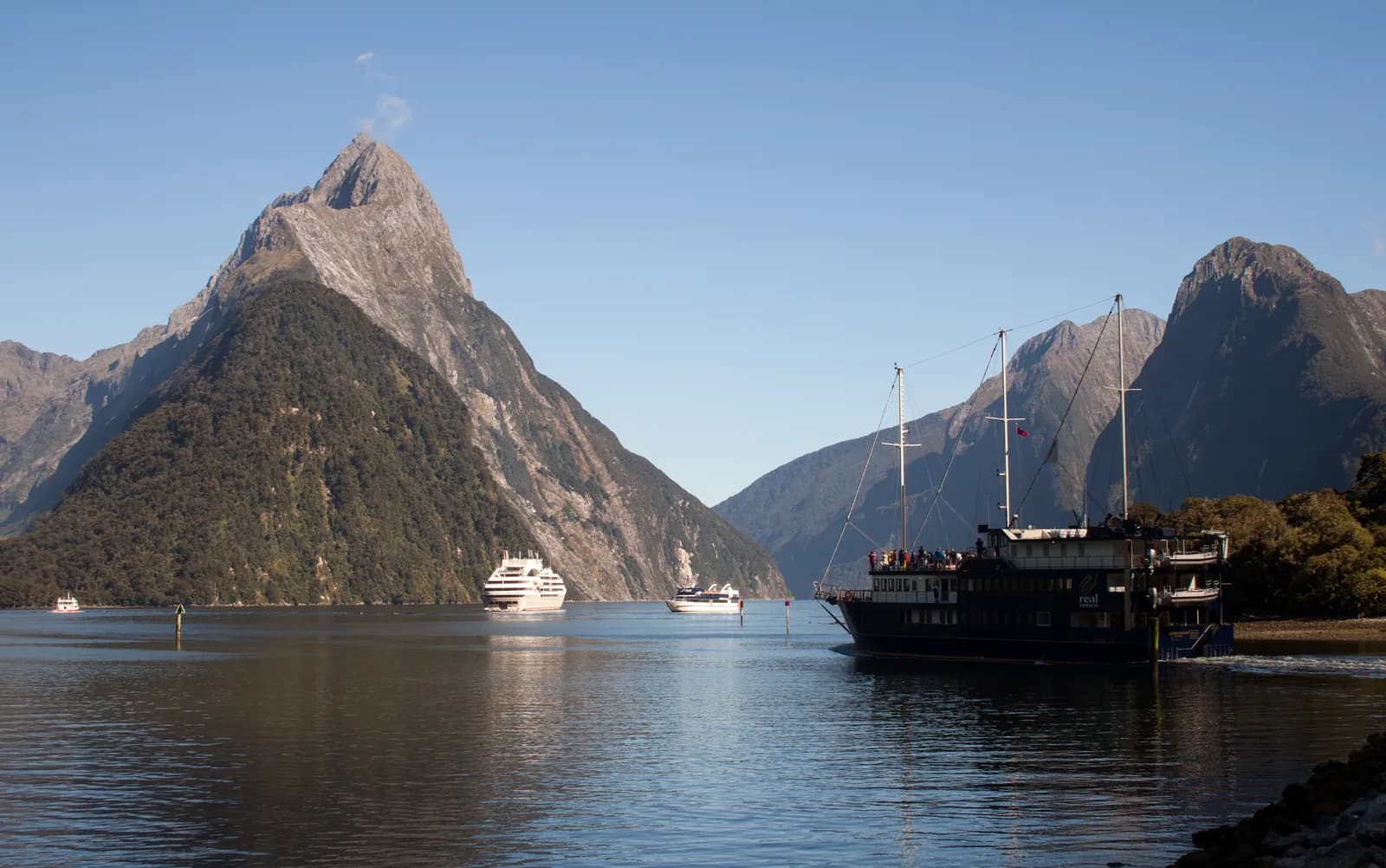
Late October–AprilThe famous multi-day tracks (Milford, Routeburn, Kepler, Tongariro) run full hut services - Milford Track beds book out within hours of release.
Lupin bloom
Mid-November–DecemberPurple and pink lupins carpet the Mackenzie Country around Lake Tekapo - the South Island's most photographed few weeks.
Ski season
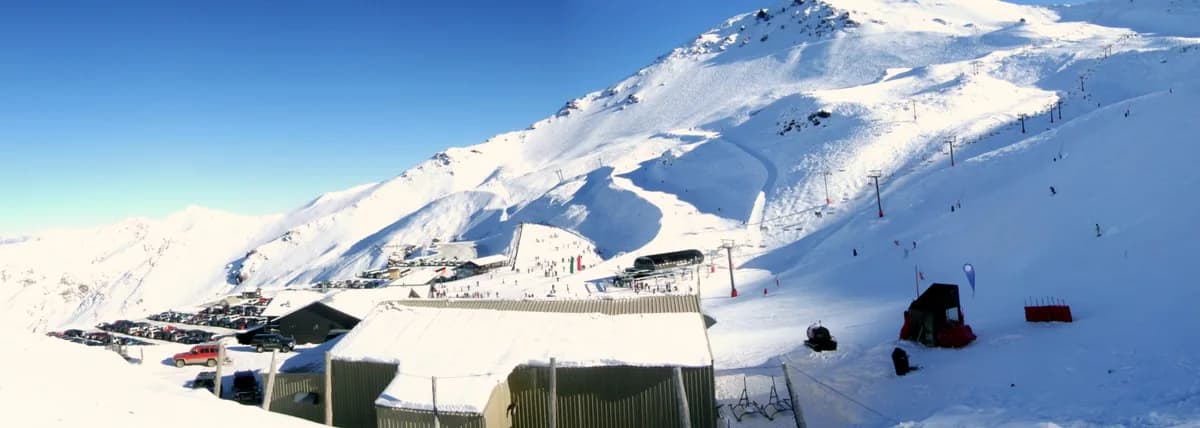
June–SeptemberQueenstown's Remarkables and Coronet Peak, Wanaka's Cardrona and Treble Cone, plus Mt Ruapehu in the north.
Matariki (Māori New Year)
June–July (varies)The rising of the Matariki star cluster is marked with festivals and a national public holiday - a uniquely New Zealand winter moment.
Kiwi summer holidays
Mid-December–late JanuaryThe whole country goes to the beach at once: campgrounds, ferries and coastal towns are at capacity. Book far ahead or travel just after.
Best time to visit New Zealand: FAQ
The timing questions travelers ask most before booking.
Staying in New Zealand? Book the area before the hotel
Picking the month is half of the decision. The other half is the area, because that is what sets how far you walk and what a room costs. We have no area guide for New Zealand yet, so start here:
- Free cancellation on most rooms
- No booking fee
- Prices on Trip.com
Compare other destinations
Continue Planning Your Trip
Things to Do
Ranked attractions, tips and how to book tickets
Where to Stay
The best area to stay in each city, by neighborhood
Car Rental
Real prices, driving tips and the best routes by destination
Airport Transfers
Getting from the airport to your hotel, by price and time
All-Inclusive Guides
What all-inclusive really means, by destination
Route Finder
Find the cheapest way to get there
Hotel Finder
Book the right hotel for your destination
AI Trip Planner
Build a day-by-day itinerary
Photo credits (2)
Photos via Wikimedia Commons, used under their respective licences.
- Lupin bloom: Bernard Spragg. NZ from Christchurch, New Zealand - CC0 · source
- Ski season: Stevage - CC BY-SA 3.0 · source