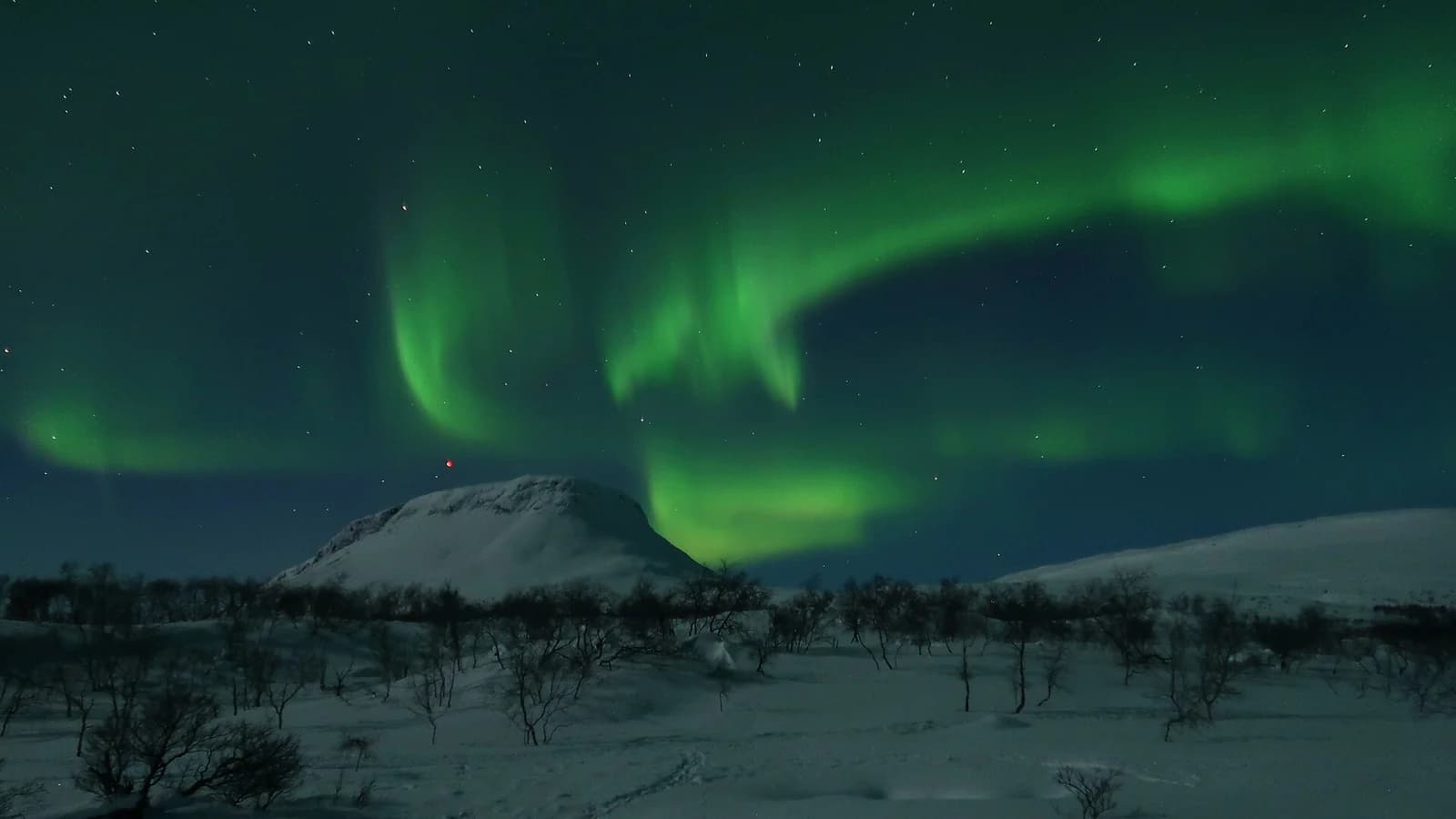
Where is the best place to see the northern lights?
Yellowknife in Canada is the best place to see northern lights, recording 66.4 clear-window nights per season under NASA satellite measurements. Fairbanks follows with 57.5 nights. In Europe, Kiruna leads with 27.2 clear nights, while Tromso manages only 5.2 nights due to coastal cloud.
Best place in the world to see the northern lights: satellite cloud rankings
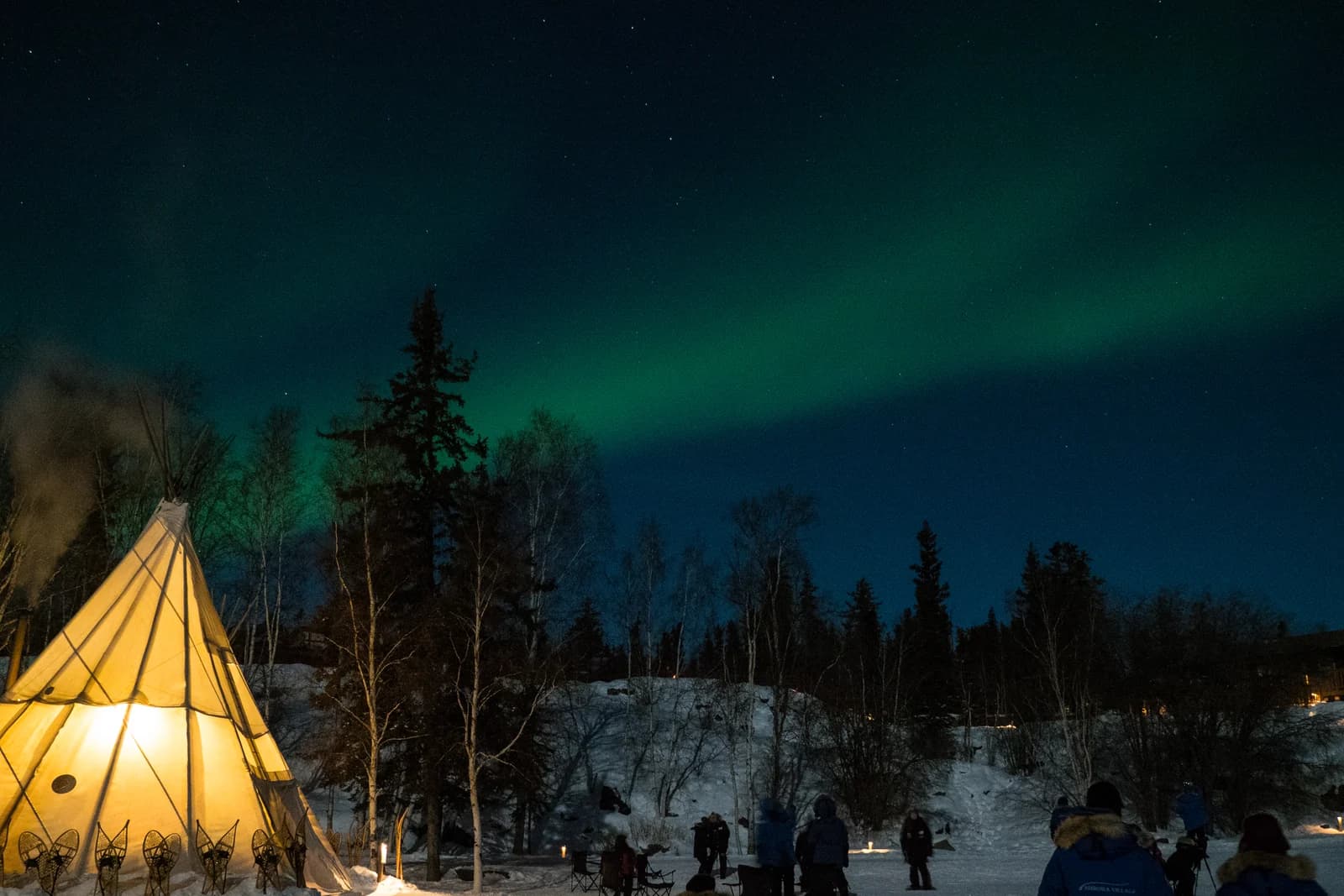
Every national meteorological service monitors cloud cover using different equipment and okta classifications, making their published tables impossible to compare directly. To evaluate destinations consistently, twenty years of hourly satellite cloud observations from NASA's POWER service (CERES SYN1deg) were analysed across 33,960 nocturnal hours between September and March. The clear-sky rankings measure runs of at least two consecutive hours with 25 per cent cloud cover or less between 18:00 and 02:00 local solar time.
Yellowknife in Canada's Northwest Territories takes first place globally, averaging 58.0 per cent nighttime cloud cover and 66.4 clear-window nights per season. Fairbanks in Alaska ranks second with 61.8 per cent mean cloud and 57.5 clear nights, followed by Whitehorse in Yukon with 66.0 per cent cloud and 42.3 clear nights. The best European performer is Kiruna in Sweden, recording 74.9 per cent cloud and 27.2 clear nights.
At the bottom of the table sit the coastal European hubs. Tromso in Norway averages 82.8 per cent cloud cover and yields only 5.2 clear-window nights per season. On this measure, Yellowknife delivers nearly thirteen times as many usable clear nights as Tromso. Svalbard records 4.7 clear-window nights, and Akureyri in northern Iceland records just 3.8.
- Yellowknife, Canada: 58.0 per cent cloud, 66.4 clear-window nights per season.
- Fairbanks, Alaska: 61.8 per cent cloud, 57.5 clear-window nights per season.
- Whitehorse, Canada: 66.0 per cent cloud, 42.3 clear-window nights per season.
- Kiruna, Sweden: 74.9 per cent cloud, 27.2 clear-window nights per season.
- Tromso, Norway: 82.8 per cent cloud, 5.2 clear-window nights per season.
The catch: The clearest continental locations are exceptionally cold. Yellowknife's January normal daily minimum is -29.4 C, and Fairbanks averages a daily minimum of -27.3 C.
Best place to see northern lights in Europe: Kiruna and Abisko
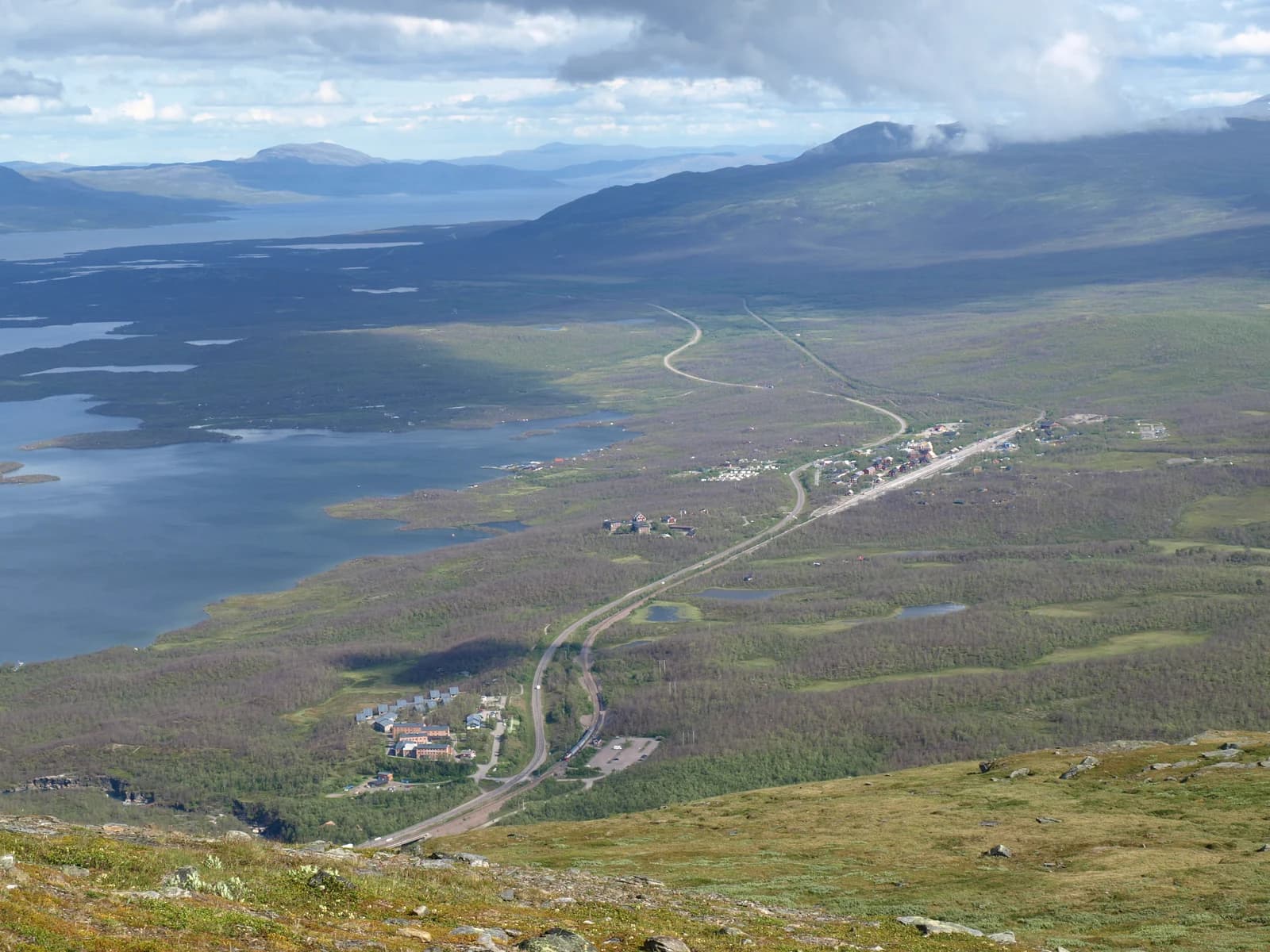
In northern Sweden, Kiruna delivers the highest clear-sky frequency in Europe with 27.2 clear-window nights each winter season. While nearby Abisko is widely marketed for its microclimate, SMHI data reveals that Abisko's rain shadow produces dryness rather than clear skies. SMHI precipitation normals show Abisko receives just 340 mm of annual precipitation compared to 887 mm at the watershed in Riksgransen and 559 mm in Kiruna, confirming the rain shadow exists.
However, Abisko is not the clearest station in Swedish Lapland. In SMHI's hourly total cloud records from 2019 to 2025, Abisko recorded 30.0 per cent of nighttime observations at a quarter sky cover or less, well behind Jokkmokk Flygplats at 48.6 per cent and Parkalompolo at 33.5 per cent. NASA's satellite observations give Abisko 16.1 clear-window nights per season, trailing Kiruna's 27.2.
Kiruna is accessed via Swedavia flights connecting through Stockholm Arlanda or Copenhagen. Reaching Abisko requires an additional overland journey of approximately 100 kilometres west from Kiruna Airport.
The catch: SMHI closed its Kiruna cloud observation station in 1993, meaning direct ground-level comparisons between Kiruna and Abisko rely on satellite measurements.
Where to see northern lights: Norway's coastal hubs and Finnmark
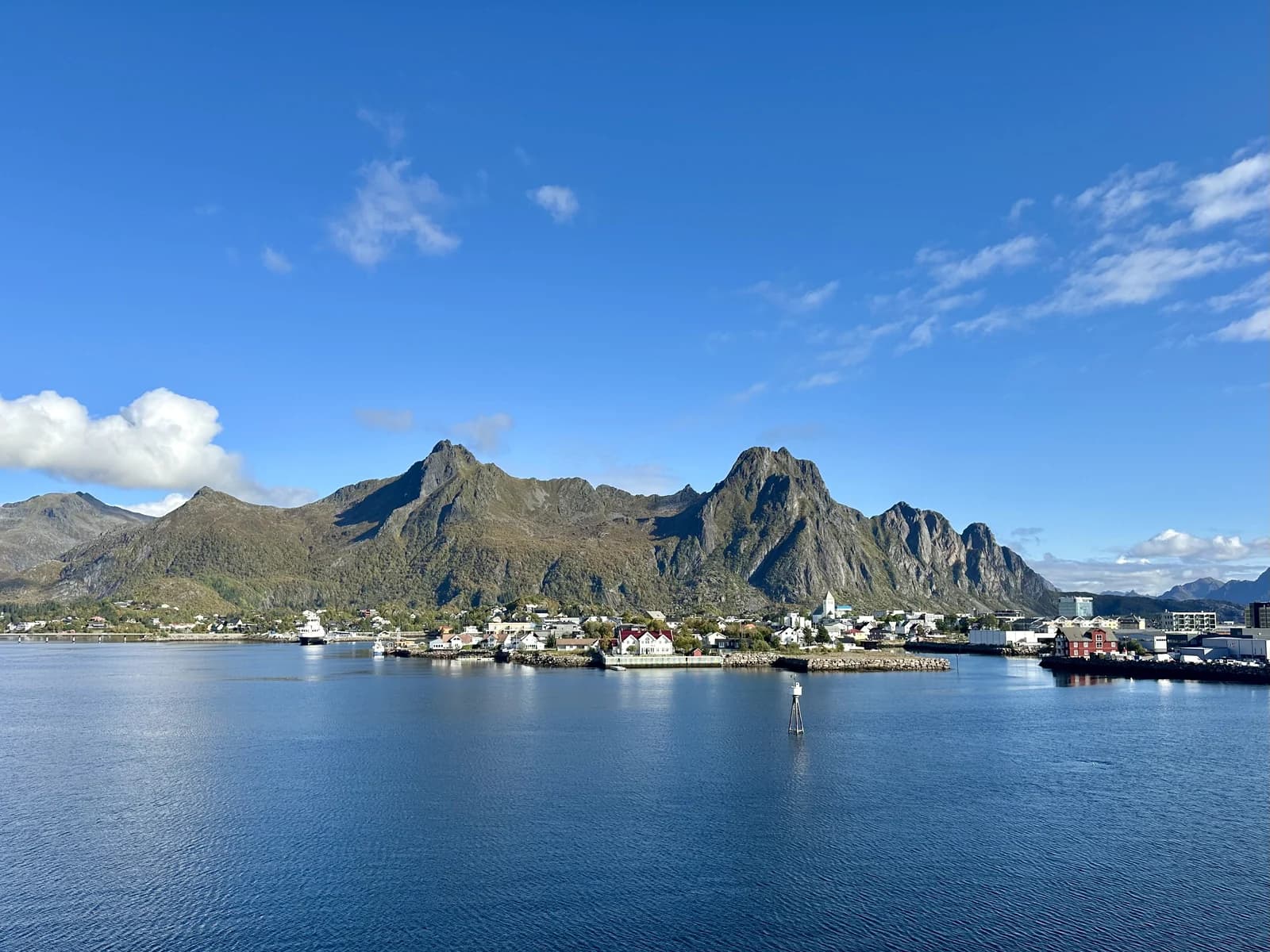
Norway's northern coast remains popular because the Norwegian Sea keeps winter conditions relatively mild. Svolvaer in Lofoten records a January mean temperature of +0.3 C, and Tromso Airport averages -2.8 C according to MET Norway. However, that maritime moisture produces extensive cloud cover across the coast throughout the season.
Satellite cloud records, not the met offices, are the only source that covers every base on the same basis: MET Norway publishes no cloud series for Lofoten or Alta at all. On the NASA POWER archive Tromso records a mean cloud cover of 82.8 per cent from September to March, yielding just 5.2 clear-window nights per season. Lofoten, measured at the Leknes cell, averages 82.2 per cent cloud cover and 12.6 clear nights. Alta, situated further inland at the head of the Altafjord, records 80.2 per cent mean cloud and 7.5 clear nights, with its January mean dropping to -6.8 C.
To compensate for coastal overcast, Tromso supports an extensive chase-tour industry where guides drive microbuses away from the fjords towards the Finnish border. Direct air access is available from London Luton on Wizz Air UK, with a flight time of 3 hours 45 minutes, while Alta requires an SAS connection through Oslo.
The catch: Tromso has the highest night cloud cover of any major Nordic hub in this comparison, leaving stationary viewers reliant on clear weather corridors.
Northern lights which country: comparing Finland and Iceland
Choosing between Finland and Iceland involves balancing geomagnetic positioning against Atlantic cloud patterns. The Finnish Meteorological Institute notes that northern Fennoscandia sits within the maximum auroral zone, publishing statistical odds of seeing the aurora on roughly 50 per cent of clear, dark nights in central Lapland around Saariselka, rising to 75 per cent at Kilpisjarvi.
In Finland, Rovaniemi records 25.9 clear-window nights per season with 77.6 per cent mean cloud, while Saariselka and Ivalo record 17.4 clear-window nights with 76.6 per cent cloud. Both Finnish bases experience cold continental air, with January mean temperatures of -10.3 C at Rovaniemi and -11.8 C at Ivalo Airport.
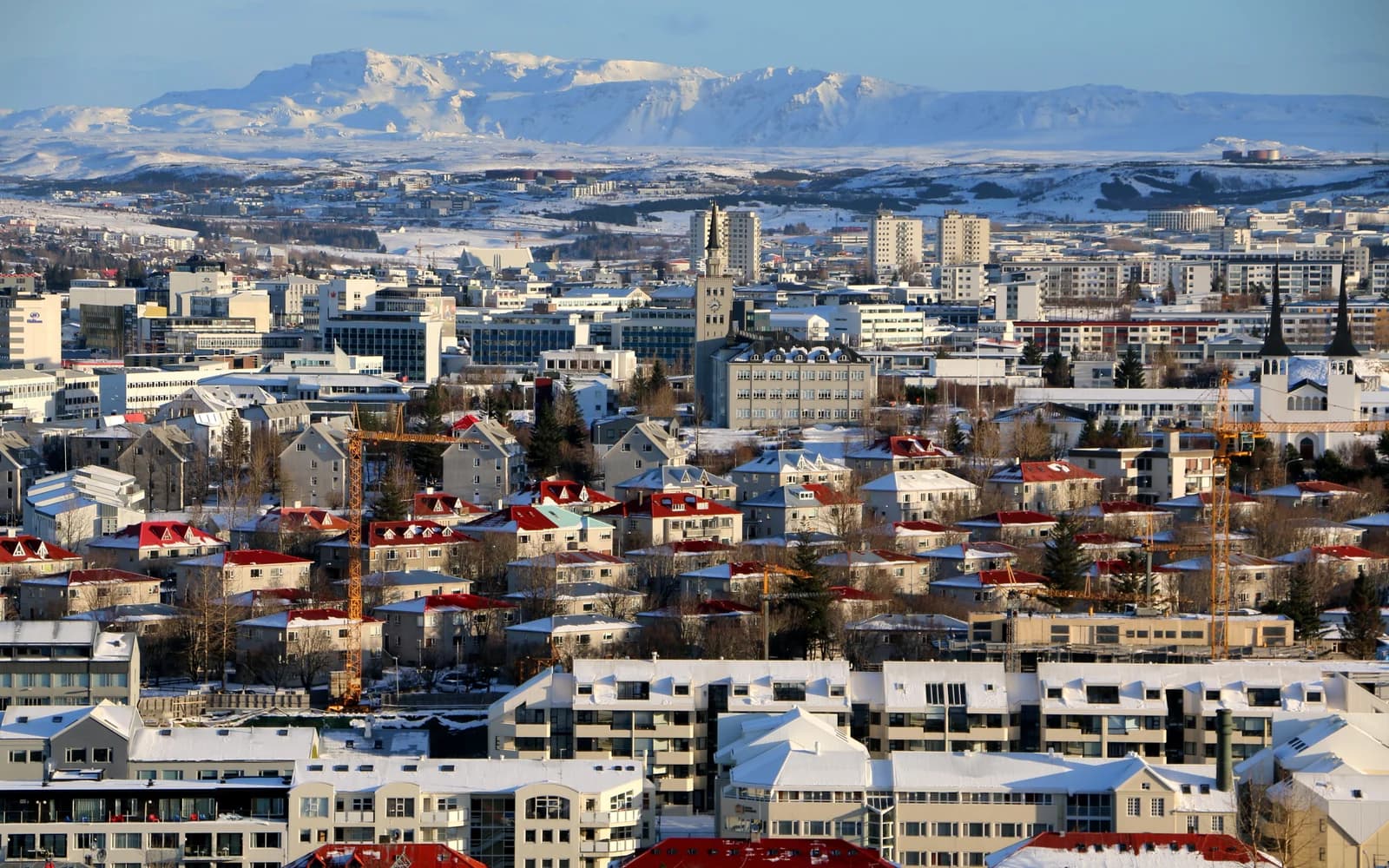
Iceland sits further south in geomagnetic coordinates. The Icelandic Meteorological Office notes the auroral oval moves over Iceland in the evening rather than resting overhead continuously. In the satellite dataset, Reykjavik records 14.9 clear-window nights per season with 76.3 per cent cloud, while Akureyri in the north averages 81.1 per cent cloud and just 3.8 clear nights. January mean temperatures remain milder at +0.7 C in Reykjavik and -0.5 C in Akureyri.
The catch: Akureyri produces only 3.8 clear-window nights per winter season, which is the lowest clear-sky frequency measured among the twelve destinations.
Best places to see the northern lights: Alaska and the Canadian North
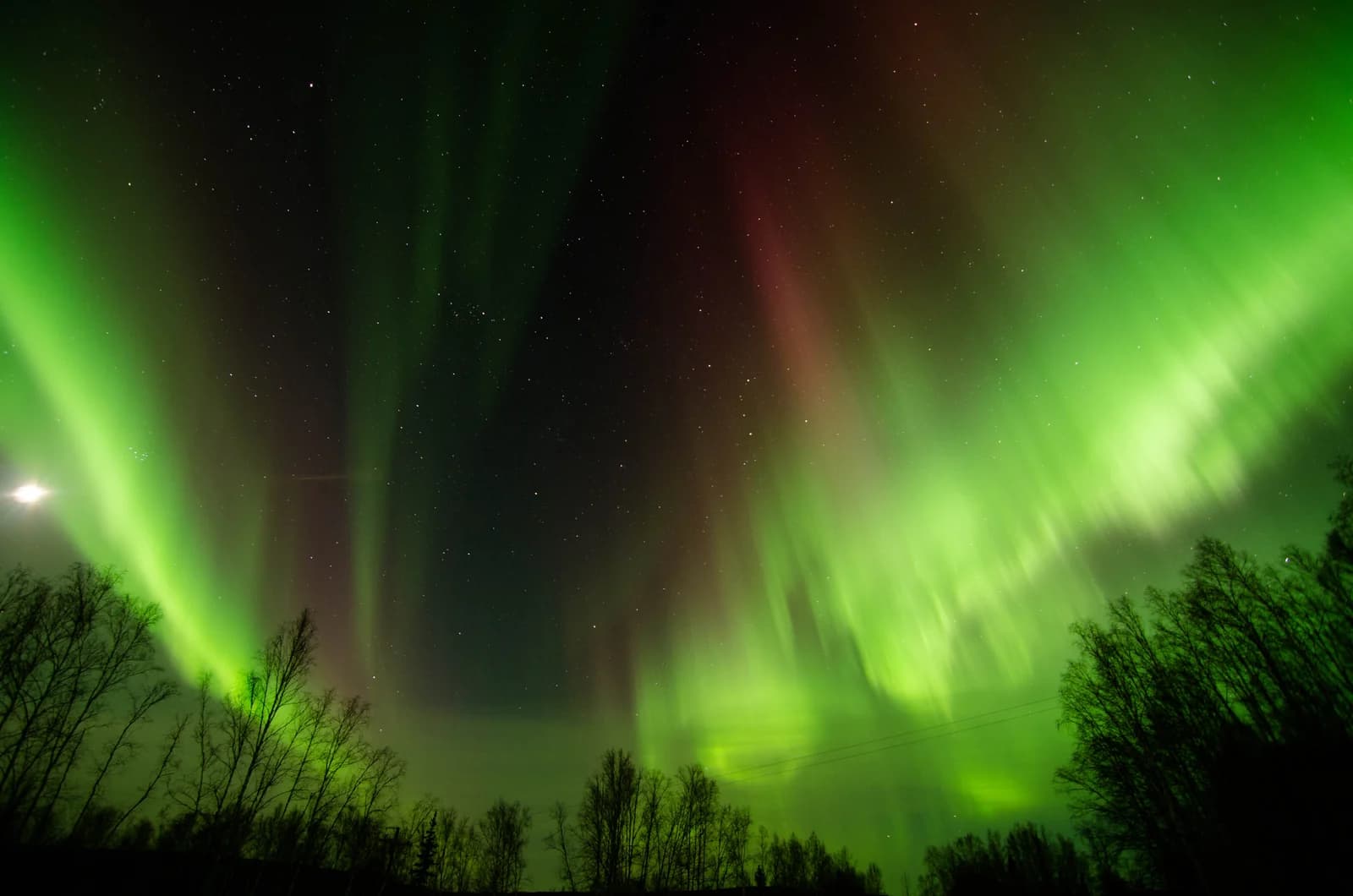
Interior Alaska and northern Canada provide the strongest clear-sky probabilities in the world. Yellowknife sits at 68.62 degrees north geomagnetic latitude according to Natural Resources Canada, placing it directly under the auroral oval despite having a geographic latitude of 62.5 degrees north. The Canadian Space Agency operates its automated AuroraMAX observatory at Yellowknife across the August to May window.
Fairbanks is positioned at 65.14 degrees north geomagnetic latitude. Explore Fairbanks notes that the aurora is visible on an average of four out of five nights when the sky is dark and clear. NASA's 20-year satellite record shows Fairbanks averages 57.5 clear-window nights each winter, with January cloud cover dropping to 52.1 per cent.
Whitehorse in Yukon offers a compromise between interior clarity and extreme cold. It records 42.3 clear-window nights per season with 66.0 per cent mean cloud cover. Environment and Climate Change Canada normals give Whitehorse a January daily minimum of -18.9 C, making it roughly ten degrees milder than Yellowknife.
The catch: Neither Yellowknife nor Fairbanks has direct transatlantic flights from London, requiring connections via Calgary, Vancouver, or Seattle.
Why polar night and darkness hours do not guarantee aurora visibility
Marketing campaigns frequently focus on the polar night, yet astronomical darkness varies minimally between sub-Arctic destinations on 21 December. US Naval Observatory calculations show that Alta experiences 19 hours 52 minutes of darkness between civil twilights on the winter solstice, Tromso gets 19 hours 38 minutes, Kiruna receives 18 hours 38 minutes, and Yellowknife records 16 hours 46 minutes.
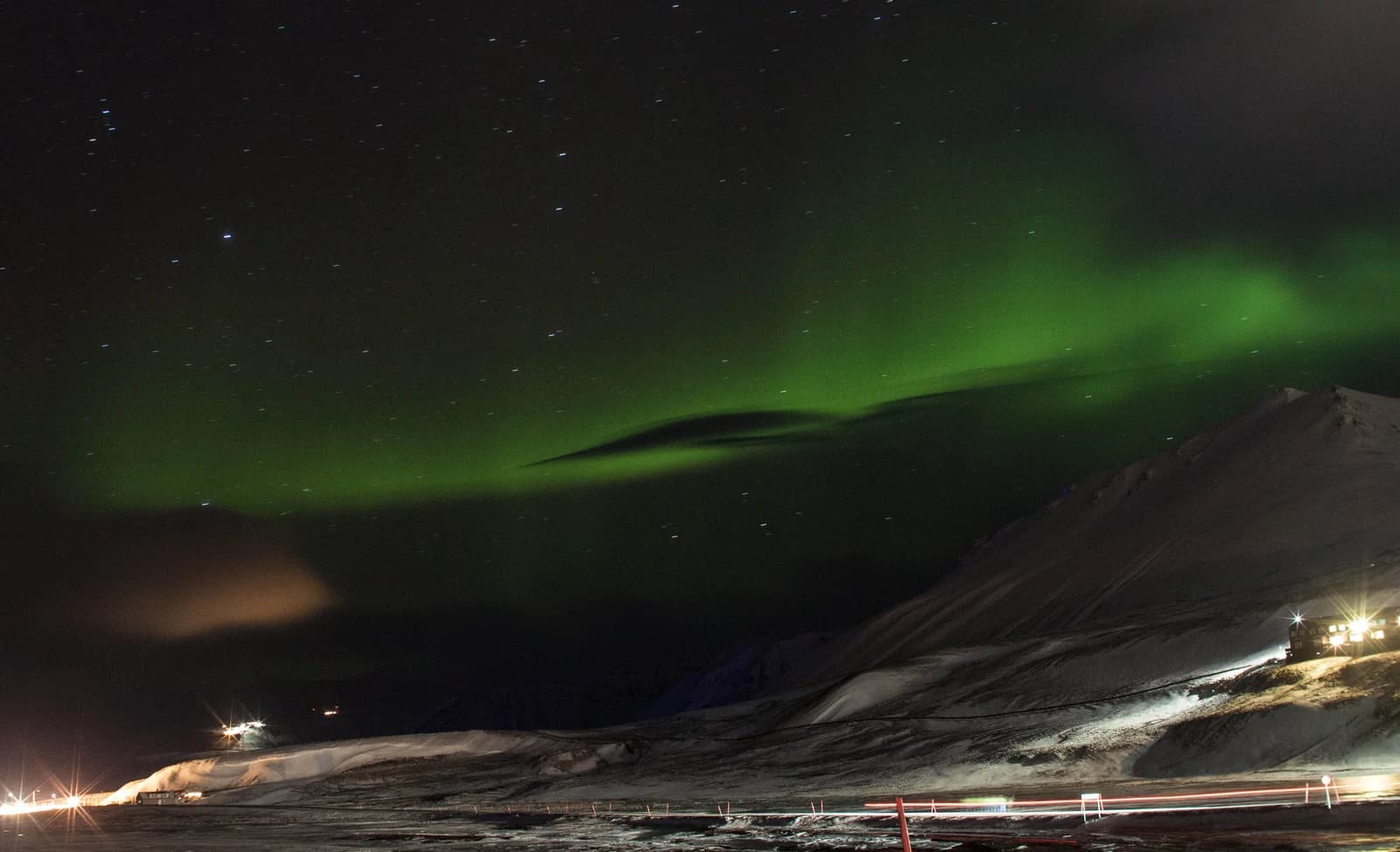
Svalbard is the sole mainland exception to this pattern, recording a continuous 24 hours of darkness on 21 December because civil twilight does not occur. However, Longyearbyen sits at 75.92 degrees north geomagnetic latitude according to Tromso Geophysical Observatory. At this extreme latitude, Svalbard lies poleward of the typical nighttime auroral oval, leaving it reliant on daytime polar cusp activity.
Furthermore, destinations marketed as polar night locations often see the sun every day. US Naval Observatory data confirms the sun rises at Rovaniemi from 11:08 to 13:22 on 21 December. At Reykjavik, the sun is up from 11:22 to 15:29 on the solstice. Because all destinations provide more than 15 hours of darkness at midwinter, local cloud cover remains the deciding variable.
- Longyearbyen, Svalbard: 24h 00m dark on 21 December, sun does not rise.
- Alta, Norway: 19h 52m dark on 21 December, civil twilight 09:21 to 13:29.
- Tromso, Norway: 19h 38m dark on 21 December, civil twilight 09:31 to 13:53.
- Yellowknife, Canada: 16h 46m dark on 21 December, sun rises 10:07 to 15:04.
- Reykjavik, Iceland: 17h 14m dark on 21 December, sun rises 11:22 to 15:29.
The catch: Longyearbyen yields only 4.7 clear-window nights per season, and rising geomagnetic storms push the aurora oval south away from Svalbard.
Understanding Kp index requirements and geomagnetic latitude
Aurora visibility is determined by geomagnetic latitude rather than geographic coordinates. The NOAA Space Weather Prediction Center defines an empirical rule where the quiet auroral oval sits at 66 degrees geomagnetic latitude at Kp 0, expanding equatorward by approximately two degrees for each integer increase in the planetary Kp index.
For destinations situated beneath the quiet oval, high Kp values are unnecessary. The University of Alaska Fairbanks Geophysical Institute notes that inside the oval, auroral displays occur during low global activity and Kp forecasts are less relevant. Conversely, the UK Met Office publishes that bringing the auroral belt overhead across the UK requires an extreme storm of Kp 8 to 9, while moderate storms of Kp 6 to 7 bring activity over southern Iceland or the Faroes, appearing faintly on the northern Scottish horizon.
On NOAA's G-scale storm frequency tables, severe Kp 8 events occur on roughly 60 days across an entire 11-year solar cycle. Bases such as Yellowknife (68.62 N geomagnetic) and Tromso (67.11 N geomagnetic) sit within the quiet zone without needing storm-level geomagnetic disturbances.
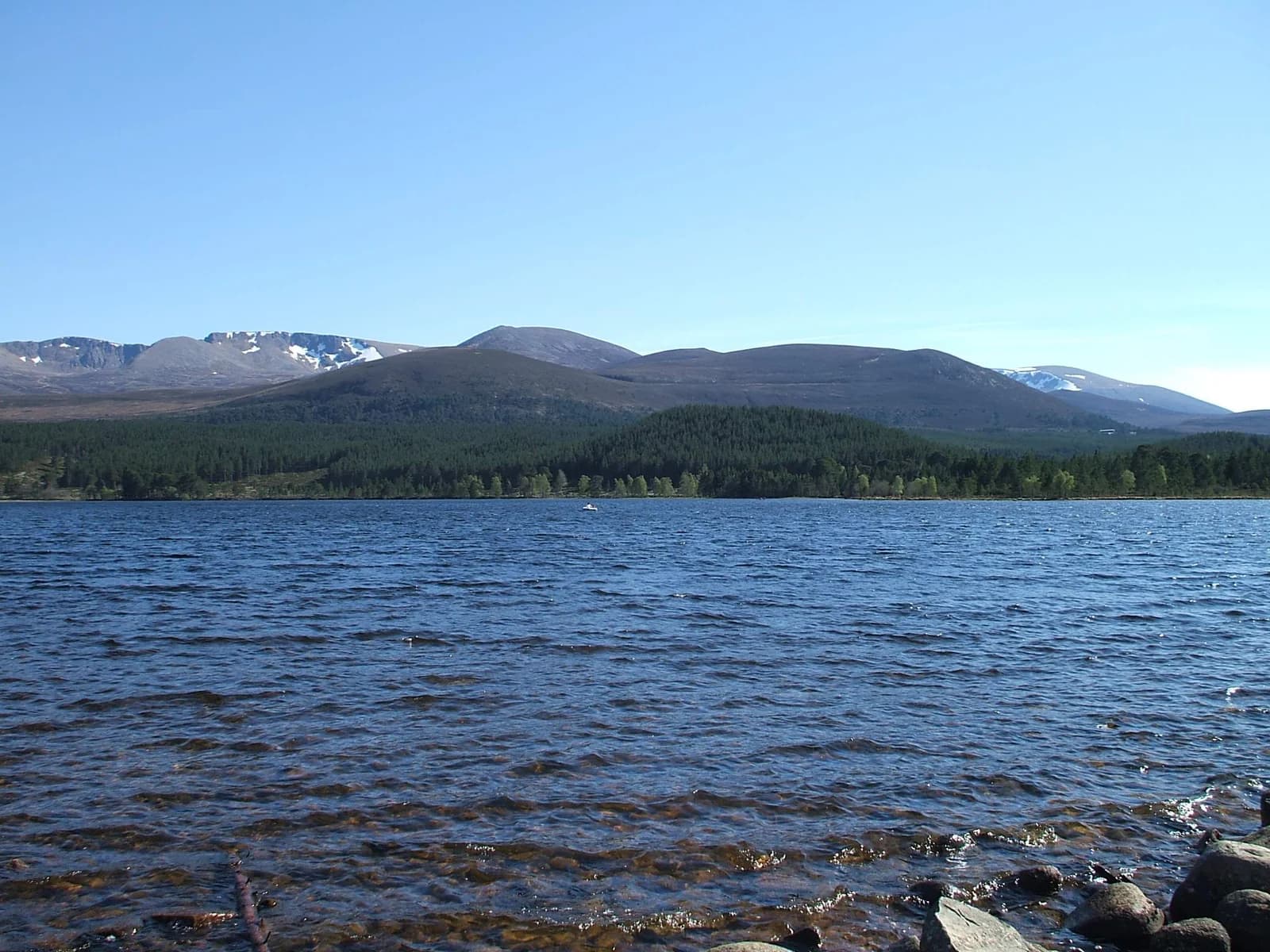
The catch: The Cairngorms in Scotland achieve 20.7 clear-window nights per season, but because Aviemore sits at 54.51 degrees north geomagnetic latitude, clear skies rarely coincide with sufficient planetary storm levels.
Where to Base Yourself for an Aurora Trip
Choosing a base depends on whether you prioritise clear skies over flight convenience. If you demand the highest statistical odds of unclouded skies, continental interior bases like Yellowknife and Fairbanks deliver roughly two to thirteen times as many clear-window nights as coastal Scandinavia. If you prefer direct flight access from London and want an established chase-tour network that drives around localised marine cloud, central Tromso provides the infrastructure to travel inland each evening.
- Free cancellation on most rooms
- No booking fee
- Prices on Trip.com
How these facts were checked
2027-03-31
Arctic: your questions
The questions people ask before booking.
Keep planning
Continue Planning Your Trip
Intelligent tools designed to simplify the complex.
Things to Do
Ranked attractions, tips and how to book tickets
Where to Stay
The best area to stay in each city, by neighborhood
Car Rental
Real prices, driving tips and the best routes by destination
Airport Transfers
Getting from the airport to your hotel, by price and time
All-Inclusive Guides
What all-inclusive really means, by destination
Best Time to Visit
Month-by-month weather, crowds and prices
Cheapest Places to Travel
18 destinations ranked by real daily budgets
Route Finder
Find the cheapest way to get there
Hotel Finder
Book the right hotel for your destination
AI Trip Planner
Build a day-by-day itinerary
Budget Calculator
Estimate total cost