In Brief
What are the best things to do in Savannah?
The best things to do in Savannah are strolling the 22 historic squares and Forsyth Park, walking or riding a trolley through the Historic District, exploring River Street's cobbled waterfront, visiting the oak-and-moss avenues of Bonaventure Cemetery, and taking an evening ghost tour. The Historic District is compact and walkable; book trolley hop-on-hop-off passes and the popular ghost and Bonaventure tours ahead in peak season.
Key takeaways
- The Historic District is flat and walkable - a hop-on-hop-off trolley ticket is best for the outer sights and hot afternoons.
- Savannah allows open containers downtown, so a to-go drink on a square is part of the ritual.
- Book ghost tours and Bonaventure Cemetery trips ahead - the well-reviewed ones sell out, especially around Halloween.
- Spring (azaleas) and fall are ideal; midsummer is hot and humid, so plan shady squares and indoor breaks.
14 best things to do in Savannah
Ranked best-first, with an insider tip and how to book each. Prices and hours change - check before you go.
Icons
Forsyth Park & the fountain
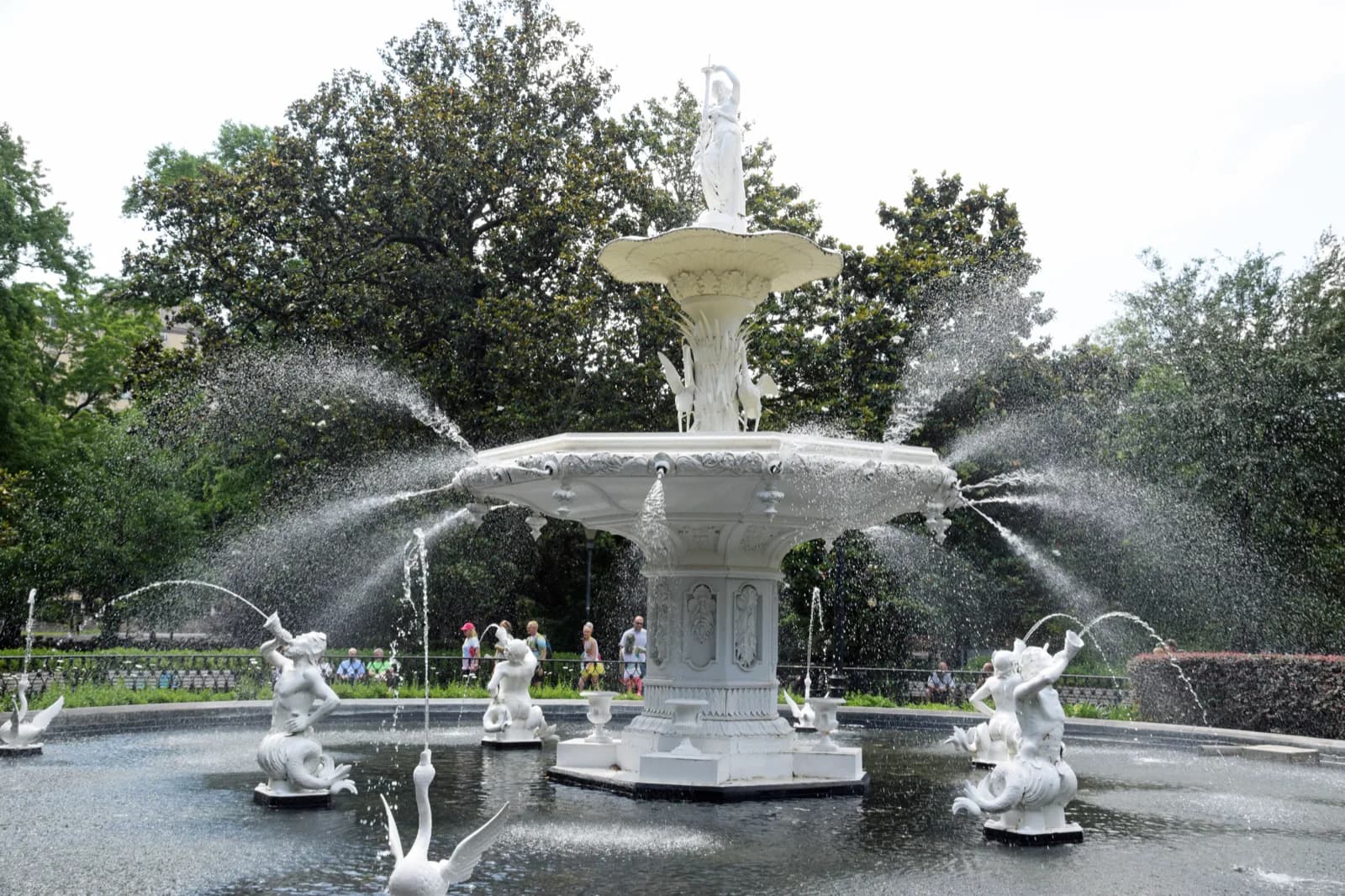
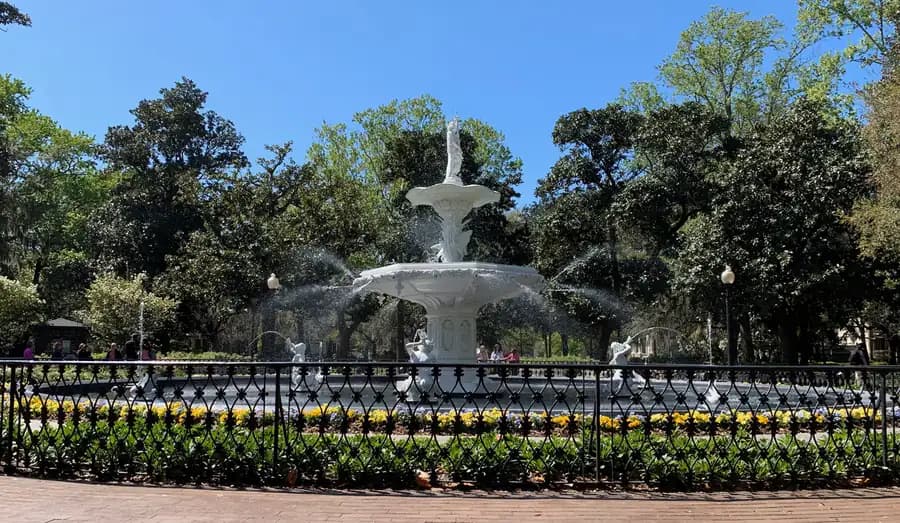
Rated 4.8 out of 5 on Google Maps from 5,247 reviews, as of October 2026FreeThe 30-acre green heart of Savannah, framed by a double avenue of live oaks dripping Spanish moss and anchored by the white 1858 fountain that is the city's single most photographed sight. It's where Savannah walks its dogs, holds its farmers market and simply sits - the quintessential Lowcountry park.
- Insider tip
- Insider tip: Come early for the fountain without crowds and the best light, or at golden hour. The Saturday farmers market (fall through spring) is a lovely local scene. The Forsyth cafe in the old fort building is a good coffee stop mid-stroll.
Icons
The 22 historic squares
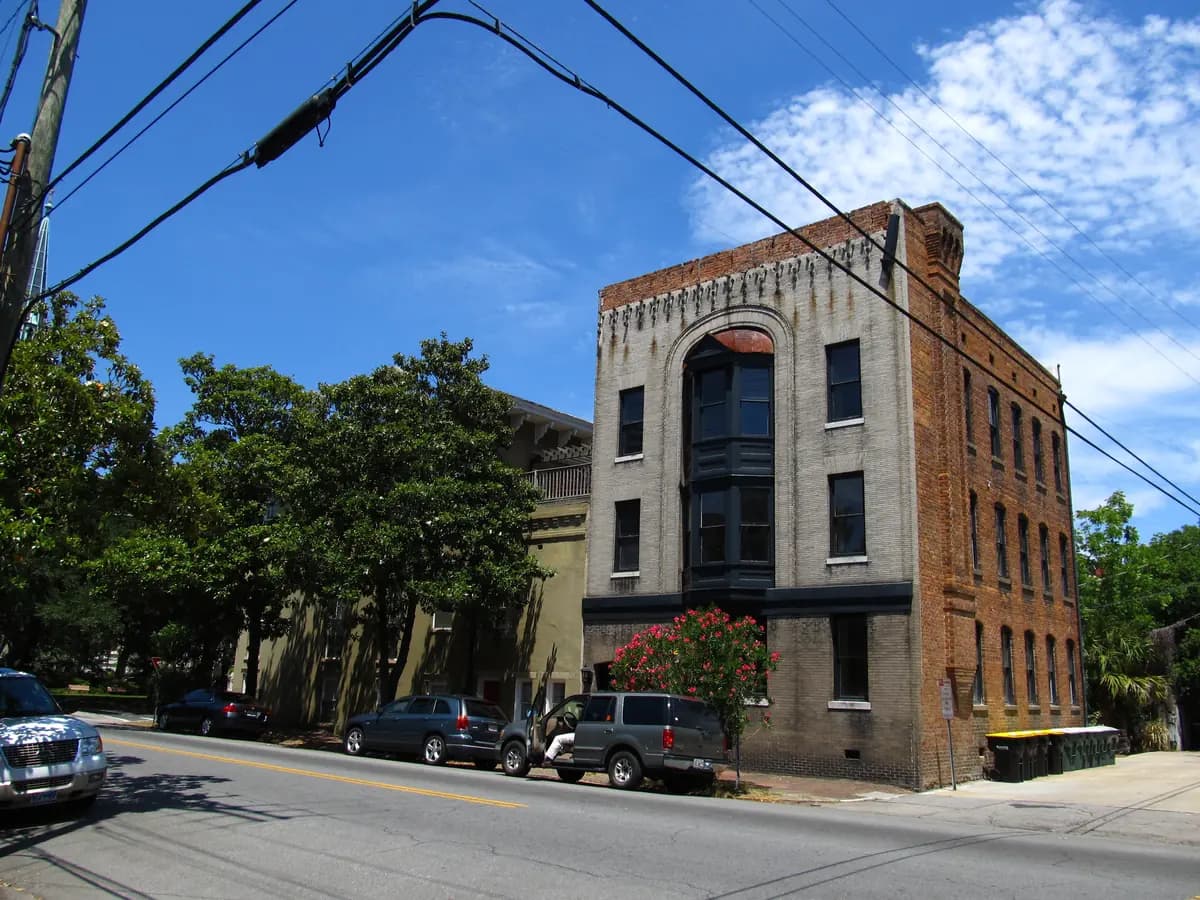
FreeJames Oglethorpe laid out Savannah in 1733 around a grid of garden squares, and 22 of the original 24 survive - each a small park of oaks, monuments and benches ringed by mansions, museums and churches. Wandering square to square, with no particular goal, is the definitive Savannah experience and completely free.
- Insider tip
- Insider tip: Chippewa Square (the Forrest Gump bench site - the bench itself is in a museum), Monterey Square and leafy Lafayette Square are the standouts. A guided history or architecture walk on your first morning ties them together; after that you'll happily wander alone. Bring a to-go coffee - open containers are legal downtown.
Tours
A trolley tour of the Historic District
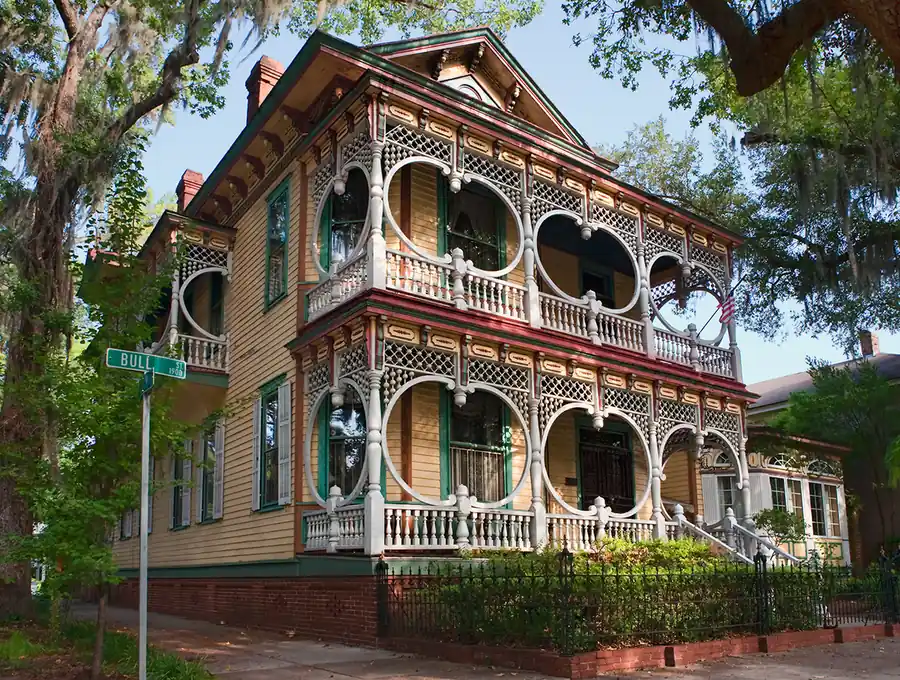
The hop-on-hop-off trolleys are how most visitors first crack Savannah: a narrated loop of 15-odd stops covering the squares, mansions, River Street and the landmarks, with the freedom to jump off and back on all day. In a spread-out, hot-in-summer city, it's genuinely useful transport as well as an orientation.
- Insider tip
- Insider tip: Buy the all-day ticket online and use it as your first-morning overview, then get off and explore on foot. The narration quality varies by driver, but the convenience of skipping the walk between far-apart sights (and the summer humidity) is the real value.
History
Bonaventure Cemetery
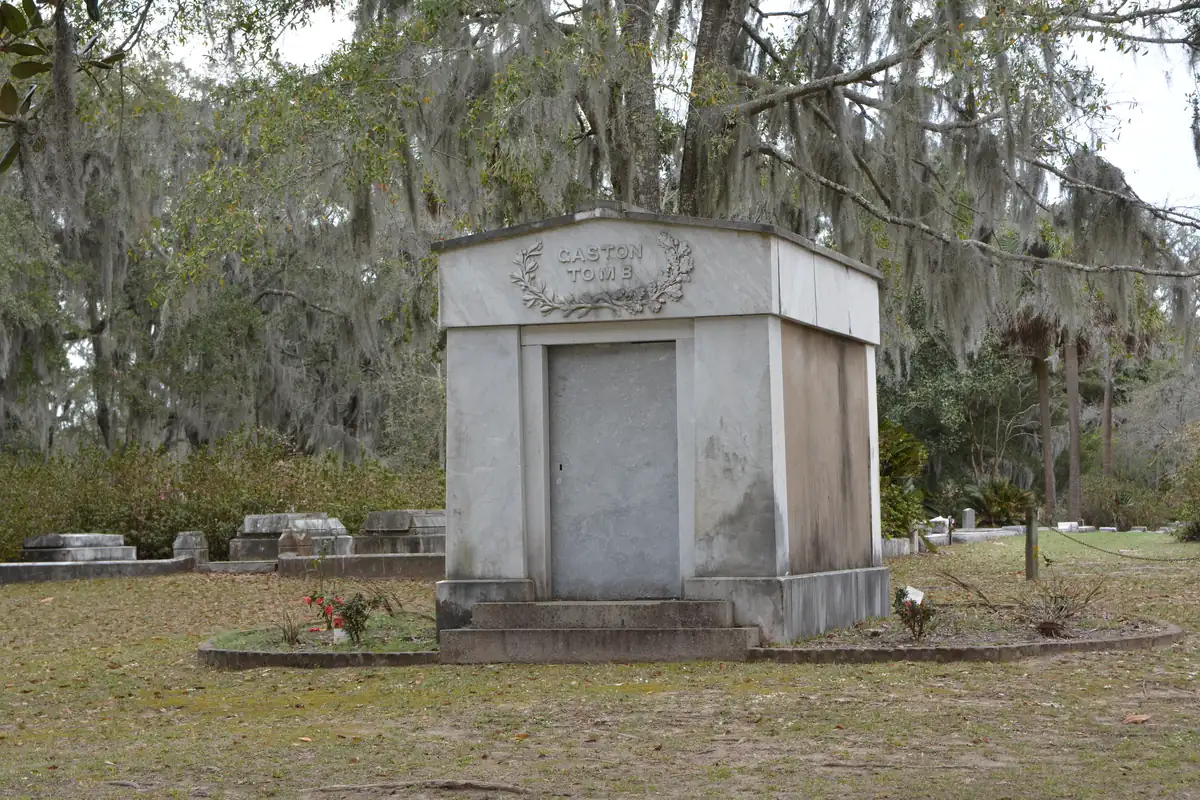
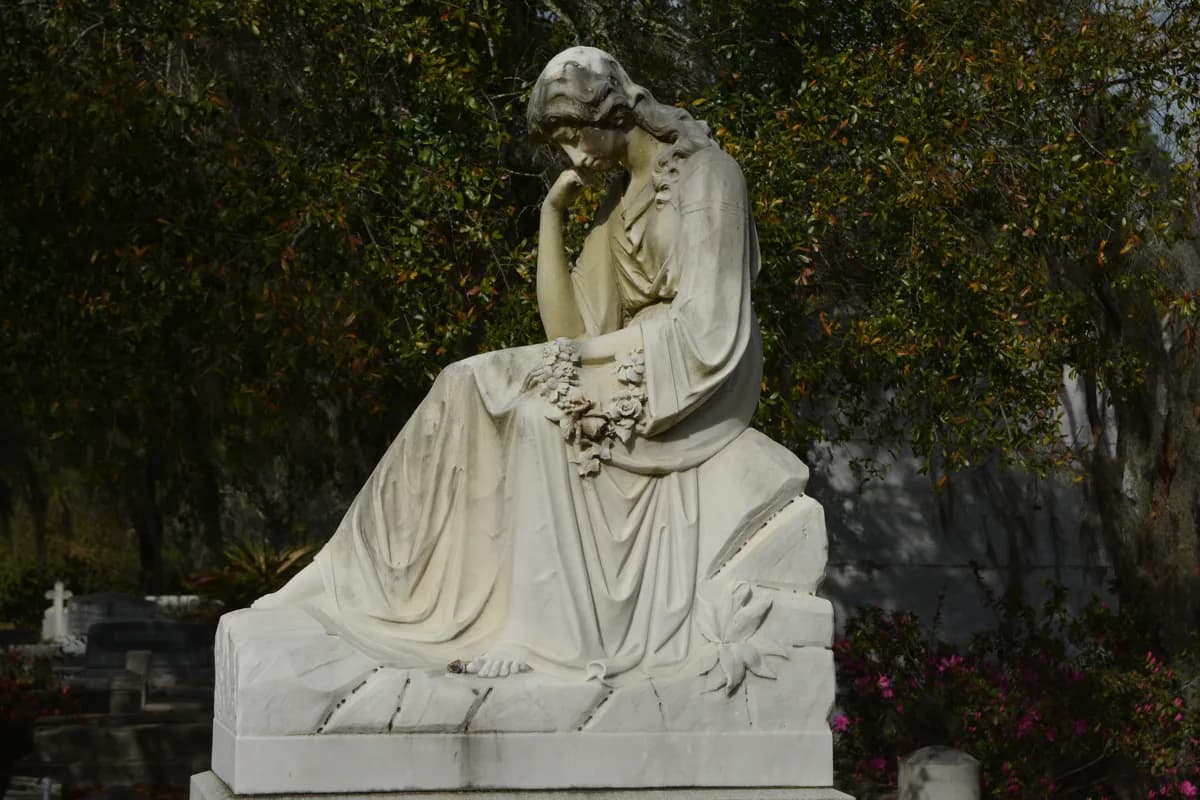
Rated 4.7 out of 5 on Google Maps from 836 reviews, as of October 2026The most beautiful cemetery in the American South: 100 riverside acres of live oaks, Spanish moss and Victorian funerary sculpture made famous by 'Midnight in the Garden of Good and Evil.' It's genuinely moving rather than morbid - an outdoor gallery of angels and epitaphs under a cathedral of oaks.
- Insider tip
- Insider tip: It's a 15-minute drive east of downtown, so pair it with a guided tour that provides transport and the stories behind the graves - the history is what brings it alive, and you won't find the famous plots alone. Go in the morning for the best light through the moss. Respectful visiting only; it's an active cemetery.
Tours
An evening ghost tour
Savannah bills itself as America's most haunted city, and the ghost tour is close to a mandatory rite: lantern-lit walks (or the spooky hearse rides) through the squares and past the most notoriously haunted houses, trading in centuries of yellow-fever epidemics, duels and buried history. It's equal parts theatre and genuine local history.
- Insider tip
- Insider tip: Book ahead in October when the city goes all-in on Halloween. Walking tours suit the atmosphere best; the hearse and pub-crawl versions are more party than fright. Families should check age suitability - some tours lean genuinely dark. The squares at night are worth the walk regardless.
Neighbourhoods
River Street & the waterfront
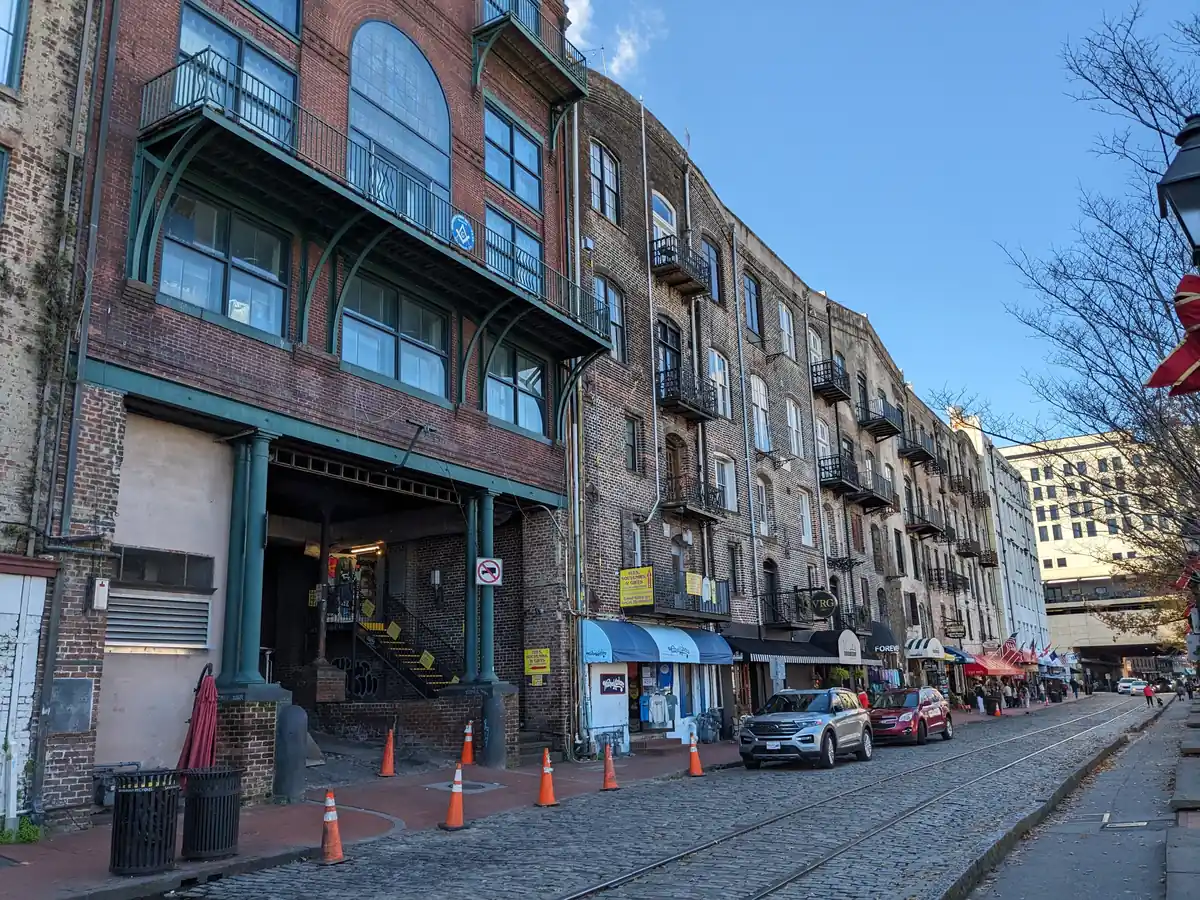
FreeThe old cotton-trading waterfront on the Savannah River, its 19th-century warehouses now candy shops, breweries, restaurants and hotels along cobblestones ballasted from old ships. It's touristy and it's fun - watch the giant container ships slide past improbably close, and grab a praline from the famous candy kitchens.
- Insider tip
- Insider tip: The cobbles and iron stairs down from Bay Street are steep and uneven - there's an elevator in City Hall and a couple of the buildings. Get free samples at the candy kitchens, watch a container ship pass from a riverside table, and use the free ferry to hop across to the convention-centre side for the skyline view back.
History
Wormsloe Historic Site
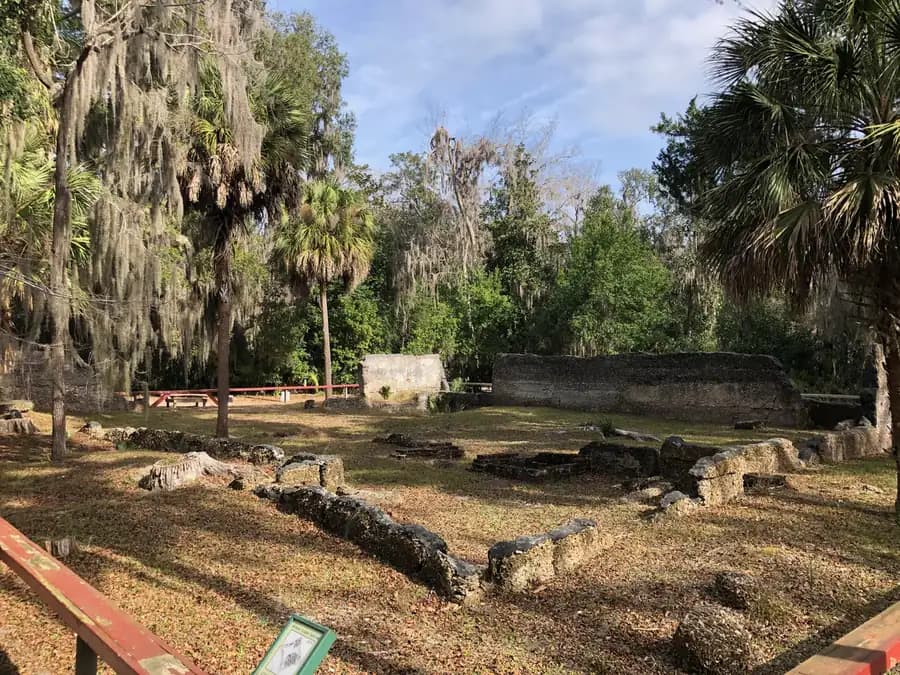
Rated 4.5 out of 5 on Google Maps from 4,792 reviews, as of October 2026The most Instagrammed spot in Georgia: a 1.5-mile avenue of 400 live oaks planted in the 1890s forming a cathedral tunnel of moss-draped branches, leading to colonial tabby ruins on a marsh estate. The drive-and-walk down the oak avenue is a genuine jaw-drop.
- Insider tip
- Insider tip: It's about 20 minutes south of downtown and charges a small admission. Go early morning for empty-avenue photos and soft light. The site itself (ruins, museum, nature trails on the marsh) makes a pleasant hour or two beyond the famous avenue shot.
History
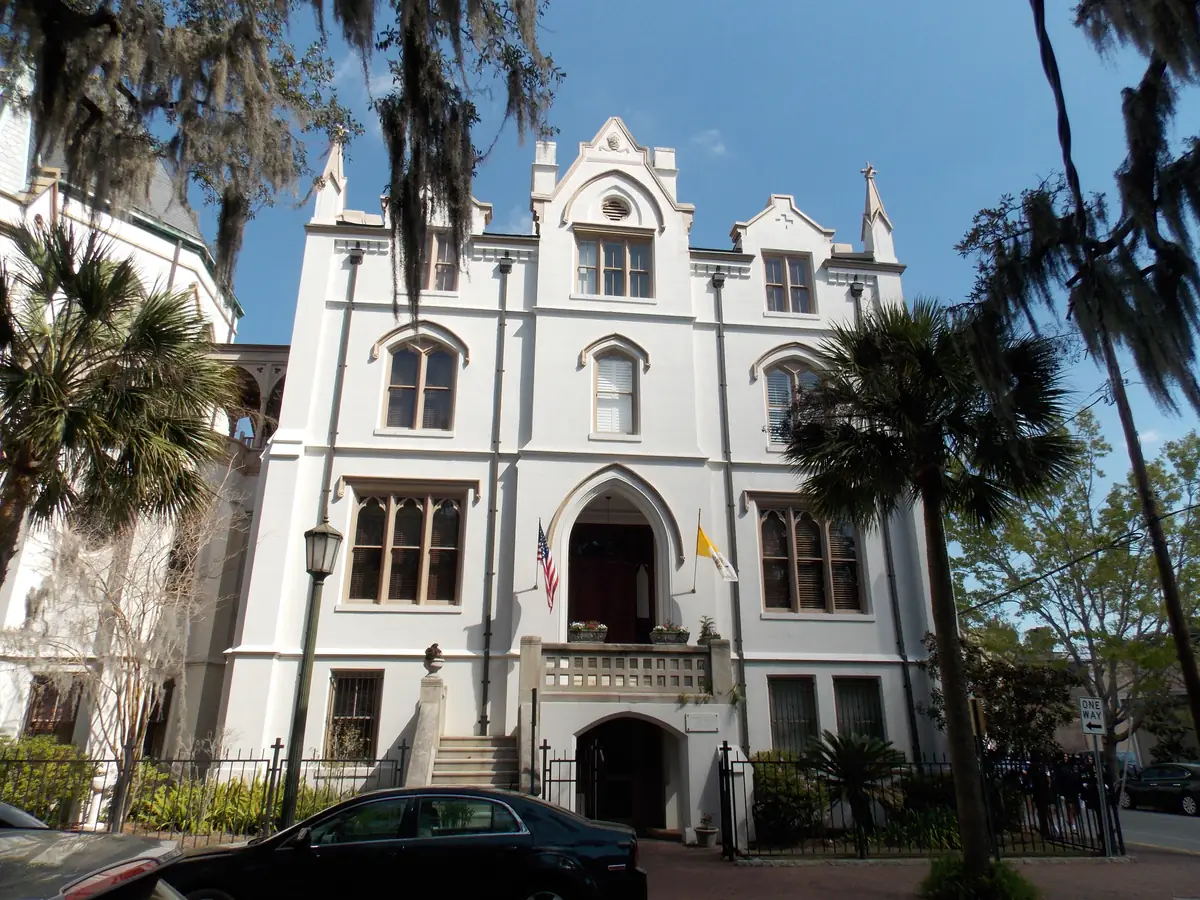
Cathedral Basilica of St John the Baptist
Rated 4.8 out of 5 on Google Maps from 7,520 reviews, as of October 2026FreeThe twin white spires of Savannah's French Gothic cathedral rise above Lafayette Square, and the interior is a surprise: soaring painted ceilings, Austrian stained glass and Italian marble altars, one of the most beautiful church interiors in the South. Free to enter and quietly spectacular.
- Insider tip
- Insider tip: It's a working parish, so visit outside Mass times and dress respectfully. It sits on Lafayette Square beside the Flannery O'Connor childhood home and the Andrew Low House - an easy cluster for a morning. Look up: the ceiling murals are the highlight.
Food & drink
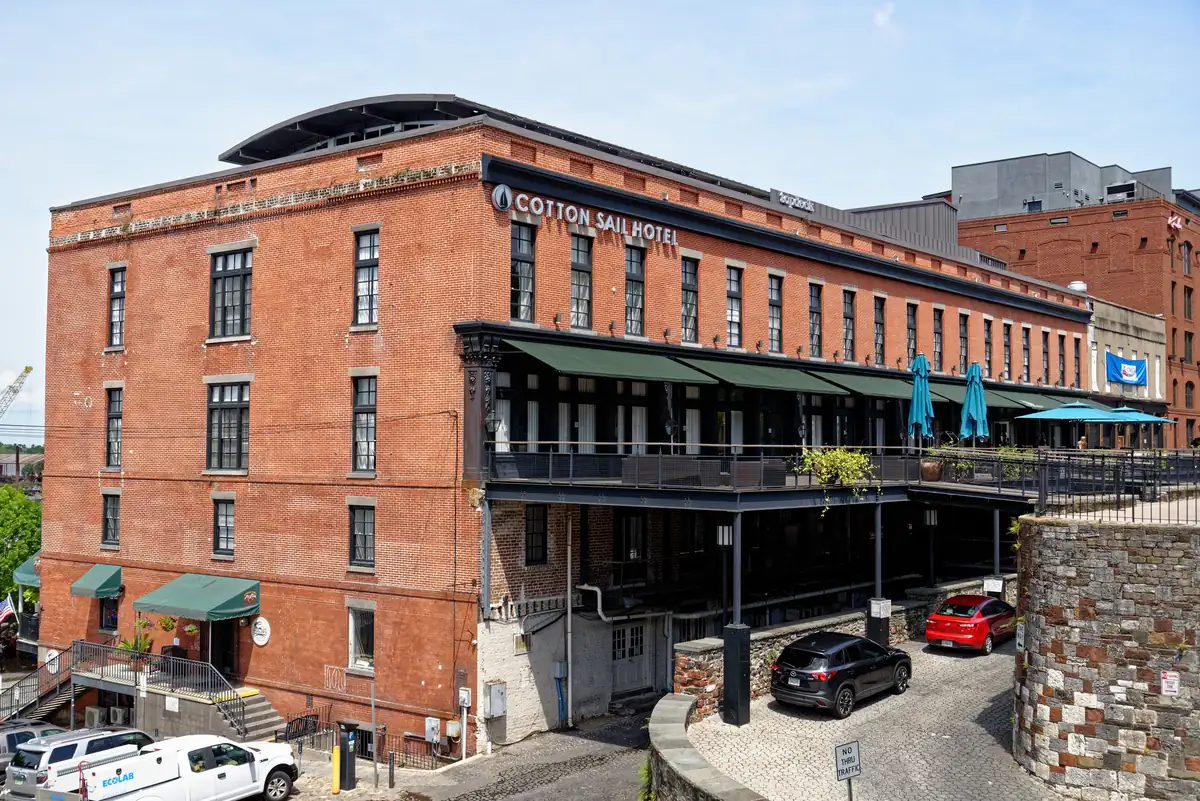
The Cotton Sail & rooftop bars
FreeSavannah's rooftop scene makes the most of the river and the warm evenings: bars atop the riverfront hotels look straight down the Savannah River and across the historic rooftops, and they're the city's favourite way to end a humid day. Peraltas, Rocks on the Roof and the Cotton Sail are perennial favourites.
- Insider tip
- Insider tip: Go for sunset and get there early to claim a rail seat - they fill fast on warm evenings. They're a fine first-drink orientation to the river geography. Dress is casual; the view does the work.
Food & drink
Southern food: shrimp & grits and Mrs Wilkes
Savannah is a serious Southern-food town, from the communal fried-chicken feast at the legendary Mrs Wilkes Dining Room to fresh Lowcountry shrimp and grits, she-crab soup and shrimp boils along the coast. Eating here is a headline attraction, not a footnote.
- Insider tip
- Insider tip: Mrs Wilkes does lunch only, no reservations, cash-friendly, and the line forms early - go before 11am or expect a wait (worth it once). A guided food tour of the Historic District is a great first-day sampler that also doubles as a squares walk. Don't leave without a praline.
Day trips
Tybee Island day trip
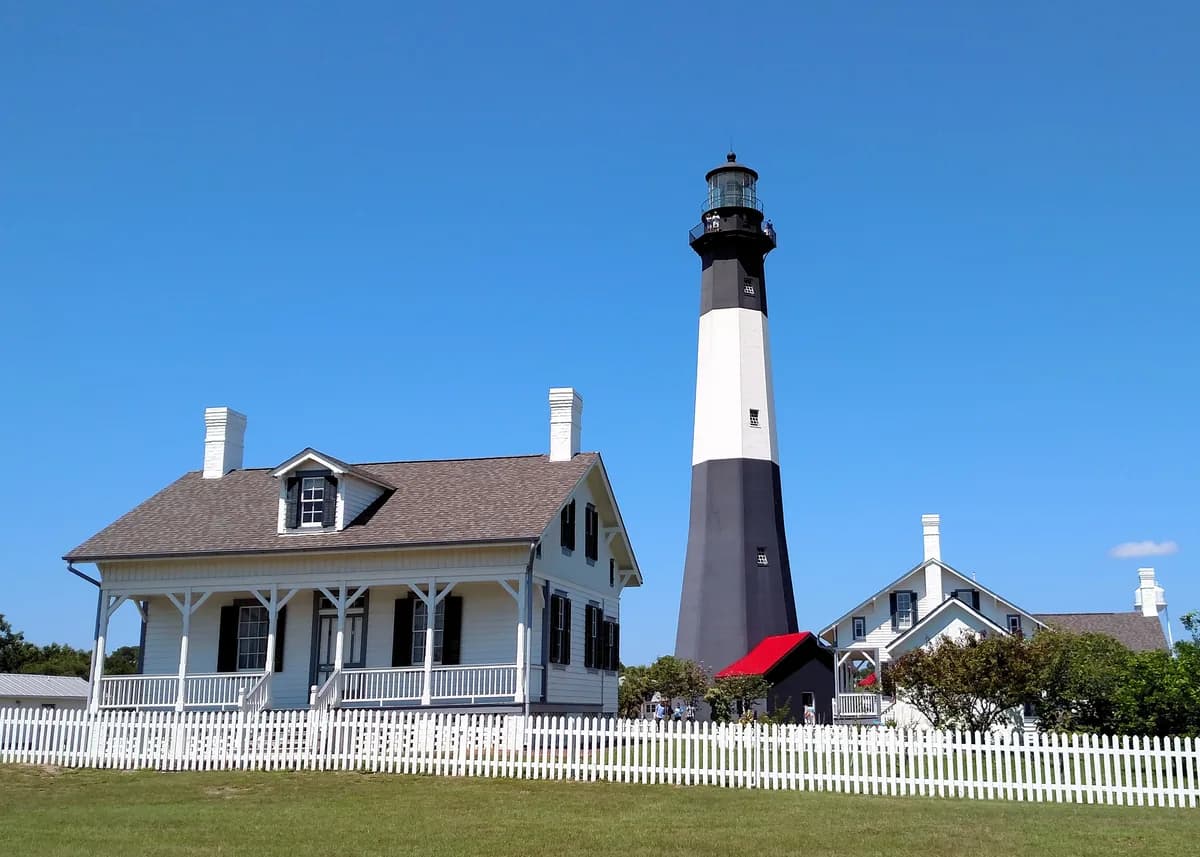
Savannah's beach is 20 minutes east: Tybee Island, a laid-back barrier island of wide Atlantic sand, a historic lighthouse you can climb, dolphin-spotting boat trips and shrimp shacks. It's the easy sun-and-sea counterpoint to all that history and moss.
- Insider tip
- Insider tip: Climb the black-and-white lighthouse for the coast view, and book a dolphin tour from the marina - sightings are near-guaranteed in season. Summer weekends get busy and parking is paid and tight, so go early. It's an easy half-day or a full lazy beach day.
History
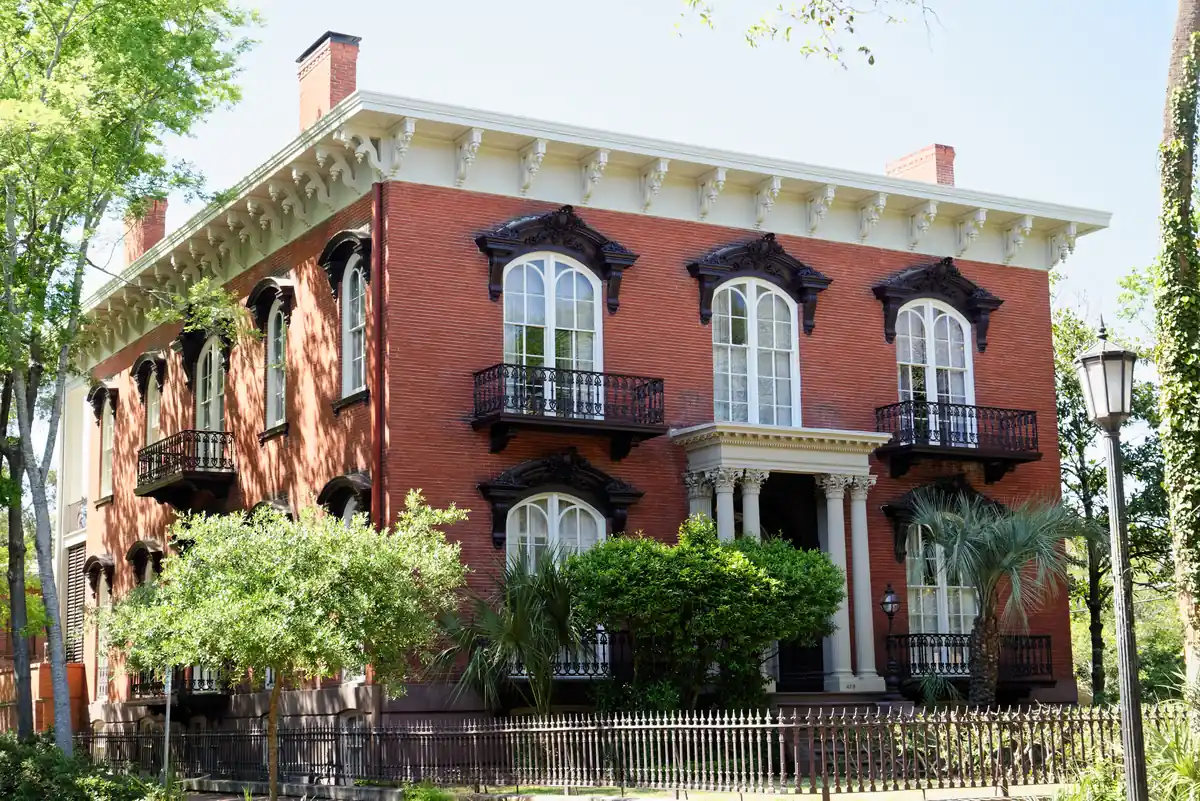
The Cathedral of historic homes: Mercer-Williams & Owens-Thomas
Savannah's house museums open the mansions behind the facades: the Mercer-Williams House on Monterey Square (of 'Midnight in the Garden of Good and Evil' infamy) and the Owens-Thomas House with its rare intact urban slave quarters, which the museum uses to tell the fuller, harder history of the antebellum city.
- Insider tip
- Insider tip: The Owens-Thomas tour is the more substantive history, honest about slavery rather than romanticising the era. Mercer House draws the 'Midnight' fans. Both are timed-entry - book ahead in peak season. Pick one unless you're a serious house-museum person; two in a day is a lot.
Neighbourhoods
SCAD galleries & the Starland District
FreeThe Savannah College of Art and Design has quietly turned the city into an arts hub, with the excellent SCAD Museum of Art downtown and the muraled, muralled Starland District to the south - a walkable pocket of galleries, indie coffee, vintage shops, breweries and the city's best street art.
- Insider tip
- Insider tip: Starland is a short ride south of Forsyth and best explored on foot on a weekend when the shops and food halls are buzzing. The SCAD Museum is worth an hour for the building alone. It's where to see the Savannah that isn't about the antebellum past.
Outdoors
A Savannah riverboat cruise
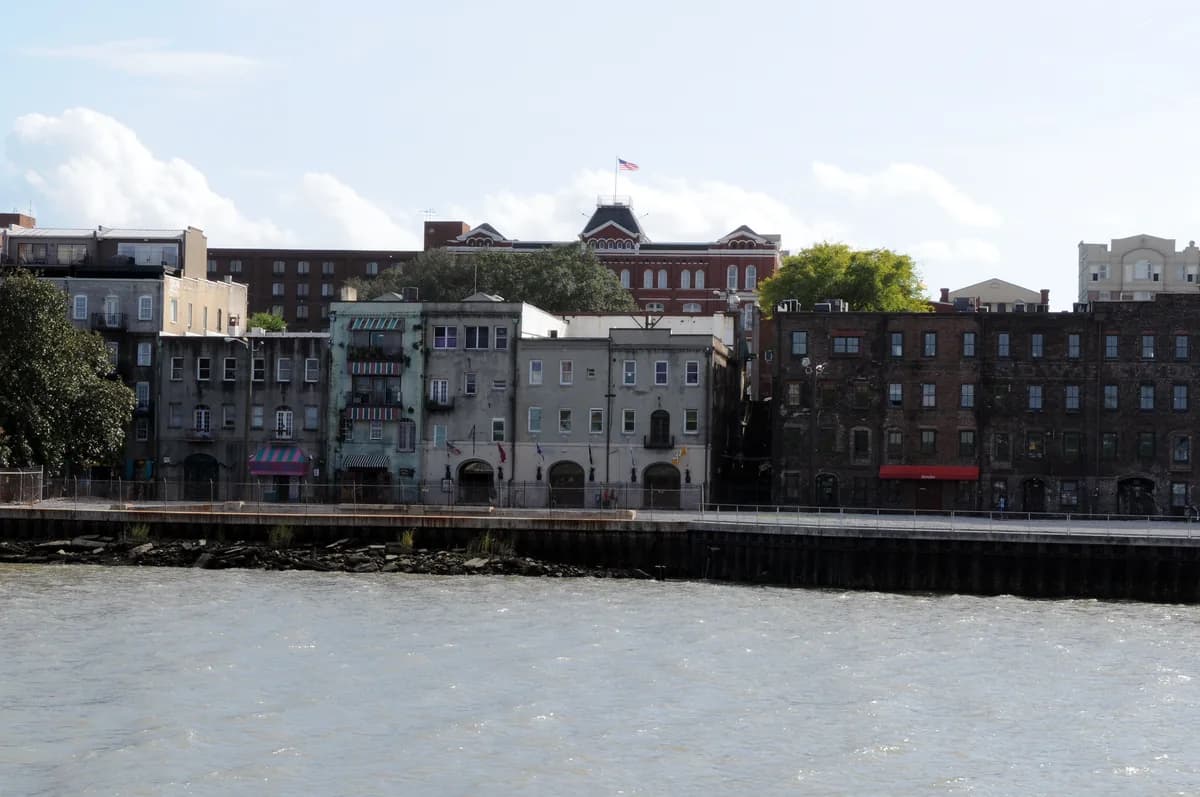
The paddlewheel riverboats offer a different angle on the city and the working river: narrated sightseeing sailings, sunset cruises and dinner-and-live-music voyages down the Savannah past the port and the marshes. It's a relaxed, air-conditioned break from walking the squares in the heat.
- Insider tip
- Insider tip: The sunset and dinner cruises are the ones worth booking; the short daytime sightseeing loop is pleasant but less special. Book ahead for weekend dinner sailings. It pairs naturally with a River Street evening.
Where to stay in Savannah
The best areas to base yourself, and who each suits.
The Historic District
First-timers - staying among the squares puts everything on foot: River Street, Forsyth Park, the restaurants and the tours all start here.
River Street & the Riverfront
Waterfront views and nightlife - cobbled streets, converted cotton warehouses and hotels right on the Savannah River, lively at night.
Starland District
Younger, artsy and local - muraled streets, indie coffee, breweries and vintage shops just south of Forsyth, a short ride from the squares.
The Victorian District
Quieter and characterful - gingerbread Victorian homes and B&Bs just south of Forsyth Park, walkable to the centre but calmer.
Planning your Savannah trip
Best time to visit
March to May is Savannah at its best - azaleas and dogwoods in bloom, warm days in the 20s°C and the famous garden squares at their most photogenic (though late March brings the huge St Patrick's crowds). October and November are the other sweet spot: warm, dry and lit up for the fall and Halloween season the city leans into hard. Summers are hot and very humid (33°C+ with afternoon thunderstorms), and winters are mild and quiet - a good value time if you don't mind cooler evenings.
Getting around
Savannah/Hilton Head Airport (SAV) is about 20 minutes from downtown by taxi or ride-share. Once in the Historic District you barely need a car - it's a flat, compact grid built for walking, and the free DOT shuttle and dot express ferry loop the riverfront and downtown at no charge. A hop-on-hop-off trolley ticket is the smart buy for the wider sights (Forsyth, Bonaventure is a drive) and for resting your legs in the summer heat. If you drive in, park once at your hotel and leave it - downtown parking is metered and tight.
Things to do in Savannah: FAQ
The questions travelers ask most when planning a trip here.
More things-to-do guides
Continue Planning Your Trip
Where to Stay
The best area to stay in each city, by neighborhood
Car Rental
Real prices, driving tips and the best routes by destination
Airport Transfers
Getting from the airport to your hotel, by price and time
All-Inclusive Guides
What all-inclusive really means, by destination
Best Time to Visit
Month-by-month weather, crowds and prices
Route Finder
Find the cheapest way to get there
Hotel Finder
Book the right hotel for your destination
AI Trip Planner
Build a day-by-day itinerary
Photo credits (12)
Photos via Wikimedia Commons, used under their respective licences.
- Forsyth Park & the fountain: Seasider53 - CC BY-SA 4.0 · source
- The 22 historic squares: Ken Lund - CC BY-SA 2.0 · source
- A trolley tour of the Historic District: Photoartel - CC BY-SA 3.0 · source
- Bonaventure Cemetery: Bubba73 - CC BY-SA 3.0 · source
- An evening ghost tour: Bubba73 - CC BY-SA 3.0 · source
- River Street & the waterfront: Pokemonprime - CC BY 4.0 · source
- Wormsloe Historic Site: RL0919 - CC BY-SA 4.0 · source
- Cathedral Basilica of St John the Baptist: Farragutful - CC BY-SA 4.0 · source
- The Cotton Sail & rooftop bars: Jud McCranie - CC BY-SA 4.0 · source
- Tybee Island day trip: Winkelvi - CC BY 4.0 · source
- The Cathedral of historic homes: Mercer-Williams & Owens-Thomas: Bubba73 - CC BY-SA 3.0 · source
- A Savannah riverboat cruise: U.S. Fish and Wildlife Service Southeast Region - Public domain · source