In Brief
What are the best things to do in Charleston, SC?
The best things to do in Charleston are walking the historic district past The Battery and Rainbow Row, taking the ferry to Fort Sumter where the Civil War began, touring a Lowcountry plantation and its gardens, browsing the City Market and King Street, and eating your way through one of the country's most celebrated food cities. Most first-timers stay downtown on the peninsula and see the historic sights on foot, then rent a car for a plantation or a beach day.
Key takeaways
- Book ahead: the Fort Sumter ferry and any plantation you plan to visit, plus dinner reservations at the popular downtown restaurants.
- Come in spring (March-May) for the azaleas and mild weather, before the summer heat and humidity set in.
- Don't miss a slow walk through the South of Broad streets - Rainbow Row, The Battery and White Point Garden are all free.
- The peninsula is walkable and the DASH trolley is free; you'll only need a car for the plantations, Angel Oak and the beaches.
15 best things to do in Charleston
Ranked best-first, with an insider tip and how to book each. Prices and hours change - check before you go.
Historic walk
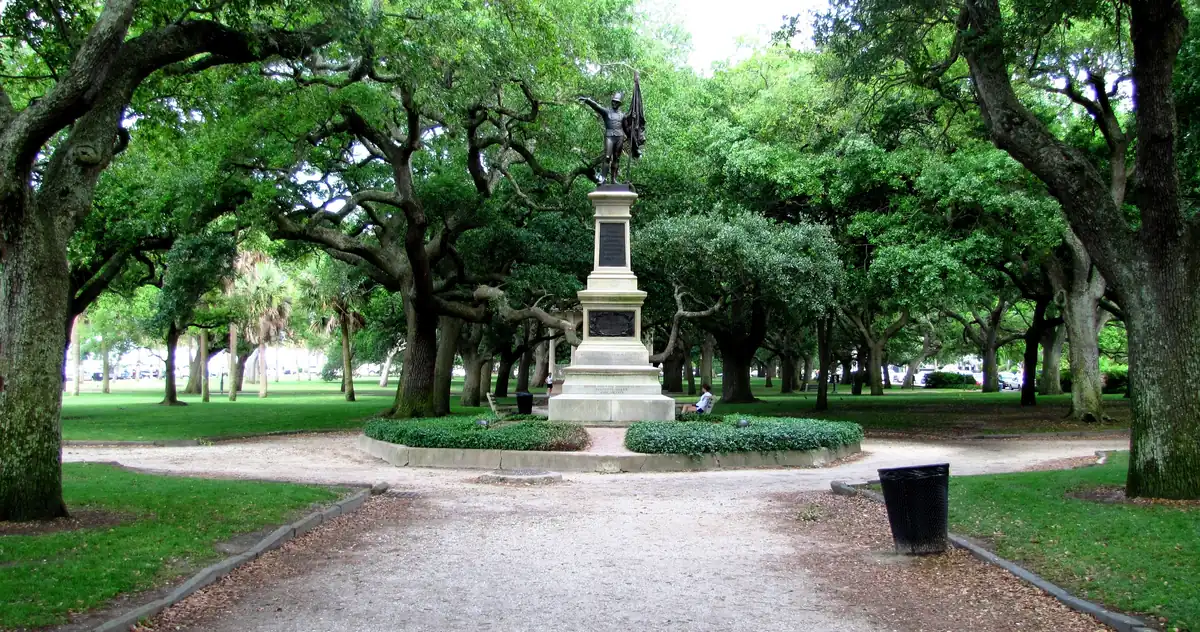
The Battery & White Point Garden
Rated 4.7 out of 5 on Google Maps from 3,526 reviews, as of October 2026FreeThe southern tip of the peninsula is Charleston at its most iconic: a raised seawall promenade along the harbor, lined by the grand antebellum mansions of South of Broad. White Point Garden, the shaded park at the point, holds live oaks, a Victorian bandstand and Civil War cannons, with views out to Fort Sumter. It is free and one of the best walks in the city.
- Insider tip
- Insider tip: Go early morning or near sunset for soft light and cooler air, and walk the East Battery side to see the harbor-front mansions. Pair it with Rainbow Row a few blocks north.
History
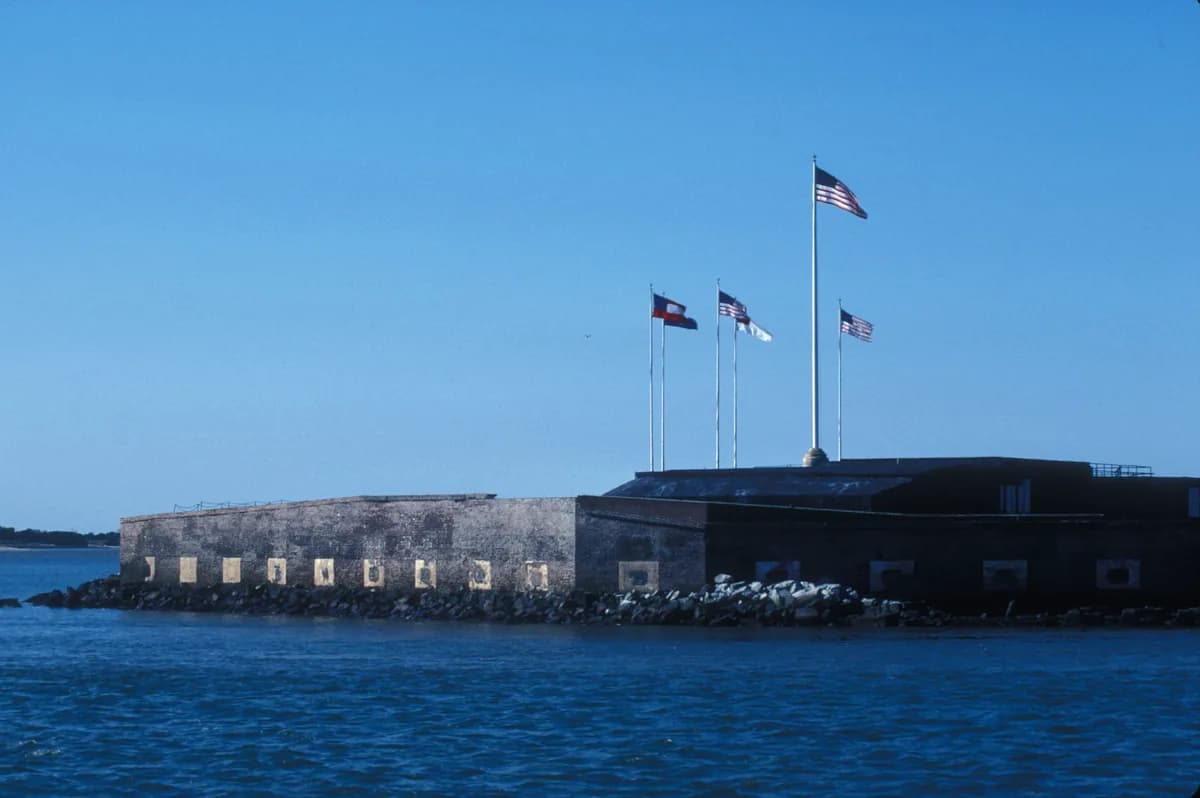
Fort Sumter National Monument
The Civil War began here on April 12, 1861, when Confederate guns opened fire on the federal garrison holding this island fort in Charleston Harbor. Reachable only by boat, the National Park Service site pairs a roughly 30-minute harbor crossing with time to explore the fort's brick casemates, cannons and a small museum. The ranger presentations and harbor views make the half-day worthwhile.
- Insider tip
- Insider tip: The only ferries that land at the fort leave from Liberty Square downtown (by the aquarium) or from Patriots Point in Mount Pleasant - book ahead in peak season. The fort itself is free; you pay for the ferry.
Landmark
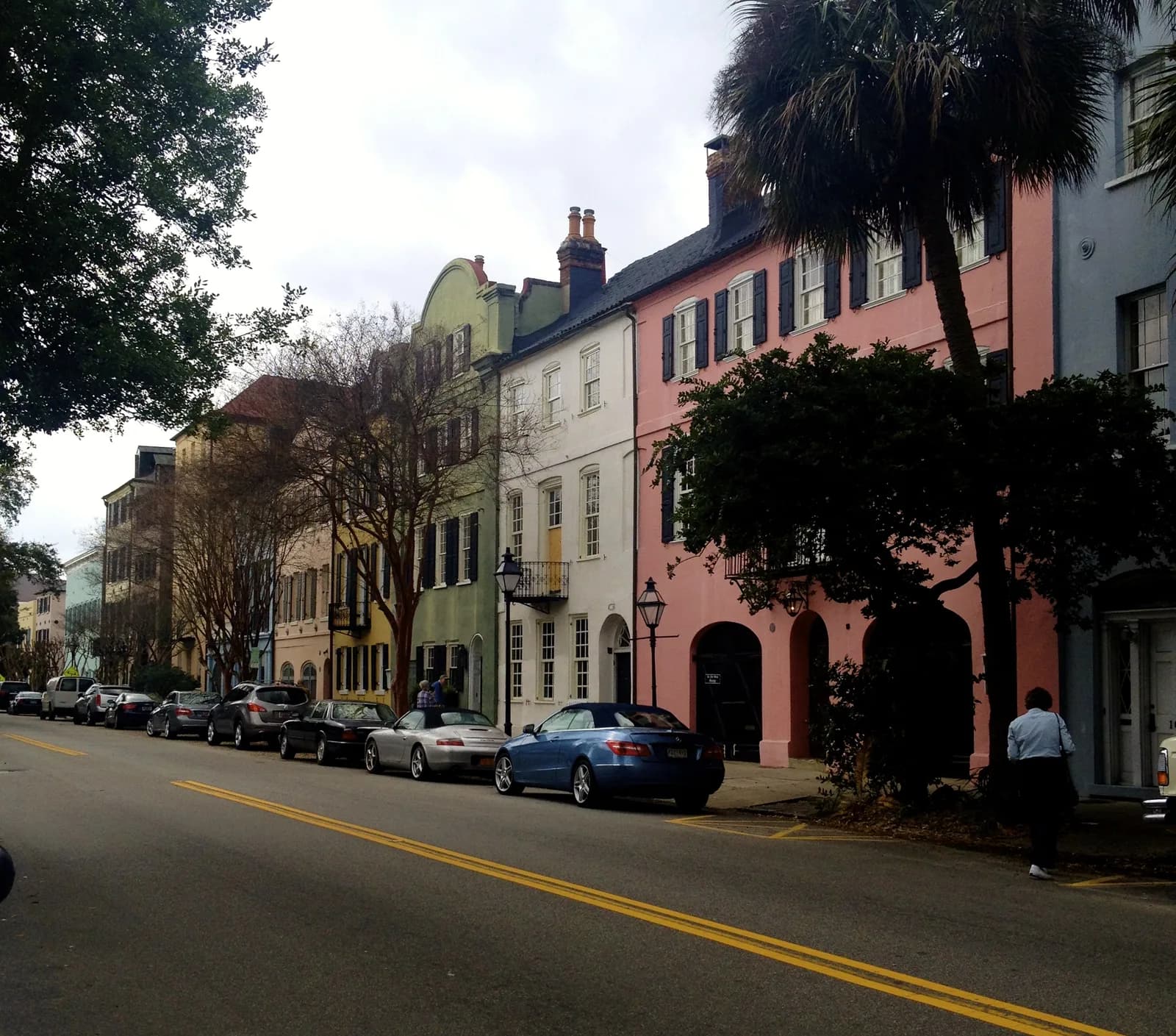
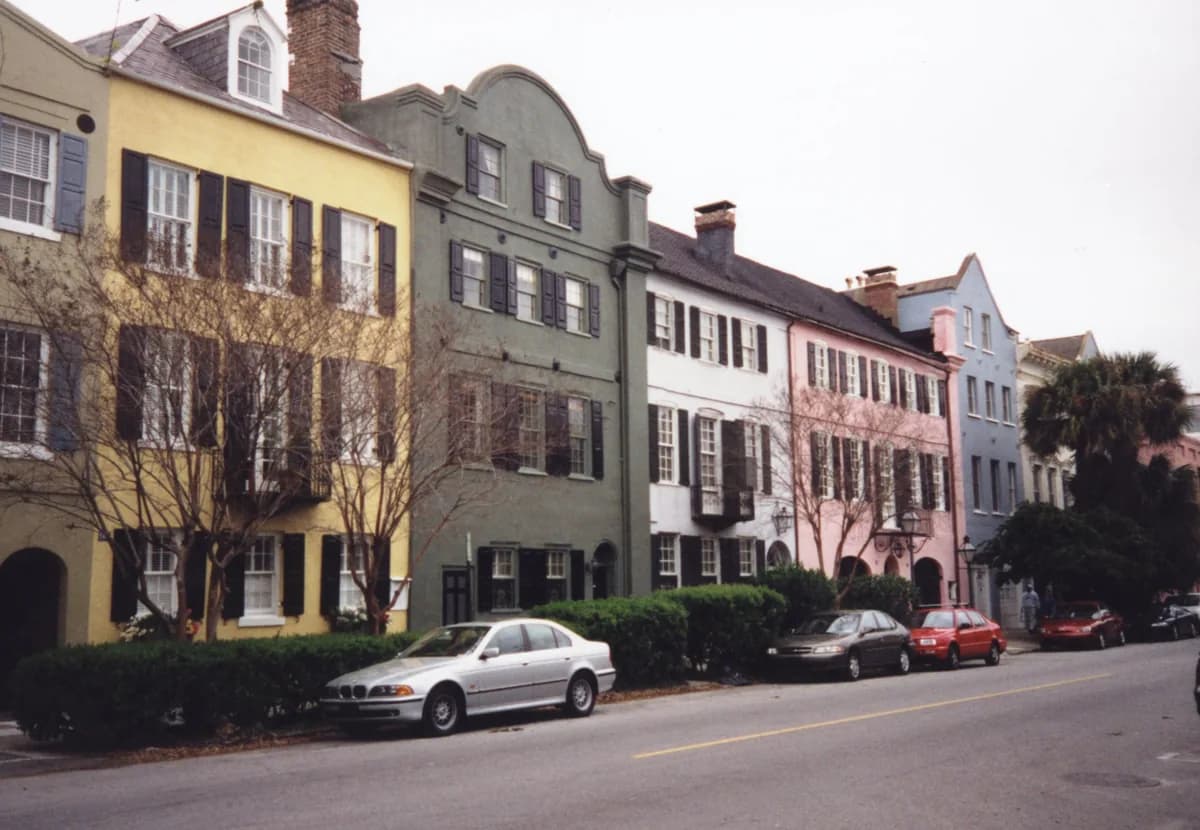
Rainbow Row
Rated 4.6 out of 5 on Google Maps from 7,344 reviews, as of October 2026FreeThis row of thirteen pastel-painted Georgian houses on East Bay Street is the most photographed block in Charleston. Built in the 1700s as merchants' stores and homes, the buildings got their candy colors during a restoration in the 1930s and 40s. They are private residences, so you admire them from the sidewalk.
- Insider tip
- Insider tip: Morning light is best for photos and the block is quietest early. It sits right between the City Market and The Battery, so string all three together on one walk.
Market
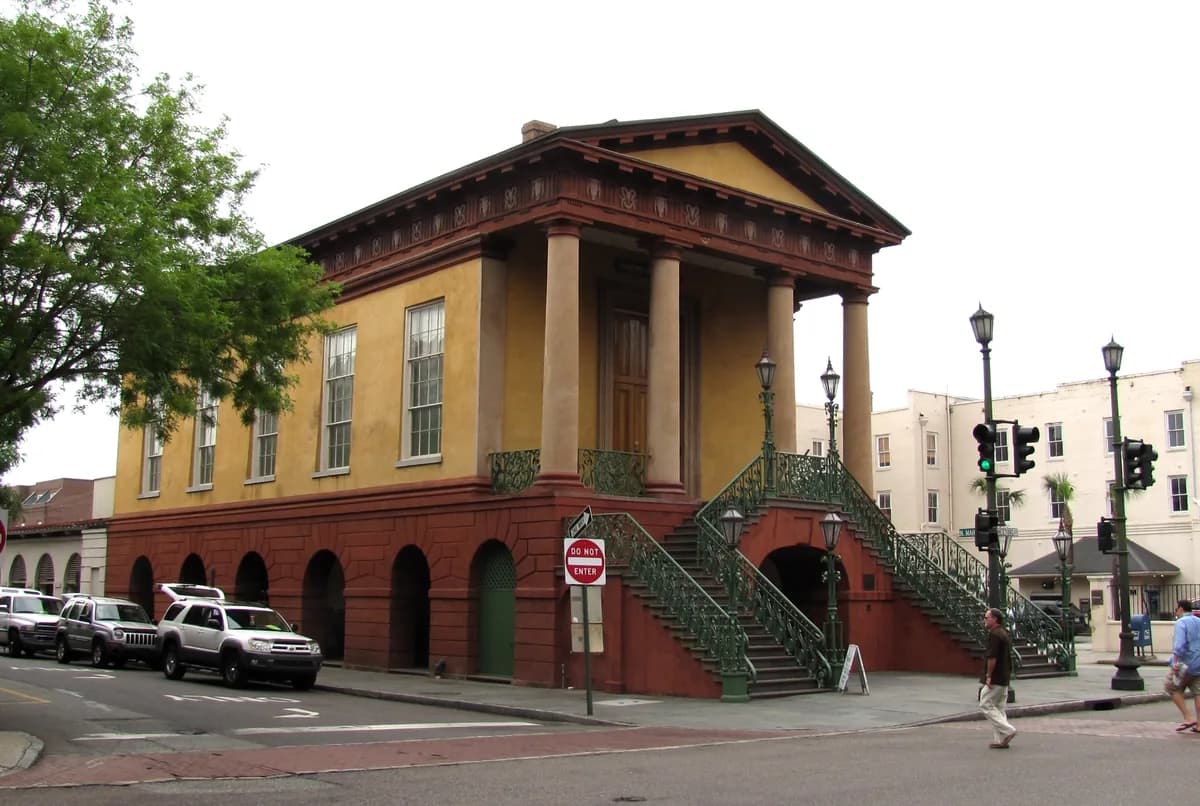
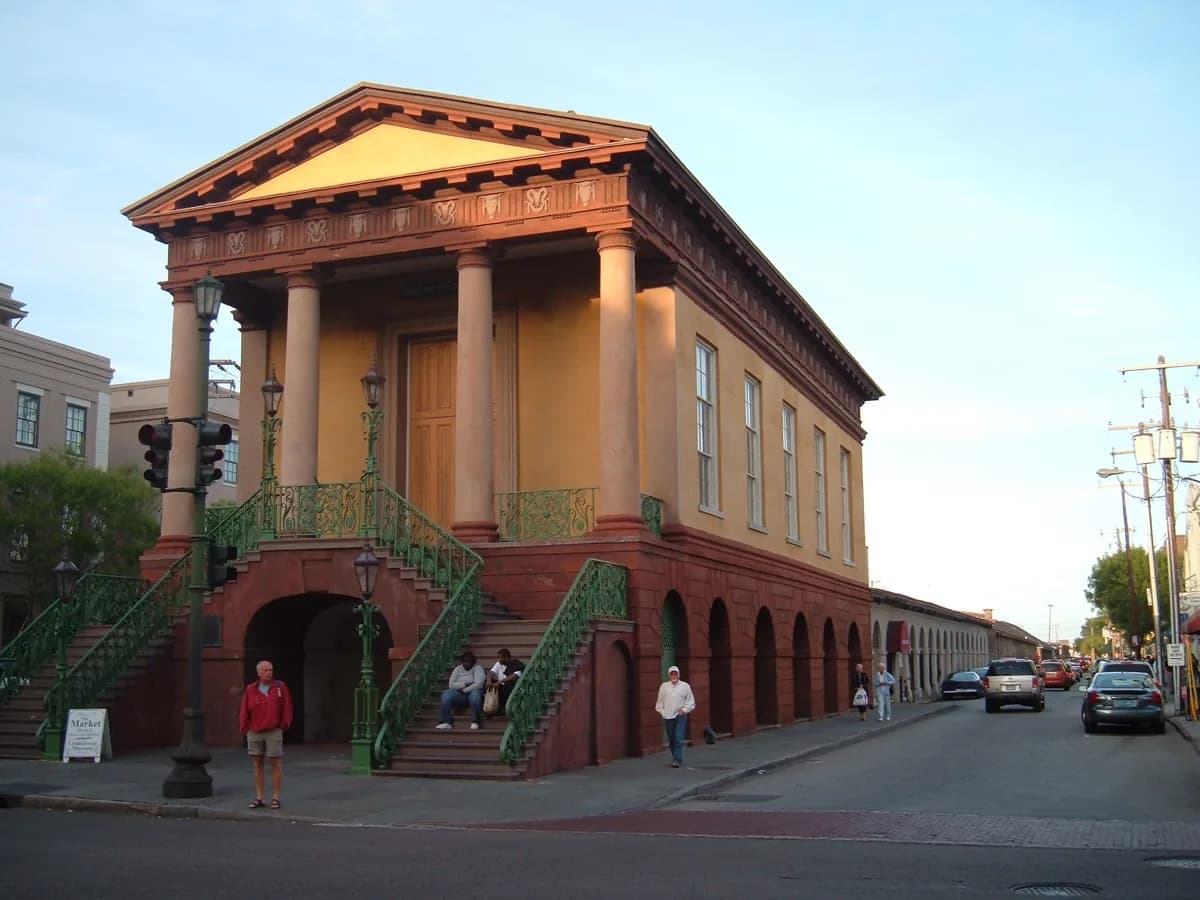
Charleston City Market
Rated 4.5 out of 5 on Google Maps from 28,252 reviews, as of October 2026FreeOne of the country's oldest public markets stretches four blocks through the historic district, from Meeting Street toward the waterfront. Vendors sell crafts, food and souvenirs under the long sheds, and Gullah artisans weave sweetgrass baskets on-site - a Lowcountry tradition carried from West Africa. It has operated as a market since the 1790s; despite a common myth, it was never a slave market.
- Insider tip
- Insider tip: Come in the morning for the sweetgrass basket weavers and thinner crowds. In summer the market runs day and night, with a lively evening market on weekends.
Shopping & dining
King Street
FreeKing Street is the peninsula's main artery, running from the antiques shops at the lower end through fashion boutiques in the middle to the restaurants and bars of Upper King. It is the best stretch in the city for shopping, people-watching and dinner. Many storefronts are historic buildings still in original use.
- Insider tip
- Insider tip: On the second Sunday of each month the street closes to traffic for 'Second Sunday on King,' with open-air stalls and street food. Lower King is antiques; Upper King is nightlife.
Gardens & history
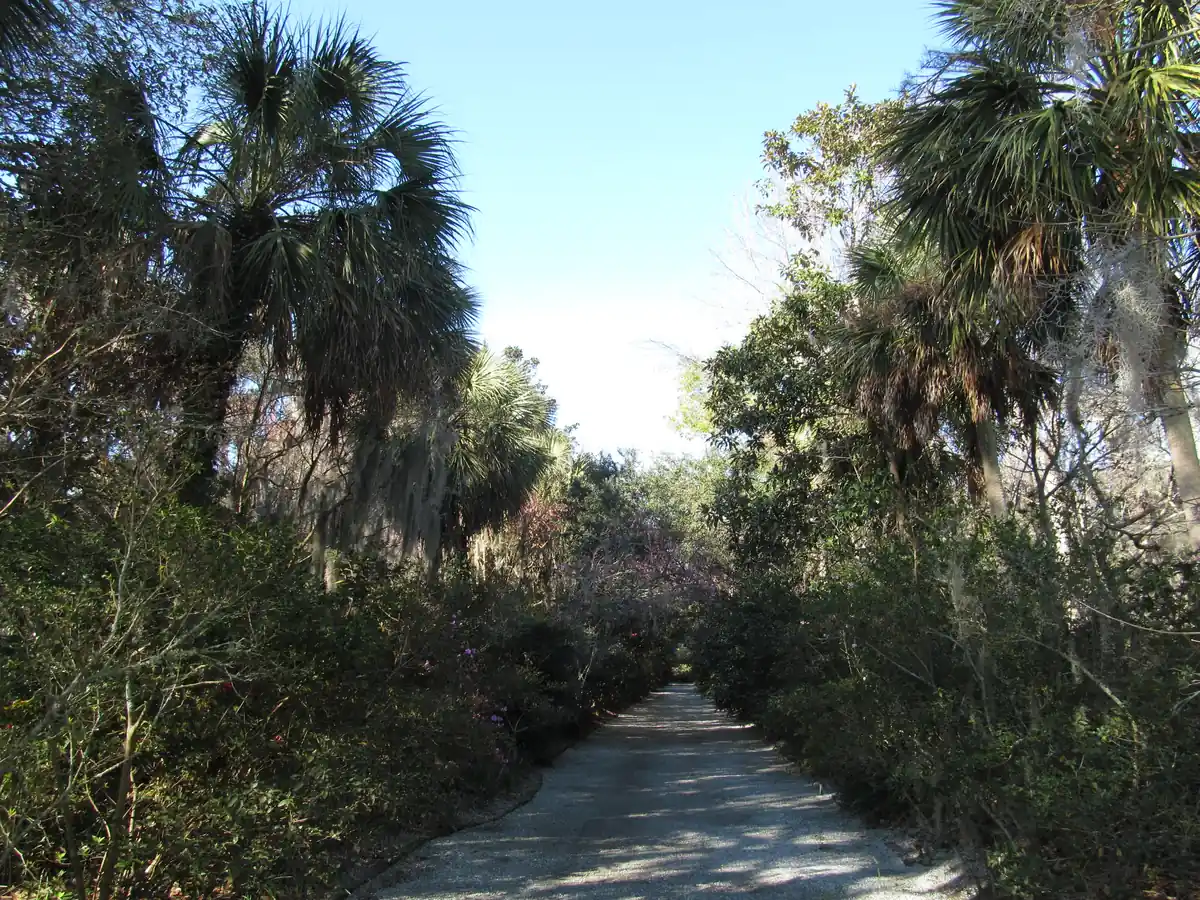
A Lowcountry plantation & its gardens
Just outside town sit several preserved plantations with some of America's oldest landscaped gardens. Magnolia Plantation, on the Ashley River, is known for its romantic gardens and camellias; nearby Middleton Place has terraced gardens begun in 1741; and Boone Hall, over in Mount Pleasant, is known for its live-oak avenue. These were also sites of slavery, and each now interprets the lives of the enslaved people whose labor sustained them, so a visit takes in both the gardens and that history.
- Insider tip
- Insider tip: Pick one; each is a half-day with a 30-45 minute drive. Spring brings the azaleas and camellias into full bloom. Look for a house-and-grounds combo ticket, and make time for the exhibits on enslaved life.
Park
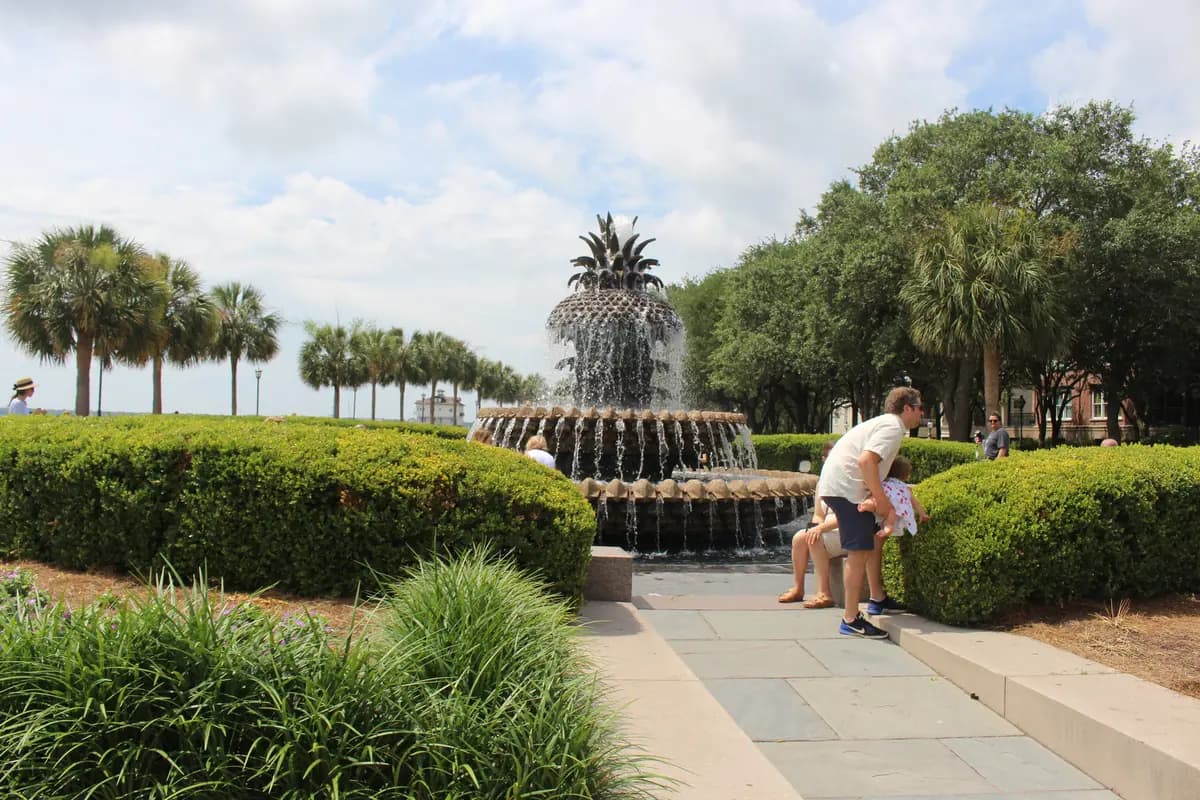
Waterfront Park & the Pineapple Fountain
Rated 4.8 out of 5 on Google Maps from 6,904 reviews, as of October 2026FreeThis eight-acre park runs along the Cooper River with wide lawns, a long pier lined with wooden swings, and two fountains. The Pineapple Fountain - the pineapple is the old Southern symbol of hospitality - is one of Charleston's signature photos. It is a free, easy stop between the City Market and The Battery.
- Insider tip
- Insider tip: The porch swings out on the pier are the spot for sunrise over the harbor. In summer, kids are allowed to cool off in the shallow wading fountain.
Food & drink
A Lowcountry food tour
Charleston is one of the country's great food cities, and a walking food tour is the easiest way in. Expect stops for she-crab soup, shrimp and grits, Gullah red rice and benne wafers, with the guide filling in the Lowcountry and Gullah backstory of each dish. You eat well and learn the history in one go.
- Insider tip
- Insider tip: Book a morning or early-afternoon tour and go hungry - it usually stands in for lunch. Reserve dinner at the popular downtown restaurants weeks ahead; the best tables go fast.
Historic homes
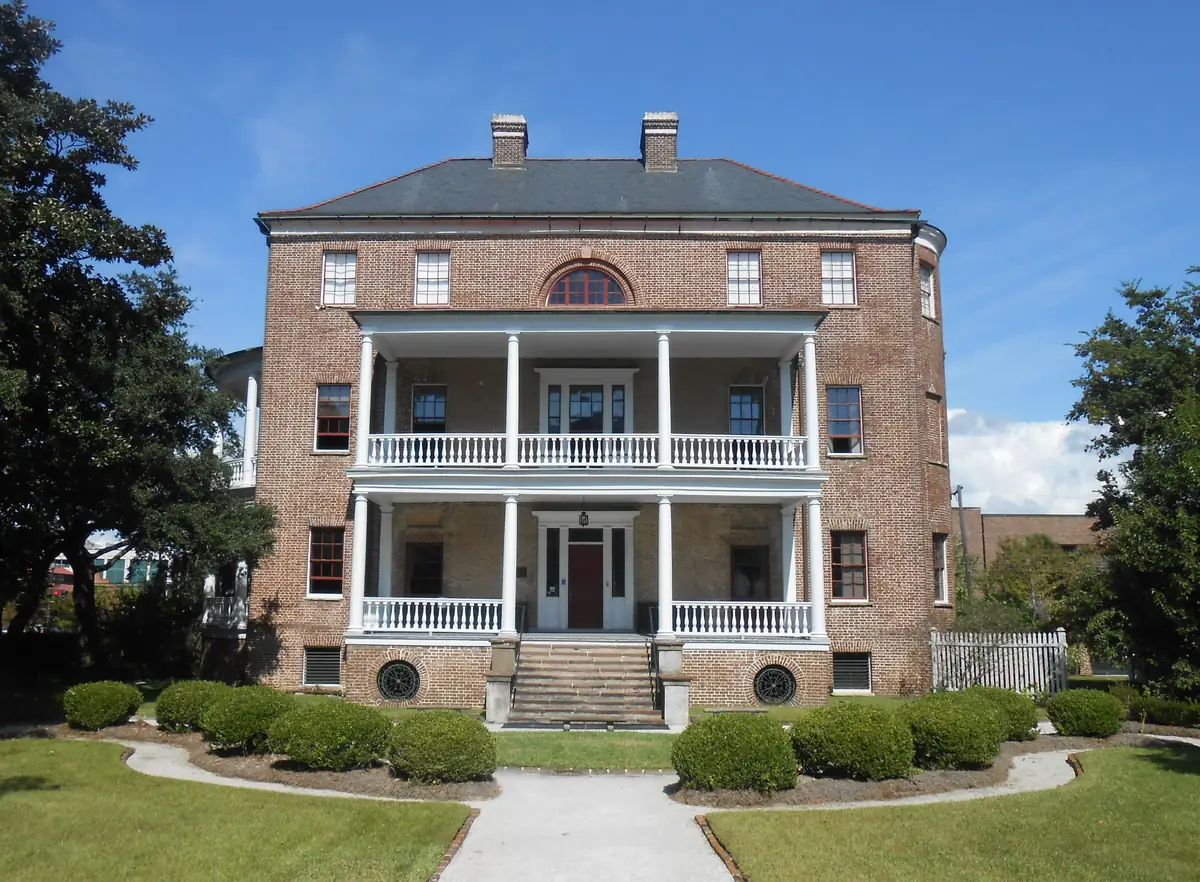
A historic house museum
To see behind the mansion facades, tour one of the preserved house museums. The Nathaniel Russell House (1808) is known for its free-flying spiral staircase and restored period rooms, while the Aiken-Rhett House is preserved as found, with its original kitchen, stables and slave quarters intact - one of the most complete urban antebellum complexes in the South. Together they show both the wealth and the enslaved labor it rested on.
- Insider tip
- Insider tip: The Historic Charleston Foundation sells a combination ticket covering both houses. The Aiken-Rhett self-guided audio tour is the better one for understanding daily life on an urban townhouse lot.
History & culture
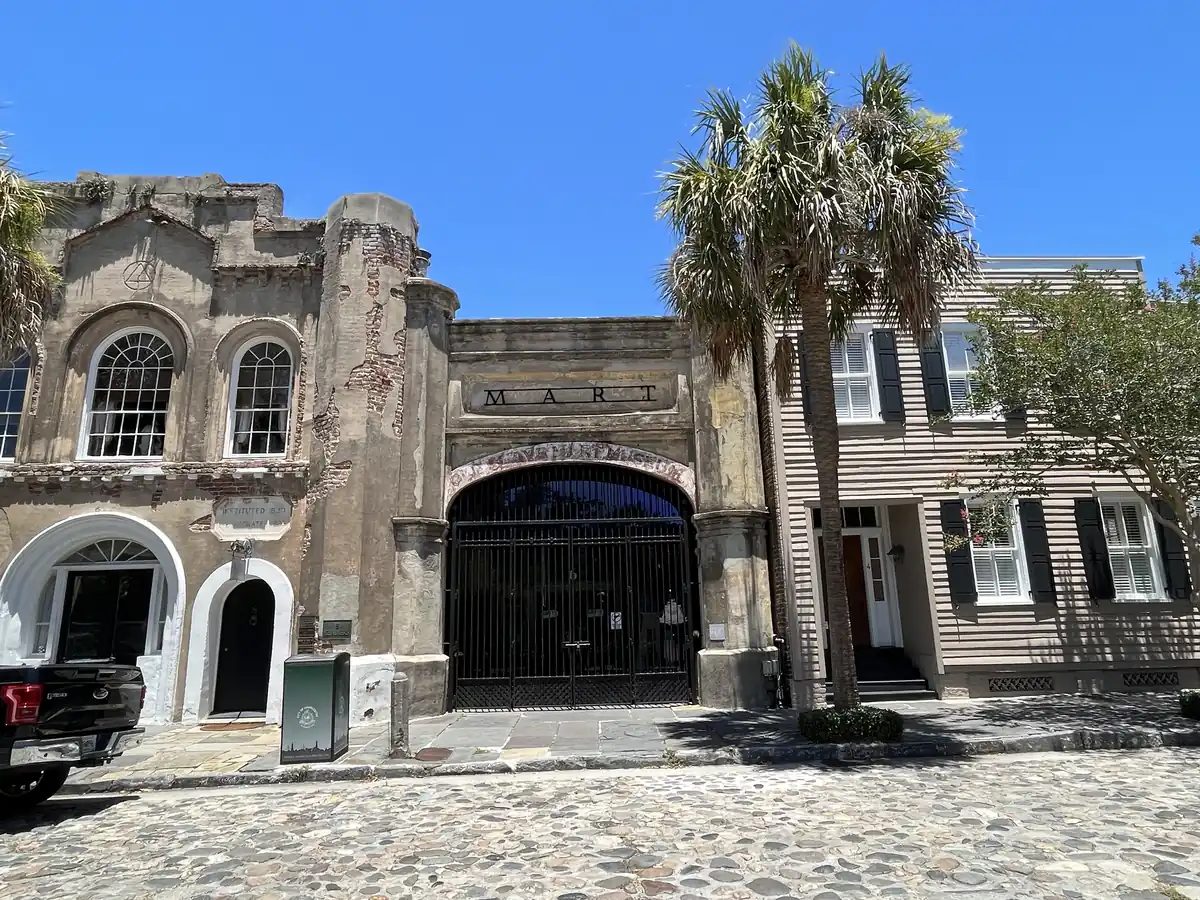
Gullah & African American heritage
The Lowcountry is the heart of Gullah Geechee culture - the language, food and craft traditions kept alive by descendants of enslaved West Africans. The International African American Museum, opened in 2023 on the wharf where a large share of enslaved Africans first landed in America, tells that story powerfully, and Gullah-led walking and bus tours bring the neighborhoods and history to life. It is the most important context for understanding Charleston.
- Insider tip
- Insider tip: The International African American Museum uses timed tickets - book online ahead. Gullah-led operators run guided trips that go deeper into daily life and language than a general history walk.
On the water
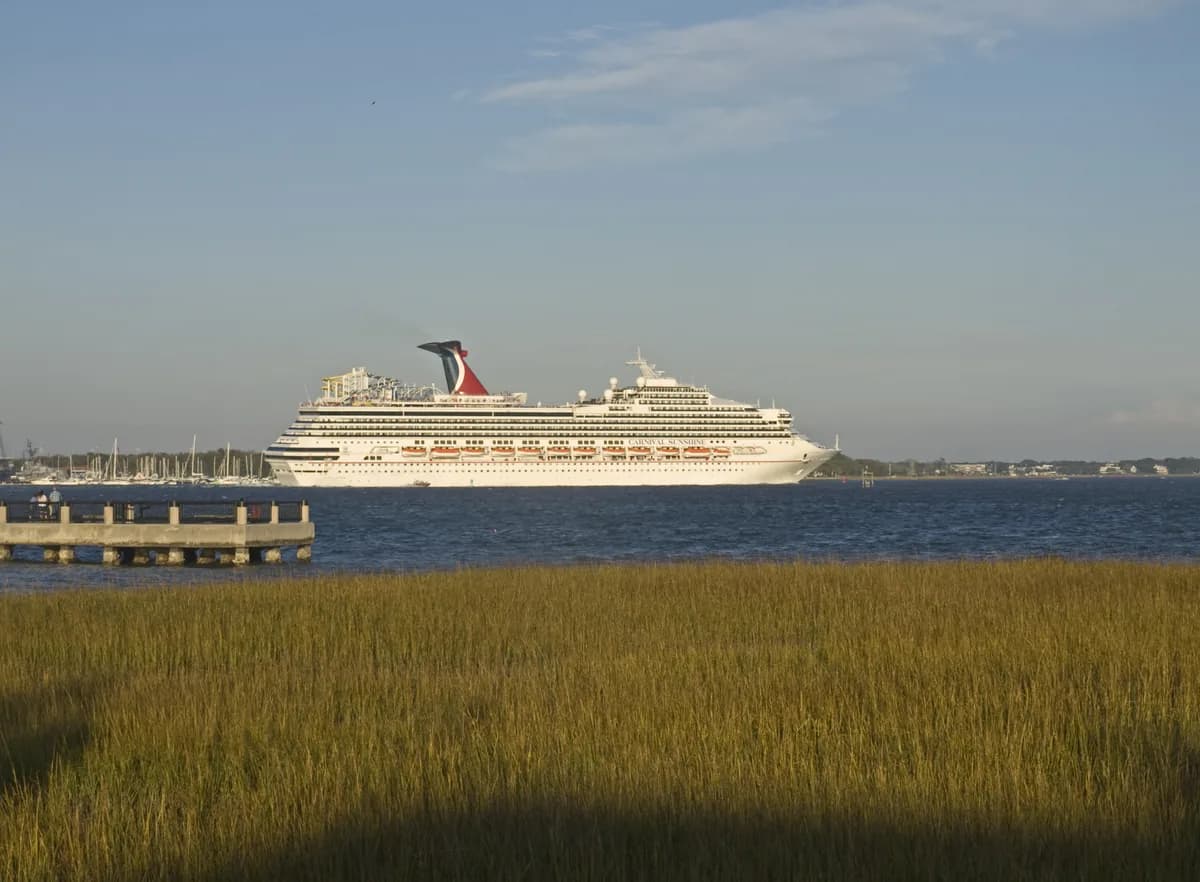
Charleston harbor cruise & dolphin tour
Getting out on the harbor puts the peninsula, the forts and the bridges in one frame. Trips range from narrated history cruises and sunset sails on a tall ship to small-boat tours that look for the harbor's resident bottlenose dolphins. It is the best way to see the city from the water that shaped it.
- Insider tip
- Insider tip: Sunset sails on the schooner are the most atmospheric; dolphin trips are better on smaller boats that can slip into the creeks. Boats leave from the downtown marinas and from Shem Creek in Mount Pleasant.
Churches
St. Michael's & the Holy City churches
FreeCharleston's skyline of steeples earned it the nickname 'the Holy City,' a nod to its early religious tolerance. St. Michael's, at the corner of Broad and Meeting known as the Four Corners of Law, is the oldest surviving church in the city, built in the 1750s. Nearby stand St. Philip's, the French Huguenot Church and one of the oldest synagogues in the United States.
- Insider tip
- Insider tip: Most churches welcome visitors outside service times and are free to enter - dress modestly. Look up as you walk the historic district; the steeples are the landmarks the old city was laid out around.
Nature
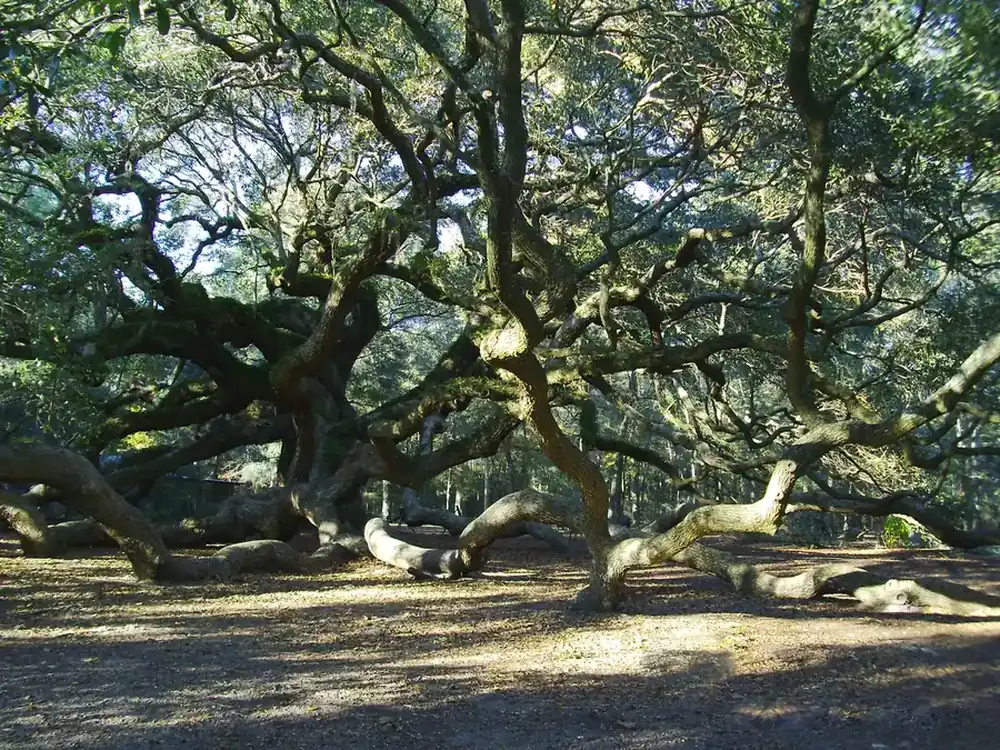
Angel Oak Tree
FreeOn Johns Island stands a Southern live oak estimated to be several centuries old, its limbs so long and heavy that some rest on the ground and curl back up. It reaches about 65 feet tall with a canopy that shades a huge circle of ground. The city-owned park around it is free to visit.
- Insider tip
- Insider tip: It is about a 40-minute drive from downtown, so pair it with Folly Beach, which is nearby. Go on a weekday morning for the fewest people and the best light under the canopy.

Military history
USS Yorktown at Patriots Point
Across the harbor at Patriots Point, the WWII aircraft carrier USS Yorktown is now a floating museum you can climb through, from the hangar and flight decks to the bridge and berthing spaces. Docked alongside are the destroyer USS Laffey and dozens of historic aircraft, plus the Medal of Honor Museum aboard. It is the top pick for kids and military-history fans.
- Insider tip
- Insider tip: Give it two to three hours - there is a lot of ship to walk. Patriots Point is also a departure dock for the Fort Sumter ferry, so you can combine the two.
Beach
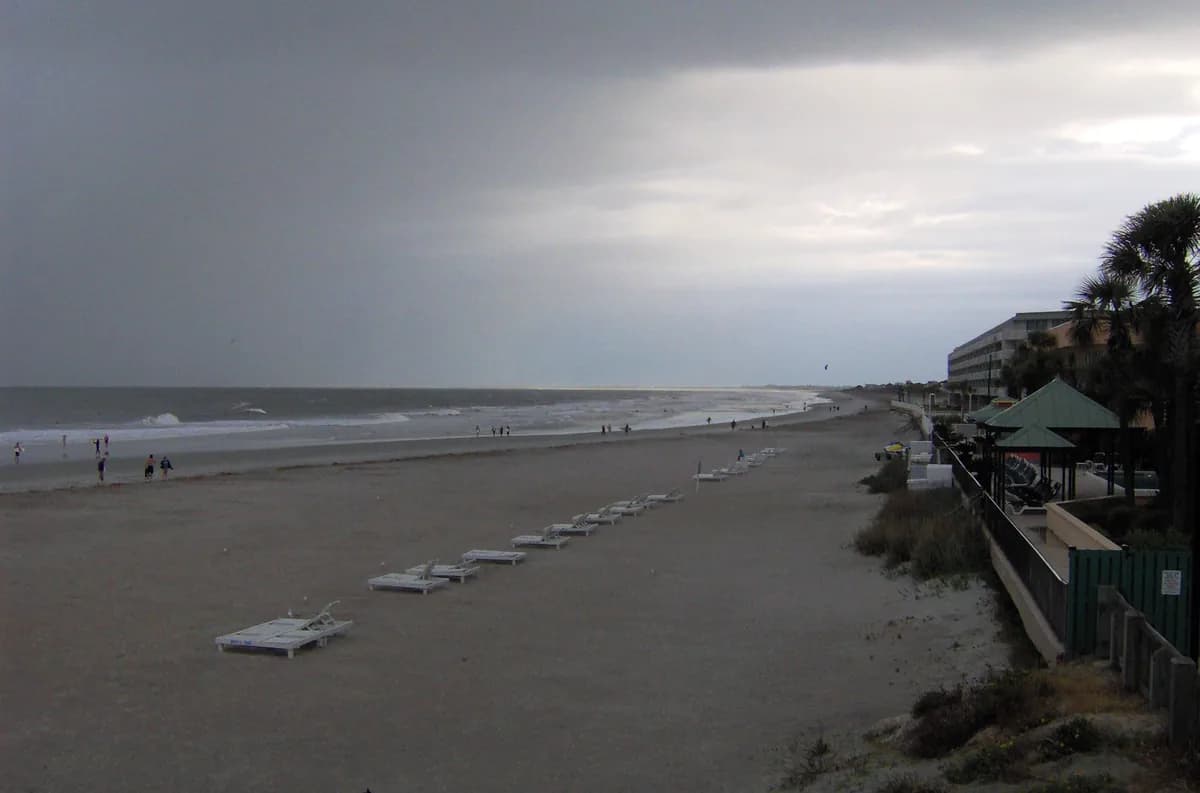
Folly Beach & Sullivan's Island
FreeCharleston's two closest beaches have opposite personalities. Folly Beach, about 30 minutes south, is the laid-back surf town - a fishing pier, easygoing bars and the best waves in the area. Sullivan's Island, near Mount Pleasant, is quieter and more upscale, with wide sand, Revolutionary War-era Fort Moultrie and a handful of good restaurants.
- Insider tip
- Insider tip: Folly is better for a lively beach day and surfing; Sullivan's for a calmer one paired with the fort. Parking is limited on both in summer, so arrive early and mind the residential restrictions.
Where to stay in Charleston
The best areas to base yourself, and who each suits.
South of Broad / The Battery
Couples and history lovers - the grand, quiet residential streets at the peninsula's tip, with a handful of boutique inns among the antebellum mansions.
Historic District (King Street)
First-timers - the most walkable base, steps from the City Market, King Street shopping and the main sights.
Upper King / NoMo
Foodies and night owls - Charleston's best restaurants and bars at the doorstep, a short walk from the historic core.
Mount Pleasant
Families and value-seekers - more space and lower rates across the Ravenel Bridge, near Patriots Point and the beaches; you'll want a car.
Planning your Charleston trip
Best time to visit
Spring (March-May) is the sweet spot: azaleas and camellias in bloom and mild days before the summer heat and humidity. Fall (September-November) is the drier runner-up; summer is hot and sticky, and Atlantic hurricane season runs June through November.
Getting around
The historic peninsula is flat and walkable, and the free DASH trolley loops the main downtown routes. You'll want a car for the plantations, Angel Oak and the beaches (Folly, Sullivan's Island), all a 20-45 minute drive out. Parking downtown is tight - use a garage rather than circling for a street spot, and rideshare covers the airport and evenings out.
Things to do in Charleston: FAQ
The questions travelers ask most when planning a trip here.
More things-to-do guides
Continue Planning Your Trip
Where to Stay
The best area to stay in each city, by neighborhood
Car Rental
Real prices, driving tips and the best routes by destination
Airport Transfers
Getting from the airport to your hotel, by price and time
All-Inclusive Guides
What all-inclusive really means, by destination
Best Time to Visit
Month-by-month weather, crowds and prices
Route Finder
Find the cheapest way to get there
Hotel Finder
Book the right hotel for your destination
AI Trip Planner
Build a day-by-day itinerary
Photo credits (13)
Photos via Wikimedia Commons, used under their respective licences.
- The Battery & White Point Garden: Brian Stansberry (photographer) - CC BY 3.0 · source
- Fort Sumter National Monument: JERRYE ROY KLOTZ MD - CC BY-SA 3.0 · source
- Rainbow Row: Andreas Hörstemeier - CC BY-SA 3.0 · source
- Charleston City Market: Brian Stansberry - CC BY 3.0 · source
- A Lowcountry plantation & its gardens: Doug Kerr from Albany, NY, United States - CC BY-SA 2.0 · source
- Waterfront Park & the Pineapple Fountain: Michael Rivera - CC BY-SA 4.0 · source
- A Lowcountry food tour: Brian Zinnel - CC BY-SA 4.0 · source
- A historic house museum: ProfReader - CC BY-SA 3.0 · source
- Gullah & African American heritage: Riis2602 - CC BY-SA 4.0 · source
- Charleston harbor cruise & dolphin tour: Ymblanter - CC BY-SA 4.0 · source
- Angel Oak Tree: Janie G Sims - CC BY 3.0 · source
- USS Yorktown at Patriots Point: Terry Ott - CC BY 2.0 · source
- Folly Beach & Sullivan's Island: Brian Stansberry - CC BY 3.0 · source