In Brief
What are the best day trips from Tokyo?
The best day trips from Tokyo are Hakone (~85 min by Odakyu Romancecar) for onsen and Mount Fuji views, Kamakura (~1 hour by JR) for the Great Buddha and coastal temples, Nikko (~2 hours by Tobu) for the Toshogu shrine complex, and Kawaguchiko (~2 hours direct) for the classic Fuji close-up. All run by direct train from central Tokyo - no car needed.
Key takeaways
- Closest big hitter: Kamakura - direct JR Yokosuka line trains from Tokyo Station in about an hour.
- Best transport deal: the Hakone Free Pass (~¥6,000-6,500 from Shinjuku) covers the whole Hakone loop - mountain railway, cablecar, ropeway, pirate ship and buses.
- Best Fuji view: Kawaguchiko via the direct Fuji Excursion express from Shinjuku (~2 h) - go November to February for the clearest air.
- Most of these routes run on private railways (Odakyu, Tobu, Keio, Seibu, Keikyu) - a JR Pass only covers Kamakura, Yokohama and part of the Fuji route.
Hakone day trip from Tokyo: DIY or guided?
Hakone is a loop of small transport modes rather than a single sight, which is why the operator sells one pass that covers all of them. Prices read from odakyu-global.com on 16 August 2026.
| If you are | Pick | Why |
|---|---|---|
| Doing it yourself from Tokyo | Hakone Freepass, 7,100 JPY for two days | Covers the return from Shinjuku plus eight modes inside Hakone: the Tozan railway, the cablecar, the ropeway, the Lake Ashi boats and the Tozan buses. The three-day version is 7,500 JPY, so the extra day costs 400 JPY. Children are 1,600 JPY. |
| Working off an old guide's number | Add 1,000 JPY | Odakyu raised the pass on 1 October 2025 and the Shinjuku two-day adult went from 6,100 to 7,100 JPY. A lot of published guides still print 6,100. The child fare moved further in relative terms, 1,100 to 1,600 JPY. |
| Wanting the comfortable train out | Romancecar, 1,200 JPY on top | The limited-express surcharge is not included in the Freepass and is charged separately each way, 600 JPY for children. It buys a reserved seat and about 80 minutes direct from Shinjuku to Hakone-Yumoto. |
| Already staying near Odawara | The Odawara Freepass, 6,000 JPY | The Hakone-area-only version, with the Romancecar surcharge dropping to 200 JPY. Worth checking before you buy the Shinjuku pass if your base is west of Tokyo. |
| Looking at a guided day tour | Read what is actually in it | Guided Hakone tours from Tokyo are usually Mount Fuji and Hakone combined, run 12 to 13 hours, and often use the Komagatake ropeway rather than the Hakone Ropeway the Freepass covers. That is a different day out, not a paid-for version of this one. Operator sites price these only after you pick a date, so we print no figure. |
The 10 best day trips, ranked
Ordered by how well they repay a full day - factoring travel time, what you can actually see, and how easy they are without a car.
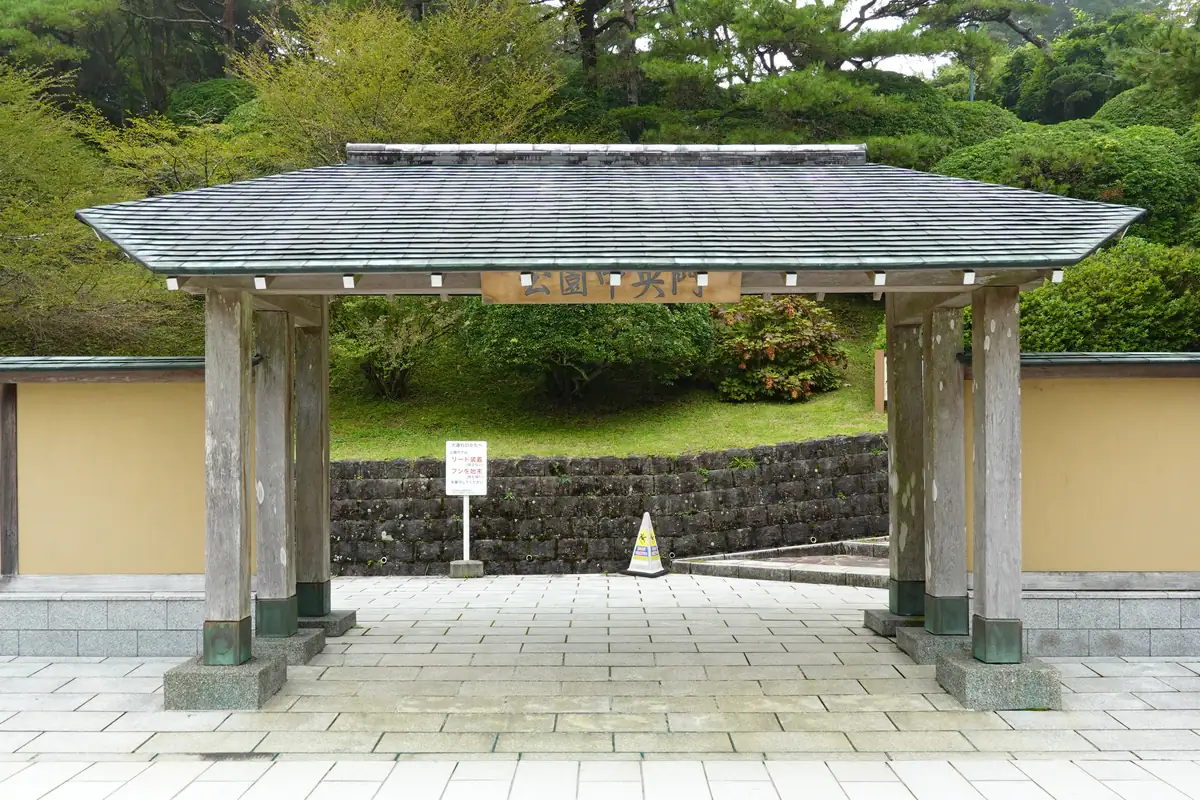
85 km southwest · ~85–100 min by train
Hakone
Onsen, art & Fuji viewsThe classic Tokyo escape, built as a circuit: ride the switchback Hakone Tozan railway, the cablecar and the ropeway over the steaming Owakudani crater (eat a black egg boiled in the springs), then cross Lake Ashi on the replica pirate ship to the torii gate of Hakone Shrine. The Open-Air Museum's Picasso pavilion and hillside sculptures justify the trip on their own. Fuji shows itself from the ropeway on clear mornings - start the loop early, before cloud builds.
- Getting there
- Getting there: The Odakyu Romancecar runs direct from Shinjuku to Hakone-Yumoto in ~85 minutes (all seats reserved - the front-cabin observation seats sell out first). Cheaper: Odakyu express trains with a change at Odawara (~2 h). The Hakone Free Pass (~¥6,000-6,500 from Shinjuku, valid 2 days) covers the round trip plus every leg of the Hakone loop; the Romancecar adds a ~¥1,200 seat surcharge on top.
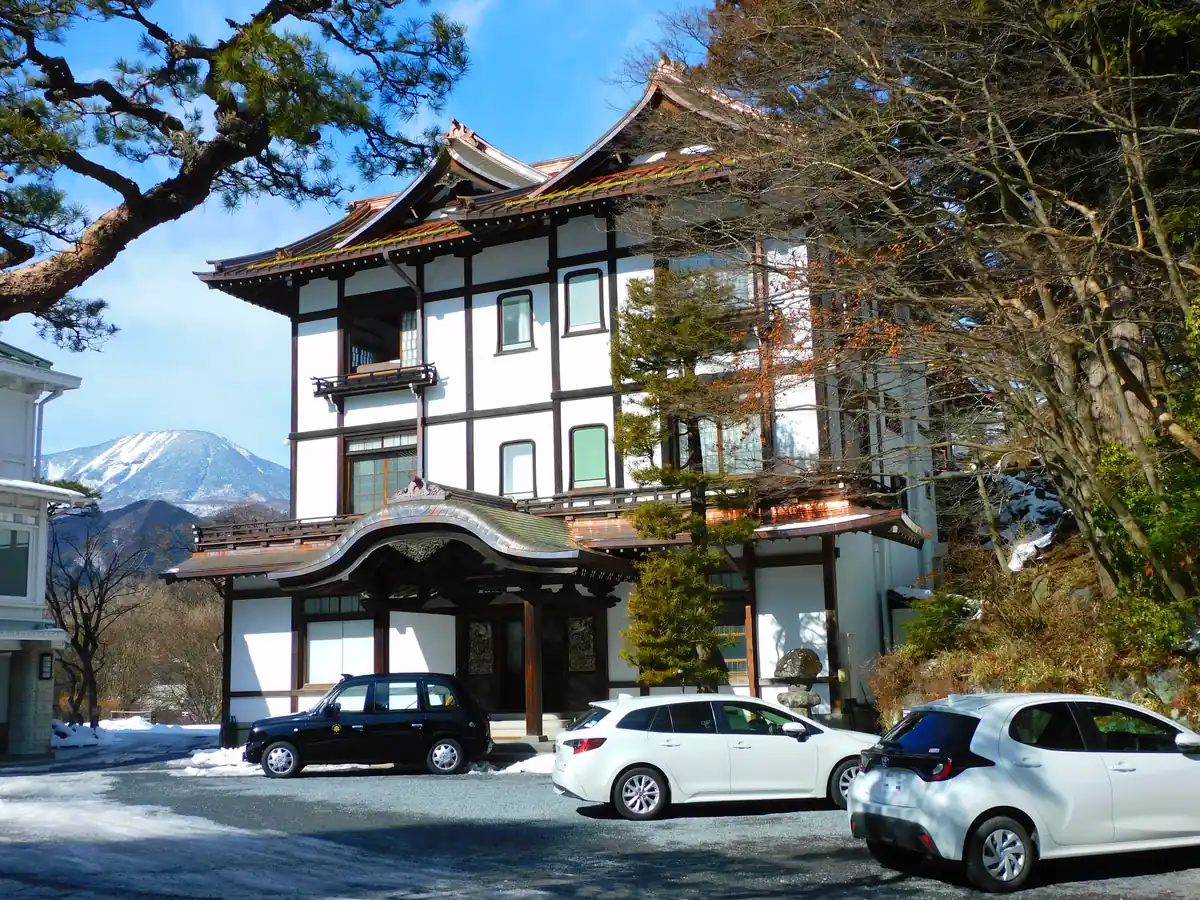
125 km north · ~2 h by train
Nikko
Shrines & mountain scenery
The Toshogu shrine complex - burial place of shogun Tokugawa Ieyasu - is Japan's most lavish religious architecture: the Yomeimon gate, the sleeping cat carving and the three wise monkeys, all wrapped in old-growth cedar forest. Add the Shinkyo bridge and the quiet jizo statues of Kanmangafuchi. Lake Chuzenji and Kegon Falls are another ~45 minutes by bus - possible, but only with a pre-9:00 start from Tokyo.
- Getting there
- Getting there: Tobu limited expresses (Revaty, Spacia) run direct from Tobu Asakusa station to Tobu-Nikko in ~1 h 50 (reserved seats - book a few days ahead for weekends). Direct JR-Tobu limited expresses also run from Shinjuku and Ikebukuro (~2 h). From the station it is a 10-minute bus or 25-minute uphill walk to the shrine district.
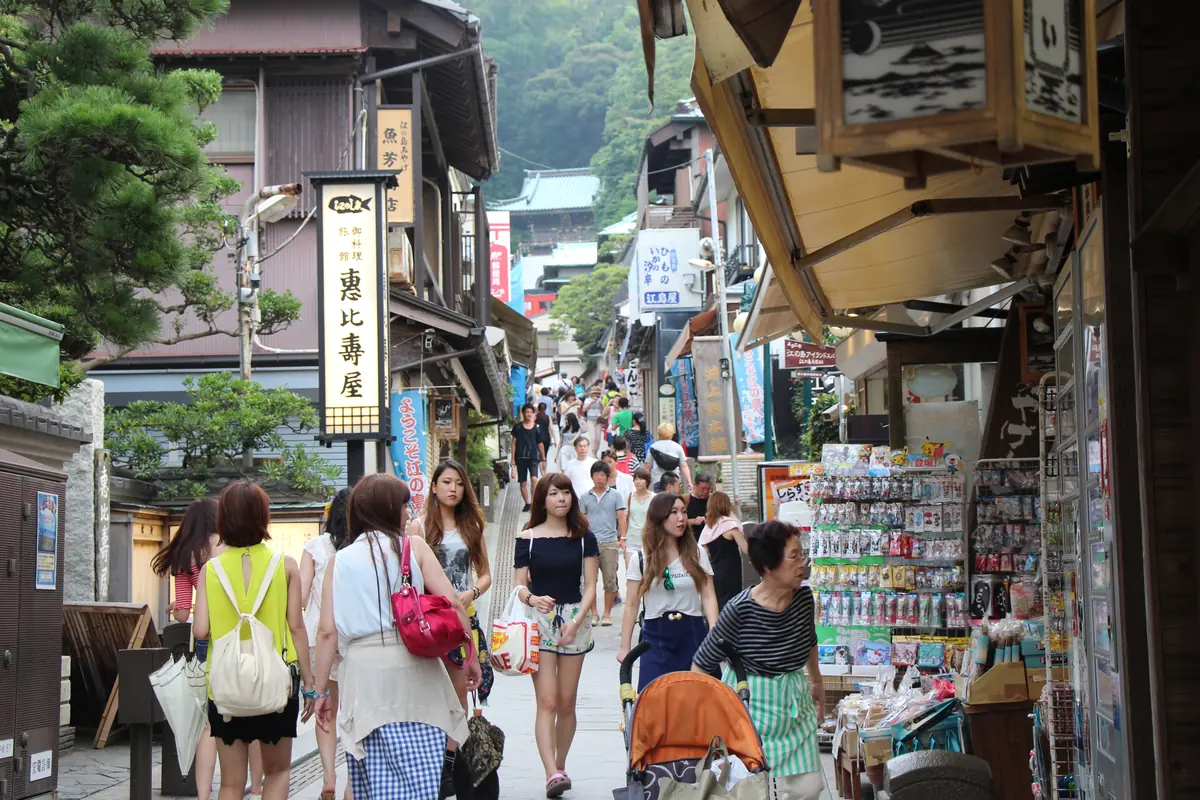
50 km south · ~55–65 min by train
Kamakura & Enoshima
Temples & the seasideJapan's 13th-century samurai capital: the 11-metre bronze Great Buddha at Kotoku-in, Hase-dera's hillside gardens with bay views, and the long approach avenue to Tsurugaoka Hachimangu. Get off one stop early at Kita-Kamakura and walk the temple trail (Engaku-ji, Kencho-ji) into town instead of starting at the main station. Finish with sunset over Sagami Bay from Enoshima.
- Getting there
- Getting there: Direct JR Yokosuka line trains from Tokyo, Shimbashi and Shinagawa stations to Kamakura (~1 h, ~¥950 each way). At the other end, the little Enoden tram links the temples, Hase and the coast, ending near Enoshima island.
30 km south · ~25–40 min by train
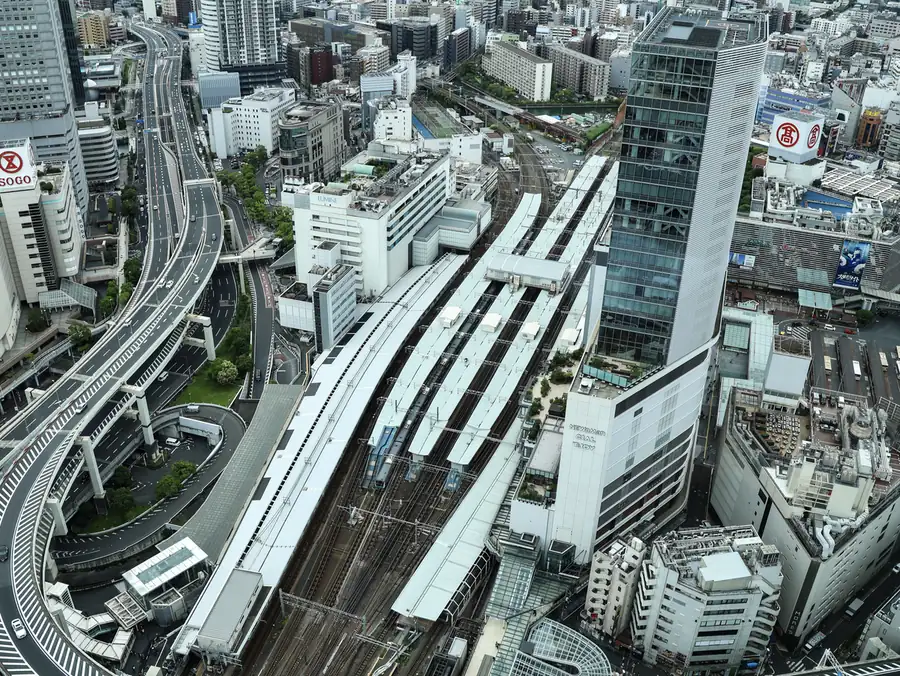
Yokohama
Food & harbor viewsJapan's second city with a completely different mood: the country's biggest Chinatown, the Cup Noodles Museum where you design your own ramen cup, the Red Brick Warehouse and the landscaped Sankeien garden. Best done as an afternoon-into-evening trip - the harbor skyline after dark is the point.
- Getting there
- Getting there: JR Tokaido and Yokosuka line trains from Tokyo Station reach Yokohama in ~25-30 minutes; from Shibuya, the Tokyu Toyoko line runs direct to Minatomirai (~35 min). The sights sit along one walkable waterfront arc from Minato Mirai to Chinatown.
35 km northwest · ~30–60 min by train
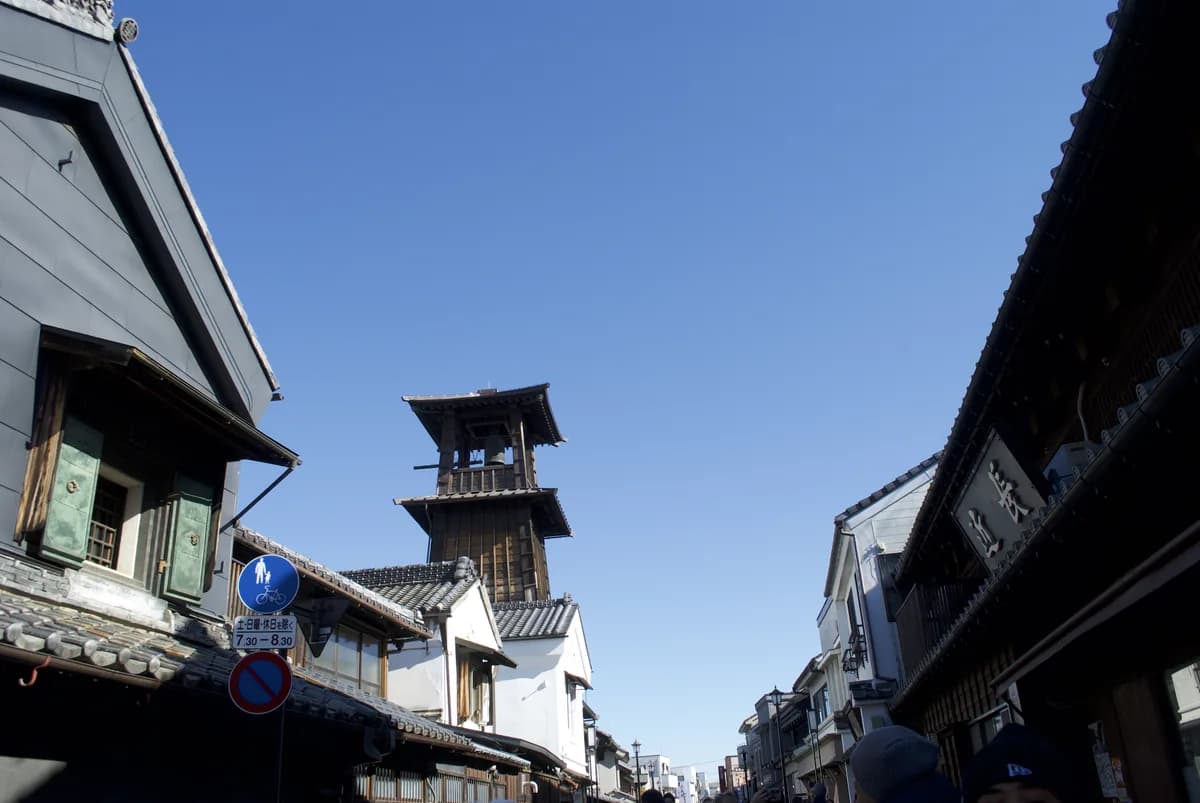
Kawagoe
Old Japan streetscapesLittle Edo: a street of clay-walled kurazukuri merchant houses, the Toki no Kane bell tower that has kept time since the Edo period, and Kashiya Yokocho, an alley of penny-candy shops. Kitain temple holds more than 500 stone rakan statues, each with a different face. Go on a weekday - Sunday afternoons are shoulder to shoulder.
- Getting there
- Getting there: Tobu Tojo line express trains from Ikebukuro reach Kawagoe in ~30 minutes; the Seibu Shinjuku line runs to Hon-Kawagoe (~45-60 min), slightly closer to the old town. The warehouse district is a 10-15 minute bus ride or ~25-minute walk from either station.
50 km west · ~50 min by train
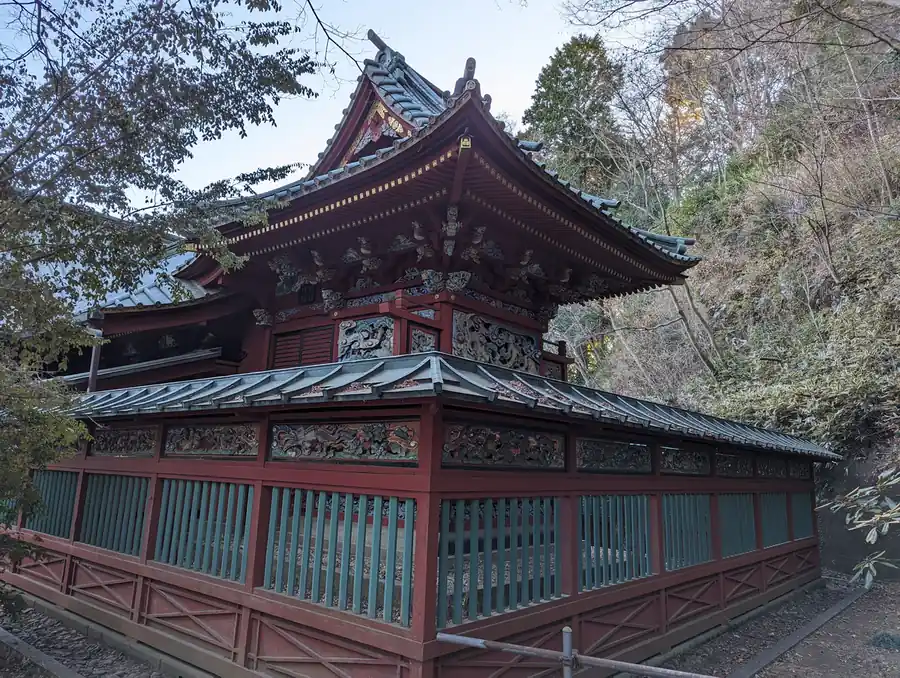
Mount Takao
Hiking without planningTokyo's local mountain: 599 metres, the tengu-guarded Yakuo-in temple at mid-slope, wild monkeys, and - on clear days, especially in winter - Mount Fuji from the summit. Take trail 6 up along the stream and the paved trail 1 down. Takaosan Onsen, directly behind the station, is the correct way to end it.
- Getting there
- Getting there: The Keio line runs direct from Shinjuku to Takaosanguchi in ~50 minutes (~¥430) - the Mt. Takao semi-special express drops you at the trailhead. A cable car and a chairlift cover the steepest half if you want them.
80 km northwest · ~80–120 min by train
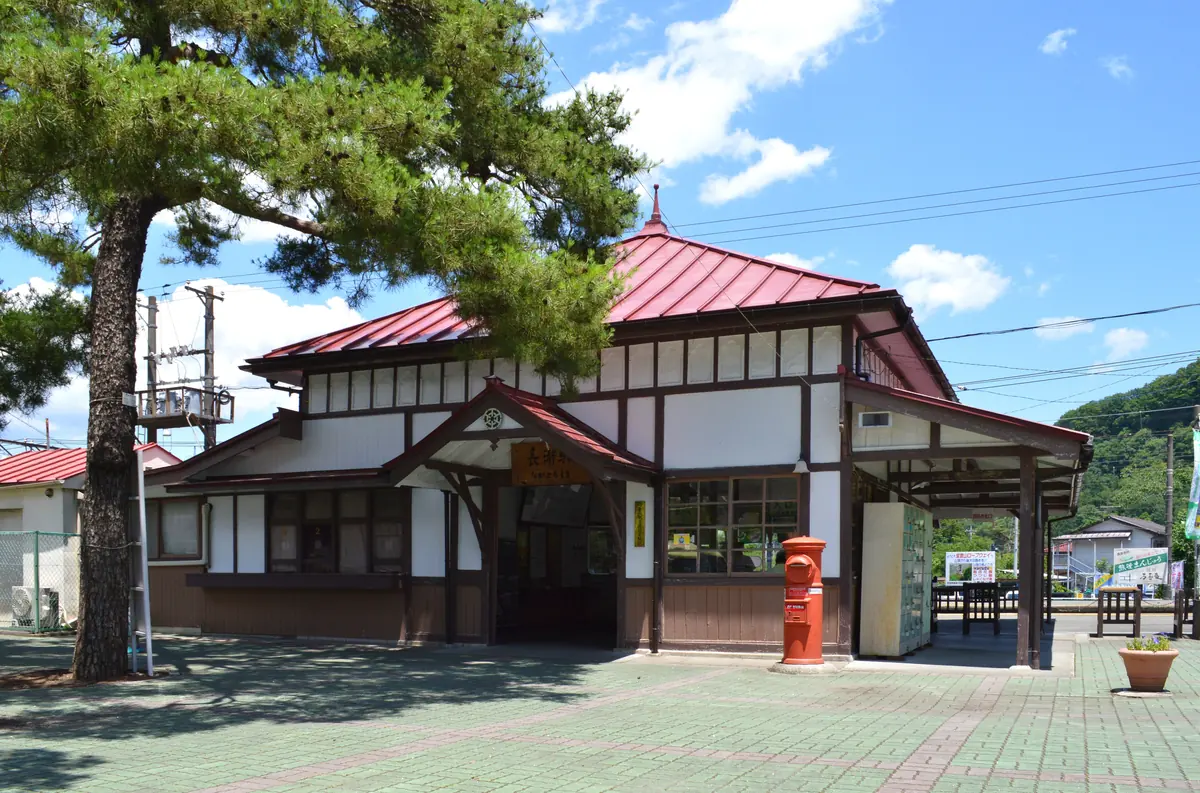
Chichibu & Nagatoro
River scenery & shrinesRiver gorges and mountain shrines a world away from the city: wooden boats shoot the rapids past Nagatoro's tiered Iwadatami rock terraces, and Chichibu Shrine's painted carvings rival Nikko's in miniature. From late April to early May, Hitsujiyama Park's hillside of shibazakura moss phlox draws serious crowds - book Laview seats ahead then.
- Getting there
- Getting there: Seibu's Laview limited express runs from Ikebukuro to Seibu-Chichibu in ~80 minutes (reserved seats). For Nagatoro, transfer to the local Chichibu Railway (~20 min more). Slower Seibu expresses do the trip cheaper with a change at Hanno.
80 km southwest · ~35–90 min by train
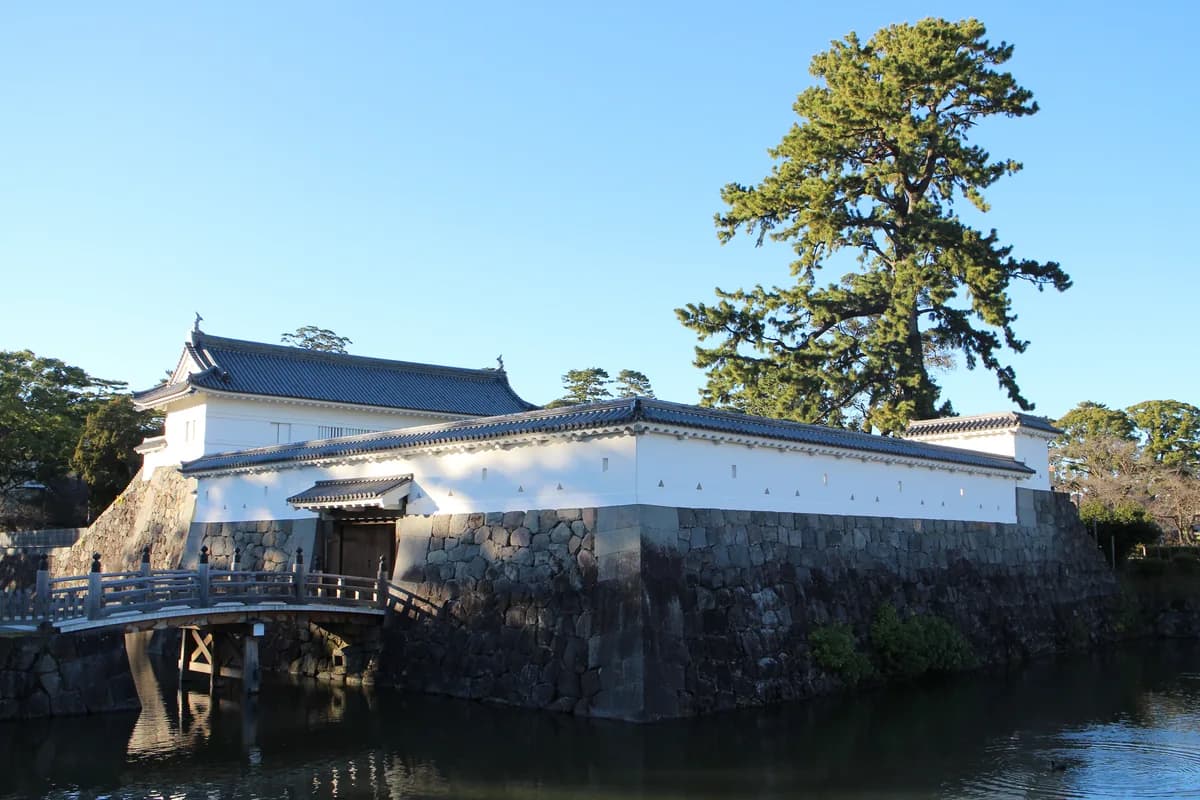
Odawara Castle
Castles & seafoodThe reconstructed keep of the Hojo clan's fortress - the castle that controlled the eastern approaches before Tokyo mattered - with Sagami Bay views from the top floor and moats ringed by cherry trees in early April. Odawara's fish-market lunches are the underrated draw. It pairs naturally with Hakone, 15 minutes further up the Hakone Tozan line.
- Getting there
- Getting there: The Tokaido shinkansen reaches Odawara from Tokyo Station in ~35 minutes; the Odakyu line from Shinjuku takes ~90 minutes but costs around ¥900. The castle park is a 10-minute walk from the station.
100 km west · ~2 h by train or bus
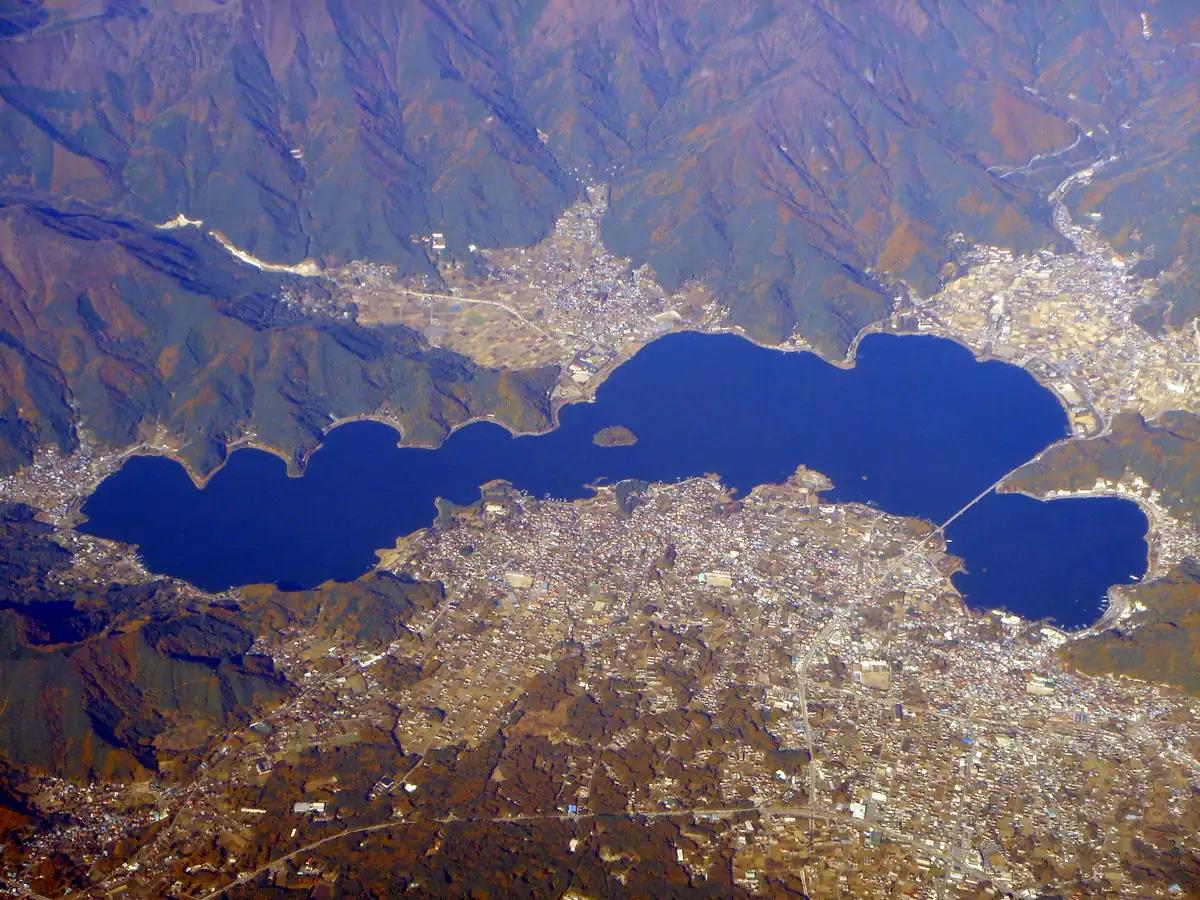
Kawaguchiko & the Fuji Five Lakes
Mount Fuji viewsThe closest thing to a guaranteed Fuji postcard: the mountain rising over Lake Kawaguchi, the Chureito Pagoda framing it from the Arakurayama hillside, and lakeside onsen where the view comes with the bath. Ride the Mt. Fuji Panoramic Ropeway for the over-the-lake angle. Clarity is best November to February, and best in the morning in any month.
- Getting there
- Getting there: The Fuji Excursion limited express runs direct from Shinjuku to Kawaguchiko in ~2 hours (all reserved - book ahead). Highway buses from Busta Shinjuku take about the same time for roughly half the price. See the Mount Fuji spotlight below for the full strategy.
60 km south · ~50–80 min by train
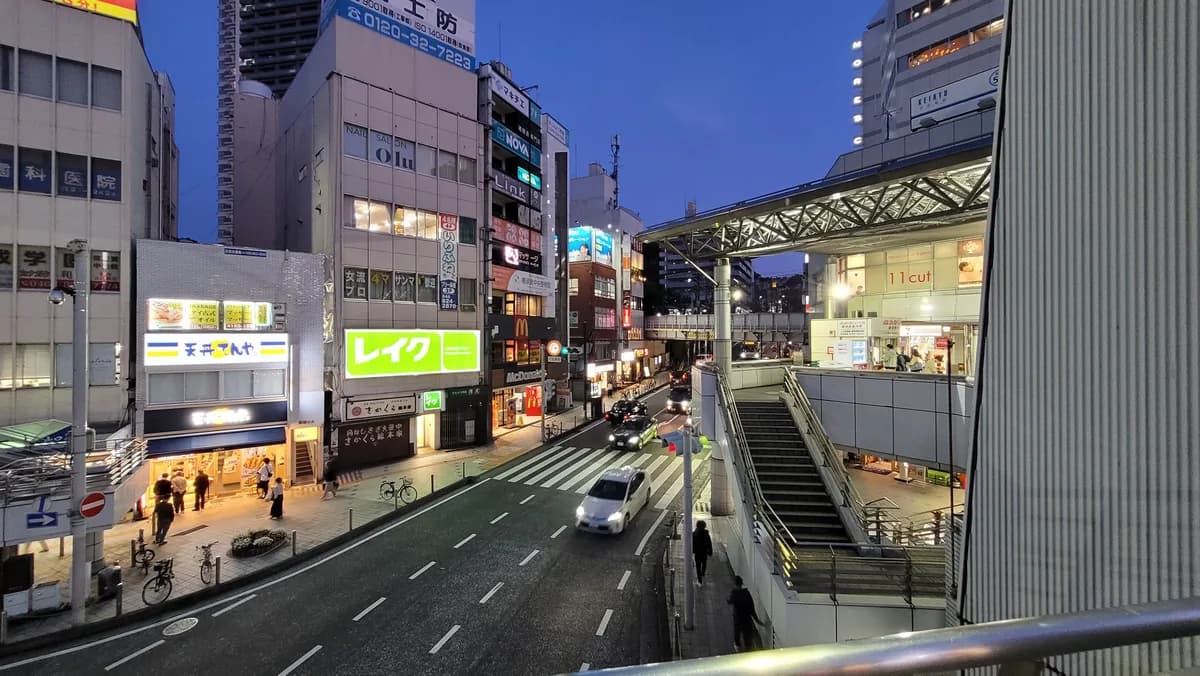
Yokosuka & the Miura Peninsula
Naval history & seafoodTokyo Bay's naval town and a fishing peninsula that few foreign visitors reach: board the 1902 battleship Mikasa, take the 10-minute ferry to Sarushima - the bay's only natural island, with overgrown brick fortifications - then continue south for Misaki port's tuna and the wind-scoured cliffs of Jogashima.
- Getting there
- Getting there: Keikyu line limited expresses from Shinagawa reach Yokosuka-Chuo in ~50 minutes and Misakiguchi, the end of the line, in ~75. Keikyu's Misaki Maguro day-trip ticket bundles the round trip, a tuna lunch and an activity - one of the Kanto region's best-value rail deals.
Tokyo to Mount Fuji: the day trip done right
Most searches for a Tokyo-to-Fuji day trip end at an overpriced bus tour, when the better version is a direct train you can book yourself. The other half of doing it right is managing the mountain: Fuji hides in haze and cloud for much of the year, so timing the season and the hour of day matters more than the transport.
- The direct train: the Fuji Excursion limited express runs from Shinjuku to Kawaguchiko in about 2 hours, several times a day, ~¥4,000-4,500 one way. All seats are reserved - book on the JR East site up to a month ahead, and treat weekend seats as sell-out territory.
- The cheap option: highway buses from Busta Shinjuku (the terminal above Shinjuku Station's south exit) reach Kawaguchiko Station in ~2 hours for roughly half the train fare. Book online; weekend departures fill, and weekday traffic can stretch the ride.
- The photo: Chureito Pagoda - the five-storey pagoda with Fuji behind it - stands in Arakurayama Sengen Park, a short walk plus ~400 steps up from Shimoyoshida Station, a few stops before Kawaguchiko on the Fujikyu line. Do it on the way in, while the light and your legs are fresh.
- Visibility is the whole game: November to February brings the clearest air of the year, and in any season your best odds are before ~10:00. Take the earliest departure you can and put the viewpoints first, lakes and onsen second.
- If the forecast is bad, switch targets: Hakone offers the classic across-the-lake Fuji view from the ropeway and Lake Ashi, plus museums and hot springs that still make a good day when the mountain stays hidden.
- Climbing is a different trip entirely: the official season runs early July to early September, and a summit attempt is not a sensible day trip from Tokyo. This itinerary is about seeing Fuji, not standing on it.
Day trips from Tokyo: FAQ
The questions travelers ask most when planning day trips from here.
Every trip on this page starts in Tokyo
Each of these is a day out and back, so the thing that decides the whole trip is where you sleep between them and how far that is from the station. These go into the detail:
- Free cancellation on most rooms
- No booking fee
- Prices on Trip.com
Continue Planning Your Trip
Things to Do
Ranked attractions, tips and how to book tickets
Where to Stay
The best area to stay in each city, by neighborhood
Car Rental
Real prices, driving tips and the best routes by destination
Airport Transfers
Getting from the airport to your hotel, by price and time
All-Inclusive Guides
What all-inclusive really means, by destination
Best Time to Visit
Month-by-month weather, crowds and prices
Route Finder
Find the cheapest way to get there
Hotel Finder
Book the right hotel for your destination
AI Trip Planner
Build a day-by-day itinerary
Photo credits (10)
Photos via Wikimedia Commons, used under their respective licences.
- Hakone: 663highland - CC BY-SA 4.0 · source
- Nikko: Miyuki Meinaka - CC BY-SA 4.0 · source
- Kamakura & Enoshima: Dandy1022 - CC BY-SA 4.0 · source
- Yokohama: Sakura Torch - CC0 · source
- Kawagoe: Balabd - CC BY 4.0 · source
- Mount Takao: Syced - CC0 · source
- Chichibu & Nagatoro: Saigen Jiro - CC0 · source
- Odawara Castle: Suicasmo - CC BY-SA 4.0 · source
- Kawaguchiko & the Fuji Five Lakes: BehBeh - CC BY-SA 3.0 · source
- Yokosuka & the Miura Peninsula: Aspere - CC0 · source